
Washington’s Hendrix-Inspired Museum Of Pop Culture Turns Rock Memorabilia And Playable Instruments Into A Must-See Stop
A museum inspired by Jimi Hendrix lets you pick up real instruments and play them yourself. No velvet ropes between you and the drum kit.
Just a room upstairs built for making noise on purpose.
The collection stretches from Bo Diddley to Bob Dylan. Then it swerves into science fiction, fantasy, horror, and video games.
I like how one ticket can cover a guitar legend and a movie monster before lunch.
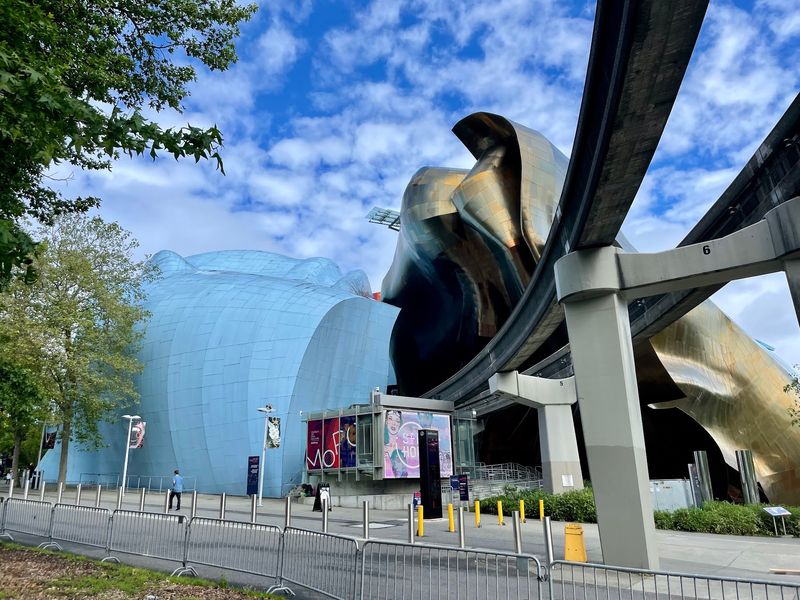
The building alone stops people in their tracks. Its colorful, curving shape looks like something a rock star might sketch on a napkin.
It sits right beside one of Washington’s most famous landmarks, so it fits easily into a busy day.
I can’t imagine a better rainy-day stop for a family of mixed tastes. So which gallery would pull you in first?
A Rock-Inspired Museum Sitting In The Shadow Of The Space Needle
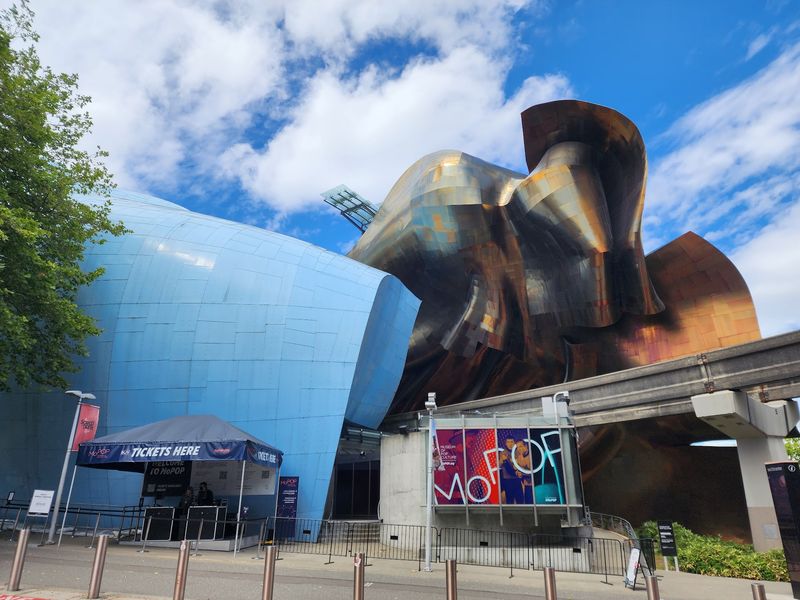
Seattle Center holds plenty of famous sights, but the Museum of Pop Culture might be the one that looks most like it landed from another planet. Its home base is right next to the Space Needle in Washington’s biggest city.
The museum’s roots trace back to Jimi Hendrix, the Seattle-born guitarist who changed rock forever. That inspiration still shapes the place today.
Music remains a big part of the story, with items from icons ranging from Bo Diddley to Bob Dylan.
Here’s what makes it fun, though. The museum didn’t stop at music.
Its galleries now reach into science fiction, fantasy, horror, movies, television, and gaming.
That mix means a rock fan and a sci-fi fan can walk through the same doors happily. Nobody has to sit in the car and sulk.
Each section aims to feel like its own little world.
Think of it as a museum built around the things people actually love, not just things they study. You get history, sure.
You also get costumes, props, guitars, and the chance to make some noise.
That Wild, Colorful Building Deserves Its Own Photo Stop
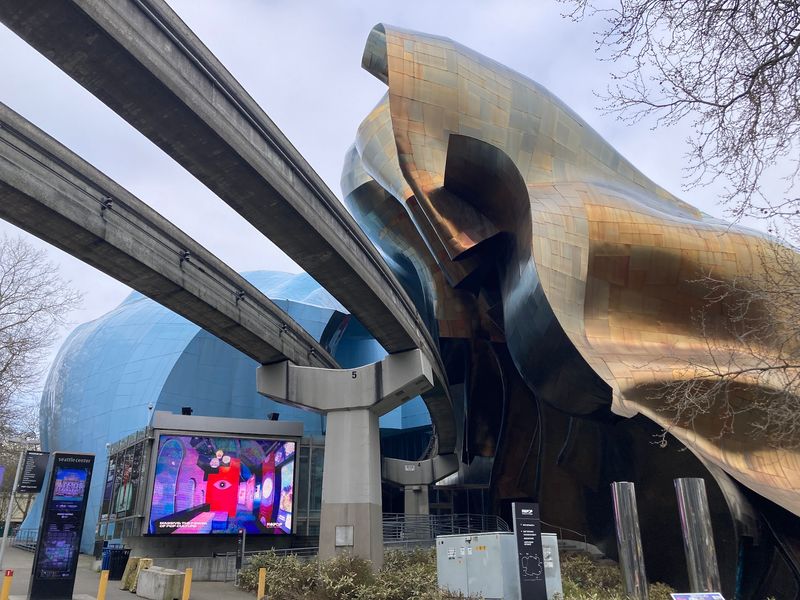
Bright, curved, and wonderfully strange, the outside of the museum grabs attention long before you buy a ticket. Many people call the building one of the highlights all on its own.
That’s a bold claim for a structure, but it earns it.
The architecture breaks every rule of the boxy museum. Colorful swoops and shapes give it a playful, almost musical look.
It feels fitting for a place inspired by an electric guitar legend.
Plan a few minutes outside before heading in. The surfaces change mood with the light and the angle.
Your camera roll will thank you later.
The interior keeps that energy going too. Sound design and lighting help shift the mood from one gallery to the next.
Moving between sections can feel like stepping through doors into different worlds.
Kids especially tend to notice that change. One minute it’s moody and spooky, the next it’s bright and loud.
Even adults who skip museum signs will notice the drama.
Honestly, it’s a bit like the building is part of the exhibit. You’re standing inside the art, not just looking at it.
You Can Actually Jam Out In The Sound Lab Upstairs
Go ahead and touch the instruments. Upstairs at the Museum of Pop Culture, the Sound Lab invites visitors to pick up gear and play.
The room holds a variety of instruments to try. There are also turntables for anyone curious about DJing.
It’s one of the most talked-about spots in the whole building.
Why does it work so well? Most museums ask you to keep your hands to yourself.
This one hands you the drumsticks.
The Sound Lab suits all ages, from curious kids to grandparents who once played in a garage band. Nobody expects a perfect performance.
The point is just to have fun and feel the music firsthand.
Even folks who weren’t wowed by every gallery tend to enjoy this room. It brings a bit of rock-star energy into an ordinary afternoon.
And yes, you’ll probably hear some enthusiastic beginners nearby.
Give yourself time here if your group loves music. It’s easy to lose track of the clock while testing one instrument after another.
Leaving might be the hardest part.
Guitar Legends And A Hendrix Tribute Fill The Music Galleries
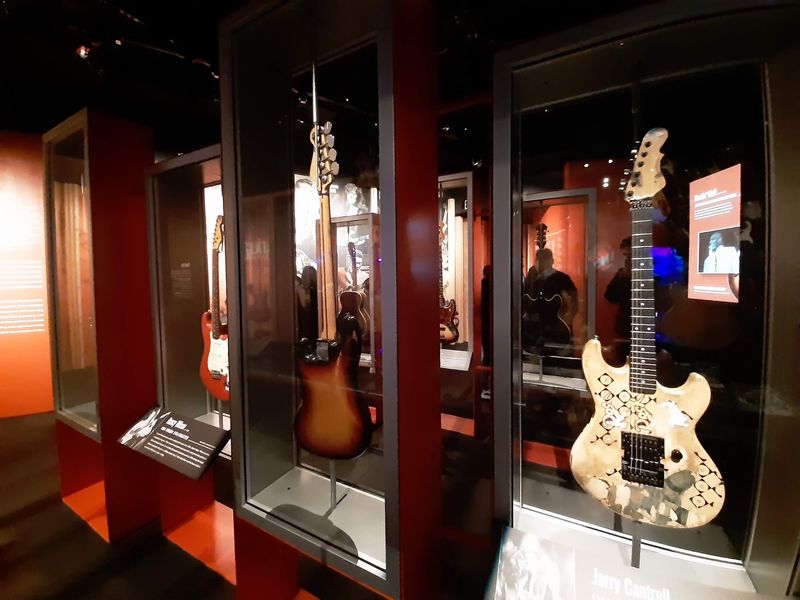
Jimi Hendrix gets his due here, and it feels right. The Seattle-born guitarist inspired the museum, and a gallery dedicated to him keeps that spirit alive.
Nearby, the Guitar Gallery shows off instruments tied to famous players. Music lovers can study the wear, shape, and style of guitars that shaped rock history.
It’s a treat for anyone who ever air-guitared in a bedroom.
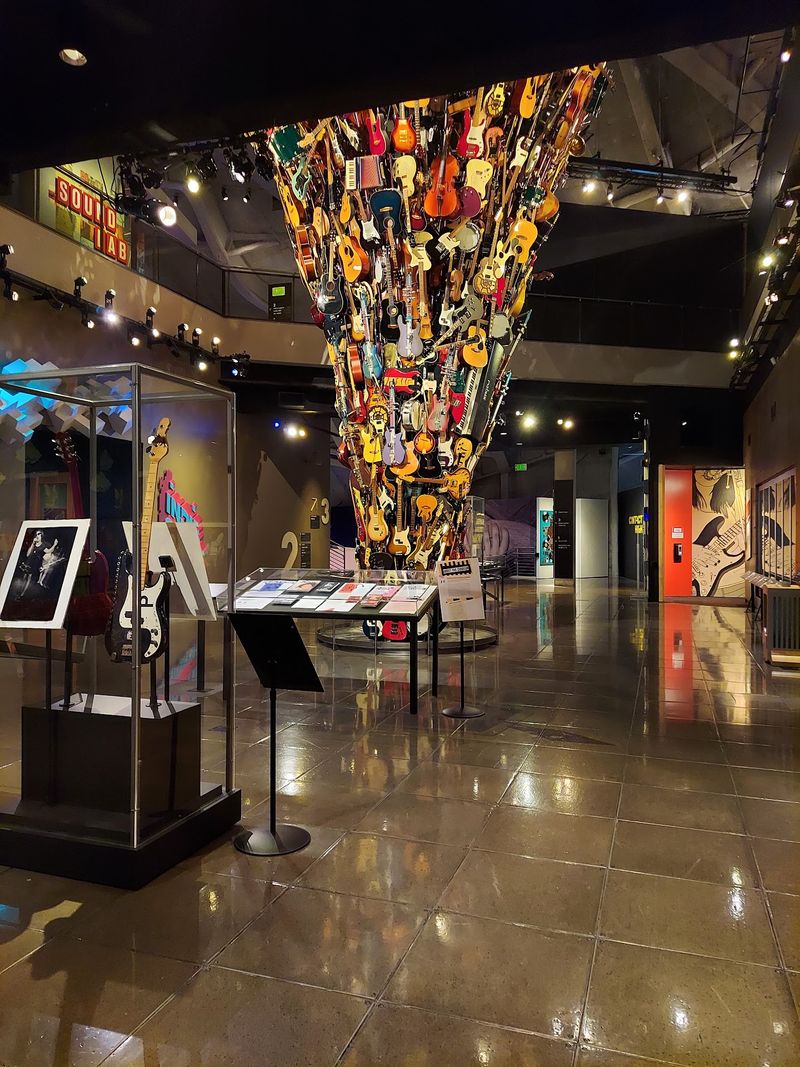
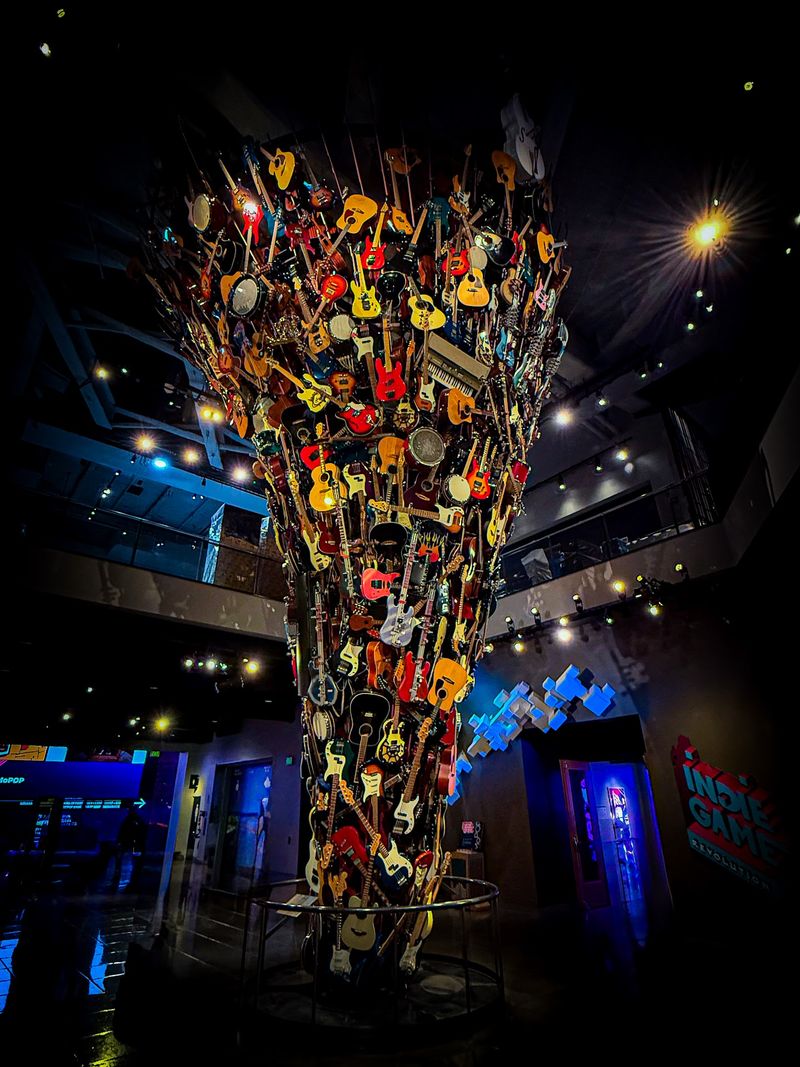
Then there’s the big guitar sculpture at the center of one floor. It’s a towering showpiece that’s hard to walk past.
Expect plenty of people pausing to look up.
The music side goes beyond rock too. An exhibit traces Black music from gospel and jazz through blues and soul.
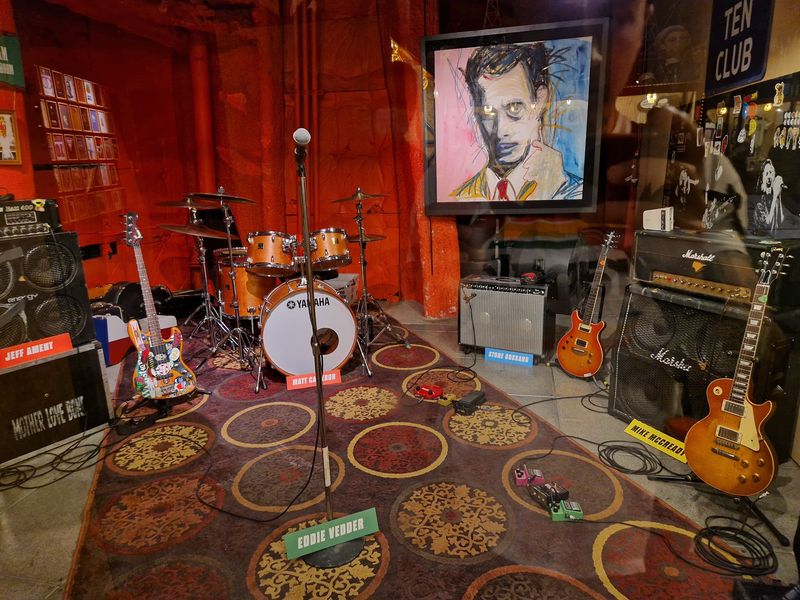
Hip hop has a strong presence, and a Pearl Jam exhibit draws attention as well.
Listening stations let you discover new tracks or revisit old favorites. That makes the history feel alive rather than stuck behind glass.
Your ears get as much of a tour as your eyes.
Fair warning, some music rooms are compact. Take your time and let the crowds shuffle through.
Starships, Wizards, And Movie Props For The Screen-Loving Crowd
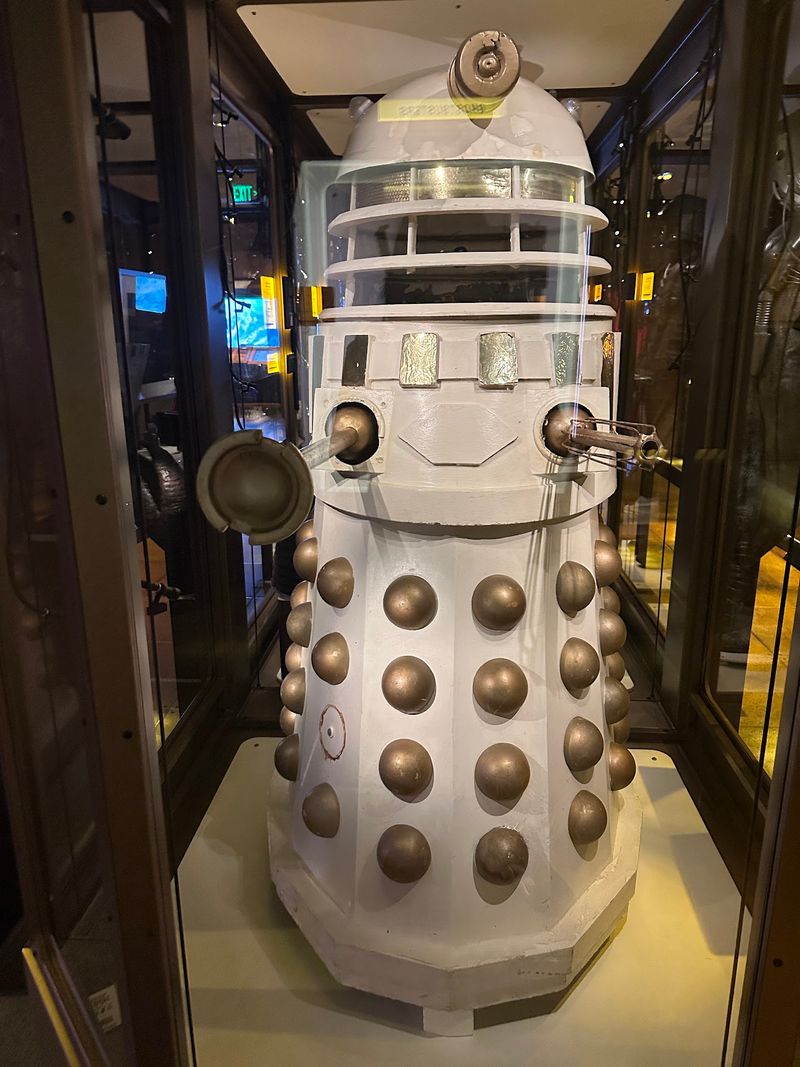
Science fiction may be the museum’s biggest star after music. It’s one of the most mentioned topics of all, and for good reason.
The screen galleries are packed with props and costumes from movies and TV shows. Familiar names like Star Trek, Star Wars, and Alien turn up among the displays.
Each area is themed to feel immersive.
Fantasy fans get their own realm too. It’s decorated so stepping inside feels like entering a storybook land.
That’s a nice fit for anyone who grew up on dragons and quests.
Special programming sometimes adds extra fun. The museum recently celebrated a Star Trek anniversary with added exhibits.
Those rotating touches give returning visitors something new.
One helpful tip applies here. The museum owns thousands of items, and not all are displayed at once.
So a prop you spotted online might be resting in storage.
That turnover is kind of a perk, though. It means a second trip could feel different from the first.
Bring your inner fan and let the galleries surprise you.
The Spooky Section Brings Delightful Chills

Got a family member who loves a good scare? The horror gallery might become their favorite stop of the day.
Horror is one of the most talked-about parts of the museum. The space leans into moody lighting and dramatic design.
It’s spooky in a fun, campfire-story kind of way.
Inside, you’ll find props and costumes tied to well-known horror films and shows. The Walking Dead is among the names represented.
Fans can spend a while studying the details up close.
Younger kids may want a hand to hold in spots. Still, plenty of families explore it together.
Even an 8-year-old reportedly found himself mesmerized by exhibits outside his usual interests.
Here’s a smart way to plan. Pair the horror room with something lighter afterward, like the Sound Lab.
A little drumming shakes off any lingering goosebumps.
The gallery shows how the museum treats every genre seriously. Horror isn’t tossed in a corner.
It gets the same care and theatrical staging as rock legends and starships.
Games, K-Pop Lightsticks, And Plenty Of Surprises
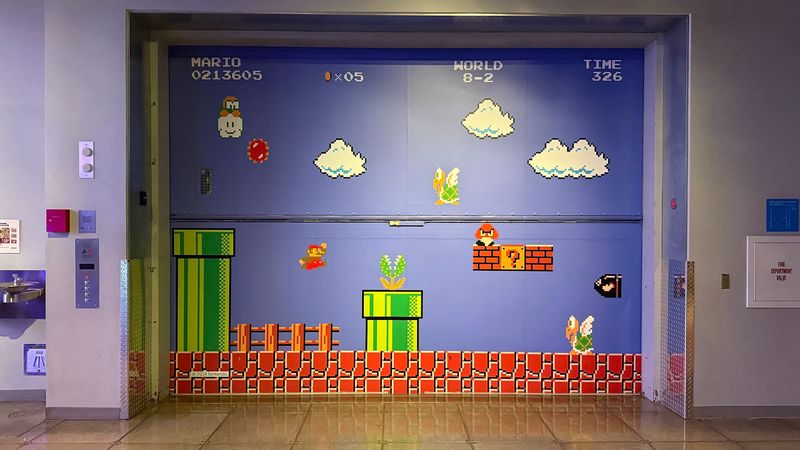
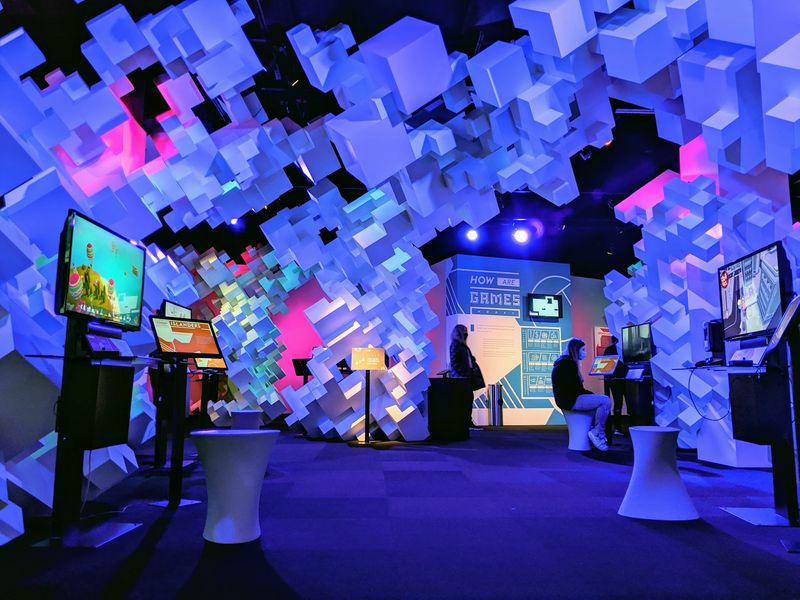
Video games earn a spot here too, and you can play them. The gaming area offers a lot of hands-on fun for players of every skill level.
A Minecraft exhibit has also drawn plenty of attention. That’s welcome news for kids who build blocky worlds after school.
Parents might sneak in a turn as well.
Smaller displays keep the variety rolling. A K-pop lightstick collection has delighted fans of the genre.
A Kendrick Lamar display and photo exhibits round things out.
Some sections rotate, so the lineup can shift over time. The museum has also mentioned new exhibitions on the way.
Checking ahead helps if you’re hoping for something specific.
Not every pop culture topic is covered, of course. Some guests wish for more on certain music stars and big gaming history.
That’s fair to keep in mind.
Still, the surprises are part of the charm. You might come for one thing and leave obsessed with another.
Wandering without a strict plan often pays off here.
Who Will Love It Most And How Long To Stay
Mixed-interest families, this one’s for you. The Museum of Pop Culture shines when your group can’t agree on anything.
Music fans get guitars and listening stations. Movie lovers get props and costumes.
Gamers get controllers, and thrill-seekers get the horror gallery.
Many visitors describe it as a choose-your-own-adventure kind of place. You can read every sign or simply soak in the displays.
Either approach works fine.
Time is the big question. A quick walk-through can take around 45 minutes.
Most people spend roughly two to three hours, and some wish they had stayed longer.
My advice? Give yourself a solid chunk of the afternoon.
Rushing means skipping the Sound Lab, and that would be a shame.
Expectations matter too. Some guests feel the inside doesn’t quite match the grand exterior, while others call it a Seattle highlight.
Going in curious rather than expecting a giant encyclopedia of pop culture tends to help.
Know also that there are a fair number of stairs. Plan accordingly if anyone in your group needs an easier route.
Hours, Tickets, And A Few Handy Tips Before You Go
Mark your calendar carefully, because Wednesday is the day off. The museum is closed Wednesdays and open the rest of the week from 10 AM to 5 PM.
You’ll find it at 325 5th Ave N, Seattle, WA 98109. That’s right on the Seattle Center campus.
Tickets get mixed opinions on value. Some find admission reasonable, while others feel it’s steep.
Bundles can help stretch the budget.
Seattle CityPASS and the C3 program both include the museum. They pair it with other big attractions, which may save money.
That’s handy for a full day of sightseeing in Washington.
Reservations weren’t required for at least some pass holders. Still, it’s smart to confirm before heading out.
Here’s a small but helpful detail. Beverages aren’t allowed inside the galleries.
Free lockers near the entrance make stashing them easy.
There’s a gift shop, though it’s on the small side and sometimes closed. Culture Kitchen offers food onsite if hunger strikes.
Many folks also grab a bite at nearby spots around Seattle Center.
Getting There Is Half The Fun With The Monorail
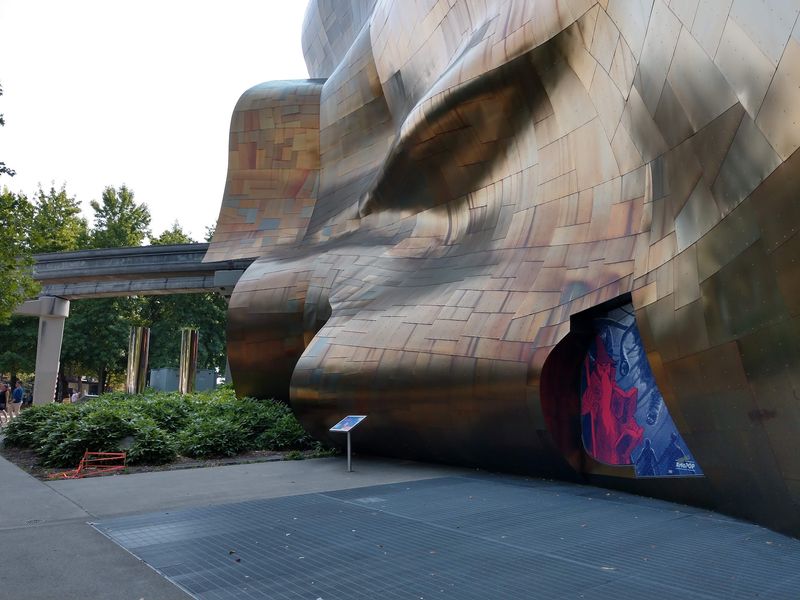
Few museum arrivals beat this one. The Seattle Center Monorail drops riders off just steps from the museum’s door.
In fact, the monorail track glides right by the building. It’s a nostalgic, retro ride that feels perfectly in tune with a pop culture adventure.
Kids tend to love it.
Driving works too. Paid lots sit across the street, and some offer all-day parking.
That makes it easy to leave the car and explore on foot.
The location is a big win for planning. The Space Needle stands right beside the museum.
Chihuly Garden and Glass is close by as well.
That means you can stack several Washington favorites into one outing. Visit the museum in the morning, then head to the Needle for views.
Or flip the order depending on weather.
Nearby shops and food spots make breaks simple. You won’t need to wander far for a snack.
Everything feels tidy and walkable around the Seattle Center grounds.
A Loud, Lively Stop Worth Fitting Into Your Seattle Day
So, is it worth the trip? For most people, the answer leans toward a happy yes.
The Museum of Pop Culture blends rock history with screen magic and hands-on play. It honors Jimi Hendrix while making room for starships, monsters, and video games.
Few museums try to juggle that much fun.
It isn’t perfect for everyone. Some visitors want deeper collections or broader coverage of today’s stars.
Setting realistic expectations helps you enjoy what’s there.
And what’s there is plenty. You get a jaw-dropping building, a Sound Lab that begs for noise, and themed galleries that feel theatrical.
Add the monorail ride, and the outing feels like an event.
I believe it works best for curious groups who like variety. Grandparents, teens, and little ones can each find a favorite corner.
That’s rare and worth celebrating.
Pick a day besides Wednesday and give it a couple of hours. Then let the music, props, and color do their thing.
You might just walk out humming.