
Something From The Ice Age Was Just Found In A California Creek, And Scientists Are Fascinated
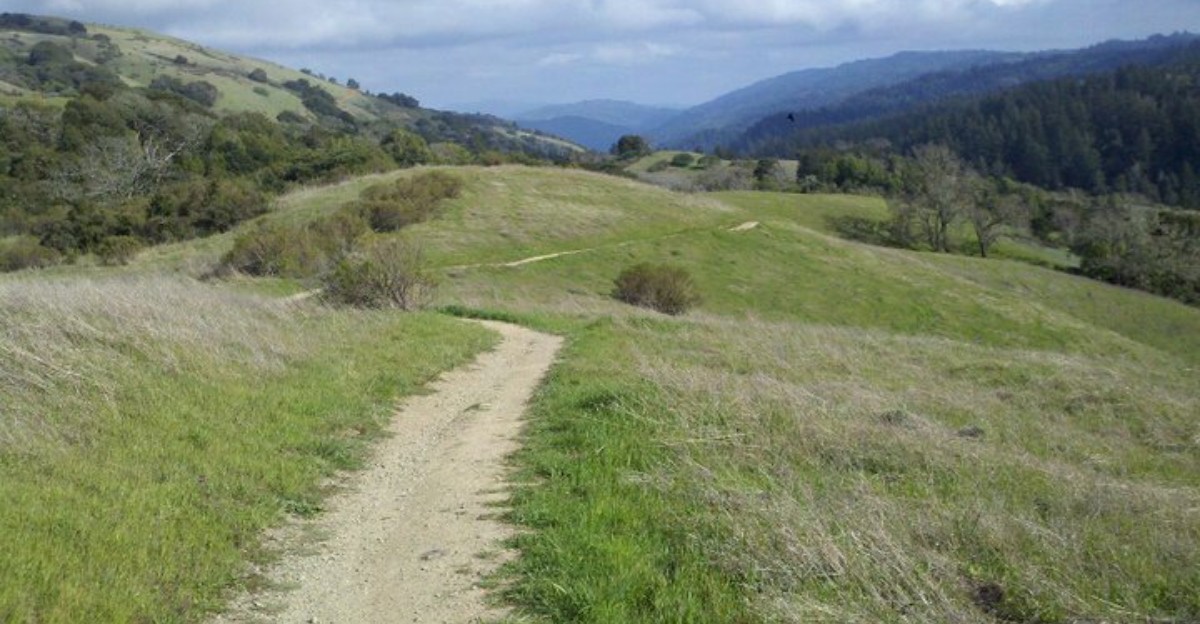
Something from the Ice Age was hiding in an unexpected place. It had been there for thousands of years, waiting for someone to notice.
And when they finally did, an ordinary California creek became the center of a fascinating discovery.
At first, there was little to suggest anything unusual. But one closer look revealed a connection to a world that disappeared long before our time.
I find it fascinating how something so easily overlooked can suddenly change the way we see an entire landscape.
And this discovery raises some intriguing questions. What exactly was left behind?
Why was it found there? And what might it tell us about the enormous creatures that once called California home?
I have a feeling the story behind this find is even more interesting than the discovery itself.
A Workday In The Creek Turned Into A Prehistoric Plot Twist
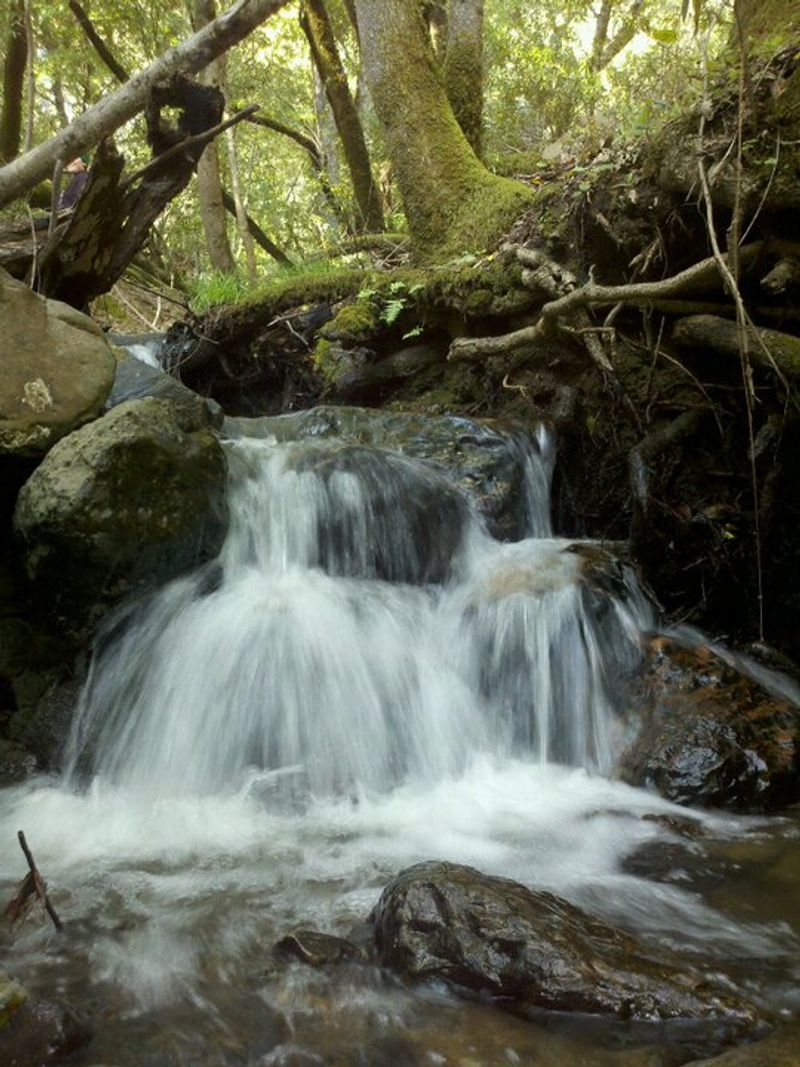
Most workdays don’t end with a call to paleontologists. That changed when a fossil molar turned up in a creek on land protected by the Midpeninsula Regional Open Space District in San Mateo County, California.
The tooth belonged to a Pacific mastodon, an animal that vanished at the end of the last Ice Age. It sat in the creek bed, shaped and polished by time, water, and sediment.
Creeks are sneaky storytellers. Moving water slowly cuts into old soil layers and can uncover things that have stayed buried for ages.
That’s one reason scientists love checking stream banks after heavy rains. Fresh erosion can expose bones, shells, and teeth that dry hillsides keep hidden.
The find was handed over for proper study instead of ending up on someone’s bookshelf. That choice matters, because a fossil loses much of its value once it leaves its setting without notes.
Picture the record keeping as a crime scene file for an Ice Age animal. Where it lay, what surrounded it, and how deep it sat can all become clues.
One tooth may sound small. For researchers, it is a door cracked open to a much older Bay Area.
Meet The Mastodon That Called California Home
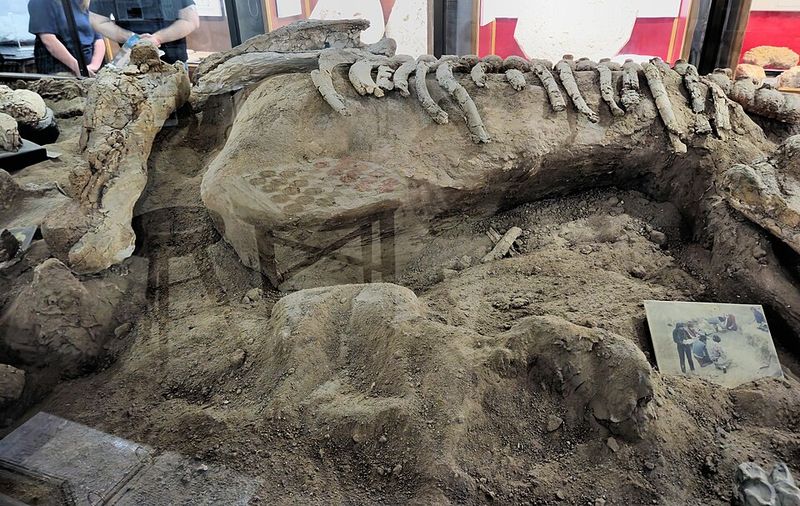
Mastodons sound like something out of a cartoon about cave people. Yet the Pacific mastodon was very real, and it lived across what is now California and nearby regions.
Scientists only named it as its own species, Mammut pacificus, in 2019. Before that, its fossils were often lumped together with the better-known American mastodon.
Researchers noticed some key differences after studying many specimens. The Pacific mastodon had narrower molars, proportionally thicker thighbones, and no lower tusks, unlike some American mastodons.
Think of them as relatives with slightly different family features. Same big body plan, same long upper tusks, but a West Coast twist.
These animals were browsers rather than grazers. That means they likely munched on leaves, twigs, and shrubs instead of mostly mowing down grass.
Their shaggy reputation comes from relatives found frozen or preserved elsewhere. So a woolly-looking mastodon in your mind isn’t far off.
Finding one in a San Mateo County creek connects a modern preserve to that ancient lineup. It’s a reminder that California’s famous wildlife roster once included creatures far bigger than any mountain lion.
Bumpy Cusps Gave Away The Owner Of This Tooth
Teeth are like ID cards for extinct animals. Experts can often tell who chewed with them just by studying the shape.
Mastodon molars have rows of rounded, cone-like bumps called cusps. In fact, the name mastodon roughly means nipple tooth, a detail that makes kids giggle in museums every day.
Mammoths, their famous cousins, had very different molars. Their teeth had flat surfaces lined with ridges, built like a grater for grinding grass.
Those bumpy mastodon teeth worked better for crushing branches and leafy plants. So one look at the cusps tells a story about diet as well as identity.
Wear patterns add even more detail. A heavily worn tooth may hint at an older animal, while sharper cusps might point to a younger one.
Teeth also survive better than many bones. Their tough enamel holds up against water, pressure, and time, which helps explain why fossil teeth are common finds.
So the creek didn’t give up a random chunk of Ice Age history. It gave up one of the most informative body parts an extinct giant could leave behind.
Good Luck Finding The Exact Spot On Any Map
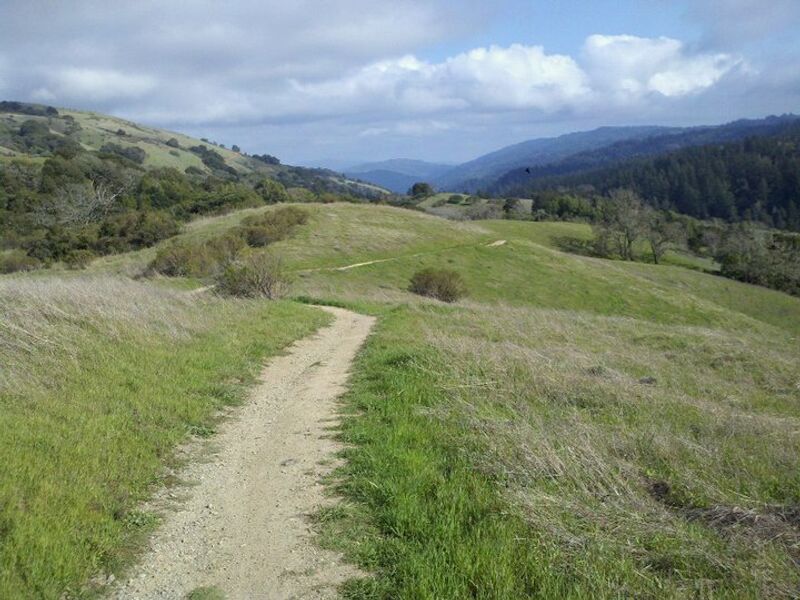
Secrets keep fossils safe. The exact creek where the tooth surfaced has not been shared with the public, and that’s on purpose.
Fossil sites can attract the wrong kind of attention. Once a location becomes known, people may dig, scrape, or carry away pieces that scientists still need to study.
Even well-meaning visitors can cause trouble. Footsteps along a fragile creek bank can loosen soil and shift tiny bits of evidence out of place.
Creeks also matter for wildlife. Many streams in Midpen preserves support sensitive species, and trampling the banks can damage habitat that took years to recover.
So the hush-hush approach protects two things at once. Ancient history stays put, and living creatures keep their homes.
Honestly, the mystery adds a little fun. Every shady creek you pass in the Santa Cruz Mountains suddenly feels like it might hold a story.
Just enjoy that feeling from the trail. Admiring the water from a distance is the best way to keep the next big discovery waiting for the right hands.
Scientists Can Squeeze Big Answers Out Of One Molar
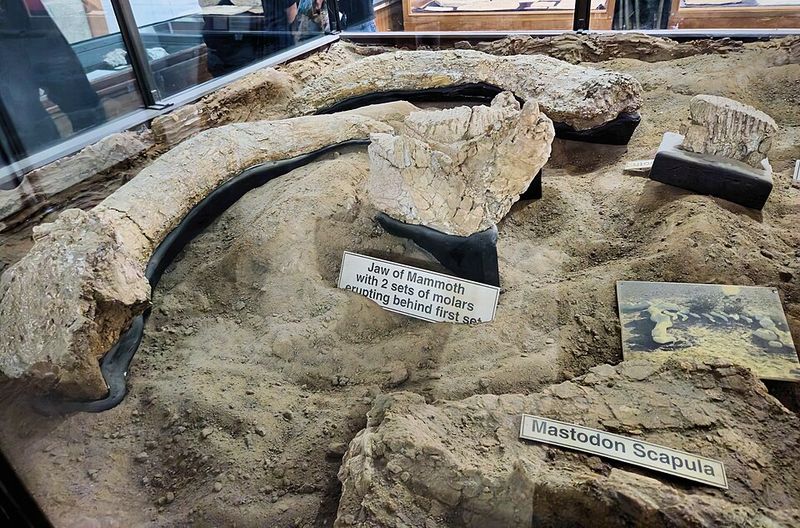
A single tooth can hold a surprising amount of data. Researchers treat it a bit like a tiny time capsule.
Dating methods may help narrow down when the animal lived. Knowing the age of nearby sediment can also help place the find on the Ice Age timeline.
Chemistry offers another layer. Elements locked in enamel can reveal clues about what the animal ate and even where it roamed.
Scratches on the chewing surface matter too. Tiny marks can hint at whether the mastodon munched mostly woody plants or softer greens.
Each detail helps scientists fill gaps in the bigger picture. Finds from the Peninsula add local information to a story usually told with fossils from other parts of California.
The famous La Brea Tar Pits in Los Angeles get much of the spotlight. Discoveries like this one prove the northern part of the state has its own chapters worth reading.
No fancy skeleton required. Sometimes one well-preserved tooth answers questions that a pile of broken bones never could.
The Peninsula Looked Wildly Different Back Then
San Francisco Bay didn’t even exist as a bay during the coldest stretches of the last Ice Age. Sea levels were so low that the area was mostly a river valley.
The coastline sat miles farther west than it does today. Huge amounts of water were locked up in ice sheets, so the ocean pulled back and exposed land.
That world was home to a jaw-dropping cast. Mammoths, ancient bison, giant ground sloths, and saber-toothed cats all left fossils in the greater Bay Area.
Mastodons fit right into that crowd. Forests, shrubs, and stream corridors would have offered the leafy meals they preferred.
Now compare that with a modern Saturday on the Peninsula. Hikers, cyclists, and the occasional deer share trails where enormous browsers once lumbered along.
It’s a fun mental exercise on your next walk. Swap the commuter traffic for a mastodon family heading downhill for a drink.
The creek tooth makes that image less imaginary. It gives a real anchor point for a landscape that has changed almost beyond recognition.
Voters Created The Group Guarding This Ancient Treasure
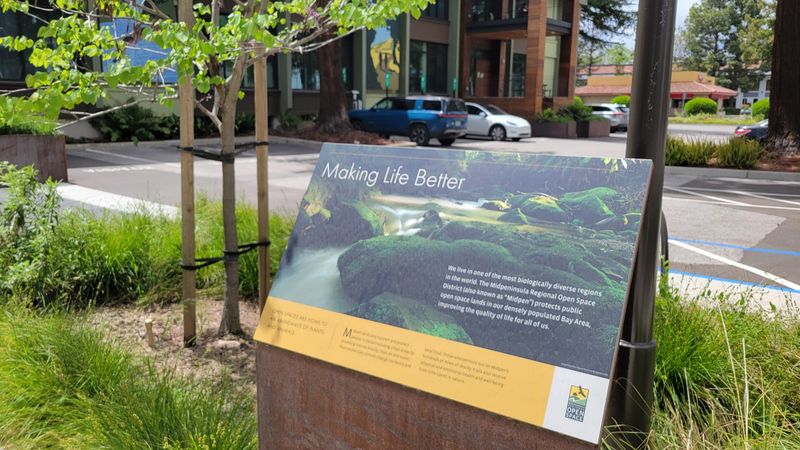
Back in 1972, local voters decided open land on the Peninsula deserved protection. That vote created the Midpeninsula Regional Open Space District, often called Midpen.
Today the district protects tens of thousands of acres across more than two dozen preserves. Its lands stretch through parts of San Mateo, Santa Clara, and Santa Cruz counties.
The mission blends nature, farming, and public access. Midpen works to protect wildlife habitat, support coastal agriculture, and offer people places to explore.
That mix explains why a fossil could sit undisturbed for so long. Protected land tends to stay quiet, and quiet land keeps its secrets.
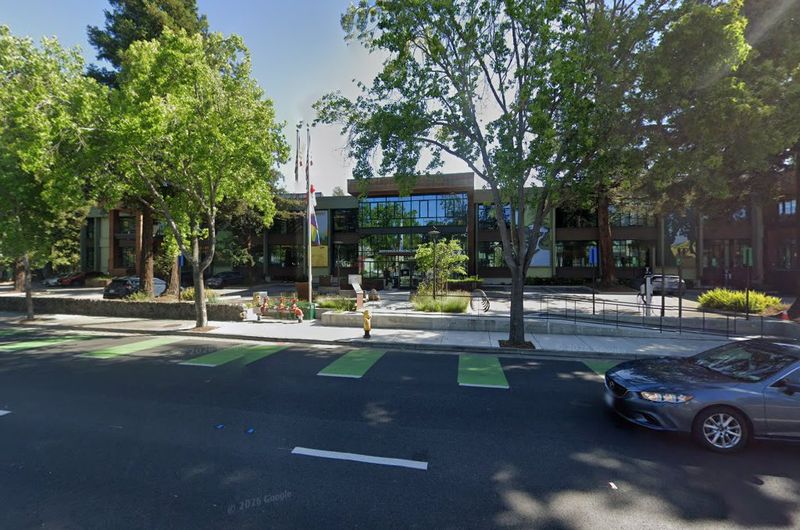
The administrative office sits at 5050 El Camino Real, Los Altos, CA 94022. It’s a workplace, not a trailhead, so don’t expect hiking paths in the parking lot.
The real action is out in the preserves. Creeks, ridgelines, redwoods, and grasslands are where staff do the hands-on work of caring for the land.
A mastodon tooth wasn’t on the 1972 wish list. Still, it shows how saving open space can protect stories nobody knew were there.
Plan A Hike Where Giants Once Roamed
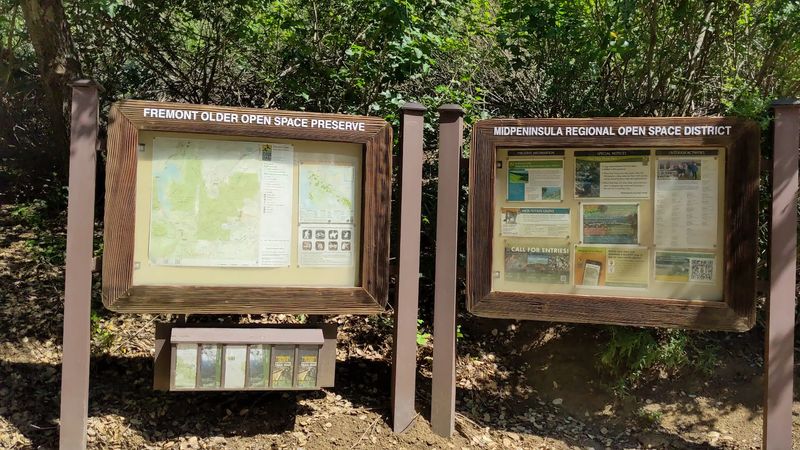
Free trails and big views make Midpen preserves easy to love. Most preserves are open from half an hour before sunrise to half an hour after sunset, with no entry fee.
San Mateo County options span shady redwood forests and breezy ridgetop grasslands. Some preserves even offer glimpses of the Pacific on clear days.
Check the rules for each preserve before you go. Dog access, bike use, and horse trails vary, and Midpen posts maps and guidelines for every location.
Bring water and layers. Coastal fog can roll in fast, turning a warm morning into a chilly afternoon in classic Bay Area fashion.
You won’t find the mastodon creek on any trail map. That’s fine, because every trail offers its own wildlife sightings, from deer to newts to soaring hawks.
Let the discovery shape how you see the place. Those hills carry thousands of years of stories under every footstep.
So lace up and head out. Somewhere in that quiet landscape, another chapter of Ice Age California may be waiting for the right rainy season.