
Something Unexpected Is Emerging Along Utah’s Great Salt Lake, And Scientists Are Taking Notice
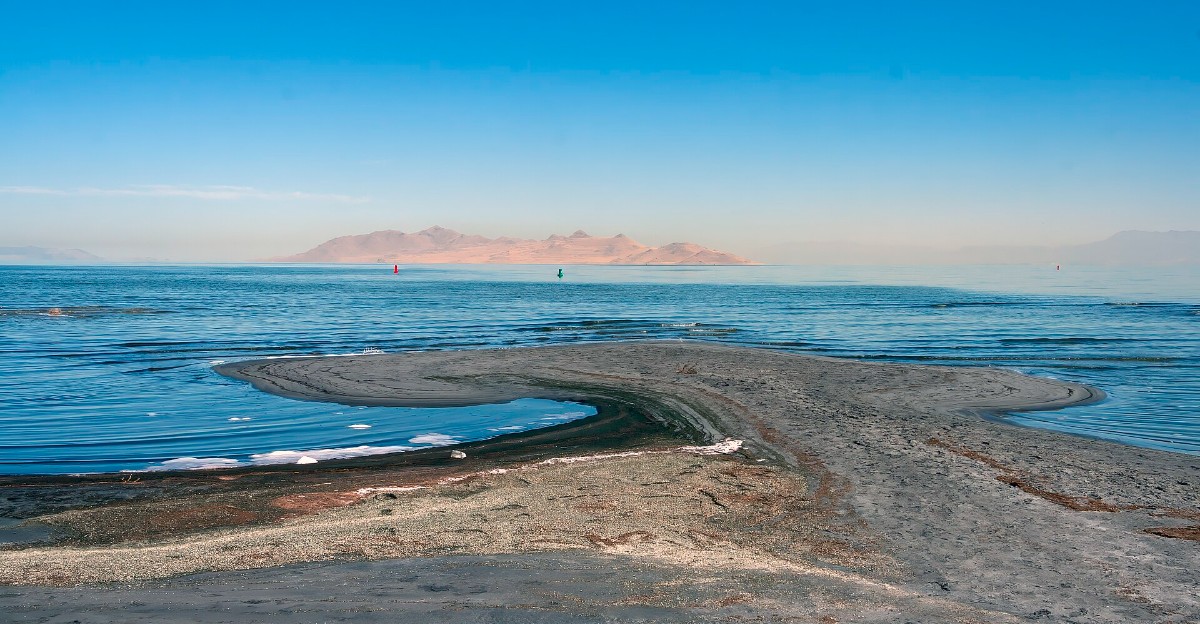
Why are tall green reeds sprouting in neat circles on a dry, salty lakebed? Some of those circles stretch wider than a football field.
Some of the reeds stand about 15 feet tall.
That would be strange anywhere. In Utah, it turned into a full-blown scientific mystery.
The plants growing there love fresh water, yet they’re thriving on ground that should be crusty with salt.
I love that a weedy, pushy plant ended up being the best detective in the story. The reeds were pointing at something huge and hidden far below the surface.
Researchers grabbed some seriously clever tools to figure out what was going on. What they found could change how people think about the lake, the dust, and the water itself.
So what exactly is bubbling up down there?
Those Perfect Green Circles Look Almost Too Tidy To Be Natural
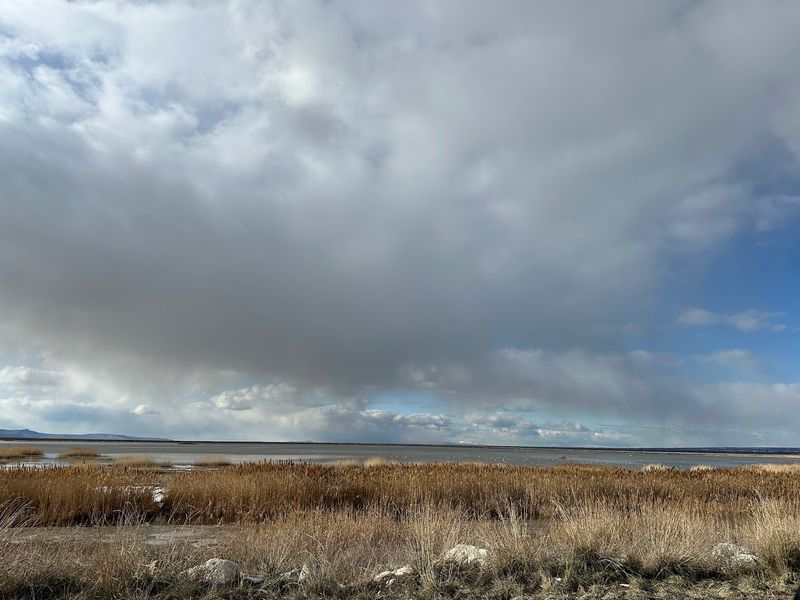
Farmington Bay, on the eastern shore of the Great Salt Lake, has been growing some odd new landmarks. As the water dropped, round mounds began popping up on the bare lakebed.
Each one measures roughly 50 to 100 meters across. That’s about 164 to 328 feet, so these aren’t little bumps you could hop over.
The mounds wear thick coats of phragmites reeds. Some of those reeds reach about 15 feet high, which is taller than most basketball hoops.
People have given them fun nicknames like round spots, mystery islands, and phragmites oases. Honestly, every one of those names fits pretty well.
Satellite images from 2025 showed dozens of these circles scattered across the exposed ground. From above, they look like someone dropped green polka dots on a tan blanket.
The pattern is what grabbed attention first. Random weeds don’t usually line up in such clean, round shapes.
So the circles became a clue, not just a curiosity. Something below the ground was clearly shaping what grew on top.
Figuring out that something turned a strange view in Utah into one of the most talked-about lake discoveries in years.
A Pushy Weed Turned Out To Be The Star Witness
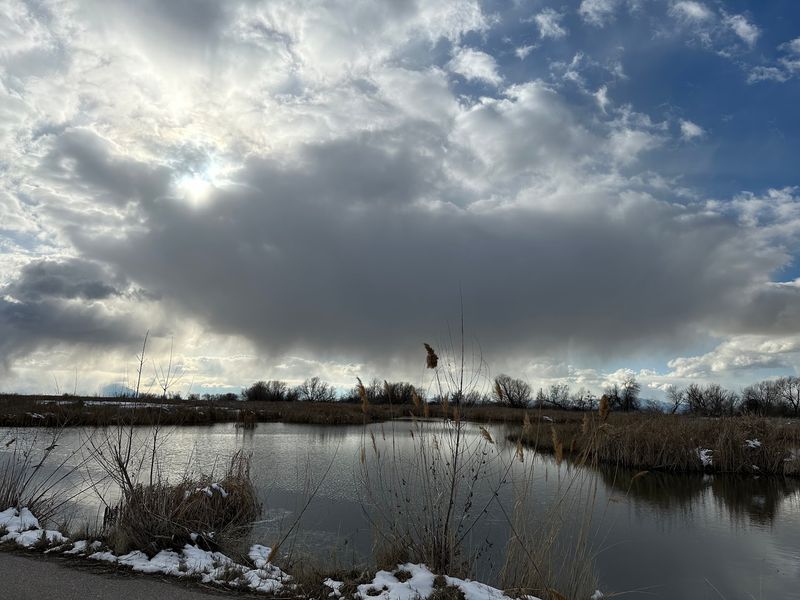
Nobody expected an invasive weed to crack the case. Phragmites is a tall reed that spreads fast and crowds out other plants.
It also has one big weakness. The plant loves fresh water and struggles in very salty soil.
That detail made researchers raise their eyebrows. The lakebed in Farmington Bay should be hypersaline, meaning seriously salty.
Yet the reeds weren’t just surviving there, they were flourishing.
Think of it like spotting a cactus happily growing in a swamp. Your brain says something doesn’t add up, and you start asking questions.
University of Utah researchers asked exactly those questions. If fresh-water plants were thriving, fresh water had to be reaching them somehow.
The reeds became a kind of living map. Wherever they grew thick and green, they hinted at a hidden supply feeding them from below.
There’s a fun lesson here for anyone who enjoys nature walks. Plants often tell you about soil and water before any instrument does.
So next time you spot a weird patch of green in a dry place, pay attention. It might be pointing at something big.
Fresh Water Is Literally Pushing Its Way Up From Below
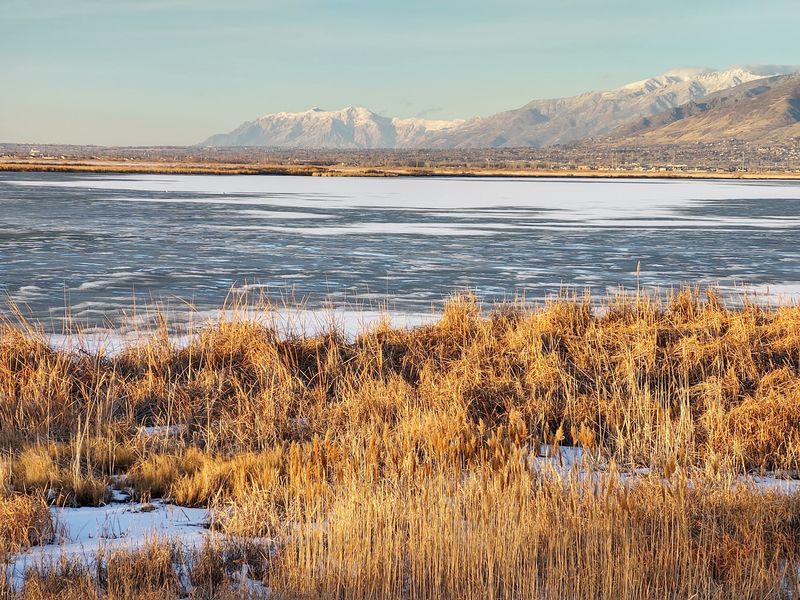
Pressure is the secret ingredient. Groundwater below the lakebed is under so much force that it shoves its way up to the surface.
Where it breaks through, the reed mounds form. In a way, each circle is like a slow, quiet fountain hiding under a carpet of plants.
That explains why the shapes are round. Water spreading out from a single upward push naturally creates a circle, a bit like ripples from a pebble.
Researchers wanted proof, not just a good guess. So they installed piezometers, which are tools that measure underground water pressure.
The readings helped confirm what the reeds suggested. Fresh water was actively rising, not just sitting still somewhere deep down.
Here’s a fun way to picture it. Squeeze a water balloon at the bottom, and the water rushes toward any weak spot at the top.
The lakebed in Farmington Bay has weak spots too. Pressurized water finds them and keeps those reeds well fed.
It’s a pretty wild idea when you think about it. A lake famous for salt is getting a steady sip of fresh water from directly underneath.
The Hidden Reservoir Goes Down Farther Than Most Mountains Rise
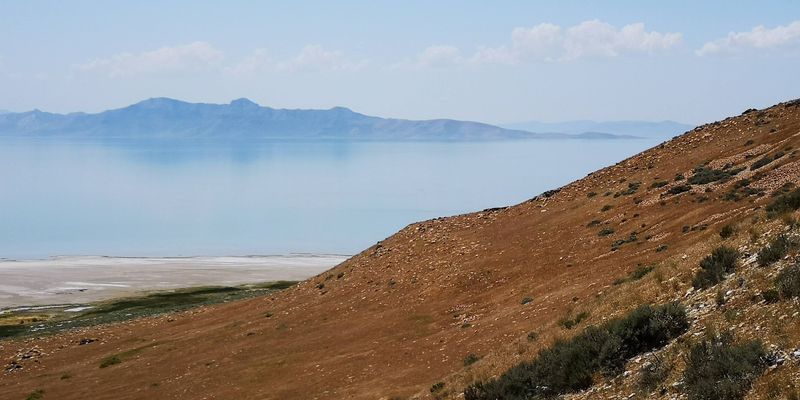
Three to four kilometers. That’s how deep scientists believe this freshwater system reaches beneath parts of the Great Salt Lake.
In feet, that’s roughly 10,000 to 13,000. You could stack a lot of skyscrapers in that space and still not hit bottom.
Sitting on top is the lake’s famously salty water. Underneath sits a vast supply of fresh water, which sounds like the plot of a science fiction movie.
So where did it all come from? Researchers think it built up over thousands of years from mountain snowmelt.
Picture the snowy peaks near Utah’s Wasatch Front melting each spring. Some of that water sinks into the ground and slowly travels toward the lake basin.
Over a very long time, the water collected in huge amounts. It’s a bit like a savings account the mountains have been filling for ages.
The size surprised many people. Earlier thinking didn’t expect fresh water to reach so far beneath a salty terminal lake.
Now scientists have a much bigger picture to study. And honestly, it makes the familiar shoreline feel a lot more mysterious.
Scientists Flew Over The Lake To Peek Underground
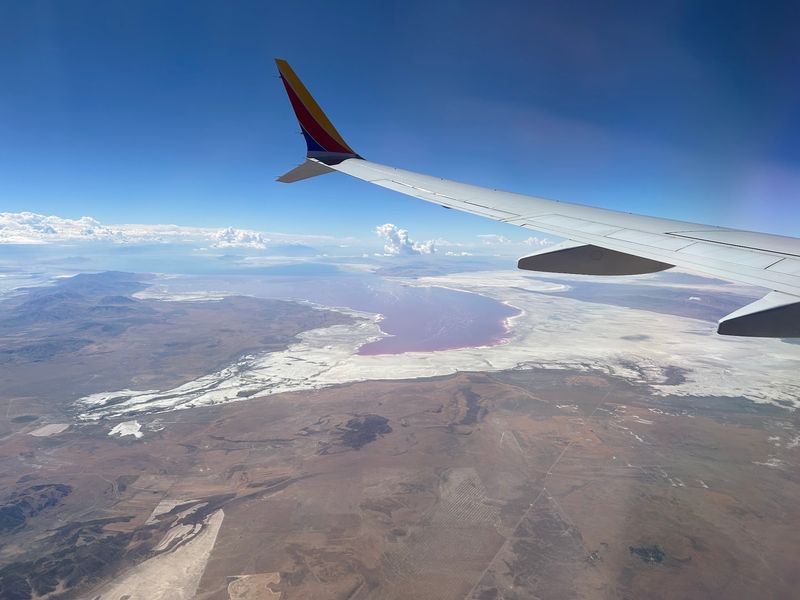
Digging thousands of feet down would be slow and pricey. So researchers took to the sky instead.
In February 2025, the team ran airborne electromagnetic surveys, often called AEM. The method sends signals into the ground and reads how layers below respond.
Salt water and fresh water react very differently to those signals. Salty water carries electricity easily, while fresh water does not.
That difference let scientists map what was hiding beneath the salty top layer. Without AEM, the fresh water would have stayed pretty much invisible.
The work came from a University of Utah team. Geophysicist Michael Zhdanov served as lead author on the research.
Hydrologists Bill Johnson and Kip Solomon joined in, along with graduate student Ebenezer Adomako-Mensah. Each brought different skills to the puzzle.
It’s a nice reminder that big discoveries are usually team projects. One person studies rocks, another studies water, and someone else crunches the numbers.
Their findings appeared in studies published in February and March 2026, including in Scientific Reports. Not bad for a project that started with some curious reeds.
Old Textbook Ideas About Salty Lakes Just Got A Shake-Up
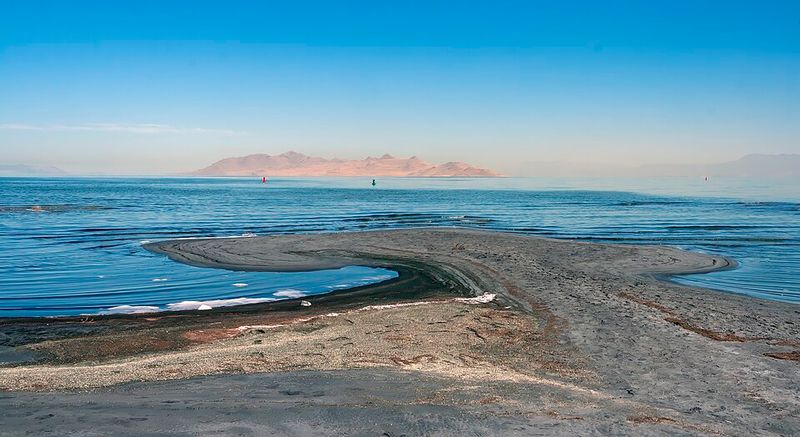
Textbooks used to tell a simpler story. Groundwater near a terminal lake was thought to hang around the edges and stop there.
A terminal lake has no outlet to the ocean. Water flows in, then leaves mainly by evaporating, which is why the Great Salt Lake gets so salty.
The new findings flip part of that idea. Fresh water appears to move inward beneath the lake, not just linger near the shoreline.
That’s a big deal for scientists around the world. Many salty lakes exist, and this research could change how people study them.
Farmington Bay became a natural test site. The exposed ground there gave researchers a front-row look at what happens below.
Science works like this more often than you’d think. Someone notices one weird thing, and a long-held rule suddenly needs an update.
It’s also proof that familiar places still hold surprises. The Great Salt Lake has been studied for a long time, yet it just revealed a whole new layer.
Who knows what other lakes might be keeping similar secrets? The answer could come from more surveys like this.
The Lake May Be Getting Way More Spring Water Than Anyone Guessed
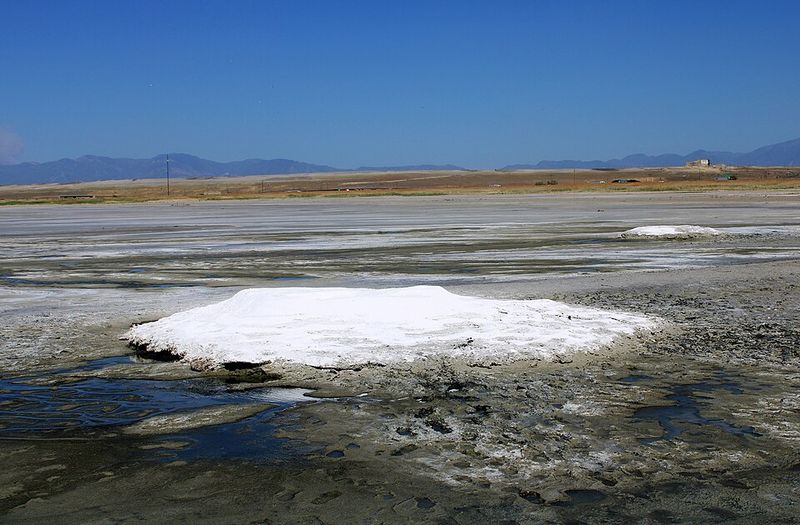
Earlier estimates put groundwater at about 3% of the lake’s water budget. New research suggests it could be as high as 12%.
That’s up to four times more than people expected. When you’re tracking a shrinking lake, that difference really matters.
A water budget works a lot like a family budget. You count what comes in, what goes out, and hope the numbers balance.
For the Great Salt Lake, most incoming water arrives through rivers and streams. Groundwater was treated as a small side player.
Now that small player might deserve a bigger role. Better numbers can help leaders plan smarter ways to protect the lake.
It’s worth remembering that research keeps going. Scientists will keep measuring to understand exactly how much fresh water flows in this way.
Still, the idea feels hopeful. Hidden springs feeding the lake from below sound like a quiet helper working behind the scenes.
For anyone who cares about Utah’s famous lake, that’s welcome news. A clearer picture of where water comes from is the first step toward keeping more of it around.
Underground Water Could Help Tame The Lake’s Dusty Problem
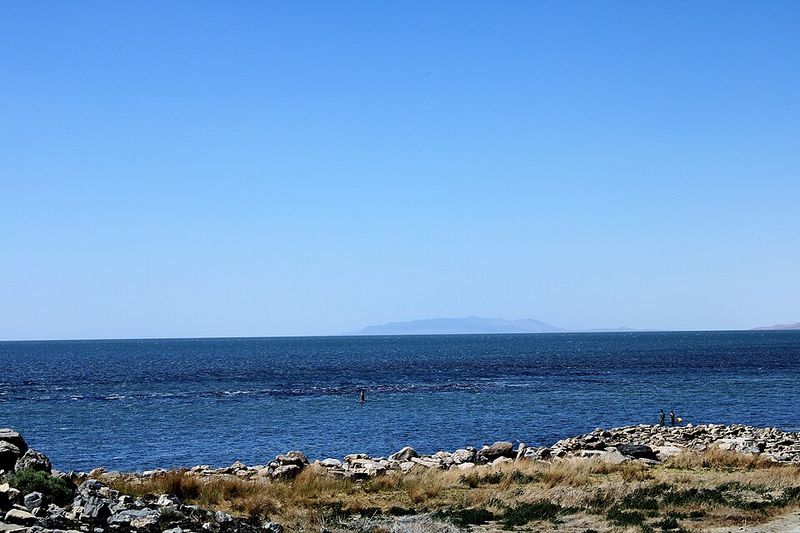
Dry lakebeds kick up dust, and this dust isn’t the harmless kind. The exposed ground around the Great Salt Lake contains metals like arsenic and lead.
When strong winds blow, that dust can travel toward nearby neighborhoods. Nobody wants that floating through the air they breathe.
Here’s where the fresh water gets exciting. Researchers see potential for it to help keep dusty areas damp and settled.
Wet ground doesn’t blow around nearly as easily. Even small patches of moisture can make a difference in how much dust lifts off.
The reed mounds in Farmington Bay already hint at the idea. Wherever fresh water reaches the surface, the ground stays covered and green instead of bare and loose.
Scientists stress that more study is needed before any big plans. Using groundwater wisely takes careful thought, since it built up over thousands of years.
Still, it’s a promising thread to follow. A problem that seemed tough might have a partial answer sitting right underneath it.
That’s the kind of twist that makes this discovery feel personal for people living along the Wasatch Front.
Here’s Where All The Action Is Happening On The Map
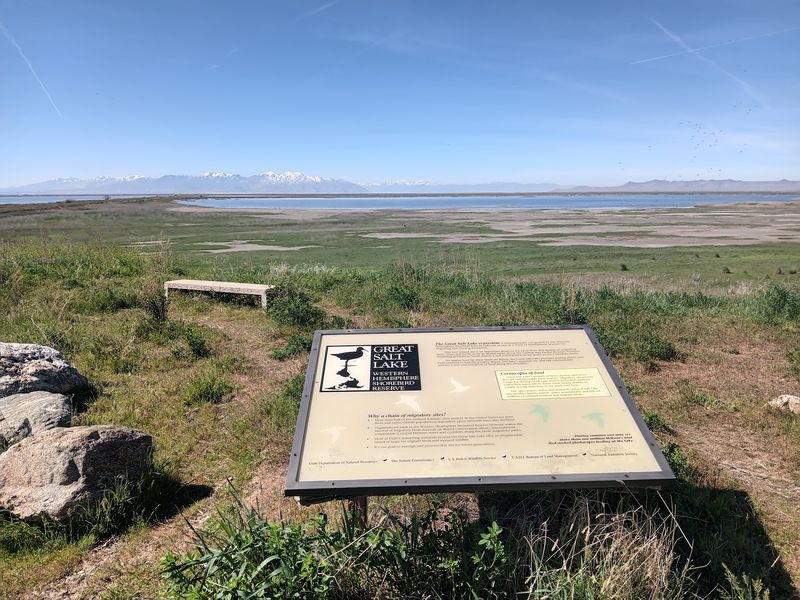
Head north from Salt Lake City, and you’ll reach Davis County. Farmington Bay sits right there on the eastern shore of the Great Salt Lake.
The area connects to Farmington, UT 84025. Since it’s a natural feature, you won’t find a street number on any front door.
Location helps explain the discovery. The bay sits close to the Wasatch Mountains, whose snowmelt is thought to feed the hidden reservoir.
Shallow water and a falling lake level exposed lots of bare ground here. That made the reed circles easy to spot, especially from above.
Curious readers can still follow the story from home. Satellite map apps let you zoom in on the bay and hunt for green polka dots yourself.
It’s a fun weekend project with kids, too. Ask them why a salty place would grow fresh-water plants, then share the answer.
Utah has plenty of famous outdoor spots, but this one now carries a scientific twist. A spot near busy towns turned out to hide one of the lake’s biggest secrets.
Not bad for a corner of shoreline many folks just drive past.