
A Piece Of The Past Is Coming Back Into View Beneath This New Mexico Lake
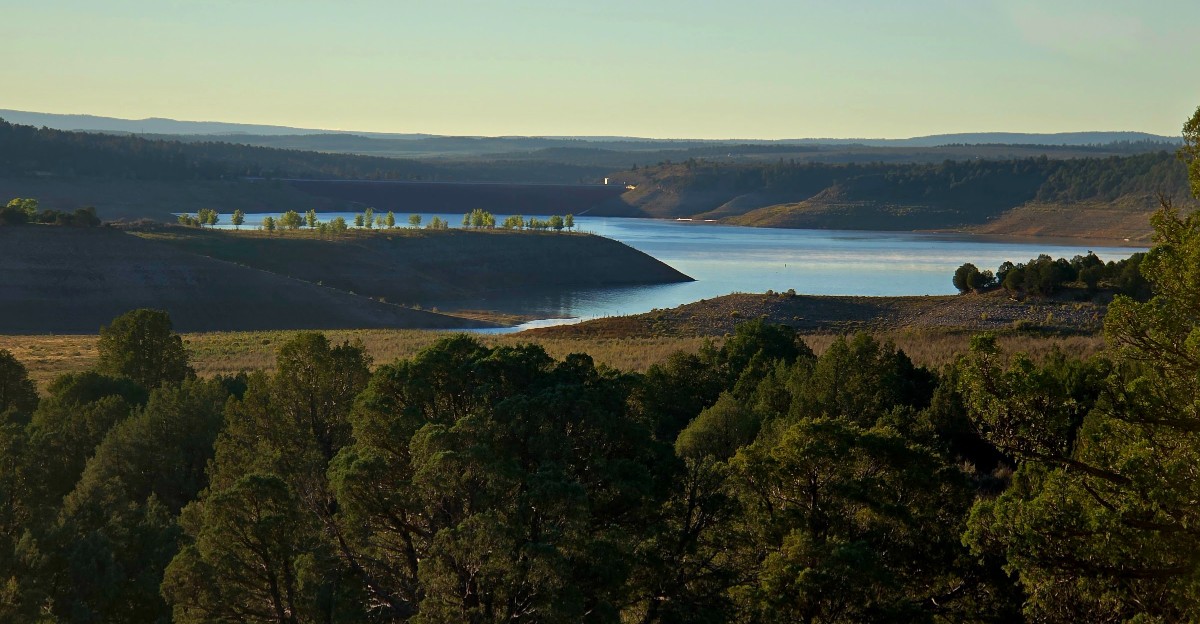
An old sawmill town has spent about ninety years beneath a New Mexico reservoir. Falling lake levels have exposed stretches of the former lakebed, bringing renewed attention to the community’s forgotten history.
Back around 1910, more than 1,000 people lived there. It was the biggest sawmill town in its corner of northern New Mexico.
Then the timber ran out, the people left, and a dam turned the valley into a lake.
I like how a repair project is doing what no historian could. Crews are fixing a dam that is about ninety years old.
That work drained the water to very low levels and pulled back the curtain.
I can’t imagine standing on a shoreline that used to be a busy main street. The lake still offers trails, eagles, campsites, and dark skies.
Who wouldn’t want a closer look at a town that refused to stay hidden?
A Lost Logging Town Is Making A Surprise Comeback
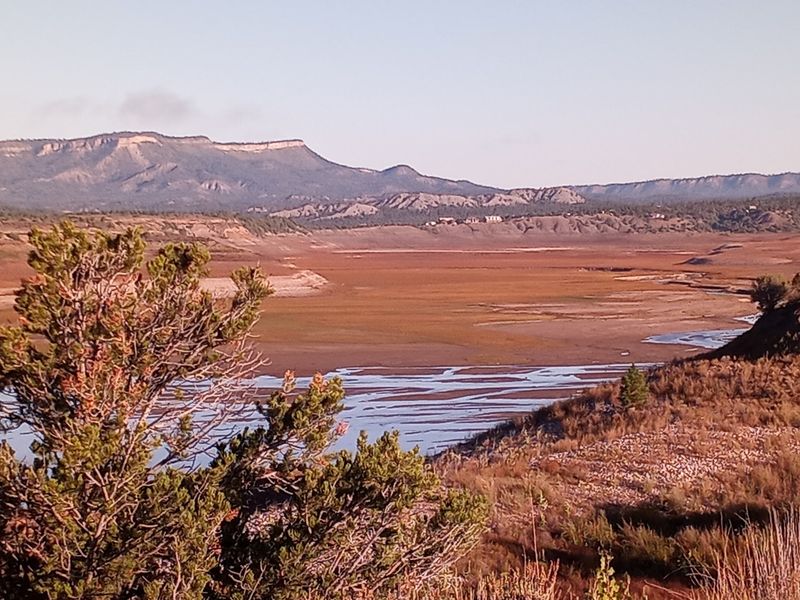
Ghost towns usually sit in the desert, not under a lake. El Vado Lake State Park flips that idea in a big way.
The old town of El Vado has been underwater since its dam was finished in 1935.
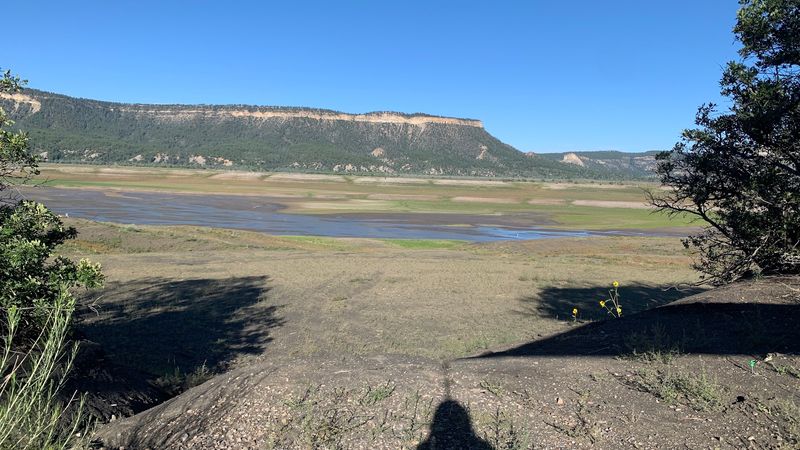
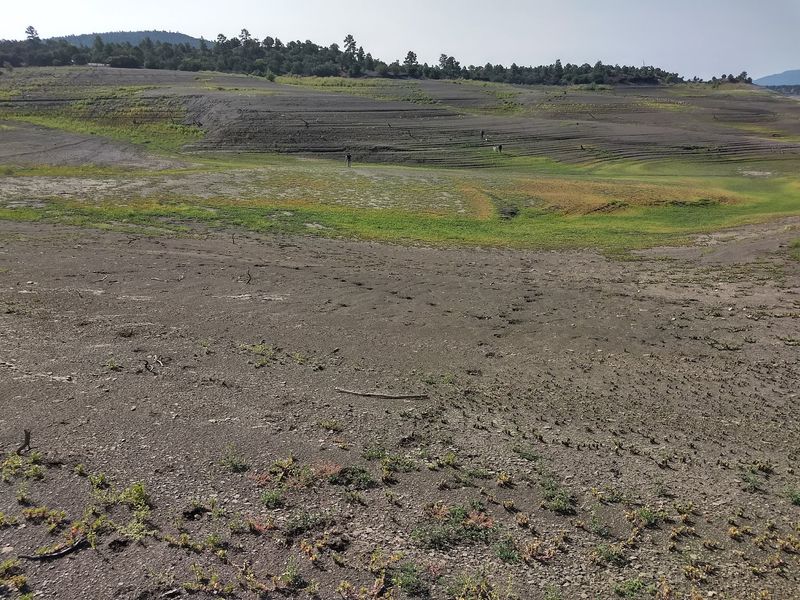
Low reservoir levels have exposed portions of the lakebed where the historic town once stood. Whether recognizable foundations and other structures are currently visible remains uncertain.
Most lakes give you water, a shoreline, and maybe a nice sunset. This one adds a quiet history lesson right under your feet.
Low water is usually a letdown, but here it opens a rare window into the past.
Keep in mind that the reveal depends on lake levels. When the reservoir fills again, the town will likely slip back out of sight.
That makes the timing feel special and a little urgent.
Respect is the best rule for this kind of spot. Look, take photos, and leave everything right where it sits.
The remnants belong to the story of northern New Mexico, and they deserve to stay part of it for the next curious visitor too.
Over 1,000 People Once Called This Sawmill Boomtown Home
Back in the early 1900s, El Vado was buzzing. Logging drove nearly everything about daily life in town.
It grew into the largest sawmill town in northern Rio Arriba County.
By 1910, the population had climbed past 1,000 residents. That is a lot of people for a remote mountain spot.
Think of the saws, the stacks of lumber, and the steady noise of work.
Booms rarely last forever, and this one followed the usual pattern. Trees were cut without much care for the future.
Eventually the forests thinned, and the logging business moved on.
The town shrank fast after that. By the time dam construction started in 1933, fewer than 100 people remained.
When the dam was completed in 1935, the town was empty.
Knowing that backstory makes the exposed foundations feel more personal. Each one marks a spot where a family once lived or worked.
It is a reminder that even busy places can fade.
Bring that history with you when you walk the shore. A simple pile of stones suddenly becomes a page from a real community’s life.
Thank A Ninety-Year-Old Dam For The Big Reveal
Dams need checkups too, especially old ones. The El Vado Dam is about ninety years old and getting serious attention.
The Bureau of Reclamation is running a major renovation project there.
That work required draining El Vado Lake to very low levels. Less water meant more lakebed, and more lakebed meant the old town came back into view.
It is an accidental history exhibit, courtesy of engineers.
The project has hit some challenges along the way. A new approach is being developed to finish the job.
That means the timeline is still moving.
For visitors, the result is an unusual look at the basin. You get to see shapes and landscapes normally hidden under deep water.
Few lakes ever show their floor like this.
State Road 112 over El Vado Dam reopened in August 2026, but flooding in early November caused another closure near El Vado. Visitors should check the latest New Mexico Department of Transportation road conditions before traveling.
Still, construction projects can shift without much warning. Checking the park’s current alerts before leaving home is a smart move.
A quick look can save you from a surprise detour in the mountains.
Eight Campgrounds Means You Get Options Under The Stars
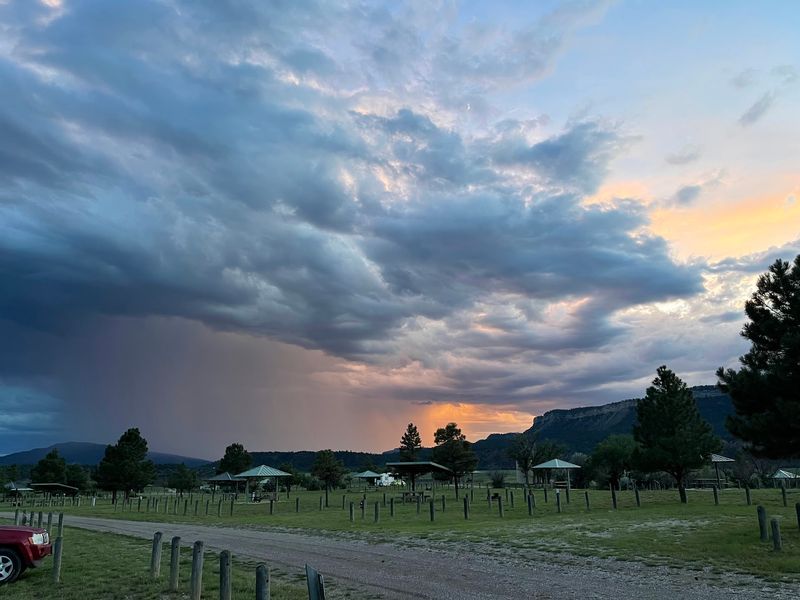
Eight separate campgrounds is a generous lineup for one lake. El Vado Lake State Park spreads 80 developed campsites across them.
That gives campers plenty of room to choose their style.
Comfort seekers have choices here. Seventeen sites offer water and electric hookups.
Two more add sewer for full hookups.
Bigger crowds can plan ahead, too. The park has four group campsites for family reunions or friend trips.
There is also an RV dump station for rigs on the move.
Restrooms come in two styles. Modern buildings with showers serve campers, and vault toilets add extra convenience.
Water service can change with lake conditions, so check before you arrive.
Adventurous types can look into primitive beach camping or boat-in camping. Those options feel more secluded than a standard site.
Just remember that low water affects boating access right now.
Fire rules matter a lot here. Stage II Fire Restrictions are in effect, so wood and charcoal fires are not allowed.
Only liquid petroleum or LPG devices are permitted in cleared areas. Pack a camp stove and enjoy the night sky without the smoke.
Bald Eagles Show Up When The Weather Turns Cold
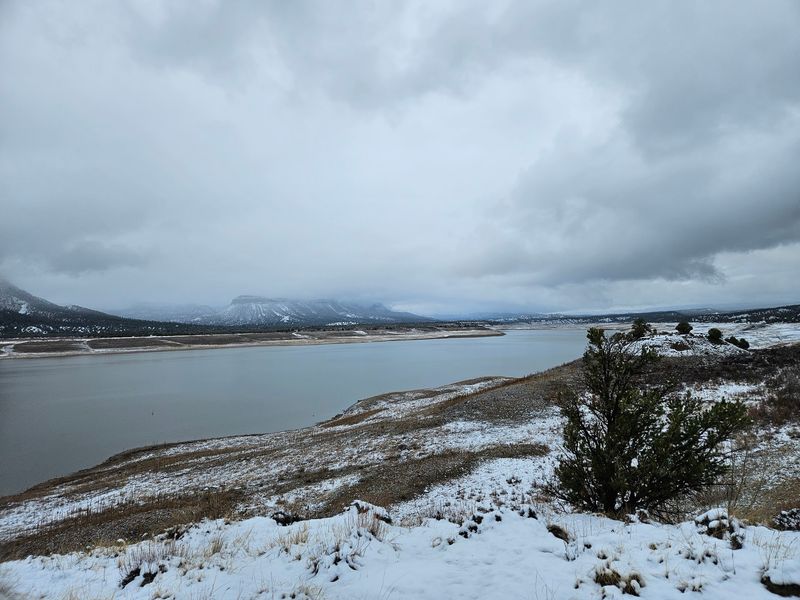
Winter brings some very impressive visitors. Bald eagles use El Vado Lake State Park as a wintering ground.
Spotting one is a major reason birders make the trip in colder months.
The eagles are not the only stars. Many other bird species visit the lake and nearby land.
Both migratory and resident birds find habitat here.
Elevation plays a part in that variety. The park sits at 7,209 feet above sea level.
That height shapes the plants, the weather, and the creatures that thrive here.
A pair of binoculars is your best friend on a birding trip. Eagles often perch high and far away.
A zoom lens on your camera helps, too.
Dress in warm layers for winter mornings. High-country cold can bite, especially near open water.
Gloves make holding binoculars far more pleasant.
Patience pays off with wildlife. Find a quiet spot, scan the trees and shoreline, and wait.
Eagles do not follow a schedule, which is part of the thrill. When one finally lifts off, you’ll forget all about your cold fingers.
Skis And Snowshoes Turn Winter Into Play Time
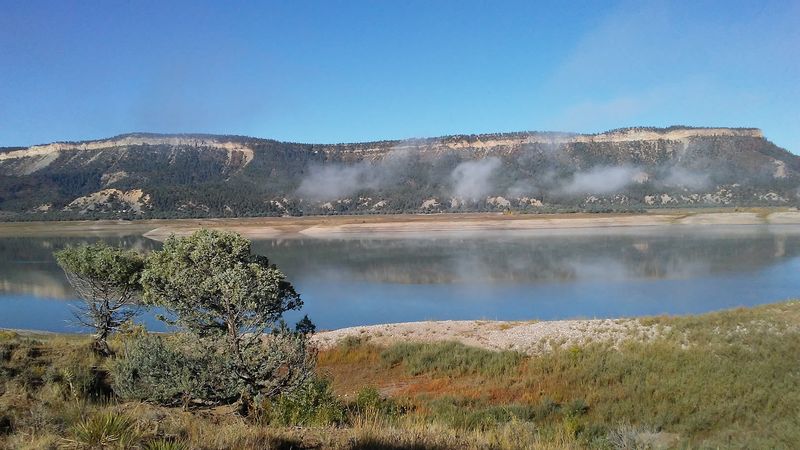
Snow does not shut this park down. It just changes the menu of things to do.
Winter at El Vado Lake State Park opens the door to cross-country skiing and snowshoeing.
That gives the park a true year-round personality. Summer belongs to campers and hikers.
Winter hands the landscape to people who enjoy quiet, snowy miles.
Snowshoeing is beginner friendly, which makes it a great family pick. If you can walk, you can usually snowshoe.
Kids often love stomping across fresh snow.
Cross-country skiing takes a bit more practice. The reward is gliding through open mountain scenery at your own pace.
It is also a solid workout that keeps you warm.
Pair a snowy outing with eagle watching. Both happen in the colder months, so one trip can cover two adventures.
That’s an efficient day in the mountains.
Preparation matters in winter. Check road conditions before driving, since the high country can change quickly.
Pack snacks, water, and extra layers. Let someone know your plans, and you’ll be ready to enjoy northern New Mexico’s frosty side.
Boaters Should Read The Water Report First
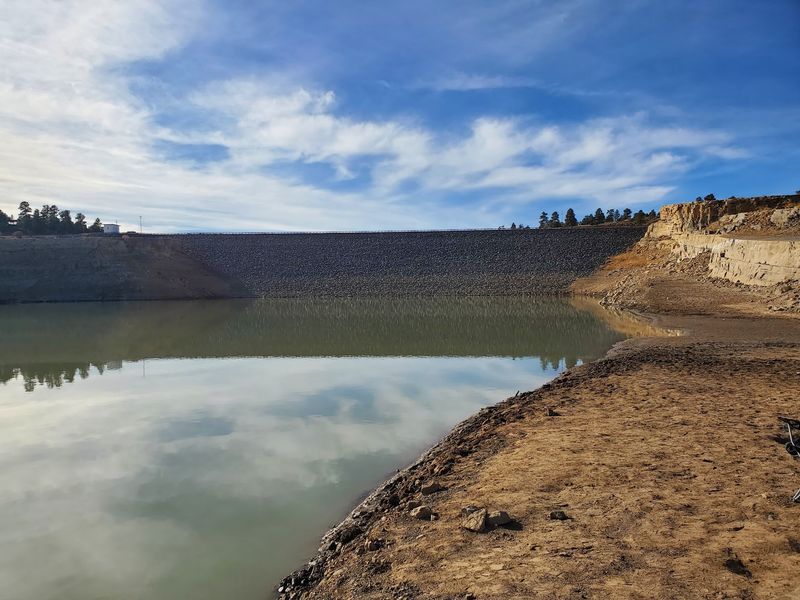
Fishing and boating normally rank high at this lake. The water holds trout and kokanee salmon.
Boaters can bring motorized vessels, canoes, kayaks, or even sailboats.
Right now, though, the dam project changes the picture. Lake levels are very low, and boating conditions are rated poor.
Paddlers may find smaller craft easier to manage. A kayak is lighter to carry across exposed ground.
Even so, conditions can change from day to day.
Swimming is allowed in designated areas. Water level, wind, and temperature can all affect how safe it feels.
Mountain water can also be colder than expected.
The smartest move is checking current conditions before hitching up a trailer. That quick step can save hours of frustration.
If boating is off the table, the lake’s dramatic scenery and fascinating history still offer reasons to visit. Check with park staff before exploring exposed shoreline areas.
Getting There Takes A Few Turns And Some Patience
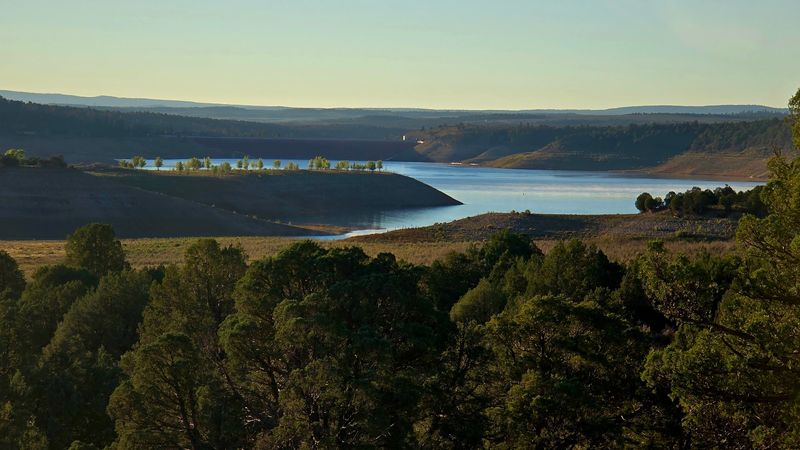
Remote places are worth the drive, and this one proves it. El Vado Lake State Park sits at State Road 112, Tierra Amarilla, NM 87575.
It rests among the mountains of northern New Mexico.
Directions are refreshingly simple. From the intersection of US 64/84, turn left onto State Road 112.
Drive 13 miles, then turn right onto the El Vado State Park road.
From there, it is 4 more miles to the entrance. Road construction is underway on that stretch.
Expect possible delays and drive with care.
Fire safety deserves a spot on your checklist. Stage II Fire Restrictions mean no wood or charcoal fires.
Smoking is limited to enclosed vehicles or buildings.
Stock up before you leave town. Supplies are limited in such a remote area.
Bring food, water, fuel, and any gear you might need.
Above all, check park alerts right before your trip. Water levels, roads, and rules can shift with the dam work.
A little planning keeps the focus on the fun part. That means eagles, trails, starry skies, and a lost town making a quiet comeback.