
This Florida Library Is Beautiful But Most People Miss The Secret Room Upstairs
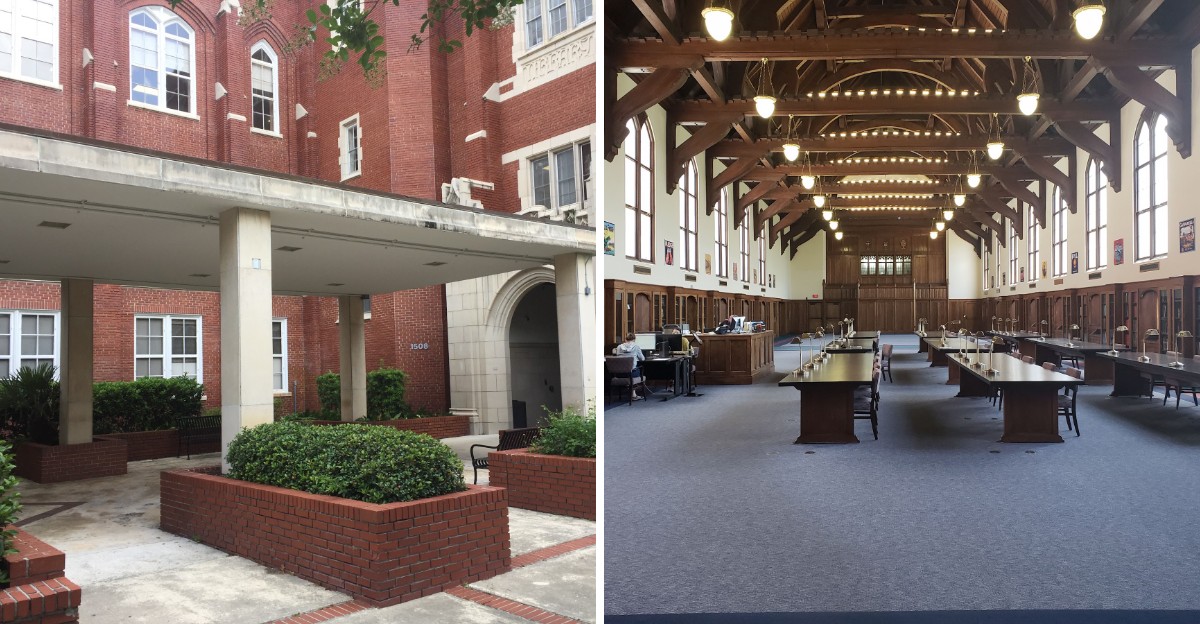
A university library calls one of its own reading rooms one of the best kept secrets on campus. That’s a bold thing to admit.
It also makes me want to find it immediately.
The room sits upstairs inside a historic Florida library that first opened in 1926. You reach it through a grand reading room that already looks like a movie set.
Most people stop there, admire the ceiling, and never take the next few steps.
Those next few steps lead to carved windows, dark wooden tables, and handmade furniture. A famous artist designed it.
The shelves protect Jewish books printed as far back as the 1500s.
I love that a space this special stays quiet on purpose. I can’t imagine a better reward for curious people.
So how many students walk right past it every single semester?
The Room Upstairs That Campus Calls Its Best Kept Secret
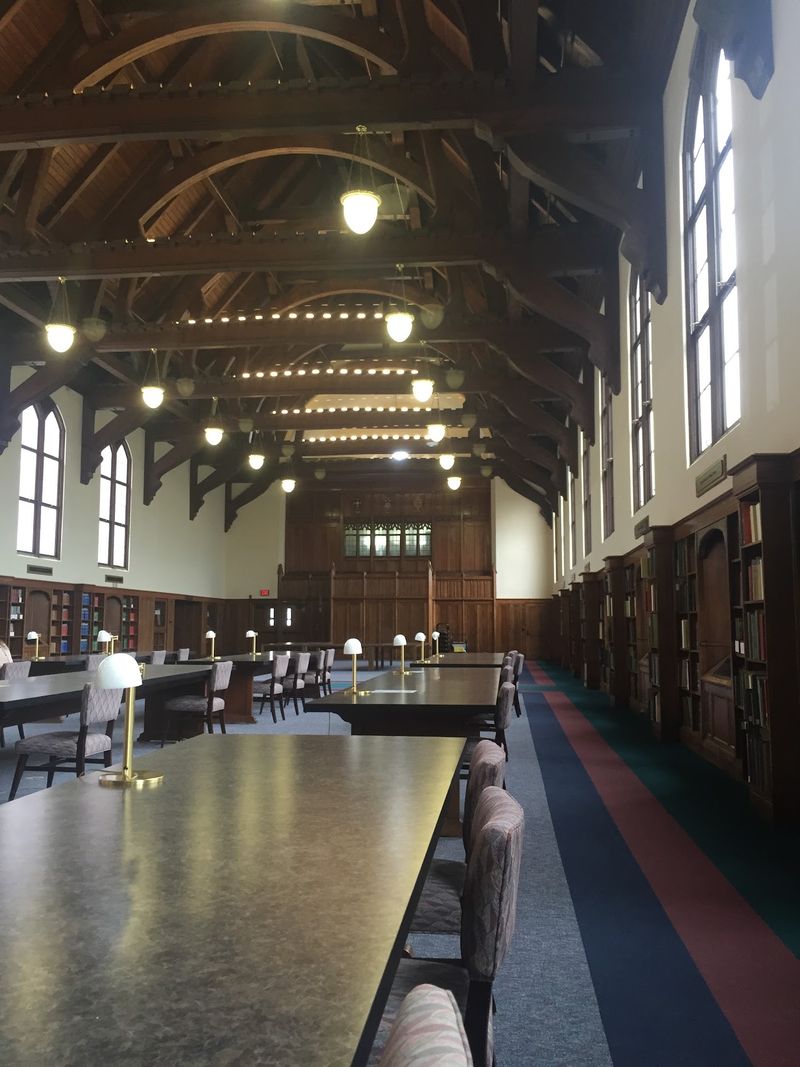
Libraries rarely brag about rooms people miss, but this one practically dares you to find it. The Judaica Suite sits on the second floor of Smathers Library at the University of Florida.
University sources describe it as one of the best kept secrets on the whole UF campus. That’s quite a title for a room full of books.
It also tells you something about how easy it is to overlook.
The suite serves as the reading room for the Isser and Rae Price Library of Judaica. That collection ranks as a leading Jewish studies research collection in the Southeastern United States.
It’s also counted among the top ten collections of its kind in the country.
So this isn’t a forgotten closet with a dusty chair. It’s a serious scholarly space dressed up in serious style.
The room opened around the start of 2014, so it’s younger than the building around it.
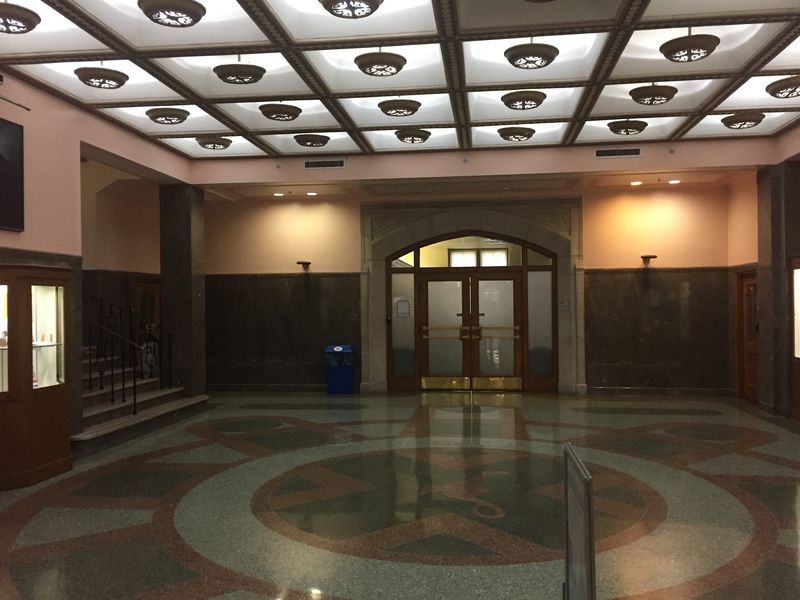
Getting there takes a little intention. You pass through the Special Collections Grand Reading Room to reach it.
Think of it as a room behind a room, which is the most library thing ever. Once you know the route, you can’t unknow it.
An Architect With A Famous Memorial Shaped Every Detail
Kenneth Treister is the name behind this room, and that should make design fans sit up. He’s a world-renowned architect and artist.
He also designed the Holocaust Memorial in Miami Beach, one of Florida’s most moving public works.
Treister is a UF alumnus, which gives the project a nice homecoming feel. He didn’t just sketch the walls and walk away.
He created handmade furniture, sculptures, and chess sets for the suite.
That level of personal craft is unusual for a university reading room. Most study spaces get furniture from a catalog.
This one got pieces from an artist with a long, celebrated career.
Look closely at the shapes and finishes while you’re there. The room was built as a single artistic vision rather than a pile of matching desks.
Every object seems to belong exactly where it sits.
Chess sets in a library might sound random at first. Yet they fit the mood of thoughtful, back-and-forth thinking that the room celebrates.
Just maybe don’t challenge anyone to a loud match. The quiet rules still apply, and the books have been around much longer than your strategy.
Every Table Comes With Two Chairs For A Good Reason
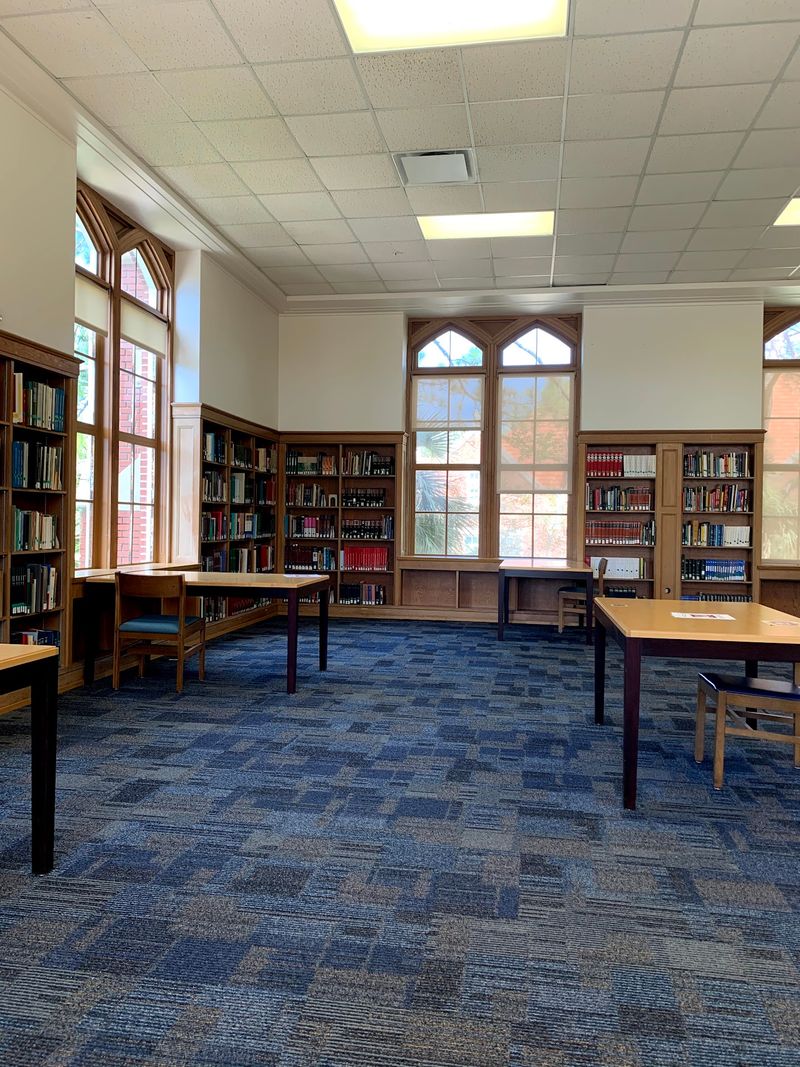
Count the chairs at the study tables and you’ll notice a pattern. Each one comes with two.
It isn’t a budget cut or a seating mistake.
The pairs represent chavruta, a Jewish tradition of studying in partnership. Two people read a text together, ask questions, and challenge each other’s ideas.
Learning becomes a conversation instead of a solo grind.
I like how the furniture quietly teaches a lesson before you open a single book. You don’t need a sign to explain the idea.
The tables do the explaining.
It’s also a smart reminder for any student cramming alone at midnight. Studying with a partner can sharpen thinking in ways flashcards can’t.
The tradition behind these tables has proven that for centuries.
Bring a friend if you plan to visit. Sitting across from each other at one of these tables feels like joining a very old habit.
Just keep the discussion at library volume.
Even if you come alone, the empty second chair says something. It hints that ideas grow best when shared.
That’s a pretty lovely message to build right into a room’s design.
Books Printed In The 1500s Live On These Shelves
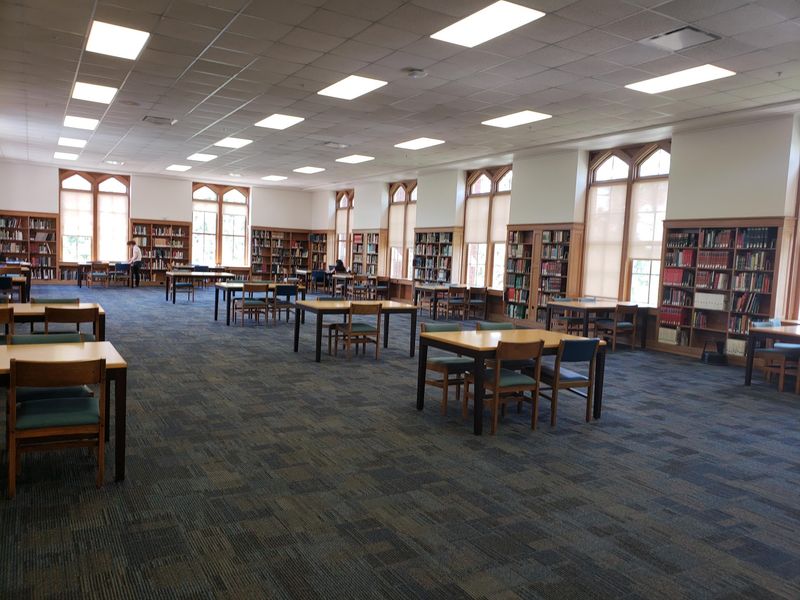
Some of the materials here were printed before Shakespeare was born. The Price Library of Judaica preserves rare and foundational works from the 1500s to the early 1900s.
That includes early printed editions.
The focus covers Jewish history, texts, and scholarship. Researchers come for materials that can be hard to find anywhere else in the region.
For a Gainesville campus, that’s a remarkable treasure chest.
Early printed books are fascinating even if you can’t read every word. Their typefaces, layouts, and bindings show how knowledge traveled long before screens.
Each volume is a small time machine.
Keep in mind that rare materials come with care rules. Special collections spaces protect fragile items for future readers.
Follow staff guidance and you’ll be part of keeping these books safe.
Students in history, religion, and literature can find real primary sources here. That’s a big upgrade from quoting a website in a term paper.
Professors tend to notice that kind of effort.
Casual visitors win too. Seeing centuries of scholarship in one room puts your own reading list in perspective.
Suddenly that overdue paperback on your nightstand doesn’t feel so heavy.
Friday Is Your Golden Ticket For Walking Right In
Timing matters more here than at your average coffee shop. The Judaica Suite typically opens for walk-in visits on Fridays during the fall and spring semesters.
Hours usually run from 9 AM to noon, then 1 PM to 5 PM.
Notice that lunch break in the middle. Plan around it, or you’ll be admiring a closed door.
Nobody wants to explain that to a friend they dragged across campus.
Monday through Thursday visits work too, but they need an appointment. That’s handy for researchers or small groups with a specific goal.
A little planning opens the door on almost any weekday.
The main Smathers Library building generally keeps weekday daytime hours. Schedules can shift with semesters and holidays, though.
Checking the UF library hours calendar before you go is the smart move.
Summer and break periods may look different from the regular school year. Don’t assume Friday walk-ins run all year long.
A quick check saves a wasted trip in the Florida heat.
Honestly, the limited access is part of the charm. A room this calm shouldn’t feel like a mall.
Showing up at the right time makes it feel earned.
The Grand Reading Room Makes A Pretty Great Front Porch
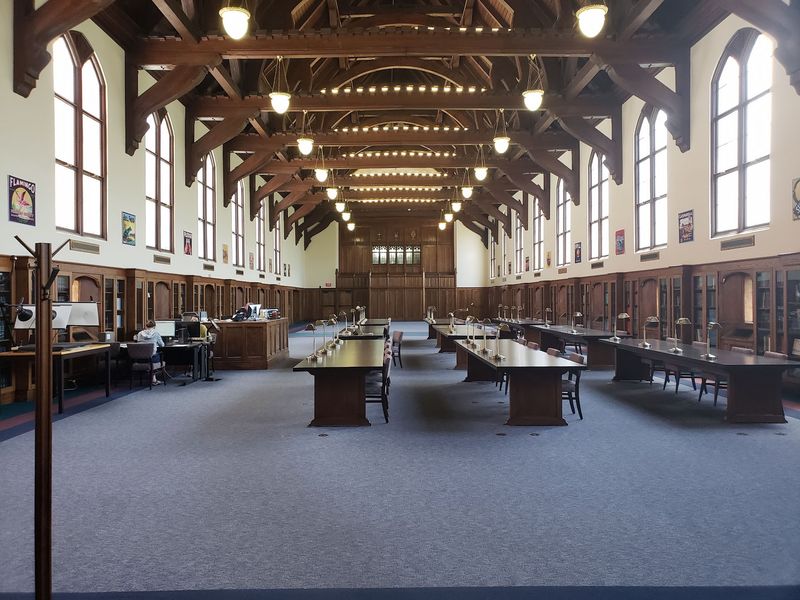
Before you reach the secret room, you’ll pass through a showstopper. The Grand Reading Room on the second floor is the oldest part of Smathers Library.
It’s open to all undergraduates for quiet study.
Look up and around for the mural titled The History of Learning in Florida. Hollis Holbrook painted it in 1953.
It’s a big, storytelling piece that rewards a slow look.
Plenty of people stop here, snap a photo, and call it a day. I get it, because the space is gorgeous.
But leaving now is like skipping dessert after a great meal.
The Special Collections Grand Reading Room is your path to the Judaica Suite. So think of this hall as the opening act.
The headliner waits just beyond it.
Treat the space with respect while you pass through. Students study here, and silence is the house style.
Soft footsteps and phones on mute keep everyone happy.
Give yourself a few minutes for the mural before moving on. It frames the visit nicely.
Learning in Florida has a long story, and you’re about to see one of its finest chapters.
Nearly A Century Of History Wraps Around The Suite
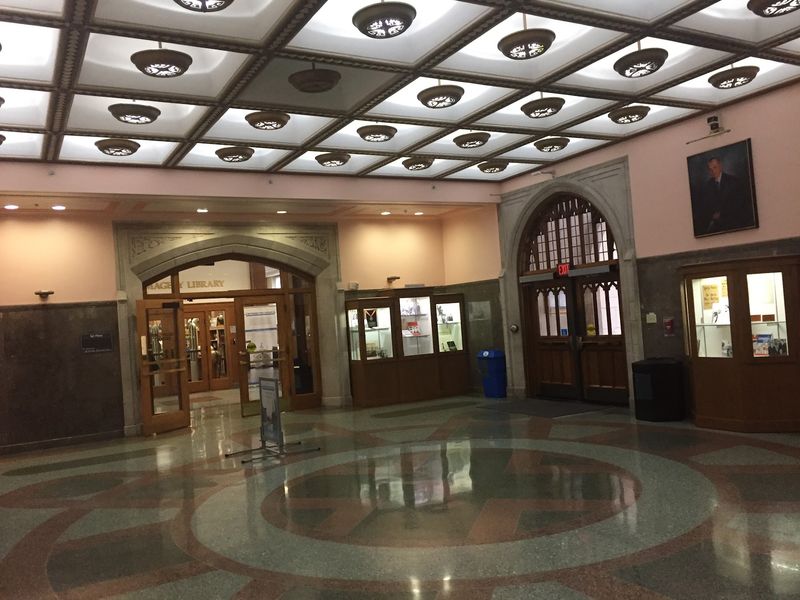
October 1926 marked the opening of the oldest library on the UF campus. It was founded in 1925 and was originally called Library East.
In 1989, legislation named Library East the George A. Smathers Library in honor of Senator George Smathers.
That rename honored Senator George Smathers after his donation. Architect William A.
Edwards designed the original building. Guy Fulton later designed an addition.
The library joined the U.S. National Register of Historic Places on June 27, 1979.
It’s also part of the UF Campus Historic District. Renovations have come and gone, yet the original character remains.
That history makes the Judaica Suite even more interesting. A modern artistic room lives inside a building that’s nearly a hundred years old.
Old and new share the same address without arguing.
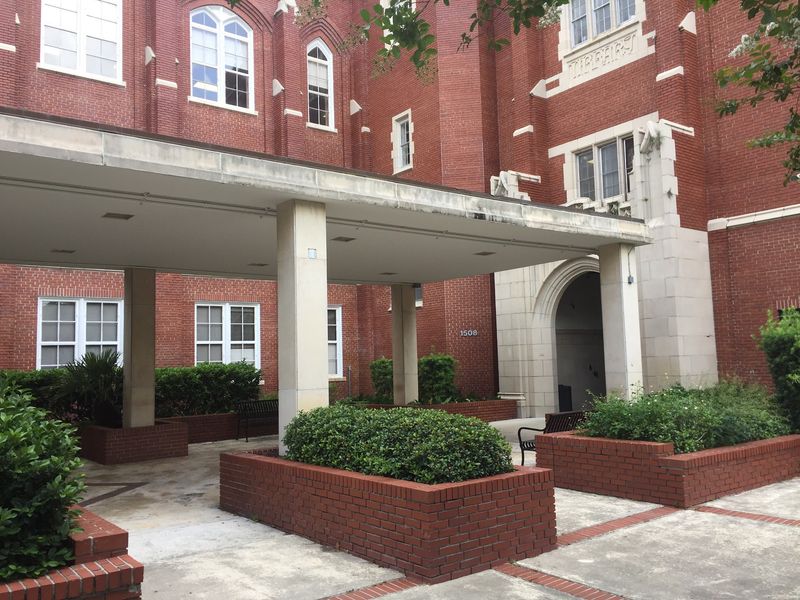
You’ll find it all at 1508 Union Road, Gainesville, FL 32611. The building sits in the northeastern part of campus near the Plaza of the Americas.
That lawn is a handy landmark if you’re new around here.
Walking through this place feels like flipping through layers of Florida education. Each era added something.
The secret room upstairs is one of the newest pages.
Make A Full Afternoon Out Of The Other Floors
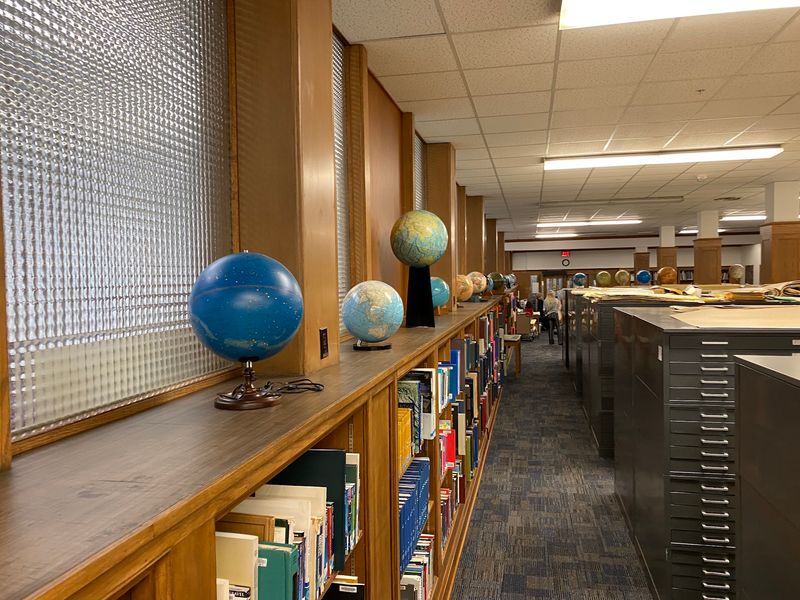
One secret room is great, but the building keeps handing out bonuses. On the first floor, the Map and Imagery Library holds a huge collection of maps, aerial photos, and atlases.
It’s open to the public too.
Its specialties include Florida, Latin America, the Middle East, and Africa. Map lovers can lose track of time fast down there.
Consider yourself warned.
Also on the first floor, the Panama Canal Gallery shares exhibits about the canal’s history. It connects to the Panama Canal Museum Collection housed in the library.
That’s an unexpected find in North Central Florida.
Head to the third floor for the Latin American and Caribbean Collection. It’s a premier research collection with more than half a million books and journals.
Spanish speakers and learners will feel right at home.
Other special collections round things out. They include the Baldwin Library of Historical Children’s Literature and the P.K.
Yonge Library of Florida History. There’s also a Rare Book Collection.
Pair your Friday Judaica Suite visit with a loop through these spaces. You’ll leave with a full brain and tired feet.
Both are signs of a good library day.
Quiet Manners Will Earn You The Best Possible Visit
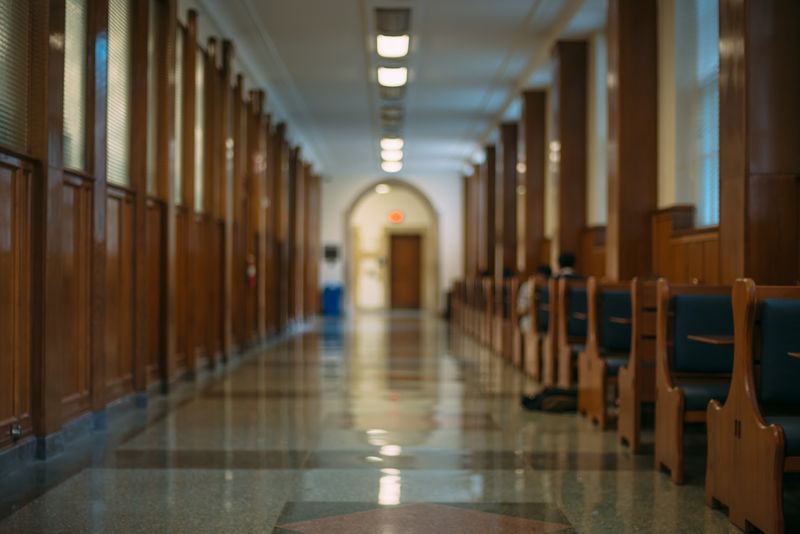
Good news for introverts: this trip requires zero small talk. The Judaica Suite is described as tranquil and exquisite.
Keeping it that way is everyone’s job.
Silence your phone before you enter the Grand Reading Room. Speak softly if you speak at all.
Students nearby may be deep in research or racing a deadline.
Treat the handmade furniture and sculptures like the artwork they are. Ask staff before handling any materials.
Special collections have rules that protect fragile items, and those rules exist for good reason.
If you need something specific, book an appointment ahead of time. Staff can help you plan a weekday visit.
That’s especially useful for class projects or small group tours.
Smathers Library’s regular weekday hours are 9 a.m. to 5 p.m. Check the UF library calendar before visiting, since schedules can change during holidays and semester breaks.
Most of all, slow down once you arrive. Read the carved windows, the paired chairs, and the old bindings like clues.
This Florida treasure only stays secret because people rush. You won’t be one of them.