
A Forgotten Chapter Of America’s Frontier History Still Stands In The Mountains Of Nevada
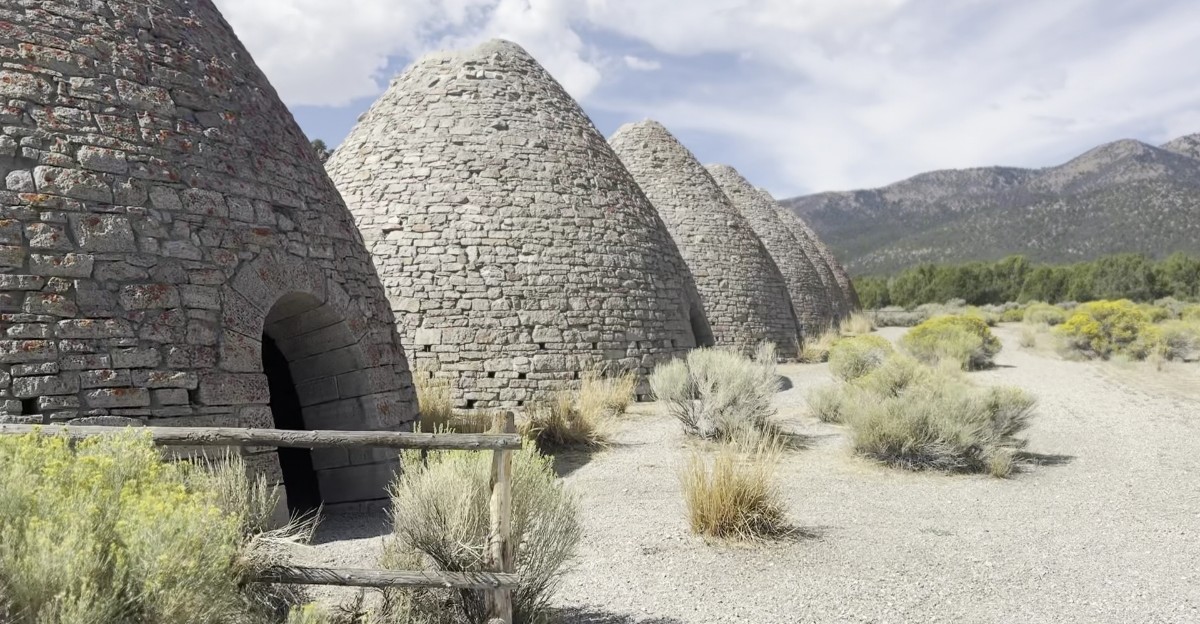
Who builds six stone beehives taller than a three-story house, uses them for about three years, and then just walks away? Somebody in the Nevada high desert did exactly that in the 1870s.
The giant kilns are still standing. They look so tidy and solid that you half expect smoke to drift out of the top vents at any moment.
Their job was to turn piles of pinyon and juniper into charcoal for hungry silver smelters. After the mining boom fizzled, the ovens picked up a second career as shelters.
Prospectors ducked inside during storms, and old stories claim stagecoach bandits hid there too.
I love that a pile of carefully stacked rock can hold this much drama. So what is it actually like to stand inside one, with the echo bouncing around your head?
Six Stone Giants Waiting At The End Of A Dirt Road
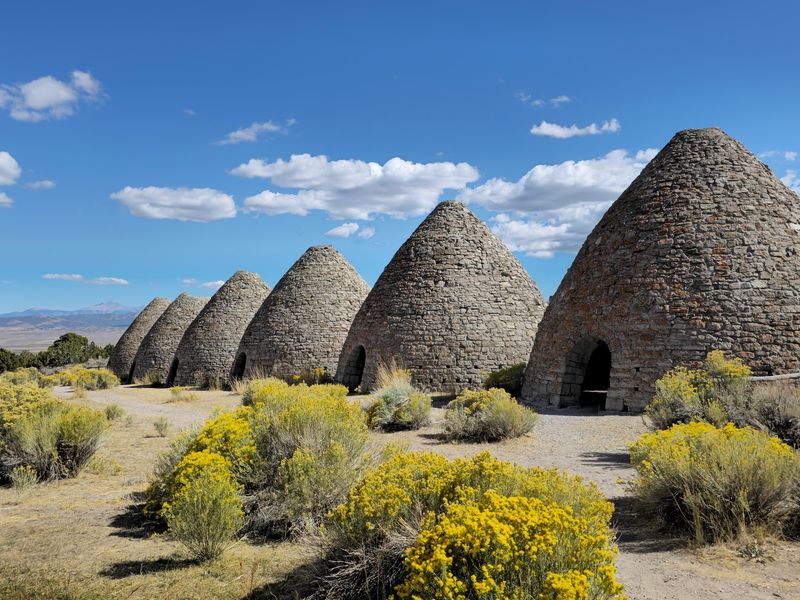
Ward Charcoal Ovens State Historic Park protects six beehive-shaped kilns that look almost too perfect for their age. Each one rises about 30 feet high and measures roughly 27 feet across at the base.
Workers built them in 1876 from locally cut stone. The skill shows, because the walls still curve smoothly upward into a rounded top.
Standing next to one is a little humbling. Your car suddenly looks like a toy parked beside a giant’s pottery collection.
The ovens sit in a neat line against sagebrush hills and the mountains of eastern Nevada. That setting makes them pop in photos from almost any angle.
You won’t find gift shops or flashy displays crowding the view. The open space lets the ovens do all the talking, which suits them just fine.
Take a slow lap around all six before heading inside. Notice the small vent holes, the arched doorways, and the window-like openings higher up the walls.
Each detail had a job during charcoal production. Spotting them first makes the history signs much easier to understand later.
Silver Fever Is The Reason These Ovens Exist
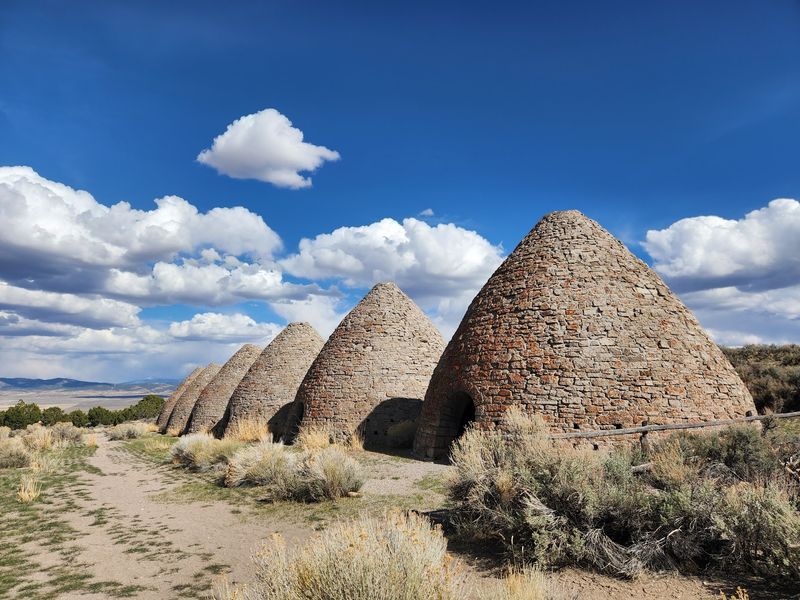
Silver showed up in the nearby hills in 1872, and a mining camp called Ward quickly sprang to life. Before long, the town reportedly grew to more than a thousand residents.
Smelters needed serious heat to separate silver from rock. Charcoal burned hotter than plain wood, so it became the fuel of choice.
That demand created a busy little industry right here. The ovens ran from 1876 to about 1879, which is a remarkably short career for something built to last centuries.
Then the silver boom cooled off. Ward faded, and the ovens went quiet almost as fast as they had fired up.
It’s a classic Old West story of big dreams and quick exits. The difference is that most boomtown buildings crumbled, while these stone domes stayed put.
Little remains of the original town today. That makes the ovens one of the clearest windows into this chapter of frontier life.
Read the interpretive signs near the parking area before you explore. They connect the dots between the mines, the smelters, and these huge kilns in a way that sticks.
Step Inside And Feel The Size For Yourself
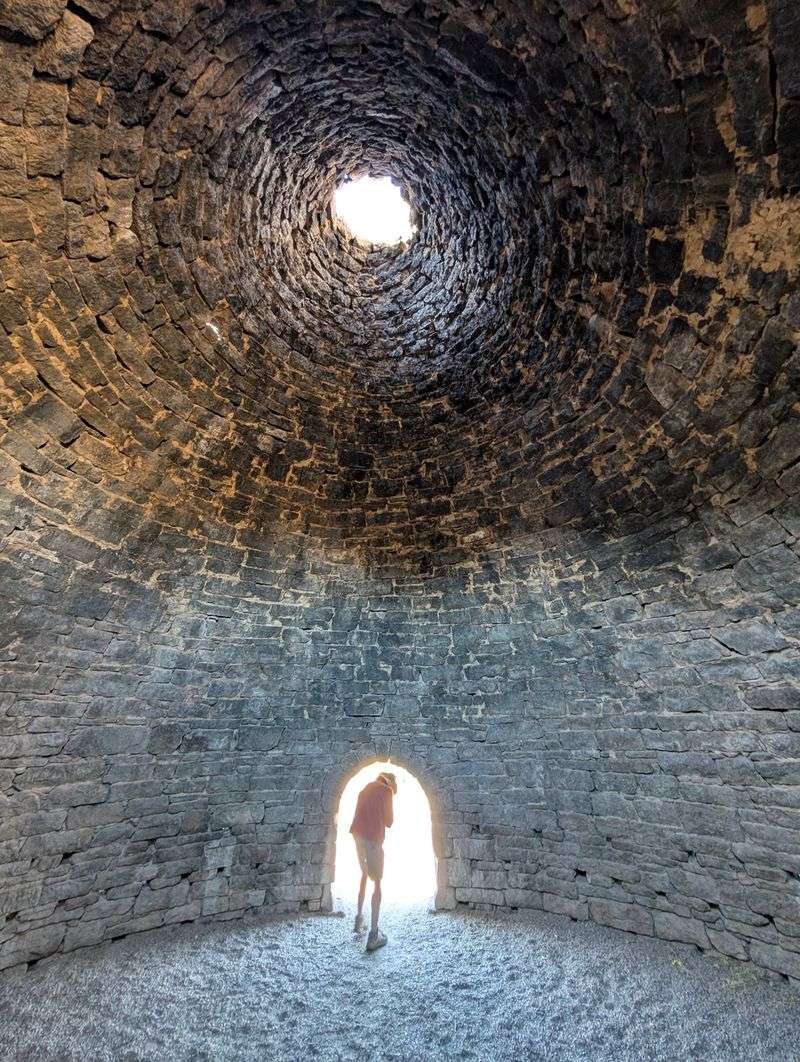
Walking through that arched doorway changes everything. From inside, the dome curves high overhead like a stone cathedral built by very practical people.
Yes, you’re allowed to go in. The interiors tend to feel cooler than the open desert outside, which is a welcome perk on a sunny afternoon.
Look up toward the top opening. Light filters down and shows off just how carefully each layer of stone was set.
Here’s a fun one for families. Clap once or say something quietly, and listen to how strangely the sound bounces around the round walls.
Kids usually figure this out within seconds. Adults pretend they’re above it, then try it the moment nobody’s watching.
The walls are thick and sturdy, built to hold enormous heat for days. Run your eyes along them and you might spot darker patches from long-ago fires.
Please don’t climb on the ovens or scratch the stone. They’ve stayed in great shape for well over a century, and keeping them that way takes everyone’s help.
Thirty-Five Cords Of Wood Went Into Every Single Burn
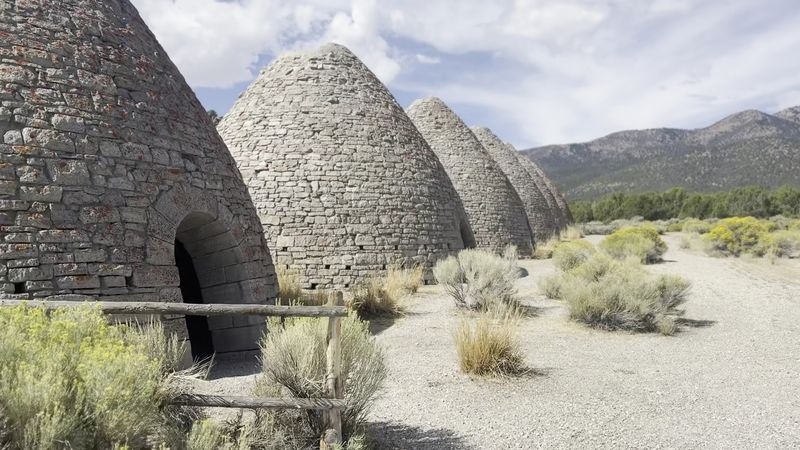
Thirty-five cords of wood. That’s about how much could be packed into one oven for a single batch.
Workers stacked pinyon pine and juniper inside, lit it, and then controlled the airflow carefully. The goal was a slow smolder, not a roaring bonfire.
Each burn took roughly two weeks from start to finish, including cooling time. Rush it, and you’d end up with a pile of useless ash.
The vent holes around the base were the secret controls. Opening or sealing them helped workers manage how much air reached the fire.
All that wood had to come from somewhere. Surrounding hillsides were heavily cut to keep up with the smelters’ appetite for fuel.
That detail adds a thoughtful layer to the visit. The ovens show off frontier skill, but they also show how fast a boom could reshape a landscape.
Look at the trees growing nearby today and compare them to that history. Nature has had well over a century to bounce back, and it’s clearly been busy.
Bandits, Prospectors, And A Very Good Hideout Rumor
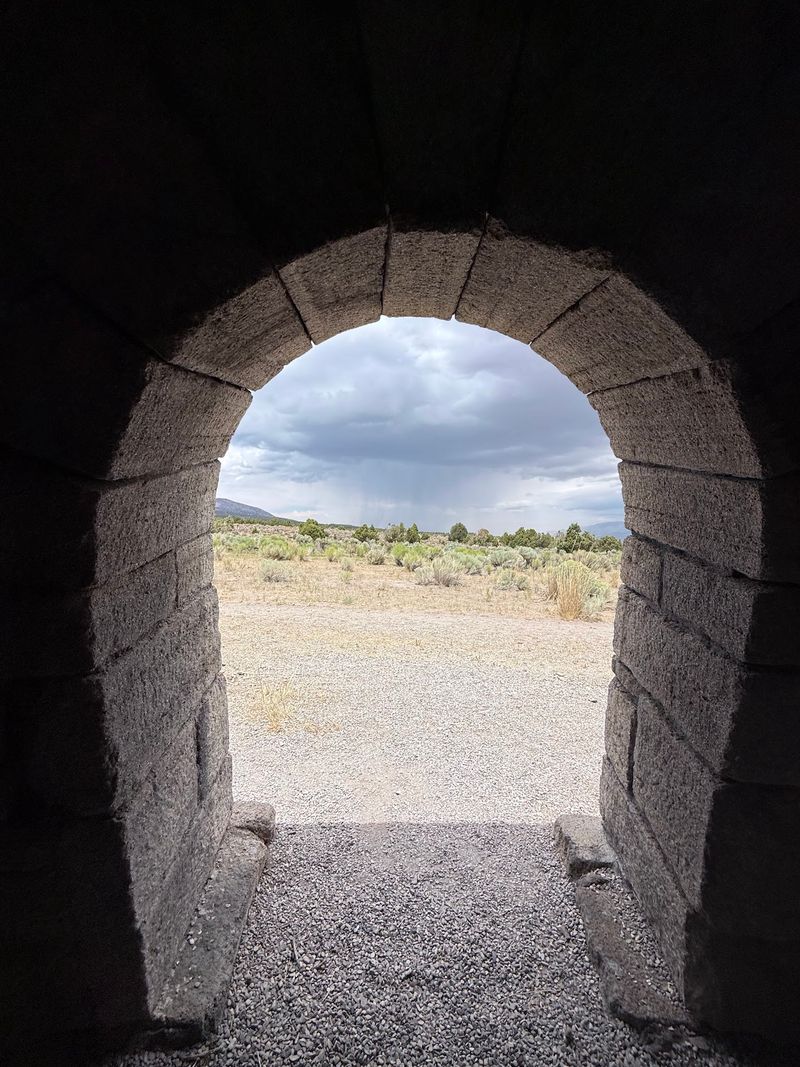
Once the charcoal business ended, the ovens didn’t stay empty for long. Their thick walls and single doorways made them handy shelters in rough weather.
Prospectors passing through the area reportedly used them to escape storms. Honestly, a stone dome beats a canvas tent when the wind starts howling.
Then come the juicier stories. Local legend says stagecoach bandits used the ovens as hideouts between robberies.
Nobody can hand you signed paperwork proving it. Still, once you stand inside one, the idea makes a lot of sense.
A hidden outlaw would have had a clear view of anyone approaching across the open valley. That’s the kind of detail that makes Old West legends stick around.
Kids especially love this part of the story. Let them peek out the doorway and decide which direction the sheriff would come from.
The mix of real industry and frontier rumor gives the ovens extra personality. They went from fuel factories to storm shelters to campfire tales, all without moving an inch.
Trails That Lead To A Surprise Creek
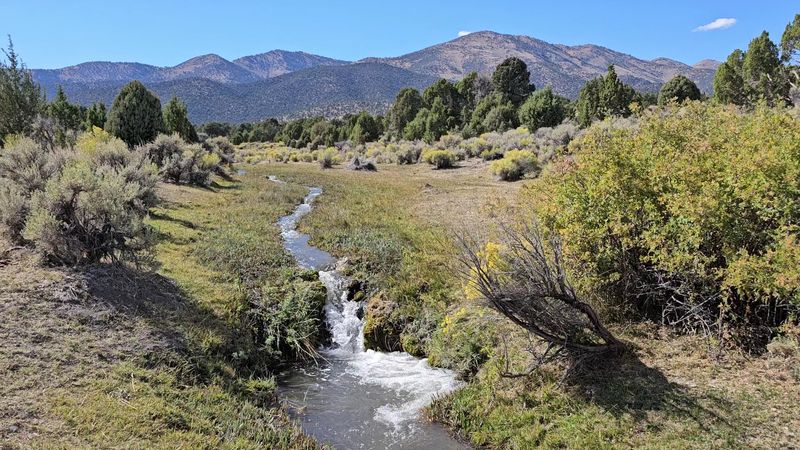
Most people come for the ovens and leave surprised by the walking. Ward Charcoal Ovens State Historic Park has several trails that start close to the kilns.
A short interpretive loop of about half a mile makes an easy add-on. It’s a nice way to stretch your legs after a long highway drive.
Longer paths wander toward Willow Creek. Water in the Nevada desert always feels a little like a magic trick.
Footbridges cross the creek in places, and greenery lines the banks. In warmer months, wildflowers can add bright splashes of color along the way.
Trail markings aren’t always crystal clear on the longer routes. Grab a map or snap a photo of the trail sign before setting out.
Wear sturdy shoes and carry plenty of water, even for short walks. The elevation sits above 7,000 feet, so you may feel winded faster than expected.
Keep an eye out for wildlife like mule deer and birds. Free-range cattle also wander this part of the state, so don’t be shocked by a curious cow.
Pitch A Tent And Let The Stars Steal The Show
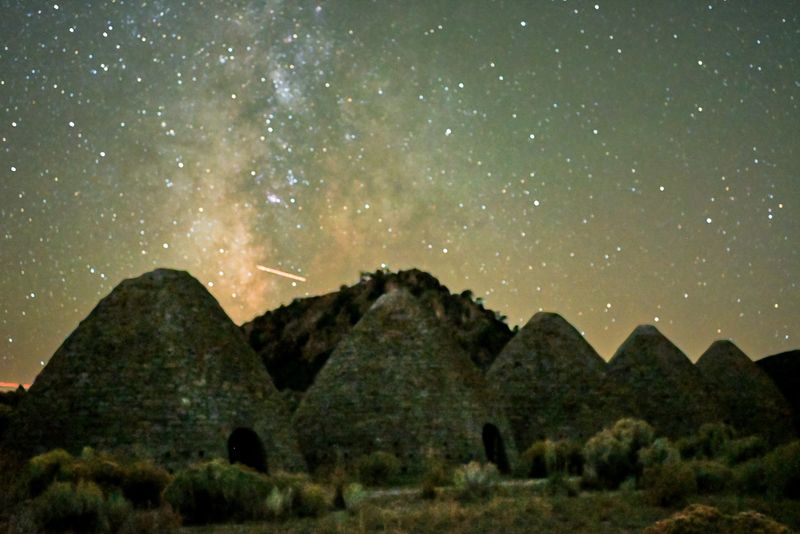
Sunset here is great, but nighttime might be even better. The park sits far from big-city lights, so the sky gets seriously dark.
On clear nights, the Milky Way can stretch right over the ovens. Photographers love lining up those rounded domes against a sky packed with stars.
Camping makes it easy to stick around for the show. The park offers campsites, picnic areas, and vault toilets.
Since the park is open around the clock, an evening visit is possible even if you’re not staying the night. Just bring a flashlight so you don’t trip over a sagebrush.
Nights cool down fast at this elevation, even in summer. Pack a warm jacket, because a chilly desert breeze can sneak up on you.
Leashed dogs are welcome, so your four-legged buddy can join the adventure. They’ll probably enjoy the smells more than the history.
Bring a camera with a tripod if you want sharp star photos. Even a phone with night mode can grab a pretty impressive shot of those glowing skies.
The Drive Is Part Of The Adventure
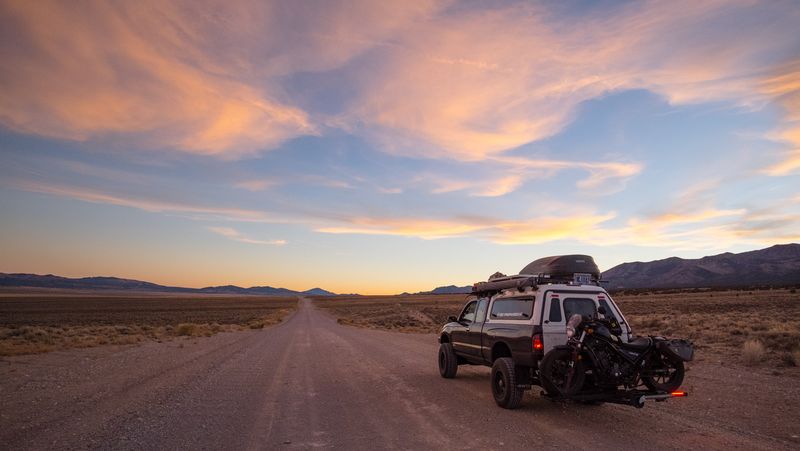
Getting here means leaving pavement behind for a while. The park’s address is 1696 Cave Valley Road, Ely, NV 89315, and that road is mostly graded dirt.
It sits south of Ely, off U.S. Highway 50, 6, and 93.
Plan on several miles of gravel once you turn off the highway.
The good news? The road is usually well maintained, and regular cars can typically handle it in dry weather.
Rain or snow can change conditions quickly, though. Check the forecast and road updates before heading out, especially in winter.
Cell signal can be spotty this far out. Download your map ahead of time so you’re not guessing at turns.
Fill up your gas tank in Ely before the trip. Bring snacks and water too, since there are no stores at the park.
There’s a day-use fee paid at the entrance on an honor system, with different rates for residents and nonresidents. Bring some cash, and enjoy wondering how rangers fish it back out of that pipe.
Turn One Stop Into A Full Eastern Nevada Road Trip
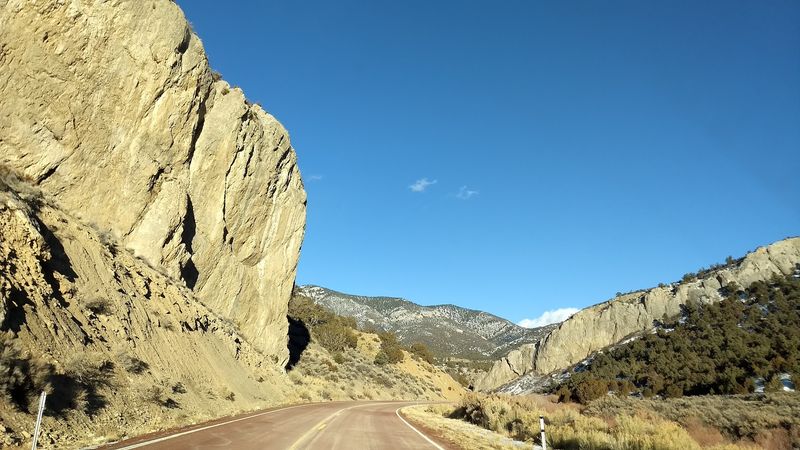
Ely makes a perfect home base for this part of the state. The town has places to stay, restaurants, and a strong sense of mining history.
Railroad fans can check out the Nevada Northern Railway Museum in town. Its historic trains and rail yard pair nicely with the frontier story you saw at the ovens.
Cave Lake State Park is another nearby option. It offers a mountain reservoir, camping, and trails in a totally different setting.
Want an even bigger adventure? Great Basin National Park is within driving distance, with ancient bristlecone pines and Lehman Caves.
Stacking these stops together creates a fantastic multi-day trip. You’ll get history, mountains, water, and stargazing without huge crowds.
Ward Charcoal Ovens State Historic Park is also listed on the National Register of Historic Places. That’s a fun fact to drop at dinner when someone asks what you did all day.
Give yourself at least an hour or two at the ovens. Add the creek trails or an overnight stay, and this short stop turns into a highlight.