
This Michigan Bird Sanctuary Hides Springs And A Boardwalk Beyond The Fields
More than 165 bird species have been recorded on one quiet patch of former farmland in southwest Michigan. That list includes the Cerulean Warbler, a sky-blue songbird that some birders chase for years.
The land rolls from open fields into mature forest and wide marshland. Several springs bubble up out there, and a clear creek winds right through the property.
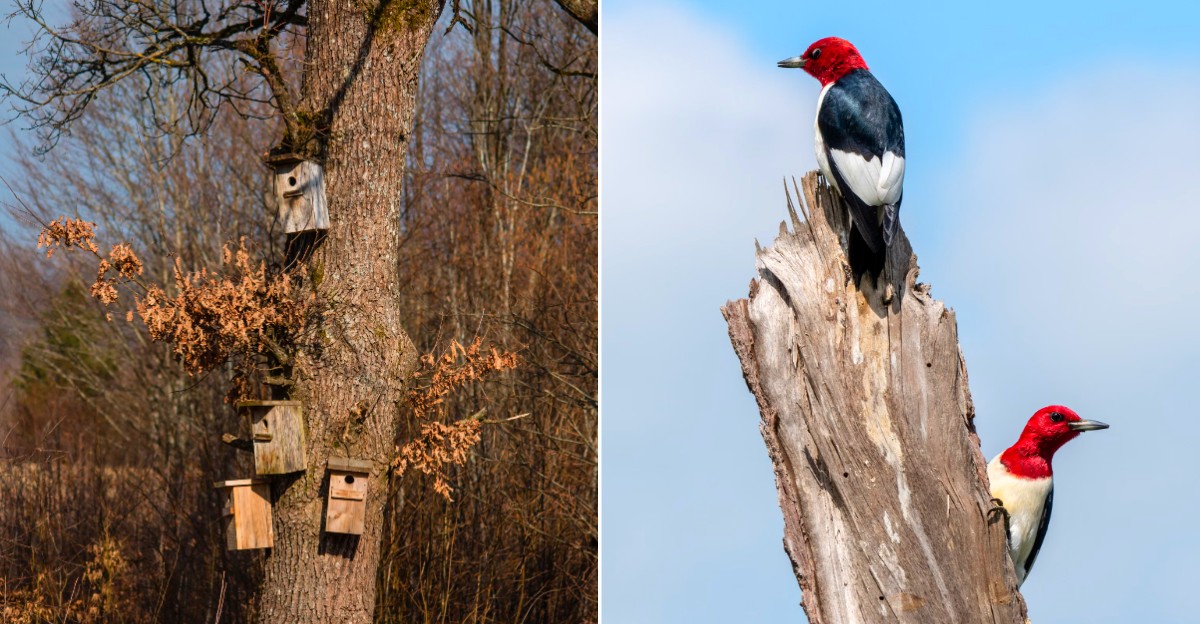
I like how a place with farm roots now works so hard for wildlife. Tree Swallows and Eastern Bluebirds raise their families in dozens of nest boxes scattered across the meadows.
Even the outbuildings get in on the action. With forest trails, spring-fed wetlands, and more than 165 recorded bird species, this southwest Michigan nature preserve gives birdwatchers plenty to look and listen for.
The real reward may wait past the grass, where the trail drops toward the wetlands and a boardwalk crosses a fen toward a sheltered spring. It’s a quiet ending to a walk filled with birdsong, and a reminder of just how much life a former farm can hold.
The Tiny Blue Bird That Puts This Place On The Map
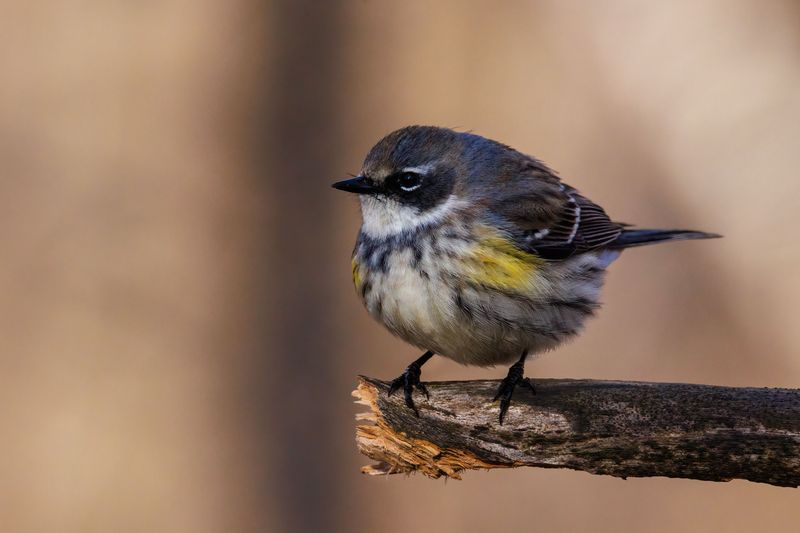
Sky-blue, tiny, and usually perched way up high, the Cerulean Warbler is a birder’s dream sighting. Otis Farm Bird Sanctuary is recognized as critical breeding habitat for this species.
Cerulean Warblers like tall, mature forest with plenty of canopy. The sanctuary’s older woods give them that kind of home, which makes spring here especially exciting.
Location helps too. The property sits right next to Barry State Game Area, which has been named a Globally Important Bird Area.
That neighbor matters more than you might expect. Bigger blocks of connected habitat give birds more room to feed, nest, and raise their young safely.
Here’s a practical tip for spotting one. Listen for a fast, buzzy song coming from the treetops, then scan the high branches slowly with binoculars.
Your neck may complain after a while. Birders even have a joke name for it, warbler neck, and it’s a badge of honor around here.
Late spring is prime time for warblers in Michigan. If you see a flash of blue against green leaves, congratulations, you just met the sanctuary’s star.
The Trail Begins Past The Farmhouse
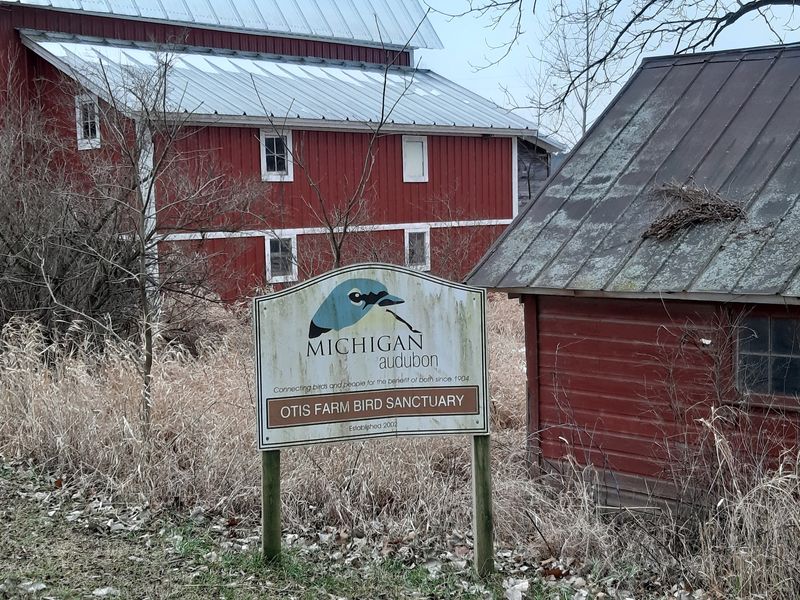
Otis Farm Bird Sanctuary lies outside Hastings, Michigan, off Havens Road near Hull Road. Use the Havens Road address for the main approach rather than searching for an urban-style park entrance.
Michigan Audubon’s map places the visitor parking area along Havens Road. From there, the maintained trailhead is about five hundred feet north along the road; the boardwalk entrance is west of the barn and picnic tables.
Park only in the designated area when conditions allow, not in front of the house. Follow the posted trail map for the boardwalk and wetland paths.
Springs And Kettle Hole Marshes Wait Past The Meadow
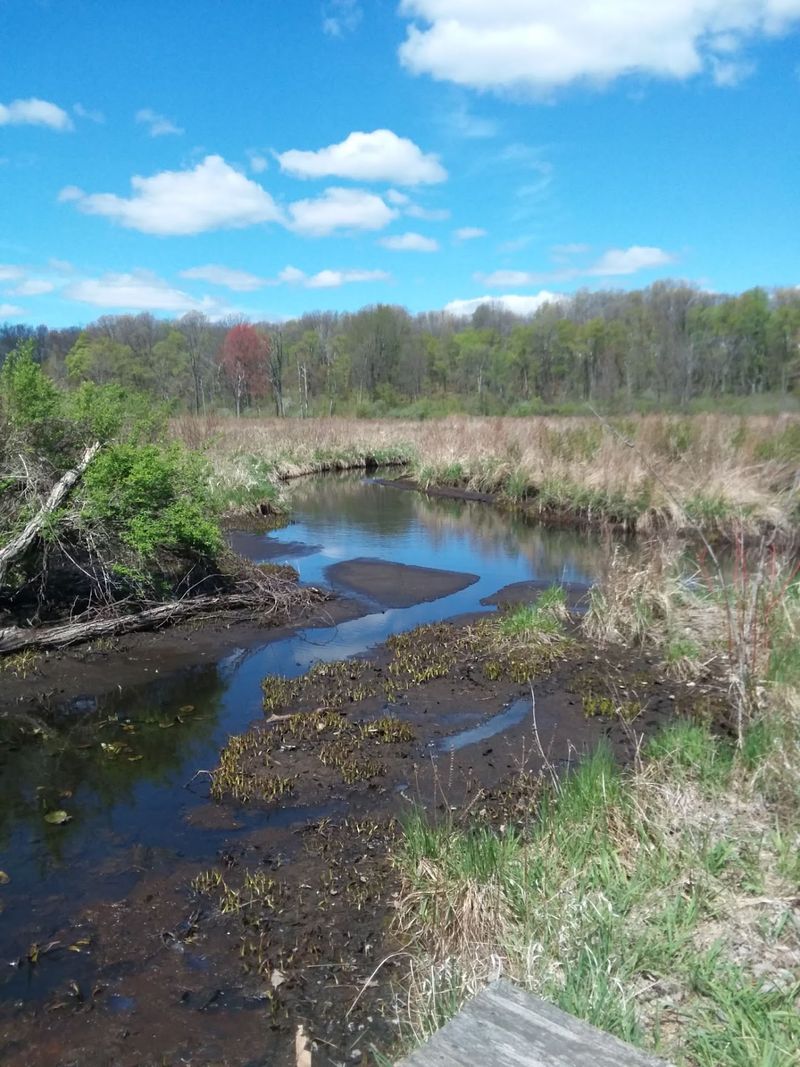
Water is the secret ingredient on this property. Several springs rise from the ground here, feeding the wetlands that make the sanctuary so lively.
The landscape also holds kettle hole marshes. These bowl-shaped wetlands formed long ago when chunks of glacial ice melted and left dips in the land.
That glacial history gives the sanctuary its rolling shape. Fields rise and fall, then suddenly give way to soggy, green pockets full of life.
Springs and marshes attract insects, frogs, and the birds that hunt them. Sandhill Cranes, warblers, and other wetland lovers find plenty to eat in these quiet spots.
I can’t imagine a better contrast to the sunny fields. One minute you’re walking through grass, and the next you’re near cool, still water and shady trees.
Wet ground means soggy feet are always possible. Waterproof boots are a smart choice, especially after rain or in early spring.
Bug spray is worth packing as well. The wetlands are wonderful for wildlife, and mosquitoes would definitely agree with that statement.
Follow The Boardwalk Across The Fen
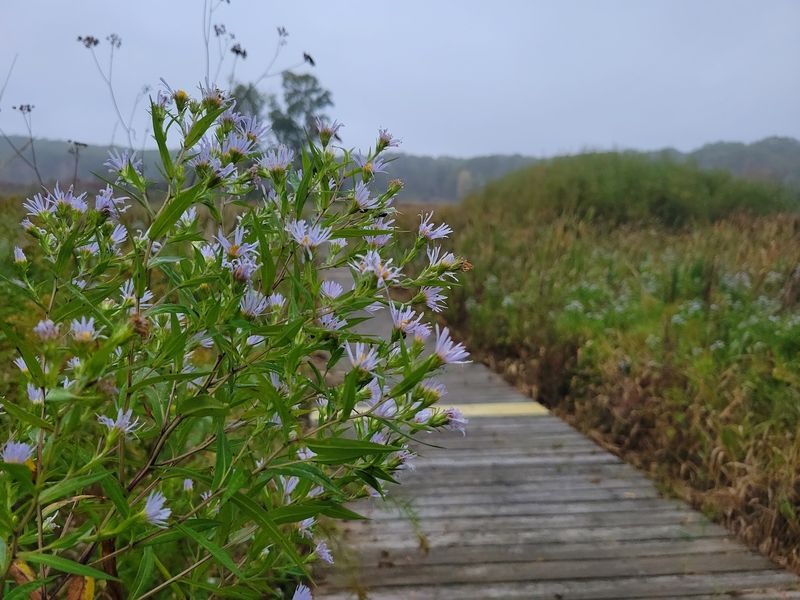
A fen is a special kind of wetland fed by groundwater, and it can be squishy underfoot. That’s why a boardwalk crossing the fen here is such a welcome sight.
The boardwalk leads toward a sheltered spring. It gives you a dry path through one of the wettest and most interesting corners of the sanctuary.
Fens often support plants that need steady, mineral-rich water. Walking above them protects those delicate roots while giving you a front-row seat.
Go slowly on this stretch. Wetland edges are great places to hear songbirds, spot dragonflies, and notice small details you’d miss while hurrying.
Boards can get slick when wet. Watch your step after rain, and keep little hikers close so nobody takes a surprise splash.
I like that this part of the walk feels like a reward. You cross open fields first, then the trail opens into a cool, quiet wetland scene.
Bring binoculars for this section especially. Standing still on the boardwalk for a few minutes often reveals more birds than walking the whole loop at full speed.
Over 165 Species Means Bring A Bigger Checklist
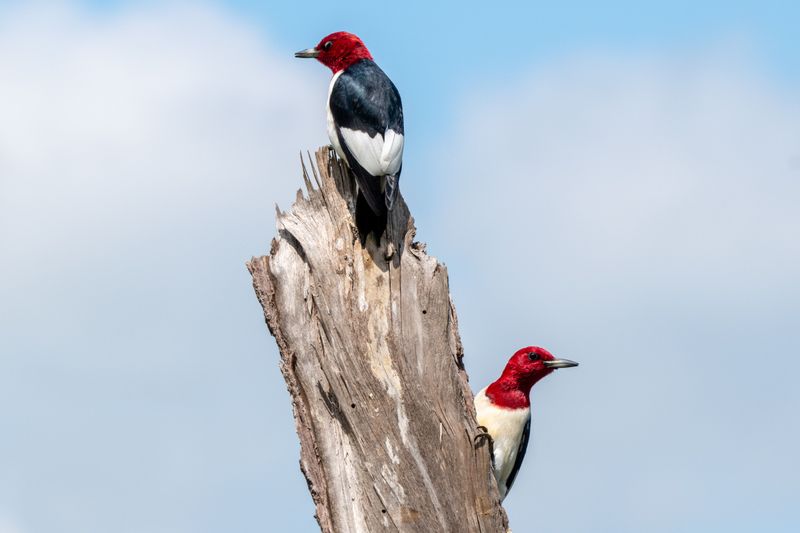
More than 165 bird species have been observed at the sanctuary. That’s a long list for a property you can explore in a single morning.
Woodpecker fans have two big reasons to visit. Both the Pileated Woodpecker and the Red-headed Woodpecker show up on the sanctuary’s list of notable birds.
The open fields matter too. Grasshopper Sparrows and Henslow’s Sparrows use grassland habitat, and those birds have lost much of their habitat in many places.
Look up over the water and open sky. Bald Eagles and Ospreys appear here, along with the tall, rattling-voiced Sandhill Cranes.
Warblers add the bright colors. The Cerulean Warbler gets the headlines, but several other warbler species pass through or nest on the property.
A free bird app or a pocket field guide makes the visit more fun. Kids especially love checking off each new bird like a scavenger hunt.
Visiting in different seasons changes the list. Spring brings migration excitement, while summer offers nesting birds busy feeding hungry chicks.
Nest Boxes Turned Into A Busy Bird Neighborhood
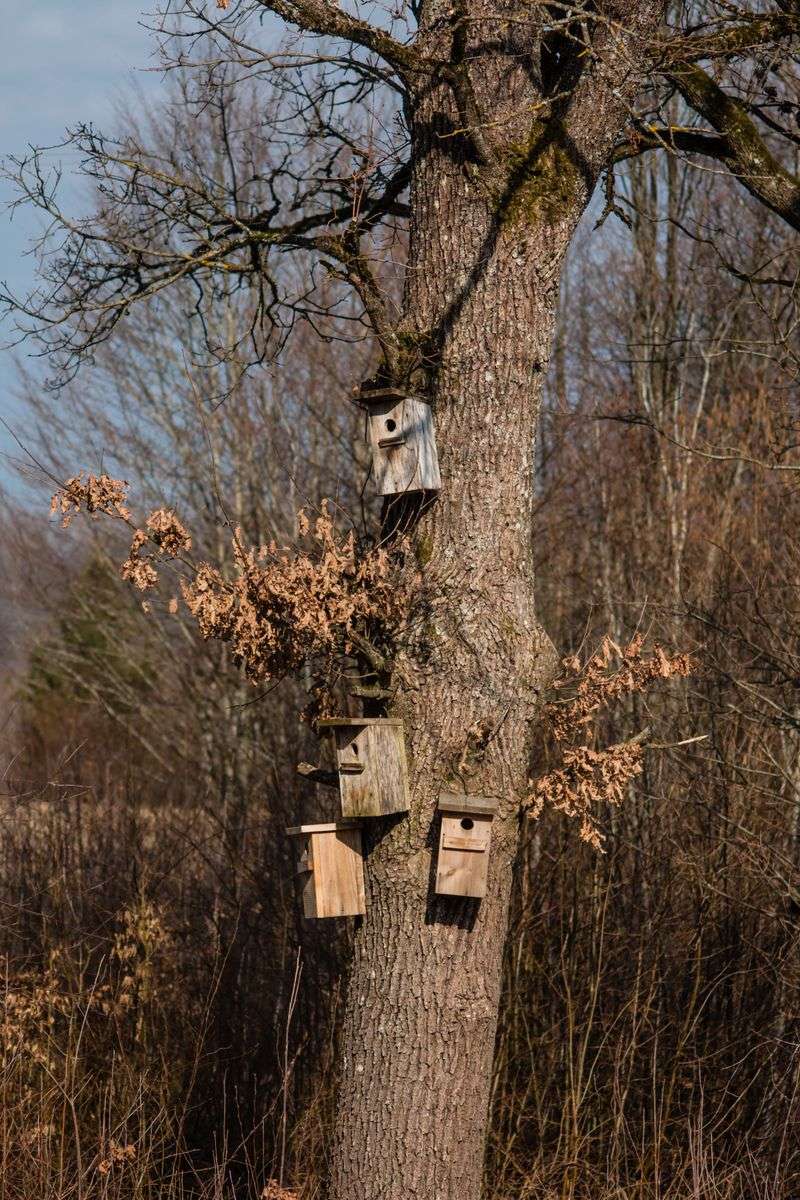
Thirty-six out of 38. That’s how many nest boxes on the property had fledged birds or held active nests in a June 2026 update.
Seventeen of those boxes were brand new in spring 2026. Clearly, the birds approved of the fresh real estate right away.
Tree Swallows, Eastern Bluebirds, and Northern House Wrens are the main tenants. Each brings its own personality to the fields.
Tree Swallows swoop low and fast over the grass, snatching insects in midair. Bluebirds flash brilliant color, while House Wrens chatter loudly like they own the place.
One family deserves extra credit. An Eastern Phoebe pair has nested behind a light on an outbuilding, raising multiple broods there since at least 2023.
That’s a pretty clever choice of address. A roof overhead and a sturdy ledge make a cozy spot for a growing family.
Please admire the boxes from a respectful distance. Nesting birds need calm, so binoculars beat close-up peeking every single time.
Members Can Paddle Glass Creek Or Book The Cabin
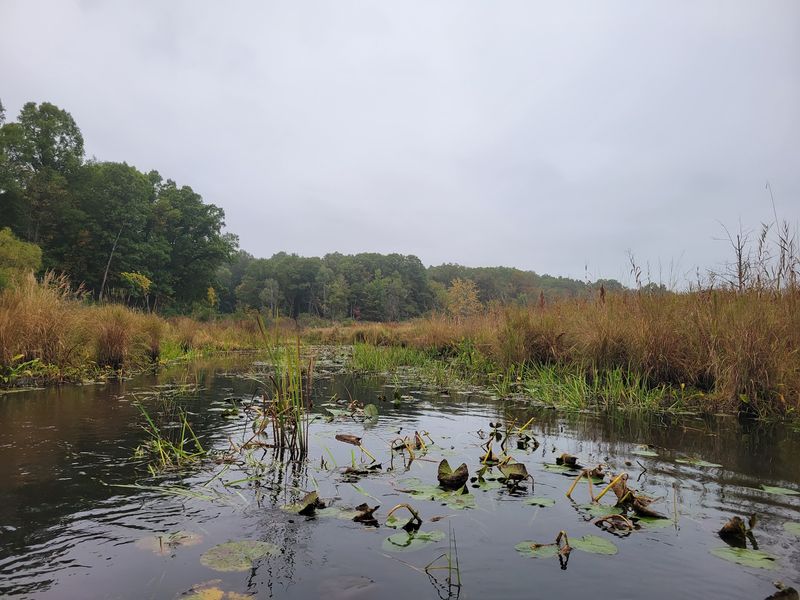
Glass Creek runs right through the sanctuary, adding moving water to the springs and marshes. It’s a lovely feature, and it comes with a bonus for members.
Michigan Audubon members may launch kayaks and canoes on Glass Creek. Paddling gives you a totally different view of the wetlands and the birds along the banks.
Quiet paddling is ideal for wildlife watching. Slide along slowly, keep voices low, and you might spot herons or songbirds near the water’s edge.
Membership unlocks another perk too. Members can rent a cabin on the sanctuary that sleeps up to 12 people.
Twelve people is plenty for a family reunion or a group of birding friends. Waking up right on the property means you’re already there for the early morning chorus.
Birds are busiest at dawn, so staying overnight is a real advantage. No long drive, no rushing, just coffee and binoculars at sunrise.
If you visit often, membership may be worth a look. It supports sanctuaries across Michigan while opening up these extra experiences.
Plan Around Daylight, Seasons, And The Parking Lot
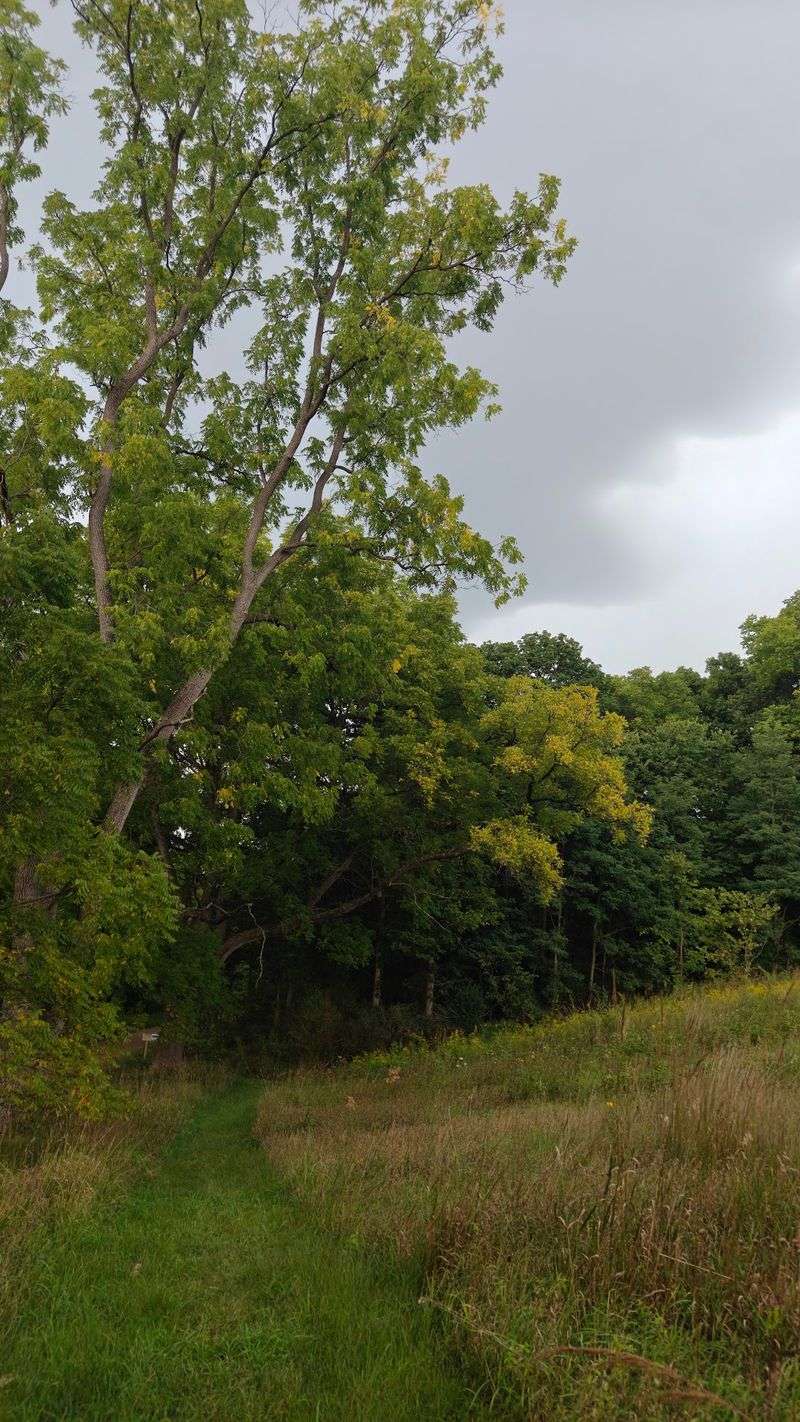
Good news for casual hikers: the trail system is short and sweet. The sanctuary offers 1.4 miles of maintained trails through its varied habitats.
You’ll find the property at 3560 Havens Road, Hastings, Michigan 49058. It’s a rural spot, so download directions before cell service gets spotty.
Hours run from dawn to dusk. Early mornings usually bring the most bird activity, so set that alarm if birds are your main goal.
Parking needs a little planning. The lot is accessible from spring until fall, depending on ground conditions.
Winter visits are still possible for cross-country skiing. Just check conditions first, since snow and soggy ground can change access.
Trails are self-guided, so bring your own map or app. A water bottle and snacks are smart too, since this is a natural area.
Ticks live in grassy and wooded areas like this one. Wear long pants, use repellent, and do a quick tick check before heading home.
Save Your Spot On A Spring Warbler Tour
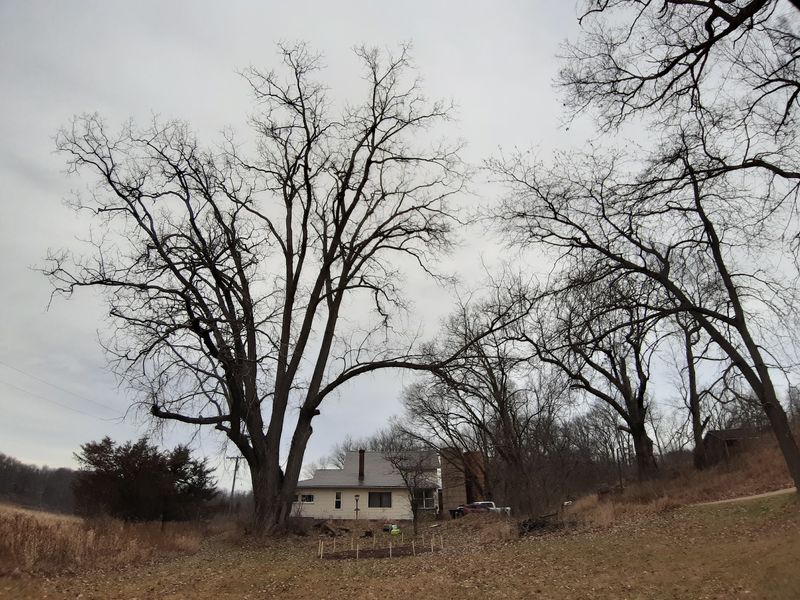
Finding a Cerulean Warbler alone can feel like searching for a blue sock in a giant leafy laundry pile. That’s where a guided tour comes in handy.
Michigan Audubon offers Cerulean Warbler Tours that meet at the sanctuary in May 2027. These tours focus on the bird that makes this property so important.
A guide knows the best spots and the right songs to listen for. Beginners learn quickly, while experienced birders enjoy having an expert along.
Tours have a fee, and spots may be limited. Check Michigan Audubon’s event listings early so you don’t miss out.
Bring binoculars, layers, and patience. May mornings in Michigan can start cool before warming up nicely by midday.
General trail visits don’t usually require admission. Donations help Michigan Audubon care for its sanctuaries, so consider chipping in after a great walk.
A tour might turn a curious visitor into a lifelong birder. With warblers singing overhead and springs waiting past the fields, that wouldn’t be a bad outcome at all.