
10 West Virginia Towns Watching Their Populations Shrink As More Young People Move Away
A town can lose its busiest streets without losing the memories that made them special. In West Virginia, that change is becoming harder to ignore.
Younger generations are leaving, family homes are getting quieter, and familiar faces are slowly disappearing from the places they once called home.
What makes this story bittersweet is that these towns still have plenty of life in them. I keep wondering what it feels like to watch a place you grew up in change so much, especially when there’s still so much worth holding on to.
Behind every shrinking population is a story that rarely fits into a statistic. And these West Virginia towns have more to tell than their numbers suggest.
1. Charleston
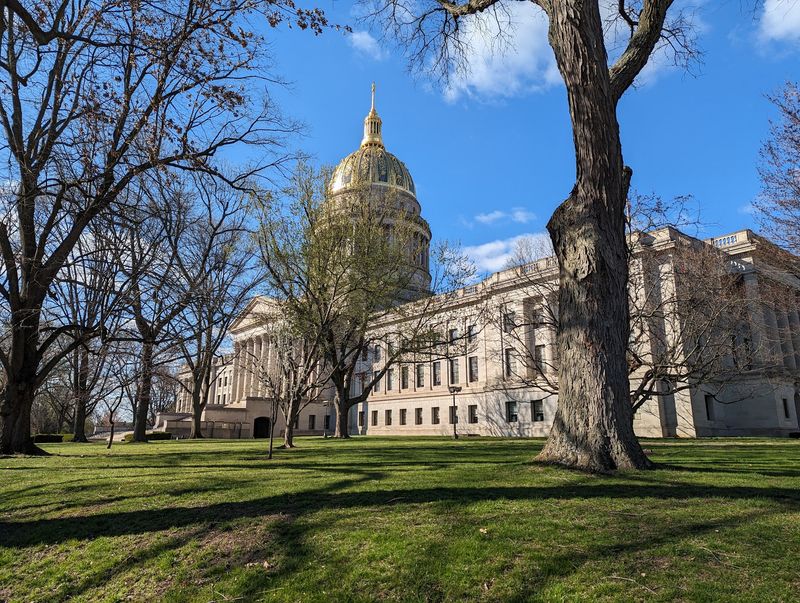
Being the state capital comes with a gold-domed Capitol, a state museum, and plenty of government jobs. Even so, Charleston keeps losing neighbors.
The city counted 48,864 people in 2020 and about 46,482 by 2024. Back in 1960, it held just under 86,000 residents.
The wider Charleston region has also experienced population losses. However, changes to metropolitan-area boundaries make long-term population comparisons more complicated.
So why are younger folks heading out? Reports point to crime, drug problems, poverty, and a feeling that career choices are too limited.
Healthcare access shows up on that list too. For a 25-year-old weighing job offers, those worries can tip the scale toward another state.
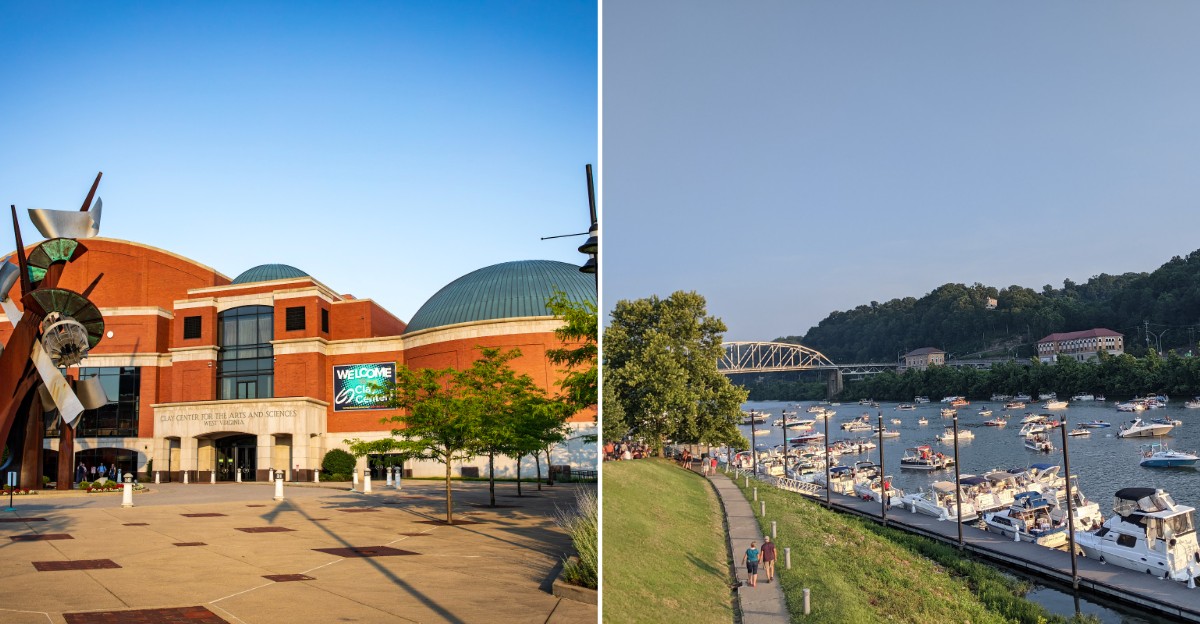
Here’s the twist, though. Charleston still has real perks, like the Clay Center, the Municipal Auditorium, and the spot where the Elk and Kanawha rivers meet.
History runs deep here as well. Founded in 1788, the city became the permanent capital of West Virginia in 1885, after some back-and-forth with Wheeling.
It also grew up as a center for the chemical and glass industries. When those jobs thinned out, the paychecks that kept families rooted thinned out too.
If you visit, give the State Museum an afternoon. You’ll understand how much this city has carried, and why folks hope a new generation sticks around.
2. Huntington
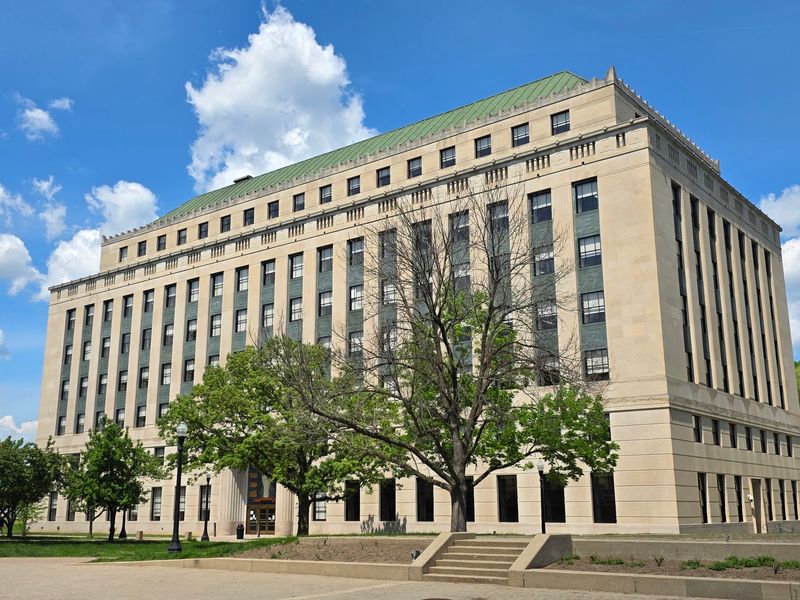
A university older than its own city is a pretty unusual flex. Marshall University opened in 1837, while Huntington itself wasn’t founded until 1871.
Railroad tycoon Collis P. Huntington gave the place its start and its name.
By 1888, the city was running electric streetcars, which sounds downright futuristic for the time.
Population peaked around 86,000 in 1950. By 2020, the count had slipped to 46,842, down from about 49,000 just ten years earlier.
The reasons aren’t a mystery to anyone following local news. Huntington has struggled with a high overdose rate, homelessness, and poverty.
That’s a tough sell for a graduate deciding where to start a career. Many students finish their degrees and then follow job offers out of town.
Still, plenty of people see Marshall as the city’s best hope. A big campus keeps young energy flowing through downtown, even if not everyone stays.
You’ll also find fun that most small cities would envy. Camden Park ranks among the oldest amusement parks in the world, and the Keith-Albee Theater adds old-school charm.
Pullman Square, the Huntington Museum of Art, and Heritage Village round out a solid day trip. Beech Fork State Park sits nearby for hiking, boating, and fishing.
The city has bounced back before, including after a severe flood in 1937. Maybe the next comeback starts with graduates who decide to stay put.
3. Parkersburg
Over 125 Victorian homes line one downtown district here, the largest of its kind in West Virginia. Julia-Ann Square looks like a postcard you could stroll through.
Parkersburg started out as Newport before taking its current name in 1810. The new name honored Revolutionary War officer Alexander Parker.
Later, a gas and oil boom turned the city into an important refining center. The Oil and Gas Museum tells that story if you like your history a little greasy.
Today, the numbers point the other way. The city fell from 31,492 people in 2010 to 29,738 in 2020, about a six percent drop.
In 1960, more than 44,000 people called it home. The wider area slipped 5.4 percent between 2010 and 2024.
Age tells the rest of the story. Kids under 18 make up 20.4 percent of residents, while people 65 and older make up 22.7 percent.
Both numbers lean older than the national average. When grandparents outnumber grandkids, you know younger families have been drifting elsewhere.
For visitors, the rivers steal the show. Blennerhassett Island Historical State Park sits in the Ohio River, and Henderson Hall and Fort Boreman Historical Park add more history.
Parkersburg also helped shape the creation of the state itself. That’s a lot of legacy for a city hoping its next chapter includes more young faces.
4. Wheeling
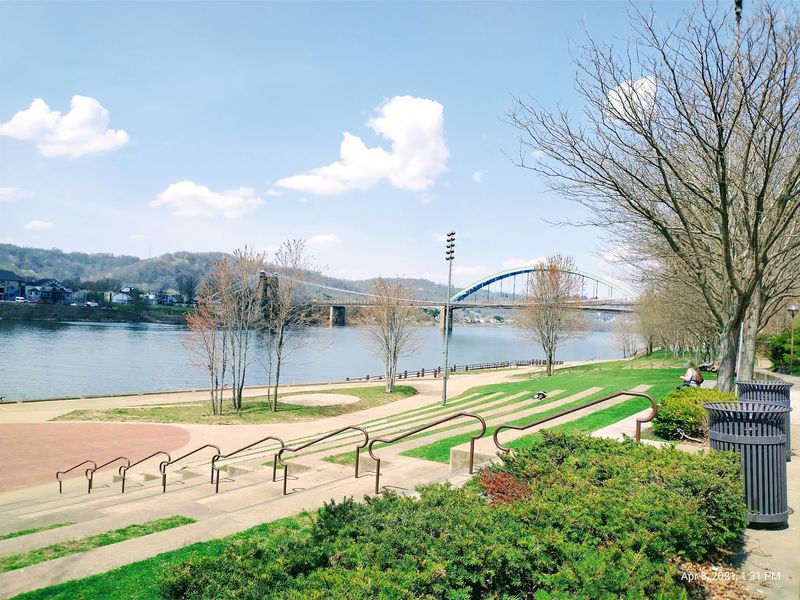
The city once wore big titles with pride. It was the ‘Gateway to the West’ after the National Road arrived in 1818, and the ‘Nail City’ for its nail production.
Wheeling even served as the state capital twice. West Virginia Independence Hall, a National Historic Landmark, still marks that statehood story.
The population, sadly, has been heading downhill since the 1930s. It peaked near 61,200 in 1940 and reached 27,052 by 2020.
That decline has shown up in each ten-year Census count since. The metro area also lost 8.7 percent of its people between 2010 and 2024.
An aging population is part of the picture. So is a poverty rate near 19.4 percent, about double the national rate.
Here’s what makes Wheeling so lovable, though. The city throws a calendar’s worth of heritage parties, including the Grecian Food Festival and Mahrajan, a Lebanese heritage festival.
The African American Jubilee and the Annual Wheeling Celtic Festival keep the lineup going. Toss in Victorian mansions and ornate churches, and you’ve got serious charm.
Maybe the city’s best recruiting tool is simply its personality. A place with this much character deserves a fresh crowd to enjoy it.
5. Weirton
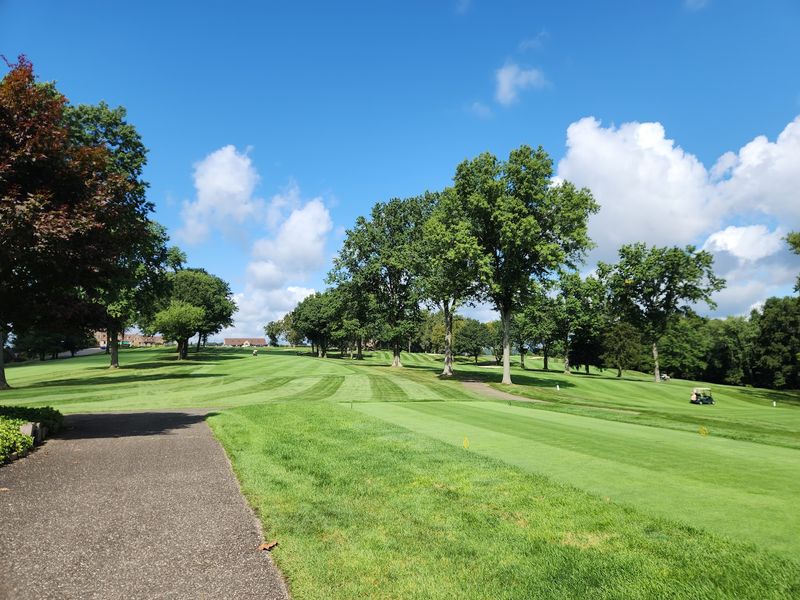
Here’s a geography brain teaser for your next trivia night. Weirton is one of a few U.S. cities that border two neighboring states, touching both Ohio and Pennsylvania.
The modern city grew from steel. Ernest T.
Weir founded Weirton Steel Corporation in 1909, and it became one of the country’s leading steel producers.
Four separate towns merged in 1947 to form the City of Weirton. By 1970, the population had climbed past 28,000.
Since then, the steel-town crowd has thinned. The 2020 census counted 19,163 residents, a three percent drop from 2010.
That slower slide is milder than some neighbors on this list. Still, a city built around one giant employer feels it when those jobs shrink.
History buffs will find plenty to chew on. Fort Holliday went up in 1776, and Peter Tarr’s furnace made cannonballs for the War of 1812.
Movie fans get a fun bonus too. Weirton was a filming location for the 1978 movie The Deer Hunter, and Life magazine featured the town in 1937.
Today, you can still spot pieces of that industrial past around town. Oglebay Park is also less than 30 minutes south if you want more to explore.
For young people, the question is simple. Can a city famous for making steel find new ways to make careers?
6. Beckley
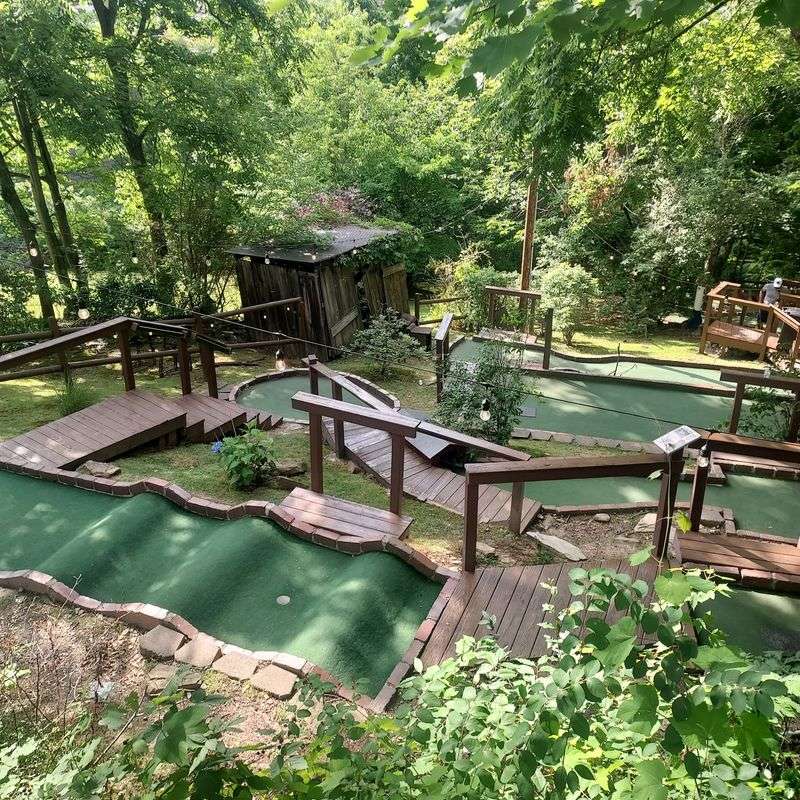
Few towns let you tour an actual coal mine. At the Beckley Exhibition Coal Mine, that’s the main event.
Beckley proudly calls itself the ‘Smokeless Coal Capital.’ The town grew fast after the Chesapeake and Ohio Railway arrived in 1901 and the Winding Gulf coalfield opened in 1907.
General Alfred Beckley founded the town on April 4, 1838. He named it after his father, John Beckley.
The population topped 19,000 in 1950. By 2020, it had dropped to 17,286.
The wider metro area took a bigger hit, falling 11.2 percent from 2010 to 2024. People 65 and older made up 23.2 percent of residents in 2024.
Kids under 18 sat at 20.5 percent, below the national share. In plain terms, the town is graying while younger families look elsewhere.
That’s surprising when you see what’s nearby. Beckley acts as a gateway to southern West Virginia, close to New River Gorge National Park and Preserve.
Whitewater rafting, climbing, and Winterplace Ski Resort sit in the region. For outdoorsy twenty-somethings, that’s basically a playground.
Tamarack, which opened in 1996, showcases Appalachian arts and crafts. Students can also study at the WVU Institute of Technology right in town.
Adventure, education, and craft culture make a strong pitch. Now the trick is turning visitors into neighbors.
7. Clarksburg
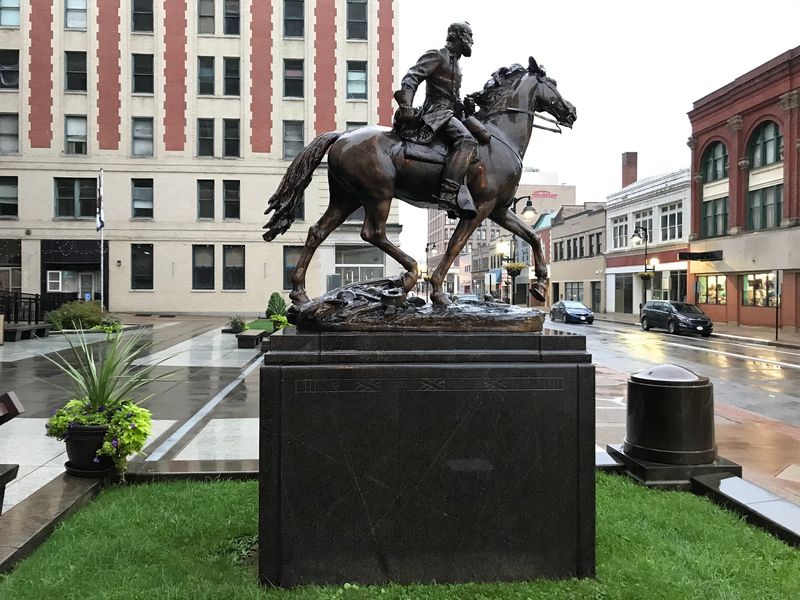
Back in 1923, Clarksburg became the first city in West Virginia to adopt its own municipal flag. Talk about town pride.
That pride runs deep. The city was chartered in 1785 and named for Revolutionary War officer George Rogers Clark.
Growth here once happened at lightning speed. Clarksburg jumped from 4,050 residents in 1900 to 27,869 by 1920, powered by glass and coal.
Glass made such an impression that it helped earn the nickname ‘Jewel of the Hills.’ In 1960, more than 28,000 people lived here.
By 2020, the count was down to 16,061. That’s roughly 500 fewer people than in 2010.
A slower slide still adds up over time. When factories close, young workers usually follow the jobs instead of waiting around.
Food lovers, pay attention, because Italian heritage is a huge part of local life. The West Virginia Italian Heritage Festival celebrates that legacy and its kitchen traditions.
Clarksburg also has a well-preserved historic downtown and the Clarksburg History Museum. South of town, the prehistoric Oak Mounds add a much older layer.
The city has always had a forward-thinking streak. It hosted an 1841 convention pushing for free public schools and an 1861 rally that helped spark statehood.
Randolph Academy opened here in 1787 too. A place that cared about schools that early deserves graduates who stick around.
8. St. Albans
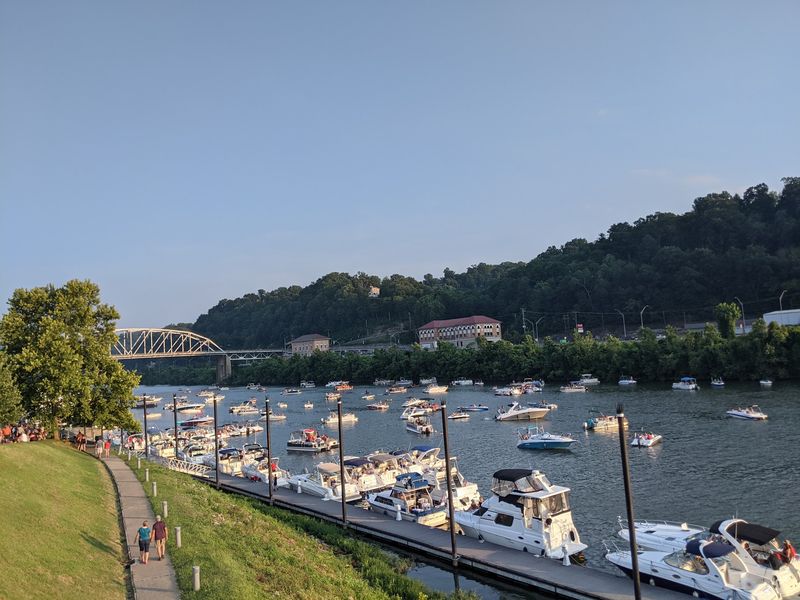
Few towns have switched names as often as St. Albans. It went by Philippi, Coalsmouth, and Kanawha City before settling on its current name around 1871 or 1872.
The new name reportedly came from St. Albans, Vermont. George Washington once owned the land where the city now stands.
People lived in this area long before any of that. Evidence of occupation stretches from 7,900 BC to 1670 AD.
The modern boom came with lumber and later the Kanawha Valley chemical industry. The town nearly tripled during the 1940s and peaked at 15,103 people in 1950.
The 2020 census counted 10,861. The median age was 45.3, and residents 65 and older outnumbered kids under 18, 23.6 percent to 19.0 percent.
Here’s the bright spot. In 2025, Southern Living named St. Albans one of the Friendliest Places in the South for supporting residents living with dementia.
That kind of kindness says a lot about a community. It also shows a town taking care of the neighbors who stayed.
Outdoor fans get plenty of water time on the Coal and Kanawha rivers. Kayaking, tubing, fishing, and boating are popular here.
Seven city parks offer disc golf, swimming, and special events. The Alban Arts Center adds a creative side to the historic downtown.
Just west of Charleston, it’s an easy commute too. Friendly, scenic, and close to a capital sounds like a decent pitch to young families.
9. Bluefield
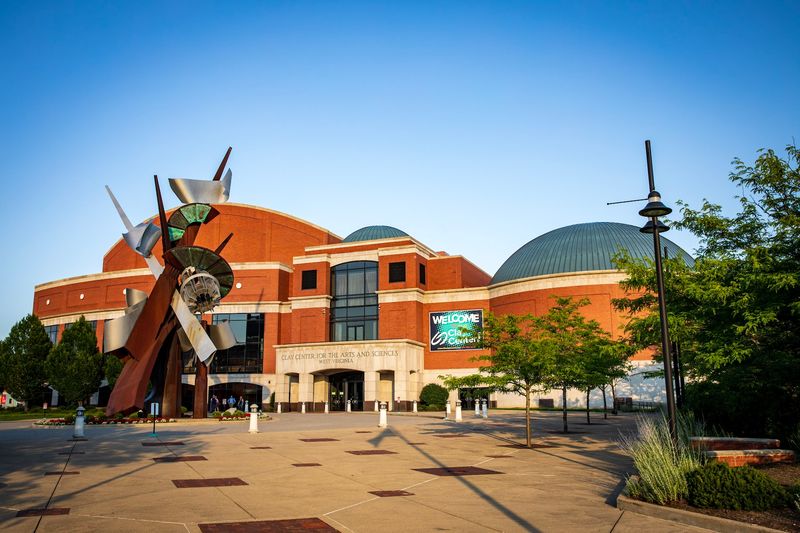
Free lemonade on hot days is a real thing here. When the temperature tops 90 degrees, Bluefield hands it out, thanks to its ‘Nature’s Air-Conditioned City’ nickname.
That playful spirit has deep roots. During the coal boom, people called Bluefield ‘Little New York,’ and it was among the first cities in the nation with a distinct skyline.
The 12-story West Virginian Hotel still stands as the tallest building in the state south of Charleston. Nearby Bramwell, meanwhile, earned the name ‘Millionaires’ Town.’
Railroads lit the fuse. The Norfolk and Western Railway set up a repair center and major division point here in 1882.
Then coal mining got more mechanized, and transportation changed. The population, which peaked at 21,506 in 1950, fell to 9,658 by 2020.
The 2010 to 2020 stretch alone brought an eight percent drop. The median age reached 43.6 in 2020.
There’s reason for hope, though. In 2019, Intuit picked Bluefield for a ‘prosperity hub’ aimed at full-time jobs, training, and education.
Bluefield State University, founded in 1895, gives local students another reason to stay. Historic districts downtown and in South Bluefield keep the old glamour on display.
The city also has a habit of trying new ideas. Its 1921 charter made it one of the first in the nation to use a city manager government.
Cool summers, free lemonade, and a skyline with stories make a fun combo. Young workers could do a lot worse.
10. Oak Hill
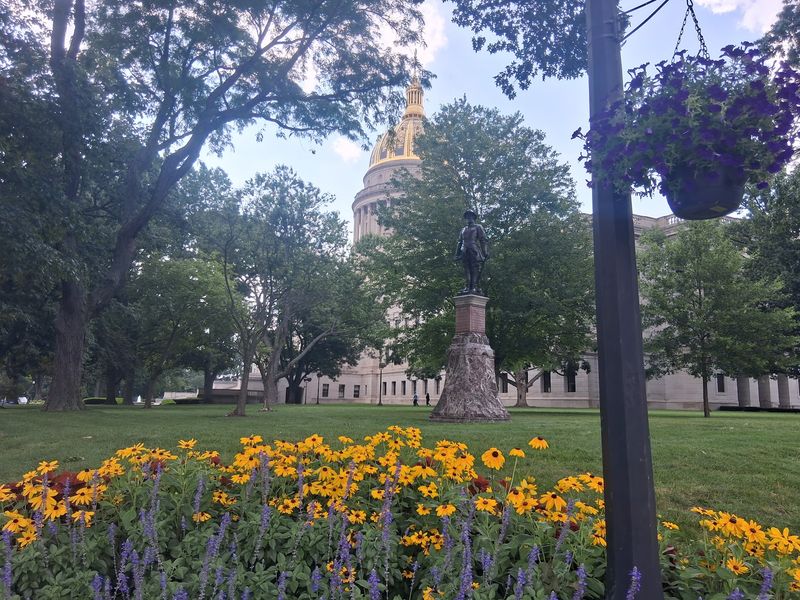
Oak Hill’s population grew from 7,730 in 2010 to 8,179 in 2020, but more recent estimates show that trend reversing. The U.S.
Census Bureau estimated 7,629 residents in 2025, a decline of approximately 6.6 percent from its adjusted 2020 population base.
The city also sits within the Beckley metropolitan area, which has experienced a broader population decline. Despite those challenges, Oak Hill continues to benefit from its proximity to New River Gorge National Park and Preserve.
Tourism has been its secret weapon ever since. The town sits right beside New River Gorge National Park and Preserve.
Rafting, hiking, biking, and rock climbing are on the menu. Needleseye Park offers 283 acres for climbing and hiking.
The White Oak Rail Trail, Perry Park, and Russell Mathews Park add more room to roam. Ace Adventure Water Park is there for splashier days.
Food fans will appreciate the town’s strong Italian food culture. The historic Oak Hill Railroad Depot now works as an artisan shop.
The town also serves as a health-care hub for Fayette County. Those jobs help explain why people keep choosing it.
Maybe Oak Hill is the lesson for the rest of West Virginia. Big outdoor beauty and good reasons to stay can still pull people in.