
Chicago’s Zoo Still Lets Illinois Families See Gorillas And Polar Bears For Free
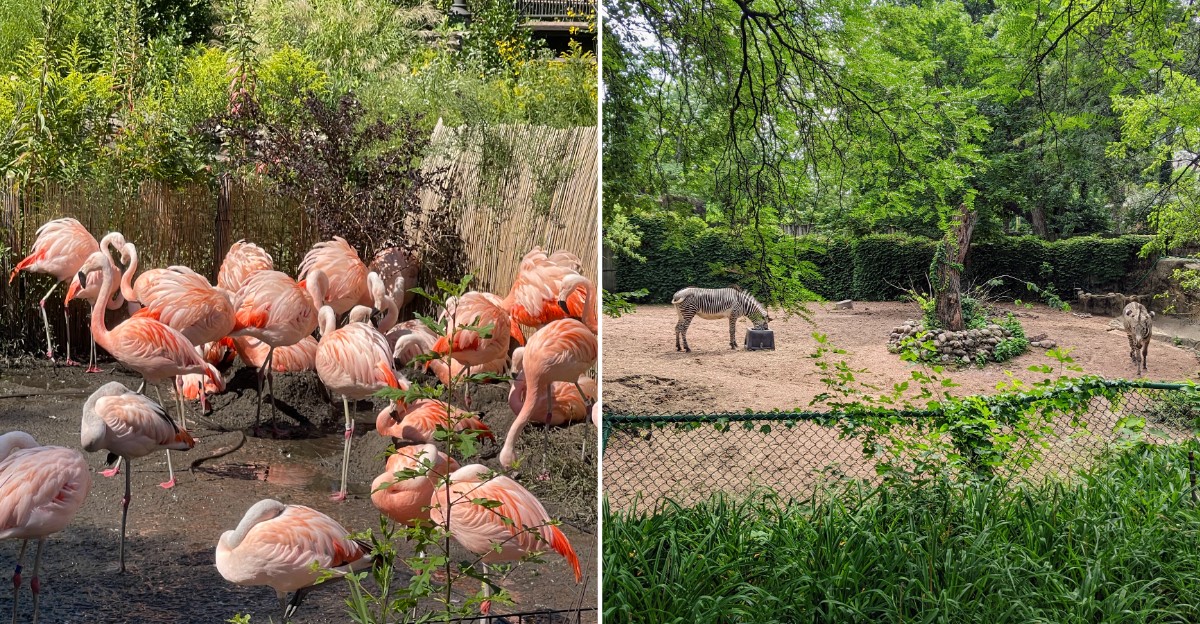
Two pairs of swans started it all. They arrived as a gift, and a whole zoo grew up around them.
That zoo now cares for lions, gorillas, polar bears, and penguins. It still hasn’t built a ticket booth.
Admission is free, every single day of the year.
I love that a family in Illinois can spend a whole afternoon here without paying to get in. Grandparents can bring the grandkids on a whim.
Parents can stop by for one hour or stay until closing. Nobody needs to make the trip count financially.
I can’t imagine how much planning keeps something this big running without gate money. The answer involves an old promise, a big shift in management, and a lot of generous neighbors.
How does a zoo this old stay this generous? The story is better than you’d guess.
A Lakefront Zoo That Never Asks For A Ticket
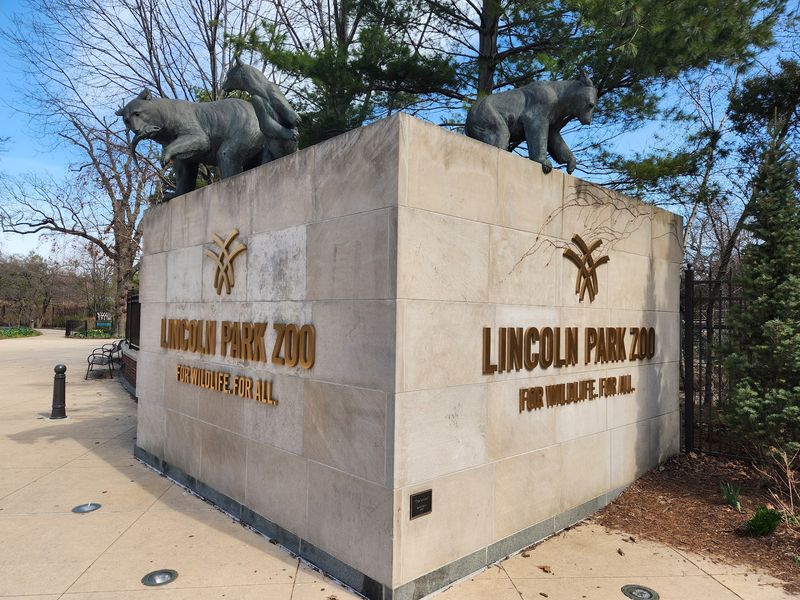
Lincoln Park Zoo sits inside Lincoln Park on Chicago’s North Side, right along the lakefront. It ranks among the oldest zoos in the United States.
It’s also the country’s only privately managed free zoo.
Free means free here. There’s no admission charge at the gate, and the zoo stays open 365 days a year.
That’s a rare deal anywhere in Illinois, let alone in the middle of a big city.
The grounds cover 49 acres. Inside, you’ll find more than 1,200 animals representing about 200 species.
That’s a lot of neighbors for one city park.
Downtown is only minutes away. Yet the setting feels green and calm, with lawns, flower beds, and big trees lining the paths.
The skyline peeks over the treetops in several spots.
The zoo calls itself small, and it’s true compared with some sprawling suburban parks. Still, a visit easily fills a full morning or afternoon.
Many families stay most of the day.
So what keeps the lights on without ticket money? The answer starts way back in the 1800s, with a few birds and one very stubborn promise.
Two Pairs Of Swans And A Promise From 1878
Swans got the whole thing started. In 1868, New York’s Central Park sent two pairs of them to Chicago as a gift.
That modest present became the seed of a zoo.
A decade later, park commissioners made a bold decision. In 1878, they declared the zoo must always remain free.
Plenty of promises fade over time, but this one stuck.
For 127 years, the Chicago Park District ran the zoo. Then, in 1995, management shifted to a private group called the Lincoln Park Zoological Society.
The free-admission tradition came right along with it.
Today, the commitment to free entry extends through at least 2050. That’s a long runway for a tradition that started with a few birds.
I like how the founders’ idea still shapes every visit. A kid from the suburbs and a kid from the neighborhood walk through the same open gates.
Nobody checks a wallet first.
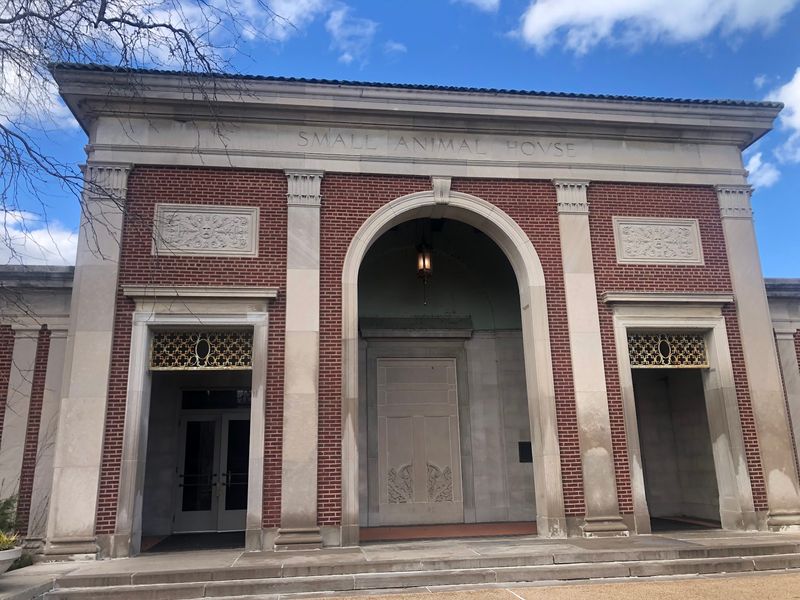
The zoo also carries real history on its grounds. One of its buildings dates to 1912 and holds Chicago Landmark status.
More on that big cat house a little later.
The Money Behind Those Open Gates
Here’s the clever part. About 80 percent of the zoo’s operating costs come from members, donors, and visitors.
A subsidy from the Chicago Park District covers the rest.
The zoo operates as a 501(c)(3) nonprofit. Its funding leans on charitable giving, including individual donations, grants, and planned gifts.
In other words, the community quietly picks up the tab.
Visitors help too, often without thinking about it. Gift shops, food spots, and special paid experiences all feed back into the mission.
Even a snack break counts.
Parking is another piece of the puzzle. The zoo’s lot sits off Cannon Drive, and it tends to fill up.
Arriving early makes life much easier.
Membership is a popular way to chip in. Families who visit often can support the zoo while still walking in free.
It feels a bit like paying it forward for the next family in line.
That model explains a lot. The zoo can stay open to everyone because enough people choose to give.
Honestly, that’s a pretty heartwarming way to run a 49-acre wildlife park in Illinois.
Gorillas And Chimps Steal The Show At The Ape House
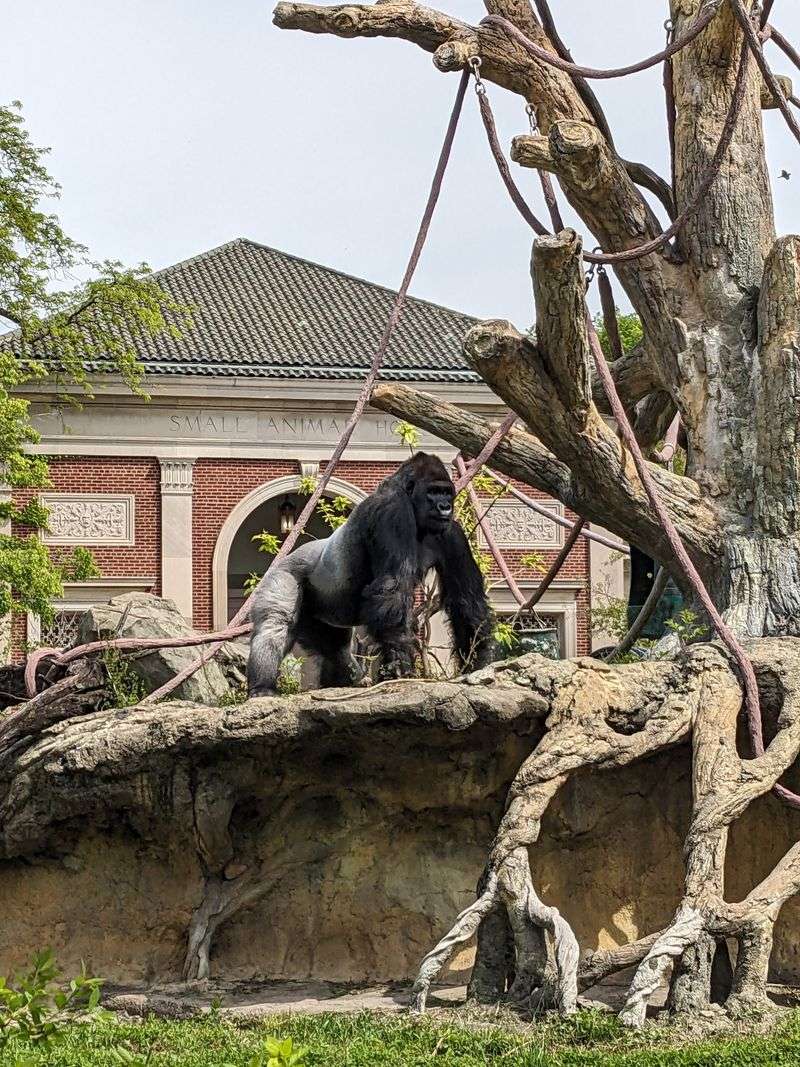
Gorilla families don’t need a script to be entertaining. At the Regenstein Center for African Apes, western lowland gorillas and chimpanzees live in social groups.
Watching them interact can eat up a surprising chunk of your day.
The habitats give the apes room to climb and explore. The design draws plenty of praise for how much thought went into it.
Big spaces make for curious, active animals.
Gorillas often rank as a top highlight for families. Their quiet, thoughtful moments are fascinating.
Then someone swings across the room, and every kid presses closer to the glass.
The ape lineup goes beyond gorillas, too. Orangutans, bonobos, and gibbons have also been part of the primate mix.
Each one moves and behaves in its own way.
Timing matters with any animal. Some days the apes are busy and social, and other days they rest out of sight.
That’s part of the deal at a zoo that puts animal care first.
Still, catching a gorilla family in action is worth a little patience. Good luck pulling the kids away once a young chimp starts showing off.
Lions In A 1912 Landmark With A Modern Makeover
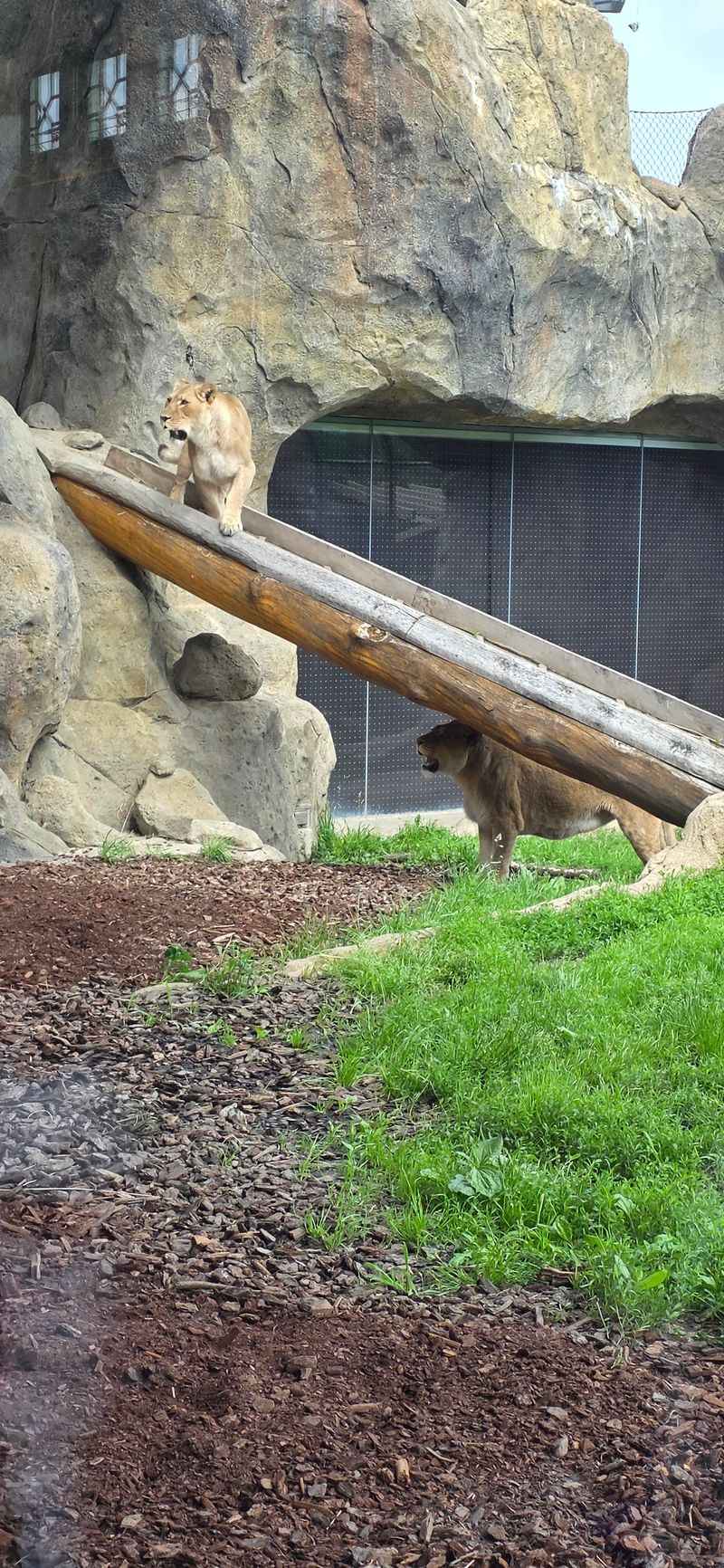
Built in 1912, the old Lion House has seen a lot of Chicago history. It earned Chicago Landmark status in 2005.
Now it anchors the Pepper Family Wildlife Center.
The renovation kept the historic charm while giving the cats much better spaces. African lions headline the lineup.
Snow leopards, Canada lynx, and red pandas also call the area home.
Expanded viewing areas bring you closer to the animals than ever. Seeing a lion that near is a memory kids will chatter about all the way home.
Lions show up again and again as a crowd favorite.
Morning visits can be a smart move. Animals are often more active early in the day.
Sunday opens earliest, at 8 AM.
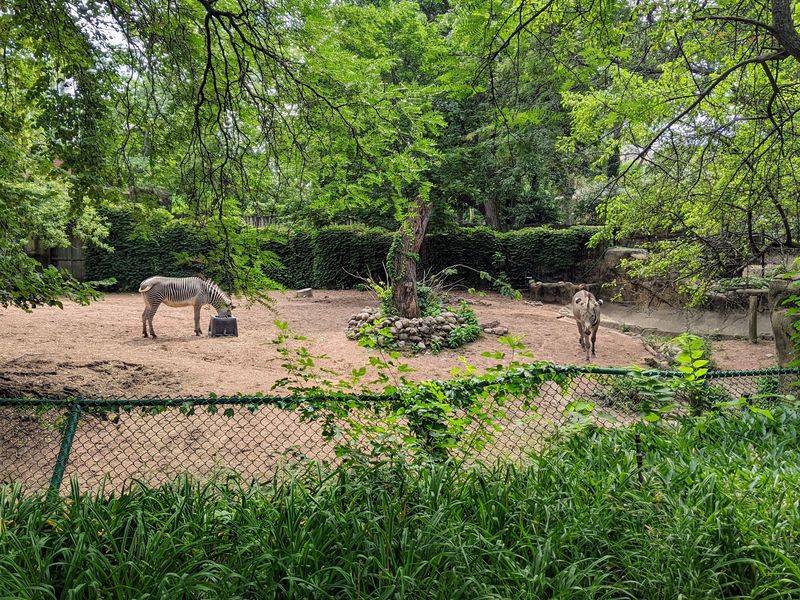
Nearby, the Regenstein African Journey adds even more to see. Giraffes, zebras, and African wild dogs live in savanna-style spaces.
Pygmy hippos swim behind thick glass, which is wonderfully hard to stop watching.
Occasionally, an area may close for a private event or animal needs. A quick check of the zoo map on arrival helps you plan around any surprises.
The lions are worth it.
Polar Bears, Penguins, And Splashing Seals
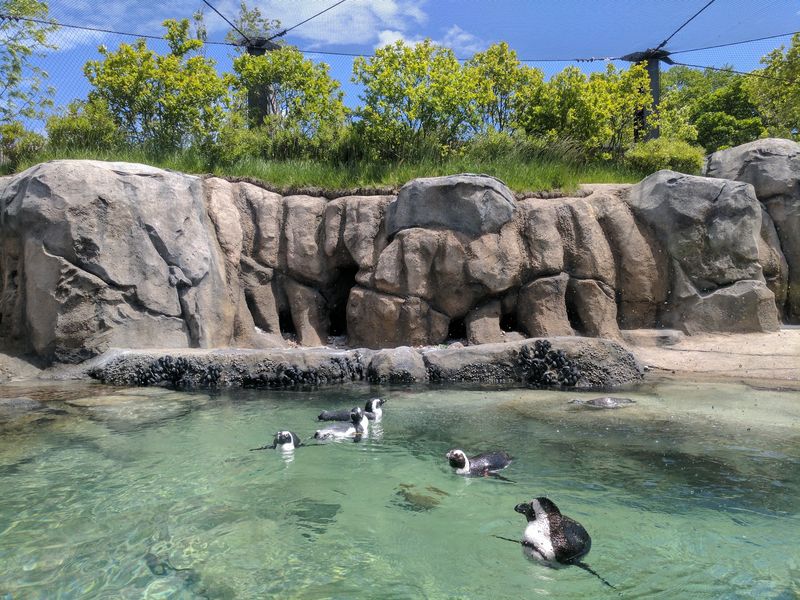
Cold-weather fans, this stretch is for you. The Walter Family Arctic Tundra houses polar bears, and they’re among the most talked-about animals at the zoo.
A swimming polar bear tends to stop people mid-sentence.
Next up, the Robert and Mayari Pritzker Penguin Cove. Penguins zip through the water with surprising speed.
Feeding demonstrations offer a look at how keepers care for them.
Then there’s the Kovler Seal Pool. Harbor seals and California sea lions glide past above-water and underwater viewing windows.
Daily training and feeding demonstrations show off how smart these animals are.
I believe these exhibits are perfect for younger kids. The action is easy to follow, and the animals move constantly.
Short attention spans meet their match here.
Keeper chats happen throughout the day at no cost. They’re a great way to learn fun facts straight from the people who know the animals best.
Kids often walk away with a new favorite creature.
Bring a little patience on hot afternoons, though. Like any of us, the animals sometimes prefer shade.
Cooler mornings can pay off with more splashing.
Farm Animals And A Treehouse Playground For Little Explorers
Cows in the middle of Chicago? Yep.
The Farm-in-the-Zoo brings a slice of rural Midwest life right into the city.
Kids can meet goats, cows, pigs, and chickens. There’s an educational play area and gardens, too.
For city kids, it can be a first real look at where farm life happens.
Toddlers get special attention here. Seasonal programs like Play! at Farm-in-the-Zoo mix story time, art, and music for little ones and their grown-ups.
It’s a sweet, low-key outing for a weekday morning.
Over at the Pritzker Family Children’s Zoo, the focus shifts to North American wildlife. Black bears, red wolves, river otters, and beavers live along winding pathways.
A treehouse-themed playground lets kids burn off energy between exhibits.
Families with preschoolers tend to love this corner of the zoo. Strollers roll easily along the paths.
Restrooms, seating, and snack stops are scattered around the grounds.
It’s the kind of easy outing grandparents adore. No tickets, no pressure, and plenty of animals to point at.
Kids might ask to come back next weekend.
Gardens, Boardwalks, And Year-Round Celebrations
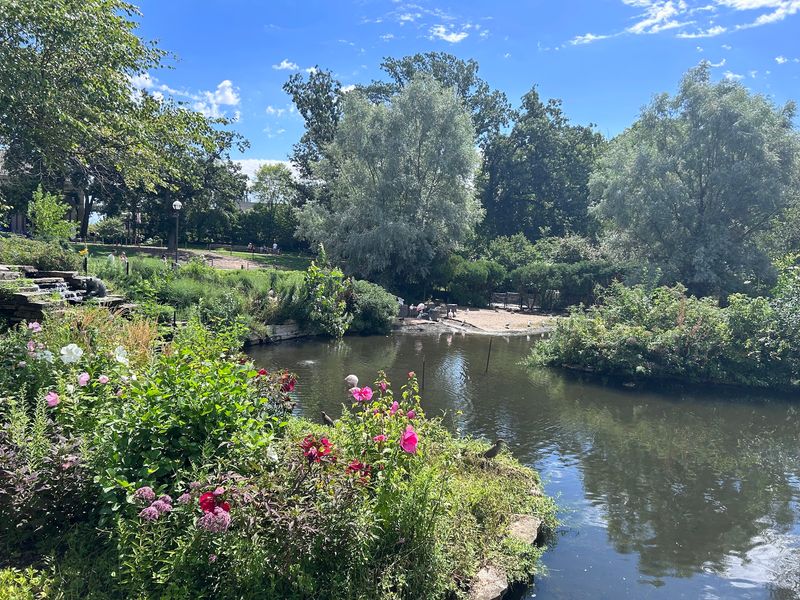
Plants deserve their own applause here. The zoo is an accredited arboretum and botanic garden.
More than 1,200 kinds of plants grow across the grounds, including many North American natives.
Flower beds and tidy landscaping get plenty of love from visitors. Butterflies and local birds drift through the gardens, too.
A quiet stroll here feels restful, even on a busy day.
The Nature Boardwalk adds prairie-style gardens around a pond. It also serves up a terrific view of the Chicago skyline.
Photo lovers, take note.
The calendar stays busy all year. ZooLights turns the grounds into a glowing holiday display every winter.
It’s a beloved Illinois family tradition for cold December nights.
Fall Fest brings autumn fun when the leaves start turning. Family Fun Fur-iday offers after-hours evenings with DJs, animal chats, games, and carousel and train rides.
For deeper adventures, paid Zoo Experiences include behind-the-scenes tours and penguin encounters. Those extras also support conservation work.
Every season gives you a fresh excuse to return.
Easy Planning For A Free Day Out In Chicago
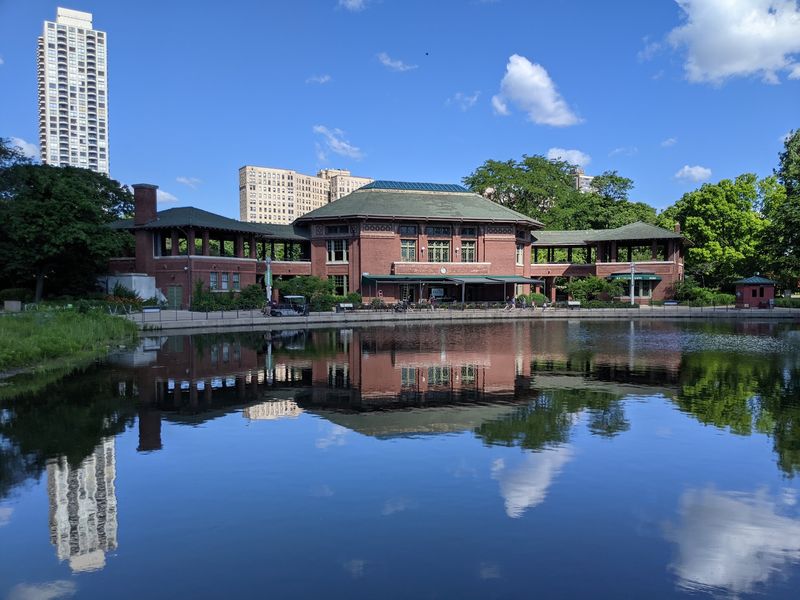
Hours are simple to remember. The zoo opens at 10 AM Monday through Saturday and closes at 5 PM.
On Sundays, gates open early at 8 AM.
The address is 2001 N. Clark Street, Chicago, IL 60614.
The main parking entrance sits at 2400 N. Cannon Drive.
Parking fills up, so an early start helps a lot.
Food options include a cafe and a couple of restaurants on the grounds. Packing a lunch works well, too, and saves a little money.
Plenty of benches make picnic breaks easy.
Afternoons can get busy, especially with young families. Arriving at opening often means more active animals and calmer paths.
It’s a smart move on warm summer days.
Remember that animals sometimes rest out of sight. Wandering back to a favorite exhibit later can pay off.
The gardens make that extra loop pleasant anyway.
So is it worth the drive from anywhere in Illinois? I’d say yes.
A historic zoo, real conservation work, and zero admission add up to something special. Just consider tossing a few dollars in the donation box on your way out.