
This Connecticut River Is Facing The Spread Of A Harmful Invasive Aquatic Plant
Have you ever heard of a plant that can turn a peaceful river into its own little kingdom? It doesn’t need flashy flowers or towering leaves to get attention.
This particular underwater guest has a habit of spreading where it isn’t wanted, and Connecticut has a reason to keep an eye on it.
I usually think of river walks as a chance to enjoy the scenery, not wonder what’s quietly growing beneath the surface. Yet this leafy newcomer has been making quite a name for itself among scientists and conservationists.
So what’s so unusual about this plant, and why is one Connecticut river getting extra attention? The answer is hiding just below the waterline.
A Pretty Park Sits Beside A Not-So-Pretty Problem
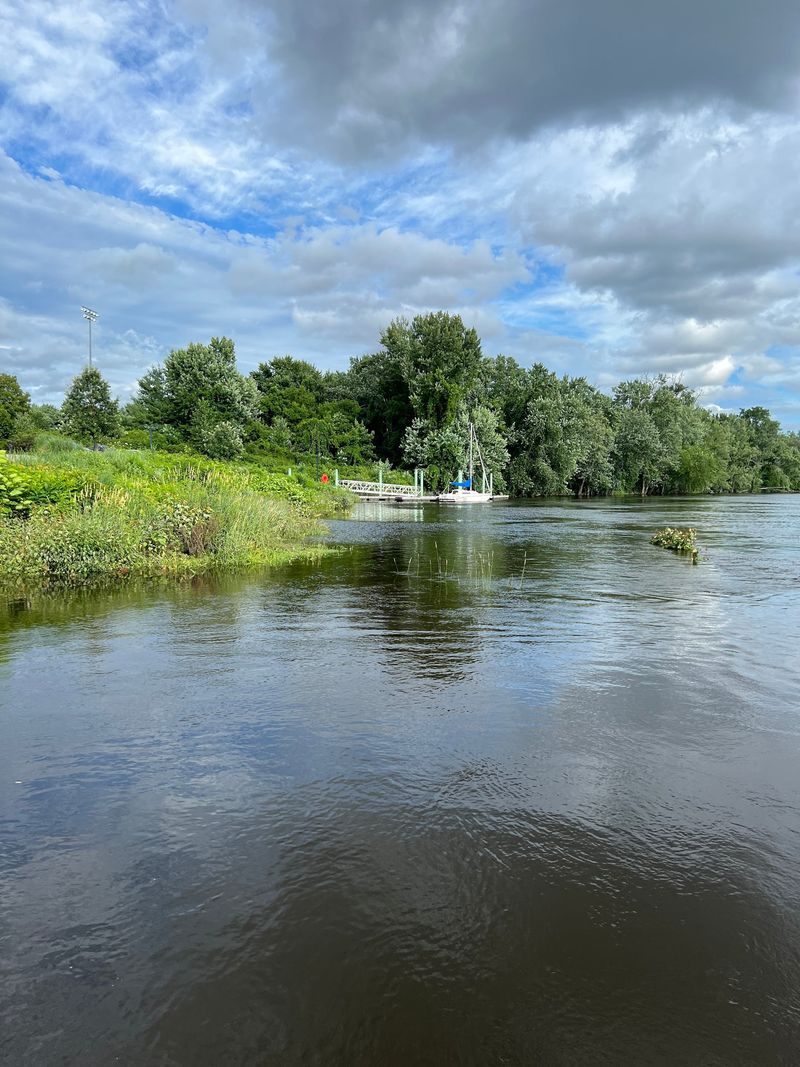
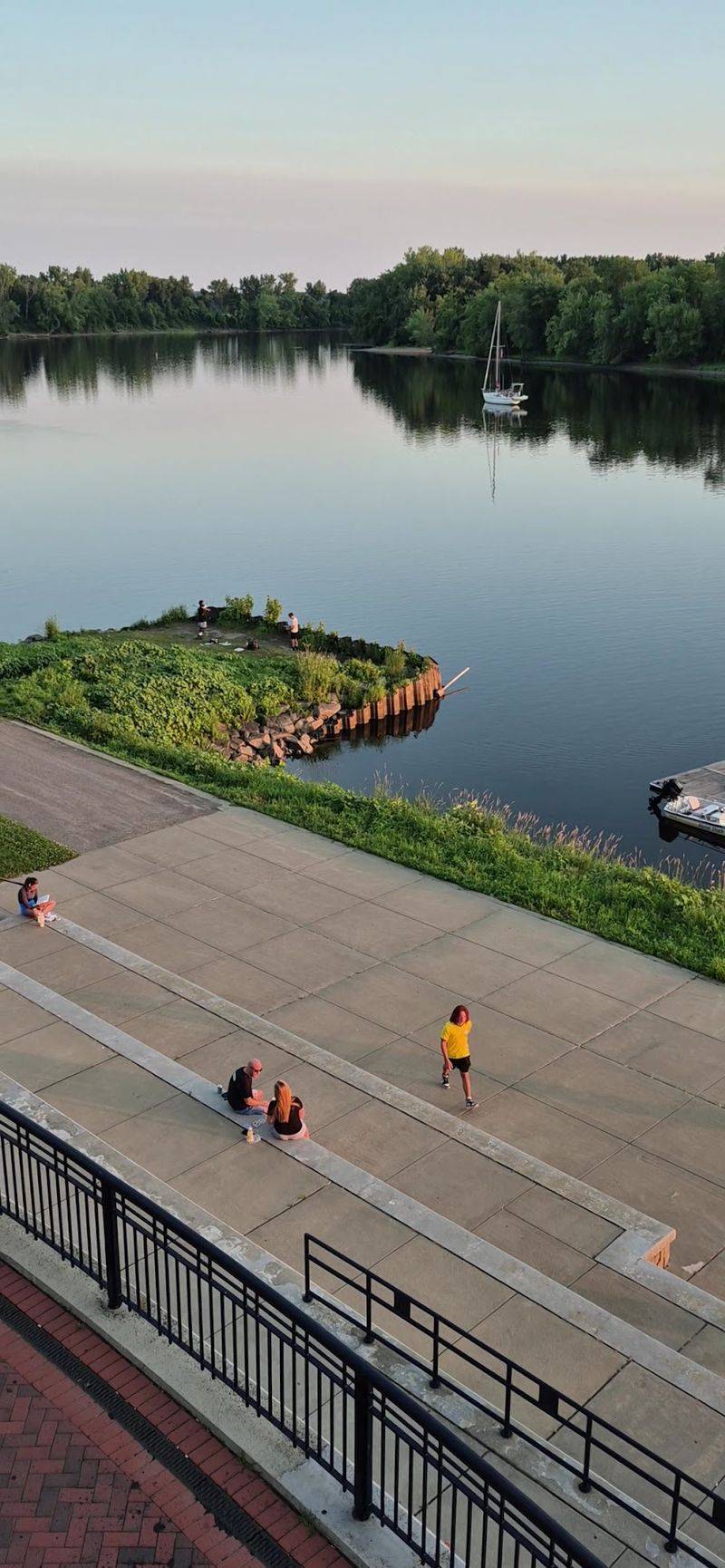
Green lawns, a fountain, and wide water views make Riverfront Park in Glastonbury an easy place to love. The trouble sits right below the river’s surface, where hydrilla has been spreading.
The park stretches along the Connecticut River, so visitors get a front-row seat to the issue. Boaters and kayakers launch here, which makes it an important spot for spreading awareness.
Hydrilla is an underwater plant that grows long, leafy stems. It can fill shallow coves and grow up toward the light until it reaches the top.
From the shore, the river can look calm and normal. That’s part of what makes this plant so tricky to notice at first.
Groups like the Connecticut River Conservancy have been tracking it for years. State agencies in Connecticut have also listed it as a serious aquatic invasive species.
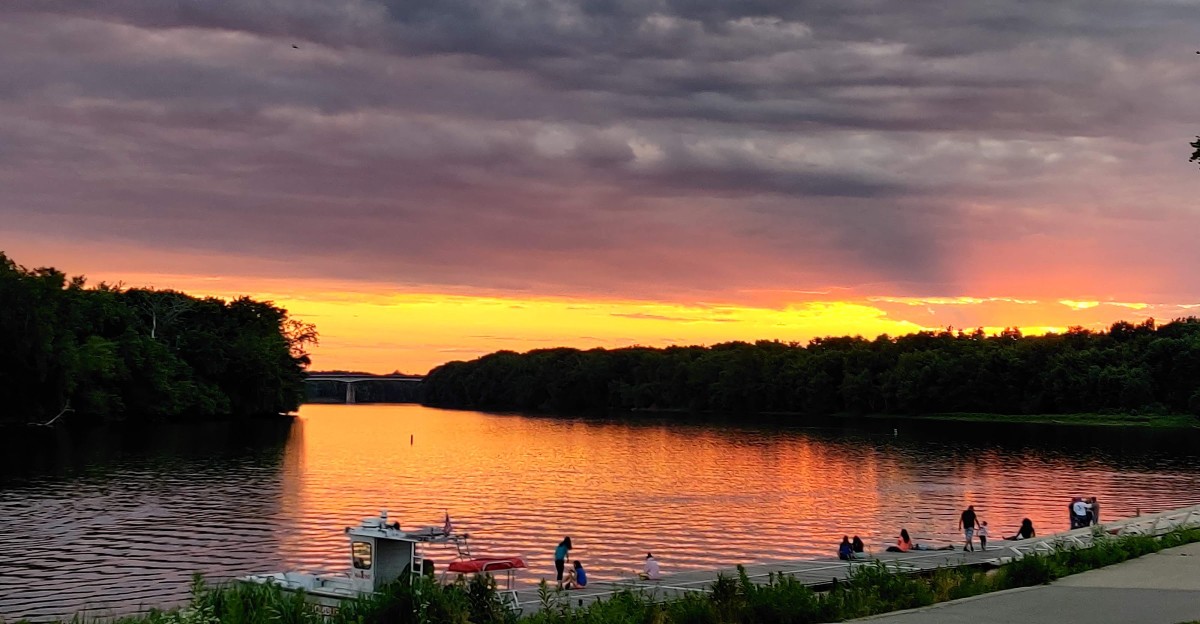
So a picnic here comes with a quiet science lesson attached. You can enjoy the sunset and still keep an eye on what the river is dealing with.
Knowing the story makes the view feel a little more meaningful. It also turns casual visitors into helpful river watchers, which is a pretty good trade for a free afternoon.
Meet The Weird Strain That Puzzled Scientists
Scientists got a surprise in 2016 when they studied hydrilla from the Connecticut River. Genetic testing showed it was a unique strain not matching the types found elsewhere in the country.
That detail matters a lot. Different strains can grow and spread in different ways, so old playbooks may not fit perfectly.
Hydrilla leaves grow in small circles around the stem, often in groups of about five. The edges have tiny teeth you can sometimes feel with your fingers.
It can look a lot like native plants, such as common waterweed. That resemblance helps it blend in while it spreads.
Researchers have noticed this river strain seems especially comfortable in flowing water. Most hydrilla prefers ponds and lakes, so a river version is a bit of a rule breaker.
It’s a little like finding a cat that loves baths. Interesting, yes, but also a sign that things are not following the usual script.
Fun fact for your next park visit: hydrilla is not native to North America at all. It likely arrived through the aquarium trade, which proves even fish tanks can cause big drama.
Boaters Have The Biggest Reason To Pay Attention
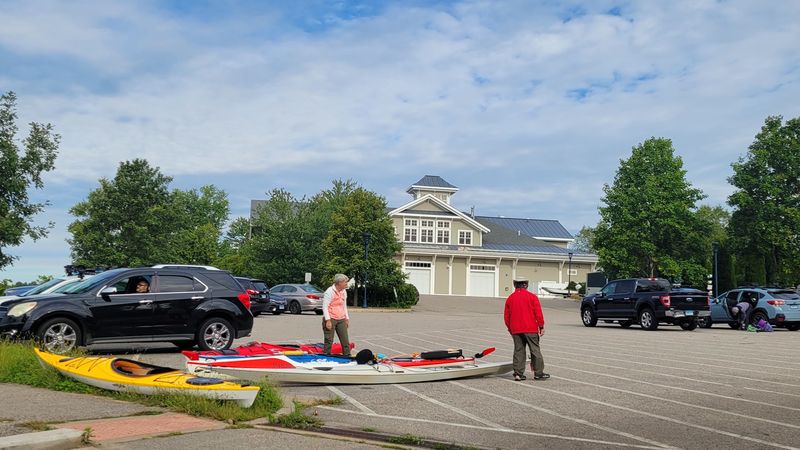
Picture the boat launch at Riverfront Park as a busy front door to the river. Trailers back in, kayaks slide off, and paddleboards head out on calm days.
That same door can carry hydrilla to new places. Tiny plant pieces can cling to propellers, trailers, anchors, and even paddles.
Hydrilla can regrow from a small fragment. One snipped piece can start a brand new patch somewhere else.
When mats grow thick, they can wrap around motors and slow boats down. Paddlers may feel like they’re rowing through a giant salad.
Connecticut officials encourage the simple habit of Clean, Drain, Dry. Remove any plants and mud, drain all water, and let gear dry before the next trip.
Cleaning and draining equipment at the ramp takes only a few minutes, but proper drying requires more time. Connecticut officials recommend allowing equipment to dry for five days, when possible, before entering another waterbody.
Think of it like wiping your shoes before entering a friend’s house. Nobody wants to track mud inside, and no lake wants a hitchhiking weed.
Doing it every single time is the real trick. Habits beat good intentions on the water.
Fish And Wildlife Feel The Squeeze First
Native plants in the Connecticut River do important jobs every day. They shelter small fish, feed ducks, and help keep the water healthy.
Hydrilla doesn’t share well. It grows fast and forms dense mats that crowd out the plants native wildlife depends on.
When thick mats cover shallow areas, light struggles to reach deeper water. That can change which plants survive and which creatures can find food.
Big mats can also affect oxygen in the water. Low oxygen can stress fish and other animals living below the surface.
Some birds and fish may still use hydrilla beds. The bigger concern is losing the variety that keeps a river balanced and strong.
A river is like a neighborhood with many different homes. When one bully takes over every lot, the whole street changes.
That’s why people who care about birds, fishing, and nature walks keep watching closely. The river’s wildlife is part of what makes a riverside visit feel alive.
Bring binoculars next time. Spotting herons and ducks is more fun when you know the challenges they face.
Your Shoreline Stroll Can Double As A Spotting Mission
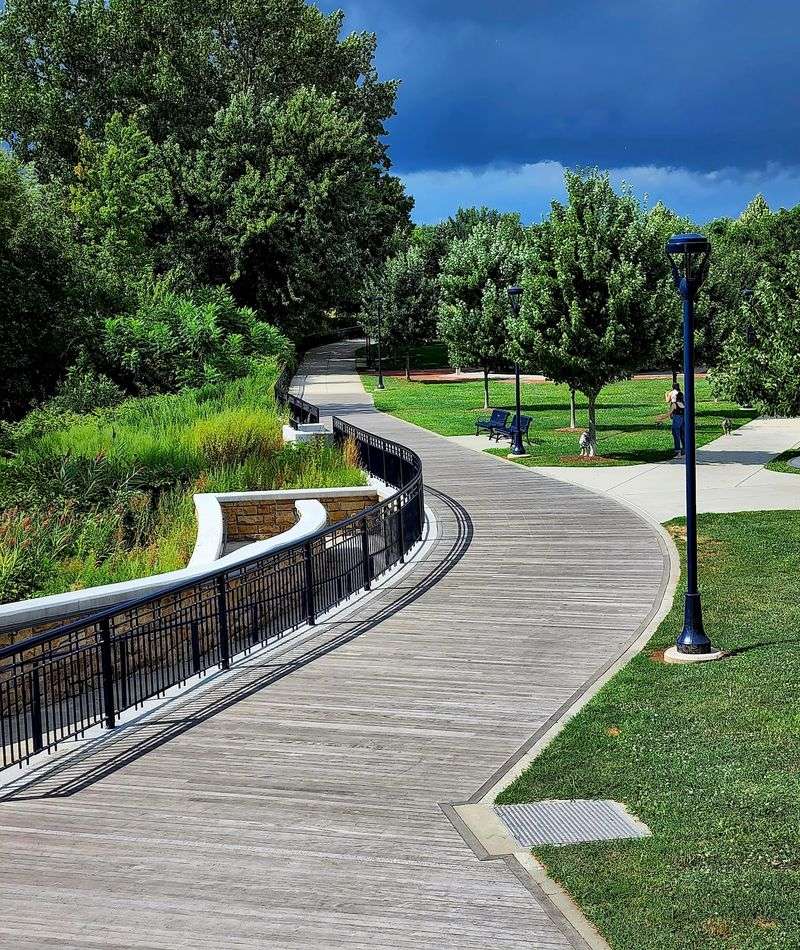
Walking paths at Riverfront Park run along the water, making shoreline watching easy. A little knowledge turns an ordinary stroll into a mini detective game.
Look for long green stems with small, pointy leaves arranged in circles. Floating fragments near the edge can be clues worth noticing.
Don’t pull plants or carry them home, though. Moving pieces around can actually help the problem spread.
Instead, snap a clear photo and note where you saw it. The Connecticut River Conservancy has asked the public to share sightings to help track the plant.
Kids especially enjoy this kind of task. It feels a bit like a nature scavenger hunt, with real science attached.
Remember that swimming and diving are not allowed at the park. Stay safely on shore, and keep a close eye on little ones near the water.
Your phone camera can become a useful tool for scientists. That’s a much better use than another blurry sunset photo, though those are welcome too.
Every report adds a dot to a bigger map. Together, those dots help experts understand where hydrilla is heading next.
Fighting Back Is A Team Sport Up And Down The River
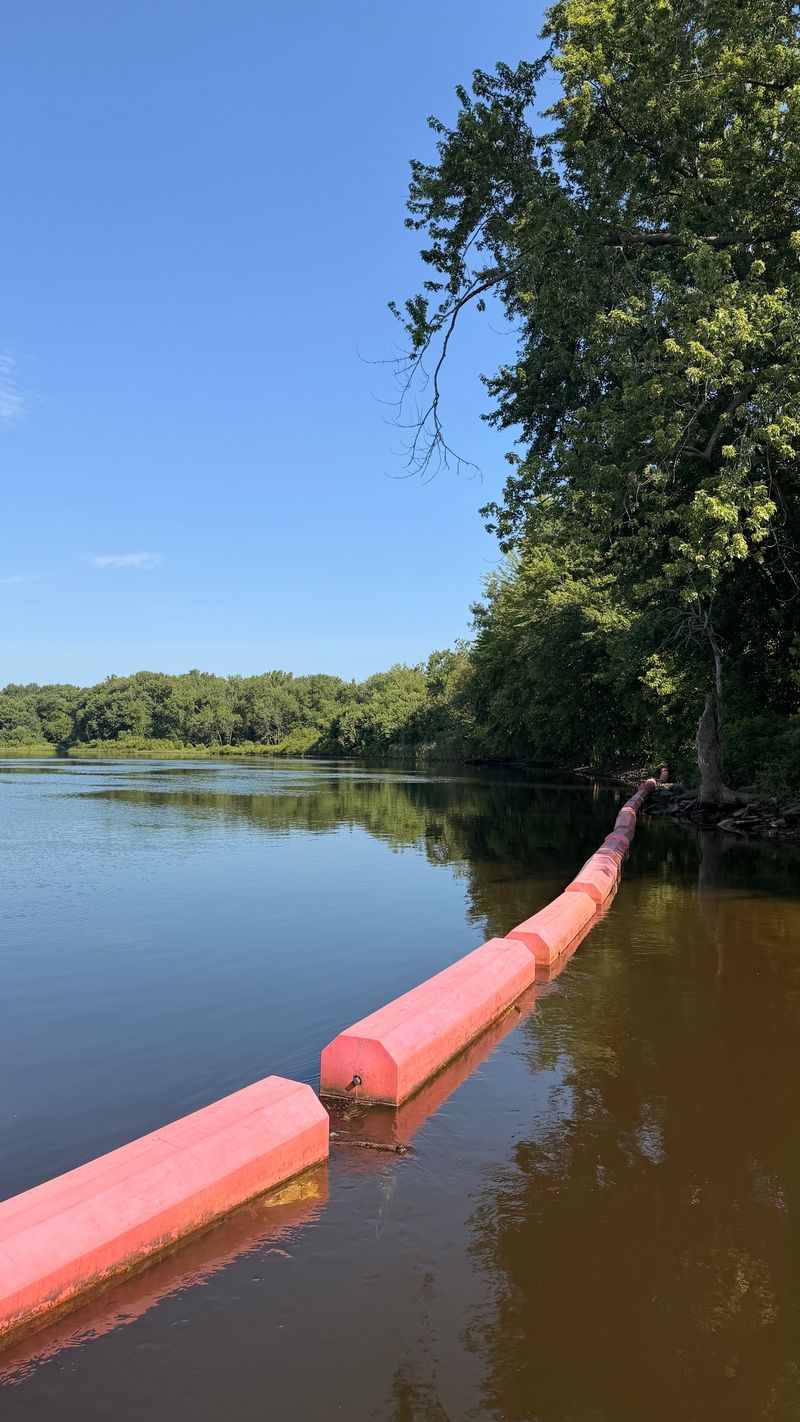
No single town can solve a problem that floats. Hydrilla has been found along long stretches of the Connecticut River, crossing many communities.
That’s why many groups are working together. The Connecticut River Conservancy, state agencies, and federal partners have studied the plant and its spread.
The U.S. Army Corps of Engineers has led research on how to manage this unusual strain.
Scientists have tested methods to see what works safely in moving water.
Treating a river is harder than treating a pond. Water keeps moving, so anything added doesn’t simply stay in one spot.
Experts also need to protect native plants and animals while targeting hydrilla. That balance takes time, testing, and patience.
Connecticut also has rules about aquatic invasive species. Moving them on boats or trailers can bring trouble, so the Clean, Drain, Dry habit matters even more.
It’s a slow game, not a quick fix. Still, every new study gives the river a better shot.
Watching from a park bench, you’re part of a much larger story than it looks.
Bring The Kids For Play And A Pinch Of River Science
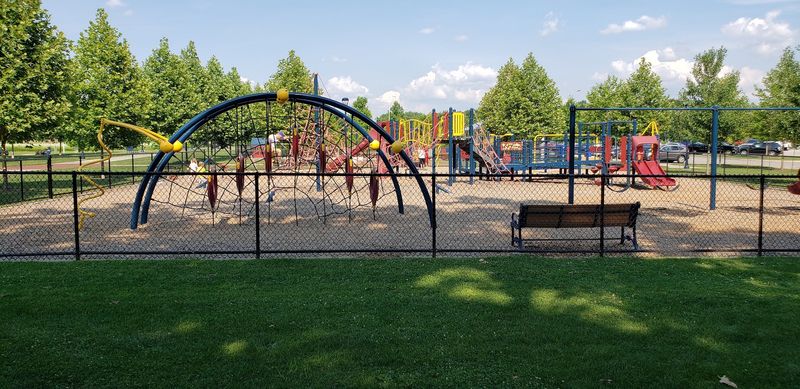
Swings first, science second. The fenced playground at this Glastonbury park gives kids plenty of room to burn off energy.
There are separate play areas for younger and older kids. Nearby, families will also find a splash of extras like a fountain, open lawns, and picnic spots.
After playtime, the river is right there for a short lesson. Point out the water and explain how one plant can change a whole ecosystem.
Kids love a good villain story. Hydrilla, the sneaky weed that hitchhikes on boats, is a pretty easy sell.
Keep the lesson simple and hands-off. Looking, talking, and asking questions is plenty for a park visit.
Informational signs about the river’s history also add to the learning. They help kids see that rivers have long stories, not just current problems.
Pack snacks and water, since the park is more of a bring-your-own-food spot. A picnic blanket works great for storytime by the water.
By the ride home, your kids might be the ones reminding you to clean the kayak.
Plan Your Visit Around Those Golden River Sunsets
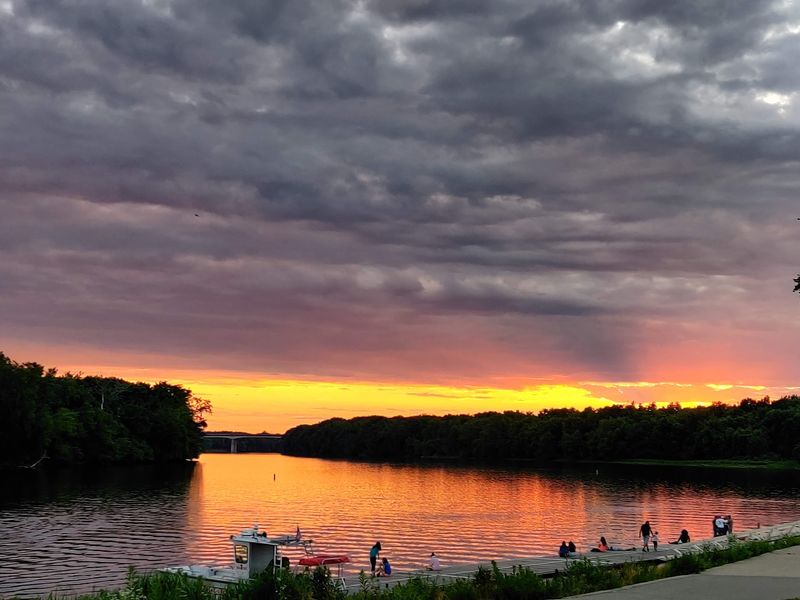
Sunsets over the Connecticut River are a big reason people keep coming back here. The wide water view makes evenings feel calm and unhurried.
Riverfront Park sits at 300 Welles St, Glastonbury, CT 06033. It’s close to the town center, and free parking makes a quick evening visit easy.
iverfront Park is described by the town as open from dawn until dusk daily. Check current access hours before planning an early morning or evening visit.
The Riverfront Community Center and boathouse add a handsome backdrop by the water. The boathouse is also used as an event venue, so check with the town about bookings.
Other features include athletic fields, basketball and pickleball courts, and a large dog park. There’s something for nearly everyone in the group.
While the sky turns orange, take a moment to look at the river itself. Knowing what’s happening under the surface adds depth to the view.
Bug spray is a smart pack on warm evenings. Riverside air can come with tiny uninvited guests.
Few local spots in Connecticut pair a pretty sunset with such an important conversation.
Small Habits Make A Big Splash For The River
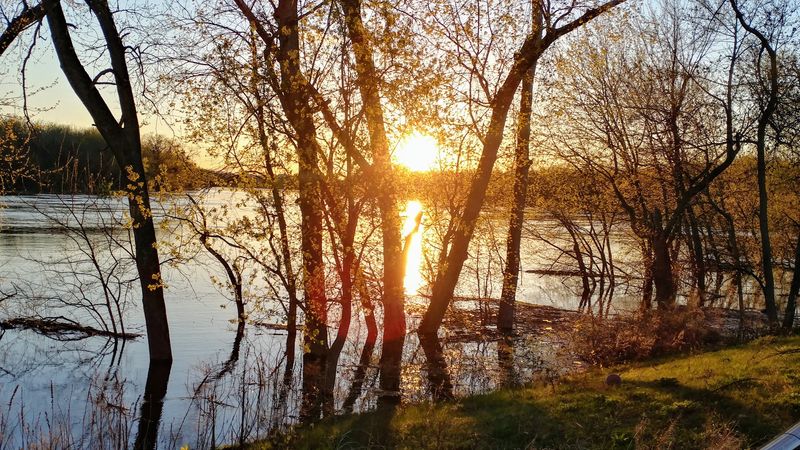
Good news feels nice after all this weed talk. Regular people really can help slow hydrilla’s spread.
Start with Clean, Drain, Dry every time you leave the water. Check boats, trailers, kayaks, paddles, fishing gear, and even dog toys.
Never dump aquarium plants or water into rivers, ponds, or storm drains. Experts believe aquarium releases help invasive plants reach new waters.
Share what you learn with friends who boat or fish. A quick reminder at the ramp can save a whole lake somewhere else.
Report possible sightings with photos and locations. Conservation groups use that information to track where the plant is moving.
Support local river groups if you can. Volunteering, attending events, or simply following their updates keeps the effort going.
Riverfront Park is a wonderful place to enjoy Connecticut’s biggest river. It’s also a reminder that beautiful places need a little help sometimes.
Hydrilla may be stubborn, but so are people who love this river. Next time you visit, enjoy the view, wave at the boats, and leave with clean gear and a happy heart.