
These 10 Oregon Towns Are Growing As More People Look Beyond The Big Cities
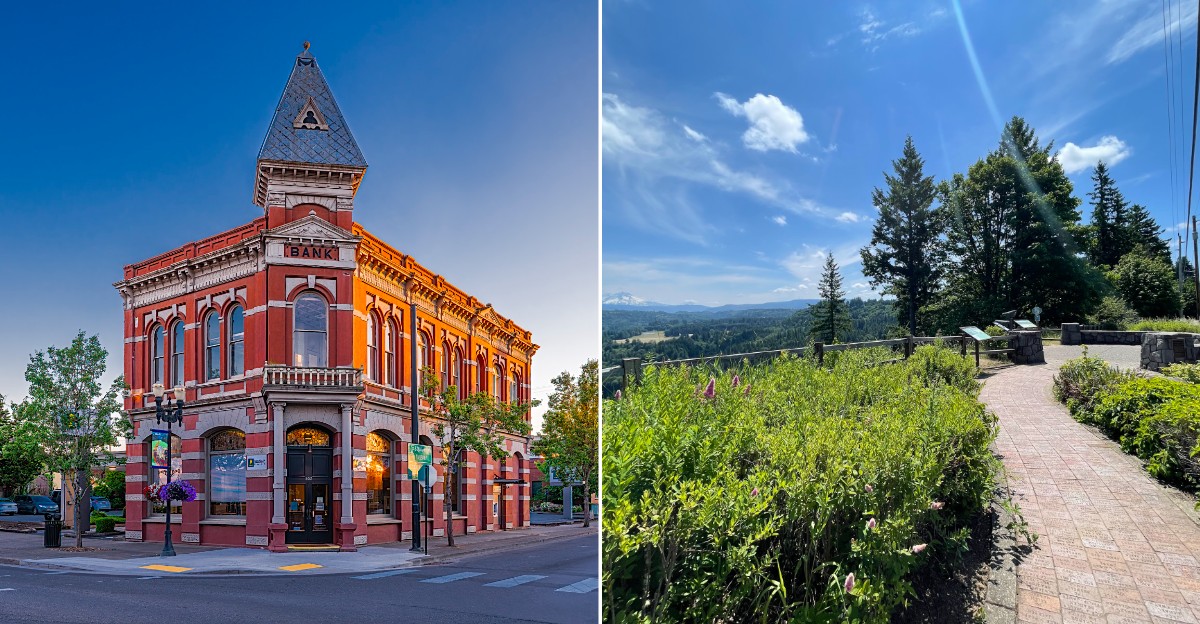
A collie mix once walked roughly 2,500 miles across the country just to get back to one of the towns on this list. Now that’s what I call being attached to your hometown.
Honestly, I can’t say I blame the dog.
Oregon is seeing more people trade big-city routines for smaller communities with mountain views, easy trail access, and Main Streets where shopkeepers might actually recognize you.
The appeal isn’t hard to understand. Sometimes a little more breathing room sounds pretty good.
And these towns aren’t all postcard scenery and quiet streets. One has become a major player in the tech world, while another owns its own railroad.
I love how different their personalities are.
Ten towns, ten very different reasons to call Oregon home. Could one of them make you start browsing moving boxes?
1. Redmond
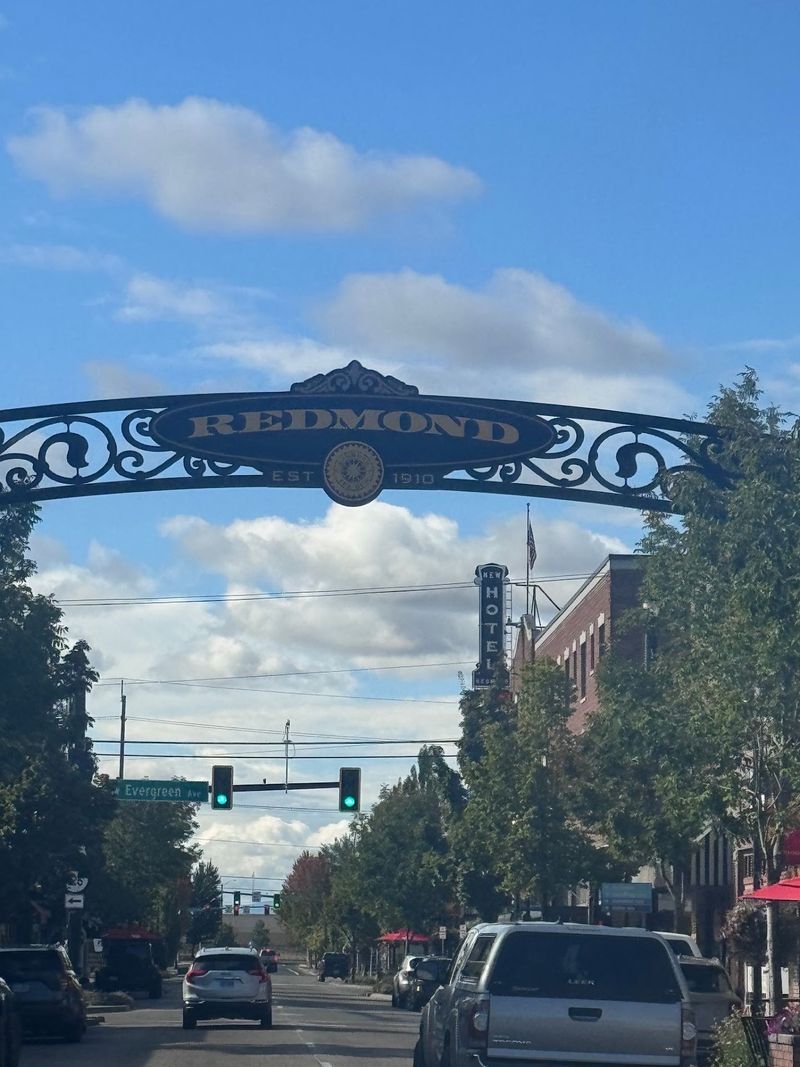
Few towns can claim an airport, a fairground, and a canyon trail all inside the same city limits. Redmond pulls it off with a small-town grin.
Sitting in Deschutes County, Redmond is one of Central Oregon’s main growth centers. New neighborhoods and shopping districts keep popping up as people trade Portland and Eugene for wide-open skies.
Travel is easier than you might expect for a high desert town. Roberts Field, the region’s commercial airport, sits right here, so weekend trips to visit family don’t require a long drive first.
Love fairs, rodeos, and big community events? The Deschutes County Fair and Expo Center calls Redmond home, and it hosts the county fair each summer.
Outdoor fun starts close to your front door. Dry Canyon cuts right through town, giving you a paved trail with rocky walls on both sides.
Then there’s Smith Rock State Park, just a short drive north near Terrebonne. Its towering cliffs are widely called the birthplace of modern American sport climbing.
The historic downtown keeps things grounded, with older storefronts and a walkable core. It feels like a real town center, not just a place to pass through on Highway 97.
Redmond suits people who want room to breathe without feeling cut off. You get mountain views, quick access to Bend, and a pace that lets you actually enjoy your morning coffee.
2. Sisters
Once a year, a tiny mountain town drapes its storefronts in hundreds of quilts. Sisters hosts the Sisters Outdoor Quilt Show each July, and it turns Main Street into a giant fabric gallery.
That quilting streak runs deep here. The Stitchin’ Post opened in 1975 and remains a family-owned anchor of downtown, known as one of the earliest quilt shops in America.
The downtown itself looks like a movie set from the 1880s West. Wooden facades and old-style signs line the streets, and city rules help keep that frontier look intact.
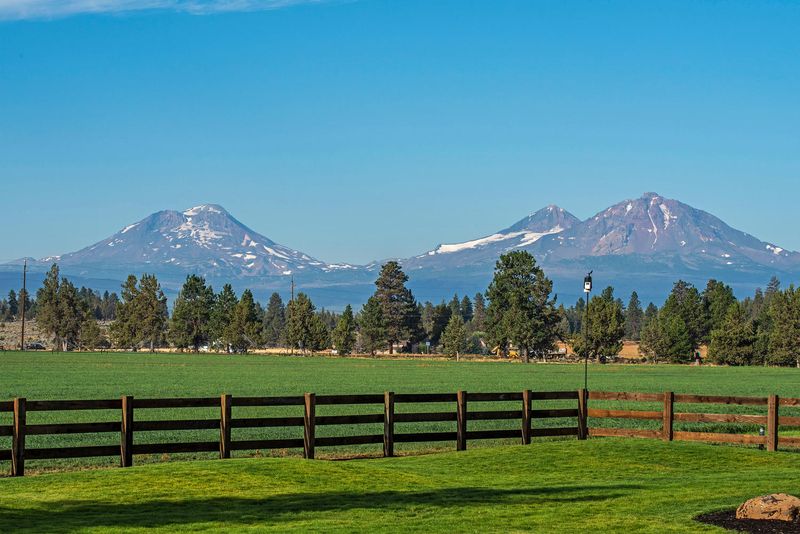
Behind the storefronts, the views do the heavy lifting. The Three Sisters peaks give the town its name, and they show up in the background of nearly any photo you take.
People move here for the outdoors and stay for the neighbors. Hiking, biking, and fishing sit close by in the Deschutes National Forest, and low-density zoning keeps things feeling roomy.
Music fans get their own reason to visit. The Sisters Folk Festival brings performers to town each September, filling small venues with acoustic sounds.
Sisters isn’t trying to become a big city, and that’s the point. Its charm comes from staying small while welcoming folks who want a close-knit community.
If you like your mountain air with a side of craftsmanship, this place deserves a long weekend.
3. Prineville
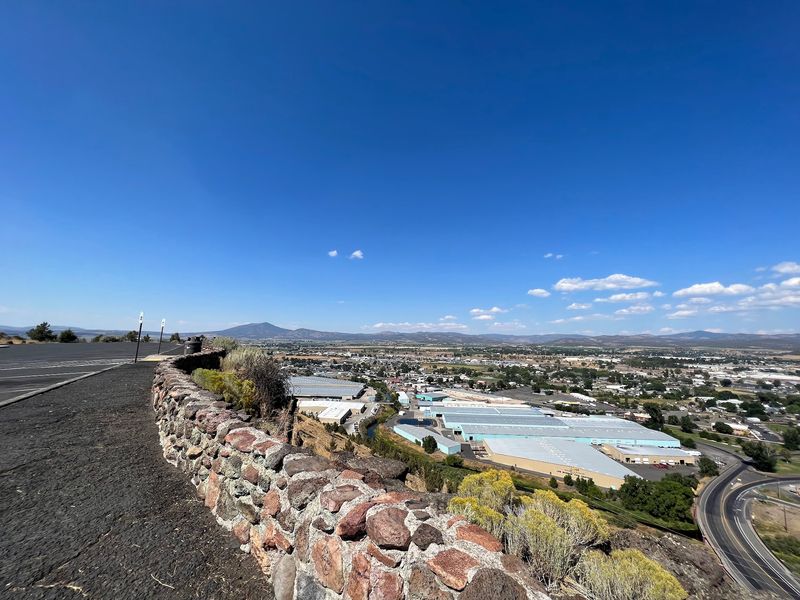
Here’s a fun twist for a cowboy town in the high desert. Some of the internet you scroll through might pass through Prineville.
Meta opened a large data center here in 2011, and Apple later built one too. Those tech campuses brought jobs, money, and new residents to a place known for ranches and rimrock.
Don’t expect glass towers downtown, though. Prineville serves as the Crook County seat, and its historic courthouse still anchors the center of town.
Railroad fans, this one’s for you. The City of Prineville Railway is owned by the city itself, which makes it a rare piece of local history still rolling today.
Curious about the past? The Bowman Museum sits downtown and shares stories of Crook County’s ranching, logging, and pioneer days.
The scenery outside town is pure Central Oregon. The Ochoco National Forest stretches to the east, and Prineville Reservoir offers a spot for boating and fishing.
Families relocating from western Oregon often find more space here for their money. Big skies and quiet streets are part of the trade, and many people see that as a win.
Prineville blends old and new in a way that’s hard to find elsewhere. It’s equal parts rodeo country and tech hub, and somehow it works.
4. Silverton
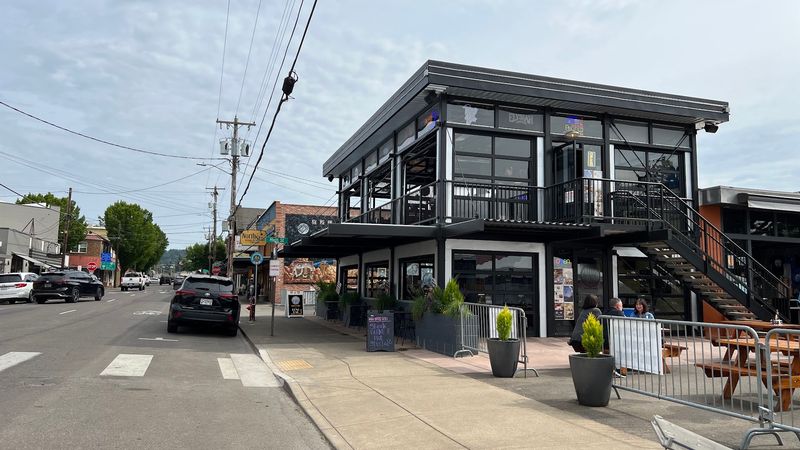
In August 1923, a dog named Bobbie got lost on a family trip to Indiana. Six months later, in February 1924, he showed up back in Silverton, having traveled roughly 2,500 miles on his own.
The town still celebrates that loyal pup. You’ll find a mural and a statue honoring Bobbie the Wonder Dog, plus an annual pet parade with deep local roots.
Silverton’s downtown is built for strolling. Historic buildings line the streets near Silver Creek, and colorful murals add surprises around corners.
Garden lovers have a treat just up the hill. The Oregon Garden covers about 80 acres with themed gardens, and it’s a lovely spot for a slow afternoon.
Waterfall chasers win big here too. Silver Falls State Park sits a short drive away, and its Trail of Ten Falls even lets you walk behind some of the cascades.
Homebuyers keep discovering Silverton as an option outside the busier Willamette Valley cities. Salem is close enough for work, yet the town keeps its classic small-town feel.
You get farmland, foothills, and a real Main Street all in one. That mix helps explain the town’s enduring appeal to residents and visitors alike.
If a dog found it worth walking across America for, it might be worth your visit too.
5. Sandy
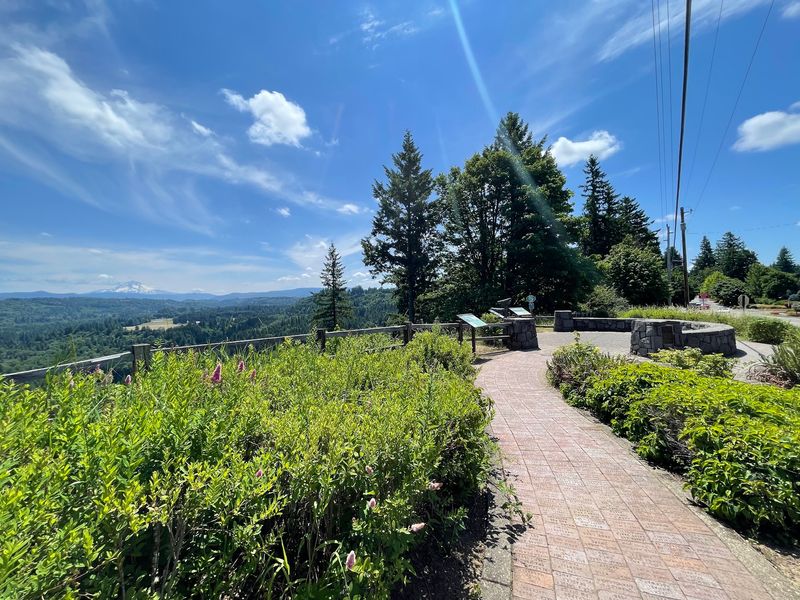
Mount Hood is basically Sandy’s next-door neighbor. The town sits along Highway 26, right where the city fades and the mountain road begins.
That location makes Sandy a natural gateway for skiers, hikers, and anyone heading up the mountain. It also gives residents a backyard full of forests and rivers.
The town takes its name from the Sandy River nearby. Riverside parks and trails give you a place to cool off on hot summer days.
Here’s a detail that tech-minded folks love. Sandy runs its own city-owned internet service called SandyNet, which is pretty unusual for a town this size.
Even with Portland not far away, Sandy keeps its own government and local business core. It feels like its own place instead of a far-off suburb.
New homes and neighborhoods keep going up as buyers look east. Many want more space and quick mountain access without giving up a reasonable drive to the metro area.
Weekends here can look like a ski trip, a river walk, or a simple stroll through town. You won’t need a full day of planning to get outside.
Sandy proves you can live in the foothills and still stay connected. Think of it as a front porch for one of Oregon’s most famous peaks.
6. Hermiston
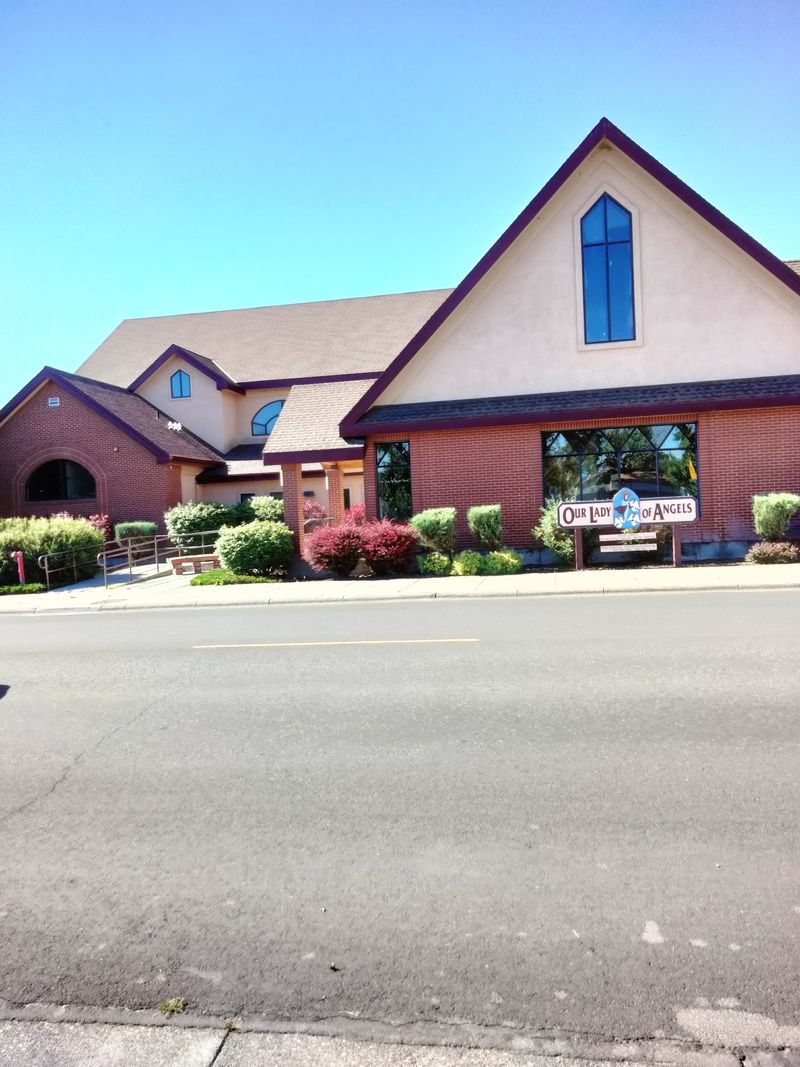
Ask an Oregonian what Hermiston grows best, and you’ll likely hear one juicy answer. Watermelons are the town’s claim to fame, and they’ve earned a loyal following across the Northwest.
Summer here means fruit stands and melon talk. The hot, sunny climate of Umatilla County helps those melons grow sweet.
Beyond the produce, Hermiston has quietly become a big deal. It’s the largest and fastest-growing community in eastern Oregon.
That growth comes from steady jobs in farming, food processing, and logistics. Families are moving in, and the town keeps adding homes and services to keep up.
Big events have a home base too. The Eastern Oregon Trade and Event Center hosts the Umatilla County Fair and other gatherings throughout the year.
Hermiston sits hundreds of miles from Portland, so it runs on its own rhythm. Shopping, dining, and daily needs are close by, without the long commutes.
The landscape feels open in a way western Oregon rarely does. Wide fields and huge skies give the town a calm, roomy look.
If you want affordable living with a strong local economy, Hermiston deserves a closer look. Just be ready to become a watermelon snob after your first summer.
7. Cottage Grove
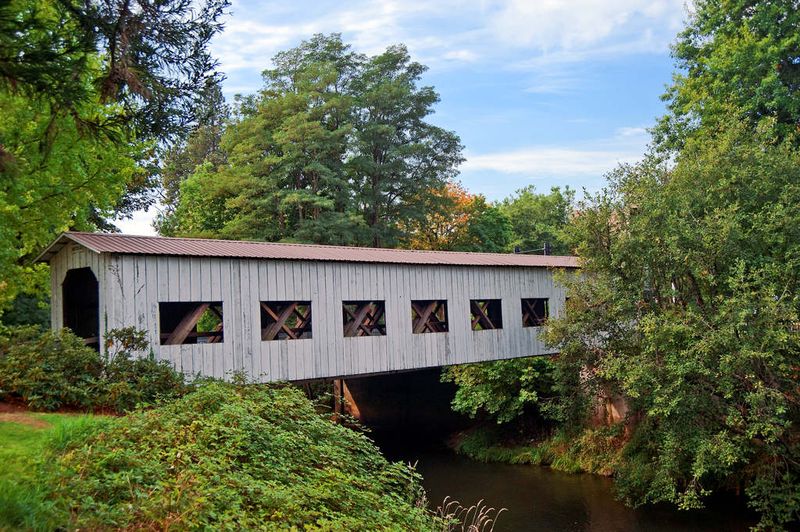
Hollywood rolled a steam train through Cottage Grove nearly a century ago. Buster Keaton filmed his 1926 silent classic The General in the area, and the town still loves that story.
The bigger brag is bridges. Cottage Grove is known as the Covered Bridge Capital of Oregon, with several historic covered bridges in the surrounding area.
One of the most unusual is the Chambers Railroad Bridge. It was built for trains, not cars, which makes it a rare sight in the Northwest.
Want to explore on two wheels? The Row River Trail follows an old rail line past farmland and Dorena Lake, and a few covered bridges sit along the way.
Downtown has a historic district with older buildings and colorful murals. It’s an easy place to spend an afternoon wandering.
Summer brings Bohemia Mining Days, a festival honoring the area’s gold mining past. It’s a fun way to see the community gather together.
Many new residents come from the Eugene-Springfield area just to the north. They get small-town life while keeping the city within reach for work or errands.
Cottage Grove feels like a storybook town with a camera crew’s past. Bring comfy shoes and a camera, because those bridges are made for photos.
8. Independence
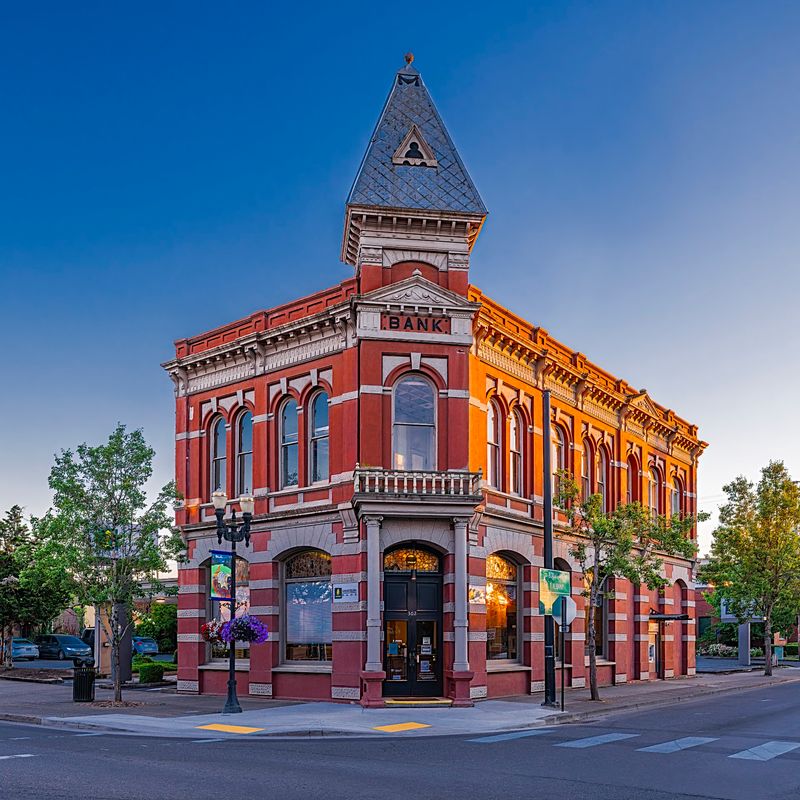
Back in the early 1900s, this river town had a big nickname. Independence was once called the Hop Capital of the World, thanks to the fields that surrounded it.
Farming still shapes the landscape today. Green fields roll out from town, giving Polk County its peaceful country look.
The heart of Independence is its preserved Main Street. Historic brick buildings hold shops and eateries, and the whole area is easy to explore on foot.
Then there’s the river. The Willamette flows right past town, and Riverview Park gives you a grassy spot to relax near the water.
Summer evenings often bring free concerts to the park’s amphitheater. Bring a blanket and enjoy the music with the river nearby.
Independence has become one of the region’s fastest-growing small cities. New riverfront housing and amenities keep arriving as people branch out from Salem.
Monmouth sits right next door, home to Western Oregon University. That adds a bit of college-town energy without big-city traffic.
If you like your history mixed with fresh new growth, this town fits the bill. It’s a place where old brick and new homes sit side by side.
9. Philomath
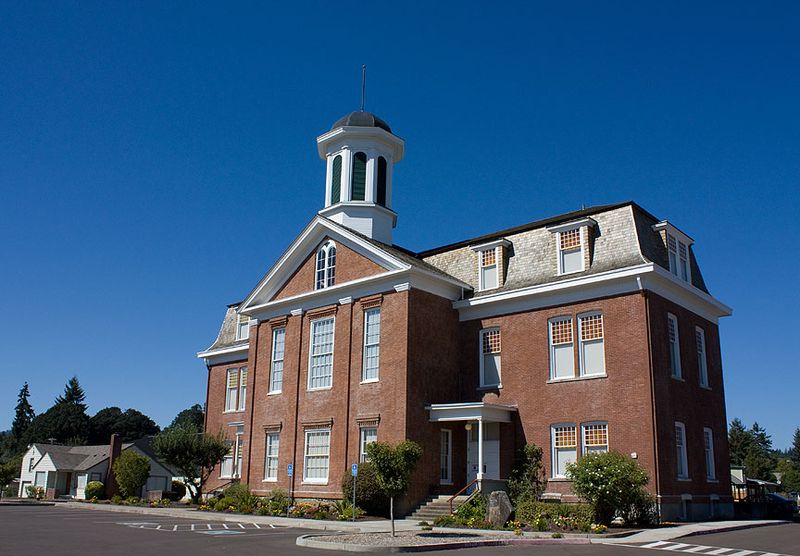
How many towns are named after a love of learning? Philomath’s name comes from Greek words meaning just that.
The name came from Philomath College, which opened in the 1860s. Its old brick building still stands and now houses part of the Benton County Historical Museum.
Timber helped build this town too. Philomath has deep logging roots, and you can still feel that heritage in its local events and stories.
The Philomath Frolic and Rodeo celebrates that past each summer. It’s a lively mix of rodeo action and community fun.
Main Street is compact and easy to get around. Foothills of the Coast Range rise nearby, giving the town a scenic edge.
Corvallis is just a few miles east, home to Oregon State University. That means big-town jobs and events are close, while home life stays quieter.
Growth here has been steady, not wild. Many home seekers choose Philomath for lower-density living and a bit more elbow room.
Heading to the coast? Philomath sits along the route west, so beach trips feel pretty doable.
For a town named after learning, it teaches a solid lesson about balance.
10. Scappoose
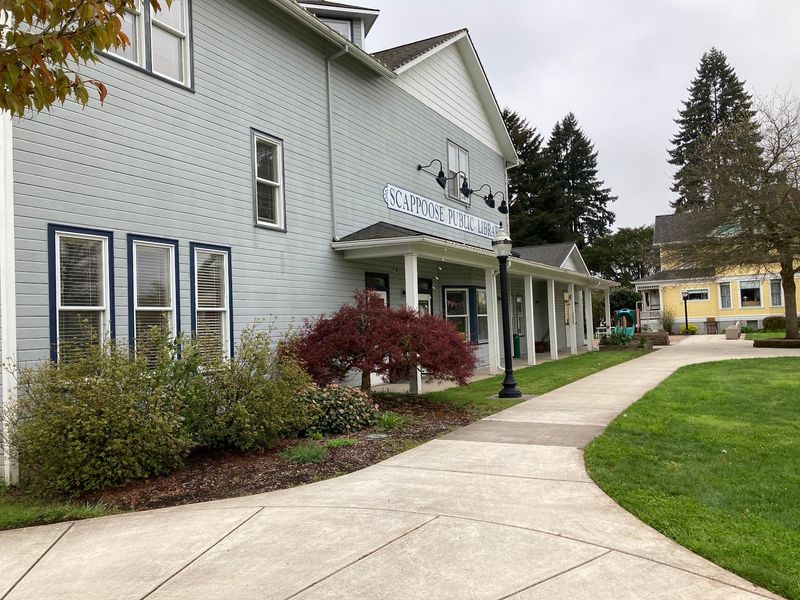
Small planes and big ideas share space in Scappoose. The Scappoose Industrial Airpark brings aviation and business together just outside town.
Nearby, the Oregon Manufacturing Innovation Center works on advanced manufacturing research and training. It’s a surprising tech twist for a semi-rural community.
Scappoose sits along Highway 30 in Columbia County. The lower Columbia River corridor gives the area a mix of farmland, forests, and water views.
Portland isn’t far, yet Scappoose keeps its own identity. It feels like a real small town rather than an extension of the city.
Nature lovers have plenty of options close by. Sauvie Island lies just south, with farms, beaches, and wildlife areas for weekend wandering.
New homes and industrial parks keep appearing as people move outward from the Portland-Vancouver area. That growth brings jobs alongside new neighborhoods.
Commuters like the straight shot down Highway 30 toward the city. Others prefer to stay local and enjoy the quieter pace.
Scappoose blends airplanes, farms, and river breezes in one tidy package. It’s a solid pick if you want room to grow without going too far.