
This Free Washington Museum Weighs You In Gold And Walks You Through The 1897 Klondike Rush
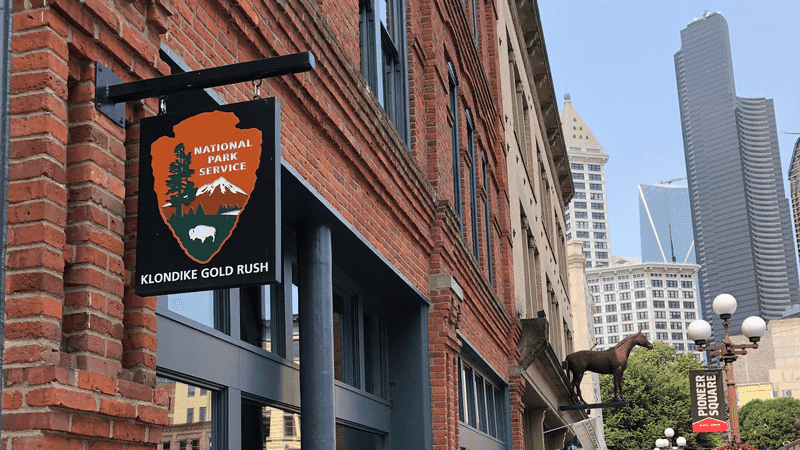
A scale inside one Washington museum will tell you exactly how much you’re worth in gold. It’s a goofy little stop, and it might be my favorite way to learn history.
The gold rush it celebrates lasted only about two years, from 1897 to 1898. Yet it brought tens of thousands of fortune seekers through one rainy port city.
Many bought their gear there before heading north to chase a dream.
I like how this place skips the dusty, roped-off feel. You’ll find replica supply stores, hands-on exhibits, and rangers ready to share stories.
Kids can even earn a badge for finishing an activity book.
The best part? Admission costs nothing at all.
I can’t imagine a cheaper way to time travel in Washington. So who’s ready to stake a claim?
A National Park Living Inside A Historic Hotel
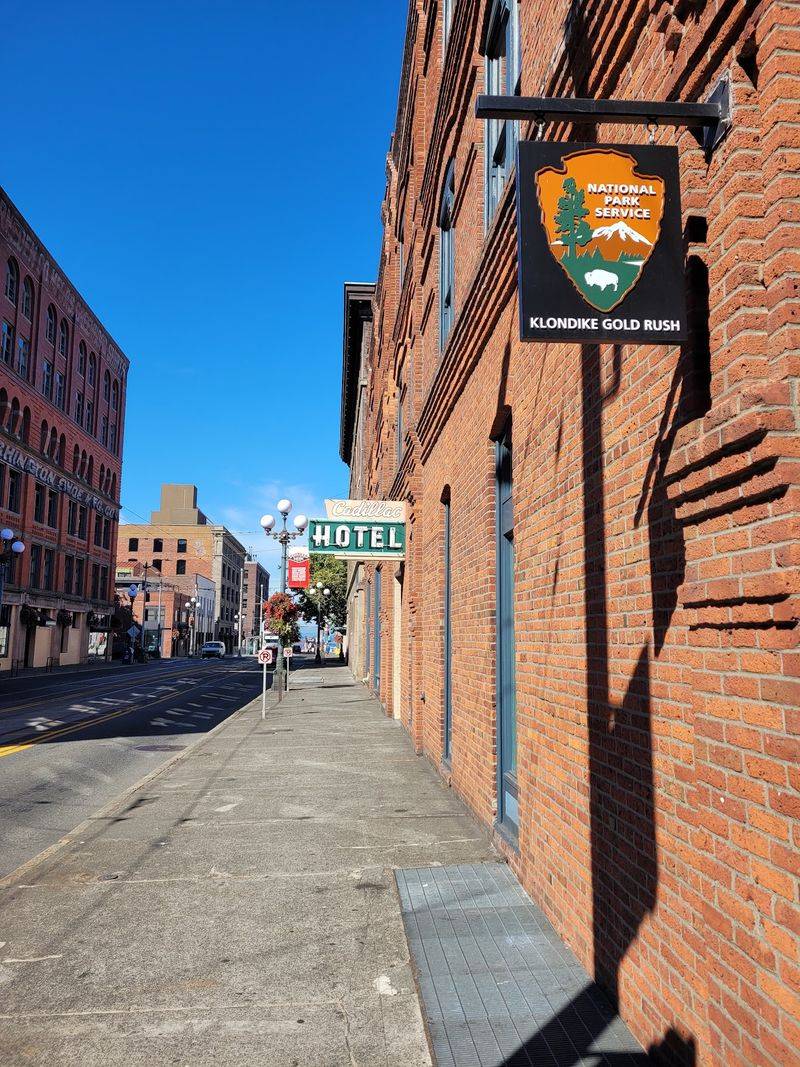
Most national parks come with mountains, trees, and long drives. Klondike Gold Rush National Historical Park comes with a brick building in downtown Seattle instead.
The museum sits inside the historic Cadillac Hotel in the Pioneer Square area. That’s a pretty fitting home for a story about Seattle’s rowdy early days.
The National Park Service runs it, so the polish is real. Exhibits stretch across two levels, and they cover Seattle’s role in the 1890s Klondike gold rush.
The Seattle unit is part of a larger park story. A related site in Skagway, Alaska, tells the northern half of the adventure.
You don’t need hiking boots to visit this one. Comfortable shoes and a curious mind will do just fine.
I love that Washington gets its own slice of national park history right in the city. Plenty of folks stroll past without knowing a park is hiding behind those walls.
Once you know, though, it’s hard to forget. And it makes a sneaky-good stop between other downtown errands or adventures.
Two Frantic Years That Reshaped Seattle
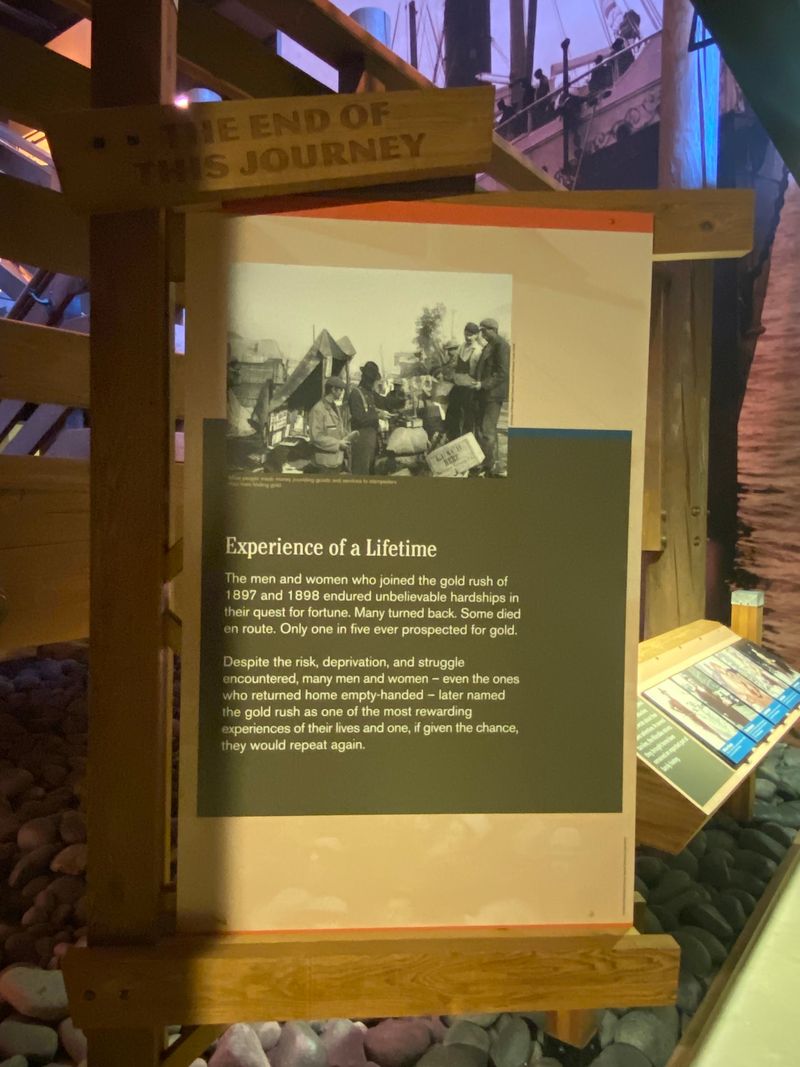
Gold turned up in Canada’s Yukon, and Seattle seized the moment. The rush itself was a short frenzy, running roughly from 1897 to 1898.
Short, sure. But it brought tens of thousands of people through the city.
Seattle became the launching point for the trip north. Prospectors stopped here to buy supplies before sailing toward Alaska and the gold fields beyond.
That steady stream of shoppers helped shape the young city. The exhibits connect those dots clearly, showing how early Seattle grew alongside the rush.
One fun local twist ties into a famous retail name. The museum shares how Nordstrom got its start during this era.
That’s the kind of detail that makes Seattle history feel personal. You might never look at a downtown department store the same way again.
The story isn’t only about winners, either. Hardships get as much attention as successes, which keeps things honest and human.
Plenty of stampeders came home with empty pockets. Still, a theme here suggests most were in it for the journey and would do it again.
How Much Are You Worth In Gold, Anyway?
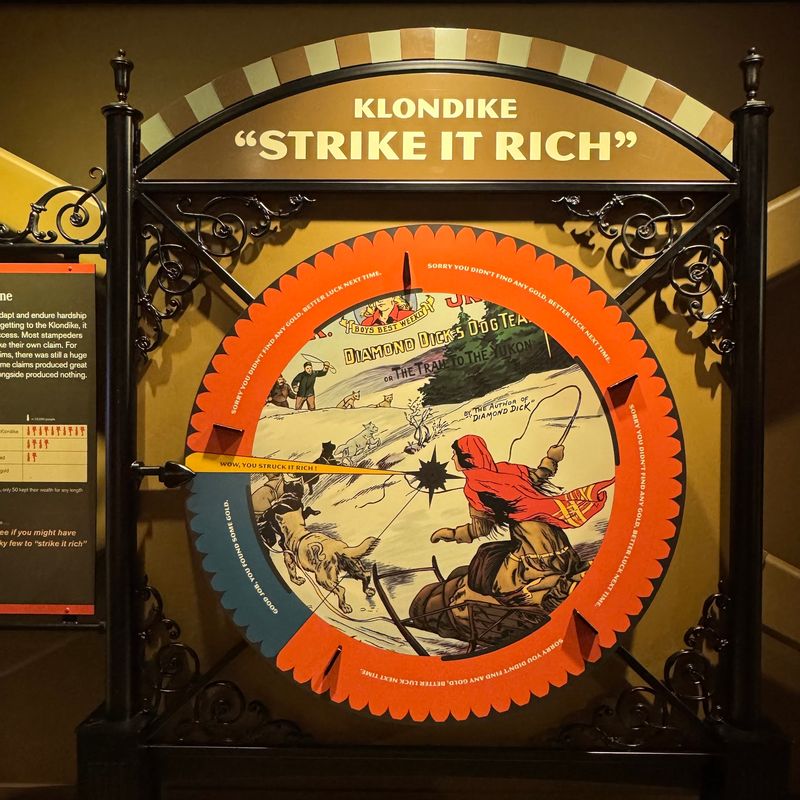
Step on, check the numbers, and prepare for a surprising raise. The gold-value scale is one of the quirkiest exhibits in the building.
It calculates your weight in gold and shows what that would be worth. Suddenly everyone in your group wants a turn.
Hands-on fun runs throughout the museum. Many exhibits are interactive, and the information comes in easy, bite-sized pieces.
That makes it great for younger visitors with short attention spans. Grown-ups who skim placards will appreciate it too.
Look around for embossers placed throughout the space. Bring a piece of paper, and you can collect raised designs as you explore.
It’s a simple idea that turns the visit into a scavenger hunt. Kids love having something to show for their effort.
Hands-on doesn’t mean shallow here. Authentic artifacts like prospectors’ tools and old photos sit alongside the playful pieces.
So you get laughs and real history in the same visit. Honestly, it’s tough to leave without checking your gold value twice.
Replica Shops And Real Stories From The Trail
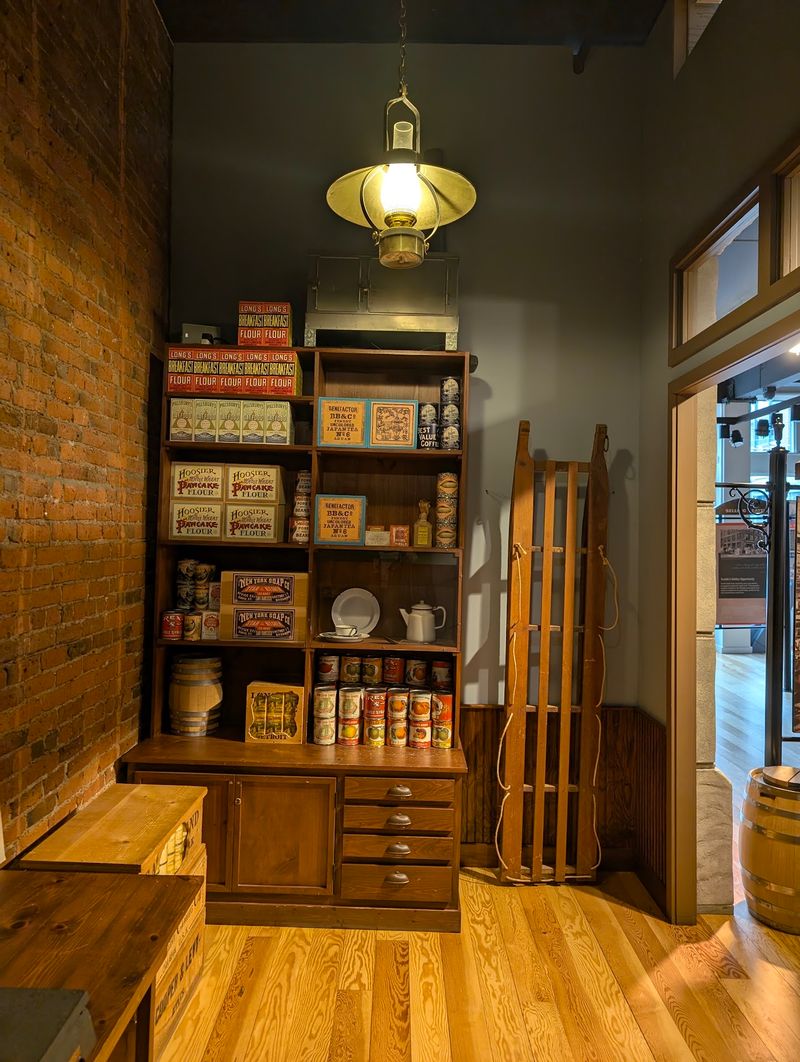
Replica storefronts set the scene almost instantly. Shelves recreate the outfitters where stampeders bought their gear before heading north.
Small hut displays show what life looked like back then. It’s easy to picture how people packed for months in the wild.
The museum walks you through the full journey, from Seattle to the Alaska gold fields. Each step adds another layer of challenge.
Real stories from ordinary people carry the experience. You’ll read about folks who took enormous chances for a shot at fortune.
Those personal accounts make the late 1800s feel close. They’re not just names on a wall but people with plans and doubts.
Old photographs fill in the gaps beautifully. Faces staring back from the past make the story much harder to brush off.
I believe that’s what sets this collection apart. It shows the grit behind the glitter.
The museum even includes reflections on why people chose this path. You may find yourself wondering what you’d pack, and whether you’d go at all.
Grab A Seat For The Films First
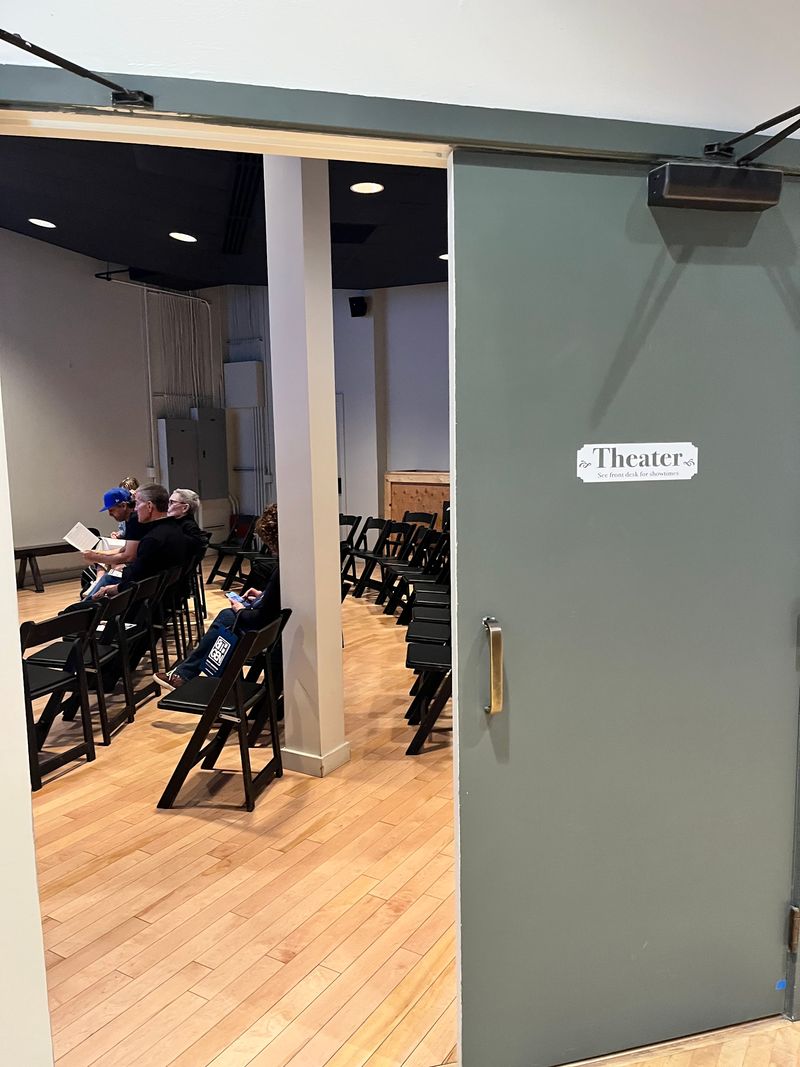
Start with the movie, and everything else clicks into place. The museum shows a roughly 20-minute film that sets up the whole story.
It’s a smart warm-up before you hit the exhibits. You’ll recognize names and places as you wander afterward.
There are actually two short films to catch. Both add helpful background without eating up your whole afternoon.
Watching them feels like getting the map before the treasure hunt. Your feet also get a well-earned break.
A small theater hosts more than films, too. Live performances have taken the stage here, including solo shows on historical topics.
Rangers have also put on live presentations that bring the past to life. Programming changes, so ask staff what’s happening during your visit.
I like that the theater adds variety to a compact space. One room can deliver a documentary, then a performance later in the day.
That flexibility keeps repeat visits interesting. It’s also a cozy spot to regroup when Seattle drizzle sets in outside.
Rangers Who Love Telling Gold Rush Tales
Questions are welcome here, and the answers come with enthusiasm. Rangers and park staff are on hand throughout the museum.
They circulate through the exhibits, sharing interesting facts along the way. Their energy turns a quick stop into a real conversation.
Knowledgeable rangers are one of the most praised parts of a visit. They’re known for being friendly, welcoming, and genuinely helpful.
That matters in a museum packed with details. A good guide can point you toward the stories you’d otherwise miss.
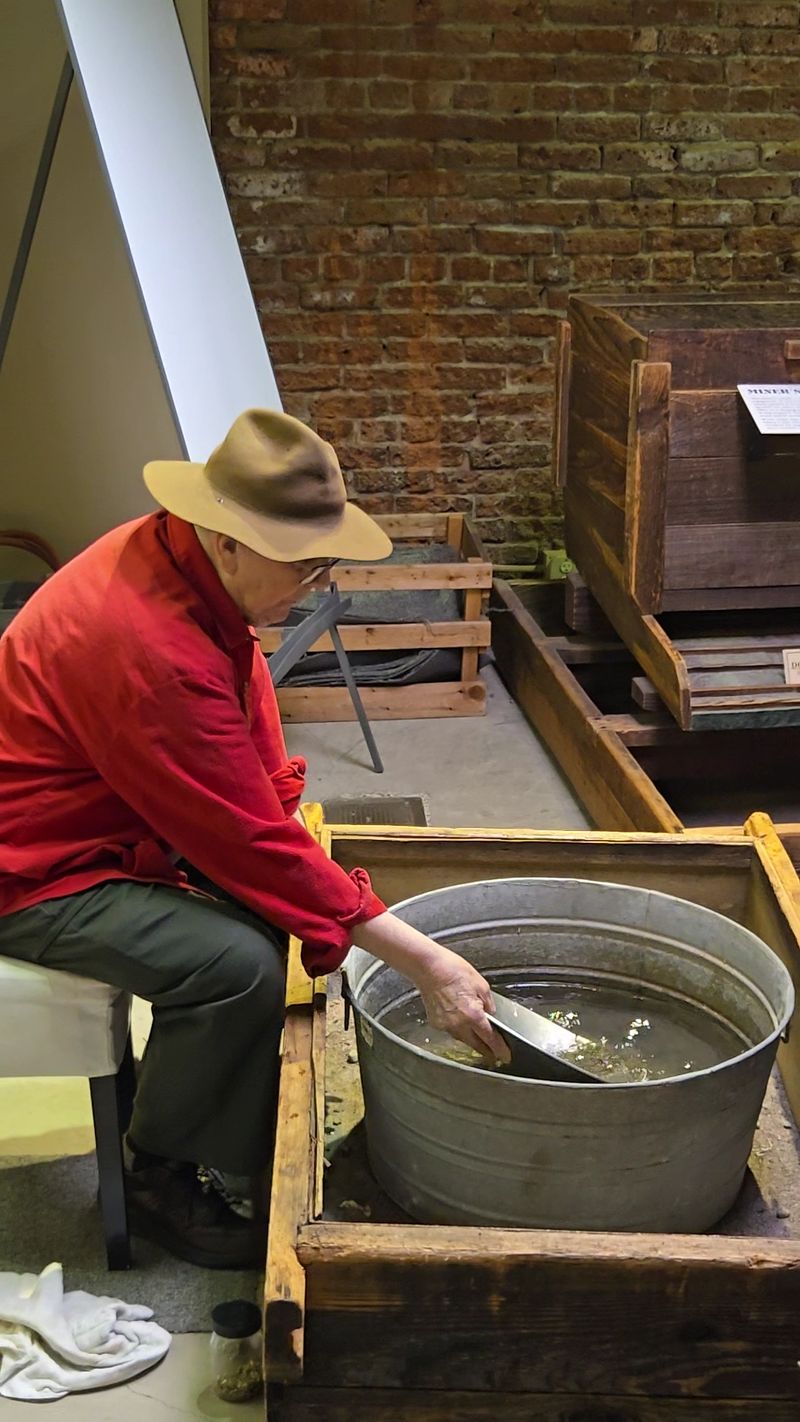
The gold panning workshop is another highlight when it’s offered. It teaches how prospectors actually searched for flakes in the cold northern streams.
Picture swirling water and squinting for a glint. Okay, maybe don’t quit your day job yet.
School groups visit too, with kids working on reports among the displays. That says a lot about how teachable this place is.
For families in Washington, rangers make history feel less like homework. Ask them anything, and you’ll probably walk away with a fun fact to repeat at dinner.
Junior Rangers, Badges, And Passport Stamps
Kids get homework here, and they actually want it. The Junior Ranger program hands out activity books for young explorers.
Finish the book, and you can earn a badge. It’s a tiny reward that sparks huge excitement.
Adults can join in too, which is a nice surprise. Nobody’s checking IDs at the activity desk.
The books guide visitors through the exhibits with purpose. Suddenly every display becomes a clue worth reading.
National park fans should pack their Passport books. The museum offers a passport stamp, and it’s available at the store.
Collectors make special trips just for that ink. Many plan a quick stamp stop, then end up staying for the exhibits.
That’s the beauty of a city national park. You can add a stamp without driving hours into the mountains.
For Washington families chasing park stamps, it’s an easy win. Pair it with a lunch downtown, and you’ve got a full day of adventure for very little cash.
Little Treasures Waiting In The Gift Shop
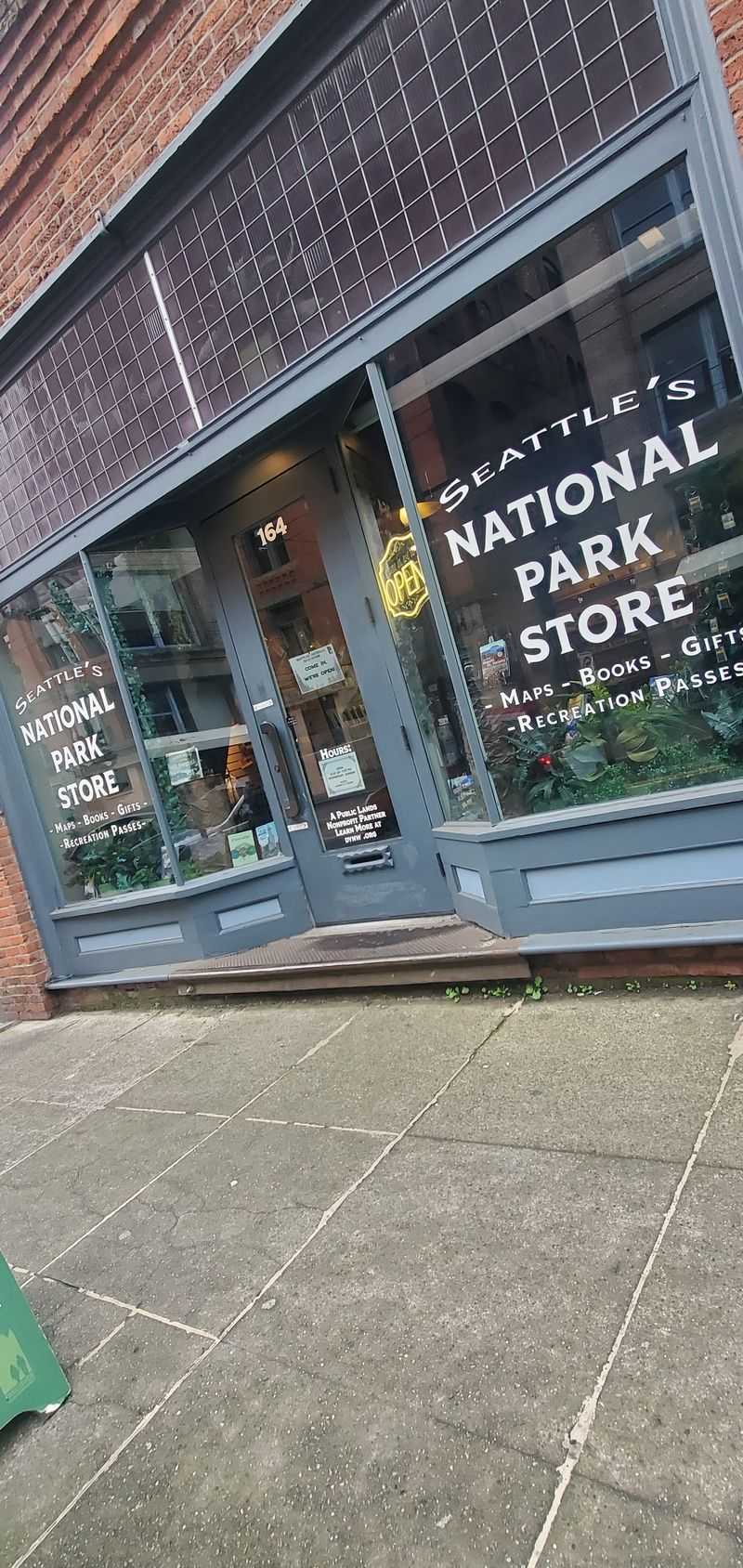
Tiny bottles of gold might be the most on-theme souvenir in Seattle. The museum’s shop carries small vials of gold among its keepsakes.
Double-sided coins are another clever find on the shelves. They make fun mementos for kids and history buffs alike.
The shop isn’t huge, so browsing goes quickly. That’s actually handy if little ones are getting restless.
You’ll find mementos tied directly to the gold rush story. It’s a nice way to bring a piece of the visit home.
This is also where the passport stamp lives. So even stamp hunters will likely wander past the souvenirs.
Since admission is free, the shop is one place to support the experience. Donations are welcome too if you’d like to give back.
I like how the merchandise fits the theme instead of feeling random. No generic keychains stealing the spotlight here.
Budget-minded visitors can skip it entirely, of course. But a little gold vial makes a pretty charming reminder of your Klondike detour.
Your Free Ticket Into Pioneer Square History
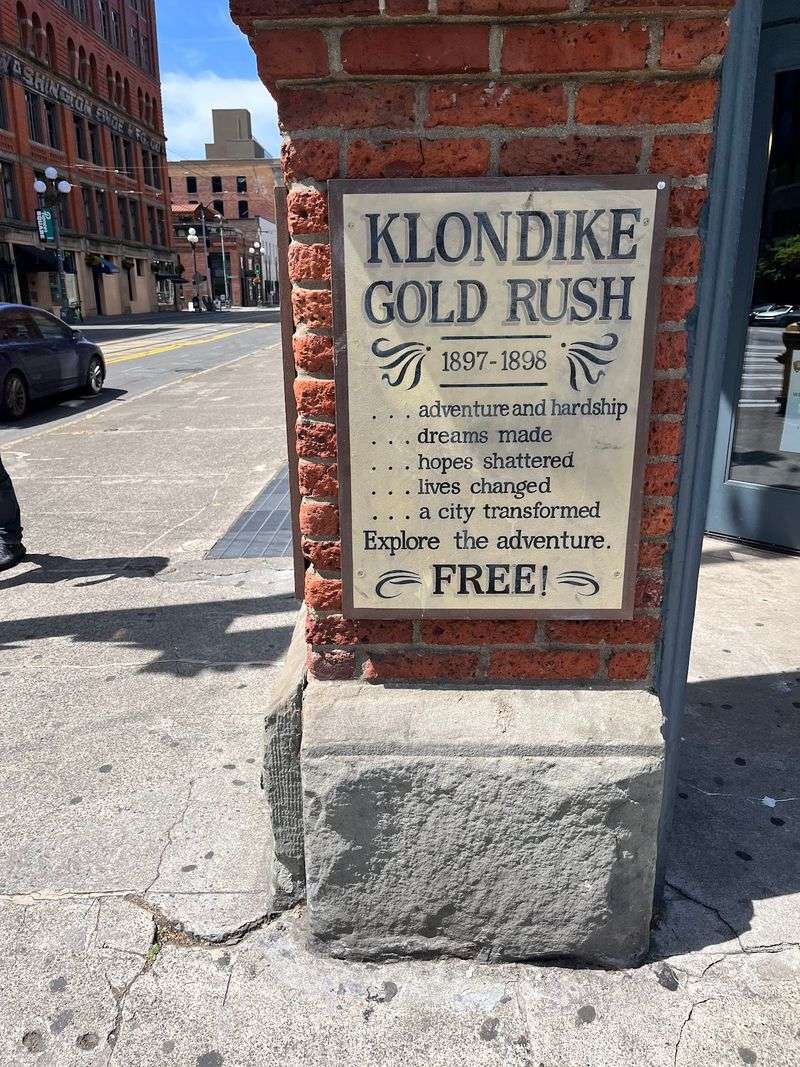
Free admission is the headline, and it’s no typo. There’s no entrance fee or ticket required at Klondike Gold Rush National Historical Park.
You’ll find it at 319 2nd Ave S, Seattle, WA 98104. That puts it in Seattle’s historic Pioneer Square area.
Hours run Wednesday through Sunday, from 10 a.m. to 5 p.m. The museum is closed Mondays and Tuesdays, so plan around those days.
Plan on an hour or two to see everything comfortably. Some families easily stretch that longer with films and activities.
Parking takes a little strategy. Street parking is metered, and spaces can be limited depending on the day.
Earlier visits may make the search easier. Paying a bit for parking still keeps the outing wonderfully affordable.
Restrooms are available on each floor, which parents will appreciate. Two levels keep the layout simple to navigate.
Travelers waiting on a train or hotel check-in also find it a handy stop. It’s a smart way to fill spare hours in Washington’s biggest city.
Small Museum, Big Payoff For Curious Minds
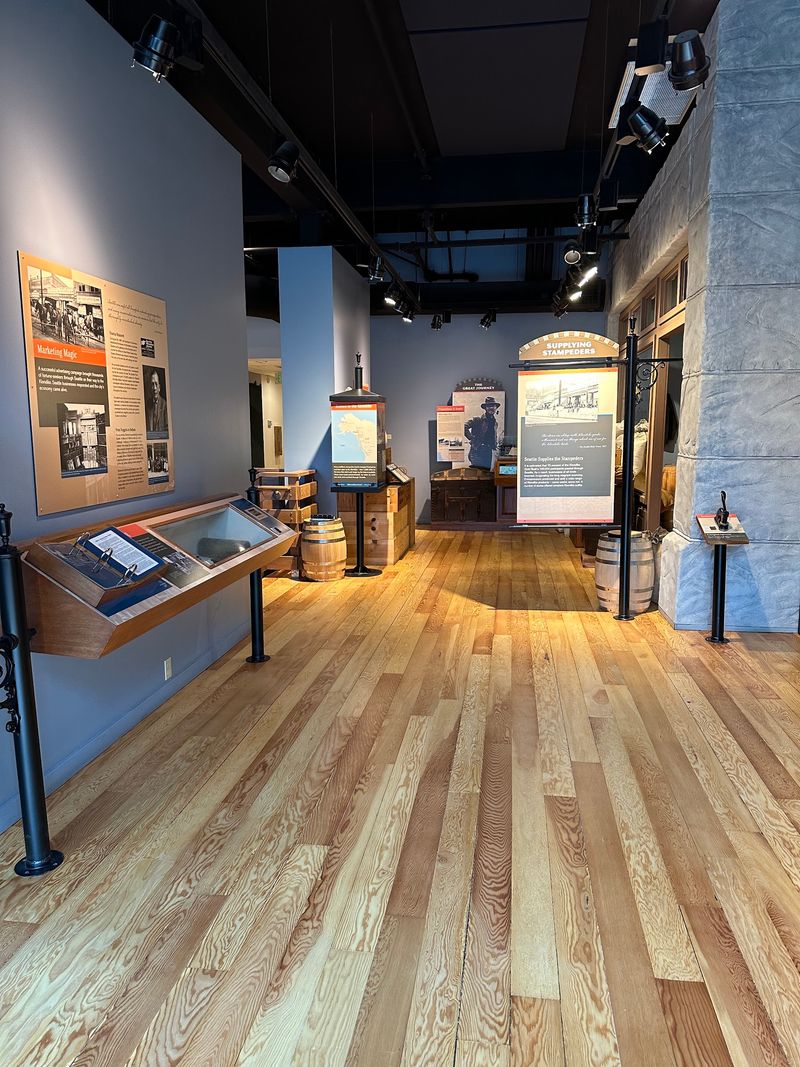
Compact can be a compliment. The museum is small, but it packs a remarkable amount of history into two floors.
That size keeps things manageable for kids, grandparents, and everyone between. You won’t need a map or a nap.
Klondike Gold Rush National Historical Park earns a 4.7-star rating across more than 1,600 Google reviews. Those numbers suggest plenty of visitors leave happy.
Free admission, friendly rangers, and interactive exhibits all play a part. It’s a rare combo in any big city.
History buffs will love the artifacts and stories. Families will love the scale, badges, and embossers.
Cruise travelers heading to Alaska may find it a perfect prelude. Folks returning from Skagway can see the Seattle side of the tale.
For Washington day-trippers watching their budget, it’s an easy yes. Few downtown outings deliver this much for this little.
So pick a Wednesday or weekend and pop in. You might not strike gold, but you’ll leave richer in stories.