
The Biggest Mistake On This Arizona Peak Is Grabbing Its Sun-Baked Summit Cables Barehanded
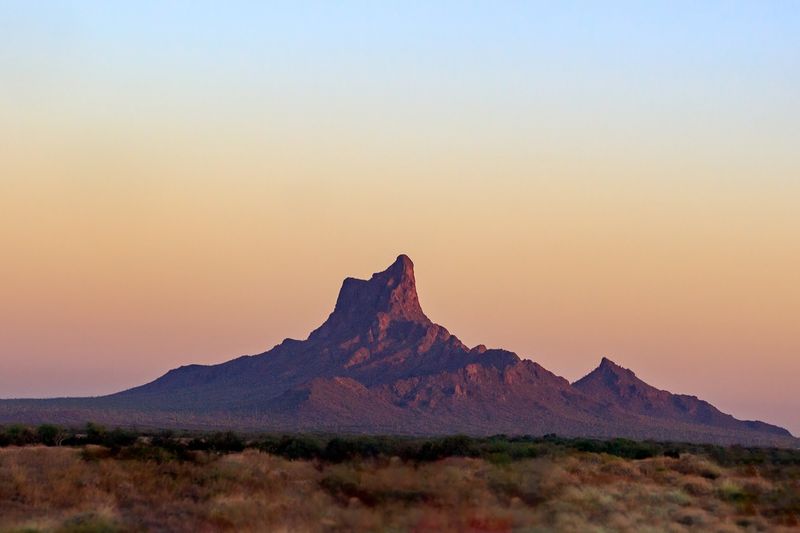
Steel cables bolted into bare rock. A narrow wooden plank over open air.
That is how the final push to one famous summit works, and many climbers swear by one cheap item: gloves.
The cables sit under the full Arizona sun. Hikers warn that on hot days the metal can get too hot to touch.
Bare palms and sun-baked steel are a rough combination.
I like how honest this mountain is about its challenge. It looks like a quick roadside hike from the highway.
Then the trail turns into something closer to rock climbing, with upper body pulls and steep drops.
I can’t imagine reaching those cables unprepared after all that effort. So what else should you pack, and is the climb worth the sweat?
The answers might change how you plan your next desert adventure.
The Desert Spike You’ve Probably Driven Past A Hundred Times
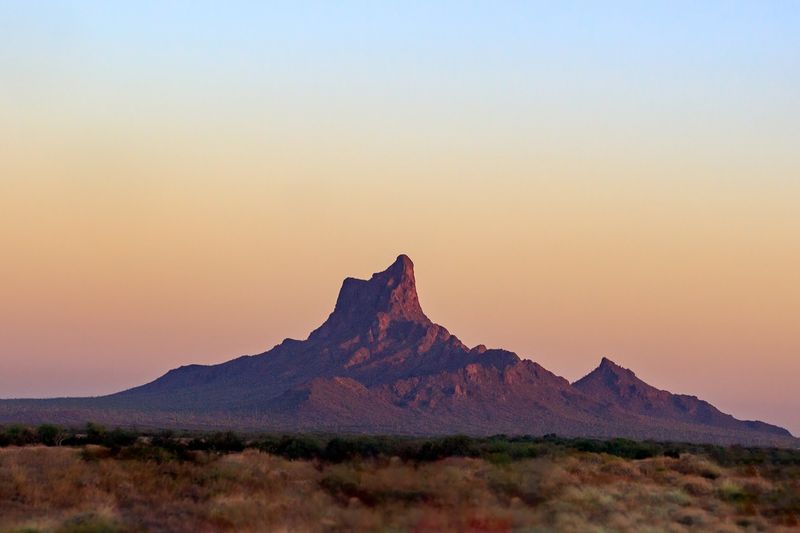
Plenty of Arizona drivers know Picacho Peak only as a dramatic shape flashing by on Interstate 10. It sits between Phoenix and Tucson, just off the highway south of Eloy and west of Tucson.
The peak rises inside Picacho Peak State Park, a remote desert park with several hiking trails. Its summit trail climbs to a top roughly 1,500 feet above the surrounding desert, with cable-assisted sections near the end.
That roadside convenience fools people. Getting there is easy, since the park is right off I-10.
Getting to the top is a different story entirely.
The landmark is listed simply as Arizona 85141, which matches its wide-open, middle-of-the-desert feel. You won’t find a busy downtown at the base.
You’ll find cactus, rock, and a whole lot of sky.
Many longtime Arizona residents admit they drove past for years before finally stopping. One hiker even waited over 20 years, then climbed it as a birthday challenge.
That says a lot about the pull of this mountain.
Here’s my take: a peak this visible deserves more than a glance through the windshield. It rewards anyone curious enough to take the exit.
Just know that curiosity comes with homework, and gloves sit near the top of the list.
Why Your Bare Hands Will Lose The Argument With Hot Steel
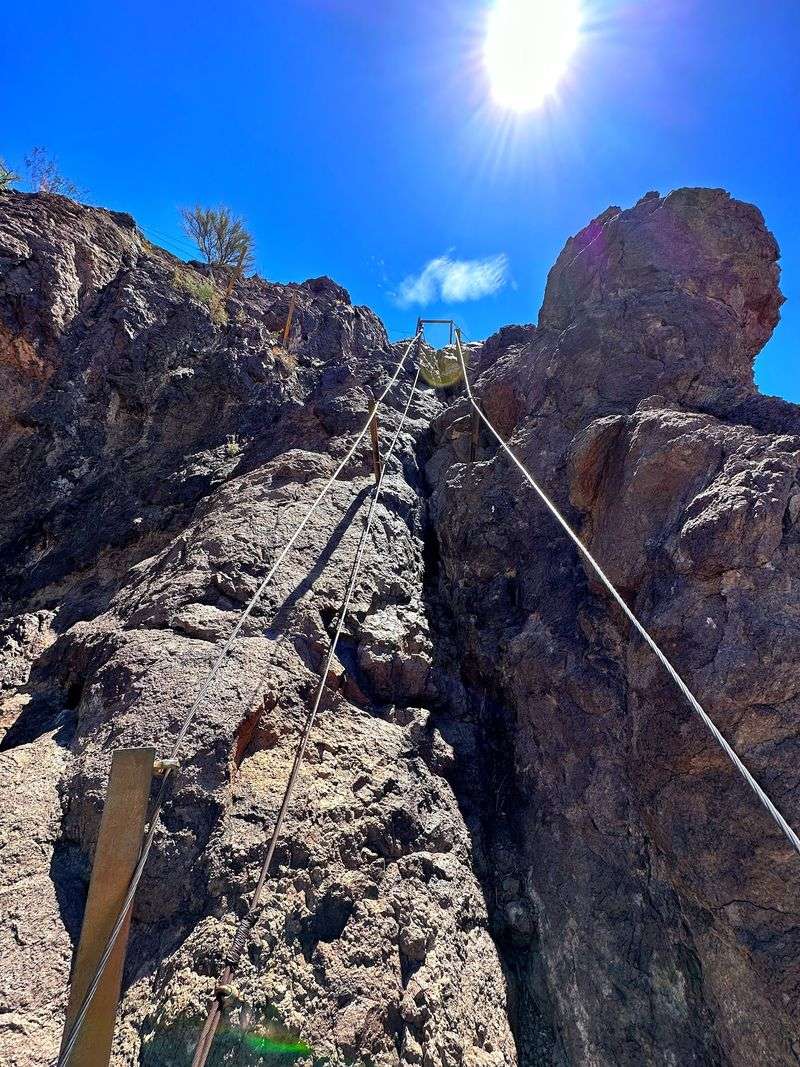
Leather work gloves might be the most underrated hiking gear in southern Arizona. On Picacho Peak, they are close to essential once you reach the cables.
Hunter Trail, the route to the summit, includes several steep sections with steel cables anchored into the rock. You grab those cables and pull yourself up sheer faces.
That’s a lot of friction for unprotected palms.
Heat makes things worse. Hikers recommend lightweight gloves whenever temperatures climb above 90 degrees, because the cables can get too hot to touch.
Picture grabbing a sunny car door handle, then doing it over and over.
Some climbers have made it without gloves. They describe it as doable but not much fun.
That’s a pretty clear vote for bringing a pair.
The gloves don’t need to be fancy. Simple leather work gloves get the job done, and they fold easily into a daypack.
Lightweight versions suit warmer days when bulky gloves feel sweaty.
Think of gloves as cheap insurance for your hands and your confidence. Sore palms can make a climber hesitate on the steepest pitches.
A good grip keeps you moving toward the summit instead of rethinking the whole plan halfway up.
Two Hikes Hiding Inside One Trail
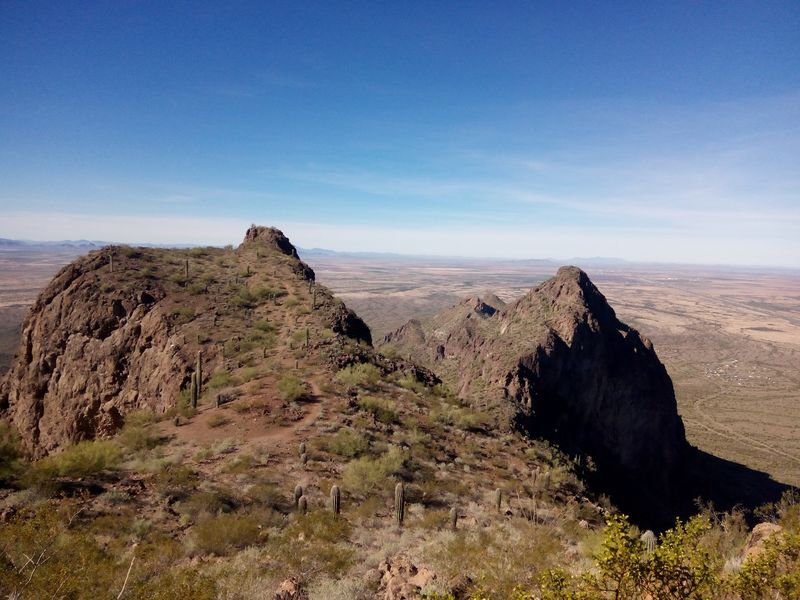
Hunter Trail behaves like a split personality, and that’s a good thing. The first part zigzags up the front of the mountain to a saddle.
Plenty of hikers stop there and call it a satisfying day.
Past the saddle, the mood changes fast. The trail heads around and down the back side of the mountain, then turns toward the final ascent.
That back half brings the hard scrambling, the cables, and the true test.
The numbers look friendly on paper. The route runs about 3.2 miles out and back, with around 2,200 feet of elevation gain.
One hiker’s phone logged 156 flights of stairs, which tells the real story.
Timing varies widely. Some groups take around two hours up and an hour and a half down.
Others report about five hours round trip. Planning for at least two-plus hours is smart.
The trail itself is visible and well maintained. Parts of it offer shade, which feels like a gift in the desert.
Knowing about the saddle gives you a natural turnaround point. If legs or nerves aren’t cooperating, it’s a perfectly respectable finish.
The summit will still be there for another day.
Cables, Rock Faces, And One Very Narrow Plank
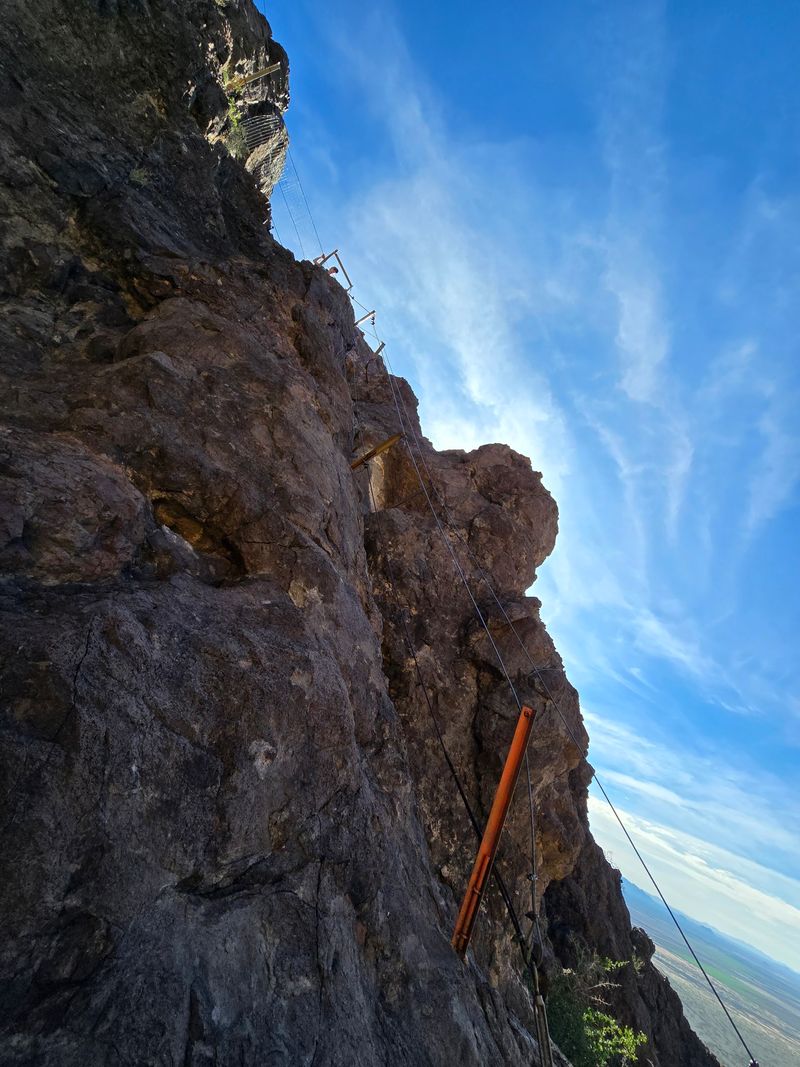
Rock climbing is the honest name for what happens near the top. Steep pitches demand upper and lower body strength, and you’ll often be pulling yourself up rather than walking.
Cables appear in many different situations. Some help you ascend, some help you descend, and some act like a firm handrail along exposed stretches.
That handrail role matters, since parts of the route sit beside dizzying drops.
Then there’s the plank. One section features a wooden plank about six inches wide.
It’s a short moment, but it definitely gets your attention.
Height-sensitive hikers should think carefully. Even mild height anxiety can make the exposed sections feel overwhelming.
That’s not a knock on anyone, just a fair heads-up.
Fitness counts here too. If you’re not ready for fairly intense calisthenics, building experience on other mountains first is a sensible move.
Picacho rewards preparation more than bravado.
Still, these sections are exactly what makes the climb memorable. The adrenaline rush of moving up sheer rock with steel in hand feels unlike a typical desert hike.
Gloves on, feet planted, eyes forward, and suddenly the hardest parts become the stories you’ll tell later.
The Summit Payoff Feels Earned In Every Direction
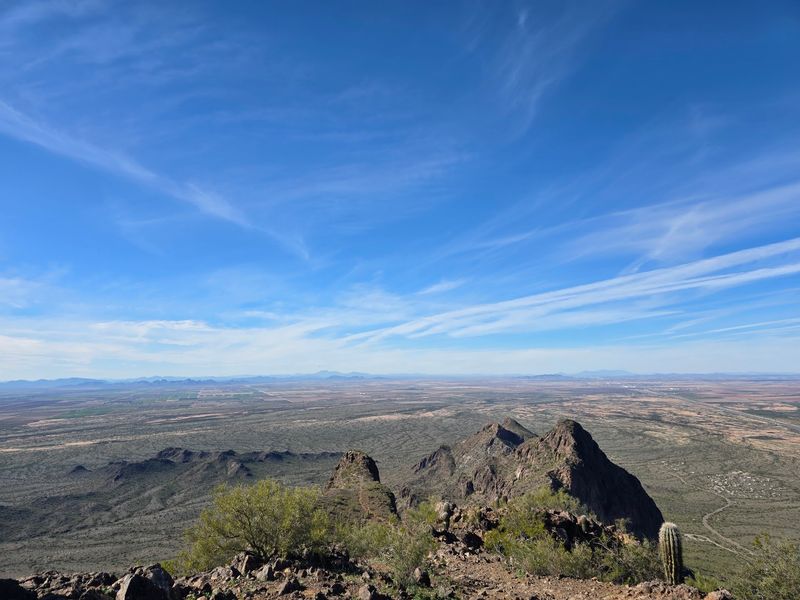
Spacious is not a word most people expect at the top of a cable climb. Yet the summit of Picacho Peak has room to sit, snack, and catch your breath.
The view wraps a full 360 degrees around the park. Saguaro-dotted Sonoran Desert spreads out below, and hikers describe seeing toward both Phoenix and Tucson from the trail.
That kind of reward hits differently after a steep, grinding climb. Your legs know exactly what they did.
Your eyes get to enjoy the bonus round.
Bring a little food for the top. Protein-packed snacks make sense after all that pulling and scrambling.
A short rest also sets you up better for the descent, which uses the cables again.
Photos come naturally up here. Rugged rock, open desert, and wide sky do most of the work for you.
Just stay mindful of edges while framing that perfect shot.
Plenty of climbers say the sense of accomplishment matches the scenery. Even hikers who called themselves out of shape made it up with steady pacing and the right gear.
I believe that’s the real magic of this place. It makes ordinary people feel a little bit heroic.
Spring Wildflowers Turn The Base Into A Color Show
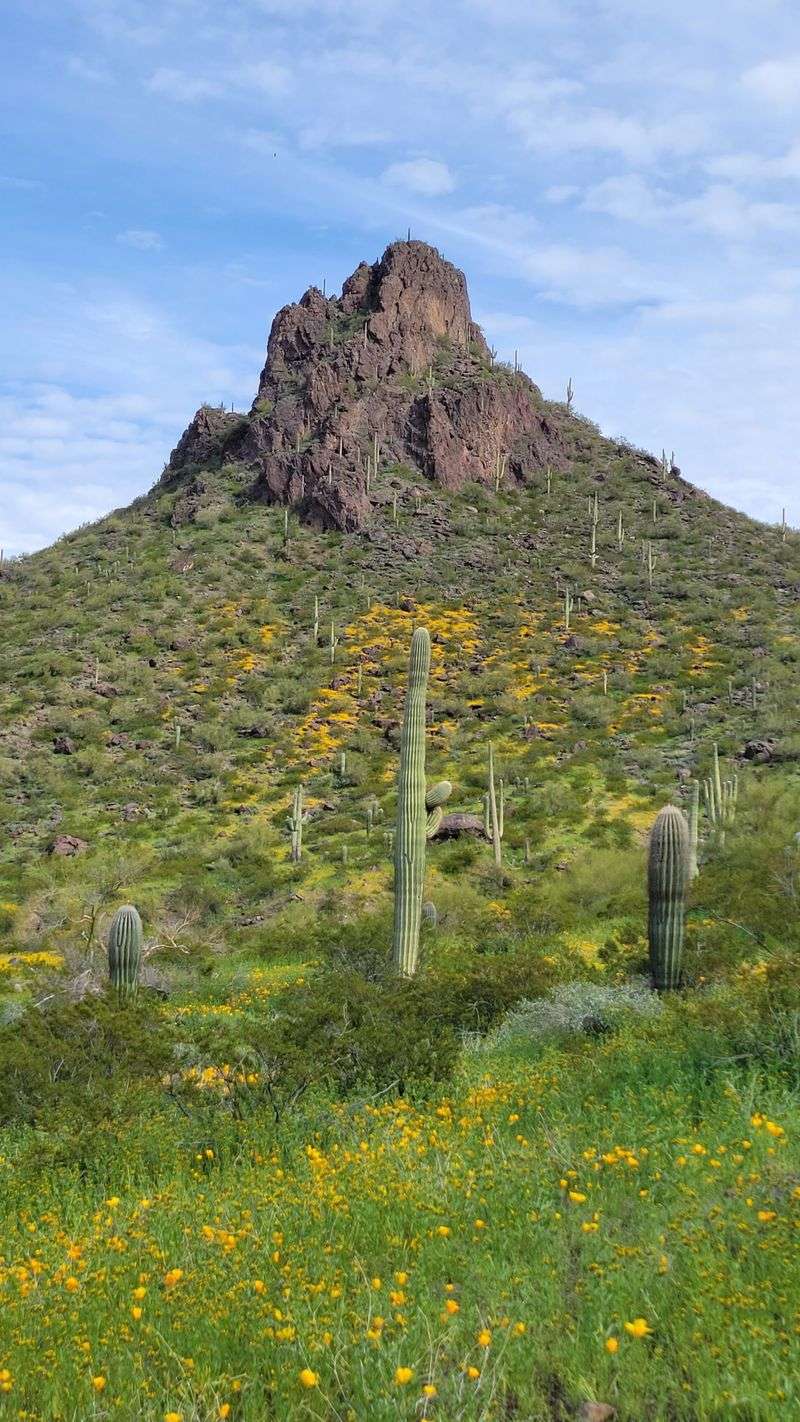
Golden blooms carpeting the desert floor might be Picacho Peak’s best surprise. During peak wildflower season, the area bursts with color around the base of the mountain.
That makes spring a fantastic time to visit, even if the summit isn’t on your list. The park offers multiple trails, from easy to hard, so you can enjoy blooms without touching a single cable.
Wildflowers also fit perfectly with Arizona’s cooler months. Mild temperatures make the climb more comfortable and keep the cables from getting scorching.
Win, win.
Families and casual walkers can treat the park as a scenic stop and picnic spot. The diverse desert habitat, with cactus and wide views, gives everyone something to admire.
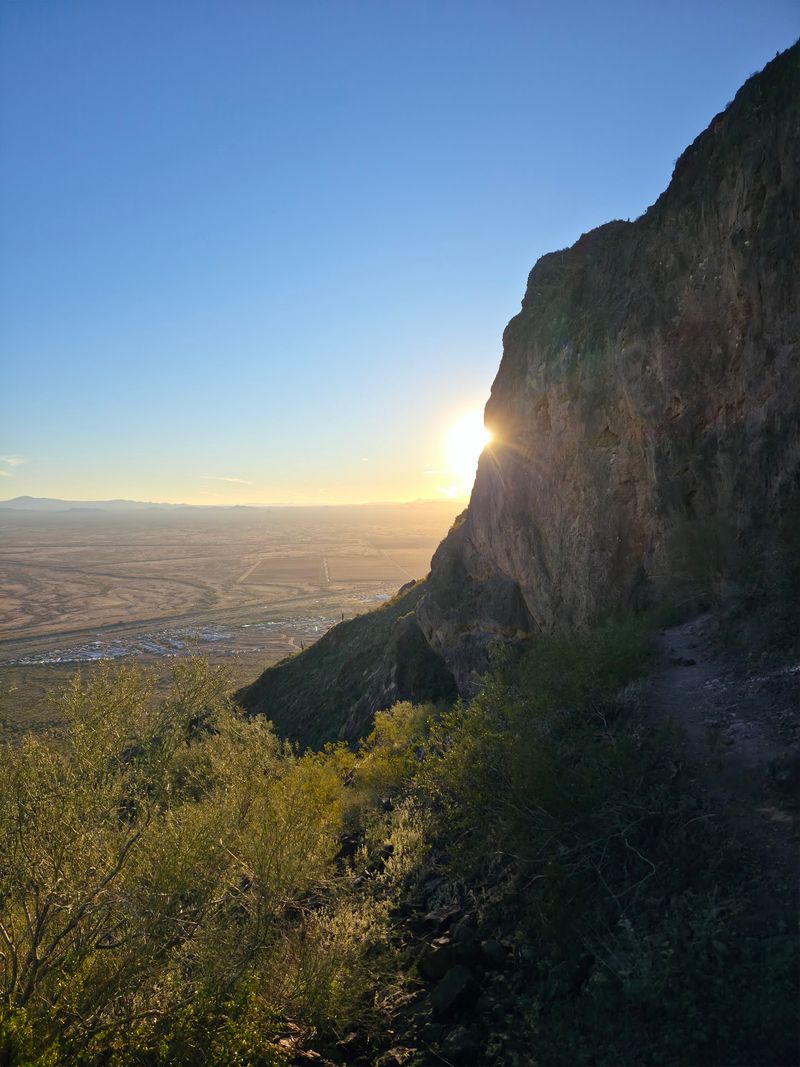
Sunsets earn praise here too. The Sunset Vista Trail drops down the back side of the mountain and loops around toward the campground.
It takes longer than heading back over the saddle, but it’s gentler on tired legs.
Some summit hikers use that route as an easier way down. Catching the sky changing color on the way out sounds like a pretty great consolation prize.
Pack a headlamp if you’ll be cutting it close to dark, and enjoy the slow walk back.
Your Smartest Packing List Starts With Water
Water comes first, every single time. Southern Arizona heat can turn intense by afternoon, and hikers stress carrying plenty, especially in summer.
Starting early is the next big move. Morning hours give you cooler air and keep the cables more manageable.
Afternoon heat on this mountain is no joke.
Solid hiking boots matter on the steep rock. Good grip underfoot pairs with good grip in your hands, so gloves and boots work as a team.
Toss in sunscreen, because shade disappears in spots.
Snacks deserve real space in your pack. Protein helps fuel the upper body effort the cables demand.
Breaks are smart too, so pace yourself rather than racing.
Read the trail information posted for Hunter Trail and take it seriously. Doing so keeps you safer and makes life easier for the park rangers.
Small children and hikers who aren’t comfortable with steep climbing may enjoy the easier trails more. The park has options for a wide range of abilities.
Matching the trail to your group is part of good planning, and it keeps the day fun for everyone involved. Nobody wants to turn around at the first cable.
Stay Overnight And Let The Desert Slow You Down
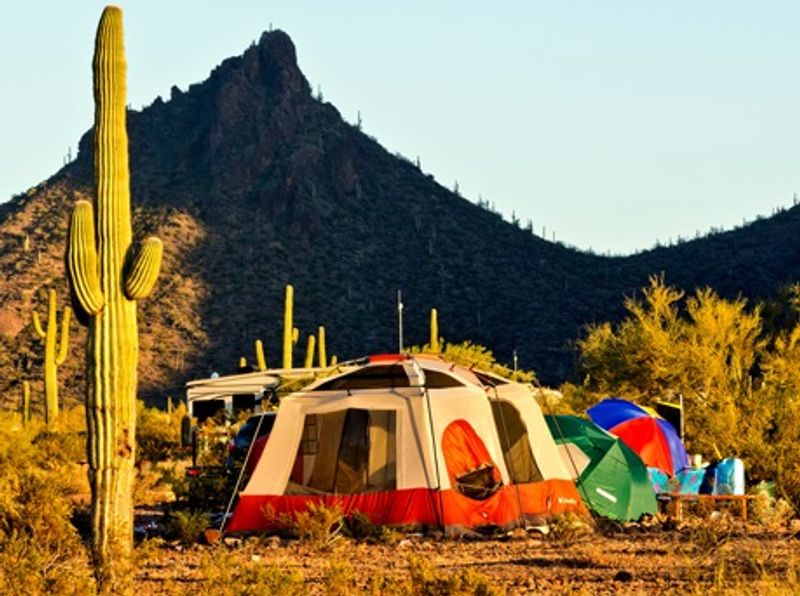
Camping at the base turns a tough climb into a full mini getaway. Picacho Peak State Park has a campground set up for both tents and RVs.
Every campsite has electricity, which is handy in such a remote setting. The restrooms are known for being very clean, and the large showers get unusually high marks for a campground.
After hauling yourself up cables, that matters.
Spending the night also helps with timing. You can wake early, hit Hunter Trail in cool morning air, and finish before the heat builds.
Expect an entrance fee per vehicle, so check current rates before you go. Many hikers who questioned the cost at first felt it was worth it by the end.
The overall vibe is peaceful and wide open. Sunsets over the desert and quiet evenings make a nice reward after a big day.
So is Picacho Peak worth it? For prepared hikers, absolutely.
The climb is tough, the views are huge, and the sense of accomplishment sticks with you. Just don’t leave home without gloves.
Your palms will thank you long after the dust settles on your boots.