
This Historic Illinois Outdoor Market Has Been Drawing Shoppers For More Than A Century
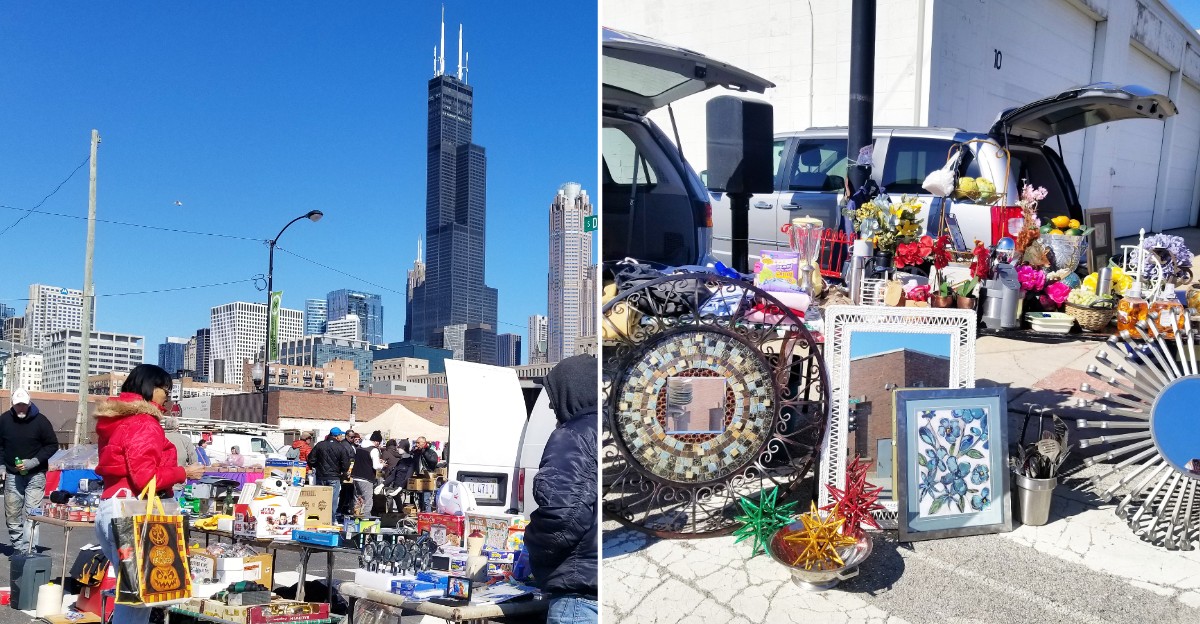
Blues musicians once cranked up their amplifiers on a busy street just to be heard over shoppers haggling for bargains. That loud little workaround helped shape a famous sound.
Pretty wild for a flea market, right?
This Illinois market has been pulling in shoppers for more than a century. Immigrant families started the Sunday selling in the late 1800s.
The city made it official in 1912, and the tradition never really packed up.
Today the street still closes for the day. Vendors set out handmade crafts, clothing, housewares, and random treasures.
Taco stands, tamale sellers, and sizzling grilled onions add serious temptation to every block.
I love that admission costs nothing at all. I can’t think of a cheaper way to spend a summer Sunday with a little history, some live music, and a lot of flavor.
Ready to find out where it is?
A Free Sunday Bazaar Is Back On Its Original Chicago Street
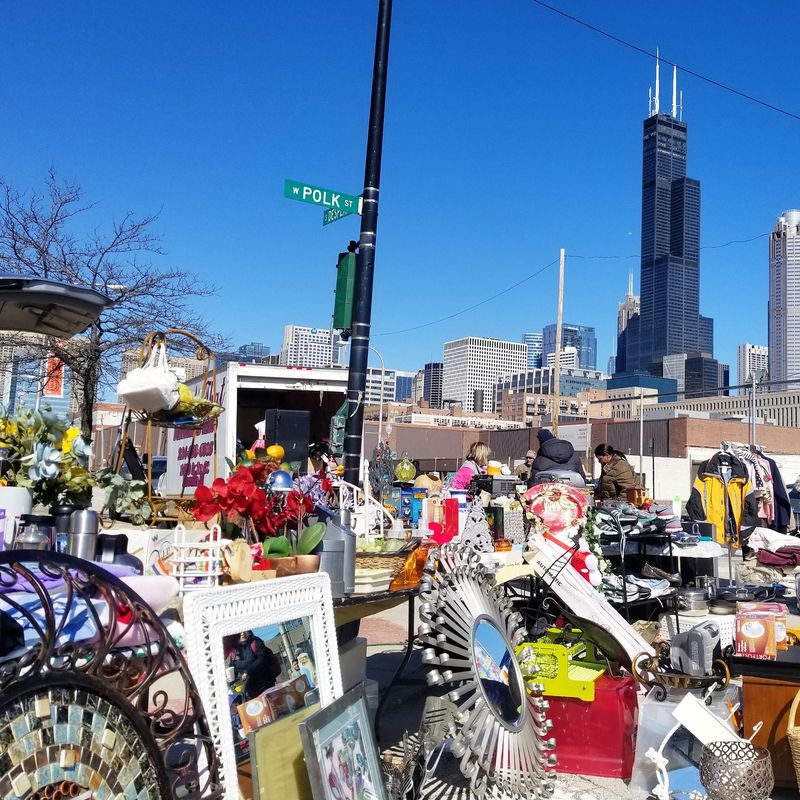
Homecomings don’t get much more satisfying than this one. In 2024, Maxwell Street Market returned to its historic stretch at Maxwell and Halsted Streets on Chicago’s Near West Side.
For years, the market had bounced around nearby streets. Now it sets up on Maxwell Street between Halsted Street and Union Avenue, right where the story began.
So what exactly is it? Maxwell Street Market is Chicago’s oldest and longest-running flea market, an open-air bazaar packed with vendors, food stands, and live performances.
The City of Chicago’s Department of Cultural Affairs and Special Events runs the show today. That city backing keeps the tradition organized while still letting its scrappy, street-level personality shine through.
Here’s the best part for budget-minded Illinois families. Admission is completely free, so the only money you spend goes to the tacos and treasures you can’t resist.
The market doesn’t pretend to be polished or fancy. It’s a closed-off street full of tables, tents, and people looking for a good deal, which is exactly the charm.
Few outings in Illinois let you shop, snack, and soak up history in a single afternoon. Fewer still let you do it without paying a cent to get through the gate.
How Immigrant Pushcarts Earned The Nickname Ellis Island Of The Midwest
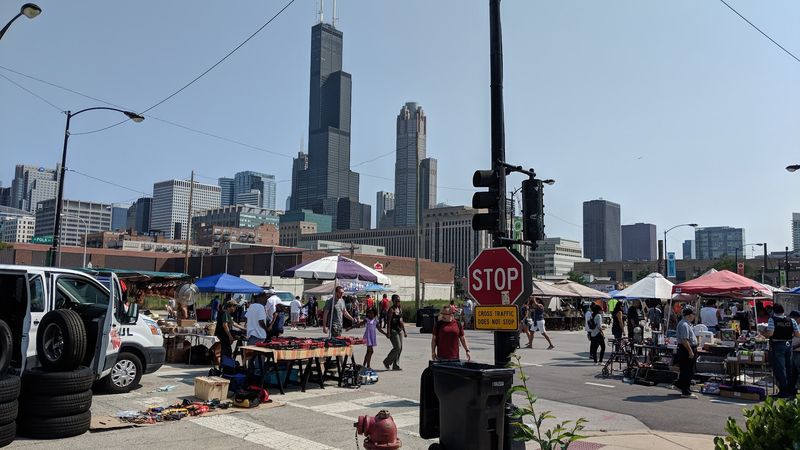
Maxwell Street first showed up on a Chicago map way back in 1847. Back then, nobody could have guessed it would become one of the most famous shopping streets in Illinois.
The market itself grew from humble roots. In the late 1800s, newly arrived Jewish immigrants from Eastern Europe began selling goods on informal Sunday markets along the street.
Word spread, and so did the stalls. The City of Chicago officially recognized the market in October 1912, making it one of the oldest open-air markets in the United States.
Over the decades, wave after wave of newcomers set up shop here. That incredible mix of cultures earned Maxwell Street the nickname “Ellis Island of the Midwest,” and honestly, it fits perfectly.
At its peak, the market sprawled across roughly nine square blocks. That’s a lot of ground to cover for anybody hunting down a bargain on foot.
Each group of arrivals left its mark on the food, goods, and sounds of the place. You can still taste and hear that layered history on a market day.
It’s a living timeline of Chicago’s immigrant story. And you can stroll right through it for free.
The Street Corner Where Chicago Blues Got Plugged In
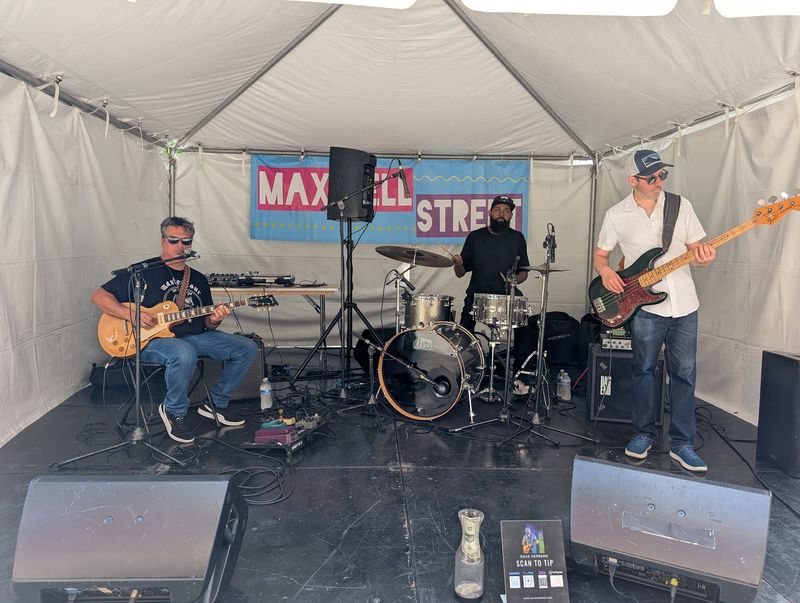
Loud crowds can be annoying, but on Maxwell Street they changed music history. Blues players needed volume to compete with shoppers and vendors, so they started amplifying their instruments.
That practical fix helped give rise to the electrified Chicago blues sound. Not bad for a solution born from a noisy flea market.
The story ties back to the Great Migration. African American musicians from the South moved north and brought their blues and jazz traditions with them.
Maxwell Street gave those artists a stage, right out in the open air. Many played for tips here before landing gigs in clubs or recording studios.
Some big names are connected to the market’s history. Muddy Waters, Junior Wells, Bo Diddley, and Little Walter all count among the legends linked to these blocks.
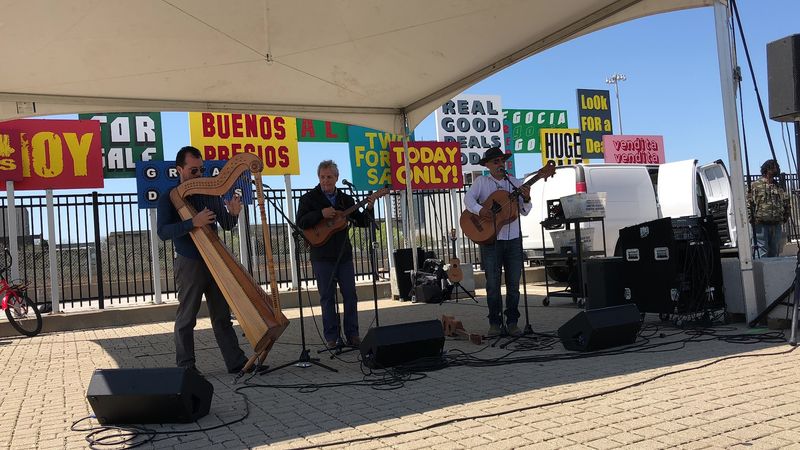
The music hasn’t faded away, either. The market still features live entertainment, including blues and gospel performances and events like the Maxwell Street Blues Series.
Kids may not know these names yet. Hearing live blues on the very street that helped shape it is a pretty great way to introduce them.
Bring Your Best Haggling Voice For These Tables
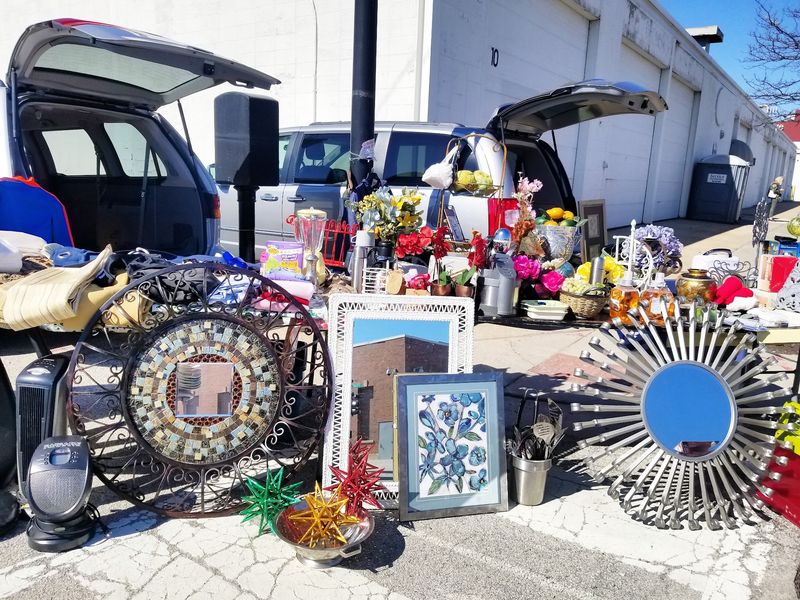
Haggling isn’t rude here. At Maxwell Street Market, bargaining over prices is an accepted part of the fun.
That makes every table feel like a small game. A friendly back-and-forth might be the highlight of your whole Sunday.
The goods cover a wide spread. Shoppers can find handmade crafts, resale items, clothing, jewelry, housewares, furniture, and collectibles all along the street.
Variety is the real draw, since you never quite know what’s waiting at the next tent. The handmade crafts tend to stand out as some of the most interesting finds.
Set expectations, though. The market leans more toward a flea market and yard sale vibe than a polished antique show, so serious vintage collectors may want different hunting grounds.
For everyday bargain lovers, that’s good news. Practical items like gloves, hats, toys, and household basics can turn up at prices that beat big stores.
Bring some cash and a sturdy tote bag. Your car trunk might also need a little extra room for that surprise find nobody planned on buying.
Tacos, Tamales, And Elotes Steal The Spotlight
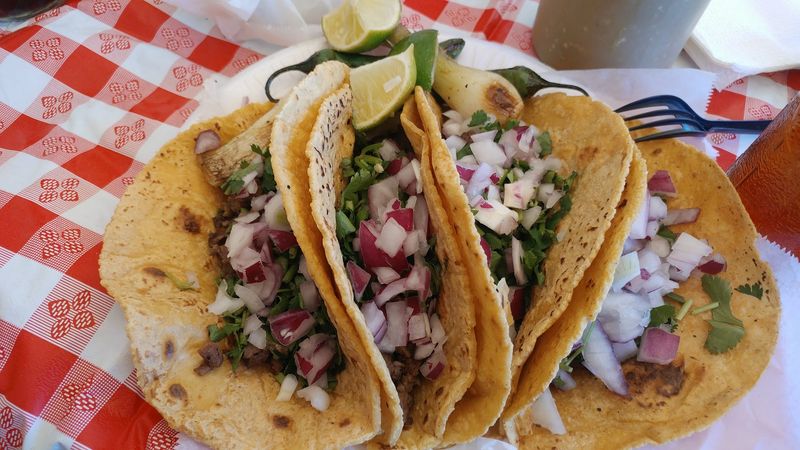
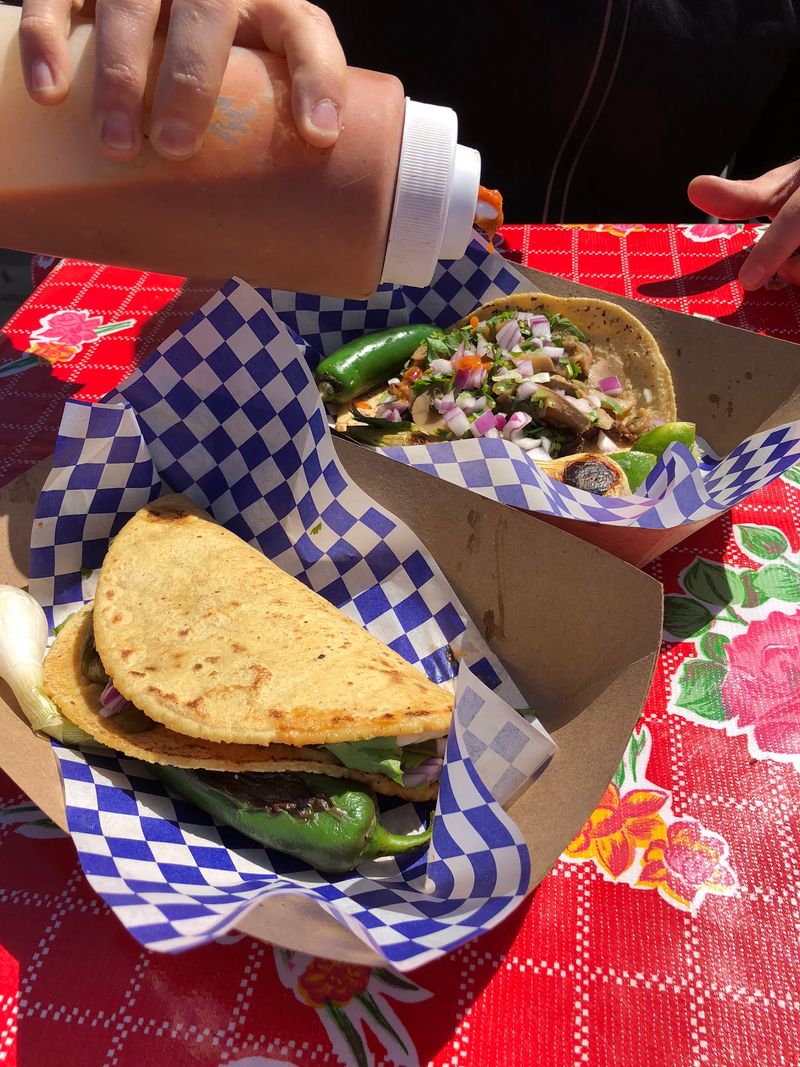
Plenty of folks show up for bargains and stay for lunch. Mexican food has a strong presence at Maxwell Street Market, and it’s a major reason the street fills up.
Tacos lead the lineup. Look for al pastor, buche, birria, and barbacoa, often wrapped in fresh tortillas.
Rubi’s Tacos has earned a loyal following over the years. The tacos are made from scratch, with tortillas pressed and cooked right on site.
Tamale fans have choices, too. Oaxacan tamales come wrapped in banana leaves and run bigger than average, while strawberry tamales add a sweet twist.
Then there’s elote, the classic Mexican street corn. It’s easy to eat while browsing, which makes it a smart pick for wandering shoppers.
Sweet treats round things out. Funnel cake, shaved ice, and churros have all been part of the market’s snack scene.
Fair warning for health nuts: much of this food is fried and gloriously greasy. Eating outside on a closed street with a plate of tacos still feels like a small Sunday celebration.
A Polish Sausage Legend Born From Grilled Onions
Grilled onions have long been the unofficial perfume of Maxwell Street. That sizzling aroma is tied to one of Chicago’s most famous sandwiches.
The Maxwell Street Polish sausage sandwich originated in this neighborhood. Jimmy Stefanovic, a Yugoslavian immigrant, gets credit for creating the iconic combo.
Think of it as a fitting symbol of the market itself. An immigrant took simple ingredients and turned them into something Chicago would claim forever.
Jim’s Original Hot Dog is another “Maxwell Street original” with deep roots in the area. Its name alone carries a lot of neighborhood history.
For Illinois families who love humble, decades-old food traditions, this is a big deal. You’re tasting a recipe connected to the very streets you’re walking.
Nothing about the sandwich is fussy. It’s a hearty, messy, no-frills bite that fits the market’s unpolished personality perfectly.
Grab a stack of napkins before you start. Those onions have a habit of escaping the bun, and your shirt deserves a fighting chance.
Funky, Friendly Energy That Suits Almost Everyone
Polished shopping malls, step aside. Maxwell Street Market runs on an informal, unpolished street culture that feels refreshingly real.
The mood is vibrant and multicultural. Fun, funky vendors and plenty of colorful characters give the street a festival-like buzz.
Families fit right in. Kids can snack on shaved ice, poke through toy tables, and hear live music without anyone needing a ticket.
History buffs get their own treat. Free historic walking tours are offered on Sundays, sharing stories about the neighborhood and its remarkable past.
Music lovers should keep an eye on special programming. Blues and gospel performances turn an ordinary shopping trip into something closer to a street party.
Grandparents may find the whole scene especially nostalgic. Bargaining, browsing, and eating outdoors feels like a page from an older Chicago.
Size expectations matter, though. The market is smaller than in its nine-block heyday, so plan for a relaxed outing of a few hours rather than a marathon shopping day.
Timing, Transit, And Parking Tips Before You Head Out
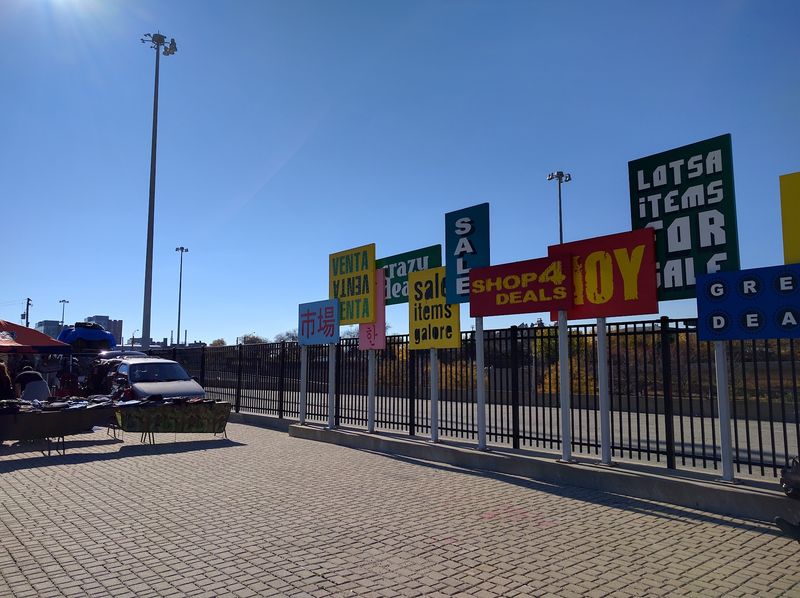
Calendar check first, because this market doesn’t run every weekend anymore. The current city schedule lists one Sunday a month, May through October, from 10 a.m. to 3 p.m.
Dates can shift from year to year. Double-check the City of Chicago’s event calendar before loading everyone into the car.
The market sets up near South Halsted Street and West Maxwell Street, Chicago, IL 60607. Expect vendors along Maxwell Street between Halsted Street and Union Avenue.
Older map listings may still point to the market’s former location. Heading to the original Maxwell and Halsted spot will save you some confused wandering.
Public transit makes things simple. The CTA Blue Line’s Halsted station is nearby, and several bus routes serve the area too.
Driving works, though parking can feel tight on busy days. Nearby lots and parking structures offer options, and arriving earlier helps.
Everything happens outdoors, so dress for whatever Illinois weather decides to do. Sunscreen, comfortable shoes, and a light jacket can make the difference between a great day and a grumpy one.
Why This Century-Old Tradition Belongs On Your Summer List
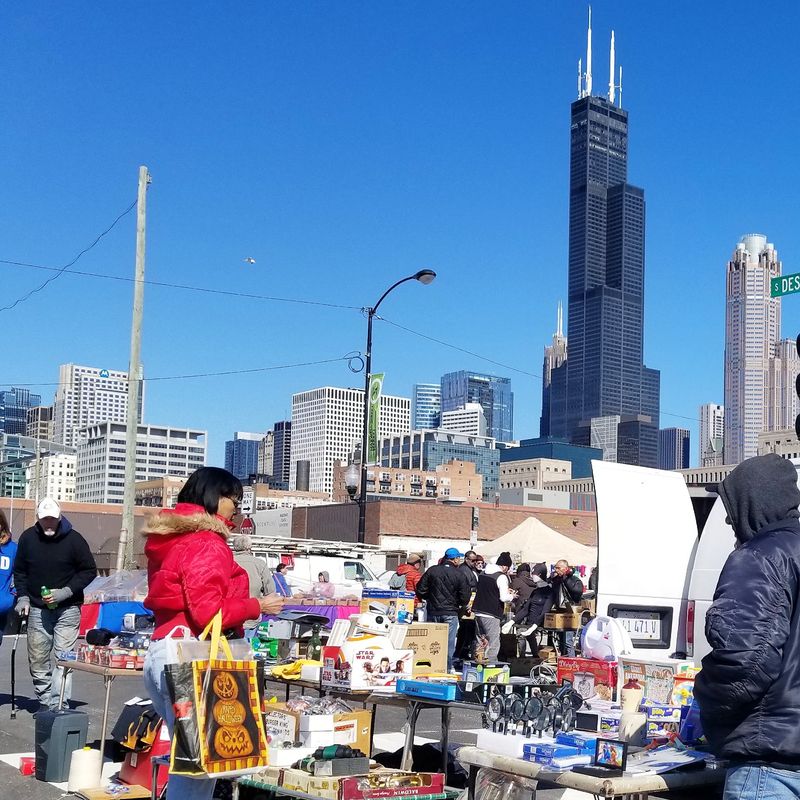
More than a hundred years of Sunday bargains is no small feat. Maxwell Street Market has outlasted moves, changes, and a shrinking footprint, yet it still draws people to the street.
That staying power says a lot. Chicago clearly isn’t ready to let this tradition go.
Few Illinois outings pack this much into one free afternoon. You get history, live music, handmade crafts, and some of the city’s most talked-about street food.
It won’t impress anyone looking for glossy boutiques or rare antiques. The appeal lies in its scrappy, honest, come-as-you-are spirit.
I believe that’s exactly why it matters. Places like this remind us how immigrant families built neighborhoods one table and one tamale at a time.
For parents and grandparents, it’s an easy way to share a slice of Illinois history. Kids get tacos and treasure hunting, while adults get a story worth retelling.
So mark a summer Sunday and bring a little cash. Leave room for a Polish sausage, too, because skipping it here would feel like skipping the main event.