
This Small Maine College Ranked Among The Northeast’s Best Values In 2026
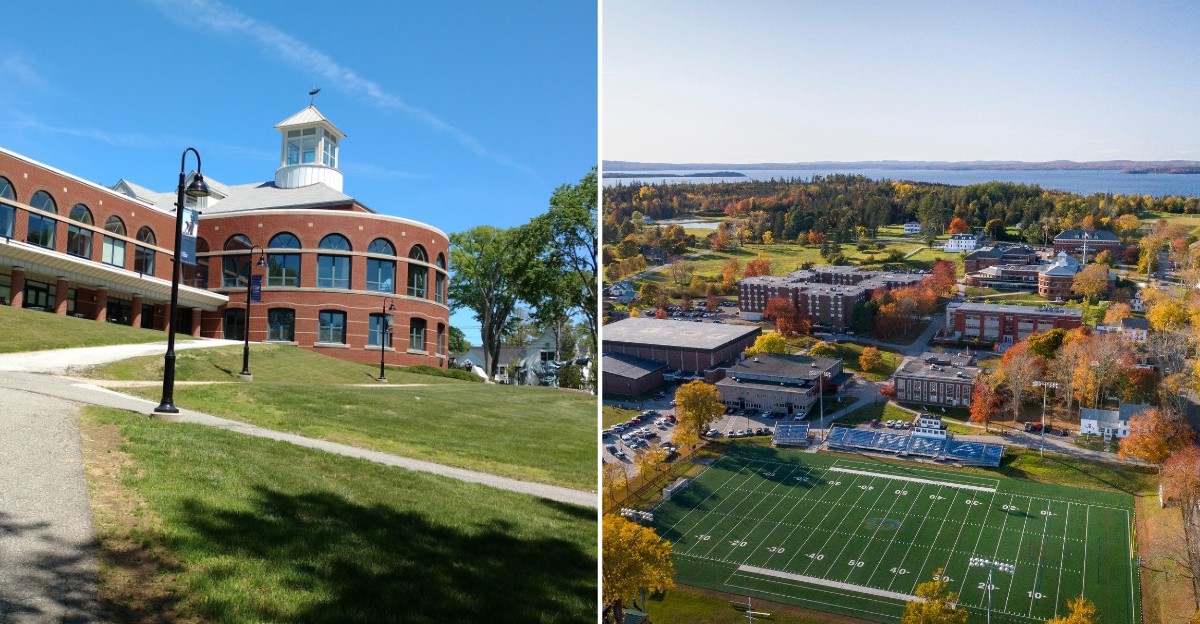
First-year students at one Maine college jump off a training ship as a rite of passage. That tradition goes back to 1960, and I can’t help wondering how cold that water feels.
It gets better. Juniors later wash their class rings in seawater during a formal dance. One of the school’s teaching vessels is a century-old schooner built for Arctic exploration.
Now the rankings folks have noticed too. For 2026, this small coastal school landed on several best value lists, including one for the whole Northeast.
I had no idea a campus this small could pack in ship simulators, a power plant lab, and graduates earning some of the highest salaries in the country. What makes it such a bargain?
The Rankings Keep Stacking Up, And They All Say Value
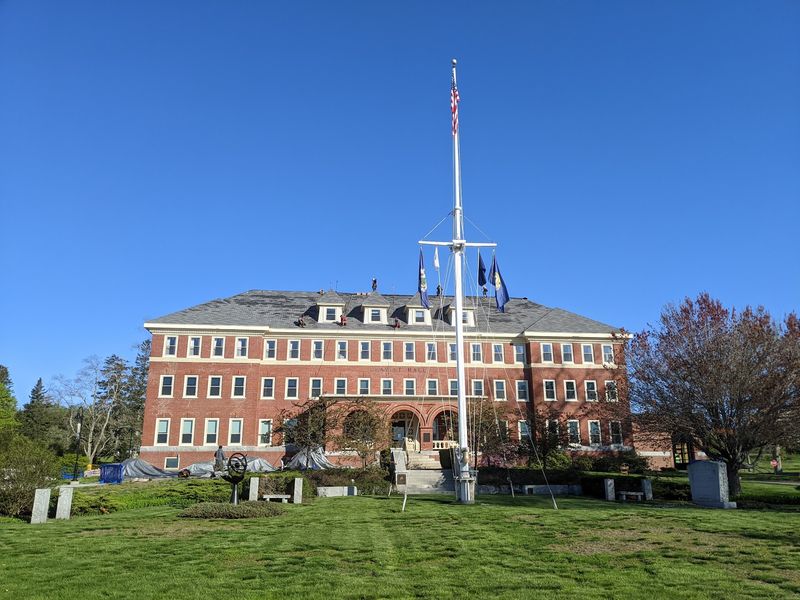
College Raptor ranked Maine Maritime Academy number 8 among Best Value Colleges in the Northeast for 2026. That alone would make a nice brag for any school.
The list keeps going, though. U.S.
News and World Report placed it number 8 in Best Value Schools among Regional Colleges North. Niche named it the number 2 Best Value College in Maine.
Niche also listed it among the best value colleges in America. That’s a lot of trophies for a school in a town of roughly 1,300 people, students included.
Business Insider added another feather to the cap. Its 2026 ranking of colleges with the highest-paid graduates had the academy tied for 26th nationally.
So what does best value actually mean here? Basically, students get a strong return for what they spend.
Good pay after graduation and steady job placement both matter.
Several different ranking groups landing on the same answer feels meaningful. One list could be a fluke, but five starts to look like a pattern.
For families comparing schools, these rankings give a useful starting point. They show that a smaller, focused college can compete with much bigger names on cost and outcome.
Graduates Land Jobs Fast, And The Paychecks Follow
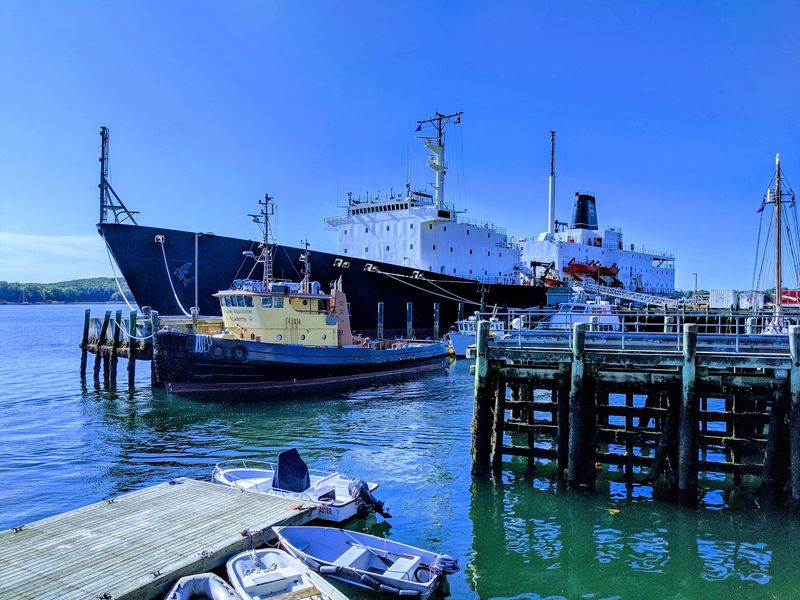
More than 90 percent of graduates find work within 90 to 180 days of finishing school. Plenty of parents would love to hear numbers like that at the dinner table.
The reason comes down to focus. Maine Maritime Academy trains students for real careers in maritime fields, engineering, marine science, and logistics.
Programs like Marine Engineering and Power Engineering Technology lead straight into jobs that need skilled people. Industries that run ships, power stations, and global shipping always need trained workers.
Graduates also report high median earnings. That’s why Business Insider tied the school for 26th nationally among colleges with the highest-paid graduates.
Think about what that means for student loans. A good salary right after school makes paying back debt a lot less scary.
The school offers associate, bachelor’s, and master’s degrees. So students can pick a path that fits their goals and their timeline.
Here’s a practical tip for anyone considering it. Look closely at which majors match your interests, because each one connects to a specific type of career.
A clear plan from day one can save time and money. And around here, the plan usually ends with a job offer.
Your Classroom Might Float Across An Ocean
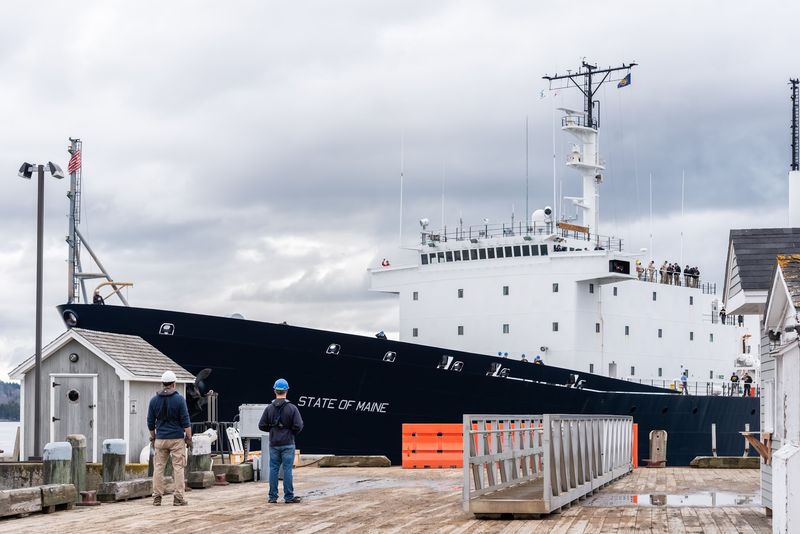
Textbooks are great, but nothing beats learning on a real ship. Students here can earn international sea time aboard the Training Ship State of Maine.
The school’s training vessel is getting a big upgrade. The old ship, the USNS Tanner, is being returned, and a brand-new replacement training ship arrived in 2026.
That’s a serious investment in students. New gear means future mariners learn on modern equipment that matches what the industry uses today.
Sea time isn’t the only hands-on option either. Students can also do cadet shipping aboard commercial vessels and take cooperative education assignments.
That means real work on real ships before graduation. It’s like a test drive for an entire career, only with more saltwater involved.
Fun fact for history buffs. When the academy opened in 1941, its first training ship was a schooner called Mattie.
The jump from Mattie to a modern training ship shows how far the school has come. Its mission of learning by doing, though, has stayed steady for more than 80 years.
If you love the idea of seeing the world while earning a degree, this part of the experience is hard to beat.
A Century-Old Schooner Still Teaches Arctic Lessons
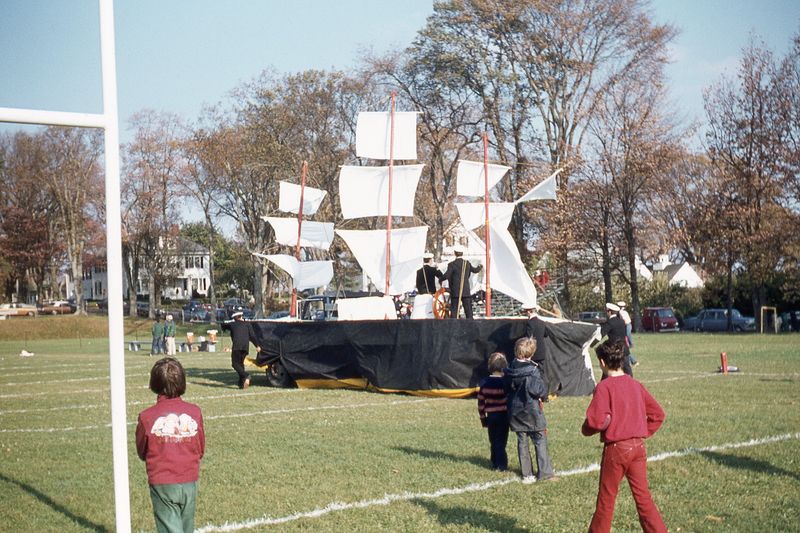
Few colleges can say their teaching tools include an official state vessel. The schooner Bowdoin holds that title for Maine, and it belongs to the academy’s training fleet.
This ship is about a century old. It was built for Arctic exploration, and students still use it for Arctic exploration training today.
That’s a pretty wild thing to put on a resume. Most students write about summer jobs, not sailing a historic schooner with polar roots.
Sailing a wooden ship teaches different skills than running a modern vessel. Students learn teamwork, weather awareness, and old-school seamanship that never really goes out of style.
Plus, there’s something cool about following in such big footsteps. Every voyage connects today’s students to generations of sailors who came before them.
For anyone who likes history mixed with adventure, the Bowdoin is a highlight. It shows that the academy values tradition while still preparing students for modern careers.
Want a tip? If you visit the Castine waterfront, keep an eye out for the ship when it’s in port.
Spotting a tall-masted schooner beside a modern training vessel tells you a lot about this school in one glance.
Simulators Let Students Crash Ships Without Any Damage
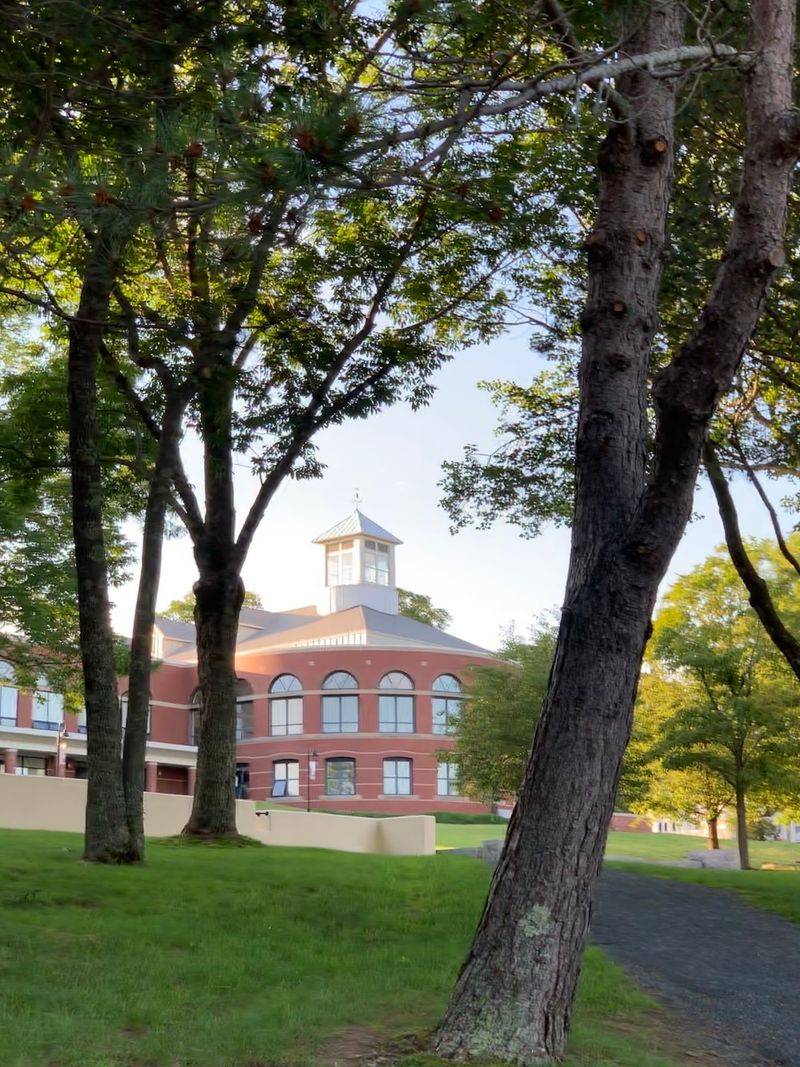
Steering a giant ship into port is tricky. Luckily, students at Maine Maritime Academy can practice on state-of-the-art simulators first.
The 35-acre campus includes simulators for navigation and shiphandling. There are also simulators for power plants and liquid cargo systems.
Mistakes in a simulator cost nothing but a little pride. Mistakes on the open ocean cost a whole lot more, so practice really matters.
The labs go beyond screens and controls. Campus also has specialized laboratories, research vessels, and ocean science labs for hands-on work.
Engineering students get some serious muscle to study too. A 1,200 horsepower diesel engine sits on campus for training.
That’s not exactly the kind of thing you find in a typical college science building. It’s loud, powerful, and perfect for learning how big machines really work.
Marine biology and oceanography students have their own tools as well. The ocean is right outside, which makes field study pretty convenient.
For students who learn best by doing, this setup is a huge plus. You don’t just read about engines and navigation here, you get your hands on them.
Uniforms, Discipline, And A Whole Lot Of Camaraderie
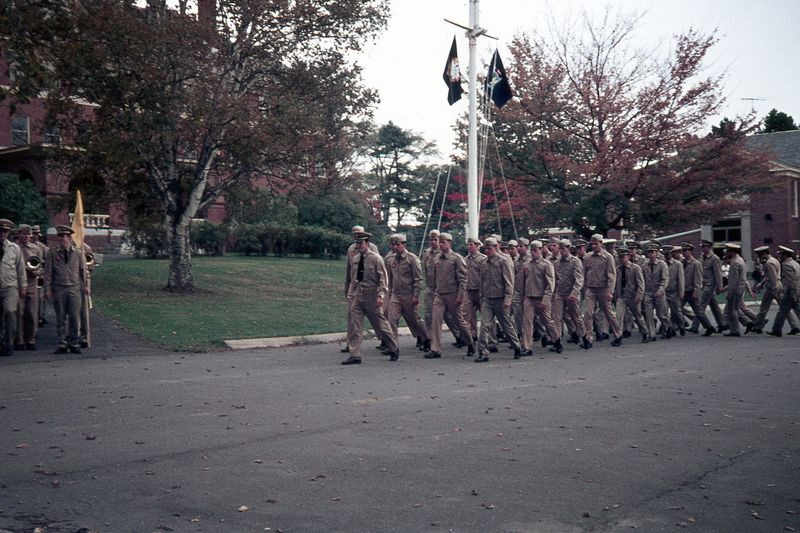
Plenty of students here start the day in uniform. They’re part of the Regiment of Midshipmen, a leadership program built on discipline and teamwork.
The regiment focuses on honor, integrity, and camaraderie. Those are big words, but they boil down to being reliable and working well with others.
Here’s an important detail. The regiment is required for students pursuing unlimited U.S.
Coast Guard licenses.
For other majors, it’s optional. So a marine biology student who prefers a more traditional college life can skip it.
Why would anyone choose more structure on purpose? Leadership skills matter in almost every career, and employers notice people who can handle responsibility.
Life at sea also requires clear rules and quick teamwork. Practicing those habits on land makes the transition to a ship much smoother.
A friendly tip for future students: think honestly about your personality. Some people thrive on routine and structure, while others need more freedom.
Knowing which fits you helps you choose the right major. Either way, the academy gives students a path that matches their goals.
Jumping Off A Ship Is Basically Orientation Week
Most colleges welcome freshmen with pizza and name tags. At Maine Maritime Academy, first-year students jump off the training ship.
The Ship Jump started in 1960. It’s a rite of passage, and it sure beats an icebreaker game for memorable starts.
Then there’s the Junior Ring Dance. It began in 1963, and class rings get ceremonially washed in seawater.
That’s a fitting touch for a school so tied to the ocean. The ring literally gets baptized by the same water students train on.
Even the college seal tells a story. It features an anchor, a propeller, a pine tree, and a sailing vessel.
The anchor and ship stand for maritime studies. The propeller nods to engineering, and the pine tree connects everything back to Maine.
Traditions like these build school pride. They give students shared memories that last long after graduation day.
Fun fact: the school also became co-educational in 1975. Since then, all students have had the chance to make that famous leap.
So if you enroll, maybe start practicing your cannonball now. Style points are not officially scored, but they probably count.
Dorm Life Comes With A Barber Shop And Game Room
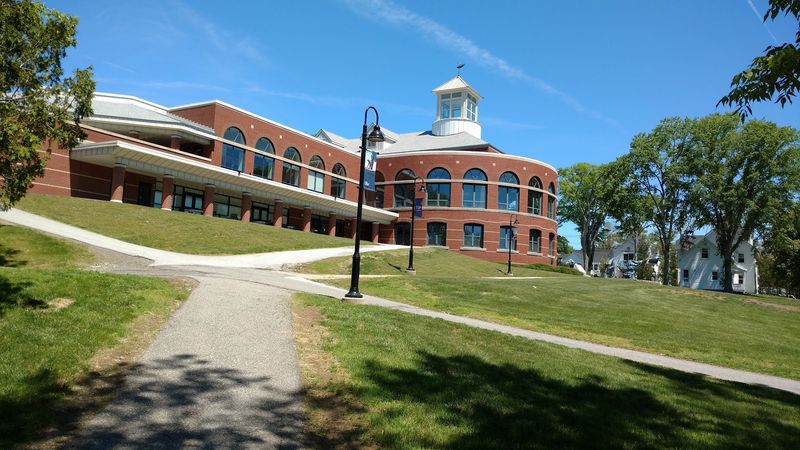
Curtis Hall holds a fun title. It’s the largest co-ed residential facility in Maine, and it’s home base for campus life.
The amenities go beyond beds and desks. Curtis Hall includes a barber shop, a gaming lounge, a computer lab, student lounges, and study spaces.
Need a haircut before inspection? No car trip required.
Meals happen at the Harold Alfond Student Center. It offers dining plus a snack bar for those late-afternoon hunger attacks.
Staying active is easy too. The Oakey Logan Alexander Physical Education Center has the Cary W.
Bok Swimming Pool and a field house.
There’s also cardio equipment and the Ken and Lynn Brown Weight Room. The racquetball courts are currently under renovation.
Golfers get a bonus. A public 9-hole golf course sits right across from campus.
Sports fans can cheer on the Mariners in NCAA Division III. Teams include football, sailing, basketball, soccer, lacrosse, wrestling, volleyball, swimming and diving, and cross country.
Tip for new students: try a sport or club early. It’s the quickest way to make friends at a small school.
Harbor Views And Acadia Make The Neighborhood Hard To Beat
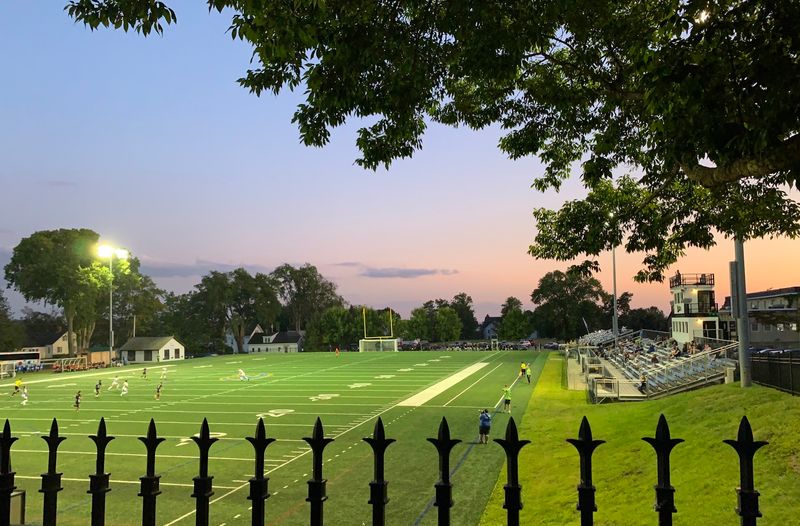
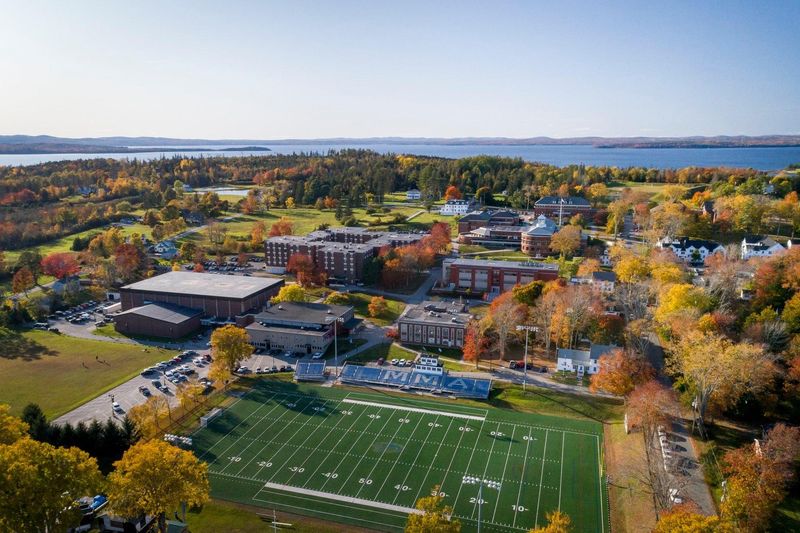
Few college campuses come with a view like this. Maine Maritime Academy sits at 1 Pleasant St, Castine, ME 04420, overlooking Castine Harbor and Penobscot Bay.
Castine is small, with about 1,300 year-round residents counting students. That makes it a close-knit place where the ocean is never far away.
Feeling a little too cozy? Bangor is only 38 miles north, and it has an international airport.
That’s handy for students flying home or families coming to visit. Getting to this corner of Maine is easier than it looks on a map.
Nature lovers get a real treat too. Acadia National Park is within reach for weekend hikes and coastal views.
Planning a campus visit? The administrative offices keep weekday hours, from 8 AM to 4:30 PM, Monday through Friday.
Summer and early fall bring the friendliest weather for exploring the waterfront. Winters in Maine get chilly, so pack a serious coat.
Put it all together and the value story gets even better. Strong careers, hands-on learning, and an ocean view make this small school a big deal.