
This Quiet Arizona Town Is So Far Off The Map That Most Arizonans Have Never Been
A man painted giant, swirling murals on bare desert boulders in 1966, and they still sit out there in the hills. No gallery.
No ticket booth. Just rock, sky, and a dirt road leading to them.
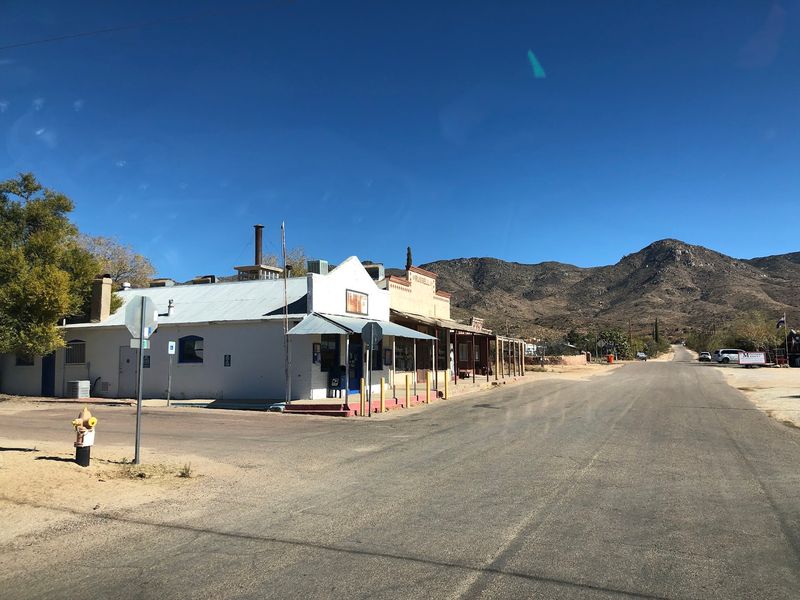
The town below those boulders is even stranger. It is a former silver mining camp in Arizona with only a couple hundred residents.
Yet it claims a title bigger than its population, as one of the oldest continuously inhabited mining towns in the state.
I like how it never tried to become a theme park. Folks simply kept living there, long after the silver boom faded.
I can’t imagine a better reward for a short detour off the highway. So why have so few people in Arizona ever made the turn?
A Silver Camp That Simply Refused To Empty Out
Chloride, Arizona is the kind of place that rewards anyone curious enough to leave the main highway. It sits in Mohave County, in the northwest corner of the state.
The town began as a silver mining camp. Its name comes from the silver chloride ore that drew prospectors here in the first place.
Plenty of Arizona mining camps boomed, then emptied into dusty ruins. Chloride took a different path and kept people living here year after year.
That staying power gives it a rare claim. It is considered the oldest continuously inhabited mining town in Arizona.
Today, Chloride is a census-designated place rather than an incorporated city. The 2020 census counted just 229 residents.
Small numbers, big story. That combination is exactly what makes the town worth knowing.
You won’t find chain hotels or crowded attractions lining the streets. Instead, you’ll find an old mining community that still feels lived in, not staged.
Think of it as a living chapter of Arizona history. The pages just happen to have houses, porches, and mountain views attached.
For travelers who love discovery over polish, Chloride makes a strong first impression. And the details only get more interesting from here.
Mountains, Desert, And One Very Quiet Turnoff
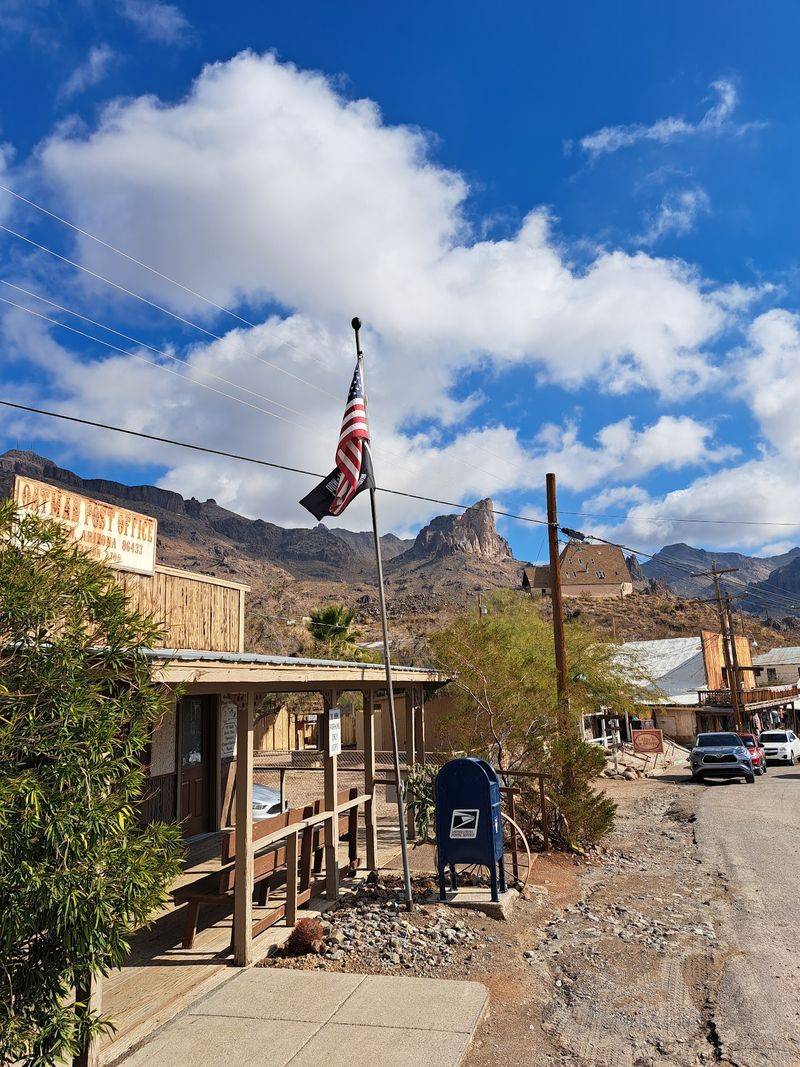
Finding Chloride takes one simple decision. You leave the busy highway north of Kingman and point the car toward the Cerbat Mountains.
The town sits roughly 20 miles northwest of Kingman, off U.S. Route 93.
That road links Kingman with Las Vegas, so plenty of traffic zooms right past.
Most of those drivers never glance at the turnoff. Their loss becomes your quiet afternoon.
The setting is classic Mohave County high desert. Rocky slopes rise behind town, and wide-open views stretch out in front.
Map lovers can find Chloride near coordinates 35.41 north, 114.20 west. The ZIP Code is 86431, which helps when plugging it into a navigation app.
Typing in Chloride, AZ 86431 should get you to the heart of town. From there, the streets are easy to explore at a slow pace.
Distance is part of the charm. Chloride is close enough for a day trip from Kingman, yet it feels far removed from city noise.
That balance matters for anyone craving a low-effort escape. A short drive delivers a big change of scenery.
Bring water, a full tank, and some patience for slower roads. The quiet starts the moment you turn off.
The Ore That Gave A Town Its Name
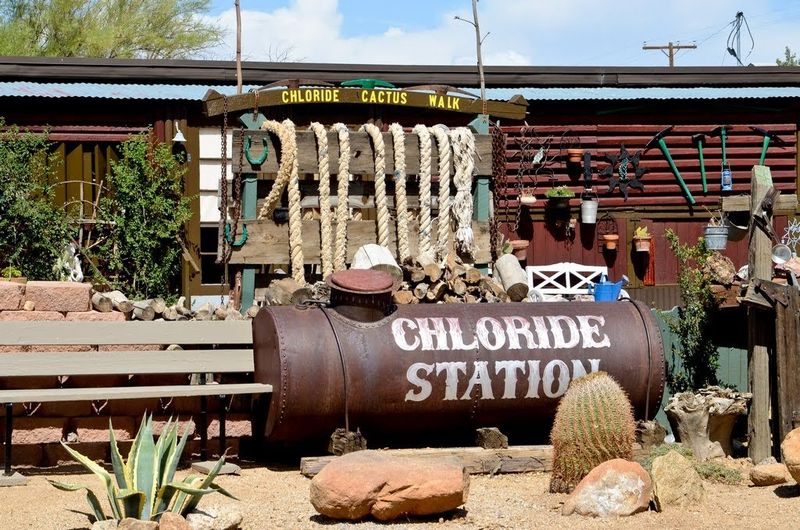
Silver chloride is not a word most people expect on a road sign. Here, it became the entire identity of a town.
Prospectors arrived looking for silver in the Cerbat Mountains. The ore they found carried chloride, and the camp borrowed the name.
That practical naming says a lot about early mining life. People named places after what kept them fed and working.
Mining camps like this often rose fast on hope alone. A promising vein could fill a hillside with tents, cabins, and dreams almost overnight.
Chloride rode those cycles of boom and slowdown for decades. Silver, along with other metals, kept the area busy through different eras.
What makes the story unusual is the ending. Or rather, the lack of one.
Many Arizona camps were abandoned when the ore ran thin. Chloride kept residents around, which is why it is called continuously inhabited.
Walking the town today, you can sense that thread of history. It never fully broke, even when the mines grew quiet.
I believe that continuity is the real treasure here. The silver made Chloride famous, but the people made it last.
Boulders That Became A Giant Outdoor Canvas
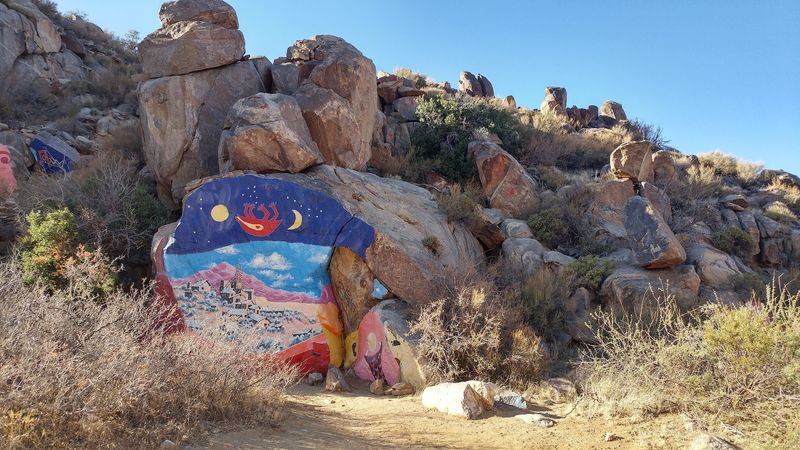
Some art lives behind glass. In Chloride, it lives on boulders in the hills outside town.
Artist Roy Purcell painted a series of large murals on granite rocks there in 1966. The bold, colorful work turned a rocky slope into an open-air gallery.
The murals are often known by the name The Journey. Their swirling shapes and symbols stand out sharply against the tan desert stone.
Here is what makes them so memorable. They sit right in the landscape, with no walls or fences between you and the art.
Seeing paintings this size on natural rock feels surprising. It’s the sort of thing you photograph, then stare at again in person.
The murals are free to view, which fits the town’s easygoing spirit. Your only cost is a little time and some dust on the tires.
Morning or late afternoon light can make the colors pop. Midday sun in summer, however, can feel brutal on those exposed rocks.
For many visitors, these murals become the highlight of the trip. Not bad for a canvas nobody had to frame.
Getting To The Murals Means Embracing A Rough Road
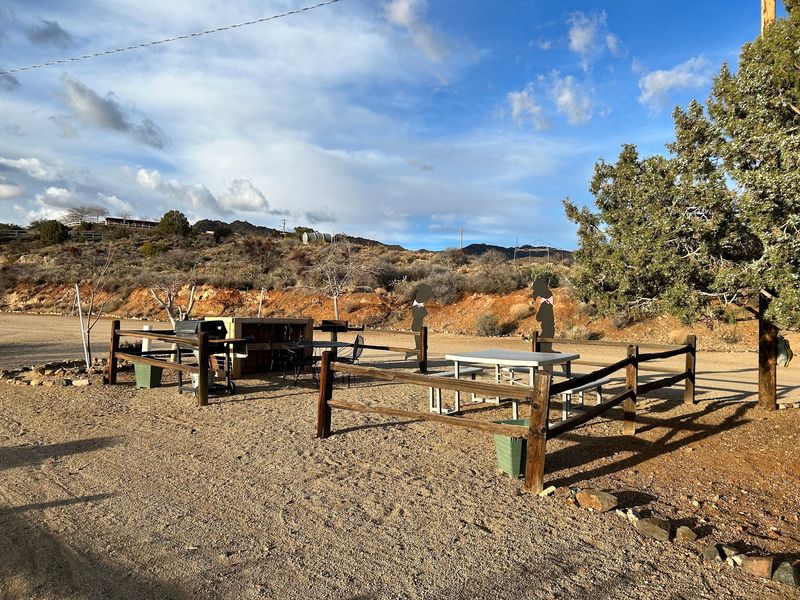
Smooth pavement does not lead to the Purcell murals. A rough dirt road climbs into the hills east of Chloride instead.
That road is part of the adventure. It also deserves a bit of respect before you start bouncing up it.
Conditions on unpaved desert roads can change with weather. Rain may leave ruts, and loose rock can appear where you least expect it.
High-clearance vehicles generally handle this kind of terrain more comfortably. Low cars may struggle, so check conditions locally before committing.
Walking part of the way is another option for some folks. Just carry water and wear sturdy shoes, because the desert does not do shade favors.
Summer heat in Mohave County can be intense. Cooler months make the trip far more pleasant for both people and engines.
Take it slow and enjoy the views along the way. The hills around Chloride offer wide looks across the valley below.
A little effort keeps the murals feeling special. Easy access would probably bring bigger crowds and fewer quiet moments.
Plan ahead, and the rough ride becomes a good story. You’ll earn every bit of that first glimpse of color.
Old Buildings With More Personality Than Polish
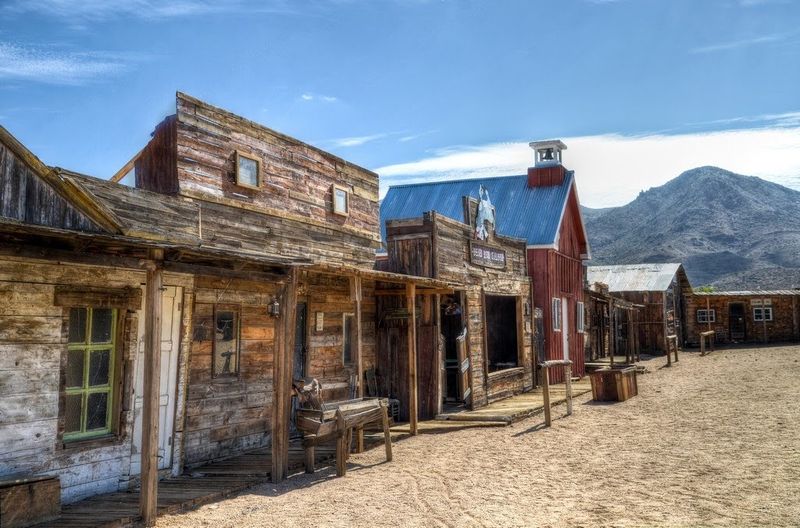
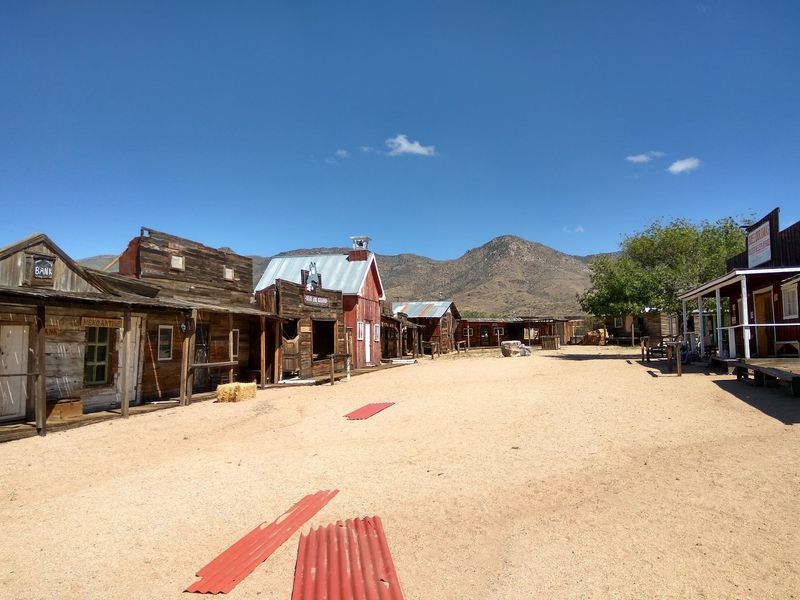
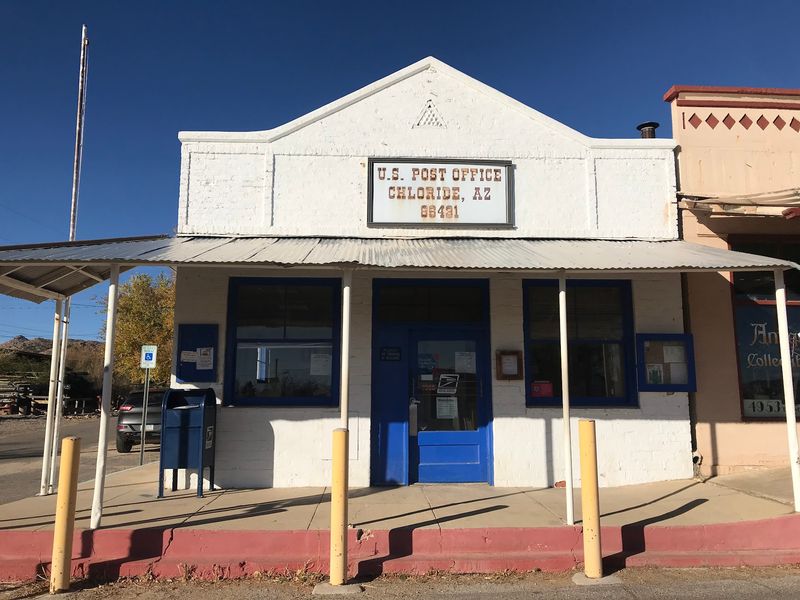
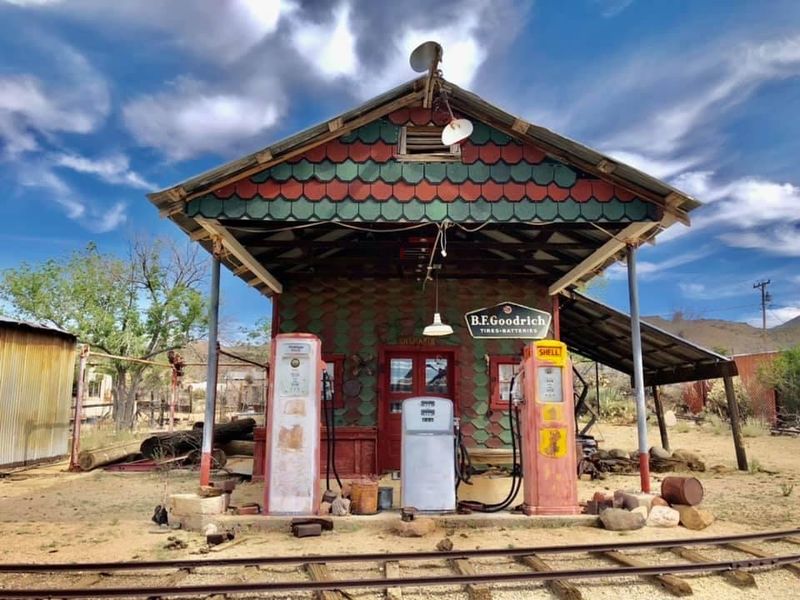
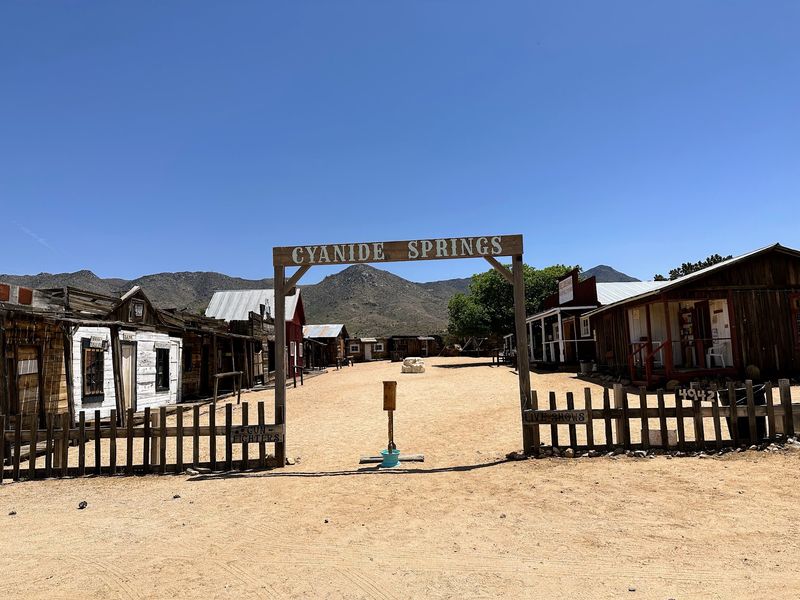
Chloride wears its age openly. Weathered wood, faded paint, and old structures give the town a lived-in, unfiltered look.
Nothing here feels like a movie set built last year. The town grew over a long stretch of time, and it shows.
Wandering the streets is the easiest way to soak that up. You can spot remnants of the mining era mixed with homes people still use today.
That blend is what sets Chloride apart from a typical ghost town. Some buildings are history, while others are simply someone’s front porch.
Please keep that in mind while exploring. Respect private property and stay off anything that isn’t clearly open to visitors.
Photographers tend to love this kind of setting. Textured walls and rustic details make for great shots in soft light.
The quiet adds to the mood too. Without big crowds, small details become easier to notice and appreciate.
I like how the town doesn’t scrub away its rough edges. Those edges are exactly where the stories hide.
A slow stroll might take an hour or an afternoon. Either way, you’ll leave with a camera roll full of character.
Small Population, Surprisingly Big Personality
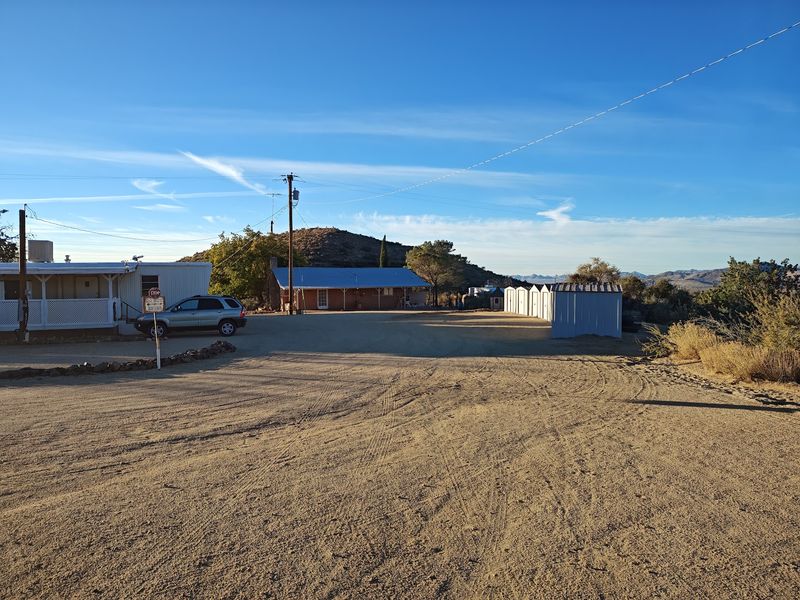
Two hundred twenty-nine. That was the official population count for Chloride in the 2020 census.
A number that small usually suggests a sleepy place with little to see. Chloride flips that expectation in a cheerful way.
The community has kept its identity through decades of change. Residents have helped the town hold onto its mining-camp roots while living modern lives.
That small size shapes the whole visit. Things move slower, and there is room to breathe.
You won’t fight traffic or circle a parking lot here. A relaxed pace is pretty much built into the experience.
For many Arizonans, that slower rhythm sounds like a dream. Quiet streets and mountain views have a strong pull for anyone tired of city bustle.
Remember that Chloride is a real community, not a museum. Being a courteous guest helps keep it welcoming for the next traveler.
Wave, smile, and take your time. Small towns tend to reward good manners.
The tiny headcount ends up being part of the appeal. Fewer people often means more room for genuine discovery.
Rails, Mines, And The Busy Years Long Ago
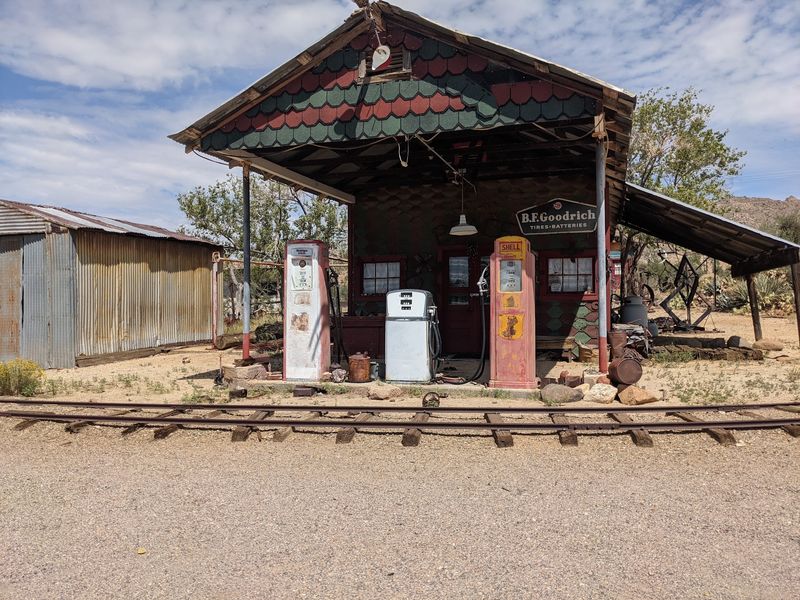
Long before Chloride became a quiet detour, it was a working mining camp. The hills around town held mines that drew workers and investors alike.
Those busy years shaped everything about the place. Homes, roads, and businesses followed wherever the ore led.
Railroads were a big deal for remote mining towns. Rail access helped move ore out and supplies in, which kept camps connected to the wider world.
Life in the Cerbat Mountains was never easy. Heat, distance, and hard labor were part of daily routines.
Still, the promise of silver kept people coming. Each new discovery could breathe fresh energy into the town.
Over time, mining activity rose and fell with market prices. Plenty of camps faded during the slow stretches.
Chloride managed to hang on through those ups and downs. That resilience explains why it still has residents today.
Knowing this backstory changes how the town looks. Those old structures stop being random and start feeling like clues.
Bring that curiosity along on your visit. History lovers can easily spend hours imagining the camp at full steam.
A Free Day Out That Respects Your Wallet
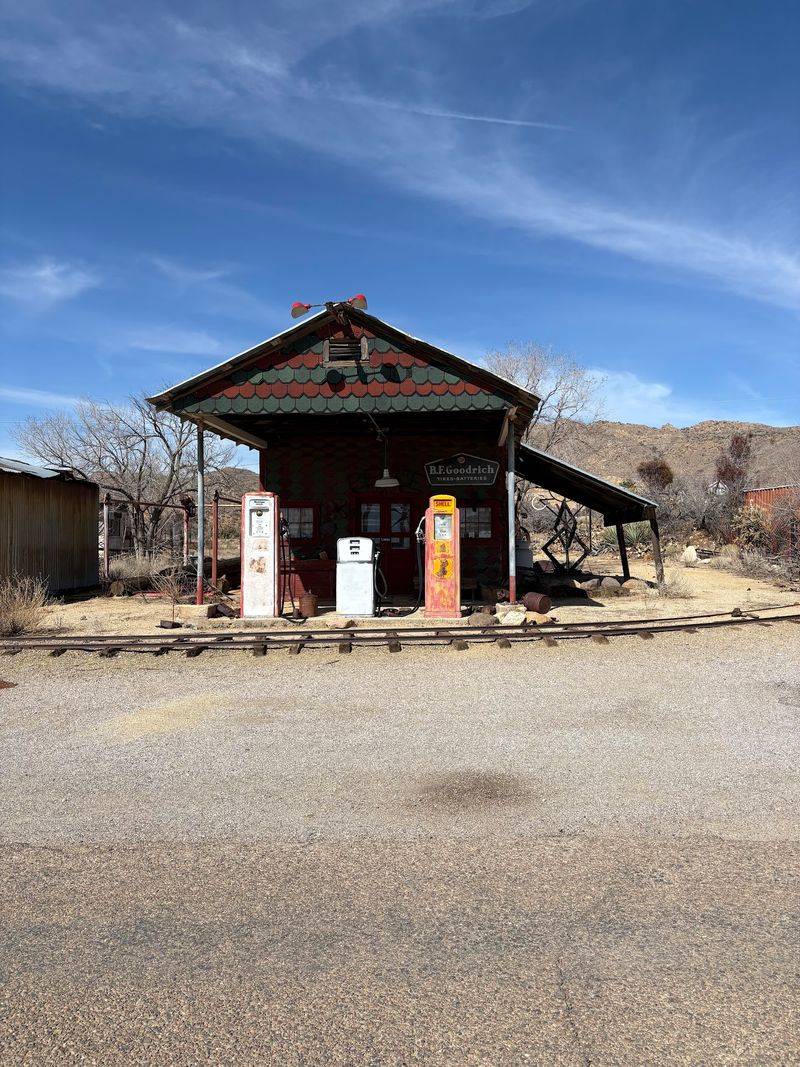
Budget travelers, take note. Much of what makes Chloride special costs nothing at all.
Strolling the historic streets is free. Admiring the Purcell murals out in the hills is free too.
That makes Chloride a smart pick for an affordable Arizona day trip. Your biggest expense will probably be gas.
Pack a cooler with snacks and plenty of water. Services in a town this small can be limited, so planning ahead helps.
This kind of outing suits retirees, couples, and curious families alike. Anyone who likes wandering at their own pace will feel right at home.
Kids may enjoy hunting for the brightest mural colors. Grown-ups may enjoy the history and the peace in equal measure.
Value here comes from experience rather than amenities. You get open views, unusual art, and a real piece of Arizona’s past.
Compare that to pricey attractions in bigger cities. Chloride delivers wonder without draining your savings.
I can’t think of many places offering this much character for so little. It’s a reminder that great trips don’t need big budgets.
The Sky After Dark Feels Bigger Out Here
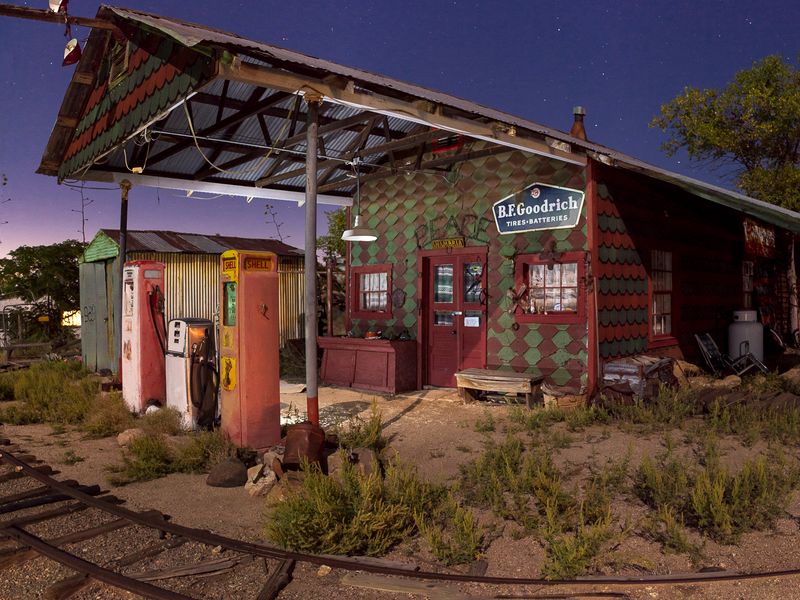
Small towns far from big cities usually come with a bonus. The night sky often looks far richer than it does in town centers like Phoenix.
Chloride sits well away from major urban glow. That distance can make evening skies feel deep and wide.
Clear desert nights in Arizona are famous for a reason. On good nights, stars seem to stack on top of each other.
Sky conditions always depend on weather, moonlight, and local lighting. A new moon usually offers the best chance at a darker view.
If you plan an evening stop, think safety first. Unfamiliar dirt roads are much harder to handle in the dark.
Stick to areas you can reach easily on pavement. Then simply look up and let your eyes adjust.
Summer evenings bring welcome relief after hot afternoons. Cooler seasons may call for a jacket once the sun drops.
A blanket and a thermos of hot cocoa make a cozy setup. No telescope required, though binoculars can be fun.
Watching the sky over an old mining town feels a little magical. Somehow the quiet seems even quieter after sunset.
Who Will Love This Detour The Most
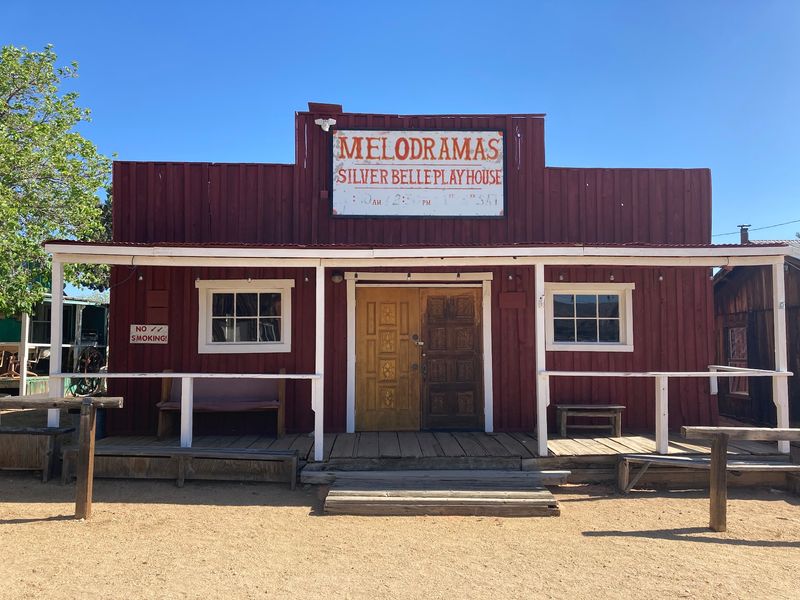
History buffs top the list, no contest. A continuously inhabited mining camp offers layers of story that don’t fit in a textbook.
Art fans will want the murals on their must-see list. Painted boulders in open desert are hard to find anywhere else.
Photographers get texture, light, and big landscapes in one stop. Old wood and rugged hills make cooperative subjects.
Retirees and slow travelers may feel especially at home. The unhurried pace fits people who enjoy lingering rather than rushing.
Road trippers heading between Kingman and Las Vegas have an easy excuse. A short detour turns a long drive into a real outing.
Families with curious kids can enjoy it too. Just plan around heat, bring snacks, and keep expectations simple.
Folks wanting nightlife, shopping malls, or resort pools should look elsewhere. Chloride’s charm lives in its stillness.
That honesty is refreshing. The town doesn’t pretend to be anything bigger than it is.
Tag the friend who always wants to explore back roads. They’ll probably thank you later.
Timing Your Trip Around The Arizona Heat
Season choice can make or break a Chloride visit. Mohave County summers can get seriously hot.
Cooler months, roughly October through April, tend to suit outdoor exploring best. Walking streets and visiting the murals feels far more comfortable then.
Spring can bring pleasant days and fresh desert color. Fall offers mild afternoons and crisp evenings.
Winter days are often comfortable for sightseeing. Nights may run chilly, so a jacket earns its spot in the car.
Summer trips are still possible with smart planning. Go early in the morning, skip midday hikes, and carry extra water.
Shade is scarce up near the painted rocks. Sun hats and sunscreen aren’t optional out there.
Weather can also affect dirt road conditions. Storms may leave rough patches, so check before heading into the hills.
Small towns sometimes host community events that change through the year. Look up current local listings before your trip if timing matters.
Pick your season wisely, and the visit gets easier. Comfort turns a quick stop into a lingering day.
Smart Practical Notes Before You Go
Preparation is simple but important. Chloride is small, remote, and refreshingly low on commercial services.
Fill your gas tank in Kingman before heading north. Fuel and supplies may be limited once you leave the bigger city behind.
Pack water, snacks, and sun protection. These basics keep a relaxed day from turning uncomfortable.
Cell service can be spotty in rural parts of Arizona. Downloading a map ahead of time is a smart move.
Hours for any small local business may vary by day or season. Confirm details directly before planning a meal or shopping stop around them.
Wear comfortable shoes for uneven ground. Dirt paths and rocky slopes are common around town.
Leave the murals and old structures exactly as you found them. Touching or climbing can damage history meant for everyone.
Drive slowly through residential areas. People live here, and quiet streets deserve courteous visitors.
A little planning goes a long way. Chloride rewards anyone who arrives ready to slow down and look around.
Why This Little Mining Town Deserves Your Saturday
Plenty of Arizona destinations shout for attention. Chloride barely whispers, and somehow that makes it more memorable.
It offers a real mining history that never fully ended. People have kept living here through every boom and quiet stretch.
Then come the murals, splashed across boulders since 1966. Few towns can point to art like that in their backyard hills.
Add wide desert views and peaceful streets. The result is a day trip with surprising depth.
Cost stays low, effort stays reasonable, and the payoff feels genuine. That’s a winning formula for any curious Arizonan.
Chloride won’t overwhelm you with attractions. It invites you to notice small details and enjoy the slower pace.
I believe that is exactly why it sticks with people. Quiet places often leave the loudest impressions.
So save this for your next free weekend. Grab a friend, fill the tank, and head toward the Cerbat Mountains.
Most Arizonans have never made that turn off the highway. You could be the one who finally does.