
Leave The Shorts In The Car, Because This Mile-Long Arizona Lava Tube Stays Under 45 Degrees
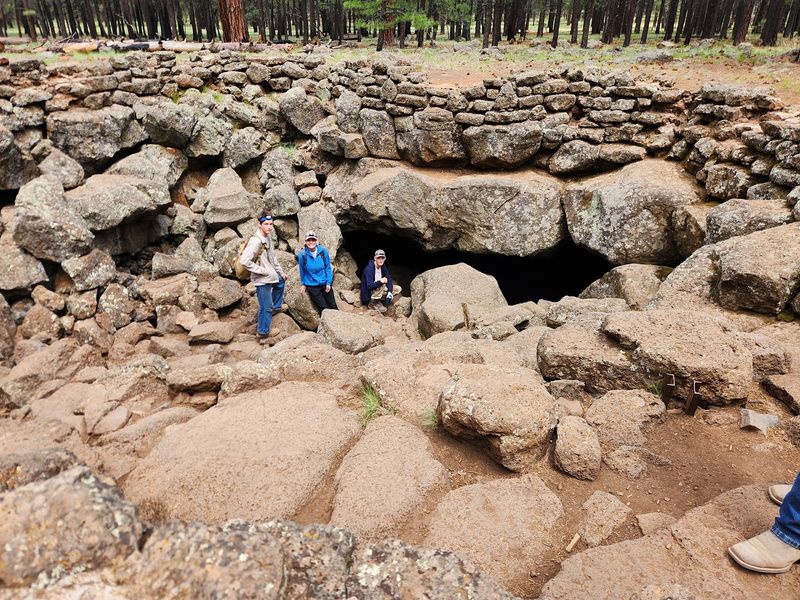
Inside this mile-long tunnel, the air can sit somewhere between 32 and 45 degrees, even when the forest above feels like summer. That’s not air conditioning.
That’s ancient lava doing the work.
A volcanic eruption carved this passage roughly 700,000 years ago. Molten rock drained out and left a hollow tube behind.
Early homesteaders later used the chill to store ice, long before anyone owned a freezer.
I love that a spot like this exists in Arizona, a state famous for heat. You trade sunscreen for a jacket and a headlamp.
Then you climb down into total darkness, with no lights and no railings to guide you.
I can’t imagine a better way to cool off on a warm afternoon. So why do so many drivers zoom right past it?
A Volcanic Tunnel Waiting Under The Pines
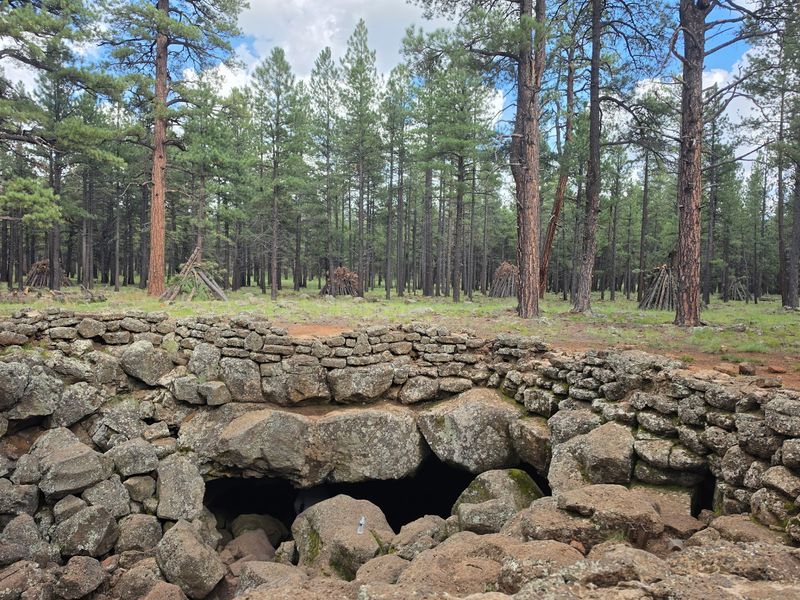
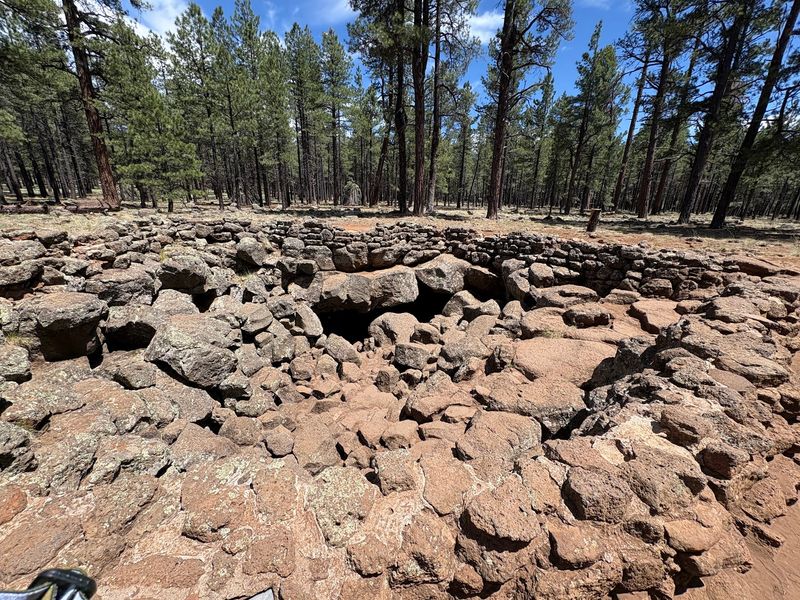
Lava River Cave sits in the Coconino National Forest, northwest of downtown Flagstaff, Arizona. From the outside, it looks like a pile of rocks around a dark opening in the ground.
Step closer and the story changes fast. That opening leads into a lava tube stretching roughly three-quarters of a mile to a mile, depending on who’s measuring.
The Forest Service manages it as a hiking area, not a tour. There’s no gift shop, no guide, and no building at the entrance.
You simply grab your gear and head down. That’s a big part of the appeal for anyone who likes adventures without a velvet rope.
The listing describes it as an underground hiking tube made by lava. Simple description, wildly unusual experience.
Most caves people picture are limestone, full of drippy formations and colored lights. This one formed from fire, so the walls and floors look completely different.
Arizona has plenty of famous landscapes, but few let you walk inside a volcano’s old plumbing. And the best part sits only a short drive from town.
So when you plan your next trip up north, keep this stop in mind. It’s one of those detours that turns into the highlight.
How Hot Lava Built A Natural Refrigerator
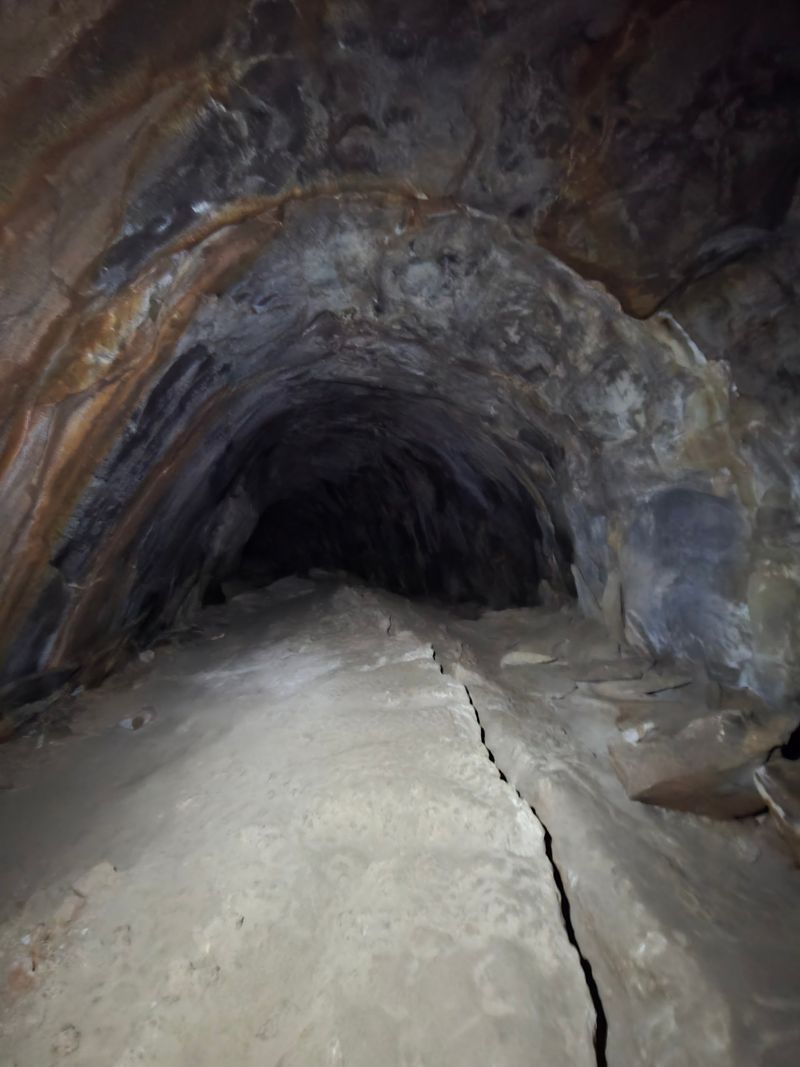
Roughly 700,000 years ago, an eruption near Hart Prairie sent highly fluid basalt lava flowing across the land. The outer layer cooled and hardened first.
Inside, the molten core kept moving like a river. When it finally drained away, it left a hollow tube behind.
Geologists describe that kind of event as surprisingly quick. A process lasting a short time created a passage that has stayed put for ages.
The thick basalt overhead works like insulation. It traps cool air underground and keeps warmer surface air from sneaking in.
That’s why the temperature inside stays so steady through the year. Summer up top barely matters down below.
Lumbermen came across the cave in 1915, according to local history sources. Homesteaders soon found a practical use for that natural chill.
They harvested and stored ice in the cave before modern refrigeration was common. Talk about a clever use of free cold storage.
Knowing this backstory makes the walk feel different. You’re not just hiking through a dark tunnel.
You’re tracing the exact path that liquid rock once traveled. Every bend and ripple is a leftover clue from that fiery afternoon long ago.
The Jacket You’ll Be Glad You Packed
Thirty-two to 45 degrees. That’s the range sources give for the air inside, all year long.
Outside, the forest might be enjoying a warm summer day. A few minutes underground, you’ll feel the drop in a big way.
Temperature and light both fall quickly once you pass the entrance. That sudden switch is part of the thrill.
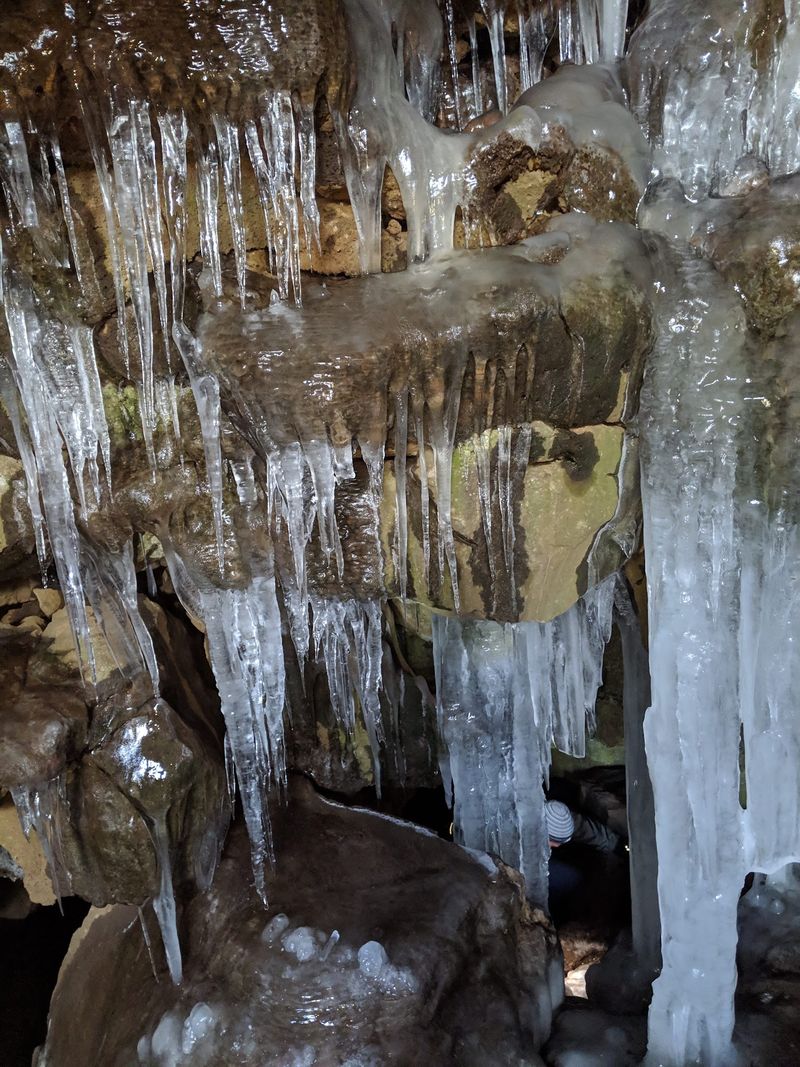
Some years and spots near the entrance can even hold ice, a leftover from winter. Don’t count on seeing it, though, because it isn’t always there.
Here’s the funny twist. Climbing over rocks warms you up, so heavy layers can feel like too much.
A light jacket or sweatshirt usually makes the most sense. You can peel it off when the scrambling gets your heart pumping.
Gloves are a smart extra too. You’ll often grab onto cold, rough rock while climbing up and down.
For valley folks escaping the heat, this place feels like a reward. You get a cool-down that comes from nature, not a thermostat.
Just remember the chill doesn’t care what month it is. Pack for the cave, not for the parking lot.
Scrambling Down The Boulder Pile Entrance
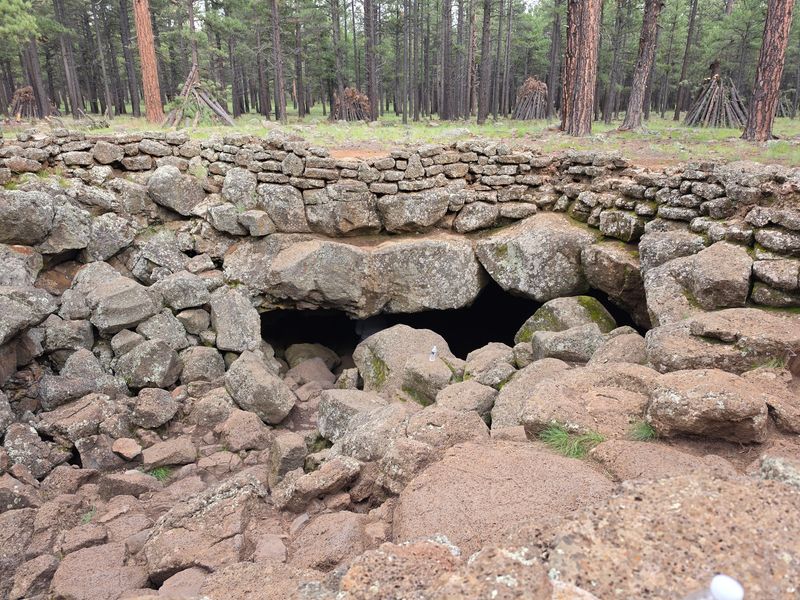
Nobody strolls into this cave. The entrance is a steep scramble over large, loose rocks.
Some of those rocks shift under your feet. The surface can also be wet and slippery, so slow and steady wins here.
The first stretch, about a fifth of a mile, is the roughest and slowest part. After that, the path mostly levels out.
Mostly level doesn’t mean smooth, though. The floor mixes broken flat rocks with solid sections and sharp, spiky lava.
Ankles take a beating if your shoes are flimsy. Sturdy hiking boots with good traction are the way to go.
Sandals and foam clogs are a gamble you shouldn’t take. The rock is rough enough to chew up weak soles.
Coming back out means climbing up that same boulder pile. It’s a workout, and you may feel warm by the top.
Still, plenty of hikers in average shape handle it fine. Taking your time matters far more than speed.
Think of the entrance as the price of admission. Pay it carefully, and the cave opens up into something wonderful.
Bring Light, Then Bring Even More
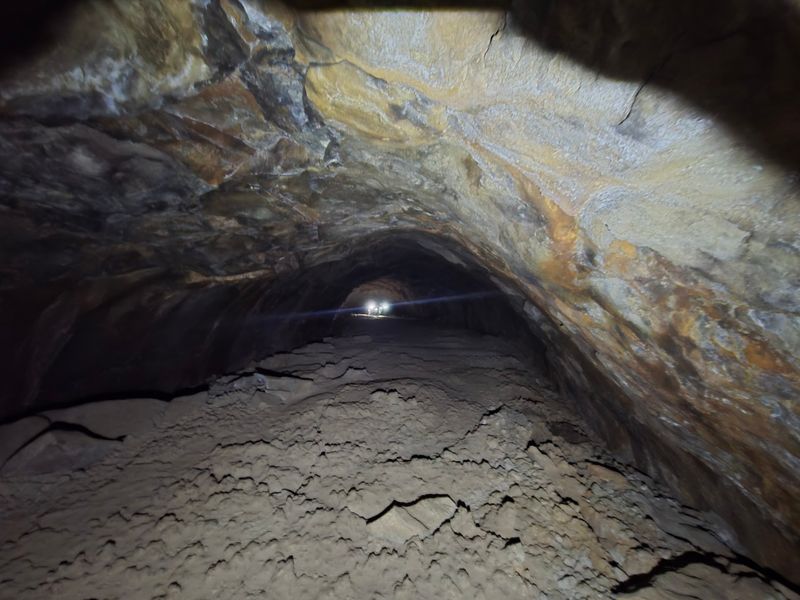
Darkness down here is total. There are zero lights inside, and daylight fades within a few hundred feet.
Sources recommend at least two, preferably three, light sources per person. A headlamp plus a strong flashlight is a popular combo.
Headlamps keep your hands free. That matters when you’re balancing on loose rocks or grabbing the wall.
Phone flashlights are a weak backup. Batteries drain, and that little beam gets swallowed by the huge black space.
Even powerful headlamps can feel small in the wider rooms. The dark basalt seems to soak up light.
Extra batteries are cheap insurance. Toss a spare set in your pocket before heading down.
Showing up without proper lights changes the whole trip. Some visitors turn back early because they simply can’t see well enough.
A helmet is another smart pick. Low ceilings and sharp formations have a way of finding foreheads.
Once you’re properly lit, the cave becomes a playground. You’ll spot ripples, textures, and shapes that a dim beam would miss.
Gear up right, and the darkness turns from scary to spectacular.
Ripples, Lavacicles, And Ceilings That Keep Changing
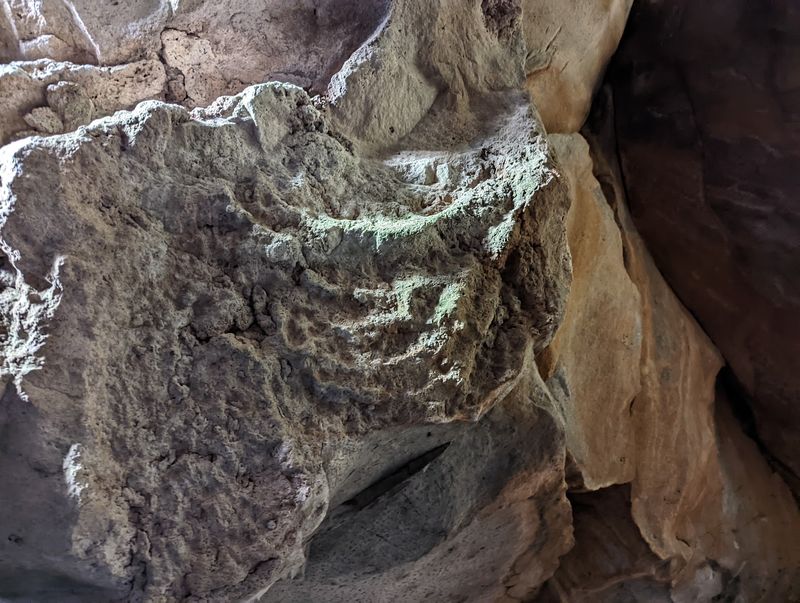
Forget stalactites. Lava River Cave shows off features made by molten rock, not dripping water.
Look down and you may see flow ripples. Those wave-like patterns formed as the last trickles of lava cooled on the floor.
Look up and watch for lavacicles. They’re small stony drips that hardened while hanging from the ceiling.
The walls carry smooth, ropey basalt textures too. Each one is a frozen record of rock that once flowed like syrup.
Ceiling height is a moving target. Some sections soar more than 30 feet overhead, giving you plenty of breathing room.
Other stretches shrink to just a few feet. Taller hikers will be ducking and crouching through them.
Generally, the passage gets bigger the deeper you go. That opening-up moment after the rocky start feels pretty grand.
Bright lights reveal far more detail than you’d expect. Sweep your beam slowly across the walls and ceiling.
It’s a little like reading a geology textbook written in stone. Except this one surrounds you, and the classroom stays chilly year-round.
That Famous Fork In The Middle
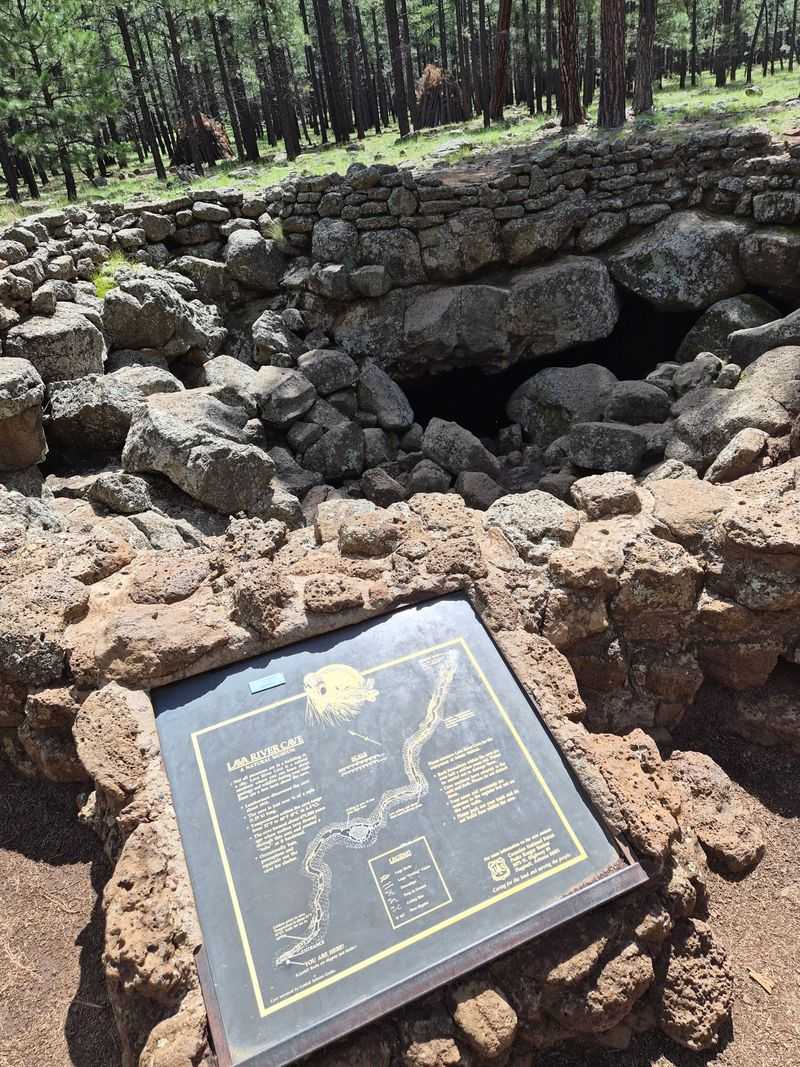
Partway in, the main passage splits. This Y-shaped section is one of the cave’s most talked-about quirks.
The two tubes rejoin and continue as one, creating a loop. In total darkness, that can get confusing fast.
Hikers often suggest picking the left side if you’d rather crouch less. The right side includes tighter spots where some crawling may be needed.
Either way, pay attention to where you came from. Every wall looks similar when your only guide is a headlamp.
A quick glance back at the junction helps. Some people note a landmark rock before moving on.
Near the far end, there’s a small crawl space. Kids often love it, while claustrophobic grown-ups may happily wave from outside.
The round trip usually covers around two miles. Most hikers spend one to two and a half hours, depending on pace.
Slower walkers shouldn’t feel rushed. Careful footsteps beat a twisted ankle every time.
Finding your way through the fork adds a mini puzzle to the hike. It’s a fun bit of navigation, as long as you keep your bearings.
Good News For Families And First-Time Cavers
Kids as young as five and six have completed this hike. That says a lot about how approachable it can be.
Young explorers often hop down boulders faster than the adults. Grandkids leaving grandparents behind is basically a tradition here.
First-timers tend to find it beginner friendly once past the entrance. The hardest part comes early, then things calm down.
It’s still a real hike, not a paved path. Expect uneven ground, cold air, and no accessibility features.
People with knee trouble have made it by going slowly. Patience turns a tricky trail into a doable one.
Anyone uneasy in tight, dark spaces should think it over. Low ceilings and blackness can feel intense.
Outside the cave, there are picnic benches and more trails to explore. That makes it easy to build a whole outing around the visit.
Families from the Phoenix area often come for exactly this kind of change. Something new, a little wild, and pretty affordable.
Gloves for small hands are a nice touch. So is a snack waiting in the car for the climb back out.
Dirt Roads, Cattle Gates, And A Small Day Fee
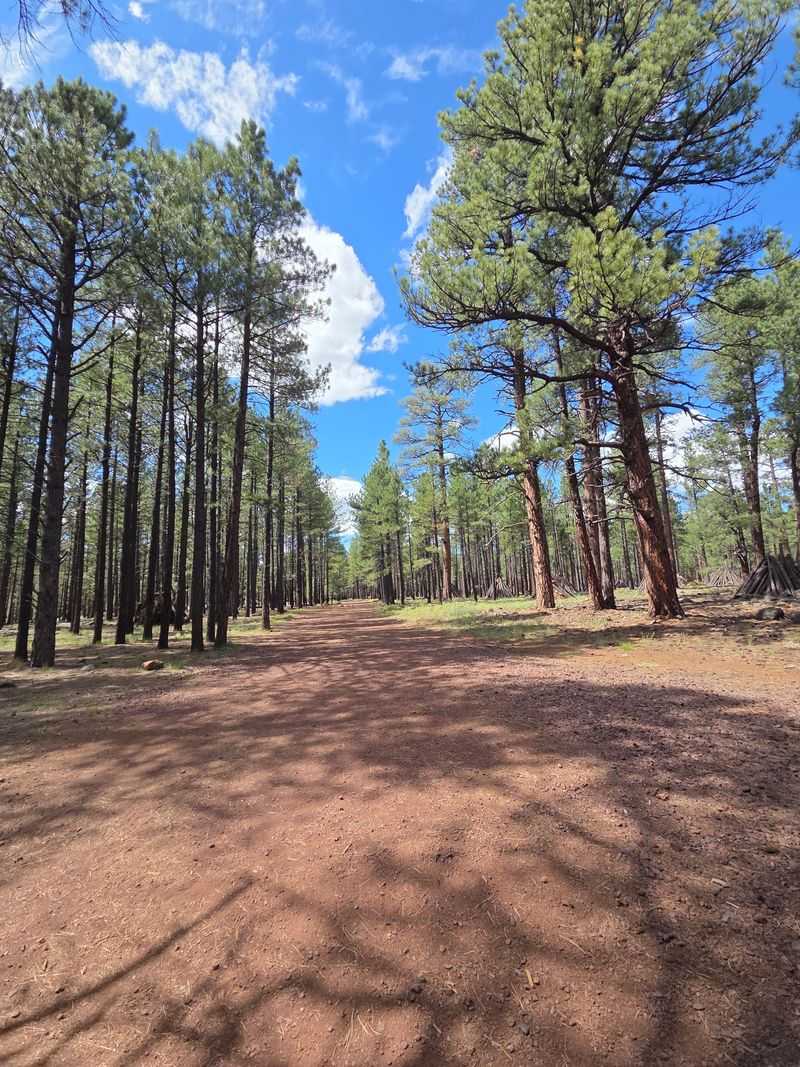
Getting there is half the adventure. Head northwest from Flagstaff on Highway 180, past the turnoff for Arizona Snowbowl.
Turn left on Forest Road 245 for about three miles. Then go left on Forest Road 171 for roughly a mile.
A final left onto Forest Road 171B brings you to parking. The listed address is 171B Forest Rd, Flagstaff, AZ 86001.
The dirt roads can be bumpy and narrow. Regular cars and small SUVs typically manage when conditions are dry.
You may pass through cattle pastures with gates along the way. Close them behind you, please.
A modest day-use fee applies, payable in the parking lot. Card payment is available, and an America the Beautiful pass works here too.
Restrooms sit at the parking area. Still, a stop in town first is a smart move.
The site is listed as open 24 hours. Forest roads, though, can change with the weather.
For a cheap Arizona day trip, this one’s hard to beat. Low cost, big payoff, and great forest views on the drive.
Winter Changes The Trip, Not The Temperature
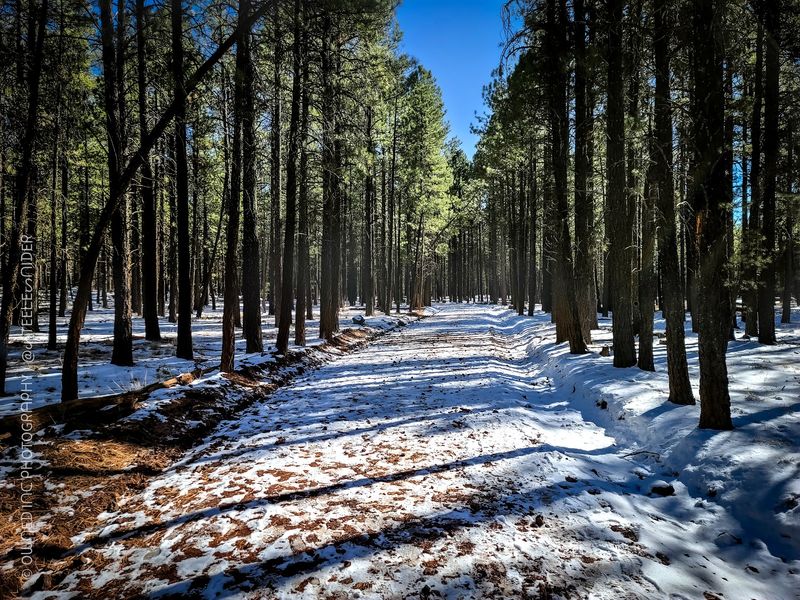
Snow season brings a twist. Forest Roads 245 and 171 close in winter because of snow and mud.
That means a much longer approach. Visitors may need to hike, ski, or snowshoe several miles from Highway 180.
The cave itself barely notices the season. Inside, the air stays in its usual chilly range.
Late spring through early fall usually offers the easiest access. Roads are typically open and drier then.
Summer visits deliver the biggest contrast. Going from warm sunshine into cave cold feels almost magical.
Autumn brings golden aspens to the drive around Flagstaff. It’s a lovely bonus before heading underground.
Checking with the Flagstaff Ranger District before you go is wise. Road conditions can shift quickly in the high country.
Winter adventurers who make the trek earn some serious bragging rights. Just pack extra warm layers for the journey both ways.
Whatever month you pick, the cave is waiting. The season simply decides how much work you’ll do to reach it.
Plan smart, and every time of year can work.
Leave It Better Than You Found It, Then Go
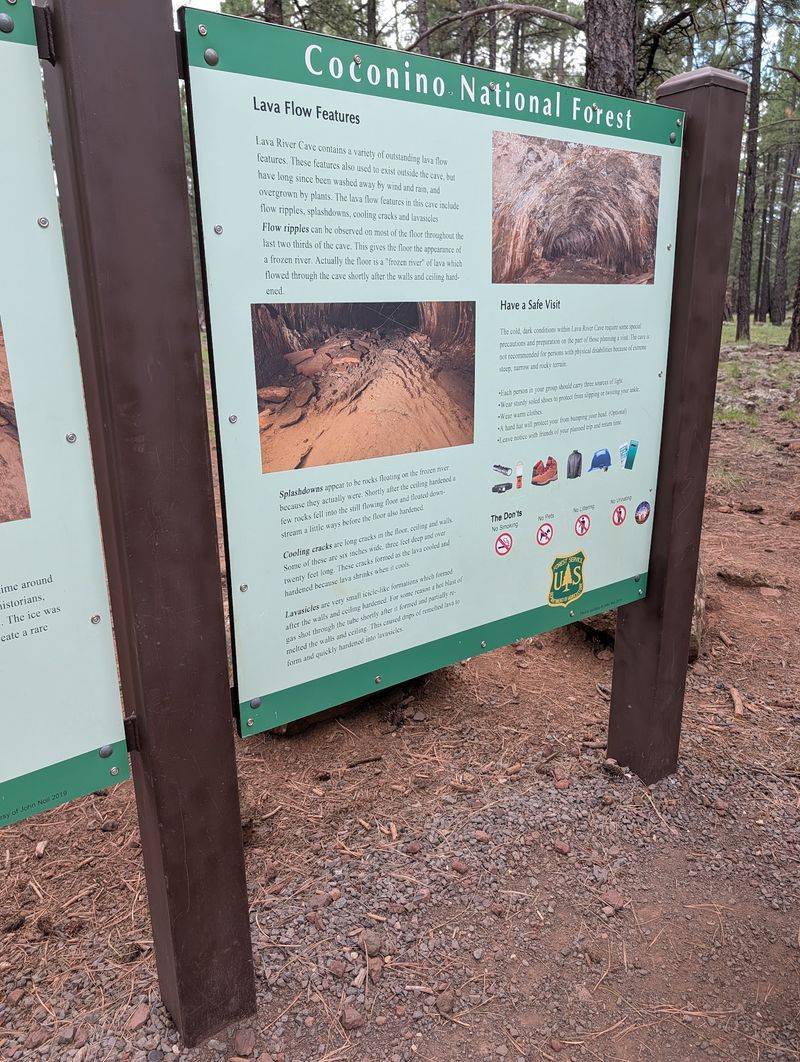
Old lava deserves a little respect. The Coconino National Forest asks visitors to follow Leave No Trace principles here.
Pack out everything you bring in. Marking or defacing the walls is prohibited, and sadly some graffiti already exists near the end.
Dogs and other pets aren’t allowed inside the cave. Camping is also off-limits within one mile of the entrance.
Those rules keep the tube looking wild for whoever comes next. Plenty of visitors find it clean and quiet, which is worth protecting.
So is it worth the detour? I believe it is, especially for anyone craving something genuinely different in Arizona.
You get ancient geology, a natural cold escape, and a small dose of adventure. All for a modest fee and a bumpy drive.
The cave also fits nicely into a bigger volcanic day. Sunset Crater Volcano National Monument belongs to the same San Francisco Volcanic Field.
Pack your lights, lace up your boots, and grab a jacket. Then tag the friend who always complains about the heat.
They’ll thank you once that first cold breath hits.