
These 10 Washington Craft Schools Still Teach Old-Fashioned Skills You Learn With Your Own Hands
A school in Washington will hand you an accredited college degree for building wooden boats. Not designing them on a screen.
Building them, plank by plank, with your own two hands.
That detail stopped me cold. It also sent me looking for more places like it, and I was thrilled by what turned up.
Across Washington, you can still learn to swing a hammer over glowing steel. You can carve wood with a chisel, saw silver into a ring, or shape molten glass at a school founded in 1971.
Some classes last a single day. Others last a full year.
I love that these skills refuse to fade away. They need patience, a little sawdust, and maybe a scorched apron.
So which one would you try first: the forge, the loom of tradition, or a boat that floats because you built it?
1. Northwest School of Wooden Boatbuilding
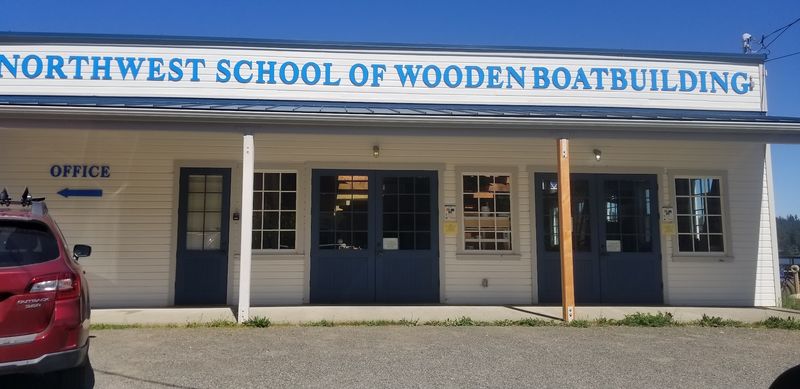
Plenty of schools teach you to draw a boat. Down on the Olympic Peninsula, this one expects you to build the real thing.
The Northwest School of Wooden Boatbuilding is a non-profit, post-secondary school with serious credentials. Its programs are accredited through the Accrediting Commission of Career Schools and Colleges.
The headline program is a full-time, 12-month Associate of Occupational Studies degree in Wooden Boatbuilding. Yes, an actual degree for shaping timber into vessels that float.
Students describe the year-long programs as packed with hands-on experience. That makes sense, since the motto is Make a Living, Craft a Life.
There’s more than hulls and planks, too. A 9-month Comprehensive Diploma Program in Marine Systems covers the working guts of a boat.
Already own a boat or work in the industry? Five-day Marine Systems Intensives offer a shorter way to sharpen your skills.
Money questions come up fast with a full-time program. Federal financial aid and GI Bill education benefits are available for the 12-month and 9-month programs for those who qualify.
Planning a peek at the campus? Appointments are required, and the office keeps weekday hours.
Port Hadlock sits near Port Townsend, so the salty maritime spirit runs deep here. Few places in Washington pair old-school craft with a career path quite this neatly.
Address: 42 N Water St, Port Hadlock-Irondale, WA 98339
2. Port Townsend School of Woodworking
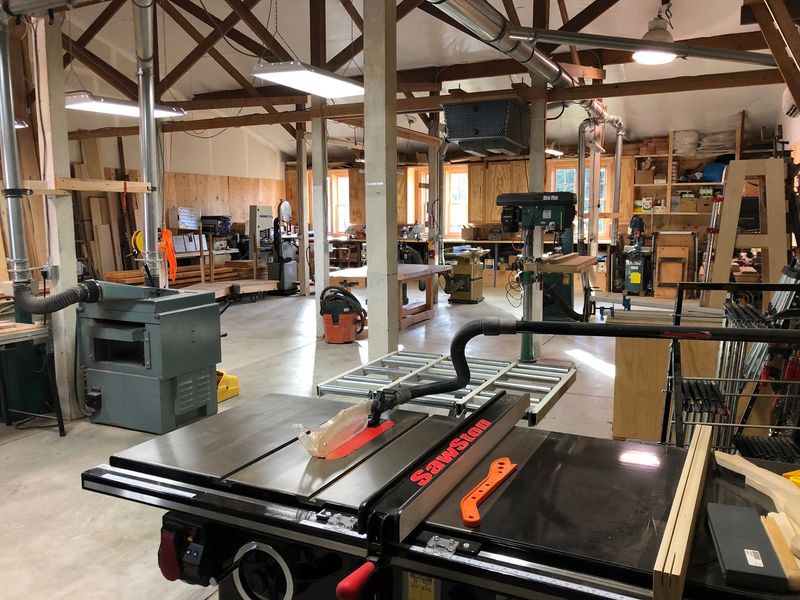
Old military buildings make surprisingly good homes for sawdust. At Fort Worden in Port Townsend, a woodworking school fills its days with the smell of fresh-cut lumber.
The Port Townsend School of Woodworking offers weekend, week-long, and 12-week courses. That range lets you dabble on a Saturday or commit for a whole season.
The menu of topics runs wide. You’ll find indigenous carving, woodturning, and furniture design and build.
Classes cover both hand tools and machine tools. Students often stack several courses over time, building skill one project at a time.
That slow, steady approach fits the school’s mission nicely. It aims to inspire a lifelong respect for craftsmanship and a passion for creating.
Think of it as a gym membership for patience. Your hands get stronger, and so does your eye for a clean joint.
Cost can stop people before they start. Scholarships are available for selected applicants, and GI Bill benefits may be used on selected courses.
The school also keeps a gender-neutral restroom on site. Small touch, but it shows the welcome mat is out.
Port Townsend is famous for Victorian charm and waterfront views, so a class here doubles as a getaway. Few Washington weekends end with a handmade cutting board or stool riding home with you.
Address: 200 Battery Way, Port Townsend, WA 98368
3. Arbutus Folk School
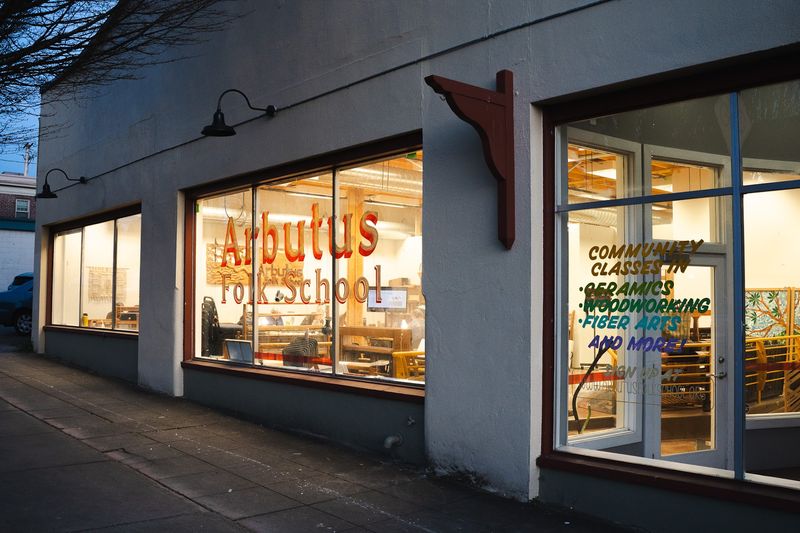
Flintknapping and knitting under one roof? Olympia has a folk school that refuses to pick just one old skill.
Arbutus Folk School is a non-profit with year-round classes, workshops, events, and artist residencies. Its mission is to enrich lives and build community through hands-on learning in arts, craft, and culture.
The class list reads like a pioneer’s to-do list. Pottery wheel throwing and handbuilding share space with woodworking and woodturning.
Fiber fans get a real treat here. Wheel spinning, weaving, natural dyeing, knitting, felting, and embroidery all show up on the roster.
Then things get delightfully rugged. Basket weaving, blacksmithing, flintknapping, leather working, and bookbinding round out the offerings.
Glass arts and music join the mix too. Folk and traditional arts sit right at the heart of the program.
That variety makes this spot great for the curious sampler. Try felting this month, then test your nerve at a forge next season.
Office hours are short and weekday-only, so plan questions accordingly. Parking options include a free lot and free street spots nearby.
Olympia is Washington’s capital, but this school feels more like a village craft fair that never packs up. Bring curiosity and leave with something you made yourself, maybe even a stone tool.
Address: 705 4th Ave E Ste 101, Olympia, WA 98506
4. Pilchuck Glass School
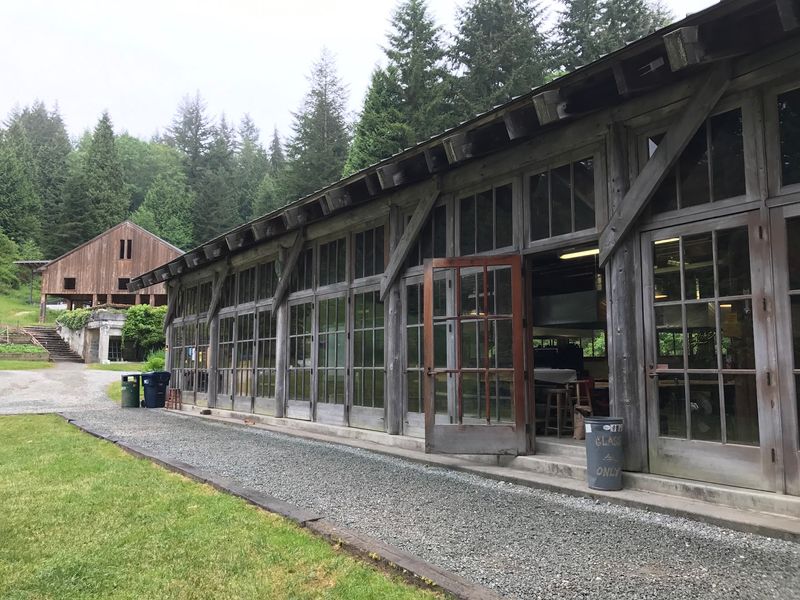
In 1971, a famous glass artist and two patrons started something big in the woods. Dale Chihuly, Anne Gould Hauberg, and John H.
Hauberg founded Pilchuck Glass School that year.
Today it calls itself an international center for glass art education. That’s a bold title, and the school’s long history backs it up.
The campus sits in a rural, wooded setting near Stanwood. It’s a far cry from a city storefront, which adds to the sense of adventure.
Workshops cover hot glassblowing and furnace sculpting. Imagine coaxing a blob of molten glass into shape while the heat hums nearby.
Prefer something calmer? Traditional stained glass assembly is part of the instruction too.
Beginners aren’t left out. One-day stained glass classes let first-timers design their own piece and carry it home.
That’s a pretty great payoff for a single day. You walk in nervous and leave with art that catches the light.
Glass has a reputation in Washington, and this school helped build it. Learning here feels a bit like taking piano lessons in a concert hall.
Check the school’s schedule before you go, since programs vary by season. Then pick your medium: blazing hot or cool and colorful.
Address: 1201 316th St NW #7190, Stanwood, WA 98292
5. Bainbridge BARN
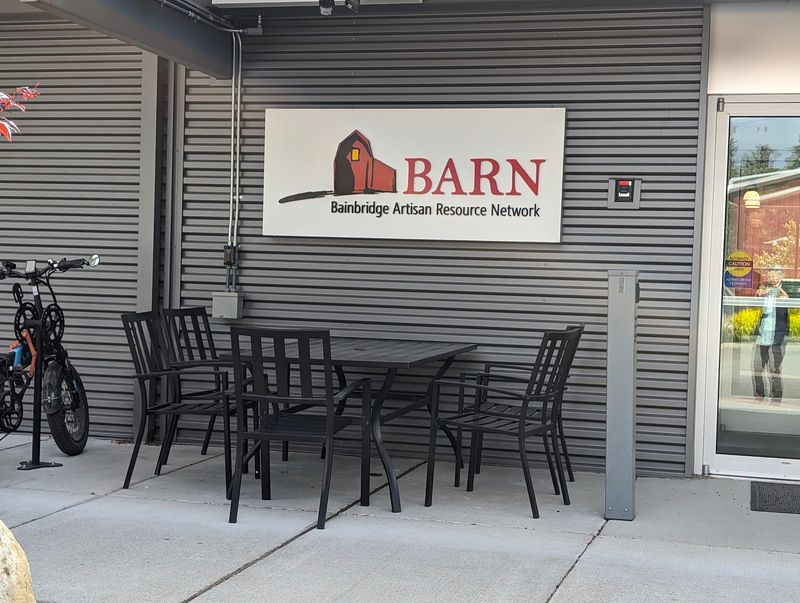
BARN stands for Bainbridge Artisan Resource Network, but the nickname tells you plenty. Think big, shared, and full of tools.
This non-profit makerspace has studios for crafts from Book Arts to Woodworking. You can take a class, work on your own project, or teach others what you know.
That last part is my favorite. Skills pass from neighbor to neighbor here, which is how crafts survived for centuries.
Instructor-led courses include traditional bookbinding and woodworking. Textile arts fill out the lineup nicely.
Mosaic jewelry making shows up too. It’s a fun pick if you want something small, shiny, and finished by the end of class.
The studios are well equipped, so you won’t need a garage full of gear. Just show up ready to tinker.
Timing matters if you like elbow room. Afternoons on weekends and midweek get busy, while Monday mornings run quietest.
The space is LGBTQ+ friendly and a transgender safespace. It also offers a gender-neutral restroom and a free on-site parking lot.
Getting to Bainbridge Island from Seattle often means a ferry ride across Puget Sound. Honestly, that boat trip makes the whole outing feel like a mini vacation with homework you’ll love.
Address: 8890 Three Tree Ln NE, Bainbridge Island, WA 98110
6. North Central Washington Woodshop
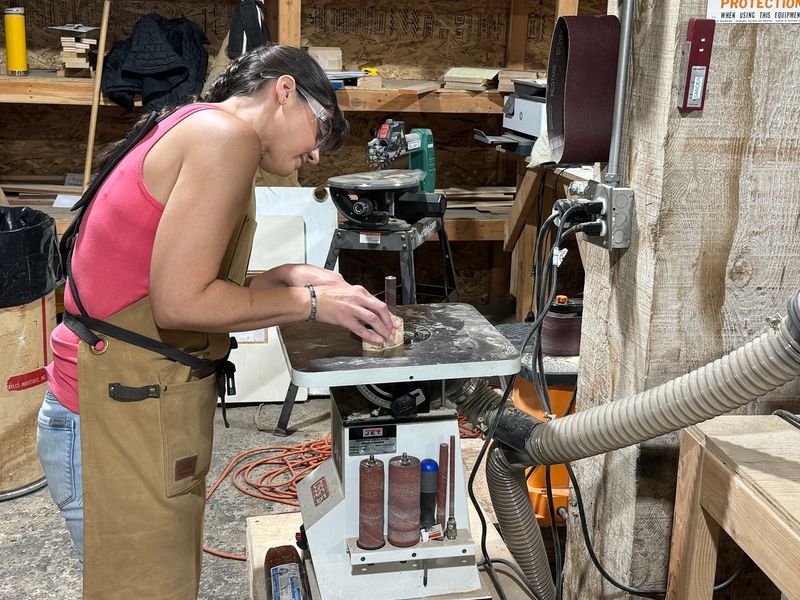
Some people join a gym to build muscle. In Cashmere, you can join a woodshop to build furniture instead.
NCW Woodshop even describes itself that way. It’s a makerspace for woodworkers with memberships and classes, much like a fitness club.
Members are expected to work safely and on their own. If you’re not there yet, the shop suggests classes first.
Supervised open shop time is another option. It’s a smart bridge between total beginner and confident maker.
The Beginner class series runs about five weeks. By the end, students finish a real project and learn to use the shop’s tools safely.
Workshops cover many techniques, interests, and skill levels. Lessons mix power tools with traditional joinery, the old method of fitting wood together.
Couples and friends take classes together here, which sounds like a great date idea. Way better than another movie night.
Hours are weekend-only, Saturday and Sunday. That makes it easy to fit into a weekend escape.
Cashmere sits in central Washington, east of the Cascades and close to Leavenworth. Pair a class with a stroll around this small town, and your Saturday suddenly smells like cedar.
Address: 101 Railroad Ave Ste 101A, Cashmere, WA 98815
7. Master’s Carving School
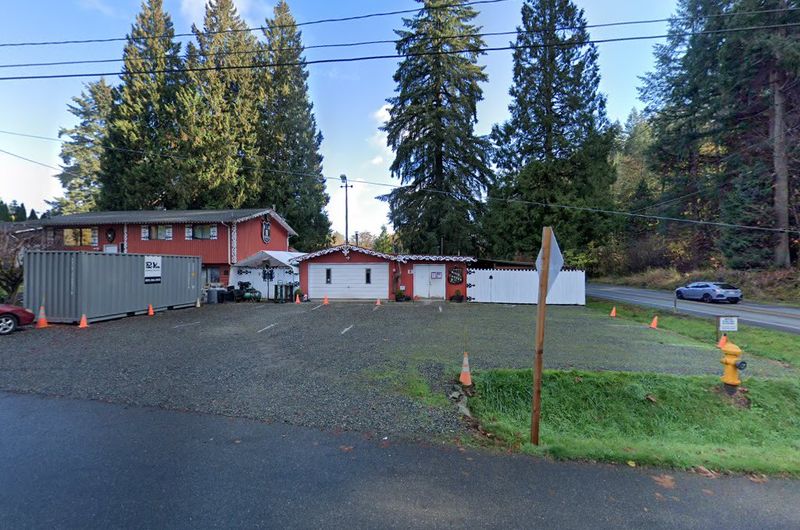
A sharp chisel and a block of wood can teach more patience than any app. Renton has a school devoted to exactly that lesson.
Master’s Carving School And Art Club offers carving classes for all skill levels. Beginners and advanced artists both have a seat at the bench.
Class sizes stay small and comfortable. That means more one-on-one help and fewer moments of wondering what to do next.
Students learn foundational chisel control and tool sharpening. Sharpening sounds dull, pun intended, but it’s the secret behind clean cuts.
From there, sculpting techniques take over. The goal is to carry you from entry level toward skills a real craftsman would use.
That steady path suits folks who like seeing progress. Your first piece may be humble, and your fifth could surprise you.
Schedules are specific, so plan ahead. Classes run Monday, Tuesday, and Thursday, with both morning and evening sessions.
Evening options help if you work days. Morning sessions could suit retirees looking for a new hobby with real staying power.
Renton sits just southeast of Seattle, an easy drive for much of the region. Wood carving rarely gets this much focus, which makes this little school a fun find.
Address: 10722 151st Ave SE, Renton, WA 98059
8. Pratt Fine Arts Center
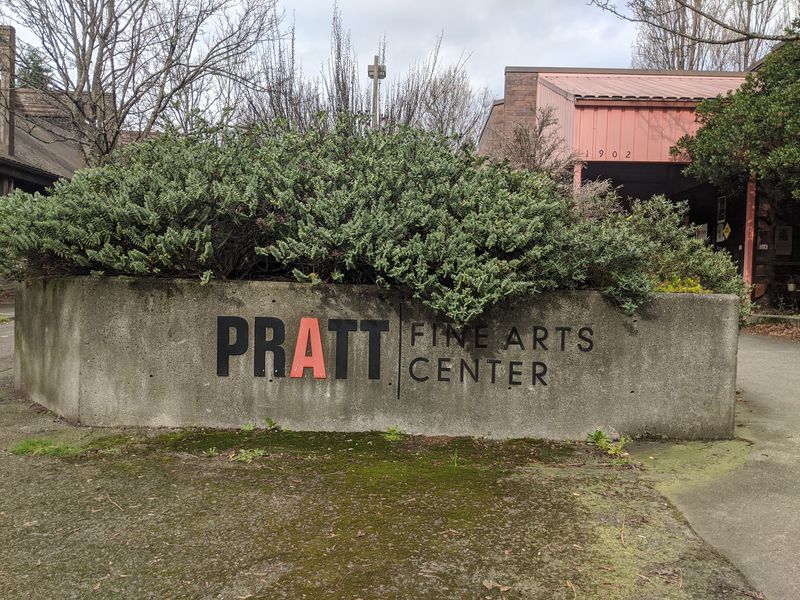
Glassblowing on Monday, metal casting on Friday, and a handmade bench by the weekend. Seattle’s Central District packs a lot of fire and sawdust into one address.
Pratt Fine Arts Center offers classes, workshops, and open studios. Glassblowing and metalworking are two of its big draws.
The disciplines keep going from there. Blacksmithing, metal casting, jewelry fabrication, and woodworking all show up in the coursework.
Instructors earn praise for being patient and knowledgeable. They support both brand-new beginners and experienced artists.
Woodworking classes here can end with real furniture. Students have walked out with handmade benches built during class.
Picture telling guests to sit on something you built yourself. That’s a fine conversation starter.
Open studios matter once you finish a class. They give you a place to keep practicing without buying a furnace.
Hours stretch long, from morning until 10 at night, seven days a week. Saturday evenings run busiest, while Thursday mornings stay quieter.
A free parking lot and free street parking make the trip easier. For a city campus in Washington, that’s a small but happy surprise.
Address: 1902 South Main St, Seattle, WA 98144
9. Danaca Design
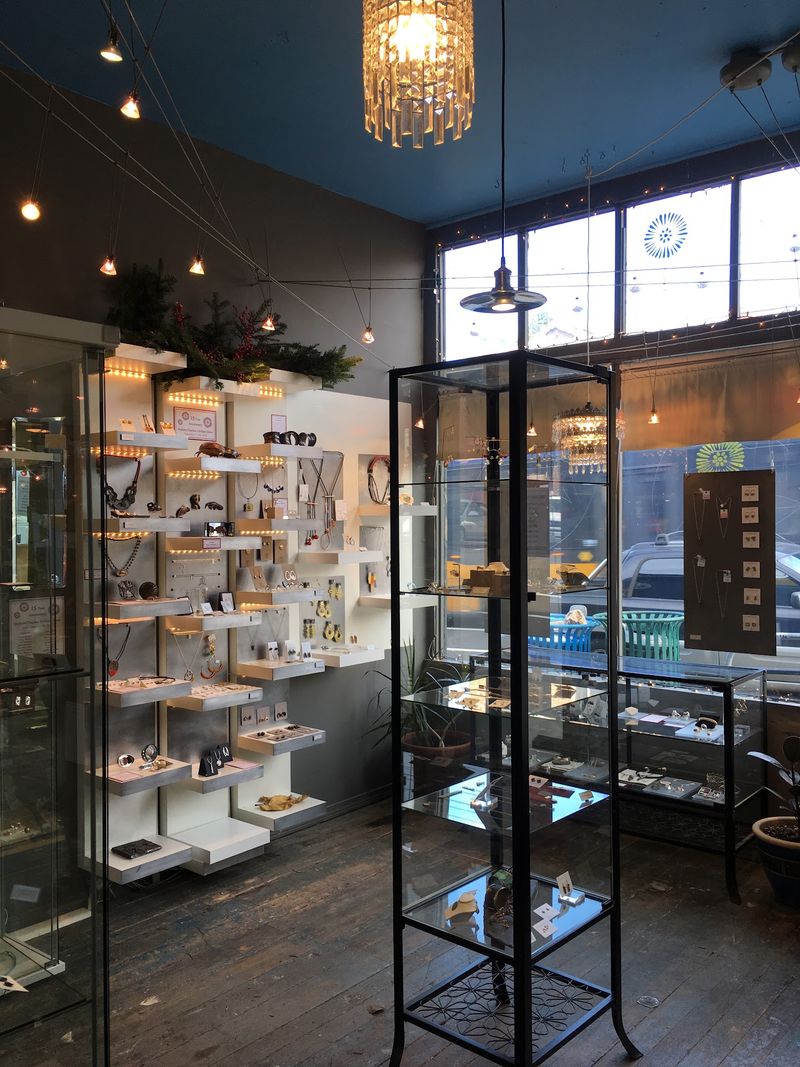
Leaving a class with two rings you made yourself beats any mall jewelry counter. In Seattle’s University District, that’s a pretty normal afternoon.
Danaca Design wears three hats. It’s a small-scale metalworking classroom and studio, a jewelry tool supplier, and a gallery.
The gallery shows both contemporary and traditional handmade jewelry. Browsing it could spark ideas for your own first piece.
Classes teach the hands-on art of metalsmithing. You’ll work through sawing, soldering, stone-setting, and forging with hand tools.
Ring fabrication is a popular path here. It’s small enough for beginners and detailed enough to keep you hooked.
Need supplies to keep going at home? The tool shop sits right there, which is handy and a little dangerous for your wallet.
Danaca has been in Seattle since 2003. That’s a solid run for a small studio.
Hours vary through the week, and the shop closes Monday and Tuesday. Weekends offer Saturday and shorter Sunday hours.
The studio is LGBTQ+ friendly too. If tiny tools and shiny metal make you happy, this cozy-sized corner of Washington crafting deserves a visit.
Address: 5619 University Wy NE, Seattle, WA 98105
10. Lawless Forge Seattle
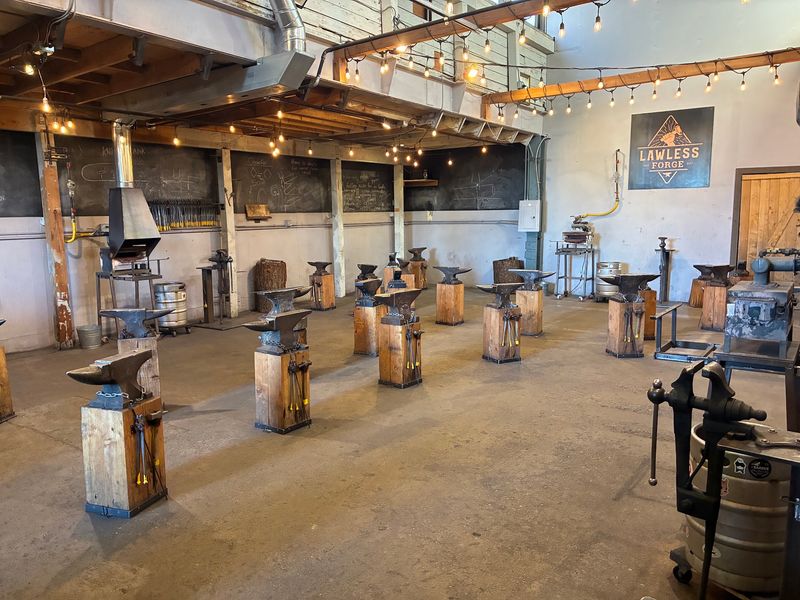
Chopsticks from a forge? Sure, why not.
At this Seattle shop, red-hot steel becomes everyday objects you actually use.
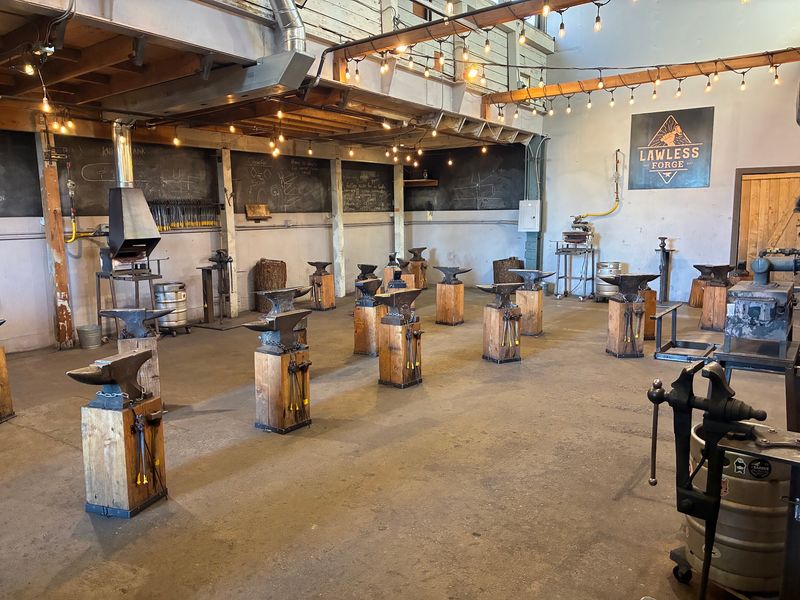
Lawless Forge runs beginner-friendly blacksmithing workshops. You’ll learn the ancient art of blacksmithing and knifesmithing on real anvils.
Projects range from practical to flashy. A Damascus steel ring is one option, and your own set of chopsticks is another.
Knives, fire pokers, and utensils also come off the anvil. Each one carries the dents and pride of your own hammer swings.
The whole idea centers on bringing people closer together. Classes suit birthdays, team building, and plain old fun.
All ages are welcome as long as a parent or guardian attends. That opens the door to a pretty memorable family outing.
Hours run daily from morning into the evening. That flexibility helps when you’re juggling busy schedules.
The shop sits in an industrial space on South Spokane Street. A free parking lot makes arrivals simple.
Lawless also runs a second forge in Marysville, but this Seattle location keeps the sparks close to downtown. Few Washington souvenirs beat one you hammered into shape yourself, so warm up that swinging arm.
Address: 45 S Spokane St, Seattle, WA 98134