
This Polish Kitchen In Washington Opens Only On Friday Nights For Pierogi, Kielbasa, And Pickle Soup
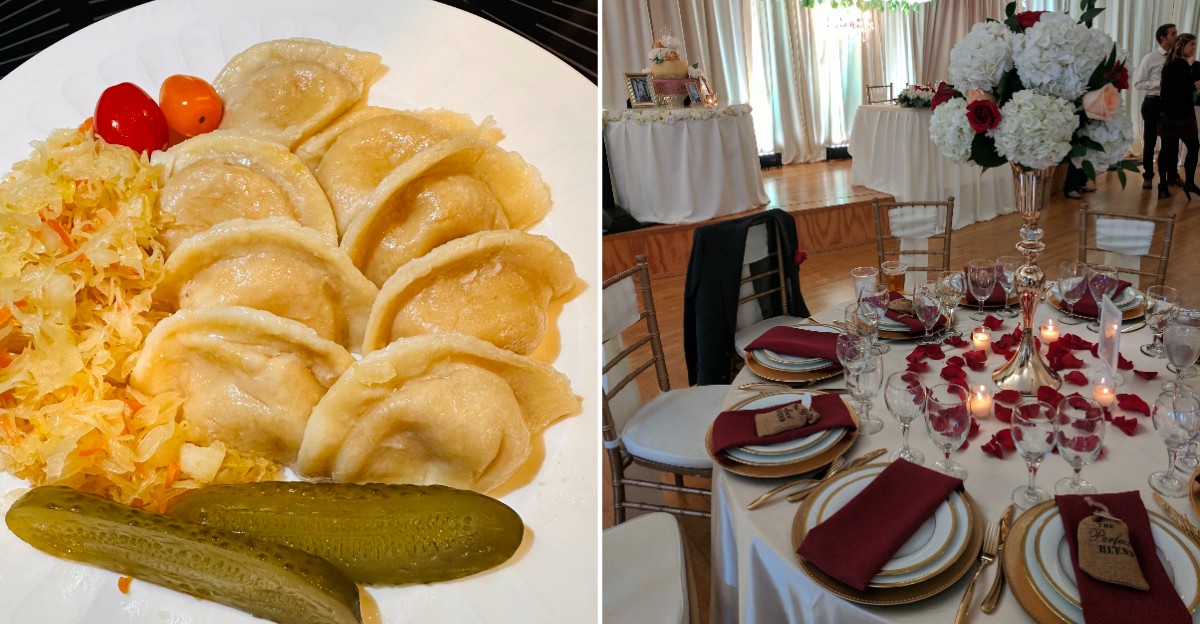
A plate loaded with pierogi, kielbasa, cabbage rolls, hunter’s stew, sauerkraut, and beets shows up only one night a week. The kitchen opens Friday evenings, then it goes quiet again until the next Friday rolls around.
The menu also includes pickle soup. Yes, pickle soup, and it might be the most talked-about bowl on the table.
The daily specials are written in Polish, so ordering feels a bit like a friendly adventure.
I like how this spot works less like a restaurant and more like a family gathering. It belongs to a heritage community, with a ballroom upstairs and Polish conversation floating through the halls.
I can’t imagine a cozier way to try Eastern European comfort food in Washington.
So where is this weekly feast, and how do you get a seat at the table?
A Polish Community Hub On Capitol Hill Opens Its Kitchen Once A Week
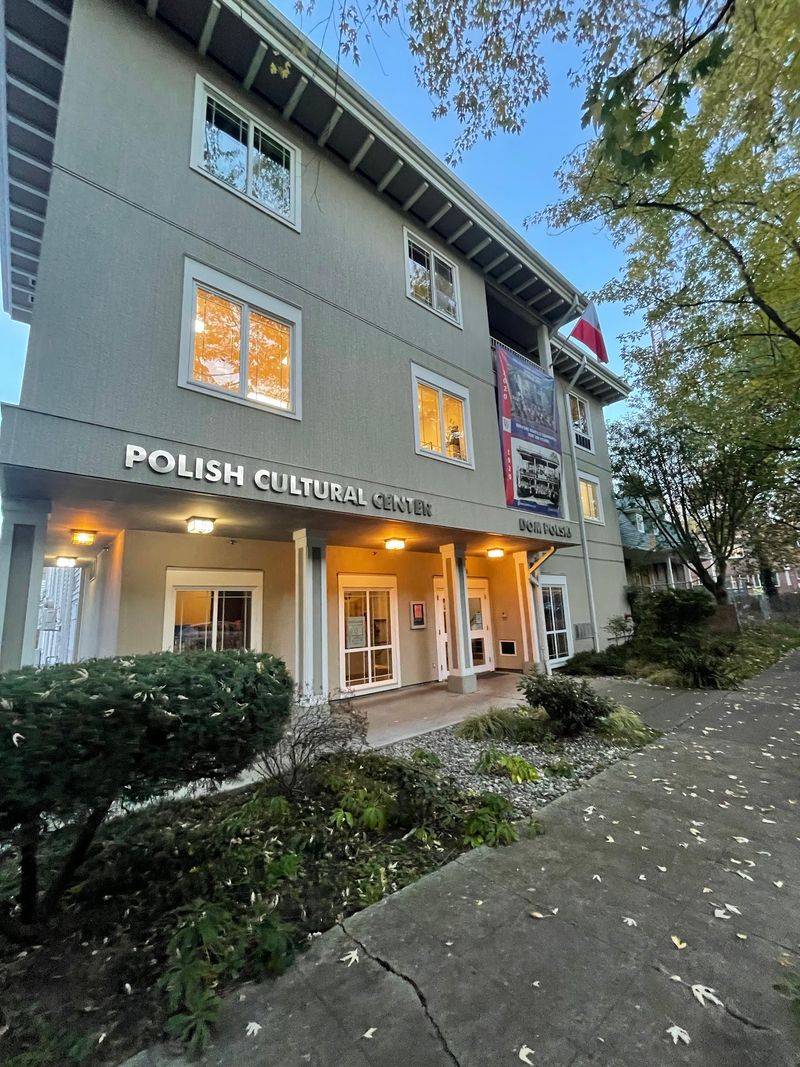
Seattle’s Capitol Hill holds plenty of trendy restaurants, but one of its most charming dinners comes from a cultural center. The Polish Home Association is a nonprofit heritage group, not a typical restaurant business.
That difference shapes everything about the visit. Members run the place, and the building serves as a gathering spot for Polish culture in the Seattle area.
Food is only one part of the story here. The association also hosts dances, language classes, festivals, and community events throughout the year.
Still, the Friday dinner is what pulls many newcomers through the door for the first time. Traditional Polish dishes come out of the kitchen with a home-cooked style that feels refreshingly unfussy.
The association has deep historical roots in Seattle, and the building is considered part of the neighborhood’s history. You get a meal and a small slice of local heritage in the same evening.
I love that a place like this still thrives in a fast-changing Washington city. It shows how a close-knit community can keep traditions alive by simply opening its doors and setting the table.
Hungry yet? Good, because the menu deserves a closer look.
Friday Night Is The Only Night That Counts For Dinner
Mark your calendar, because timing matters a lot here. Dinner runs on Friday evenings from 5 to 9 PM, and the kitchen stays closed the rest of the week.
That single weekly window gives the meal a special-occasion feel. It turns an ordinary end of the workweek into something worth planning around.
Since the Polish Home Association is a nonprofit, guests purchase a small one-day membership at the door. The fee is modest, and it gets added on top of whatever you order.
Think of it as a tiny ticket into the club. You become a member for the night, which is a fun bit of trivia to share at the table.
The hours can occasionally shift, especially around special events. Calling ahead before making the drive is a smart move, particularly if you’re coming from outside Seattle.
Planning pays off in another way, too. Friday nights can get busy, and having a plan helps you settle on a table sooner and start eating faster.
A once-a-week dinner might sound limiting at first. In practice, it gives you something cheerful to look forward to every single week.
The Polish Platter Puts Six Classics On One Generous Plate
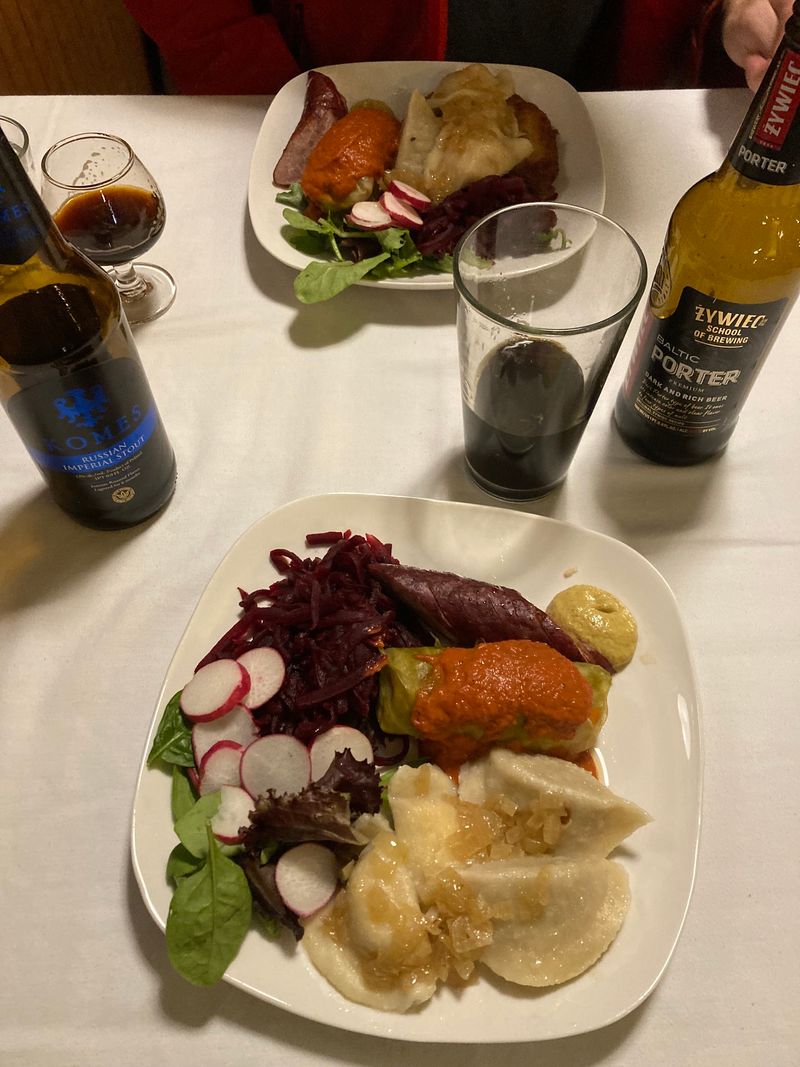
Indecisive eaters, rejoice. The Polish Platter solves the hardest question of the night by giving you a little bit of almost everything.
One plate features pierogi, cabbage rolls, kielbasa, bigos, sauerkraut, and beets. That’s a full tour of Polish comfort cooking without ever leaving your chair.
Bigos, also called hunter’s stew, is a hearty Polish classic built around cabbage and meat. It sits right next to tangy kapusta, which is the Polish take on sauerkraut.
The beets add bright color and a sweet, earthy contrast to the heavier items. Every corner of the plate seems to bring a different mood to the meal.
First-timers will find this platter especially helpful. It works like a sampler course in Polish food, letting you discover which dish becomes your new favorite.
Fair warning, though. This plate is loaded, and leaving the table stuffed is pretty much part of the deal.
I believe it’s the best starting point for anyone new to the cuisine. Once you know what you love, the next Friday visit becomes a lot easier to plan.
Pierogi Fans Face A Delicious Meat Versus Cheese Debate
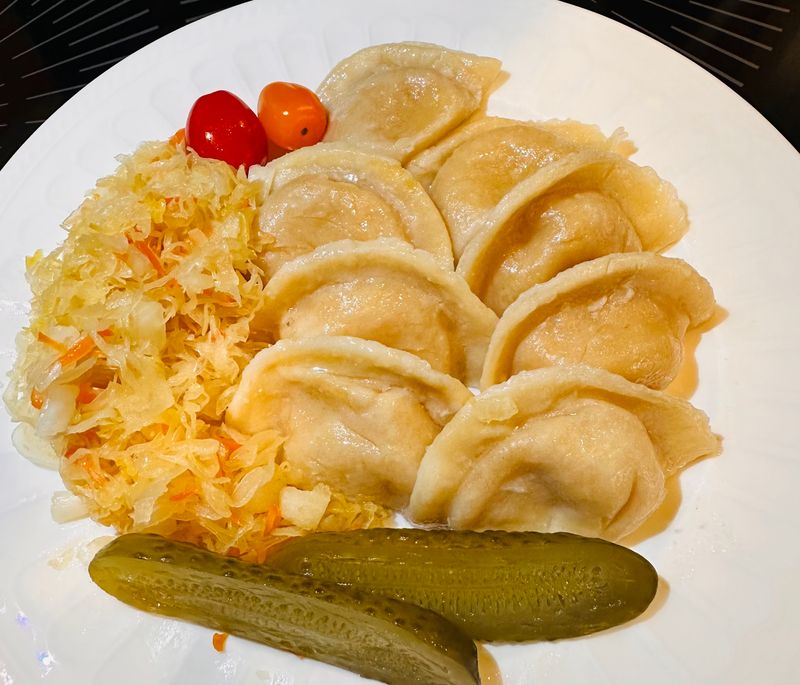
Few foods spark a friendly argument quite like pierogi. At the Polish Home Association, the meat-filled and the cheese-and-potato versions both have devoted followings.
Pierogi are Polish dumplings folded around a savory filling. They’re soft, comforting, and practically designed for sharing across the table.
The meat pierogi have earned plenty of praise lately. Some longtime diners even feel the recipe has improved over the years and now takes the crown.
Cheese and potato fans will happily disagree, of course. That classic filling is creamy, simple, and exactly what many people picture when they hear the word pierogi.
Here’s a sensible solution for groups. Order both, swap a few, and settle the debate the most delicious way possible.
The pierogi also appear on the Polish Platter, so you can sample them alongside other favorites. That’s handy if you want variety without committing to a full plate of dumplings.
Pierogi have a way of turning a quiet dinner into a lively conversation. Expect plenty of chatter about which filling wins, and expect nobody to change their mind before dessert.
Kielbasa And Pork Dishes Bring The Hearty Side Of The Menu
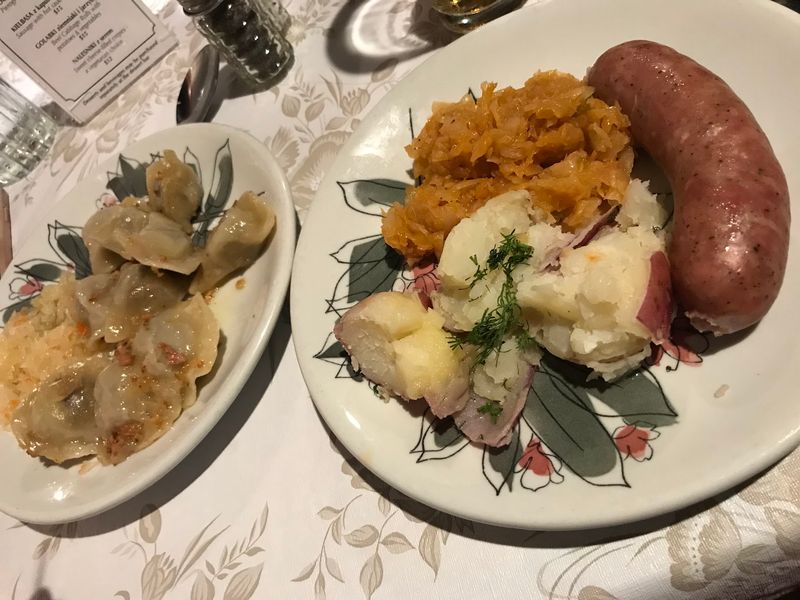
Calling this place a pork paradise isn’t much of a stretch. The meat side of the menu leans hearty, filling, and full of old-world comfort.
Kielbasa, the famous Polish sausage, shows up as part of the Polish Platter. It’s smoky, satisfying, and one of the easiest dishes to love on a first visit.
Pork chops have appeared with mashed potatoes and white cabbage. That combination feels like the kind of Sunday supper served at a big family table.
The fried pork cutlet with mushroom gravy is another standout worth knowing about. A breaded cutlet like this is a beloved staple in Polish home kitchens.
Mushroom sauce over tenderloin has also been served here. It’s the kind of dish that makes you slow down and enjoy every bite.
Menus can change with the specials, so it helps to ask what’s cooking that Friday. The specials are written in Polish, which makes asking the staff part of the fun.
Meat lovers in Washington will feel right at home. Just don’t plan a big snack afterward, because these plates keep you full for a while.
Pickle Soup Sounds Odd Until The First Spoonful
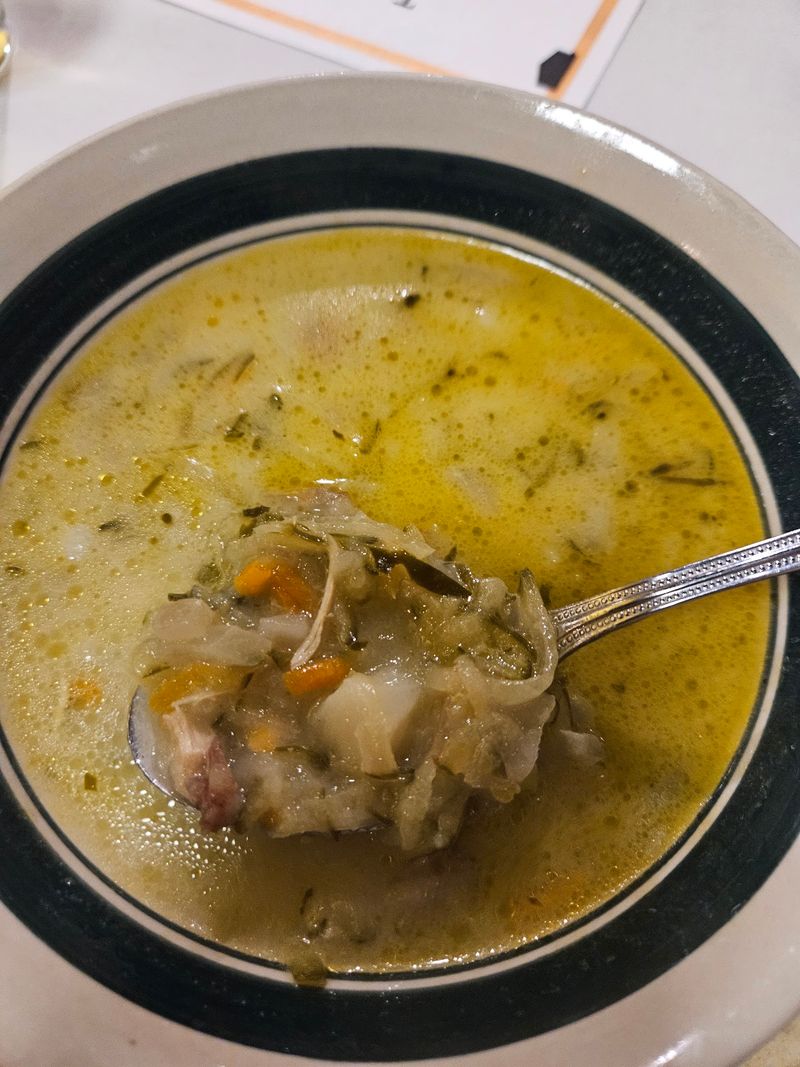
Yes, pickle soup is real, and it might be the most surprising star of the evening. Polish cooks call it zupa ogórkowa, and it’s a classic comfort food back in Poland.
The name makes people raise an eyebrow. Then the bowl arrives, and suddenly everyone at the table wants a taste.
Fans of the soup at the Polish Home Association are wonderfully enthusiastic about it. Some folks admit they could happily eat it every single day.
Here’s a helpful tip for your visit. The pickle soup may not always be printed on the menu, so it’s worth asking whether it’s available.
Borscht is another option worth considering. This beet soup is often thought of as plain, yet the version here has earned a strong reputation of its own.
Soups make a great way to start a cool Seattle evening. They’re warm, hearty, and perfect for the rainy months that Washington knows so well.
I can’t imagine skipping soup on a first visit. Ordering something with a name this unusual is half the adventure, and the other half is discovering you actually love it.
Cabbage Rolls And Pyzy Deserve A Spot On Your Order
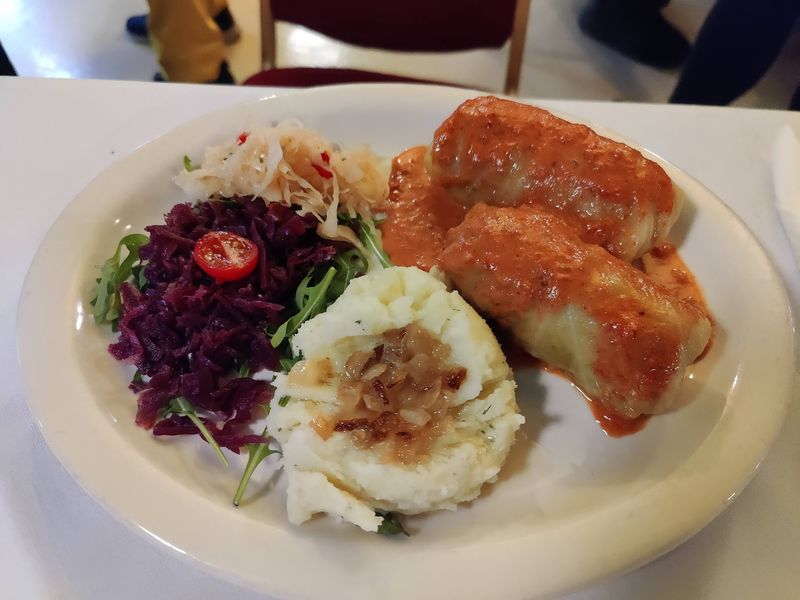
Pierogi get most of the headlines, but cabbage rolls quietly steal plenty of hearts. Known in Polish as gołąbki, they’re tender cabbage leaves wrapped around a savory filling.
The kitchen has served both beef and vegetable versions. That gives meat eaters and vegetarians an equally tasty reason to order them.
The vegetable cabbage rolls have earned especially strong praise. Some diners consider them the best dish in the whole house.
Then there are pyzy, which are Polish potato dumplings. The ones served here have been filled with meat, making them hearty and wonderfully filling.
Pyzy aren’t as famous as pierogi in the United States. That makes them a fun discovery for anyone curious about lesser-known Polish dishes.
The kitchen, recently run by a cook named Kamila, focuses on fresh, homemade cooking. Everything tastes like the kind of food prepared with patience rather than rushed out the door.
Vegetarian diners will appreciate that options exist beyond side dishes. A plate of vegetable cabbage rolls proves meatless Polish food can be just as comforting as the classics.
Save Room For Crepes And Polish Doughnuts
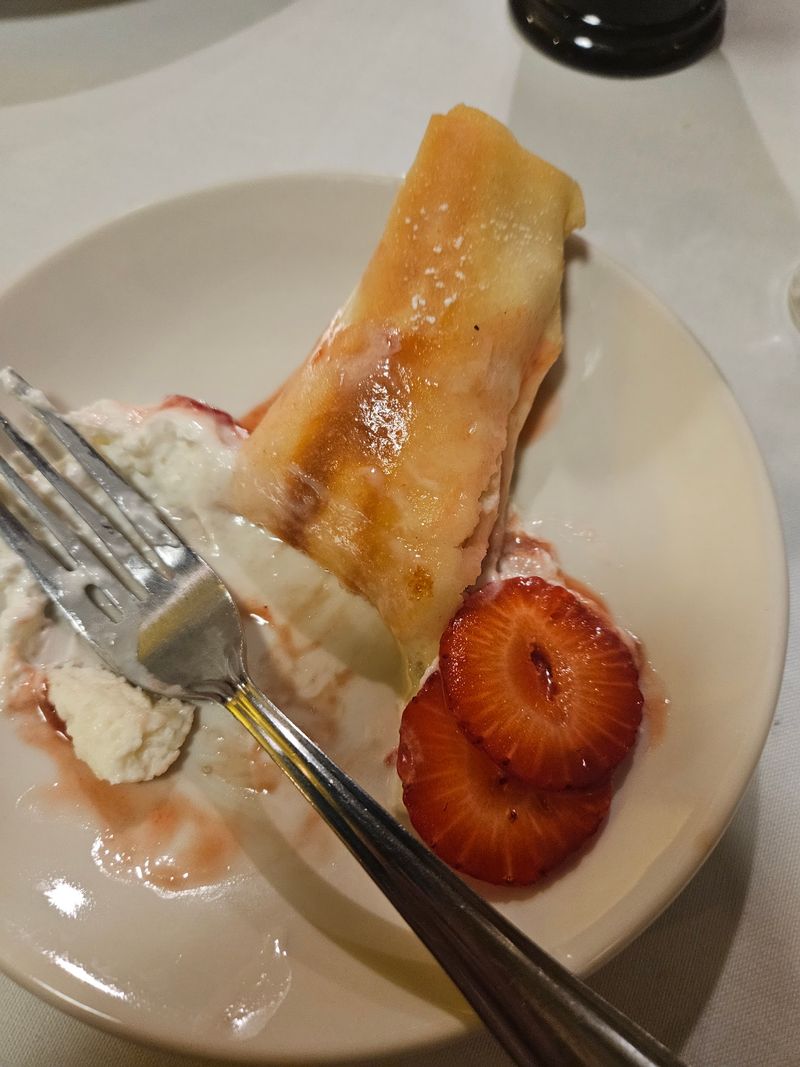
Dessert at the Polish Home Association comes with a pleasant surprise. The dessert crepes are known for being tasty and light, which is welcome after a hearty dinner.
Polish crepes, called naleśniki, are thin and delicate. They make a gentle finish when your stomach is already full of pierogi and kielbasa.
Polish doughnuts have also been spotted near the drink counter. These treats are a beloved part of Polish baking tradition.
Keep your eyes open while you’re ordering. Sweet treats sometimes hide in plain sight, and spotting them early helps you plan your appetite.
Plenty of tasty baked goods also show up during special events. Some folks buy extras to take home, which seems like a very wise strategy.
Desserts here feel homemade rather than mass-produced. They carry the same family-kitchen spirit as everything else coming out of the kitchen.
My advice is simple. Pace yourself during dinner so you’re not too stuffed when the sweets arrive.
Leaving without trying something sweet would feel like ending a good book one chapter early. Treat yourself, because Friday only comes once a week.
The Dining Room Feels Like A Big Polish Family Gathering
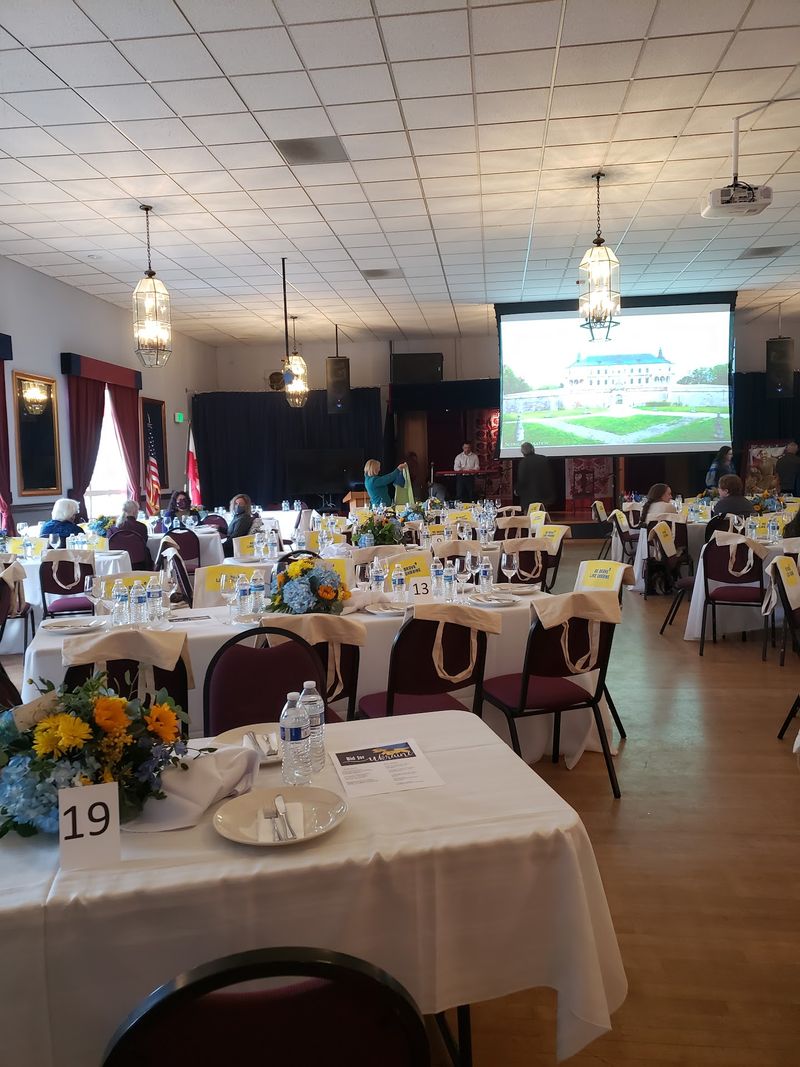
Forget white tablecloths and fancy plating. The downstairs dining room feels like an old-school community hall, complete with a classic theater-style setting.
That vintage charm is a big part of the appeal. It feels lived-in, welcoming, and full of character rather than polished for show.
Polish conversation often fills the room on Friday nights. You can even practice your Polish with friendly folks, or just listen and enjoy the atmosphere.
Members of the heritage group help run the place. Their warmth makes newcomers feel less like customers and more like invited guests.
The comfortable environment suits a wide range of diners. Families, couples, friends, and visiting relatives all fit right in here.
Out-of-town guests make especially fun companions for this outing. It’s a memorable way to show visiting family a different side of Seattle.
The staff have a reputation for being kind and welcoming. Even late arrivals near closing have been warmly served, which says a lot about the spirit here.
I like how the whole room feels relaxed and unpretentious. Nobody seems to be in a rush, and that easy pace makes dinner feel like a true night out.
Upstairs, A Ballroom Waits For Swing Dancers And Celebrations
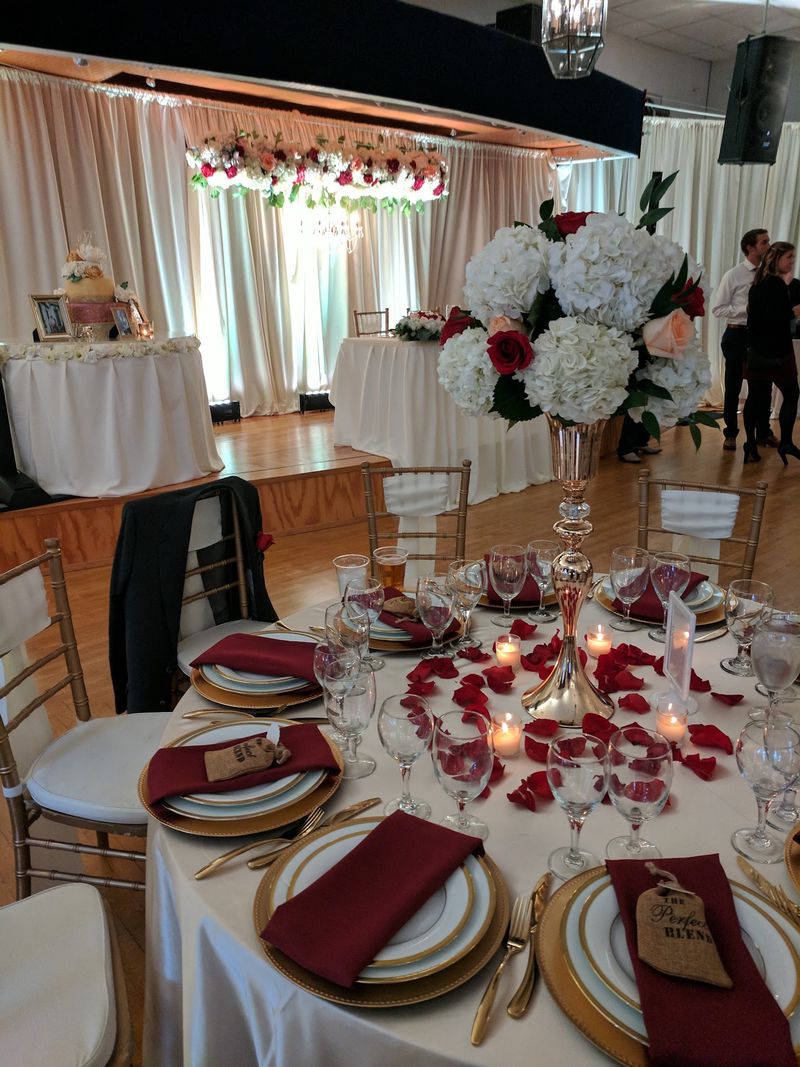
Dinner happens downstairs, but the party often moves upstairs. The Polish Home Association has a ballroom with a dance floor that hosts all kinds of events.
Swing dances are among the popular happenings here. Live music has filled the ballroom for many dances over the years, drummers and all.
Special celebrations add even more sparkle to the calendar. Past events have included a New Year’s Eve celebration and an Enchanting Ball, with tickets purchased in advance.
That sounds like a storybook evening right in the middle of Seattle. A ball in a historic hall is not something you stumble onto every week.
The ballroom is also available to rent. People use it for celebrations of almost any kind, from parties to community gatherings.
Generosity runs through the space, too. The hall once hosted a charity auction to support Ukraine, showing how the association shares its home with the wider community.
Picture yourself after a big Polish dinner, walking upstairs to dance it off. Honestly, that might be the smartest way to make room for dessert.
Check the event calendar before you go. Something fun may already be scheduled.
Language Lessons And A Library Keep Polish Culture Alive
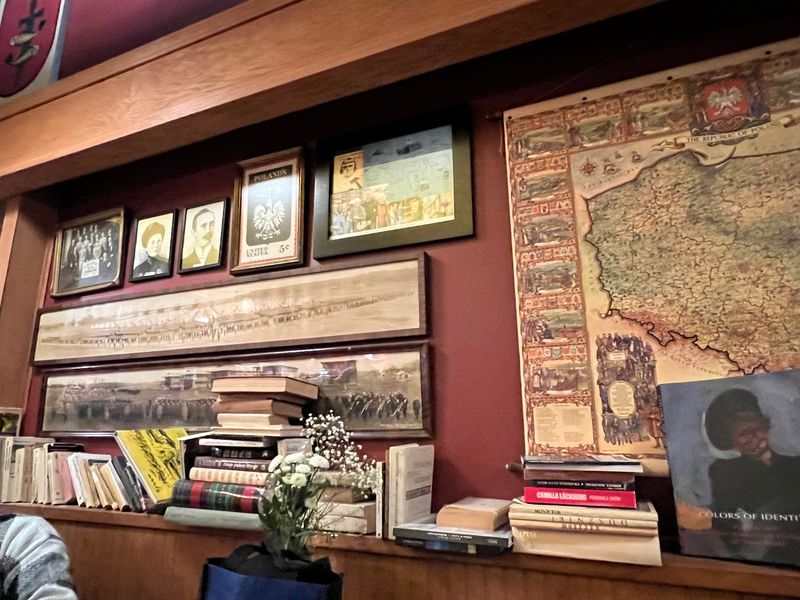
Learning happens here alongside eating. The Polish Home Association offers Polish language classes, and there’s a Polish school upstairs.
That makes the building far more than a dinner spot. It’s a living cultural center where traditions get passed along to new generations.
A library of books is available too. Curious readers can explore Polish culture through the written word, not just through the kitchen.
For families with Polish roots, this matters a great deal. It’s a place where children can connect with the language their grandparents spoke.
Newcomers with no Polish background are welcome as well. Plenty of people get their very first introduction to Polish culture right here.
The association hosts interesting meetings and events throughout the year. Something is often happening, even beyond the Friday dinners.
I believe that mix of food, learning, and community is what makes this place special. A meal becomes a doorway into a whole culture.
So if a plate of pierogi sparks your curiosity, keep going. Learning to say thank you in Polish might be the perfect way to honor the cooks who made your dinner.
Colorful Costumes And Homemade Treats Fill The Spring Festival
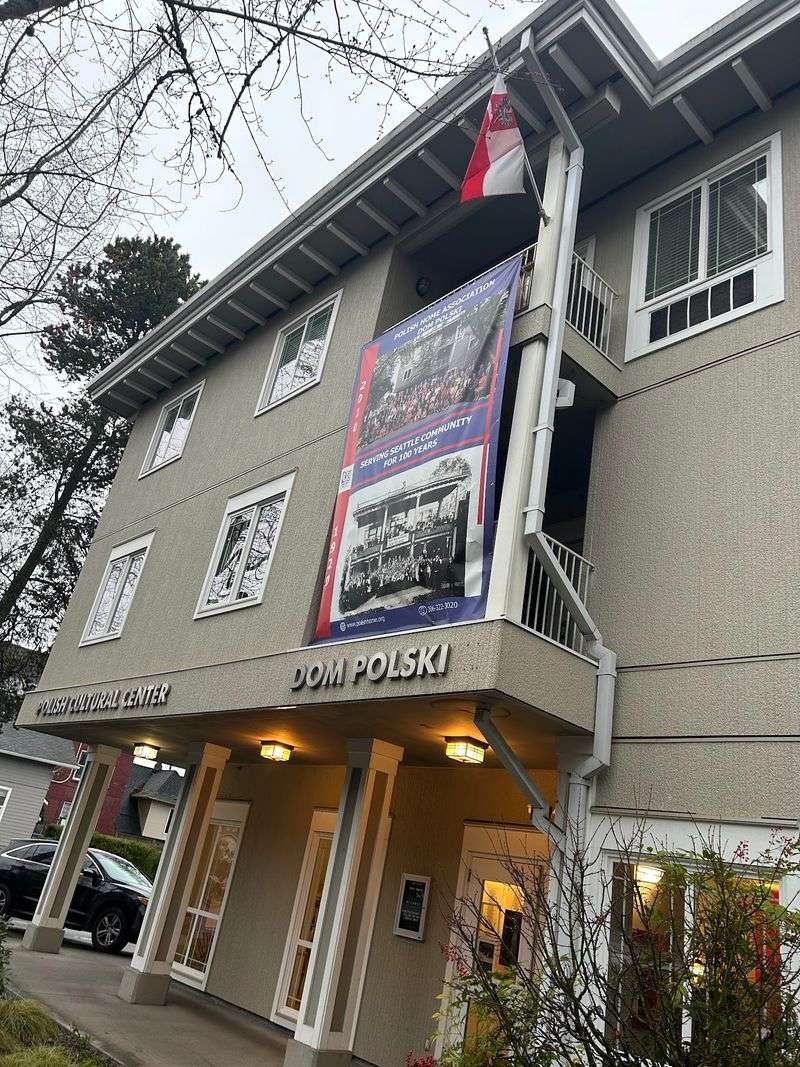
Bright embroidered costumes set the tone at the Dom Polski Spring Festival. Volunteers have worn beautiful traditional Polish outfits while greeting guests.
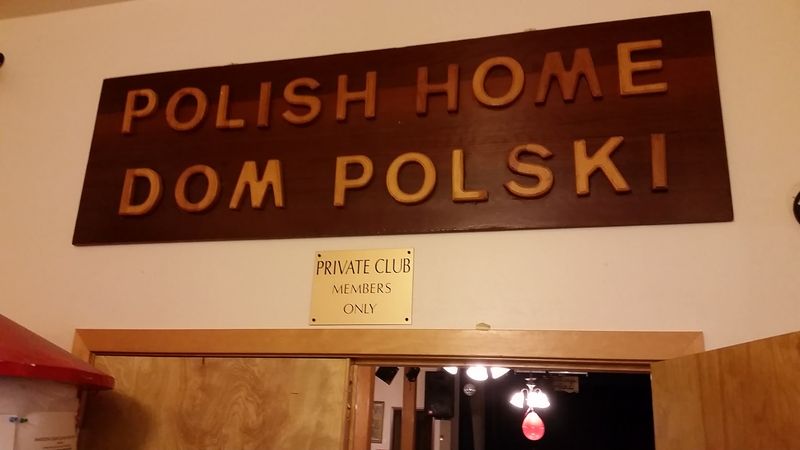
Dom Polski simply means Polish Home. The festival turns the whole building into a celebration of food, crafts, and community.
The Polish Plate makes an appearance with pierogi, cabbage rolls, kielbasa, bigos, kapusta, and beets. Lots of desserts are sold too, and many people carry extras home.
Upstairs, shoppers can browse products from Poland and handmade crafts from club members. Polish sauerkraut and jams have been among the goodies available.
A small rummage sale adds a treasure-hunt element to the day. Its proceeds have supported a children’s hospice in southern Poland built by the association.
That detail adds real heart to every purchase. Buying a jar of jam suddenly feels like helping families far away.
Festival days draw a crowd, and parking fills quickly. Plan to walk a few blocks, and wear comfortable shoes.
For Washington families, this makes a wonderful weekend outing. It’s colorful, affordable to explore, and packed with memories waiting to happen.
Smart Tips For Getting There And Grabbing A Table
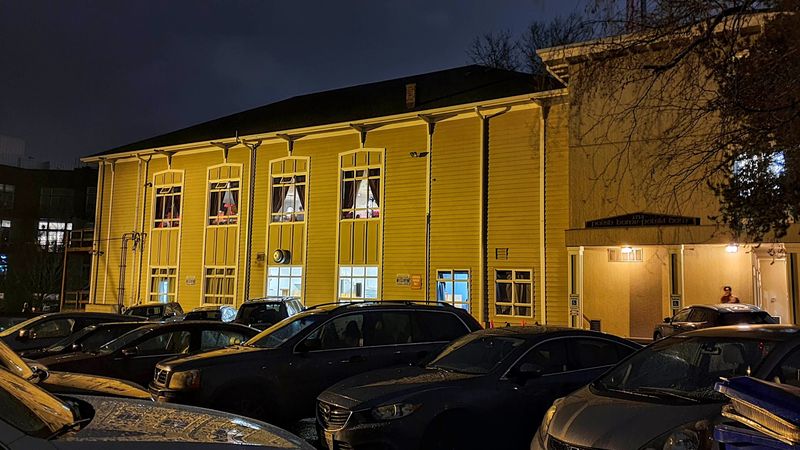
A little planning makes Friday dinner much smoother. You’ll find the Polish Home Association at 1714 18th Ave, Seattle, WA 98122, in the Capitol Hill area.
Public transit is a handy choice from downtown Seattle. The G bus line will take you almost directly there.
Drivers will find a parking lot on site. During busy events, though, it can fill up, and street parking may be scarce.
Reservations are accepted, which is helpful for groups or visiting family. Walk-ins are welcome too, though you might wait for a table on busy nights.
Bring cash just in case. Some diners have noted it as cash only, so having bills in your wallet avoids any awkward surprises.
Hours can occasionally change because this is a nonprofit, not a full-time restaurant. A quick call before heading out saves you from a closed door and a growling stomach.
Prices are considered reasonable for such hearty, authentic cooking. That makes this an easy pick for budget-minded diners across Washington.
Arrive a little early if you can. Friday evenings move quickly, and nobody wants to miss the pickle soup.
Why This Friday Feast Belongs On Your Seattle To-Do List
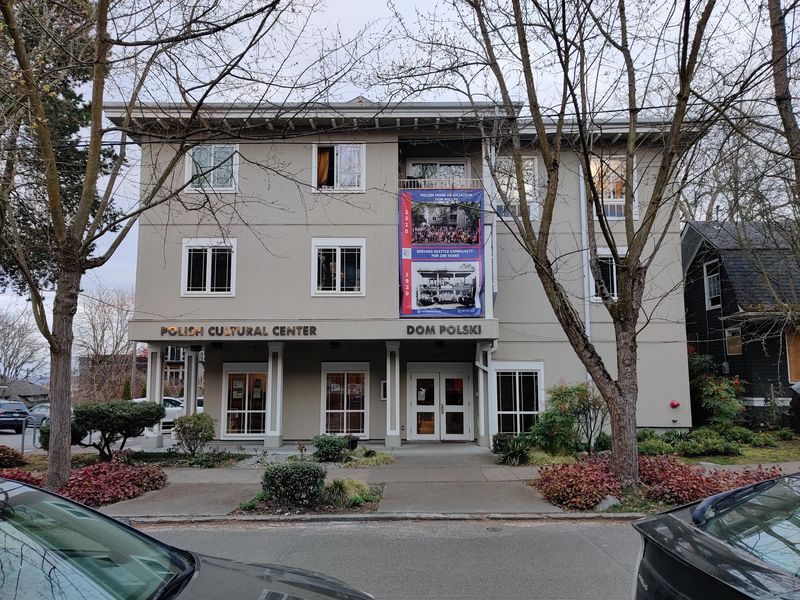
Great food is easy to find in Seattle. A weekly dinner with this much heart, history, and homemade comfort is much harder to come by.
The Polish Home Association delivers a meal that feels personal. Every plate seems to carry a little piece of family tradition.
Pierogi, kielbasa, cabbage rolls, and pickle soup make a strong case all by themselves. Add crepes, dancing, and friendly faces, and the evening gets even better.
The nonprofit spirit gives every visit extra meaning. Your dinner helps keep a cultural community thriving in the heart of Seattle.
This outing suits so many people. Curious foodies, nostalgic families, retirees seeking a cozy night out, and anyone with Polish roots will feel welcome.
The once-a-week schedule only adds to the charm. Friday becomes a small celebration instead of just another night.
I can’t think of a warmer way to end a week in Washington. It’s affordable, memorable, and refreshingly genuine.
So grab some cash, round up your favorite people, and head to Capitol Hill this Friday. Your new favorite comfort meal might be waiting under a Polish name you can’t pronounce yet.