
This Pennsylvania Museum Is An Unforgettable Destination For A Thanksgiving Weekend Outing
George Washington’s actual headquarters tent sits behind glass in a theater built just for it. He slept and worked inside that fabric during much of the Revolution.
The tent appears only after a short film ends and the screen slowly rises.
I like how that reveal turns a piece of old cloth into a real showstopper. A minister started raising money to buy it back in 1907.
This Pennsylvania landmark also lets you board a full-scale privateer ship and stand under a nearly two-story Liberty Tree.
One theater shakes the floor and fills with smoke. Kids get a whole hands-on discovery center too.
I believe the long holiday weekend is the perfect time to go. The turkey is gone, the relatives are restless, and everyone needs a plan.
So why not spend it with the founders?
A Tent Gets The Most Dramatic Entrance In Town
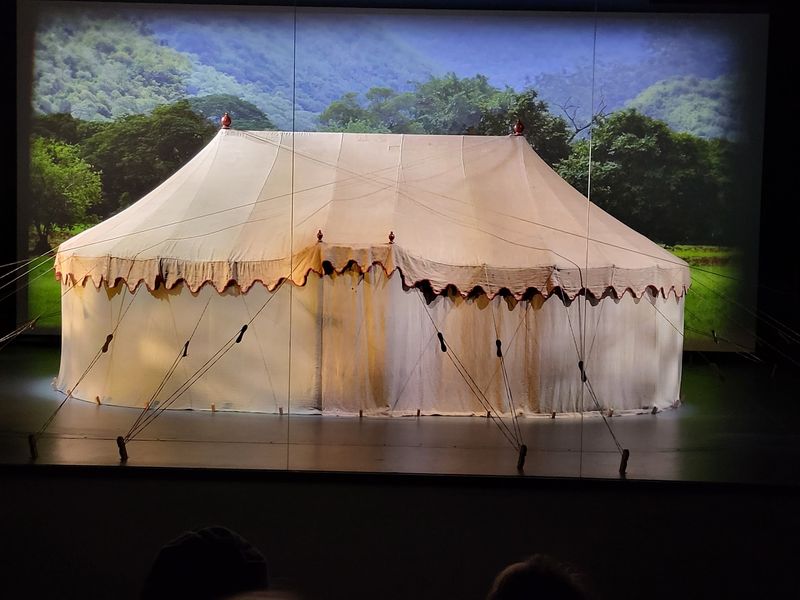
Washington’s headquarters tent exactly that kind of star treatment.
Washington used this tent as his office and sleeping quarters during much of the war. Think of it as a mobile command center made of linen.
Plans, letters, and tough decisions all happened under that canvas roof.
The tent is shown in a dedicated, immersive theater. A short film sets the scene and explains why it matters.
Then the screen rises, and the real tent appears in a protected glass room.
Showings run at set times throughout the day. Check the schedule when you arrive so you can plan your route around it.
Nobody wants to sprint across a museum after a big holiday meal.
The story of how the tent got here is pretty amazing too. In 1907, Reverend W.
Herbert Burk started raising money to buy it. He dreamed it would anchor a national museum someday.
That dream took more than a century to complete. Seeing the tent now feels like the final chapter of a very patient plan.
Talk about a long project.
Climb Aboard A Ship Without Getting Seasick
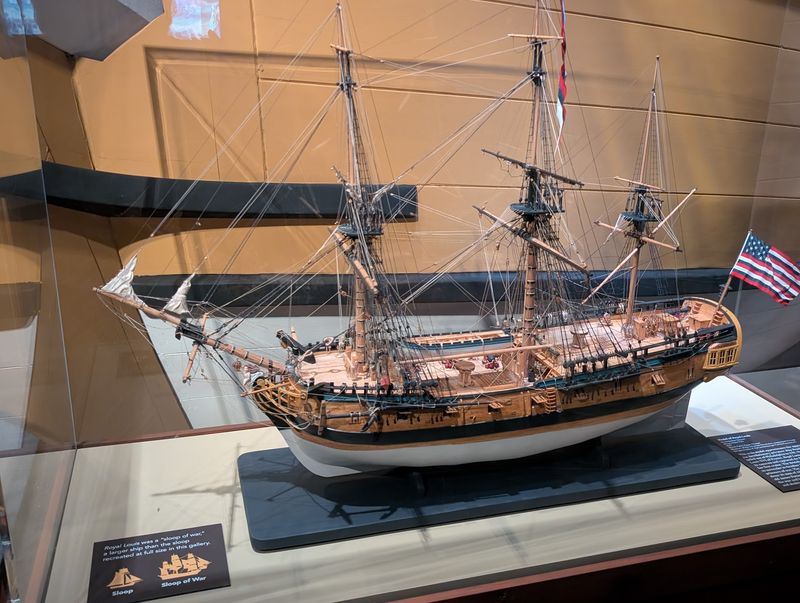
Ahoy, history fans. Somewhere inside the galleries sits a large-scale replica of an 18th-century privateer ship, and yes, you can climb aboard.
Privateers were privately owned ships that joined the fight at sea. They chased enemy cargo and made life hard for British supply lines.
The exhibit uses the ship to explain this side of the war.
Most people picture the Revolution as soldiers in fields. This deck reminds you the ocean mattered just as much.
Kids can pretend to sail, and grown-ups can secretly do the same.
The ship lives within the chronological core galleries upstairs. Those galleries follow big questions, like how the Revolution survived its darkest hour.
Each section builds on the last, so the story flows naturally.
It’s a smart stop for families with energetic kids. After a Thanksgiving week full of sitting, a little deck time helps.
Wiggles find an outlet, and learning sneaks in quietly.
Snap a photo at the rail if you want proof of your seafaring skills. Just maybe skip the pirate voice.
Then again, it is a holiday weekend, so go ahead.
Hold On Tight When The Floor Starts Shaking
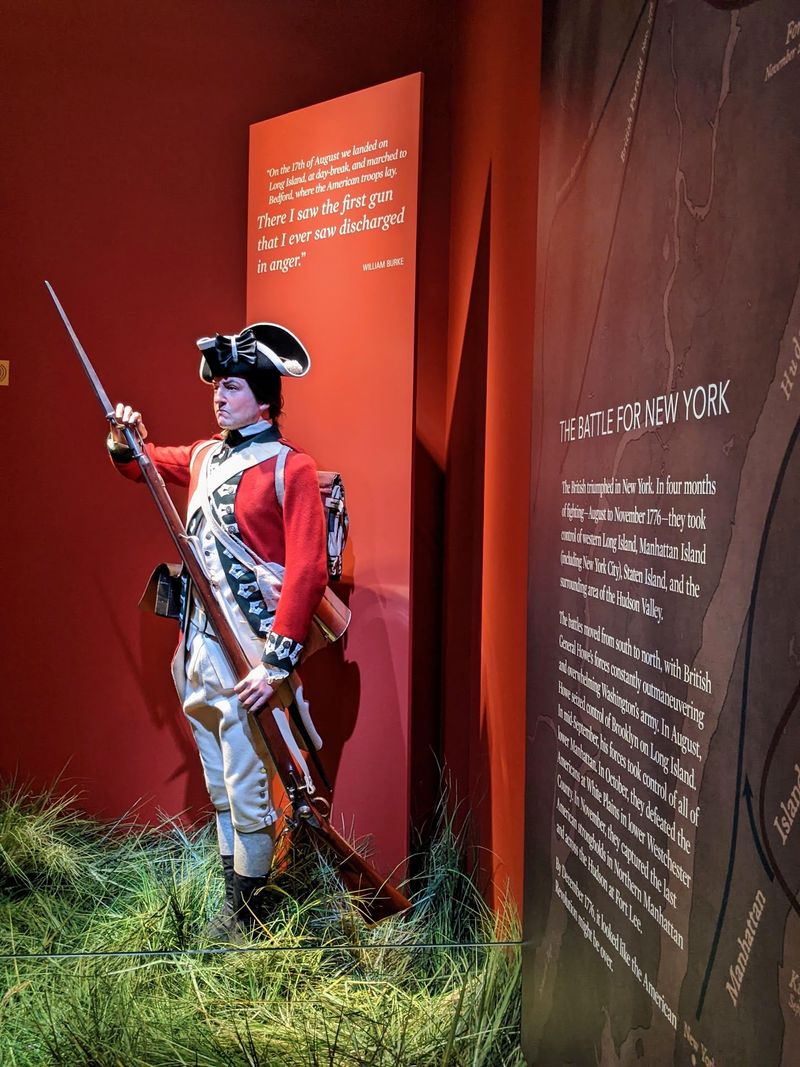
Gunshots, smoke, strobe lights, and a rumbling floor. That’s the Battlefield Theater, and it does not ease you in gently.
This experience puts guests on the front lines with the Continental Army during a British attack. The effects make the moment feel close and urgent.
You’ll understand quickly why bravery mattered so much back then.
It’s one of ten theaters spread throughout the museum. Some are calm and story-driven.
Others, like this one, are built to jolt your senses awake.
Families with very young or sensitive kids may want a quick heads-up first. The loud sounds and flashing lights are intense by design.
A little warning helps everyone enjoy the ride.
For teens, though, this could be the highlight of the weekend. It beats another round of board games with Uncle Ray.
Even the most bored eye-roller tends to pay attention when the floor moves.
The theaters also give tired legs a welcome break. You sit, you watch, and you absorb a big chunk of history.
Then you move on feeling recharged for the next gallery.
Stand Beneath A Tree That Sparked A Movement
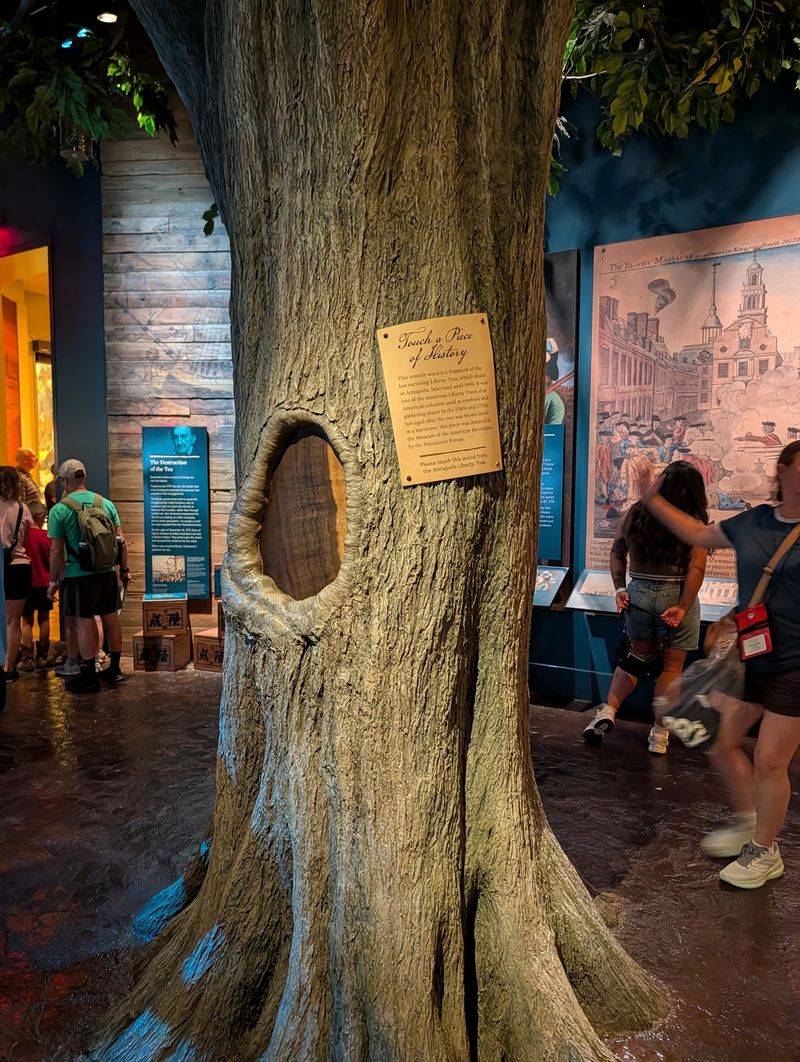
Back in Boston, colonists gathered under one famous elm to organize against British rule. A nearly two-story replica of that Liberty Tree now stands inside this museum.
It’s a striking sight indoors. The branches rise high above the gallery floor.
It helps answer an early question the exhibits ask: how did ordinary people become revolutionaries?
Nearby, another powerful scene recreates an Oneida Indian Nation council.
Leaders debate whether to support the British or the Revolutionary side. It shows that the choice was never simple for anyone.
The galleries share stories from many points of view. Enslaved and free Africans, Native Americans, and women all appear throughout.
That wider lens makes the Revolution feel bigger and more human. Thanksgiving weekend is a natural time for these conversations.
Families are already together and talking. These scenes give everyone something meaningful to chew on besides leftovers.
Take your time in this section. The details reward slow looking and good questions.
Kids often notice things adults rush past, so let them lead for a bit.
Little Patriots Get A Whole Colonial Neighborhood
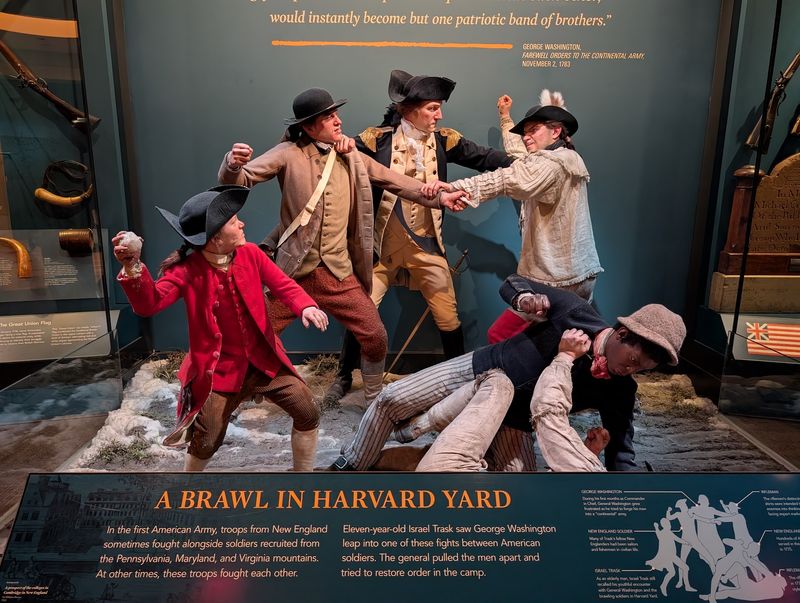
Kids, meet 1770s Philadelphia. Revolution Place, on the first floor, brings Old City of that era to life through hands-on play.
The family discovery center recreates a soldiers’ encampment, a tavern, a parlor, and even a privy. Yes, a colonial bathroom.
Expect giggles.
There are replica objects to handle and dress-up clothes to try on. Digital interactives add a modern twist.
The space is designed for children ages 5 to 12.
For kids ages 7 to 12, a special History Explorers Audio Tour is available for an extra fee. It guides younger visitors through the galleries at their level.
Scavenger hunts and family guides are also offered at admissions. Holiday weekends often bring family-friendly crafts, hands-on activities, and discovery carts.
Those extras can make a long-weekend visit feel even more festive. Ask at admissions what’s happening that day.
Strollers are welcome, and some are even available to borrow.
That’s a big help for parents juggling little ones. With all this, the museum works for curious kids and their tired grown-ups alike.
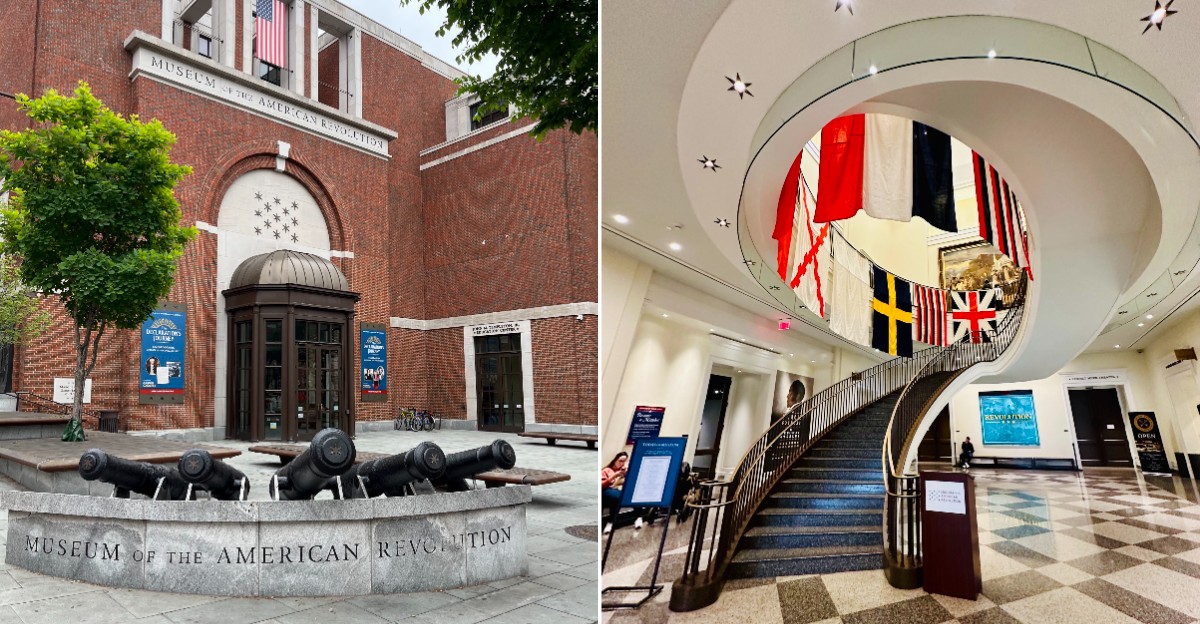
Brick, Arches, And A Bronze Dome Set The Mood
Red brick, crisp white trim, and arches topped with keystones. The building fits right into its historic Philadelphia neighborhood, almost like it’s always been there.
Robert A.M. Stern Architects designed it with a restrained classical style.
A bronze-painted domed entrance pavilion marks the corner of Chestnut and Third Streets. It’s a handsome welcome on a chilly November day.
Here’s a fun twist. Much of that traditional look comes from architectural precast concrete panels made to resemble brick and limestone.
Old style, modern methods.
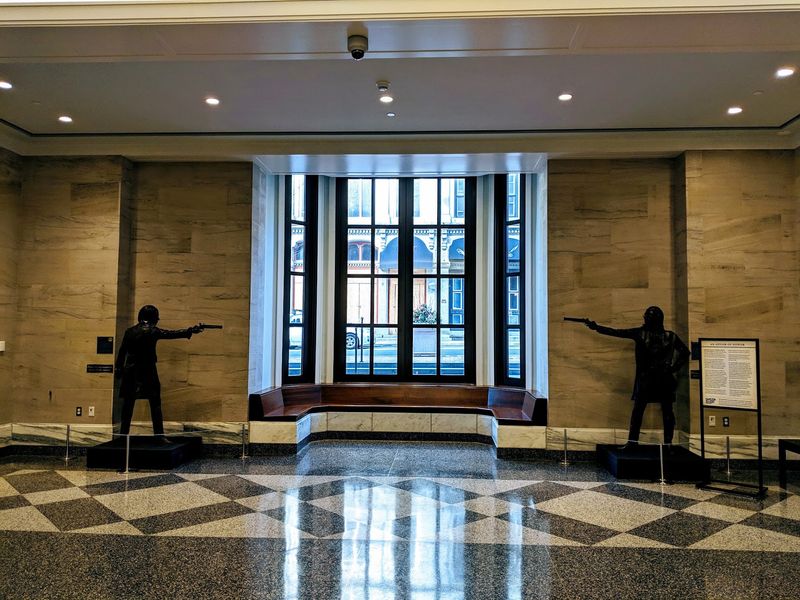
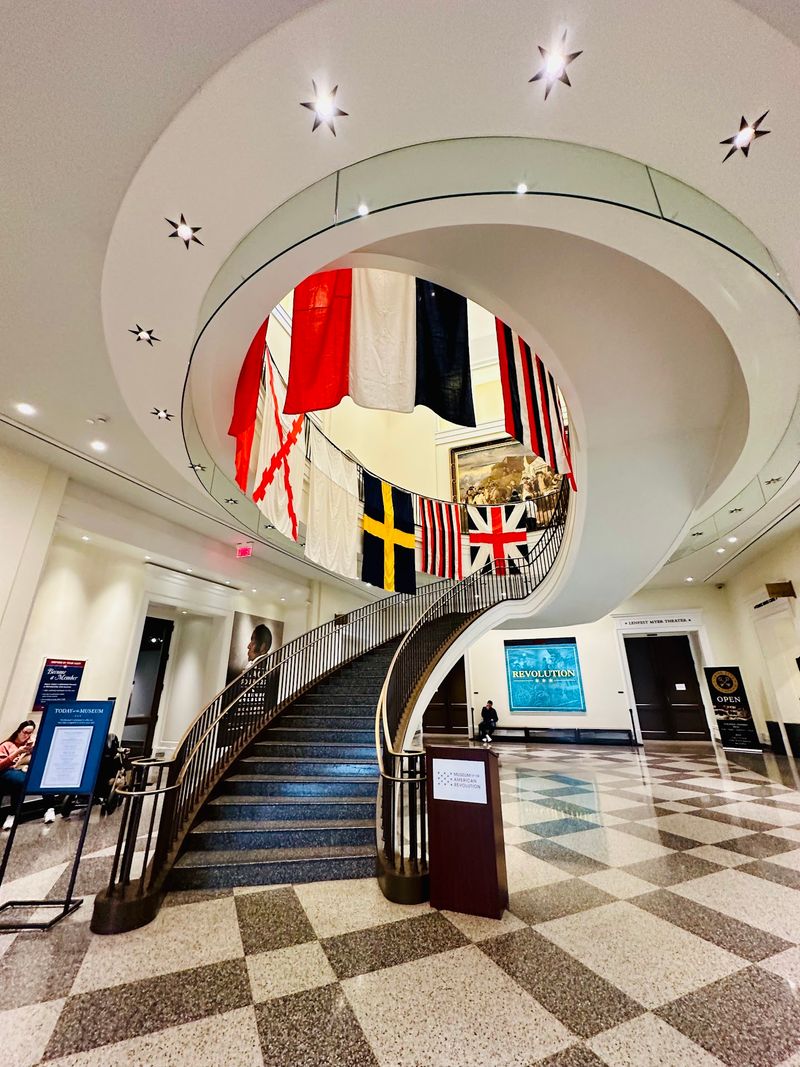
Inside, a skylit central atrium ties everything together. A grand elliptical stair carries you up to the galleries.
That atrium is the only natural light source for the windowless exhibition spaces.
The building rises three stories and covers 118,000 square feet. About 32,000 of those square feet hold exhibits.
It also earned LEED Gold certification for sustainability.
Before construction, archaeologists dug up 82,000 artifact pieces from the site. So even the ground under your feet has stories.
That’s a pretty great bonus for one city block.
Refuel With Sandwiches And Fresh Pastries
Hungry again already? Of course you are, it’s Thanksgiving weekend.
Cross Keys Café on the first floor has you covered.
The name comes from an 18th-century tavern that once stood nearby. The café offers a mix of locally sourced favorites and easy lunch options.
Think house-roasted turkey sandwiches, grilled chicken sandwiches, and a daily soup.
There’s also a chef-curated lineup of hot and cold sandwiches. Globally inspired salads, hometown bites, and family favorites round things out.
Picky eaters should find something. Coffee lovers get barista-made drinks and teas.
House-baked pastries make a tempting mid-visit treat.
A warm cup feels just right after wandering the galleries. The dining room is sun-drenched, and there’s seasonal patio seating outside.
You can reach the café directly from Third Street without museum admission. That makes it handy even before your tickets start.
Watch the hours, though, since the café closes earlier than the museum.
It runs from 11 a.m. to 3 p.m. on Sunday and Monday, and from 11 a.m. to 4 p.m. Tuesday through Saturday.
Plan lunch early and you’re golden.
Plan Around The Holiday Calendar Like A Pro
One key tip first: the museum is closed on Thanksgiving Day itself. Turkey wins that round, but Friday through Sunday are all yours.
Regular hours run from 10 a.m. to 5 p.m. daily. Tickets are required, and you can buy them online, by phone, or at the museum.
Buying ahead keeps your morning simple.
Better news? General admission tickets are valid for two consecutive days.
Come Friday, then return Saturday to finish what you missed.
That flexibility is perfect for a long weekend. Families can split the visit into smaller, happier chunks.
No one has to push through every gallery in one exhausting push.
Lockers and restrooms are on the first floor. Stash coats and bags before heading upstairs.
Your shoulders will thank you later.
The Museum Shop stays open during museum hours. It’s a convenient spot for early holiday gifts with a history twist.
Black Friday shopping, but make it colonial.
A little planning goes a long way here. With smart timing, this Pennsylvania outing feels relaxed instead of rushed.
Independence Hall Is Practically Next Door
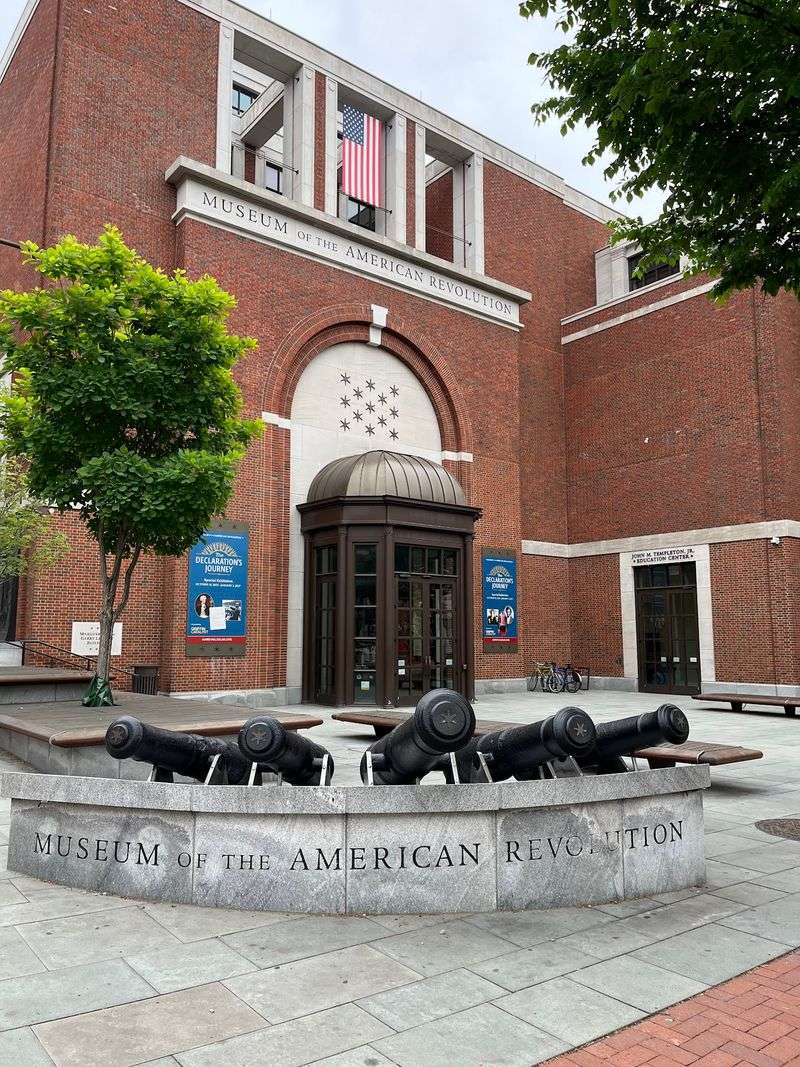
Location is a huge perk. The Museum of the American Revolution sits at 101 S 3rd St, Philadelphia, PA 19106, right in the Old City District.
It anchors the eastern end of Independence National Historical Park. Independence Hall and the Liberty Bell are just steps away.
Carpenters’ Hall and the First Bank of the United States are close neighbors too.
That makes the museum a great starting point. Learn the full story inside, then see the real places outside.
The history feels richer once you know the backstory.
The building’s third floor has two terraces with views of the First Bank, the park, and the Philadelphia skyline.
These terraces are part of its event spaces, including Liberty Hall. Still, it’s neat to know the building frames such iconic scenery.
Getting here is easy. The museum is within reach of I-95, I-76, and public transit.
Visitors from across Pennsylvania and beyond can arrive without much fuss.
For a Thanksgiving weekend outing, this combo is hard to top. One block holds centuries of stories.
Bring comfy shoes and curious minds.