
These 7 Illinois Museums Preserve Native American Stories You Never Heard In School
Around the year 1100, a city in what is now Illinois may have held more people than London. Most of us never heard a word about it in history class.
That city built a mound so large it still ranks as the biggest prehistoric earthwork in the Americas. Its people tracked the sun with rings of wooden posts.
Farther north, Native artists and scholars are telling their own stories today, in their own voices, right here in our backyard.
I love that so many of these stories live within a day’s drive. Several of the stops cost nothing to enter, which makes them easy outings for curious kids and grandparents alike.
So why did our textbooks skip so much? I can’t think of a better way to fill in the gaps than seeing these places for yourself.
Ready to learn what the lesson plans left out?
1. Gichigamiin Indigenous Nations Museum
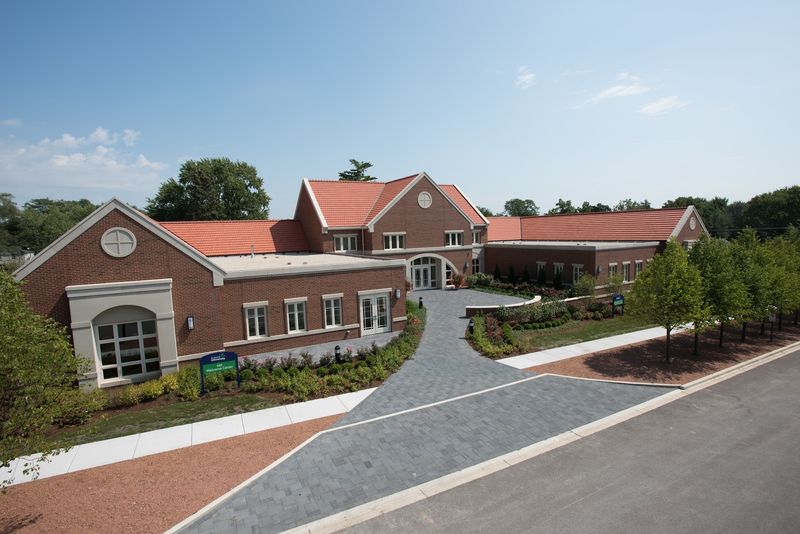
Say the museum’s name out loud, and you’re already speaking a little Anishinaabemowin. Gichigamiin means ‘Great Lakes’ in the Ojibwe language, a fitting title for a Native-led museum just a short drive from Lake Michigan.
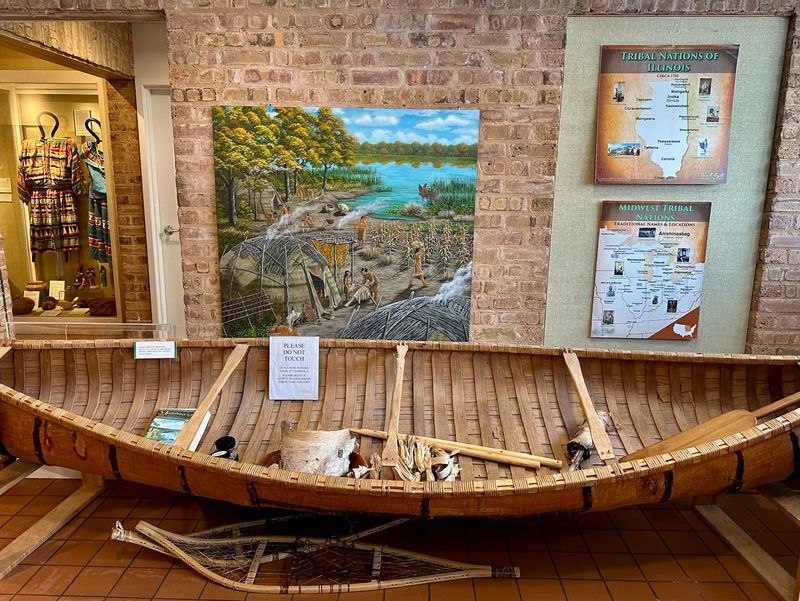
The collection tops 10,000 historical and cultural items, and the museum has been sharing Native artifacts since 1977. You’ll see tools, dwellings, clothing, and art from Indigenous nations across the United States and Canada.
Chicago’s own Native community gets real attention here, too. The Indigenous Chicago exhibit and the Potawatomi Constellations Mural connect the region’s first peoples to the city you know today.
Kids get plenty to do with their hands. A teaching lodge holds replica artifacts, and touch tables let little ones handle clothing, games, furs, tools, pottery, and baskets.
You can also listen to recordings of Native languages and study maps showing how tribal territories shifted over time. It’s a quiet lesson in just how much changed on this land.
Some exhibits tackle hard, current issues head-on. One moving display focuses on the crisis of missing and endangered Indigenous women, girls, and Two-Spirit people.
Step outside, and the learning keeps going in the Mawaw Cesinyah garden, Menominee for ‘Gathering Place.’ More than 1,500 native plants grow there, sharing Indigenous ties to land, water, food, and medicine.
Free parking makes the stop easier on the wallet. Saturdays wrap up at 3 PM, and the doors stay closed on Sundays.
Address: 3001 Central St, Evanston, IL 60201
2. Dickson Mounds State Museum
Twelve thousand years of human history, and the price of admission is exactly zero. That’s the deal at this branch of the Illinois State Museum, set in the Illinois River Valley near Lewistown.
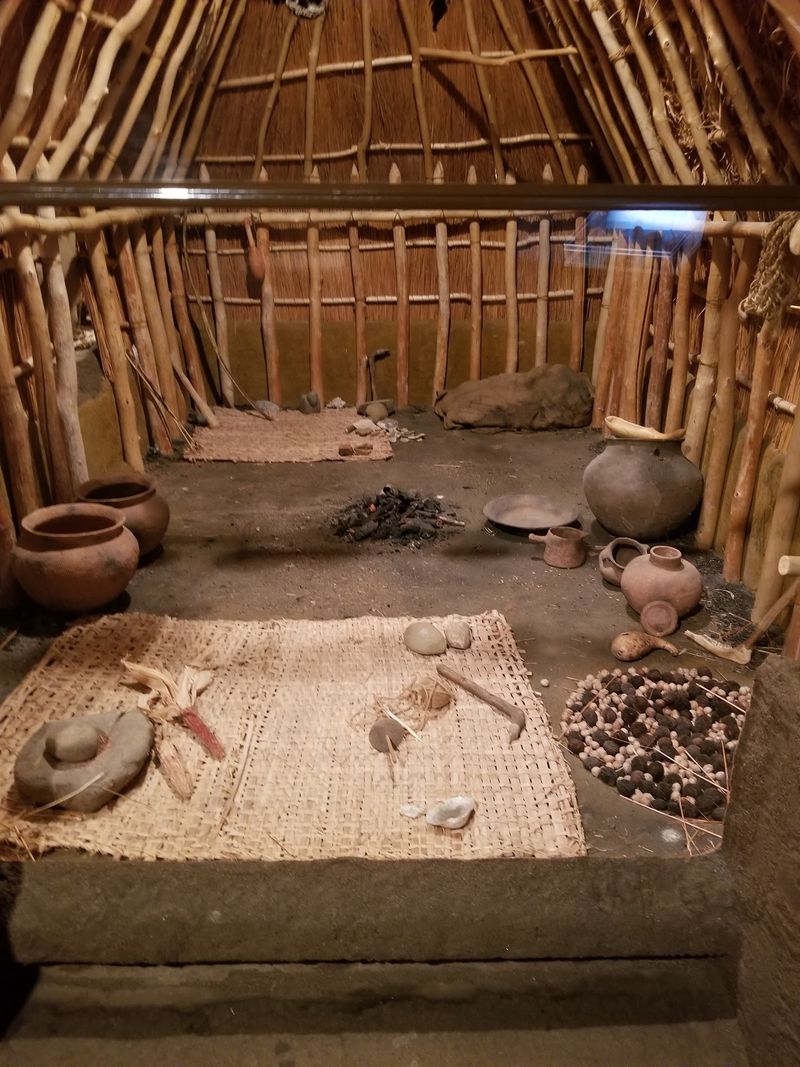
The exhibits trace Native life along the river through artifacts, ancient art, timelines, and historical photographs. The museum works to reflect Native American input, so displays aim to be accurate and respectful of cultural and spiritual beliefs.
Head up to the third floor for a movie in the theater. Then find the observation deck, where the view over the valley helps the story click into place.
Little explorers have their own territory, too. The interactive Discovery Center gives kids a hands-on break from reading labels.
Outside, the grounds stretch across 235 acres of restored prairie, picnic shelters, and a playground. Walking trails stay open from dawn to dusk, so you can stretch your legs after the galleries.
Seasonal outdoor exhibits add even more. At Eveland Village, you can see the excavated foundations of three early Native buildings.
Fulton County sits a bit off the busy interstate routes, and that’s part of its appeal. The drive through river country makes a fitting lead-in to the history waiting inside.
Families with toddlers should keep an eye on programs like Tot Time and Kid’s Crafter-noon. Pack a lunch, grab a shelter, and you’ve got a full day that barely dents the budget.
One planning note: the museum opens Tuesday through Saturday, 9 AM to 4:30 PM. Sundays and Mondays are off the table.
Address: 10956 N Dickson Mounds Rd, Lewistown, IL 61542
3. Hauberg Museum
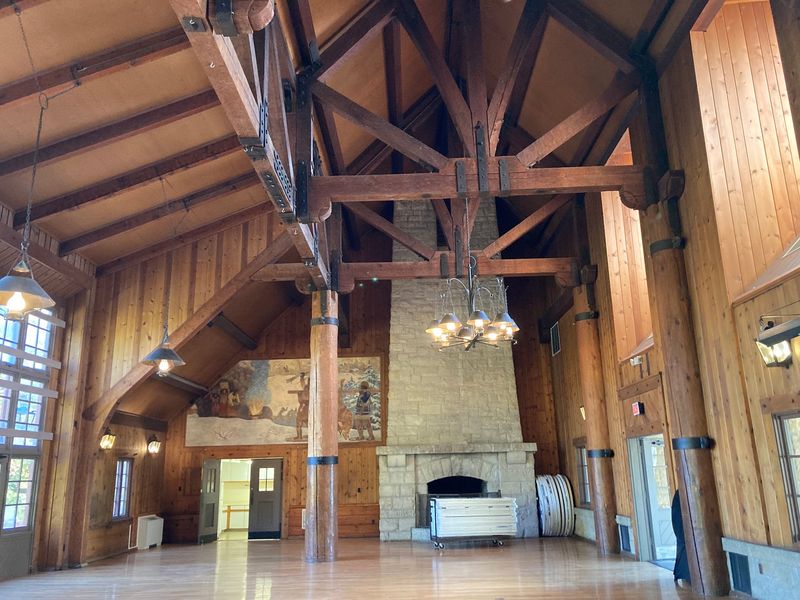
Long before Rock Island had streets, the ground beneath this museum held a Sauk and Fox village. Standing on that land changes how the artifacts and photos inside hit you.
The Hauberg Museum sits within Black Hawk State Historic Site, named for the famous Sauk leader. It’s small, but it packs a focused look at the lives of the tribes who called this stretch of the Rock River home.
Don’t expect sprawling wings or giant theaters. Expect a tight, informative collection that zeroes in on Native Americans of the Quad Cities area.
And the best part for budget planners? Admission is free.
When you’ve finished inside, the surrounding park takes over. Trails wind through the woods, ideal for a leisurely stroll and a chance to picture village life in the same landscape.
That mix of indoor history and outdoor wandering makes this a natural half-day trip. Kids who get restless around display cases can burn off energy on the trails.
Timing takes a little planning, so check the clock before you go. The museum opens Wednesday through Sunday, 9 AM to noon and again from 1 to 4 PM.
Translation: don’t roll up at 12:30 expecting the doors to be open. The midday break is real here, so plan a picnic or a trail walk around it.
For western Illinois families, this is one of those close-to-home stops that sticks with you. It’s proof that a small building can hold a big story.
Address: 1800 46th Ave, Rock Island, IL 61201
4. Trickster Cultural Center
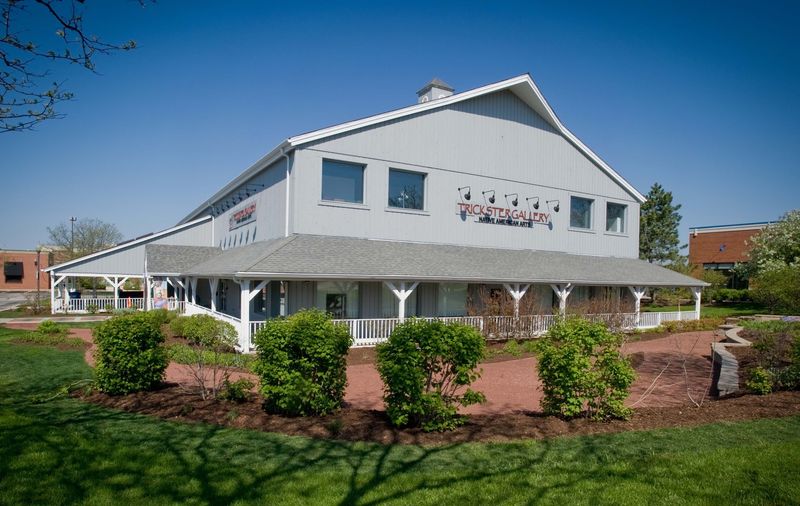
Name a cultural center after a trickster, and you’d better have a few surprises up your sleeve. In many Native American traditions, the trickster teaches life lessons and hard truths, often with a grin.
Trickster Cultural Center in Schaumburg lives up to the name. This Native American-led arts center puts contemporary Indigenous art front and center, proving Native culture isn’t stuck in a glass case from centuries ago.
Rotating exhibits give Native artists a platform to show current work. That means a return trip can look quite different from your first.
One feature deserves a long pause. The Veteran Wall of Honor pays tribute to Native American veterans and their service.
Kids get a hands-on exhibit called Walking Through Native Lands. It turns learning into something they can actually touch and explore.
The calendar stays busy, too. Film screenings, open mics, workshops, panel discussions, and Indigenous Peoples Day celebrations bring the community together.
Behind the scenes, the center supports Native youth through summer and cultural camps. It’s a place that looks forward as much as it looks back.
Plenty of reading material helps curious grown-ups go deeper. Tours are offered as well, which adds context to the art on the walls.
Before you leave, browse the gift shop for something to bring home. The northwest suburbs location makes it an easy add-on to a weekday errand run.
Doors open Tuesday through Friday, 10 AM to 5 PM. Saturday hours run until 3 PM.
Address: 190 S Roselle Rd, Schaumburg, IL 60193
5. Schingoethe Center Museum
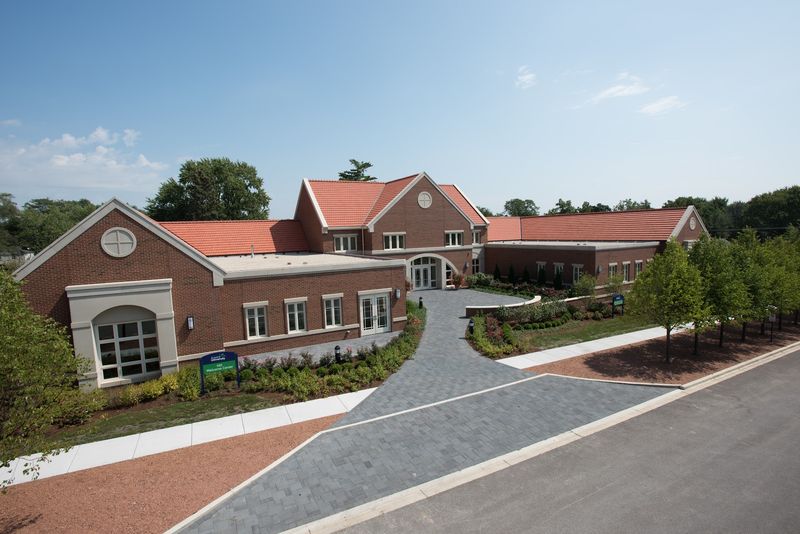
College campuses aren’t usually where families head for Native American history, but Aurora University keeps a museum that changes that. The Schingoethe Center sits right on campus in Aurora, in the heart of the Fox Valley.
Its mission spells out the goal plainly. The center works to preserve and perpetuate Native American cultures while celebrating artistic excellence and lifelong engagement with the visual arts.
That pairing of culture and art gives it a personality all its own. You’re invited to look closely, ask questions, and think about how creative work carries a community’s story.
Inquiry sits at the heart of the mission, too. Expect a visit that nudges you to wonder, not just memorize.
The museum also serves as a teaching tool for the university. It aims to build bridges between the classroom and the world beyond, which keeps the conversation lively.
For families, that academic setting can be a bonus. Older kids get a peek at college life while exploring Native cultures in a space designed for learning.
Tours are available if you’d like a guided experience. A guide can help connect the objects to the bigger story.
The center welcomes a broad crowd and describes itself as an inclusive space. Curious grandparents and teens working on school projects fit right in.
Hours lean toward the work week, so plan accordingly. The museum opens Monday through Friday from 9 AM to 5 PM and stays open until 7 PM on Tuesdays.
That Tuesday evening window is a gift for working parents. Weekends are closed, so an after-school or after-work trip may be your best bet.
Address: 1315 Prairie St, Aurora, IL 60506
6. Illinois State Museum
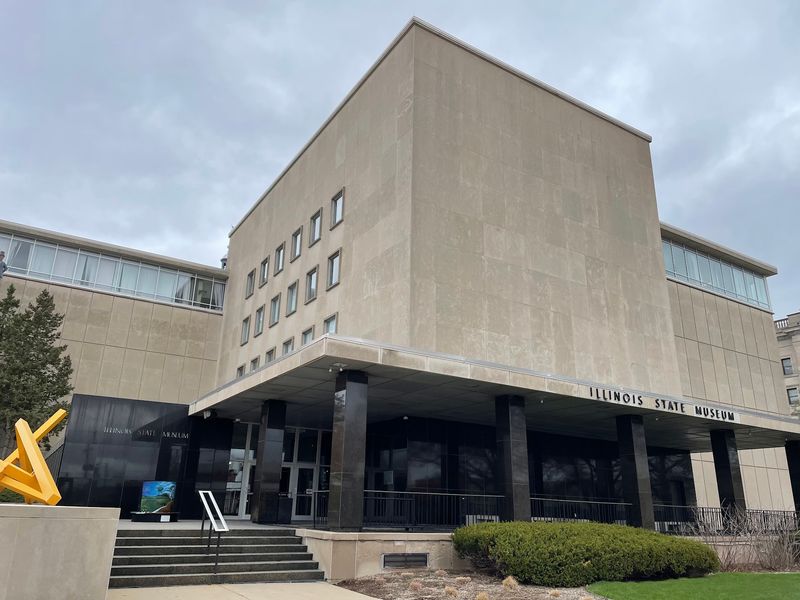
Dinosaurs, glaciers, and beadwork share the same address in the state capital. The Illinois State Museum covers the culture, history, geology, anthropology, and art of the whole state, and Native history runs through the story.
Exhibits walk you through the history of Native Americans in the region. They continue into the arrival of the first Europeans, the French, and how life in Illinois shifted afterward.
Don’t skip the upstairs galleries. Native American art lives there, including Indigenous beadwork and regalia portraits rich with color and detail.
The museum stretches across two floors, from early geology and ecology up to the present day. It’s a smart way to see where Native stories fit into the bigger picture of the land.
The exhibits even look ahead. Displays touch on conditions Illinois faces today and ways people can help shape a better future.
Young visitors have a play area to explore, and changing tables make life easier for parents of little ones. A cafe on site handles snack emergencies.
Parking is free, both in the lot and on the street. That’s one less thing to budget when you’re already paying for gas to Springfield.
Want a quieter visit? Tuesday mornings tend to be the calmest, while Saturday afternoons draw the biggest crowds.
The museum opens Monday through Saturday from 9 AM to 4:30 PM and Sunday from noon to 4:30 PM. A gift shop is on hand if anyone needs a souvenir.
Address: 502 S Spring St, Springfield, IL 62706
7. Cahokia Mounds UNESCO World Heritage Site
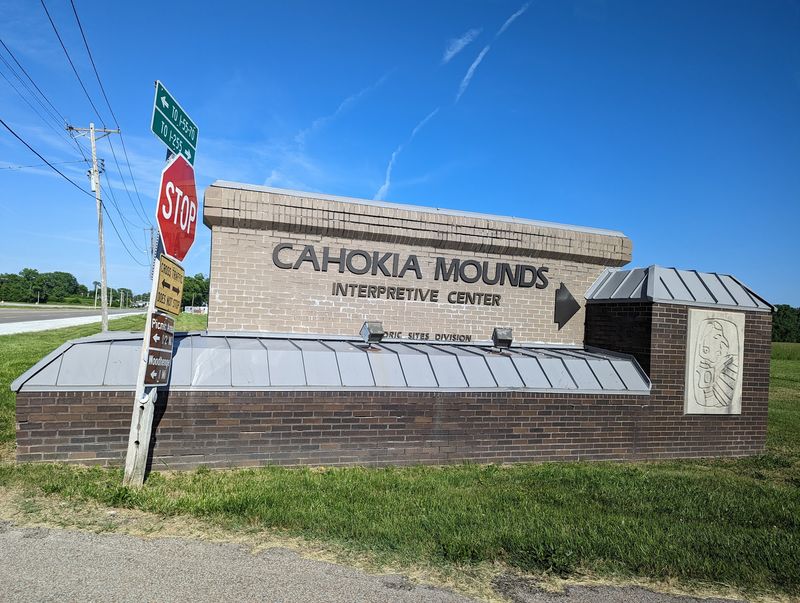
Around 1100, this spot near Collinsville may have held more people than London. Cahokia was the largest prehistoric Native American city north of Mesoamerica, and today it’s a UNESCO World Heritage Site.
The Mississippian people who built it thrived here roughly from 1050 to 1350. Their city spread across a vast complex of mounds that reached into the modern St. Louis region.
Monks Mound steals the show. It’s the largest prehistoric earthen mound in the Americas, and the view from the top takes in the old city.
About 72 mounds survive across the site. Paved, accessible paths make it easy to wander between them at your own pace.
Then there’s Woodhenge, a solar calendar built from carefully aligned wooden posts. Yes, ancient Illinois had its own sky-watching system, and most textbooks barely mention it.
Want a guide in your pocket? The Cahokia AR Tour app offers virtual looks at the Grand Plaza and Monks Mound.
Free recorded walks with commentary are available through the visitor center. Add free parking, and this becomes one of the best budget day trips in the Metro East.
Some interior exhibits have been under renovation, so check ahead before you go. The visitor center keeps hours Wednesday through Sunday from 9 AM to 3 PM.
Wear good shoes and bring water for the climb. Standing on top of Monks Mound, it’s hard to believe this story ever got skipped in class.
Address: 30 Ramey St, Collinsville, IL 62234