
This Short Washington Walkway Along The Columbia River Passes Rocks Carved With Petroglyphs
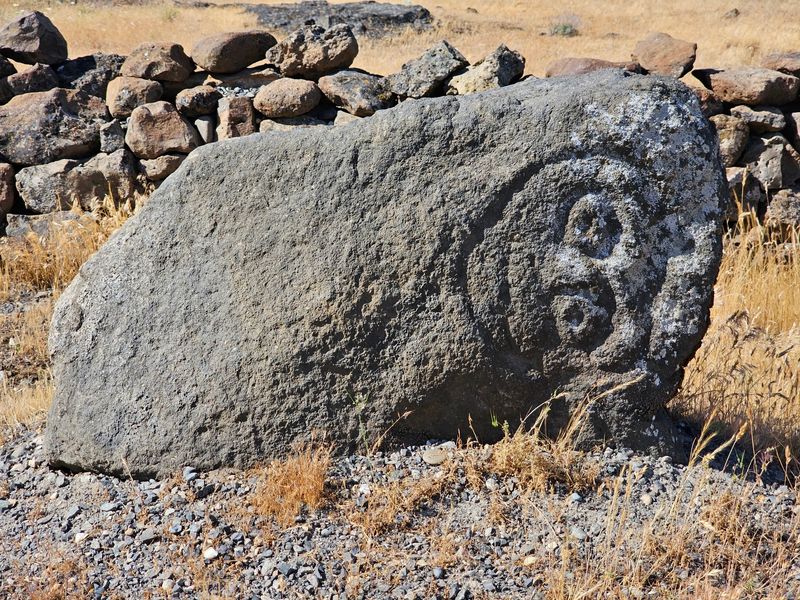
Ancient rock carvings were pulled from the path of rising river water and moved to a quiet walkway where anyone can stroll past them. That alone stopped me in my tracks.
The stroll is short. Most people can see the carved boulders in about 15 to 20 minutes.
Yet the story behind each stone stretches back far longer than any highway sign suggests.
I like how easy this stop is to miss. Plenty of drivers cruise right past it on a scenic Washington road along the Columbia River.
Then one day they finally pull over and wonder why they waited so long.
There is also a famous rock face here that you can only see with a guide. I can’t imagine a better reason to plan a weekend drive.
So what exactly is waiting along that little path?
A Riverside Park Where Old Stories Sit In Stone
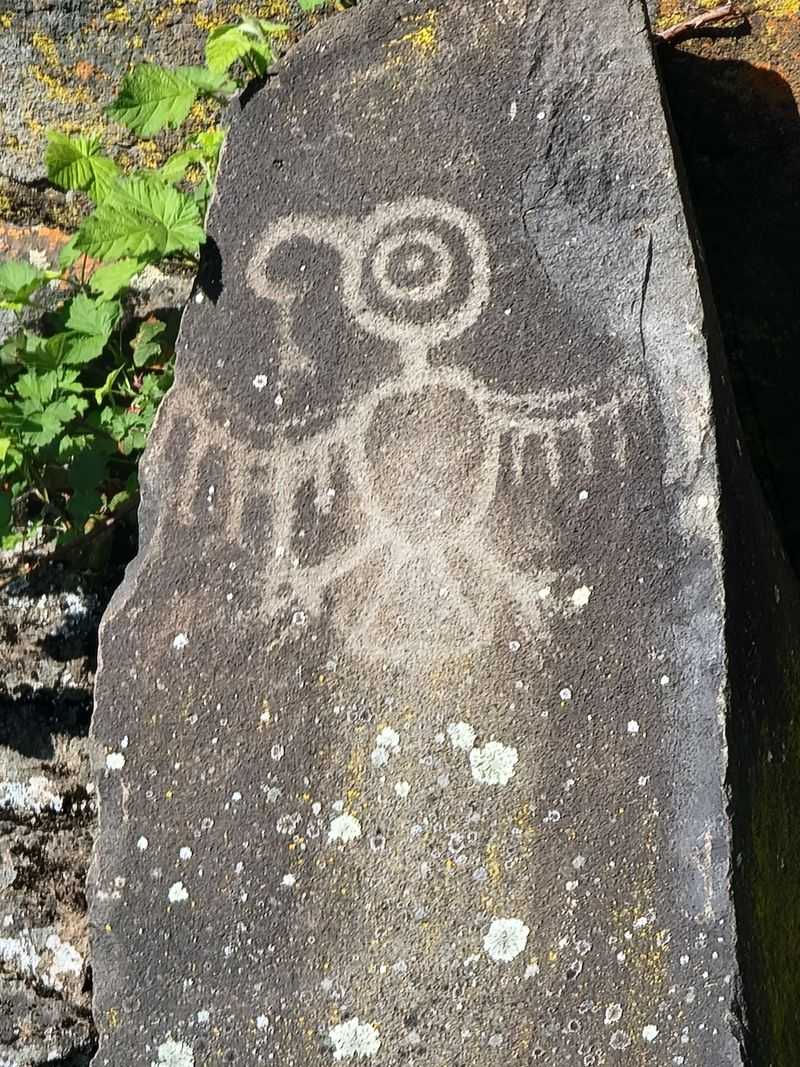
Along the Washington shore of the Columbia River, the Petroglyphs at Columbia Hills Historical State Park offer one of the state’s most surprising short walks. The park was long known as Horsethief Lake State Park, and many maps still use that name.
The setting sits near the small community of Lyle, in the dry, rocky country east of the Columbia River Gorge’s greener stretches. Basalt cliffs and wide skies frame the whole scene.
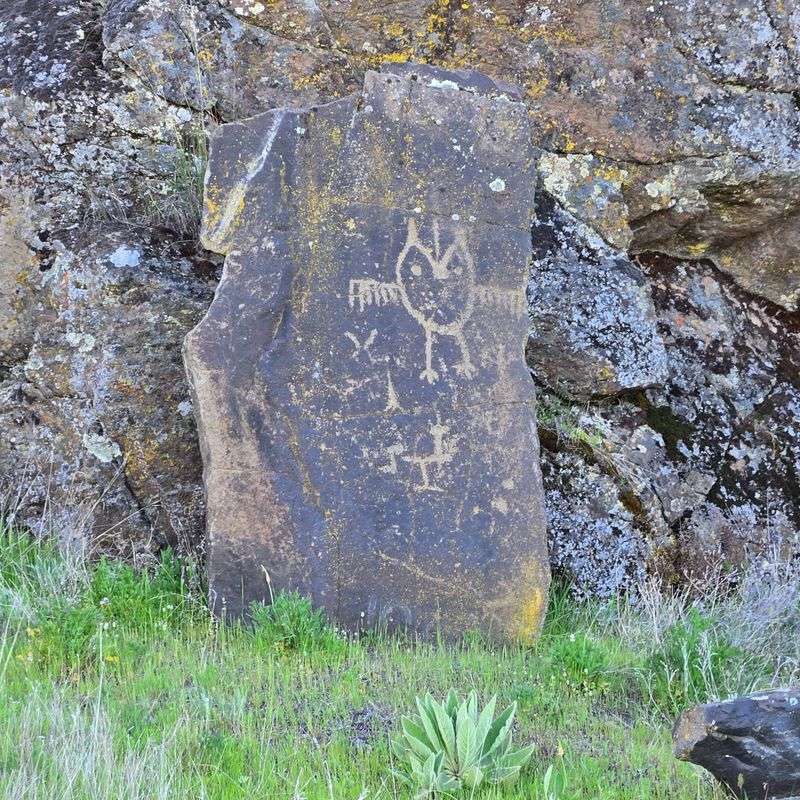
What you’ll find is a simple walkway lined with boulders carved long ago by Native peoples of the region. Each rock has its own figures, shapes, and faces worked into the stone.
It’s a landmark, not a long trail. That matters, because the payoff here comes from looking closely rather than covering miles.
Families can manage it easily, and so can anyone who prefers a flat, quick outing. The path is short enough that even tired legs won’t complain much.
I love that something this meaningful sits right off a scenic river road. Washington has plenty of big viewpoints, but few let you stand this close to such deep history in so little time.
The Rescue That Kept These Carvings Above Water
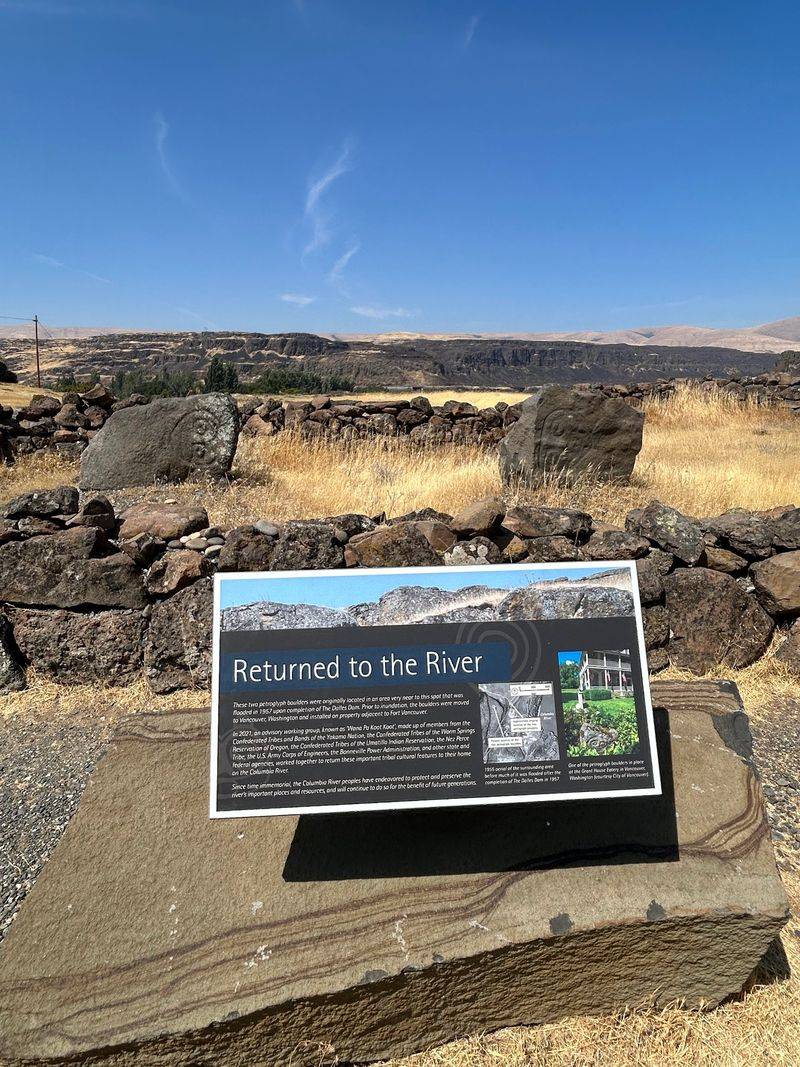
Rising water changed this stretch of the Columbia forever. When The Dalles Dam was built in the 1950s, the river backed up and covered many shoreline rocks bearing ancient carvings.
Some of those carved boulders were removed before the water claimed them. They eventually found a home here, where people can view them safely on dry ground.
Not every piece made it out. Many carvings are now underwater, which gives the surviving stones an extra layer of weight.
The rescue itself was not a tidy, modern operation by any stretch. Interpretive material at the site suggests it was a fairly scrambled effort, very much a product of its era.
Still, the result is remarkable. You’re looking at artwork that once sat at river level, now lifted out of reach of the current.
I think that backstory is what turns a quick walk into a moving one. Knowing these rocks were nearly lost makes every faint line feel precious.
It also explains the slightly unusual layout. The carvings aren’t in their original spots, so the walkway works more like an outdoor gallery than a natural rock wall.
Short Stroll, Big Payoff
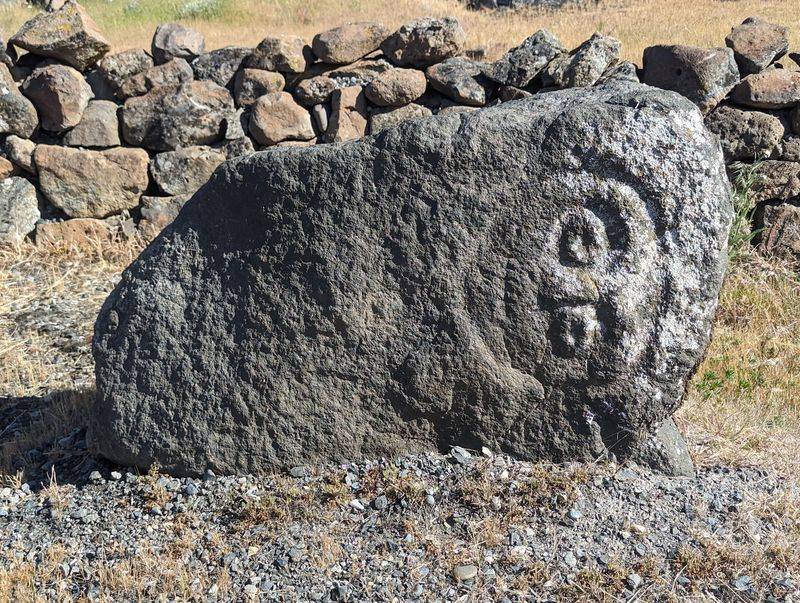
Expectations matter here, so let’s set them right away. This walkway is brief, flat, and lined with a modest number of carved stones placed along the way.
Hikers hoping for switchbacks and summit views will be disappointed. The Petroglyphs are a stop to savor slowly, not a workout to conquer.
That simplicity is actually part of the charm. Kids, grandparents, and anyone short on time can enjoy the whole thing without breaking a sweat.
The carvings are easy to spot as you move down the path. Each boulder sits in view, so there’s no hunting around behind bushes.
Plan on roughly 15 to 20 minutes for a relaxed look. Linger longer if you like reading every sign and studying every curve in the rock.
Honestly, I find short walks like this refreshing. You get a real sense of place without packing snacks for a three-hour trek.
Pair it with time in the surrounding park, and the visit grows naturally. The walk is the main event, but it doesn’t have to be the only one.
Think of it as a perfect road-trip leg stretcher with a serious story attached.
Signs That Turn Rocks Into Storytellers
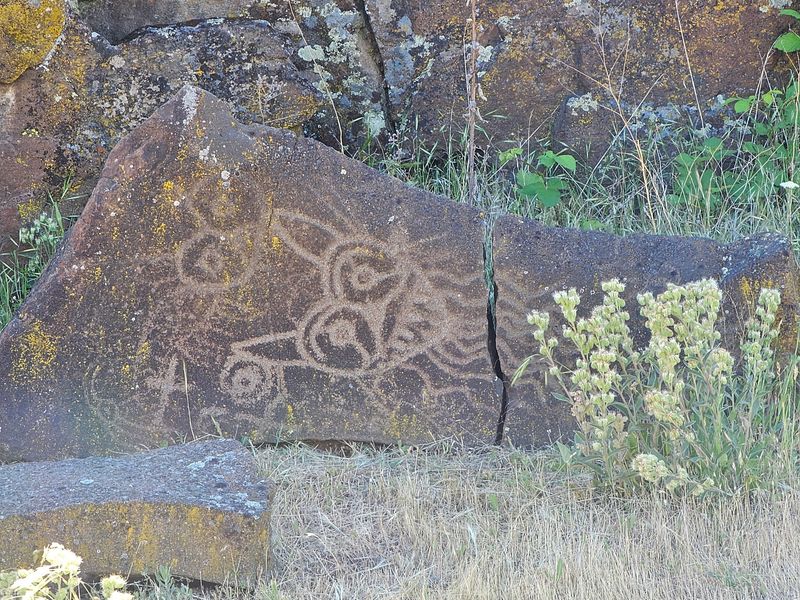
Reading as you go makes all the difference. Interpretive information along the path helps explain the history behind the pieces you’re seeing.
Without context, a carved face might just look like an interesting doodle. With a little background, it starts to feel like a message from people who knew this river intimately.
The walk works almost like a museum without walls. You move from stone to stone, pausing to learn as the Columbia rolls along nearby.
Curious kids will likely appreciate this setup. It’s hands-off for the rocks, but very hands-on for the imagination.
Bring questions and let the signs answer some of them. The rest can spark a great conversation on the drive home.
I appreciate how the site trusts visitors to slow down. There’s no flashy screen or soundtrack, just stone, sky, and information.
History lovers will find plenty to chew on in a short window. Casual travelers will walk away knowing a lot more about this corner of Washington than when they arrived.
That’s a pretty good trade for a few quiet minutes on a flat path.
Meeting She Who Watches Takes A Little Planning
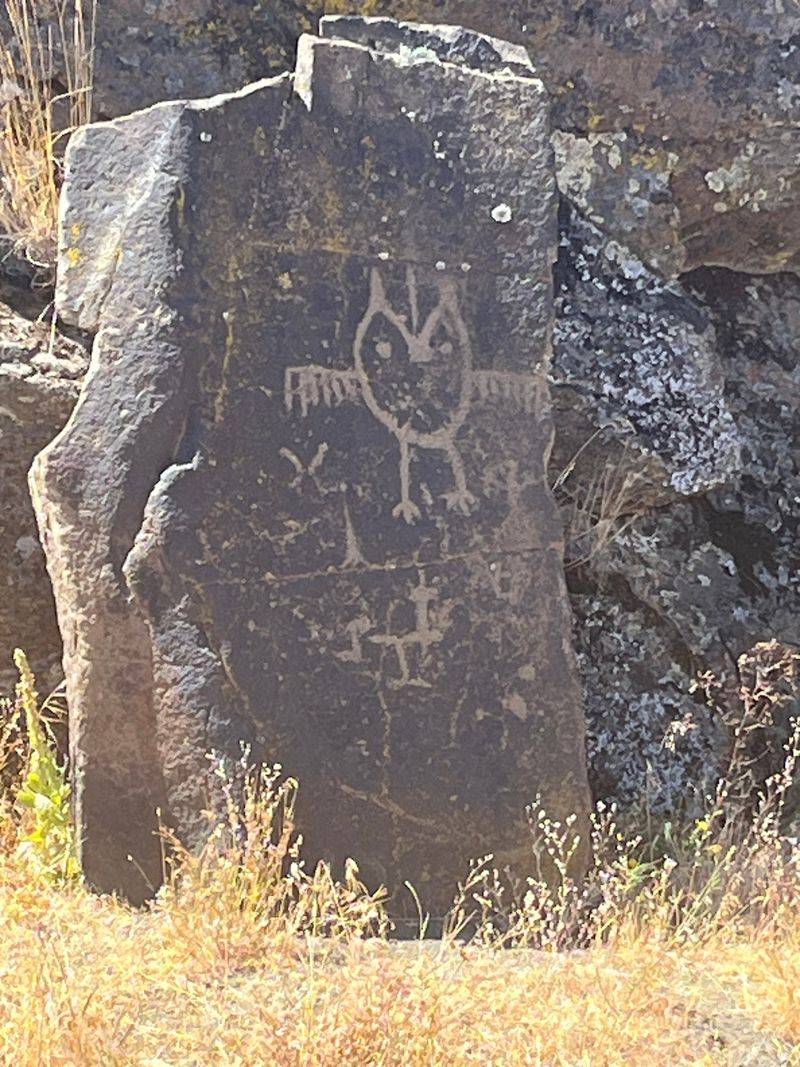
Famous faces usually come with guest lists, and this one is no exception. She Who Watches, known as Tsagaglalal, is the site’s best-known rock image, and you can only see it on a guided tour.
The tour is free, which makes it a wonderful deal for budget-minded travelers. The catch is that you need advance tickets.
Tours have been offered on Fridays and Saturdays at 9 a.m. Spots go to people who reserve ahead, so walk-ups shouldn’t count on joining.
Is it worth the extra planning? Plenty of people who finally make it describe the wait as well worth it.
The guided format also adds something the self-guided path can’t. A knowledgeable leader can share context that signs simply don’t have room for.
Check the park’s current schedule before you go, since tour details can shift by season. Building your trip around that morning time slot makes good sense.
I love that this experience still feels special and protected. Not everything needs to be available on demand.
Seeing those watchful eyes in person seems like the kind of moment that sticks with you for years.
Morning Light Is Your Secret Weapon Here
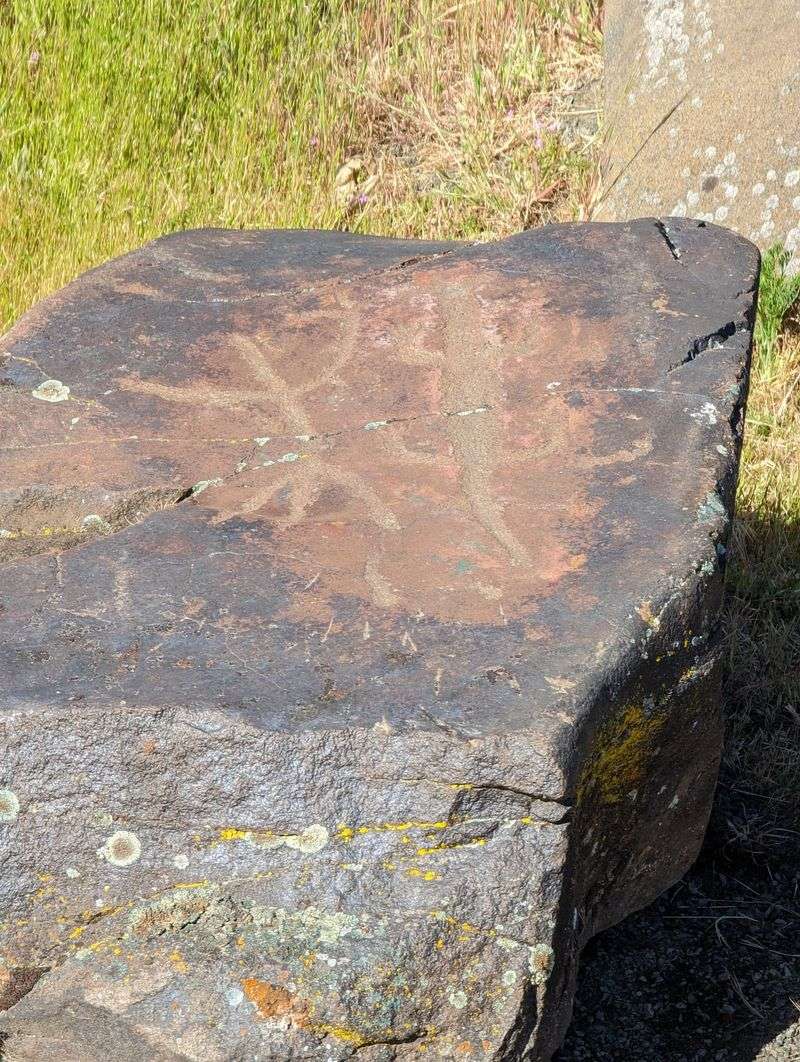
Timing your visit can sharpen every carving. Morning sun hits the petroglyphs directly, making the etched lines pop against the stone.
Later in the day, the rocks can become backlit. That flat or shadowed light makes the details much harder to pick out.
So set the alarm a little earlier than usual. A morning stop also pairs nicely with the 9 a.m. guided tour on tour days.
Some carvings are naturally faint, worn by time and weather. Good light gives you the best shot at catching subtle shapes you’d otherwise miss.
Photographers will especially appreciate this tip. Angled sunlight creates gentle shadows inside each groove, which adds depth to your pictures.
The surrounding landscape looks pretty great in the morning, too. Those rugged hills and the wide river make a striking backdrop for any shot.
I always think small planning choices like this make the biggest difference. Same place, same rocks, but a completely different experience depending on the hour.
If mornings aren’t your thing, you can still enjoy the site later. Just know the carvings will play a bit harder to get.
A Protective Fence And Why Binoculars Help
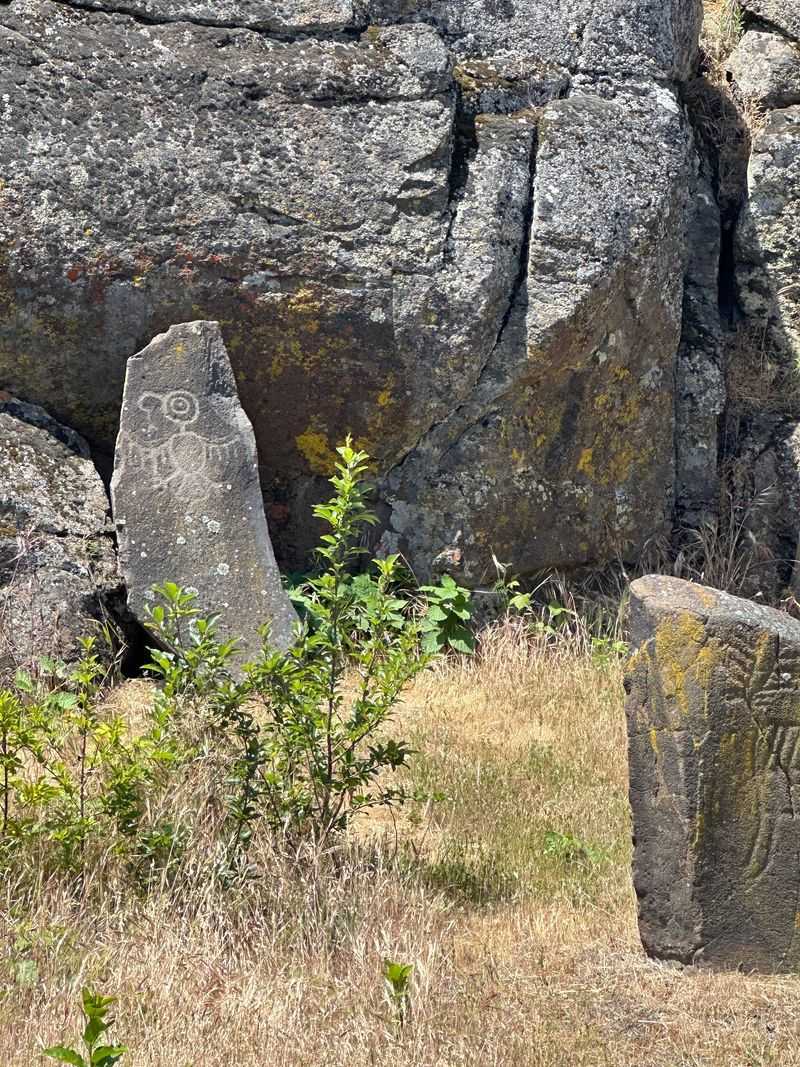
Protection comes first at this site, and that shapes how you see the art. A fence separates the walkway from the carved boulders.
Some stones sit fairly far back from that barrier. That distance can make it tricky to fully appreciate the finer details.
Here’s an easy fix worth considering. A small pair of binoculars or a phone with good zoom can help bring faint figures into focus.
The fence exists for good reason. These carvings survived a dramatic relocation, and keeping hands off helps them last for future visitors.
Respect is a theme that comes up again and again around this place. Treating the site gently is part of the experience, not an obstacle to it.
Kids may want to scramble closer, so a quick chat before you arrive can help. Explain that the rocks are old, important, and better admired from the path.
I actually like that the barrier encourages patience. You end up studying each stone more carefully instead of just glancing and moving on.
Combine that slower pace with morning light, and you’ll catch far more than you expected.
Green Grass, Shade, And A Lake For Lingering
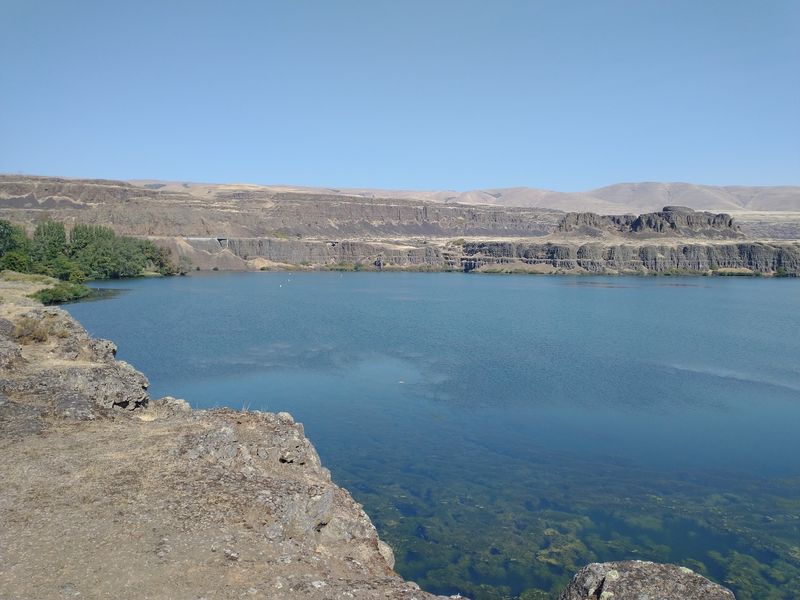
Green lawns feel like a bonus in this sun-baked corner of Washington. The surrounding park offers grassy areas, plenty of shade, and restrooms close at hand.
That makes it easy to turn a quick petroglyph stop into a relaxed afternoon. Pack lunch and spread out under the trees.
Horsethief Lake sits right in the park, and it’s a popular spot for fishing. Picnics, family gatherings, and barbecues fit naturally into the setting too.
Parking is plentiful, which is always welcome on a road trip. A ranger office is located within the park as well.
The views deserve their own mention. Wide river scenery and rugged hills make even an ordinary sandwich feel like a scenic event.
For budget-conscious families, this is a sweet setup. A simple lunch from home and a few hours outdoors can make a memorable day without much spending.
I can’t think of a better way to balance a history stop with some easygoing downtime. Kids burn energy on the grass while adults soak in the view.
Suddenly that 20-minute walk becomes an entire outing.
A Quiet Place That Asks For Respect
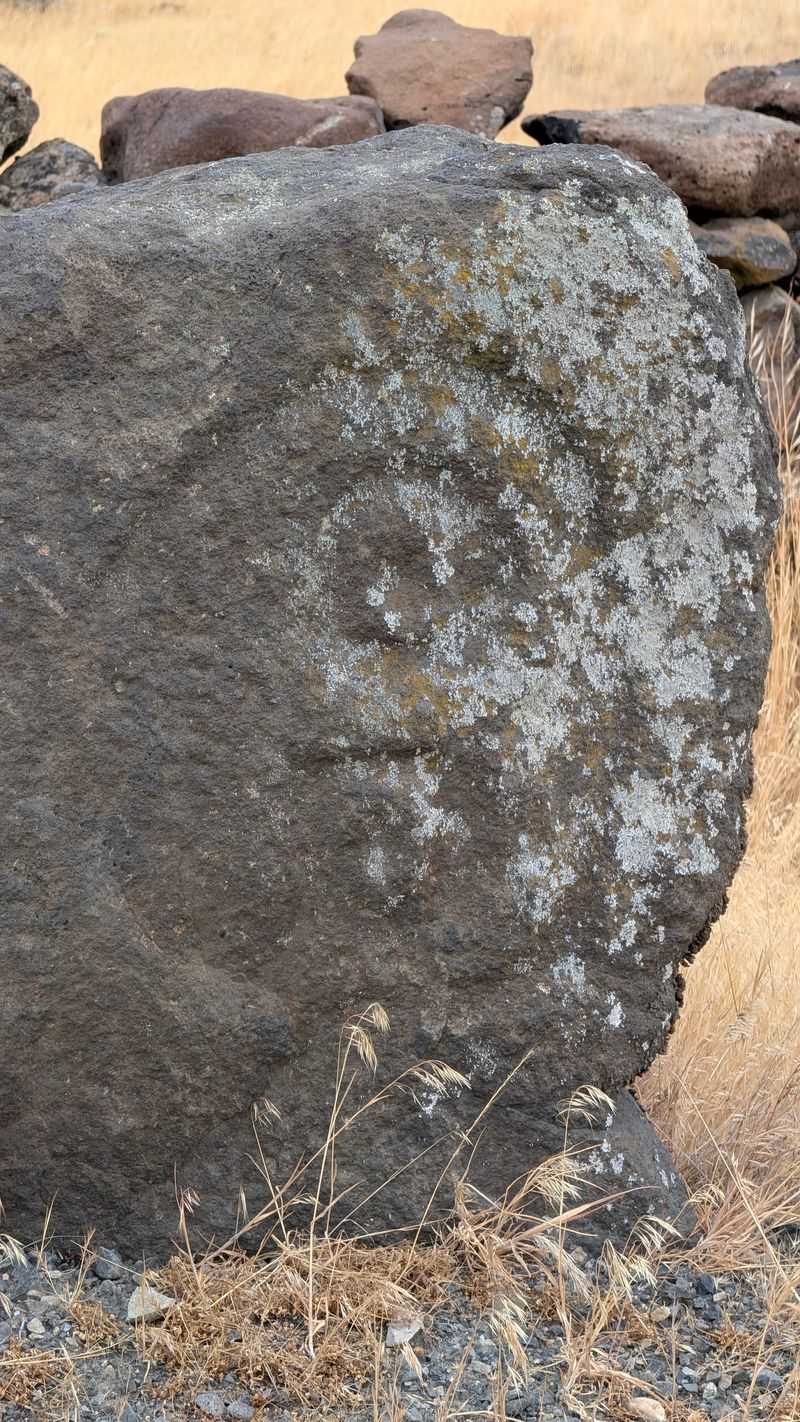
Something about this place tends to quiet people down. Many who stop here describe feeling humbled, and some sense a strong spiritual presence.
That reaction makes sense once you understand the history. These stones were made by people with deep ties to the river, and some were nearly lost forever.
The mood is reflective rather than flashy. Peaceful views and calm surroundings set the tone better than any brochure could.
Visitors who enjoy history, culture, and meaningful stops will feel right at home. Road-trippers looking for a gentle break from driving fit nicely too.
It’s also a solid pick for anyone who prefers low-key travel. You won’t need special gear, a big budget, or advanced fitness.
Thrill-seekers might want to pair it with something more active nearby. The petroglyphs reward curiosity more than adrenaline.
I believe the best visits here start with the right mindset. Arrive ready to listen, read, and look closely.
Leave the rocks exactly as you found them, and speak softly if others are taking in the moment. A little courtesy goes a long way at a site this special.
Passes, Directions, And Snacks Before You Arrive
Paperwork first, scenery second. A Discover Pass or a day-use fee is required to park and enjoy the state park.
Washington residents who visit state parks often may find the annual pass a smart buy. Occasional visitors can simply pay for the day.
The site is located at Horsethief Lake State Park Rd, Lyle, WA 98635. It’s reached from scenic State Route 14 along the Washington side of the Columbia River.
Portland travelers should plan on roughly a two-hour drive. That’s very doable for a weekend day trip.
Supplies are another key detail. The nearest store sits several miles away, so bring snacks, water, and anything else you’ll need.
Sunscreen and a hat are smart additions in this open, sunny landscape. Binoculars are a handy extra for spotting faint carvings.
Remember that the She Who Watches tour requires advance tickets. Reserve early if seeing that famous image is the main reason for your trip.
A little preparation makes everything smoother. Arrive with a full cooler and a parking pass, and the only thing left to do is enjoy.
Worth Pulling Over For, Every Single Time
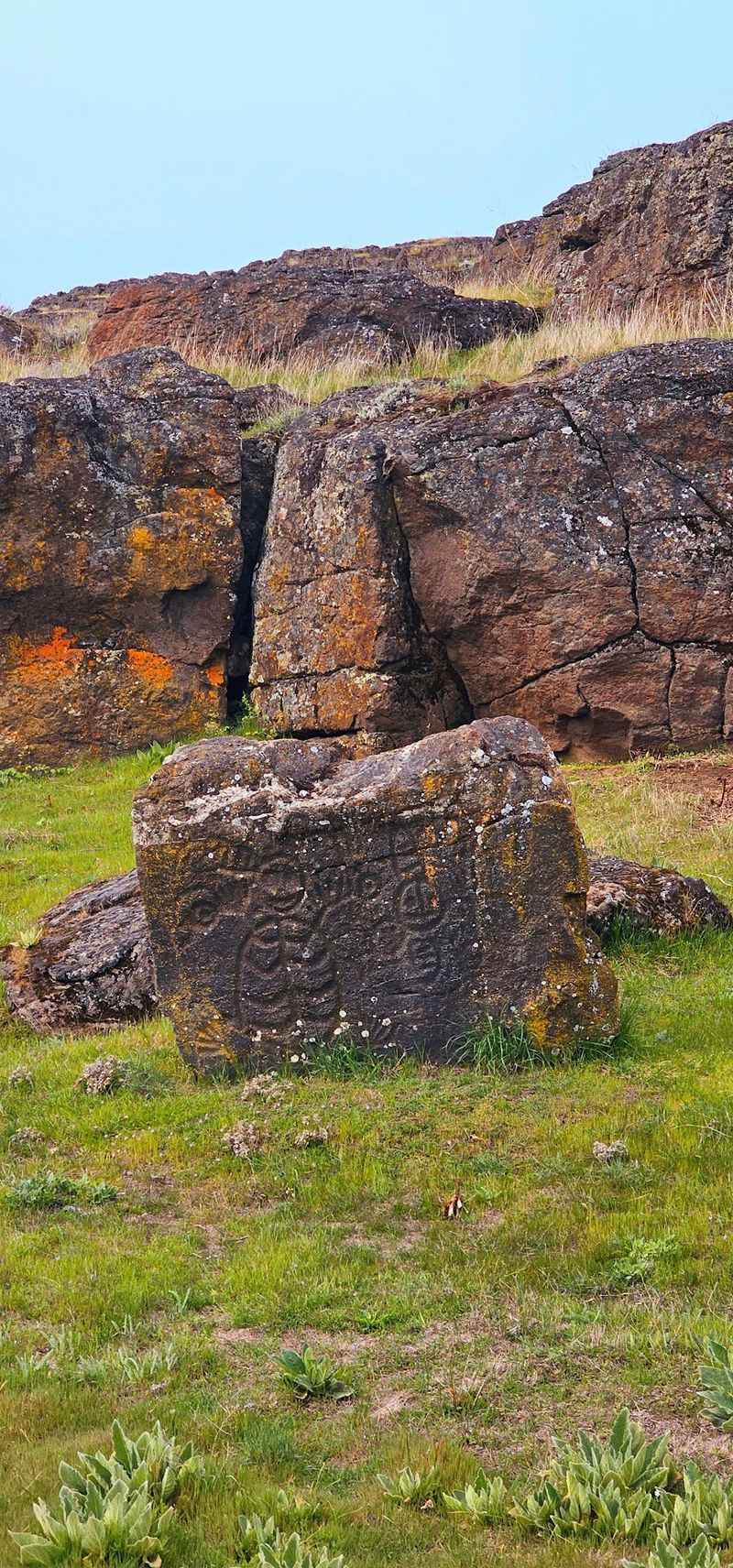
Plenty of people drive past this spot for years before finally stopping. Once they do, many wonder why they ever kept going.
The Petroglyphs at Columbia Hills Historical State Park pack a lot into a small space. You get ancient art, a dramatic rescue story, and big Columbia River scenery in one short walk.
It won’t replace a full day of hiking, and it doesn’t try to. Instead, it offers something quieter and arguably more lasting.
The free guided tour adds real value for planners. Morning light, a picnic by the lake, and a few binoculars can round out the day beautifully.
For families and retirees watching their budgets, this checks a lot of boxes. It’s affordable, easy on the legs, and genuinely memorable.
I love that a place like this still exists along a busy Washington highway. It’s a reminder that history isn’t always behind glass in a big city museum.
So next time you’re cruising along the river, give yourself 20 minutes. Those carved faces have been waiting a very long time, and they’ve earned a proper look.