
These 10 Arizona Native American Museums Tell Stories Your School History Books Left Out
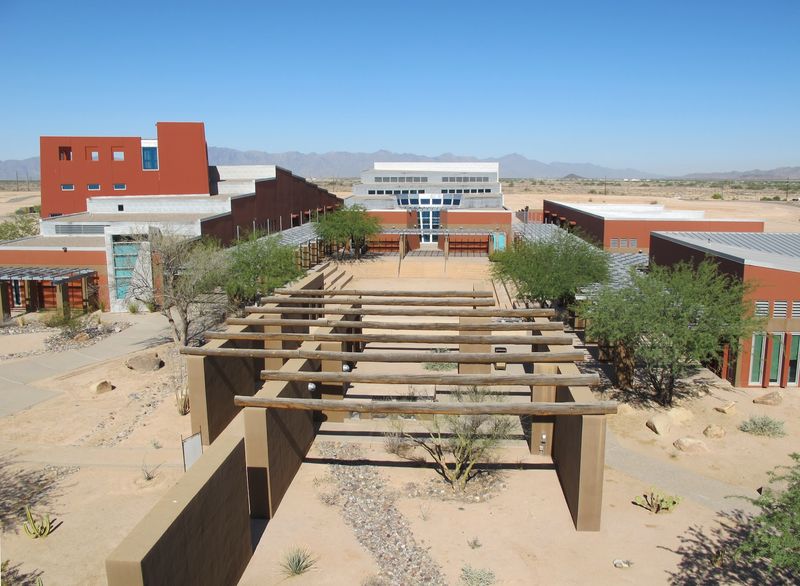
A museum in the Arizona desert sits right on top of a village that’s more than 1,500 years old. Its builders dug miles of irrigation canals by hand.
Some modern Phoenix canals still trace their routes.
I never learned that in school. I also never learned that Navajo Code Talkers used their own language to help win World War II.
Or that some tribes run their own museums and tell their own stories, in their own words.
That’s what makes this list so exciting to me. These places aren’t dusty rooms full of labels written by outsiders.
Many are run by the tribal nations themselves, on their own land.
You’ll find baskets, treaties, creation stories, and boarding school history that textbooks barely touched. Some spots are free.
A few close on weekends. So which chapter of Arizona history did your teacher skip?
1. Heard Museum
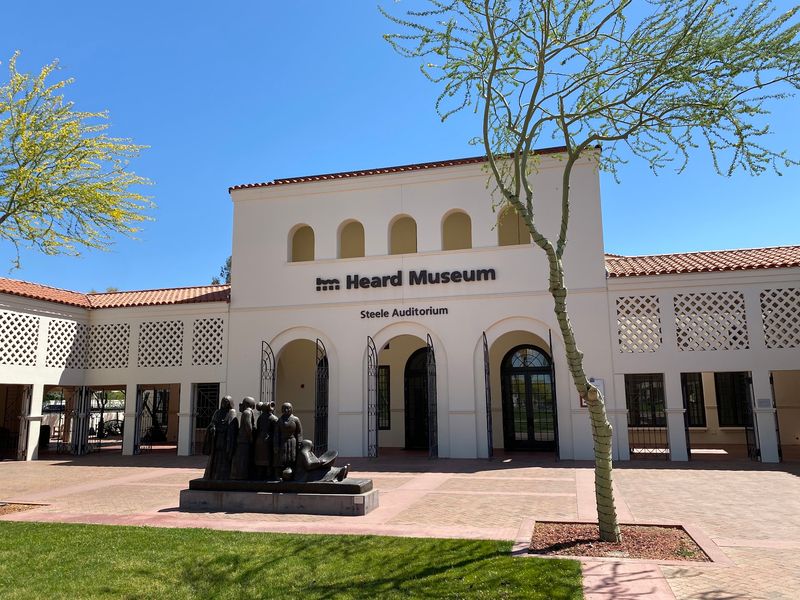
Boarding school history rarely gets more than a sentence in class, but here it gets a whole exhibit. The Heard’s boarding school gallery hits hard and stays with you long after you leave.
Founded in 1929, the museum has grown into one of the best-known homes for Native American art in the country. Its big collection of Southwestern art covers sculpture, paintings, jewelry, and more.
The lower floor is packed with Indigenous arts and handicrafts. You could easily lose an afternoon studying beadwork and pottery up close.
Want a guide? Docents lead tours and tell stories through the art, which helps the pieces come alive.
Live performances also show up on the calendar, so check before you go.
Families get plenty to do here, with kid-friendly activities and a theater. When your feet need a break, a cafe sits right on site.
The gift shop deserves a slow lap too. Parking is free in the on-site lot, a nice surprise in central Phoenix.
Hours run 10 a.m. to 4 p.m. daily, and weekends get busy. Aim for a weekday morning if you like breathing room.
Address: 2301 N Central Ave, Phoenix, AZ 85004
2. Navajo Nation Museum
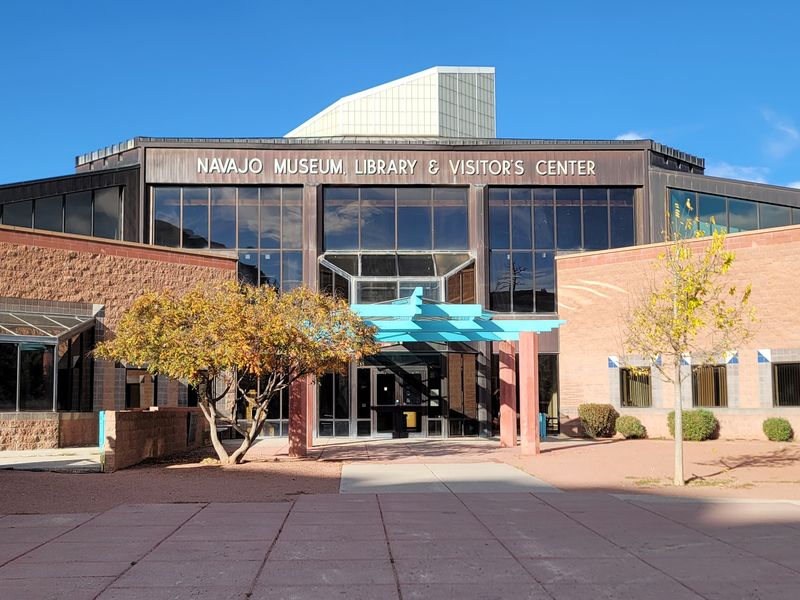
Some of the most important messages of World War II were sent in a language few outsiders could crack. In Window Rock, the capital of the Navajo Nation, you can learn how the Code Talkers pulled it off.
A Code Talkers photo exhibit and short films walk you through their story. The details make it feel personal rather than like a footnote.
Another short film covers the treaty between the United States and the Navajo people. Most history classes skip that chapter entirely, so pay close attention.
The museum’s exhibits range from traditional history and artifacts to contemporary arts and crafts. You get the past and the present side by side.
The building itself is a looker. Inside, displays share the history of the Navajo Nation in a clear, informative way.
Admission is free, which makes this an easy add to any northern Arizona road trip. Grandkids and grandparents can explore together.
There’s a gift shop and a cafe, plus a free parking lot. Plan around the schedule, though.
Hours are 8 a.m. to 5 p.m. on weekdays only. Monday and Wednesday mornings tend to be quietest.
Address: Arizona 264 and Loop Road, Window Rock, AZ 86515
3. Explore Navajo Museum
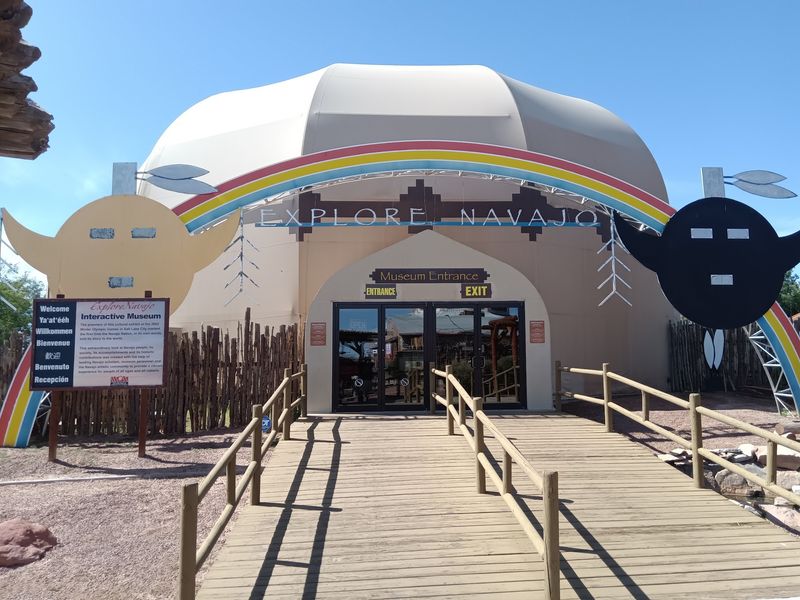
Ten minutes. That’s how long the opening video runs, and it starts at the very beginning with the Navajo origin story.
Created in 2002, this small museum in Tuba City exists to tell the world about the Navajo Nation. The best part is who’s doing the telling, since the story comes from the Navajo themselves.
After the film, the exhibits take over. You’ll learn about traditional family life, housing, and craftsmanship.
Clan traditions get their space too. So do some of the harder chapters of Navajo history, including displacement.
Textbooks often flatten those events into a date and a sentence. Here, they come with context and a human voice.
A gift shop and trading post sit right next door. Browsing there makes a natural next step after the exhibits.
The museum is compact, so you won’t need a whole day. It pairs well with a drive through this part of northern Arizona.
Watch the clock before you arrive. It’s open weekdays from 9 a.m. to 12:30 p.m., then again from 1:30 to 5 p.m.
That midday break catches people off guard. Weekends are closed, so plan a weekday stop.
Address: 10 Main St, Tuba City, AZ 86045
4. Amerind Museum & Texas Canyon Nature Preserve
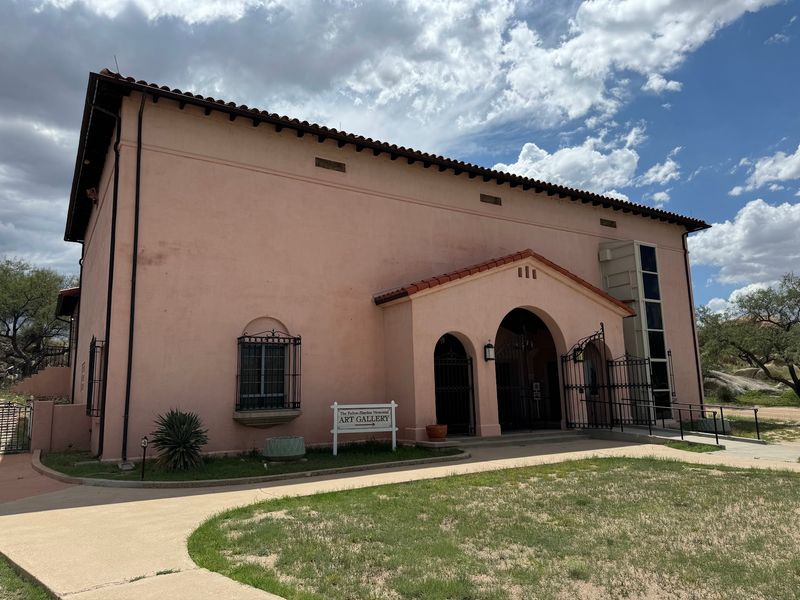
Giant granite boulders stacked like a toddler’s blocks make a pretty dramatic front yard for a museum. Out in Texas Canyon, near Dragoon in Cochise County, that’s exactly the setting.
Inside, you’ll find a remarkable collection of Native American baskets and pottery. The pieces span thousands of years of Indigenous life.
Labels give just enough explanation to deepen your appreciation. You get the craft and the story without drowning in text.
The scope reaches well beyond southern Arizona. That wider view helps you see how many Native cultures shaped the Americas.
An art gallery adds a modern edge. It features thought-provoking work from contemporary Native and LGBTQ artists.
Ancient pottery in one room and present-day identity in another? That pairing is the whole point, and it works.
The nature preserve gives you a reason to linger outdoors. The canyon scenery alone makes the trip from Tucson worthwhile.
There’s a gift shop, a cafe, and a free parking lot. Tours are available too.
The museum opens Tuesday through Sunday, 10 a.m. to 4 p.m. Mondays are closed.
Address: 2100 N Amerind Rd, Dragoon, AZ 85609
5. Museum of Indigenous People
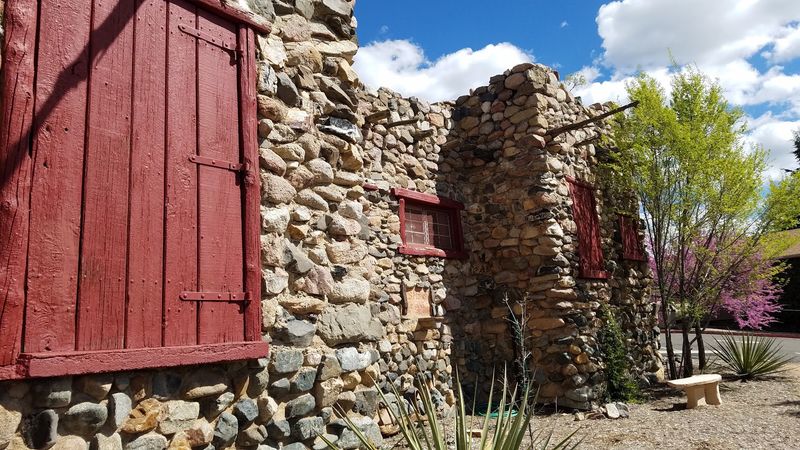
Stone walls, pottery, and katsina dolls make a fine combination in downtown Prescott. The sturdy stone building holds artifacts from several tribal nations that call Arizona home.
Many museums focus on one culture. Here, you’ll see how many tribes are covered, which gives you a broader picture of the state.
Exhibits include exquisite pottery, tools, cradleboards, baskets, and Kachina dolls. Each case rewards a slow look.
You’ll even find information about the Code Talkers. Museum fans tend to appreciate that unexpected bonus.
Native artisans sometimes appear on site to share stories. Some have crafted custom Kachina dolls, which is a treat to see.
Events add extra energy, including a Contemporary Native Arts Festival. Live performances pop up on the schedule as well.
Admission is a good value, with discounts for kids. Native visitors and military members get in free.
Kid-friendly activities keep younger guests busy. There’s a gift shop and free parking too.
Prescott’s cooler climate makes this a smart summer escape from the Valley heat. Pair it with a stroll around the historic downtown.
Hours are Monday through Saturday, 10 a.m. to 4 p.m.
Address: 147 N Arizona Ave, Prescott, AZ 86301
6. Tohono O’odham Nation Culture Center and Museum
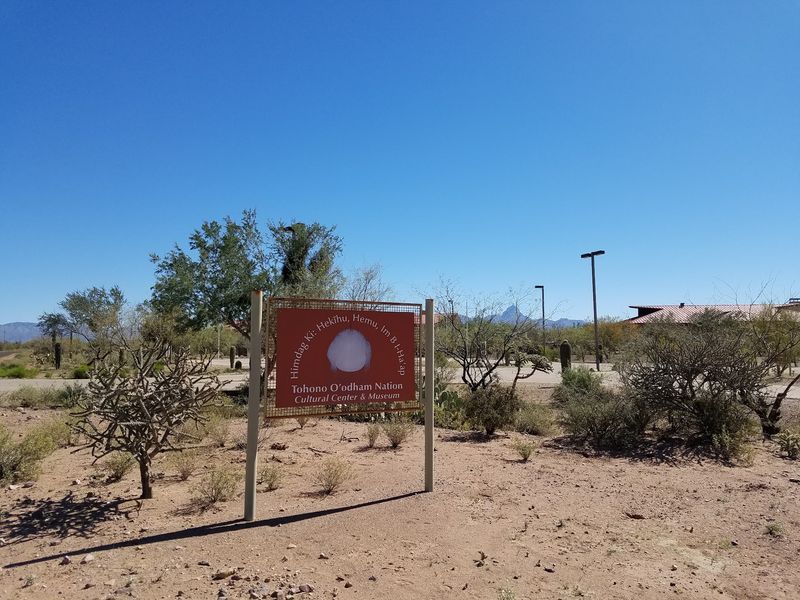
Baboquivari Peak towers over the grounds here, and the view alone could fill your camera roll. For the Tohono O’odham, that mountain carries deep meaning.
The center sits off Baboquivari Mountain Road in Topawa, a small rural community on the Nation. Getting there feels like a real journey through the Sonoran Desert.
Inside, the exhibits share the history, art, and photographs of the Tohono O’odham people. Their stories of the desert, the land, and the people come through clearly.
The idea of Himdag, the O’odham way of life, runs through the experience. Community members interpret their own history rather than outsiders.
Staff often share extra details beyond the exhibit labels. Ask questions, because the conversations add a lot.
The facility itself is beautifully designed. The breathtaking grounds invite you to slow down and look around.
Plan your timing carefully. Hours run Tuesday through Saturday, 10 a.m. to 4 p.m.
Sundays and Mondays are closed. Bring water and snacks, since you’re heading well off the beaten path.
Visiting in the cooler months makes the desert drive far more pleasant.
Address: Baboquivari, Mt Rd, Topawa, AZ 85639
7. Huhugam Heritage Center
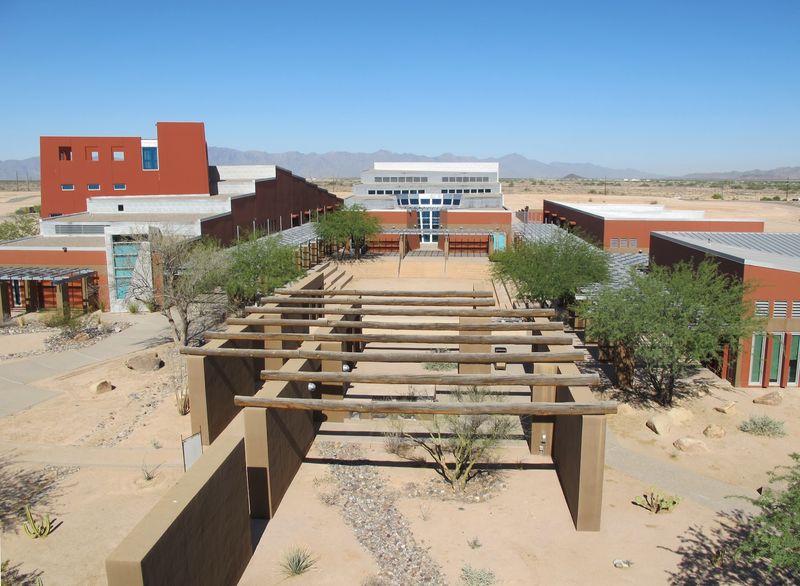
Long before Arizona had freeways, the Huhugam engineered canals that carried water across the desert. That achievement sits at the heart of this cultural center near Chandler.
The center honors the ancestry and culture of the Akimel O’otham and Pee Posh peoples. It sits on the edge of the Gila River Indian Community.
Modern exhibits highlight Huhugam achievements and daily culture. Ancient irrigation technology gets its due, along with ongoing water rights.
Guided tours offer detailed insight into the people of the area. If you can join one, do it.
There’s also an impressive collection of western art. Overlooks give you a wider look at the surrounding land.
The building itself shows thoughtful, authentic design. Spacious exhibit areas and an elevator make getting around easy.
Here’s the best part for budget travelers. Admission is free, and parking is plentiful.
It’s also close to the highway, so it’s an easy detour from Phoenix. Families will find plenty to explore together.
Hours are limited, though, so check your calendar. It’s open Tuesday through Friday, 10 a.m. to 4 p.m.
Address: 21359 S Maricopa Rd, Chandler, AZ 85226
8. Fort Apache Historical Park
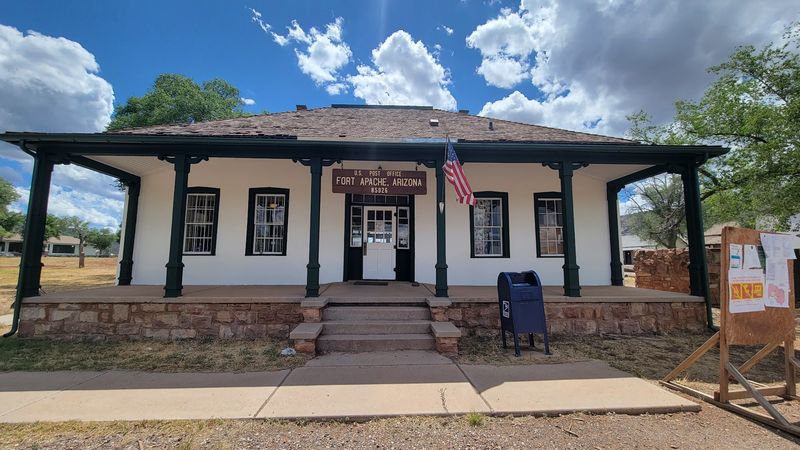
Old Army buildings and Apache history share the same ground here, and the mix makes for complicated, fascinating storytelling. You get two very different viewpoints in one place.
The park sits within the White Mountain Apache Reservation. Preserved military architecture still stands, along with an educational museum.
History here touches the Apache Wars and the role of Apache scouts. Those chapters rarely get much attention in standard classrooms.
The Theodore Roosevelt Indian Boarding School adds another layer. Its assimilation history is a hard but important part of the story.
Today, the site works as a living community with housing, businesses, and a school. That makes it feel very different from a frozen-in-time attraction.
You can also learn about the Kinishba ruins connected to the area. They add an ancient chapter to the broader story.
A cafe with a gift shop offers food and drinks. It’s a handy stop during a day in the White Mountains.
Higher elevation keeps this part of Arizona cooler in summer. That makes it a great warm-weather escape.
Hours run Monday through Friday, 8 a.m. to 5 p.m.
Address: 127 Scout St, Fort Apache, AZ 85926
9. Ak-Chin Him-Dak Eco-Museum
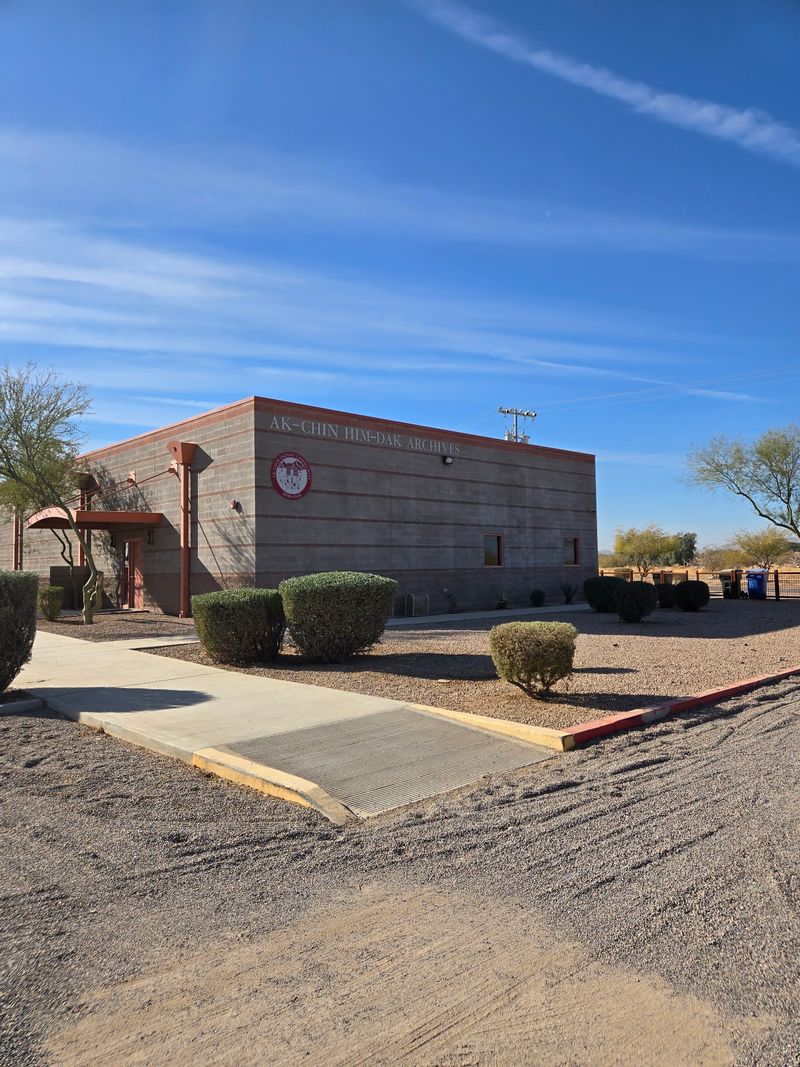
Tribal finances probably never showed up on your middle school worksheet. At this community-run museum near Maricopa, they share space with farming traditions and daily life.
The Ak-Chin Indian Community sits in a rural agricultural area south of Phoenix. The museum works as a tribally managed home for its heritage.
Displays mix topics for different ages. Kids can learn what Ak-Chin people eat and wear.
Grown-ups get exhibits on how the tribe’s enterprises and finances work. It’s a rare look at modern self-governance.
That blend of past and present is what sets it apart. Many museums stop the story long ago, but this one keeps going.
Artifacts help tell the community’s history. A private tour option is available if you want a deeper experience.
There’s a theater on site too. It’s a small, personal stop rather than a sprawling complex.
The eco-museum idea centers the community and its land. That focus makes the visit feel grounded and local.
Hours are short, so plan ahead. It’s open Monday through Friday, 10 a.m. to 3 p.m.
Address: 47685 W Eco-Museum Rd, Maricopa, AZ 85139
10. S’edav Va’aki Museum
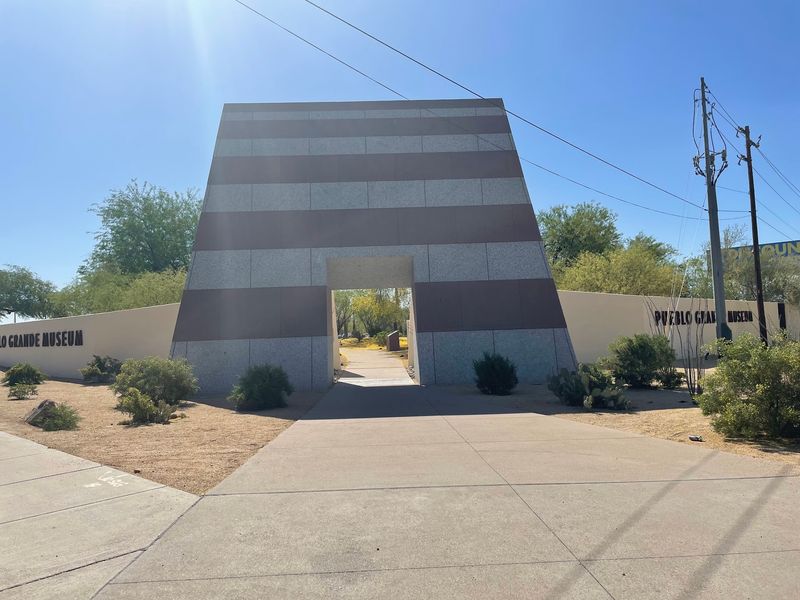
Planes roar overhead near Sky Harbor, yet the ground below holds a village more than 1,500 years old. Phoenix rarely surprises people quite like this.
Formerly known as Pueblo Grande, the site preserves a Hohokam platform mound. Trails lead you past the village and ancient irrigation canals.
Those canals reveal serious engineering skill in the Salt River Valley. Conventional history lessons often skip right past it.
An excavated mound shows how different rooms served different purposes. Outdoor replica homes help you picture daily life.
The museum is small but loaded with information. Interactive displays keep curious minds engaged.
Got kids? A dedicated children’s room gives them space to explore hands-on.
There’s a gift shop and a free parking lot. Live performances sometimes appear on the schedule.
The hours are a bit unusual, so double-check. It’s open Monday, Friday, and Saturday from 9 a.m. to 4 p.m., and Sunday from noon to 4 p.m.
Thursday runs late, from 9 a.m. to 8 p.m. That evening window is perfect during hot Arizona summers.
Tuesdays and Wednesdays are closed.
Address: 4619 E Washington St, Phoenix, AZ 85034