
This Maine Nature Preserve Has 7 Miles Of Trails Leading Through Forests, Marshes, And Toward The Beach
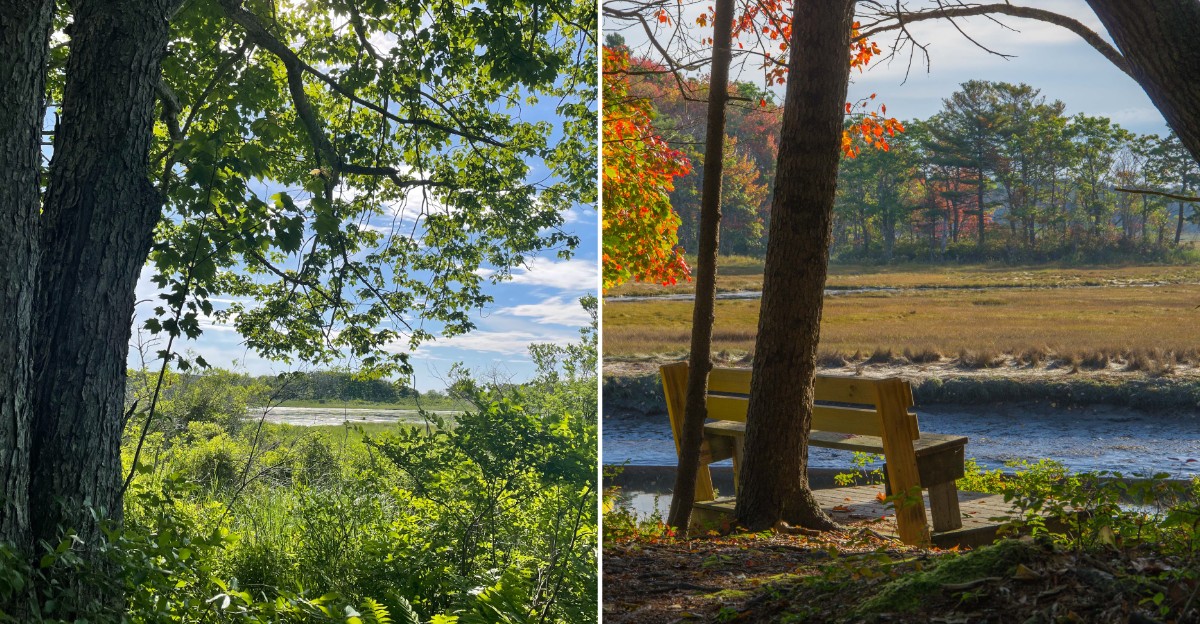
A Maine farm first settled in 1643 now hosts scientists studying salt marshes. Cows used to own this view, and now researchers share it with herons and hikers.
The land covers 2,250 acres, which is a lot of room to wander. Seven miles of trails loop through forests, fields, freshwater wetlands, and marsh edges.
One path even ends at an undeveloped sandy beach. No boardwalk shops, no arcade noise, just sand and sea. I love that idea more than I can say.
There’s also a phone on one trail that doesn’t connect to anyone. It’s called a Wind Phone, and I have so many questions. Who would you call if the line only reached the breeze?
Seven Miles Of Trails Cover Way More Ground Than You’d Expect
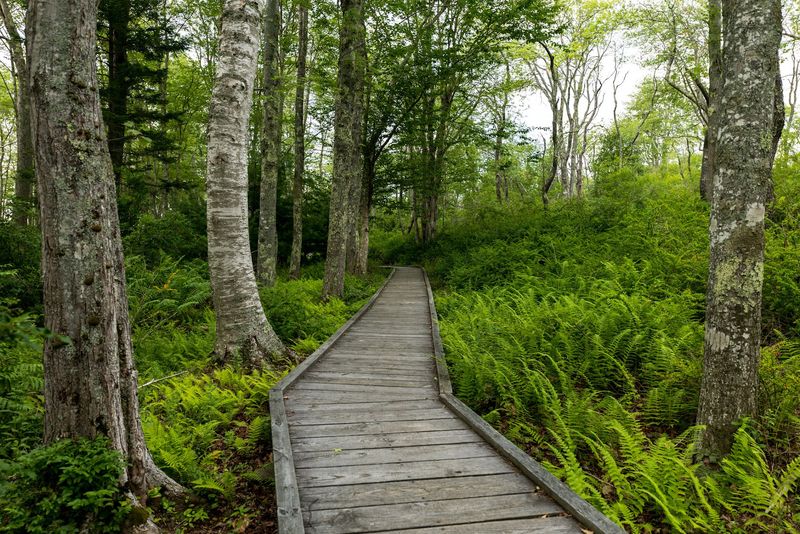
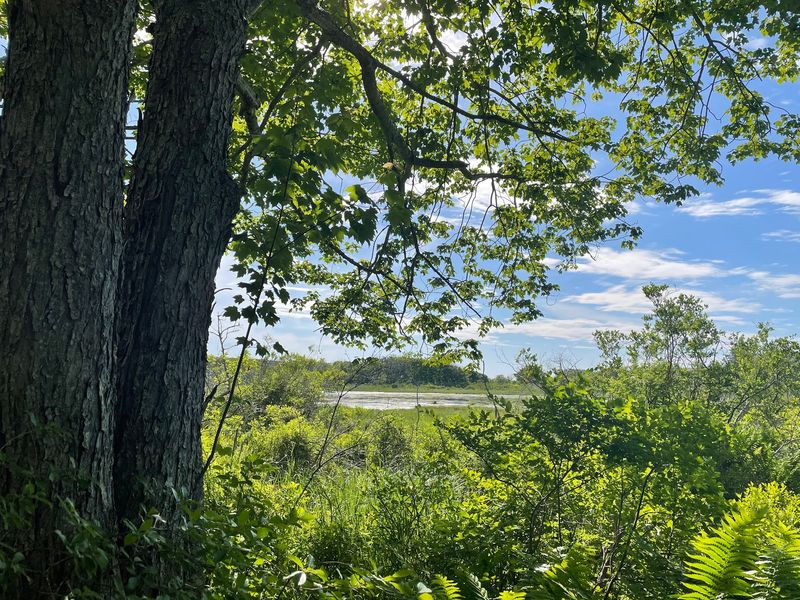
Salt marsh, forest, farm field, and freshwater wetland all fit inside one walk at the Wells Reserve at Laudholm. That’s a lot of scenery for seven miles of easy-to-moderate trails.
The trail names sound like a cast list. You’ve got Barrier Beach, Laird-Norton, Knight, Pilger, Muskie, Saw-whet Owl, Farley, and Cart Path.
Each one brings its own footing. Some sections use boardwalks, while others switch to dirt, gravel, or grassy paths.
That variety means you can tailor the day. A short stroll works fine, and so does a longer loop that strings several trails together.
I’m all for a place that doesn’t demand serious gear. Sturdy shoes and a bit of curiosity should carry you along nicely.
Grab a trail map before heading out. With this many named paths, a map keeps your detours fun instead of confusing.
The preserve opens daily at 7 a.m. and stays open until sunset. Early starts give you more daylight and a quieter pace.
Plan your route around what you most want to see. Marsh views, shady woods, and open fields each reward a different mood.
Honestly, picking just one trail feels a little unfair. Maybe that’s the best excuse to come back.
The Walk To An Undeveloped Beach Is The Big Payoff
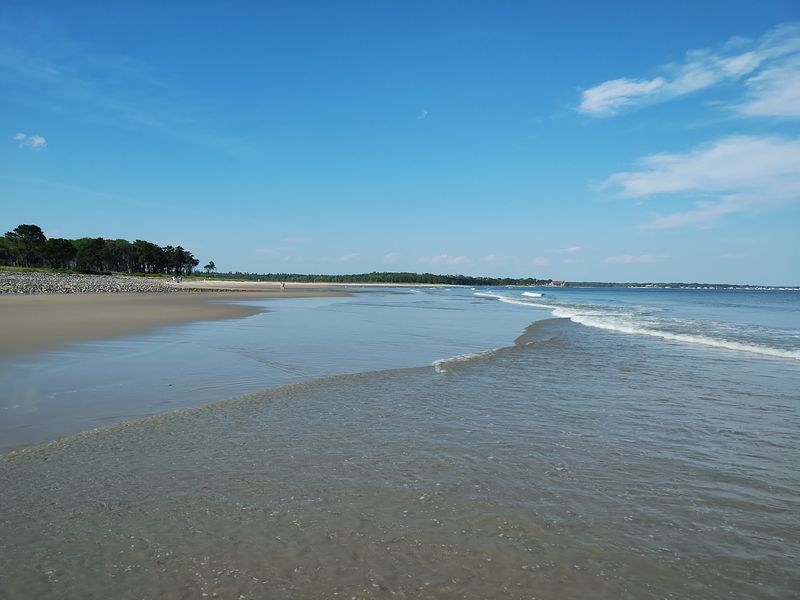
Somewhere past the trees, the trail gives way to sand. The Barrier Beach Trail leads toward an undeveloped stretch of shoreline on the Maine coast.
Undeveloped is the key word here. You won’t find a row of snack shacks or a souvenir strip lining the dunes.
Instead, the walk itself sets the stage. You pass marsh views and coastal habitat before the ocean finally opens up in front of you.
Pack light for this one. Bathrooms sit back near the main buildings, so plan your stops before you head toward the water.
Bring water and maybe a snack too. A little preparation turns a nice walk into a relaxed afternoon by the waves.
The beach area is part of a protected coastal system. That means it’s worth respecting the dunes and staying on marked paths.
Shorebirds rely on these quiet places. Giving them space is an easy way to be a good guest.
I can’t imagine a better reward for a morning hike. Forest shade first, then salty air and open sky.
It feels a bit like earning dessert. Except the dessert is the Atlantic Ocean, which is hard to beat.
You Can Watch A Living Science Lab At Work
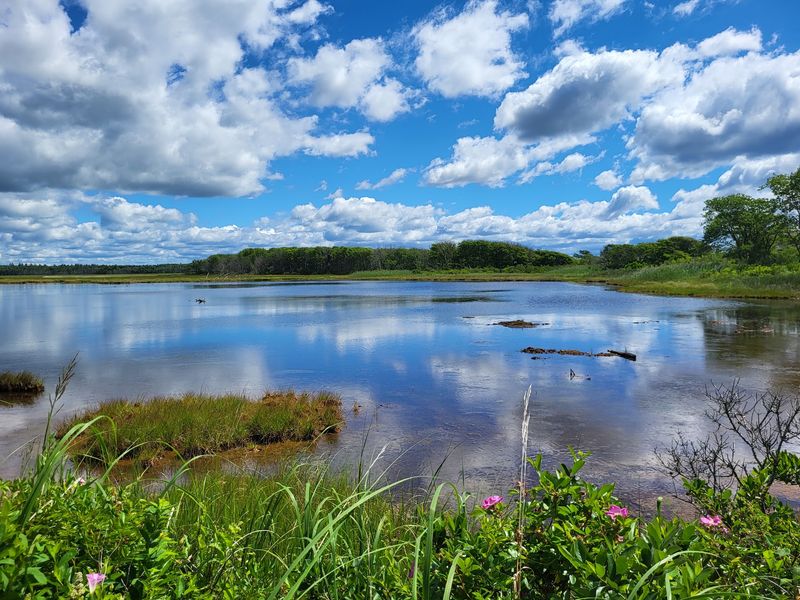
Scientists actually work here, which makes your hike part field trip. The preserve is also known as the Wells National Estuarine Research Reserve.
It’s one of 30 reserves across the country focused on coastal habitats. Their job covers research, education, and conservation all at once.
An estuary is where fresh water from rivers meets salty ocean water. That mix creates rich habitat for plants, fish, and birds.
The salt marshes you see along the trails are part of that story. They help shelter wildlife and protect the shoreline.
So that peaceful marsh view isn’t just pretty. It’s also being studied to help people understand changing coastal environments.
I love that a regular walk can double as a science lesson. Kids and adults both get something out of it.
Take a few minutes at the exhibits before or after your hike. You’ll look at the marsh grass a little differently afterward.
Suddenly, every tidal channel seems more interesting. Science has a sneaky way of doing that.
An Old Farm Story Stretches Back Nearly Four Centuries
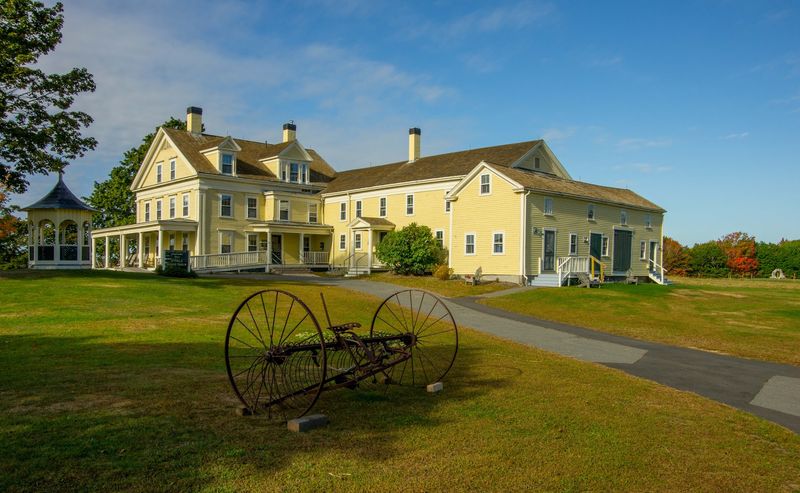
Back in 1643, Henry Boade first occupied this land. He was one of the founders of the Town of Wells, so this place has deep roots.
Today the headquarters sit at historic Laudholm Farm. The farm is listed on the National Register of Historic Places.
Protecting it took real community effort. The Laudholm Trust, a nonprofit, formed in 1982 to save this historic landscape.
A few years later, the research reserve became official. It was formally dedicated in 1986.
That’s a pretty great plot twist for an old farm. Fields once worked by early settlers now support coastal research and public learning.
The Visitor Center sits inside one of the historic farmhouse buildings. Interpretive exhibits there explain how the site changed over time.
There’s also a gift shop, which is handy for postcards or a small keepsake. Seasonal hours apply, so check before you go.
Walking past these buildings adds a different layer to the visit. You’re not only exploring nature but also a long human history.
Honestly, it’s a nice reminder. Some of the best places get saved because people cared enough to step up.
A Phone With No Dial Tone Waits On The Trail

Most phones ring. The Wind Phone on the Laudholm Connector trail is designed for something quieter.
Wind Phones are meant for speaking thoughts out loud, often to someone you miss. There’s no actual connection, just you and the breeze.
I find that idea really moving. It turns a simple trail stop into a moment of reflection.
You don’t have to pick up the receiver. Still, it’s worth pausing there for a minute and noticing how still the woods feel.
Art shows up elsewhere on campus too. The Portal sculpture by David Allen anchors the northwest edge of the grounds.
The reserve blends art and science in other ways as well. Exhibitions like the Power of Place outdoor art show have brought creative work onto the land.
That mix keeps the visit fresh. One minute you’re reading about marsh ecology, and the next you’re standing near a sculpture.
Keep an eye out as you wander. These pieces reward people who slow down rather than rush the loop.
Who knew a nature walk could include a phone call? Even one where the wind does all the listening.
Over 100 Programs Keep The Calendar Surprisingly Busy
Guided walks, kayak tours, concerts, and festivals all happen here. The reserve hosts more than 100 public programs every year.
That’s a full schedule for a nature preserve. Workshops and talks round out the lineup for curious minds.
Guided walks are a smart choice for first-timers. A knowledgeable leader can point out details you might walk right past.
Kayak tours offer a totally different angle. Seeing the estuary from the water sounds like my kind of adventure.
Concerts and festivals bring a lively side to the grounds. The historic farm setting makes a pretty memorable backdrop.
Programs change with the seasons, so the calendar is worth checking. Some events may need advance registration.
I’m all for places that give you reasons to return. A spring talk and a fall walk can feel like two different trips.
Pick one program that matches your interests. Birds, art, science, or music, there’s likely something that fits.
Then build the rest of your day around it. A morning program followed by a trail loop sounds like a well-spent day in Maine.
Young Explorers Get Backpacks, Trail Guides, And Summer Camps
Kids can borrow a backpack full of activities here. The Discovery Program offers self-paced trail guides with activity backpacks for ages 6 to 12.
That’s a clever way to keep young hikers engaged. Instead of asking how much farther, they’re busy looking for clues.
Science-based day camps add even more for families. Options include three-day and week-long camps for kids ages 6 to 15.
Camps mix outdoor time with real learning. It’s hard to picture a better classroom than marshes, forests, and fields.
For younger visitors, the varied trails help too. Boardwalks and shorter routes make it easier to match a walk to small legs.
Plan for breaks along the way. Restrooms are near the main buildings, so stop there before longer outings.
Picnics are welcome, which is great news for families. A packed lunch can turn into the highlight of the afternoon.
Bug spray is a smart addition to any kid kit. Coastal wetlands in summer can get buggy.
Honestly, a backpack mission might be the secret weapon. Grown-ups get a peaceful walk, and kids get a quest.
Every Season Brings A Different Way To Explore
Snow doesn’t shut down the fun. Trails stay open year-round for hiking, snowshoeing, and cross-country skiing.
That changes things for winter visitors in Maine. Quiet fields and frosty woods offer a totally new view of familiar paths.
The grounds open daily from 7 a.m. until sunset. Shorter winter days mean starting earlier makes sense.
The Visitor Center keeps seasonal hours, though. In 2026, it closes from November 7 through December 31.
An admission fee applies from Memorial Day weekend through Indigenous Peoples Day. Kids under 6 and Laudholm Members get in free.
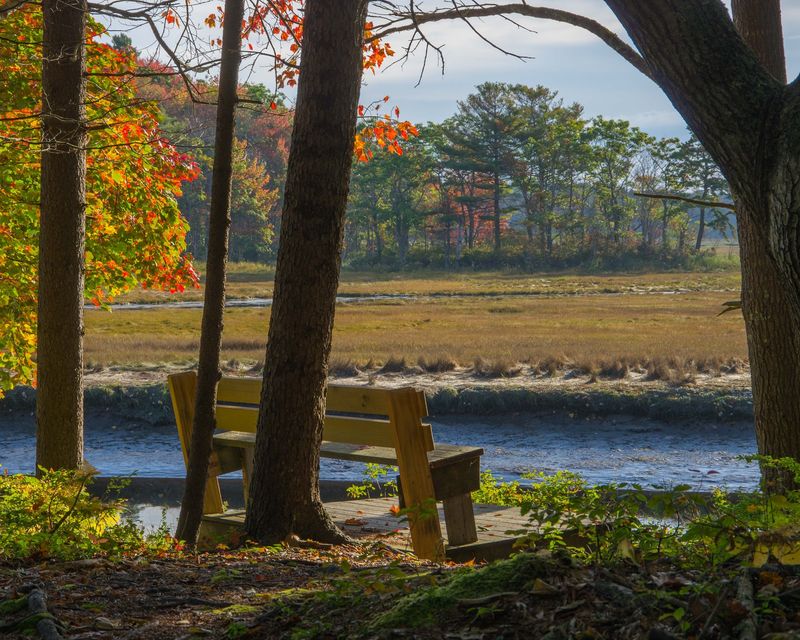
Summer brings warm days and lots of programs. Fall adds crisp air and colorful leaves to the forest trails.
Spring is a great time for birds returning to the marshes. Each season reshapes the experience in its own way.
Dress for the weather, whatever month you choose. Layers help a lot along the breezy coast.
I love a place that never truly goes into hibernation. You could visit four times a year and see four different preserves.
Planning Your Visit Takes Just A Few Smart Moves
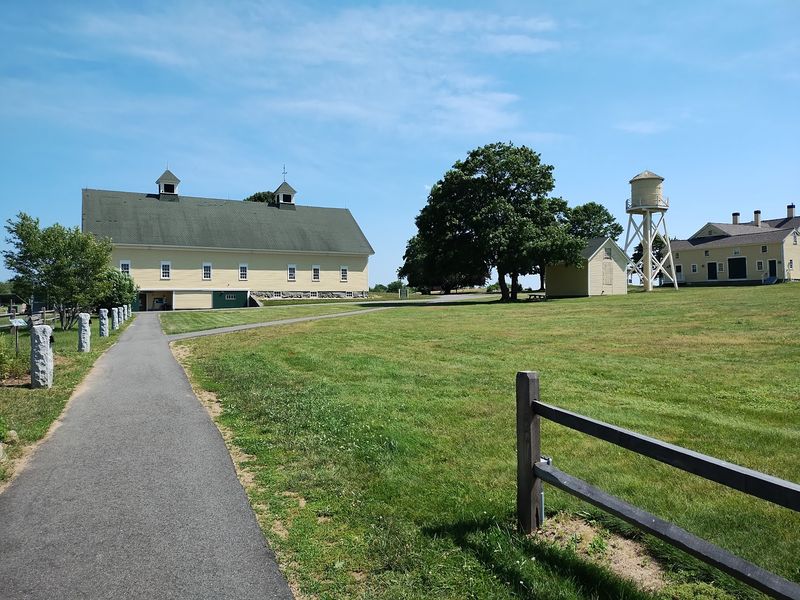
Getting here is easy once you know the spot. The Wells Reserve at Laudholm sits at 342 Laudholm Farm Road, Wells, ME 04090.
The public entrance is near Skinner Mill Road. Follow signs and you’ll reach the parking area.
Restrooms and parking are available on site. Two Level 2 electric vehicle charging stations offer a three-hour limit.
That’s a nice bonus for EV drivers. Three hours is plenty of time for a solid trail loop.
Dogs aren’t allowed, since this is a protected reserve. Part of the Rachel Carson National Wildlife Refuge is located within its boundaries.
Leave pets at home or plan a separate outing for them. Wildlife here depends on calm, protected habitat.
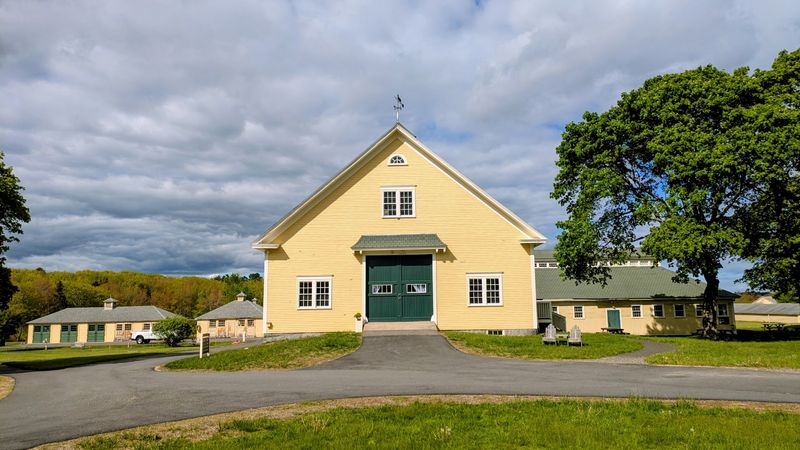
The barn, auditorium, and kitchen are also available as a wedding venue. Weekend rentals offer exclusive use of those historic spaces.
Pack water, sunscreen, and insect repellent before you go. A trail map helps too.
Then just pick a path and start walking. Forest, marsh, and beach are all waiting somewhere along those seven miles of Maine trails.