
Hidden In A Washington Forest, This Ghost Town Of Old Cabins Feels Totally Frozen In Time
A giant old railroad turntable sits deep in the Washington woods, and it still turns with surprisingly little push. No train needs it anymore.
It just waits among the trees, like a toy someone forgot to put away.
Reaching it takes some legwork. You follow an old railroad grade along a river for roughly four to five miles each way.
Along the route, you cross that river on logs or rocks, because the old bridge washed out.
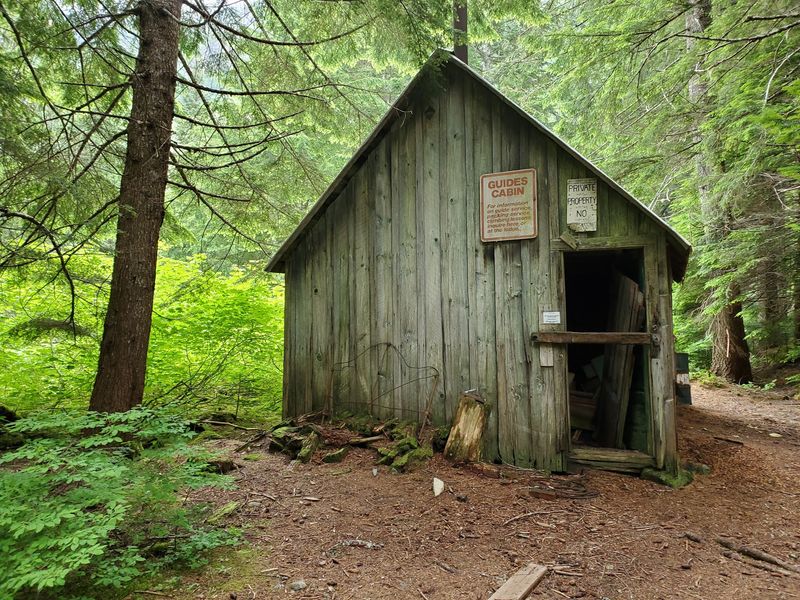
At the end sits a former mining camp with a few small cabins and scattered relics. Interpretive signs share the stories of people who once lived and worked there.
Old photos help the empty clearings come back to life.
I love that a place this quiet still has so much to say. How many towns make you earn the very first hello?
An Old Mining Camp Waiting At The End Of A Forest Walk
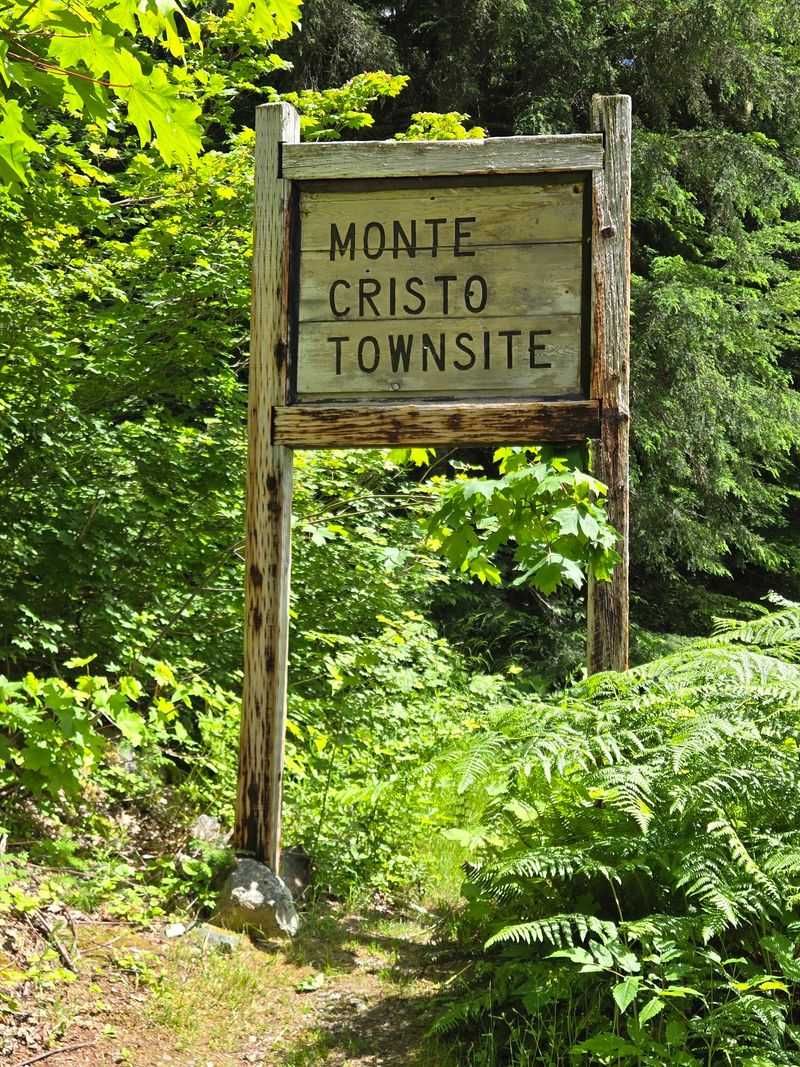
Few historical landmarks ask you to hike in just to say hello. Monte Cristo does exactly that, and the walk is a big part of its charm.
The site sits back in the woods off the Mountain Loop Highway in Washington. It’s the remains of an old mining town, now a quiet ghost town surrounded by forest and river.
You won’t find a paved parking lot next to the cabins. Instead, a trail of roughly four to five miles leads from the parking area to the townsite.
That distance keeps things calm and uncluttered. The reward is a clearing full of history, with a few small cabins, rusty relics, and signs that explain what once happened here.
Monte Cristo also carries a strong reputation among people who make the trip. It holds a high rating as a historical landmark, which says plenty about how the journey pays off.
Think of it as a museum with no walls, no roof, and no gift shop. The trees handle the decorating, and the river provides the background music for free.
Gold Dreams That Once Filled These Mountains
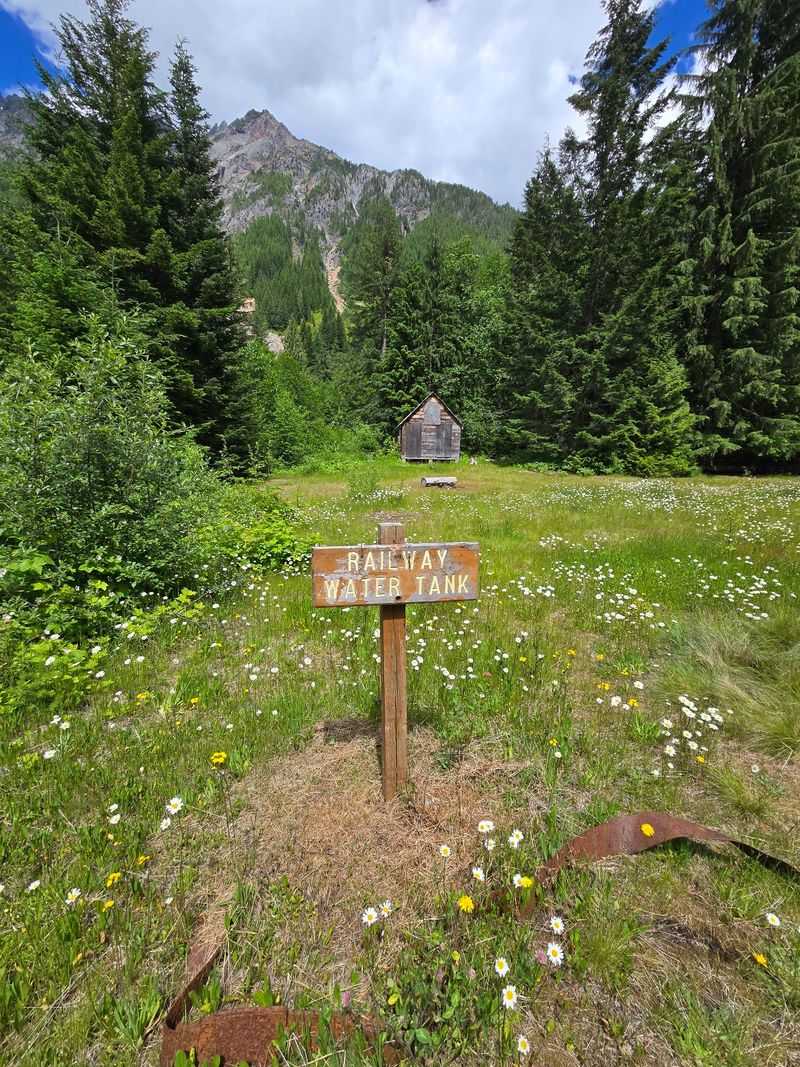
Gold mining history is the heartbeat of this spot. Long before hikers showed up with trail snacks, people came here to live and work in the hope of striking it rich.
Much of that story now lives on interpretive signs and historical plaques. They include old photos and story points that help you picture daily life in the camp.
Most of the really old buildings are long gone. That might sound disappointing, but it actually sharpens the experience in a surprising way.
Standing in a clearing and matching it to a vintage photo feels a bit like solving a puzzle. You start noticing where streets, homes, and work areas probably stood.
A first trip here may not feel spooky at all. It feels more thoughtful, as your mind drifts toward the families and workers who chose this remote valley.
I can’t imagine hauling supplies this far without a modern trail or a good pair of boots. Their grit makes the leftover cabins feel even more impressive today.
History buffs will want extra time here. Every plaque adds another layer to the tale.
The Railroad Turntable You Can Still Spin
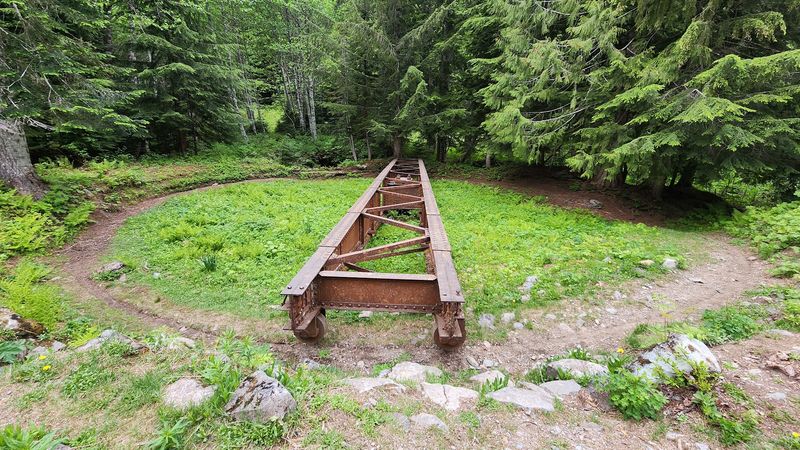
Here’s a fun surprise for anyone who loves trains. A huge railroad turntable still sits at Monte Cristo, and it still turns with little effort.
Turntables once rotated locomotives so they could head back the way they came. Seeing one this deep in the woods feels wonderfully out of place.
Kids tend to treat it like the best playground piece ever built. Adults usually aren’t far behind, because giving a piece of history a gentle shove is hard to resist.
It also helps connect the dots about the trail you just walked. That long, level path once carried trains, and this turntable marks part of that railroad story.
Campers who stay overnight often use the bridge and turntable area as a landmark. It works as a natural meeting point when you’re exploring the scattered townsite.
Bring your camera for this one. The mix of heavy iron, tall trees, and quiet forest makes for photos that look like a scene from an old storybook.
Just treat it kindly and gently. It has been waiting patiently for visitors for a long time.
A Former Railroad Grade Makes The Miles Feel Easy
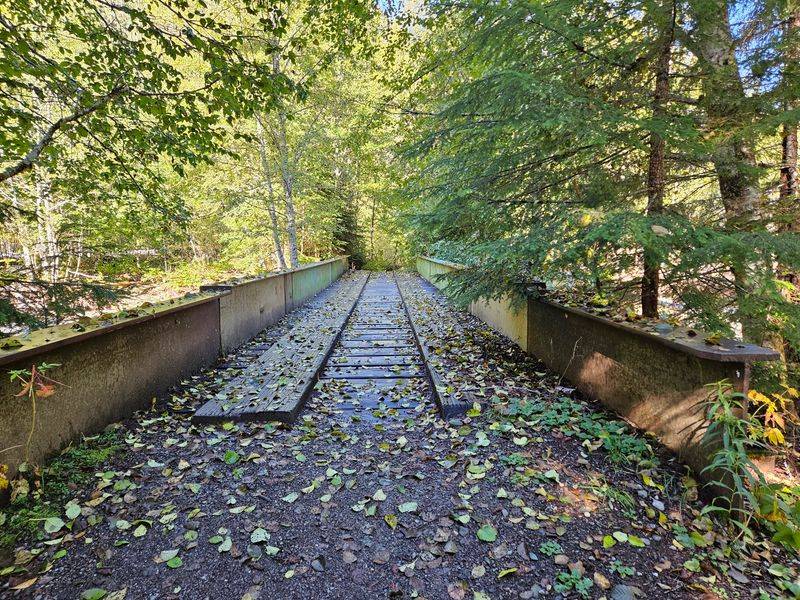
Trains don’t like steep hills, and that’s great news for your legs. A major part of the route follows an old railroad grade after you cross the river.
The result is a path that stays fairly level for most of the way. There are only a few minor hills to climb, which keeps the pace relaxed.
Parts of the trail run along a gravel road. Other stretches feel quiet and mostly smooth, with the river keeping you company much of the time.
The round trip usually lands somewhere between eight and ten miles. That number shifts depending on how much wandering you do around the townsite.
Beginners may find the length is the real challenge, not the climbing. The good news is that elevation gain stays modest for such a long outing.
Some people even bike the trail. That opens up a different way to reach the town, especially for families with confident young riders.
Expect a few washed-out or rutted sections along the way. Watch your footing there, then settle back into that easy rhythm the old rail line provides so well.
Crossing The River On A Giant Cedar Log
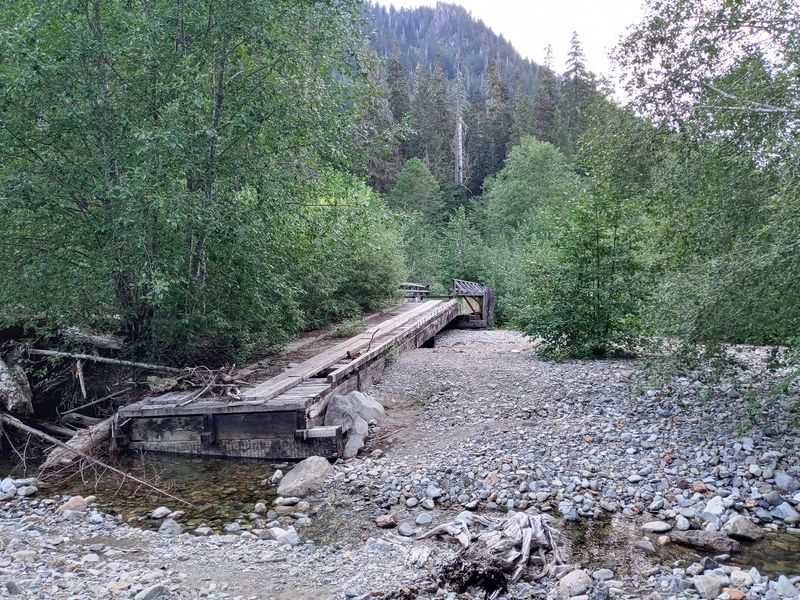
Every good adventure needs one slightly dramatic moment. On this trail, it comes when you reach the river and realize there’s no regular bridge.
The old bridge washed out, so hikers cross on logs or rocks instead. A huge cedar log often serves as the main crossing point.
Kids usually think this part is the highlight of the whole day. Walking across a giant log feels like something straight out of an adventure novel.
With some care and agility, you can often get across and stay dry. Take it slow, keep your balance, and don’t rush for the sake of a photo.
Water levels matter a lot here. When the river runs high, the crossing could be much harder, so checking conditions before you go is smart.
Near the riverbed, many small paths weave together. That tangle can make the way forward a little confusing, especially on your first visit.
Once you’re on the far side, the railroad grade takes over. The toughest bit of navigation is behind you, and the ghost town starts feeling much closer.
Signs And Stories Kept Alive By Devoted Caretakers
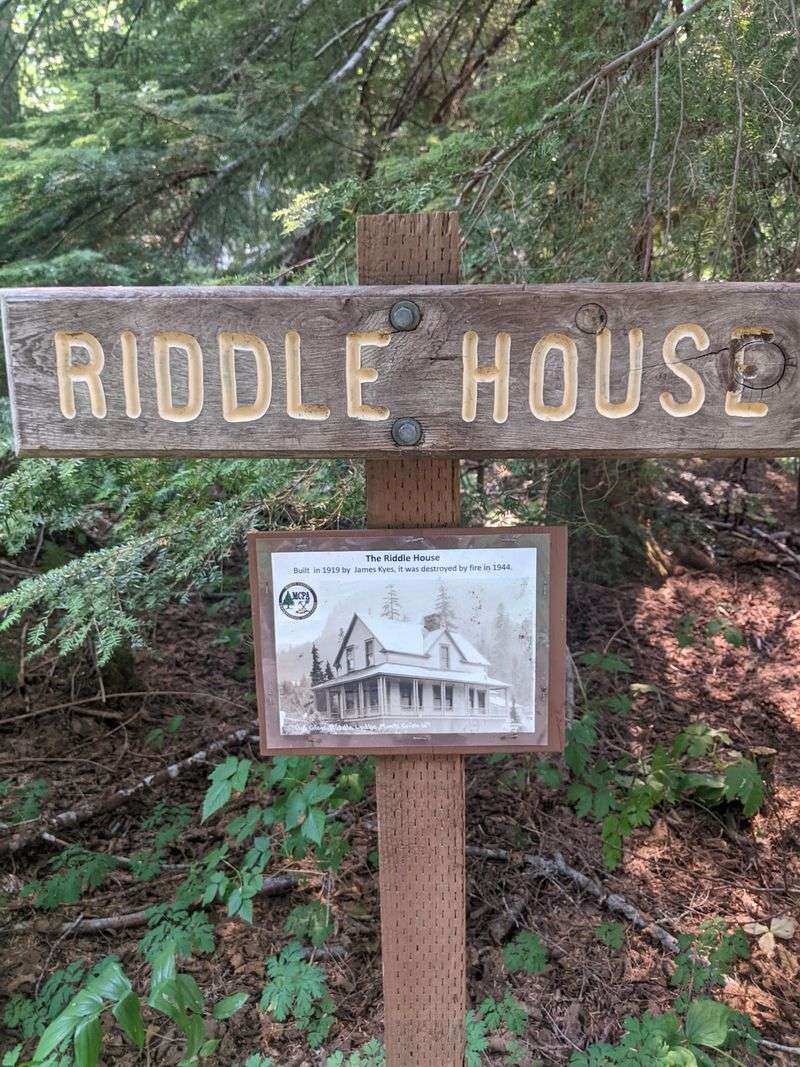
Credit where it’s due. A preservation society looks after Monte Cristo, and their care shows up all over the site.
Interpretive signs stand throughout the townsite. They feature photos and story points that explain what you’re looking at and why it matters.
Without those signs, a clearing might just look like a clearing. With them, you can picture buildings, workers, and the busy hum of a mining community.
The trail itself also stays in good shape for a backcountry route. Well-kept paths lead you to the town and around its scattered relics.
Plenty of people arrive expecting very little. They often leave impressed by how informative and thoughtfully presented the site turns out to be.
I like how the signs feel like friendly tour guides who never get tired. You can read at your own pace and linger as long as you want.
Little of the original town remains, so the society protects what’s left with real purpose. Treat the relics with respect, and you’ll help keep this story going for future hikers.
Weathered Cabins And Rusty Relics Worth Poking Around
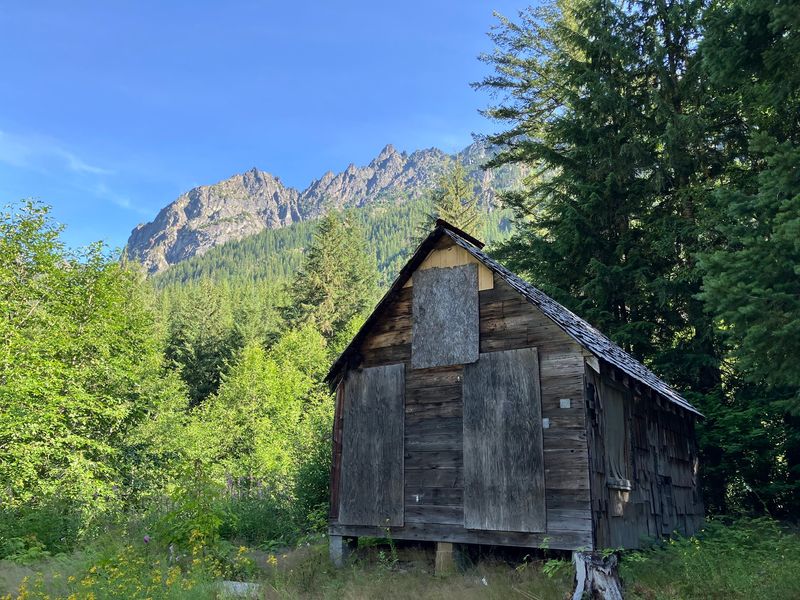
Don’t expect a full Hollywood-style ghost town with a main street. Monte Cristo keeps things simple, with a few small cabins and other relics still standing.
That modest scale is actually part of the fun. You get to explore at your own speed, wandering little side paths to see what turns up.
Many trails branch around the townsite, each leading to more historic remnants. It feels a bit like a treasure hunt where the treasure is history itself.
Some people find the abandoned buildings a little eerie. Others find them peaceful and thought-provoking, depending on the weather and the mood of the day.
Either way, the remnants spark questions fast. Who built that cabin, and what did a regular weeknight look like here so long ago?
The site also makes a lovely picnic spot. Pull out your lunch, find a comfortable seat, and soak in the quiet surroundings.
Take only photos and leave every relic where it sits. Those pieces are what make the visit special, and they can’t be replaced once they go missing.
Changing Colors And A Hush You Can Almost Hear
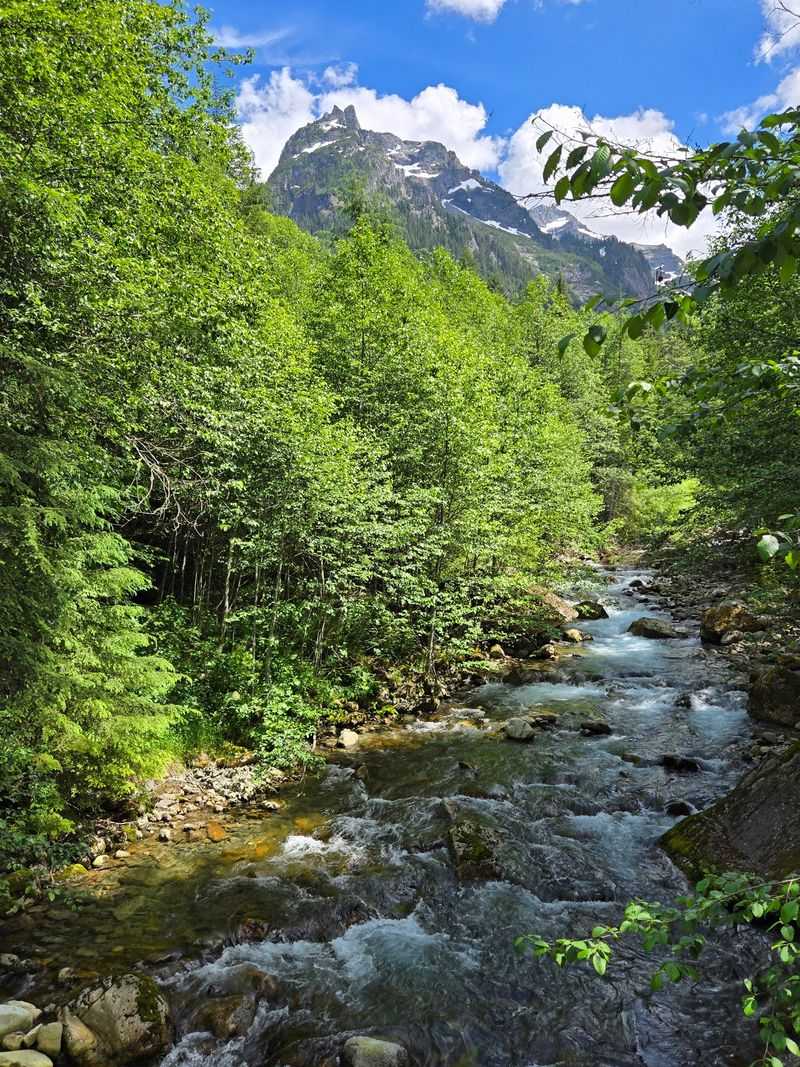
Silence is a rare luxury these days. On this trail, a peaceful atmosphere comes standard, along with river sounds and the rustle of trees.
The scenery shifts as you walk. Color-changing leaves can brighten the route, giving the forest a warm glow during the right part of the year.
Plenty of views open up along the way, too. The mix of river, forest, and mountains makes the miles roll by faster than you’d expect.
Crowds tend to stay light here. One winter hiker in December spotted only one other person on the trail, which tells you how quiet it can get.
Of course, winter conditions bring their own challenges. Plan carefully, watch the weather, and know your limits before heading into the backcountry.
That calm mood fits the townsite perfectly. A ghost town just feels right when you can hear your own footsteps and the wind moving through the branches.
Washington has many busy trails, but this one offers breathing room. It’s a great choice when you want history and nature without elbowing through a crowd.
A Day Out That Families Can Actually Handle
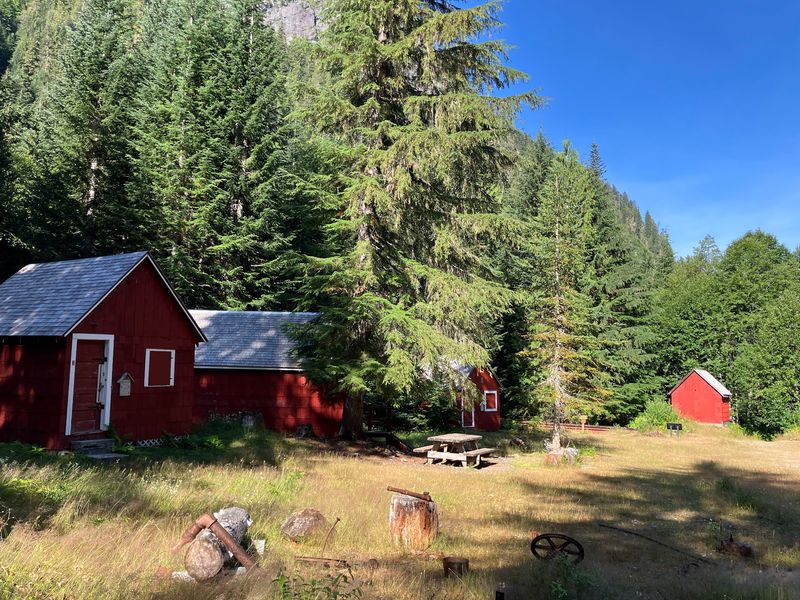
Mostly flat trails and a real ghost town at the end? That’s a family outing that practically sells itself.
Monte Cristo works well for families with kids who can handle a longer walk. The gentle grade keeps things manageable, even with several miles to cover.
Kids get plenty to keep them busy along the way. There’s the big log crossing, the spinning turntable, and little paths full of old relics.
One family spent about six to seven hours on the full trip without rushing. That gives you a sense of how much time to set aside for a relaxed day.
Plan for breaks and plenty of snacks. Little legs may need some rest after the river crossing and again before the walk back.
Washington families looking for an affordable weekend outing should take note. A day pass for parking covers most of what you’ll need besides food and water.
The history signs also make it a sneaky learning day. Kids may not even notice they’re picking up facts while they explore old cabins and clearings.
Sleeping Under The Stars Near Old Cabins
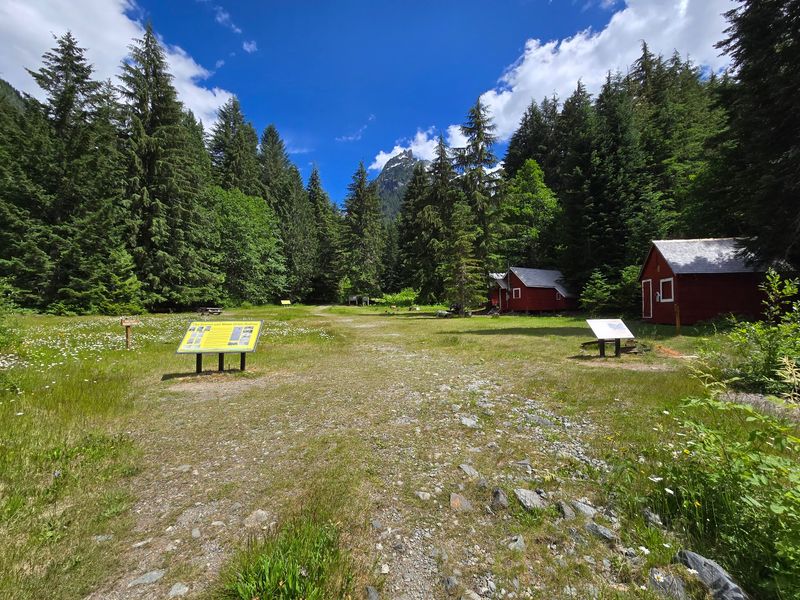
Hiking in is fun, but staying the night takes things up a notch. Monte Cristo offers a designated campground plus some dispersed camping areas.
Camp groups have made multi-day trips here, using the site as a base for nearby hikes. The trees offer plenty of spots for hammocks, too.
Facilities stay basic, so expect a true backcountry feel. A box toilet sits up a slope through trees and roots, which can make late-night trips an adventure.
Campers have also pumped water and rinsed dishes on site. Still, bring a reliable way to treat water and pack what you need for the stay.
Spending the night lets you see the townsite in quieter hours. Morning and evening light can make the old cabins feel even more timeless.
It also makes longer side hikes far more realistic. Some hikers say they’d rather stay overnight next time instead of cramming everything into one day.
Check current rules and conditions before you pack. Then bring good weather luck, because clear skies make a night out here especially memorable.
Bonus Trails To Silver Lake And Beyond
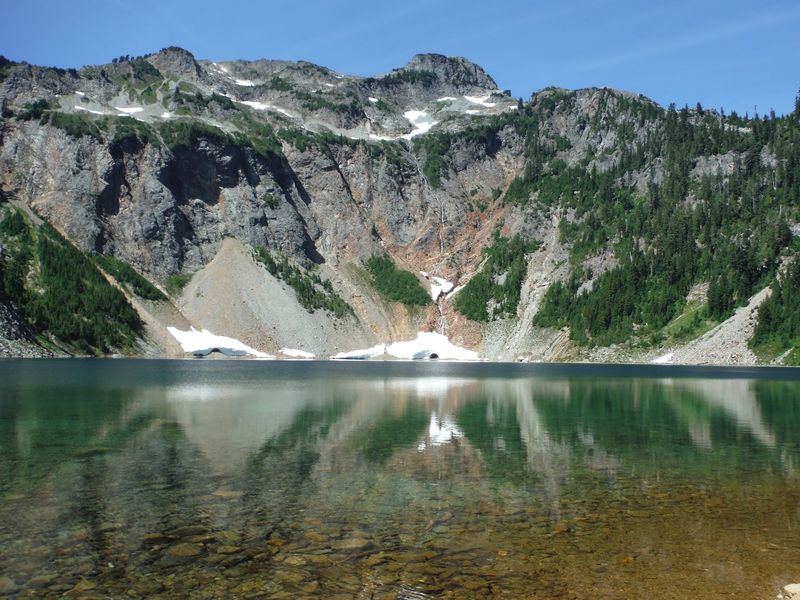
For some hikers, the ghost town is only base camp. From Monte Cristo, trails continue toward Silver Lake, Glacier Basin, and Twin Lakes.
Silver Lake comes up often among people who explore beyond the townsite. It makes a natural extension for anyone with strong legs and extra daylight.
Twin Lakes is a much bigger commitment. Including a stop at Silver Lake, the round trip runs about eighteen miles with roughly 3,000 feet of elevation gain.
That kind of outing can take all day, even moving at a quick pace. Many people find it smarter to camp overnight and tackle the lakes fresh.
Glacier Basin is another option that camp groups have paired with a stay. It adds more mountain scenery to an already memorable trip.
These side trails change the personality of the visit completely. The gentle railroad grade gives way to real climbing and serious alpine effort.
Know your fitness level and plan your turnaround time. These bonus routes reward preparation, and the views make every careful step feel well spent.
Finding The Right Trailhead Without Cell Service
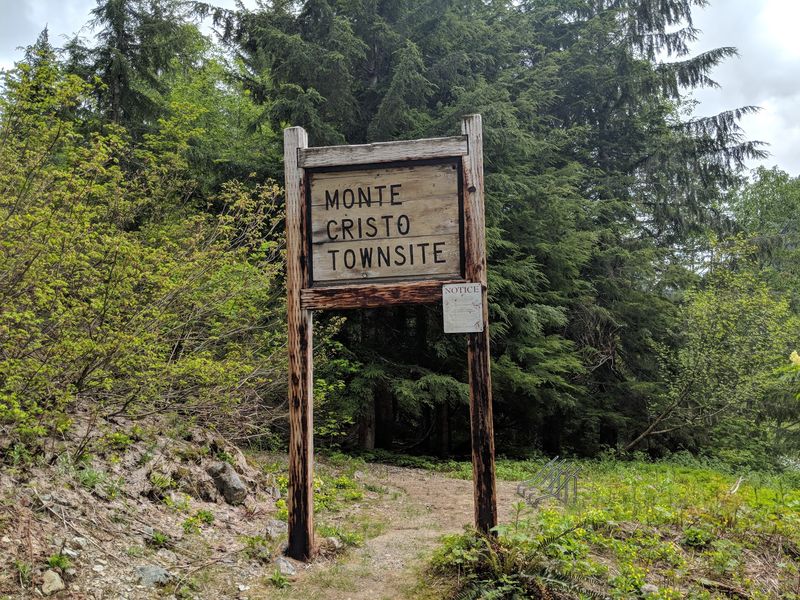
Getting lost before the hike even starts would be a silly way to spend a Saturday. Unfortunately, finding the correct trailhead can be confusing at first.
The site’s listed address is Monte Cristo Trail, Washington. You’ll reach the area from the Mountain Loop Highway, then park before starting the walk.
Cell service is not available out here. Download an offline map before you leave home, or bring a paper map as backup.
Reading a few recent trip reports also helps. They can point you toward the right starting point and warn you about trail or river conditions.
Don’t forget your parking pass. A pay-by-the-day box has been available at the parking area for those without an annual pass.
Arrive with plenty of daylight to spare. The round trip is long, and you’ll want time to explore the town without watching the clock.
Washington’s mountain weather can change quickly, too. A quick forecast check before leaving saves headaches later and keeps the outing fun from start to finish.
Good Shoes, Extra Water, And A Pocket Full Of Snacks
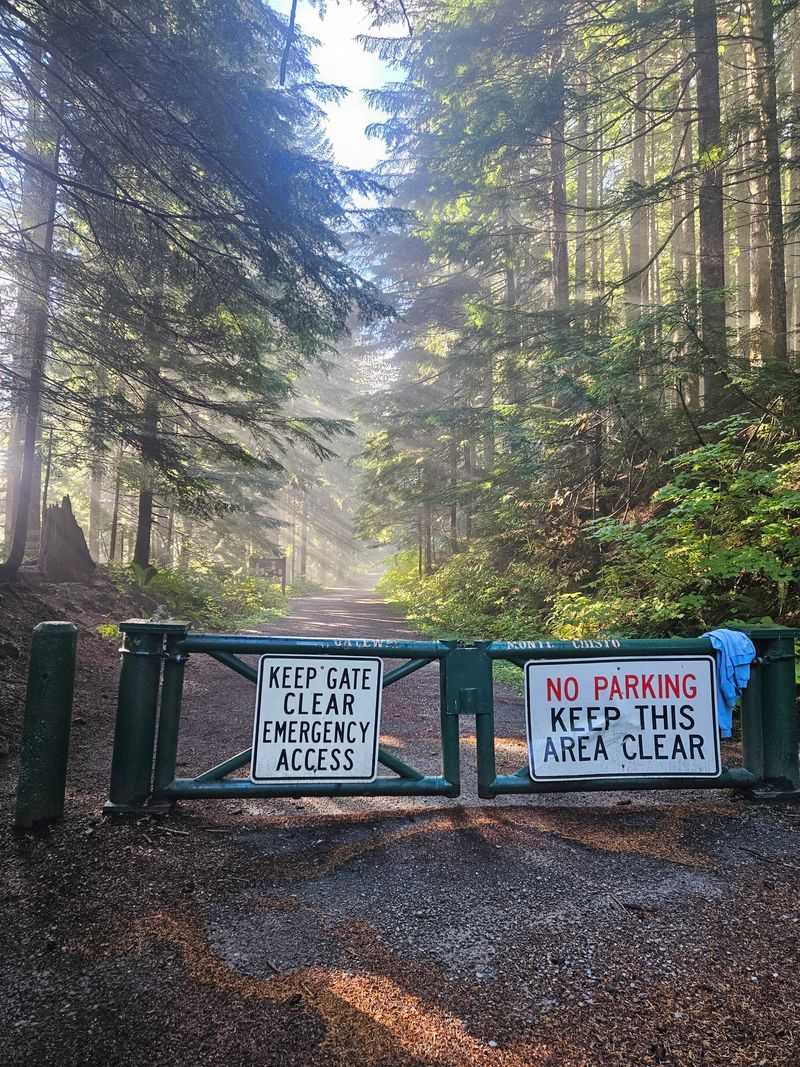
Packing light sounds nice until mile seven. For this trip, a little extra preparation goes a long way toward a happy hike.
Start with sturdy, comfortable shoes. Washed-out sections, rutted spots, and the river crossing all reward good footing and solid grip.
Water is a must, so bring more than you think you’ll need. There’s no store at the end, just old cabins and a lot of fresh mountain air.
Snacks matter just as much. A long day of walking and exploring burns energy, and a picnic in the townsite is half the fun.
An offline map belongs on the list, too. Paths near the riverbed weave together, and a quick check can keep you heading the right way.
Plan for a full day. Between the walk in, the exploring, and the return, many groups spend several hours on the trail.
Layers make sense in the mountains. Weather can shift, and staying warm and dry keeps everyone cheerful during the long walk back to the car.
Why This Quiet Townsite Deserves A Weekend
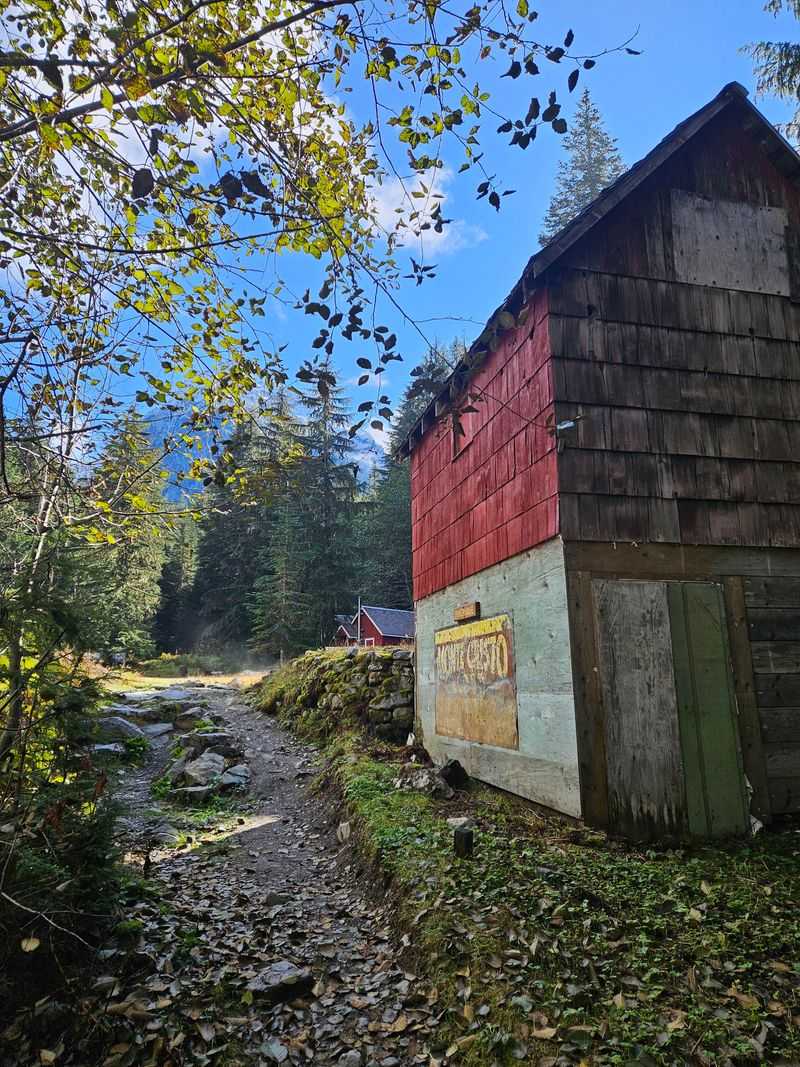
Some trips give you a pretty view and nothing else. Monte Cristo hands you a river adventure, a spinning turntable, old cabins, and a history lesson all at once.
It’s not flashy, and that’s exactly the appeal. Most of the original buildings are gone, but the signs and relics help the past feel close.
The trail keeps things accessible for many hikers. Long mileage with little climbing makes it a solid choice for families and patient beginners.
Budget-minded explorers will appreciate the value, too. A parking pass, packed lunch, and good shoes cover most of what a day here requires.
Campers and strong hikers can stretch the trip even further. Silver Lake and other nearby routes turn a simple day hike into a mountain getaway.
I believe every Washingtonian could find something to love here. It’s the kind of place that makes you slow down, look around, and wonder.
So grab a map and pick a clear day. That old turntable has been waiting a long time, and it still enjoys a good spin.