
7 Secret Washington Farm Towns Tourists Are Not Supposed To See
A Washington courthouse built in 1887 still hears cases today, and it sits in a farm town most travelers never notice. That detail stopped me cold.
I love when a place keeps quietly doing its job for well over a century.
Then I kept digging. One town stages a spring festival for sandhill cranes passing over potato and onion fields.
Another dresses up its main street with Dutch flair, windmill included, in the middle of raspberry country.
None of these spots chase tour buses. They’re working towns, built around wheat, orchards, hops, dairy, and lentils.
The fields come first, and visitors are kind of a bonus.
That’s exactly why they appeal to me. You get real main streets, an unhurried small-town pace, and scenery shaped by the crops on your dinner plate.
So which one would you visit first this weekend?
1. Lynden
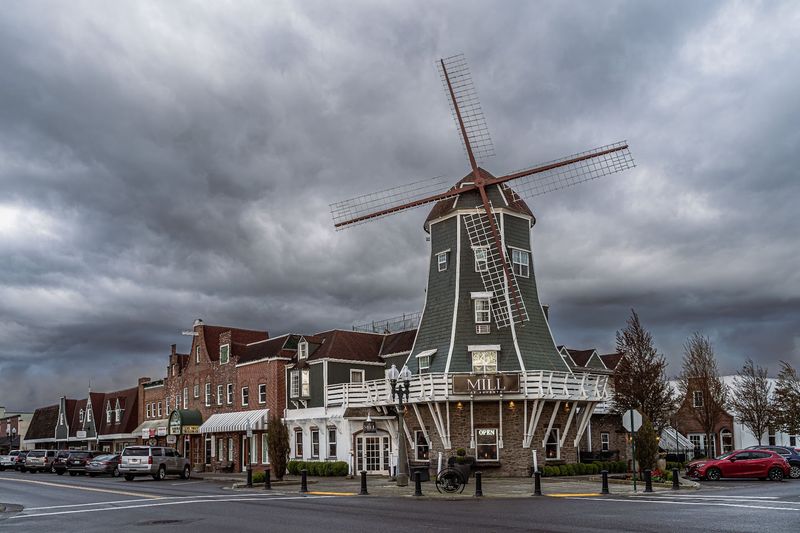
Wooden shoes and dairy cows make a surprisingly natural pair in this corner of the state. The town leans into its Dutch roots along Front Street, where a windmill helps set the scene.
You’ll find this Whatcom County community just south of the Canadian border, surrounded by flat, green farmland. With roughly 16,000 residents, it’s the biggest town on this list, yet it still feels rooted in the fields.
Many families in the area trace their roots to Dutch immigrants who farmed this valley. That heritage still shows up in the town’s architecture and its strong sense of community.
Dairy farming built much of the local economy here. Berries matter just as much, especially raspberries, which grow in long rows across the surrounding countryside.
Front Street is the place to start your visit. Its historic, walkable stretch invites a slow stroll past shops and storefronts with old-world touches.
Late summer brings the biggest crowds of the year. The Northwest Washington Fair takes over the fairgrounds in town, showing off livestock, farm pride, and classic fair fun.
Outside fair week, Lynden returns to its usual rhythm. Country roads roll past barns and berry rows, and Mount Baker can appear on the horizon on clear days.
For a family day trip, the combination works well. Kids get a windmill and a fair, and grown-ups get a tidy main street with real farm-country character.
Address: Lynden, WA 98264
2. Palouse
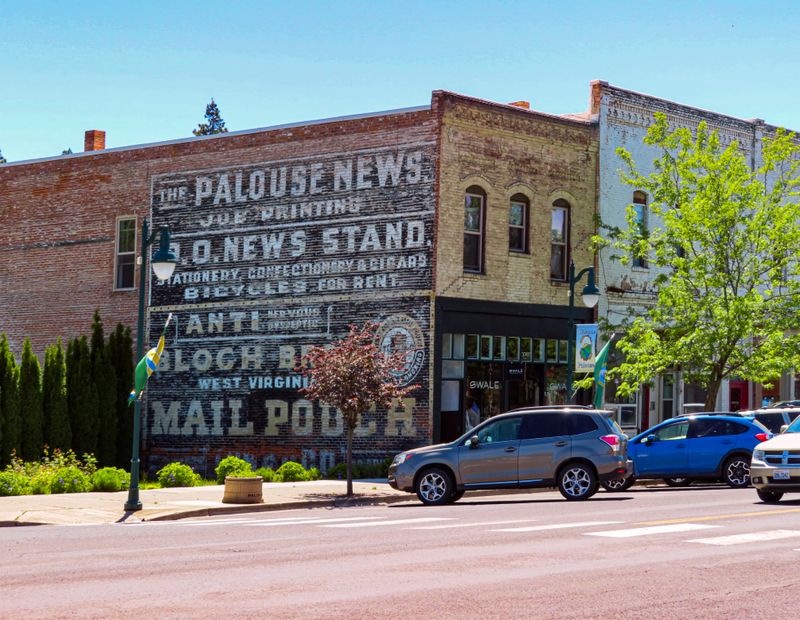
Ever seen hills that look like someone draped green velvet over a giant pile of pillows? Palouse, a town of roughly 1,100 people, sits right in the middle of that famous landscape in eastern Washington.
The rolling Palouse region gets its shape from wind-blown soil that piled up over thousands of years. Farmers turned those slopes into some of the most productive dryland wheat country in the nation.
Wheat isn’t the only crop around here. Peas and lentils have long been part of the rotation, and the town grew up as a gathering and processing center for those harvests.
Main Street is the star of the show. Its brick-front historic buildings line the road like an old photograph that never faded.
The Palouse River runs along the edge of town, adding a quiet, leafy contrast to the open fields. A short walk around the downtown blocks is enough to feel the slower pace.
Timing matters if you love color. Spring and early summer paint the hills bright green, while late summer turns them gold before harvest.
Photographers love this region for good reason. The roads near town offer sweeping views of fields, barns, and grain elevators without any admission fee.
Budget-minded travelers will appreciate that part. The best moments of a visit here cost little more than a tank of gas and some patience on country roads.
Address: Palouse, WA 99161
3. Tieton
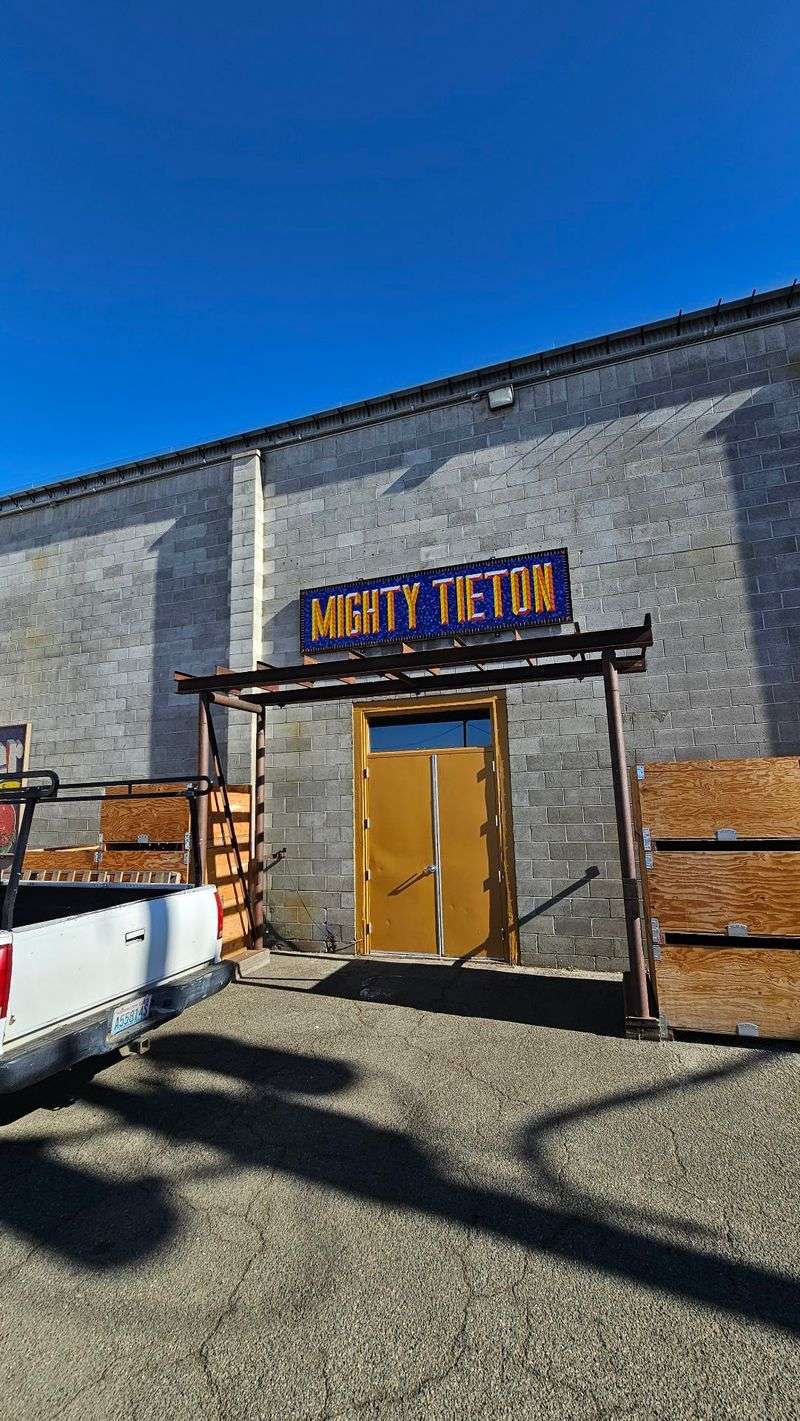
Orchards wrap around this little town so closely that fruit trees seem to outnumber the houses. Around 1,400 people live in Tieton, a small Yakima County community northwest of Yakima.
Apples are the headline crop, but pears and cherries share the hillsides too. Packing houses and fruit warehouses stand close to town, showing how much the harvest drives daily life.
Washington leads the nation in apple production, and towns like this one help explain why. You’re looking at the source of fruit that ends up in lunchboxes across the country.
The heart of town is a small park ringed by local storefronts. It’s an easy, compact layout, so you can see the center in a short stroll.
Spring is a lovely time to visit. Orchard blossoms can turn the surrounding rows white and pink, a sight that feels straight out of a storybook.
Cherry season arrives early in summer, followed by pears and apples later on. Each harvest brings a fresh burst of activity to the warehouses and country roads.
Some of those old fruit warehouses have found new life too. Local arts groups have reused buildings in town for studios and exhibition space, giving Tieton a creative streak.
Pack a picnic and take your time here. Tieton rewards visitors who like quiet towns, open sky, and rows of fruit trees in almost any direction.
Address: Tieton, WA 98947
4. Prosser
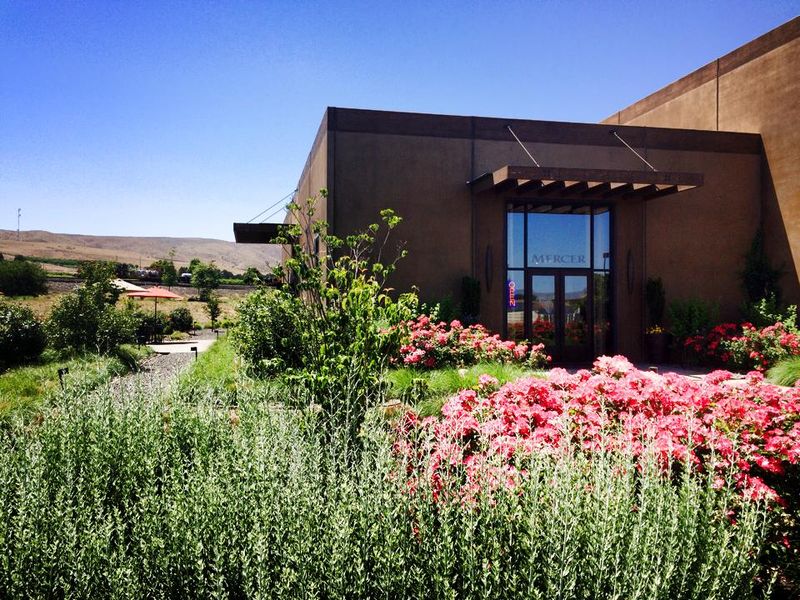
Hops climb toward the sky on tall trellises around Prosser, which makes for a memorable welcome. This lower Yakima Valley town of about 6,000 people sits in one of Washington’s busiest farm regions.
The Yakima Valley grows a huge share of the nation’s hops. Fields of green bines stretching skyward are one of the area’s most striking summer sights.
Tree fruit is another big player here. Orchards dot the surrounding countryside, keeping the region busy through the growing season.
Science gets a seat at the table too. Washington State University runs an agricultural research center near town, where researchers study irrigated crops and better ways to farm.
That mix of fields and research gives Prosser a smart, hardworking personality. It’s a farm town that thinks about the future as much as tradition.
Downtown keeps its historic main street feel. Older storefronts line the blocks, and the Yakima River flows nearby for a peaceful break.
Prosser also serves as the Benton County seat. That gives the small downtown a steady hum of everyday business, far from tourist-trap territory.
Late summer is especially fun for drives. Harvest season can bring tall hop rows, loaded fruit trees, and plenty of tractors on the move.
Road trippers will find it easy to reach. Interstate 82 runs right past town, so a quick detour can turn into a full afternoon of farm-country wandering.
Address: Prosser, WA 99350
5. Manson
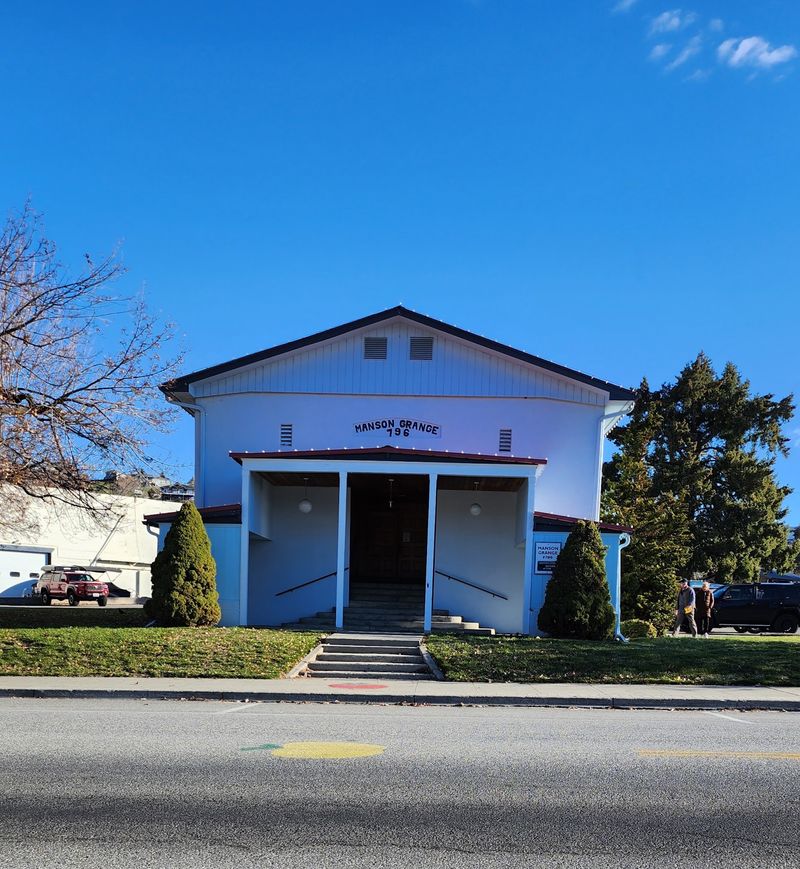
Plenty of Lake Chelan visitors stay at the south end and never make it up the north shore. That’s their loss, because Manson waits there with orchards tumbling down toward the water.
About 3,500 people live in this unincorporated Chelan County community. It doesn’t have a city government, but it does have plenty of small-town character.
Apples rule the hillsides here. Rows of fruit trees climb the slopes above the lake, creating a patchwork of green that changes with each season.
Washington apples get famous in grocery stores far away. Here, you can see the orchards that grow them with a mountain lake glittering below.
The pace is noticeably calmer than in busier lake towns. Manson keeps its rural feel, with farm roads and lake views sharing the same scenery.
Lake Chelan itself is a showstopper. It’s a long, glacier-carved lake and one of the deepest in the country, which helps explain that striking blue water.
Families can split the day between orchard country and the shoreline. Swimming, picnics, and lakeside strolls make easy add-ons in summer.
Fall brings a different kind of beauty. Harvest season fills the trees with fruit, and the hillsides start shifting toward autumn tones.
Getting there takes a scenic drive along the lake’s north shore. Plan extra time, because the views tend to slow you down in the best way.
Address: Manson, WA 98831
6. Othello
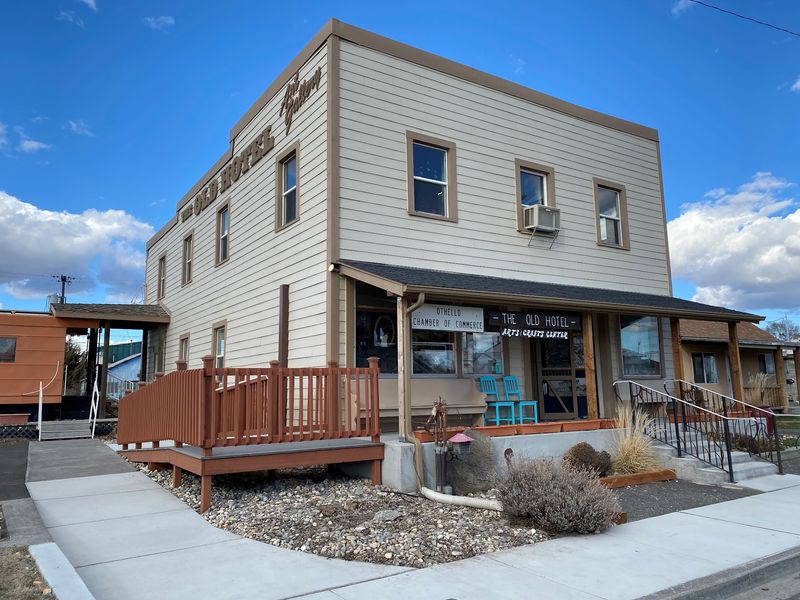
Thousands of sandhill cranes drop into the fields around this town each spring, and locals throw them a party. The Othello Sandhill Crane Festival celebrates their visit, typically in March.
Those birds have good taste in real estate. The Columbia Basin Project turned this dry region into irrigated farmland, and the cranes feed on leftover grain in the fields.
Irrigation canals crisscross the landscape here. They carry Columbia River water that transformed sagebrush country into some of the state’s most productive farmland.
About 8,500 people live in this Adams County town. Open agricultural country surrounds it in almost any direction you look.
Potatoes are a major crop here, along with onions, mint, and corn. If you’ve eaten fries in the Pacific Northwest, there’s a fair chance they started near fields like these.
Mint might be the biggest surprise. Washington is a leading producer of mint oil, which ends up in gum, toothpaste, and candy.
Nature lovers get a bonus nearby. The Columbia National Wildlife Refuge sits just outside town, with lakes, rocky coulees, and birdwatching opportunities.
That combo makes Othello a solid weekend pick for families. You can spot wildlife in the morning and cruise past working farms in the afternoon.
Bring binoculars and layers in early spring. Mornings can feel chilly out in the open, but crane season makes the early wake-up worth it.
Address: Othello, WA 99344
7. Dayton
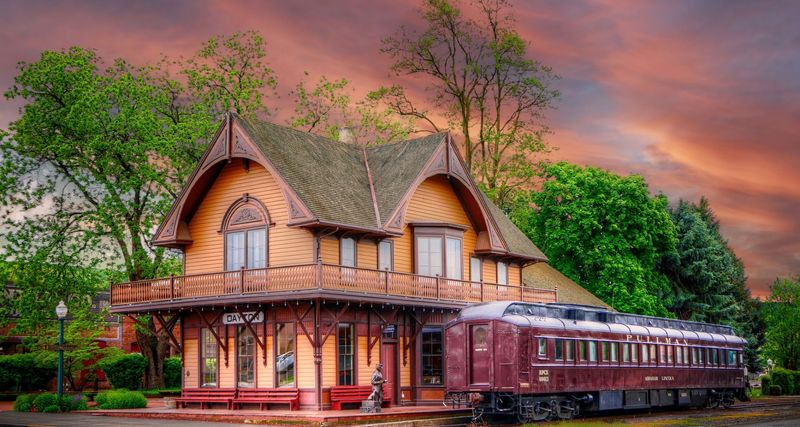
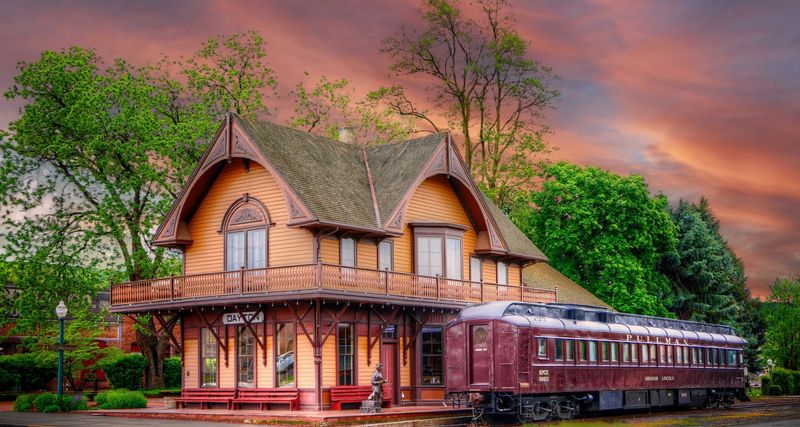
Court is still in session inside an 1887 building here. The Columbia County Courthouse is known as the oldest courthouse in Washington still used for its original purpose.
History buffs, brace yourselves, because the town isn’t done. The Dayton Historic Depot, built in 1881, is considered the oldest surviving train depot in the state.
Roughly 2,500 people live in this southeastern Washington town. Its 19th-century commercial district has been carefully preserved, giving Main Street a storybook look.
The Touchet Valley surrounds Dayton with fertile farmland. Grain and wheat fields roll out from town, and tall grain elevators stand as local landmarks.
Asparagus also has a place in the area’s farm story. Fields of the spring crop have long been part of the valley’s agricultural mix.
Neighborhoods near downtown hold many historic homes. A slow walk past them feels like flipping through an old family album.
The Blue Mountains rise to the south, adding a dramatic backdrop to the wheat fields. On a clear day, the contrast between gold grain and blue ridges is hard to beat.
Families looking for a low-cost outing will find plenty to admire for free. Strolling the historic district and gazing at the architecture costs nothing at all.
Dayton makes a satisfying final stop for anyone who loves Americana. It’s quiet, proud of its past, and still busy with the work of farming.
Address: Dayton, WA 99328