
Snowy Owls Show Up On Illinois Lakefront Beaches Every Winter, And Montrose Point Is Where To Look
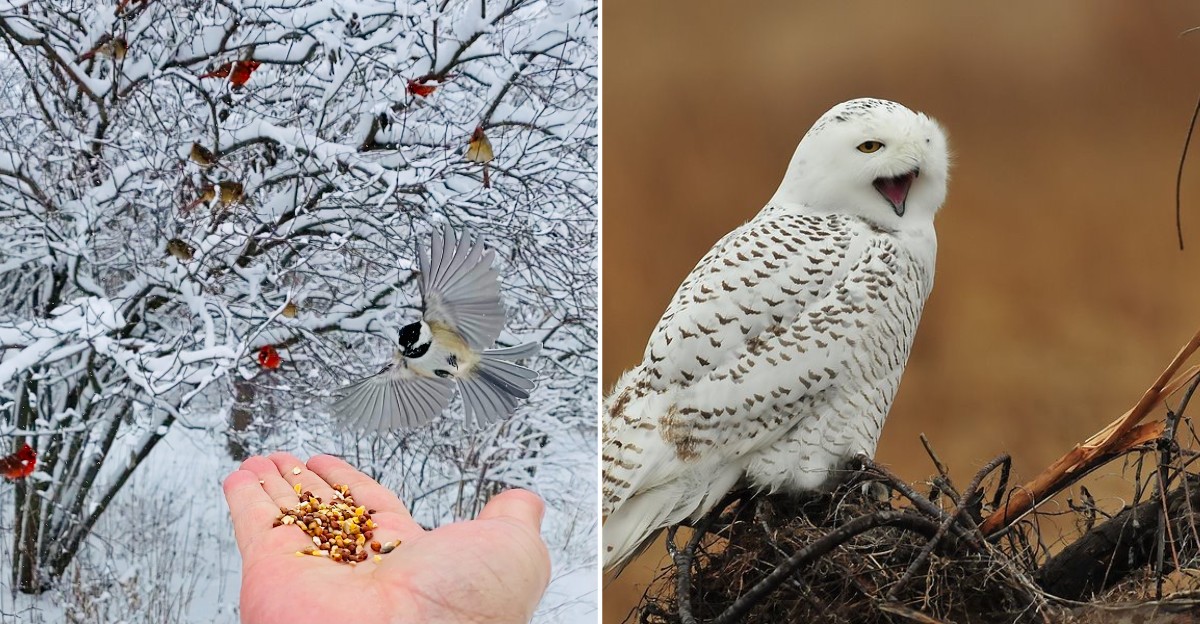
Arctic owls built for frozen tundra sometimes spend their winter staring at a city skyline. Yes, real snowy owls, white as fresh powder, perched on a sandy Illinois beach.
They don’t come every year. They show up in irruption years, when crowded Arctic food supplies push young owls hundreds of miles south.
Some winters bring a dozen or more to the Chicago area.
I love that the spot they favor used to be something completely different. Shrubs planted for one purpose ended up feeding migrating birds instead.
Now it’s the most active birding location in all of Illinois.
The best part? You can look for one of these visitors without paying a dime to get in.
So where exactly should you point your binoculars this winter?
A Wild Peninsula Poking Out Into Lake Michigan
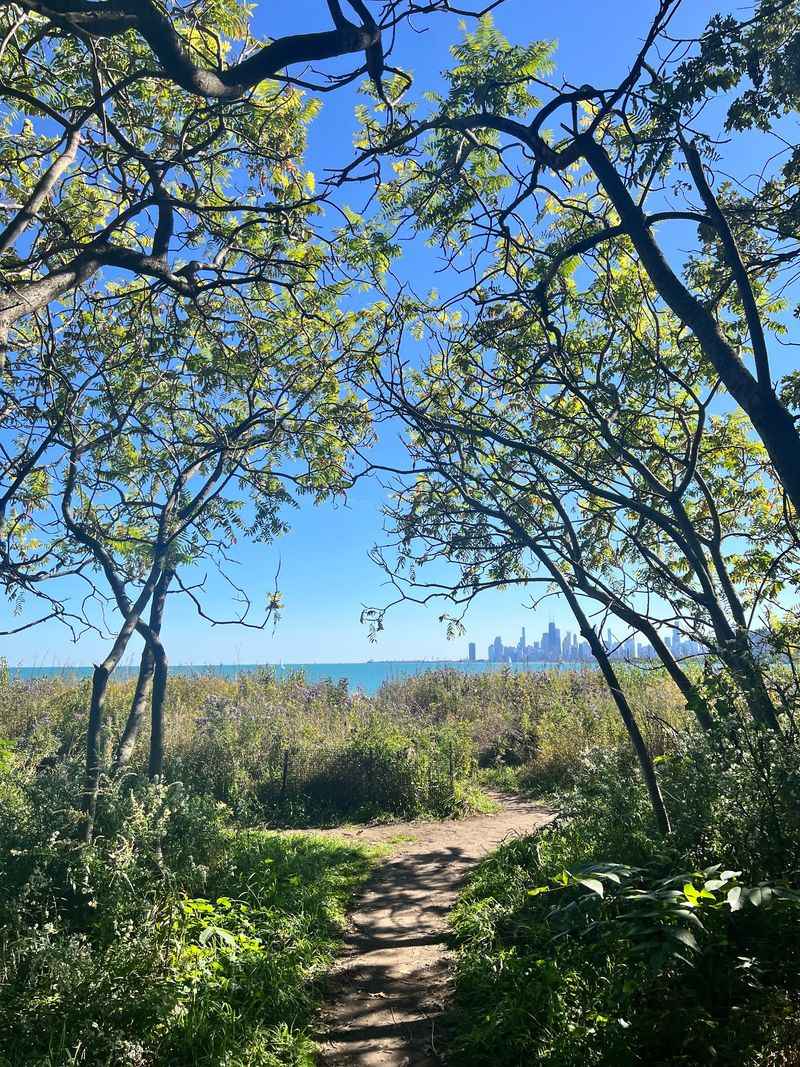
Montrose Point Bird Sanctuary sits inside Chicago’s Lincoln Park, on a peninsula reaching right into Lake Michigan. It covers about 15 acres of prairie, savanna, woodland, and beach.
Birders call it something catchier, though. The nickname is The Magic Hedge, and it fits better than you’d expect.
Location explains a lot of the magic. Birds traveling along the lakeshore spot this green finger of land and drop in for rest and food.
Over 300 species have been recorded here, and it ranks as the most active eBird hotspot in Illinois.
That’s a big title for a small patch of ground. Most state parks would brag about numbers like that for decades.
Getting here is simple for city folks and day-trippers alike. The sanctuary sits near Montrose Harbor on the city’s North Side, close to Montrose Beach.
You get a quiet preserve on one side and a sweeping skyline view on the other.
It feels like a secret, yet it sits in plain sight. For a family outing that costs nothing to enter, that’s a pretty sweet combination worth a winter drive.
Why Arctic Owls Bother Flying All The Way To Chicago
Lemmings are the secret behind this whole story. Snowy owls rely heavily on these small Arctic rodents, and their numbers rise and crash in cycles.
When a good breeding year produces lots of young owls, competition for food gets fierce. Many of those youngsters, plus some adults, head south looking for a meal.
Biologists call these big movements irruptions. They don’t happen every winter, which makes each one feel like a lucky break.
So why land at the lakefront? The wide beaches, open dunes, and long sightlines across the water look a lot like tundra.
To an owl from the far north, that flat, treeless space feels familiar.
Cold winds off Lake Michigan help complete the picture. No wonder these birds seem right at home in Illinois.
Owls also hunt in daylight, unlike many of their cousins. That gives regular folks a real shot at seeing one without staying up past bedtime.
Kids especially love that detail. A daytime owl hunt beats a late night with sleepy grumbling every single time.
Your Best Window For Spotting A Snowy Visitor
November is the month to watch. When owls arrive, fall migrants typically appear then, and some linger through March.
Early sightings often hint that an irruption season is starting. Birding groups and eBird reports tend to light up quickly once the first owl shows.
Timing matters, but so does patience. A white bird resting on pale sand can be surprisingly hard to pick out.
In banner years, a dozen or more snowy owls have turned up around Chicago. Recent winters have brought visitors to Montrose too, with birders celebrating two owls hanging out together.
For many people, that first snowy owl becomes a lifer. That’s birder lingo for a species you’ve never seen before, and it’s a thrill.
Bring binoculars and a warm hat. The lakefront wind in winter doesn’t care about your plans.
A thermos of hot cocoa wouldn’t hurt either. Cold fingers make it tough to hold binoculars steady for long.
And if no owl appears? Plenty of other winter birds keep the walk interesting, so the trip still counts.
Missile Site Turned Bird Magnet
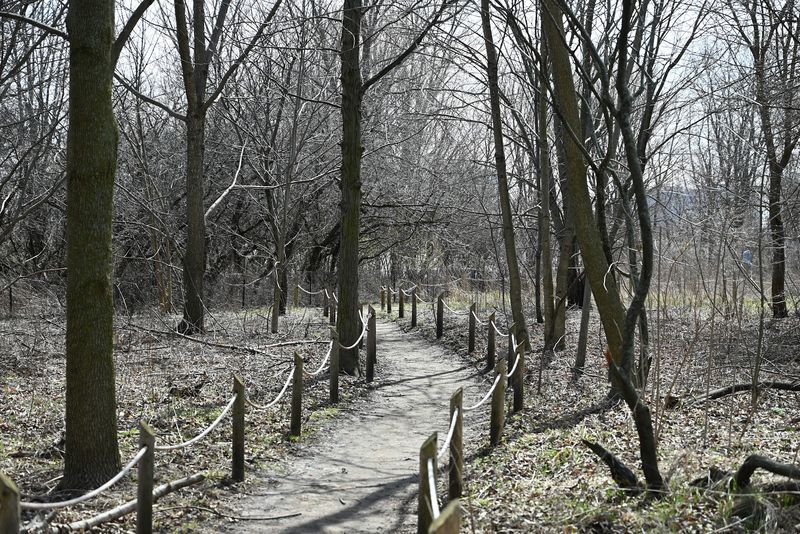
Believe it or not, the whole point is man-made. It was built during the Montrose Harbor extension projects of the 1930s, reshaping this stretch of Chicago lakefront.
Then came a twist nobody saw coming. From 1955 to 1965, the U.S.
Army ran a Nike missile site right here.
Honeysuckle bushes were planted to screen the military installation from view. Those bushes later caught the attention of local birders.
Migrating birds loved the cover and food. The shrubs pulled in so many species that birders started calling the row The Magic Hedge.
After the Army left, the area sat mostly neglected for years. Ironically, that quiet stretch gave nature room to take over.
I can’t think of a better comeback story in Illinois. A Cold War leftover became one of the Midwest’s favorite places to watch birds.
Grandparents who remember those years will get a kick out of this tale. It makes a fun conversation on the walk out to the beach.
The Famous Hedge Where Warblers Pile In
About 150 yards of dense shrubs and trees make up the legendary hedge. It sounds modest, but birds treat it like a highway rest stop.
Spring and fall bring the biggest action. Warblers, thrushes, sparrows, and woodpeckers all pass through on their long journeys.
Winter has its own surprises too. Northern saw-whet owls, tiny and adorable, have been known to hide here during the colder months.
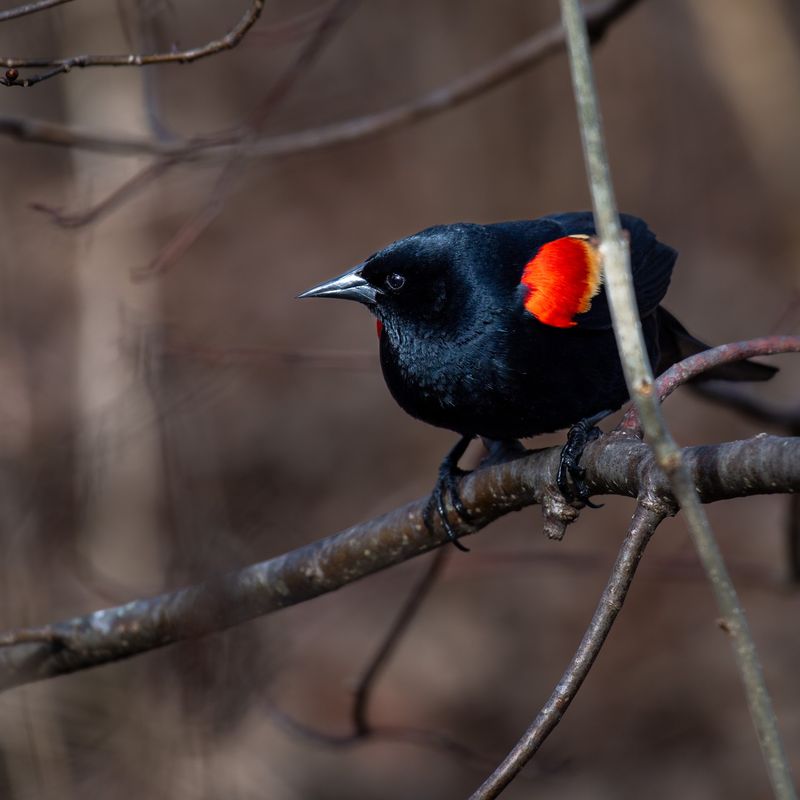
Common sightings include red-winged blackbirds, robins, grackles, and gulls. Chipmunks and rabbits scurry around the paths as well.
Beginners shouldn’t feel nervous about any of this. A free birding app like Merlin can help identify songs and sightings right on the spot.
That makes the hedge a great classroom for curious kids. Every rustle in the leaves becomes a little mystery to solve together.
Butterflies also love this stretch in warmer months. Monarchs drift over native flowers like bee balm when summer arrives.
Each season changes the cast. Come back in May, and you’d hardly recognize the place from your January owl hunt.
Dunes, Driftwood, And A Skyline Backdrop
Sand keeps rearranging itself here. The Montrose Beach Dunes Natural Area formed as Lake Michigan’s water levels shifted over recent years.
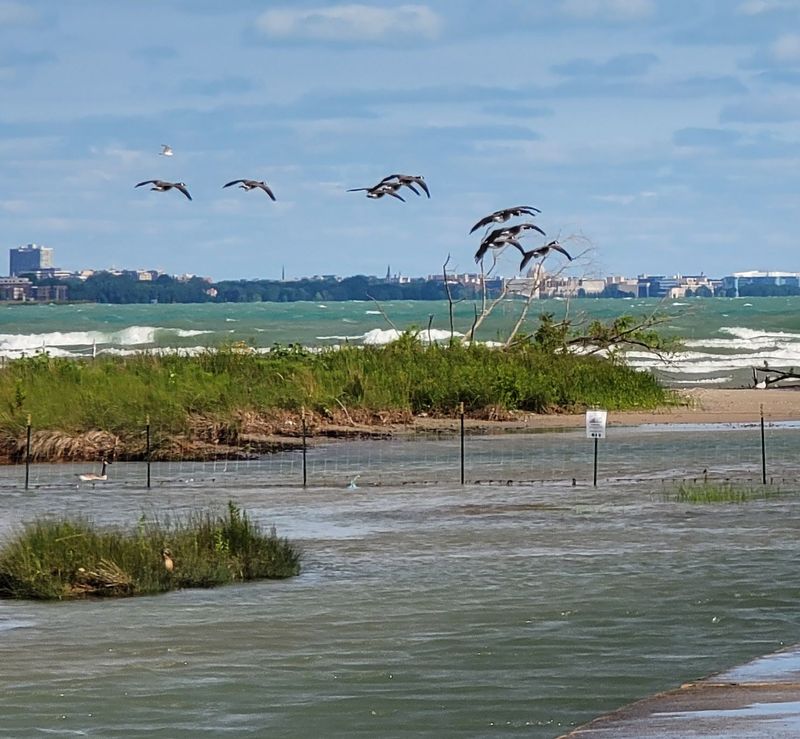
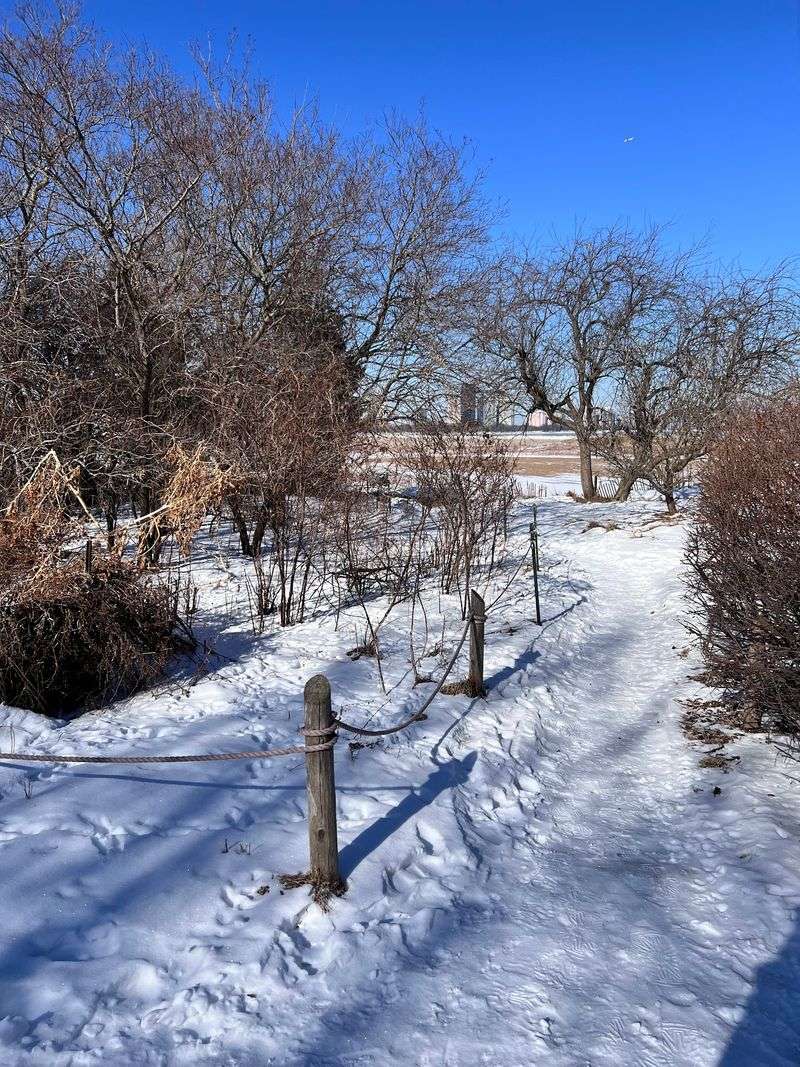
Those dunes now support uncommon beach plants you won’t find in a typical city park. Some sections get roped off to protect nesting birds.
One famous nester deserves a shout-out. Endangered piping plovers have raised chicks on this beach, drawing fans every summer.
Beyond the dunes, grassy fields and scattered trees give way to open beach. Jetties and a concrete breakwater stretch into the lake.
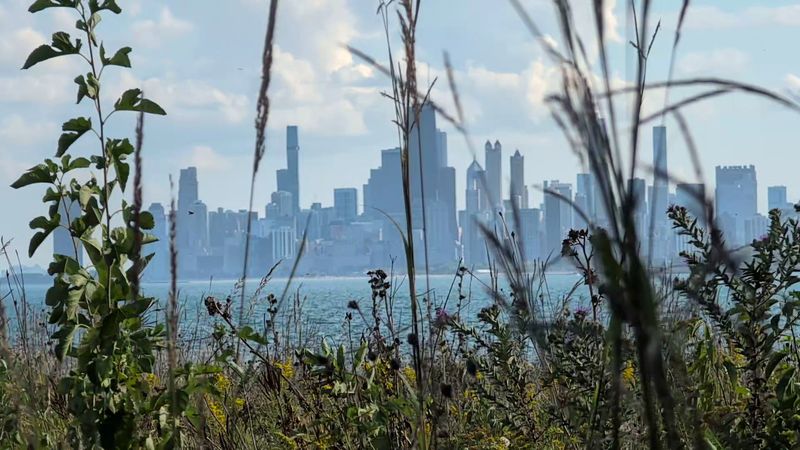
Walk out there, and the payoff is huge. Downtown Chicago rises across the water like a postcard.
That contrast is the whole charm, honestly. Wild dunes in front, skyscrapers behind, and a snowy owl if luck is on your side.
Photographers love this spot for good reason. The skyline view stays gorgeous in every season, even on gray winter mornings.
Families can turn it into a scavenger hunt. Count driftwood piles, spot gulls, and see who finds the first set of bird tracks in the sand.
Good Manners That Help An Owl Survive Winter
Owls far from home are already working hard. Every unnecessary flight burns energy they need for hunting and staying warm.
That’s why distance matters so much. Experts recommend staying at least 300 feet away from a snowy owl.
A spotting scope or long camera lens beats creeping closer. Your photos still turn out great, and the bird stays relaxed.
Skip the flash and keep voices low. Never bait an owl with food or try to make it fly for a better picture.
Crowds have gathered at Montrose before when owls appeared. Officials have even temporarily closed the pier to give the birds space.
Teaching kids these rules turns a sighting into a lesson. They learn that loving wildlife sometimes means simply standing still and watching.
Fellow birders tend to share scopes and tips freely. A friendly question often earns you a better look than any closer step would.
Respect keeps this tradition going for everyone. The owl rests, other visitors get their turn, and you leave with a memory worth sharing.
Volunteers Who Keep The Magic Going
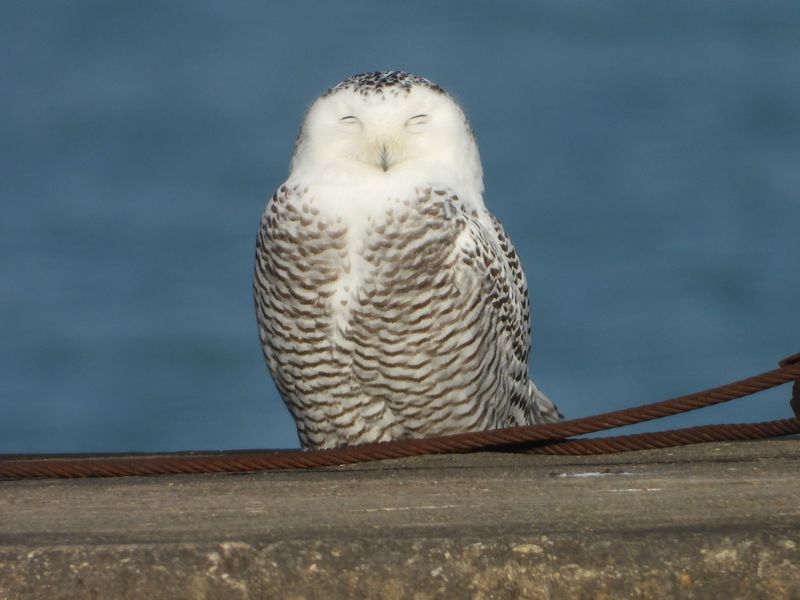
Behind every great bird sighting stands a crew of dedicated helpers. Volunteers partner with the Chicago Park District to care for this sanctuary year-round.
Their to-do list is long and muddy. They collect and scatter native seeds, plant native species, and pick up trash.
Invasive plants get pulled so native ones can thrive. Volunteers also monitor vegetation and keep track of bird populations.
All that effort has paid off in visible ways. A butterfly meadow now blooms here, and a master plan guides future care.
The paths stay tidy, and the prairie looks healthy. That doesn’t happen by accident in a busy city park.
I love that ordinary people made this place what it is. Neighbors who care about birds have shaped one of the best birding spots in Illinois.
It’s a heartwarming example for kids, too. Small actions, repeated over years, can create something truly special.
Next time you spot a warbler or owl, give a silent thank-you. Somebody’s weekend gloves probably made that view possible.
Free Admission, Paved Paths, And An Easy Winter Plan
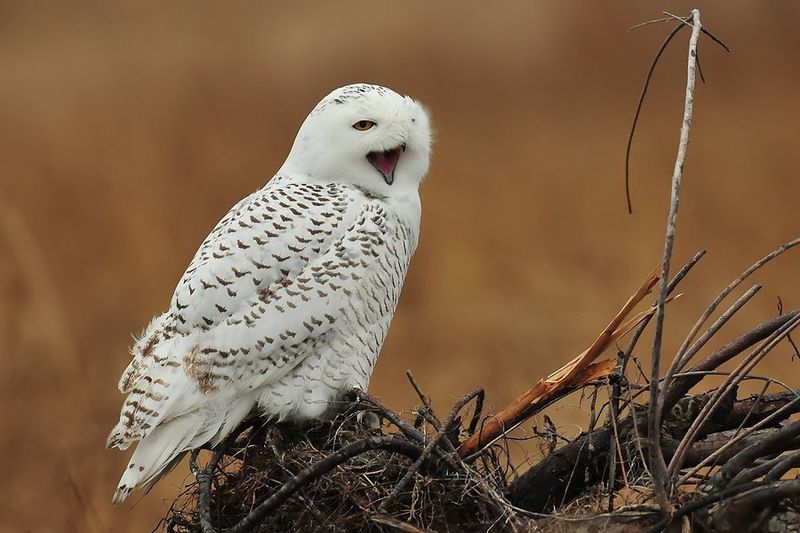
Here’s the budget-friendly part. There’s no entrance fee for the sanctuary, making this one of the cheapest outings around.
Hours run daily from 6 a.m. to 8 p.m. Early mornings tend to be quiet and peaceful, perfect for spotting birds.
An eight-foot paved path loops through prairie and woodland. The ADA-accessible trail, added in 2021, works well for strollers and wheelchairs.
Side paths branch off for anyone craving more quiet. Accessible parking sits near the main entrance off Montrose Harbor Drive.
You’ll find the sanctuary in Lincoln Park, Chicago, IL 60640. Street parking ranges from free to a small fee, though weekends can get busy.
Montrose Harbor is right there for an extra stroll. The beach next door adds space for kids to stretch their legs.
So is it worth bundling up for? I believe it absolutely is, owl or no owl.
Few free outings in Illinois offer this much wildlife, history, and skyline in one walk. Pack the binoculars and go see what winter delivers.