
This Historic Maine Museum Transforms Into A Christmas Tree Wonderland Every Holiday Season

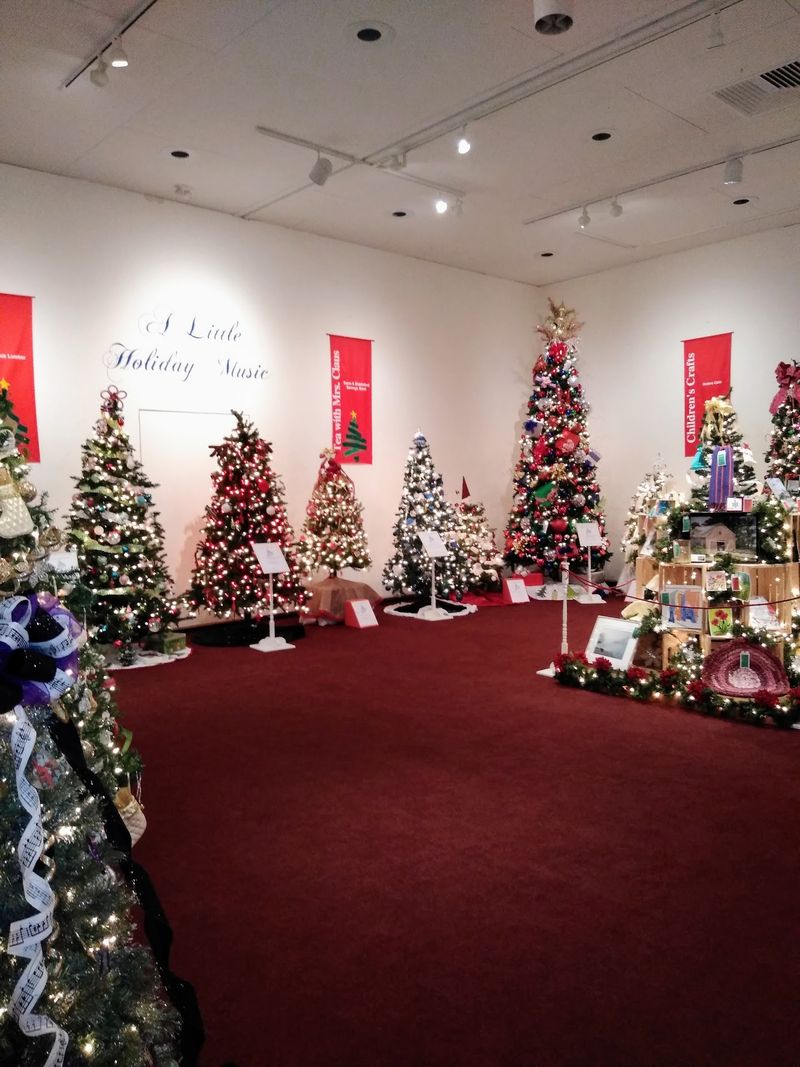
Every holiday season, dozens of decorated Christmas trees take over the galleries of a museum that has been collecting history since 1866. Each tree gets its own theme. You can vote for your favorite.
During the festival, looking at the trees costs nothing. Visitors can also purchase raffle tickets and enter for a chance to win prizes donated for the event.
The trees share the rooms with old portraits, antique clocks, and Victorian bird specimens. I love the thought of a glittering tree standing a few feet from paintings made two centuries ago. That mix makes me smile.
This small Maine museum turns its yearly sparkle into its biggest fundraiser. Community members do the decorating, and that gives every tree a personal touch.
So which tree would get your vote?
Dozens Of Themed Trees Are Waiting To Compete For Your Vote
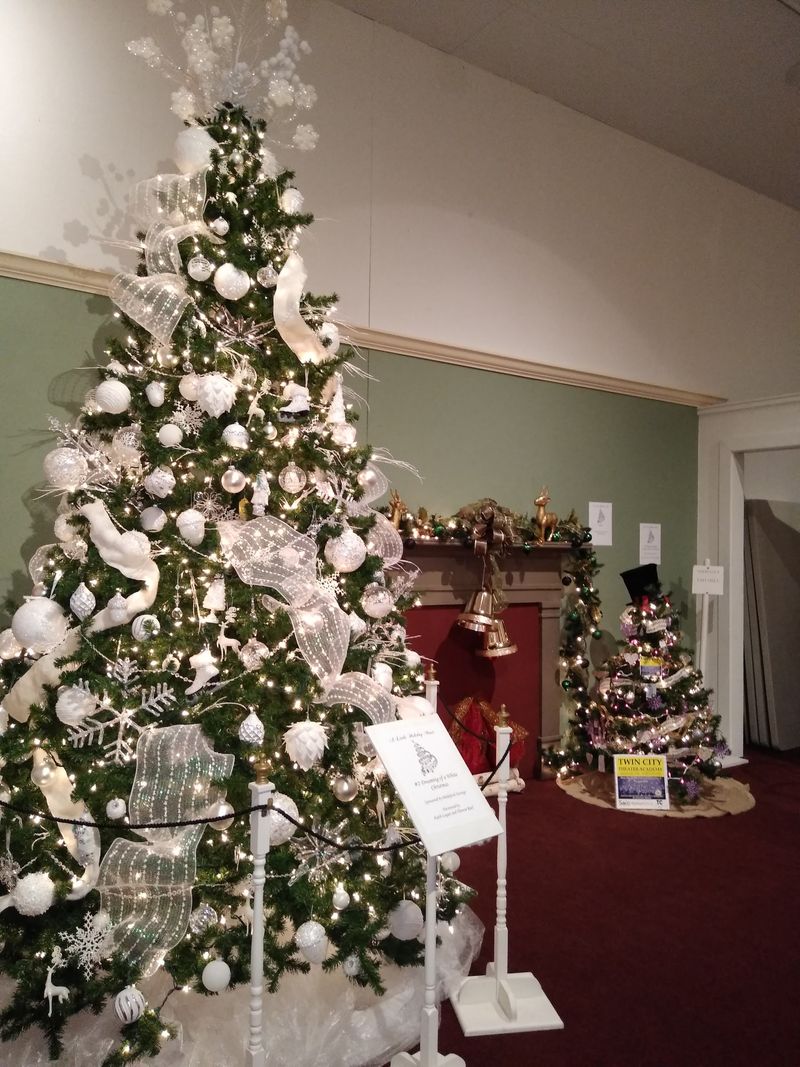
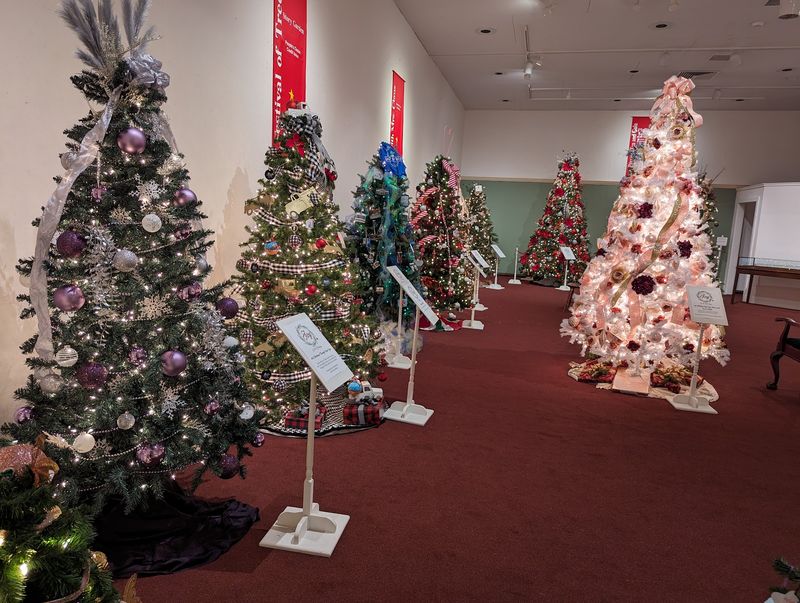
Trees fill the galleries at the Saco Museum every holiday season. The annual Festival of Trees reached its 21st year in 2025, so this tradition has serious staying power.
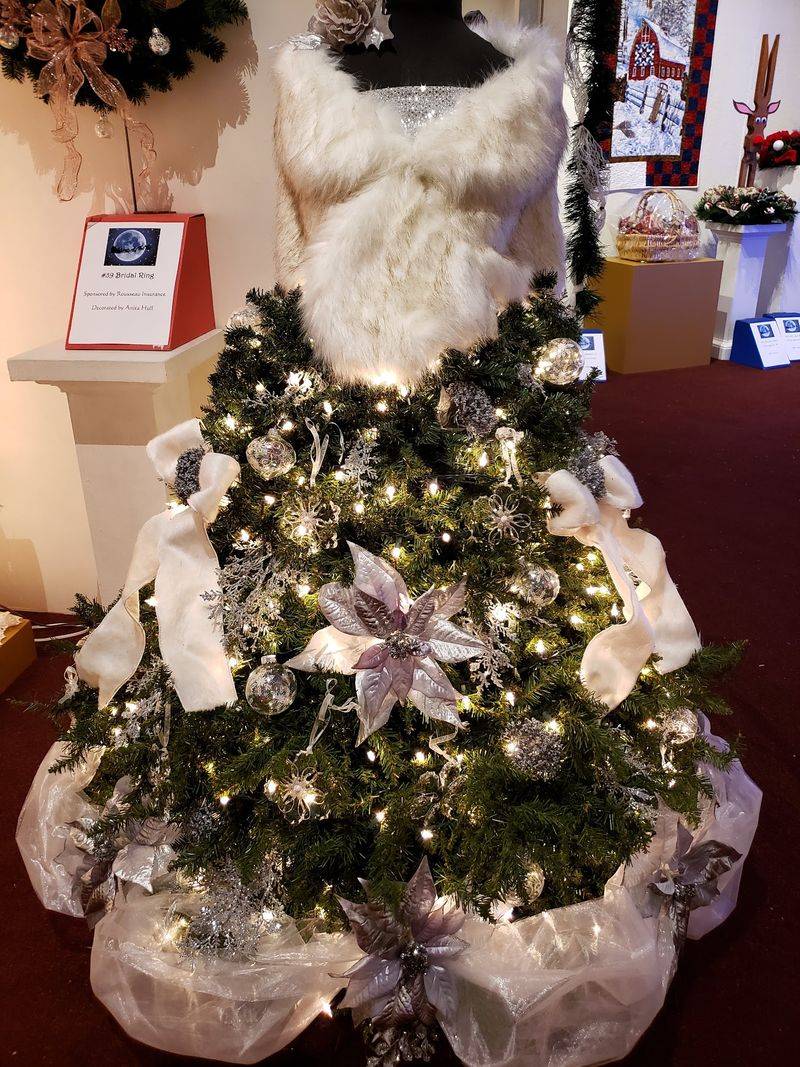
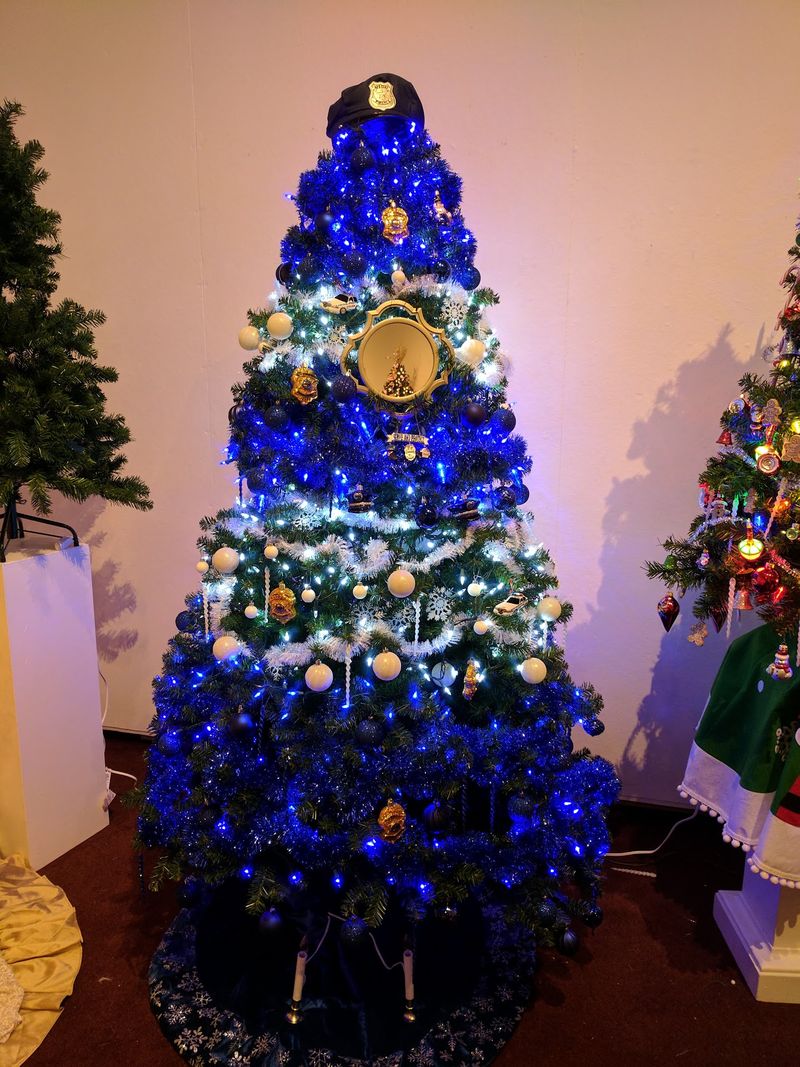
Local community members decorate dozens of trees for the event. Each one gets its own special theme, which means no two trees look alike.
Variety is the fun part. One tree might lean cozy and classic, while the next might go bold and playful.
You also get a job while you wander. Visitors can vote for their favorite trees, which adds a friendly bit of competition to the whole thing.
Voting sounds easy until you reach the tenth tree you love. Suddenly your first choice has a lot of rivals.
My advice is simple. Take one slow lap around the museum before you pick a winner.
A second lap helps you catch small details you missed the first time. Ornaments, toppers, and themed touches reward people who look closely.
Bring a friend if you can. Comparing favorites turns the visit into a cheerful debate, and that might be the best holiday tradition of all.
The Festival Raffle Offers A Chance To Win Holiday Prizes
Raffle tickets give visitors a chance to win festival prizes, with prices announced by the organizers.
The setup is charming in its simplicity. You buy tickets, then drop them into boxes for the prizes you want most.
Prizes come from local businesses and individuals who donate to the event. That generosity is a big reason the festival works so well.
Here’s a smart approach for your visit. Decide on your budget before you start, because buying several raffle tickets can add up quickly.
Next, spread your tickets out or go all in on one favorite. Both strategies have their fans, and neither one is wrong.
Looking at the trees costs nothing during the festival. So the raffle is a bonus, not a ticket to get through the door.
Every ticket also supports a good cause. The festival serves as the largest annual fundraiser for both the museum and the Dyer Library next door.
That makes a losing ticket feel a lot less sad. You still helped keep two beloved community places going strong.
And if you win? You could head home with a special holiday prize.
Local Artists Bring Extra Treasures To The Silent Auction

Trees grab the spotlight, but the silent auction deserves your attention too. Guests can bid on artwork made by local artists and artisans.
This is where holiday shopping gets interesting. A one-of-a-kind piece from a Maine maker beats another gift card any day.
Silent auctions follow an easy rhythm. You write your bid down, then check back later to see if someone topped you.
Patience matters here. Swinging by near the end of your visit lets you see where the bidding stands.
Think about who you might be shopping for before you go. A gift for a hard-to-please relative could be hanging right there on the wall.
There’s also a feel-good bonus to bidding. Your money supports the museum and library, and your purchase celebrates local talent.
I like that the auction fits the setting so well. A museum known for regional art giving space to today’s artists just makes sense.
Keep your expectations playful, though. Bidding wars can happen, and someone else may love that painting as much as you do.
Win or lose, browsing the auction adds another layer of fun.
Special Event Days Add Crafts, Lights, And A Tea Party
Mrs. Claus pours tea here. That alone might earn the festival a spot on your family calendar.
Tea with Mrs. Claus is one of several special events held during the Festival of Trees. Others include a Children’s Craft Day and a Parade of Lights.
Kids who love glue sticks and glitter will want Craft Day circled in red. It gives young visitors something hands-on to do beyond admiring trees.
The Parade of Lights brings even more sparkle to the season. It’s a great pick if your crew loves a bright, cheerful outing.
There’s also a sensory-friendly day. I can understand why families care so much about that kind of thoughtful option.
Quieter settings can make a big difference for some children and adults. Having a day built with them in mind makes the festival feel welcoming to more people.
Dates and details change from year to year. Check the museum’s announcements early so you don’t miss the event you want most.
Popular activities like tea with a famous guest can fill up. Planning ahead beats explaining to a disappointed kid why Mrs. Claus is booked.
Plan Around Special Festival Hours And A Fancy Kickoff
Timing is everything with this holiday tradition. For 2026, the Preview Gala is scheduled for November 21st.
The public opening typically lands on the Friday after Thanksgiving, which is November 27th in 2026. The festival usually wraps up around December 30th.
That gives you about a month to visit. Still, the hours shift during the festival, so read the schedule closely.
Festival hours have often looked like this. Wednesday runs noon to 4 pm, while Thursday and Friday stretch from noon to 8 pm.
Saturday typically opens at 9:30 am and closes at 4 pm. Sunday runs noon to 4 pm.
Here’s the catch. The museum often closes on both Monday and Tuesday during the festival.
Evening hours on Thursday and Friday are a sweet bonus. Seeing glowing trees after dark feels extra cozy on a chilly Maine night.
Weekends near Christmas can get busy with holiday plans of every kind. A weekday afternoon might give you more breathing room.
Always confirm hours before you head out. Holiday schedules love surprises, and nobody enjoys meeting a locked door.
Look Past The Tinsel For A Remarkable Portrait Collection
While the trees sparkle, some of the walls behind them hold real treasures. The museum owns the largest collection of portraits by John Brewster, Jr.
Brewster was a renowned deaf artist who painted portraits in early America. His work is a big deal in the world of American folk art.
Seeing his paintings next to holiday trees creates a fun contrast. Old faces seem to watch over the glitter like patient chaperones.
The collection goes beyond Brewster too. Regional artists such as Gibeon Elden Bradbury and Charles Henry Granger are also represented.
Many works come from the Saco River region. That local focus helps the art feel connected to the place you’re standing in.
Here’s a tip for your visit. After you finish voting on trees, circle back and give the portraits a closer look.
Notice the clothing, the poses, and the small details artists chose to include. Each one tells you a bit about life long ago.
Kids might enjoy a quick game too. Ask them to find the portrait that looks most ready for a holiday party.
Some Of The Coolest Objects Have Wild Backstories

The first daguerreotype portrait camera in the United States lives in this collection. It’s called the Wolcott-Johnson camera, and photography fans should take note.
That’s just one highlight among more than 15,000 artifacts. The holdings include local furniture, clocks, silver, ceramics, textiles, and costumes.
Another star is the Scamman Jug. This well-preserved stoneware jug came from Germany and bears a medallion of King William III.
Then there’s the item you probably won’t see. The museum owns an 850-foot panorama of Pilgrim’s Progress from the 19th century.
Yes, 850 feet. Its huge size keeps it from regular display, which is a pretty fair excuse.
Permanent exhibits help tie it all together. Making History traces the Saco region from its settlement through the 20th century.
Natural Wonders shows off specimens gathered by Victorian collectors, including birds of New England. There’s also a room set up like an 1840s mill girl’s boarding house bedroom.
That bedroom offers a quick reality check. Life for young mill workers looked very different from a cozy holiday morning.
A Brick Building With Over A Century And A Half Of Story
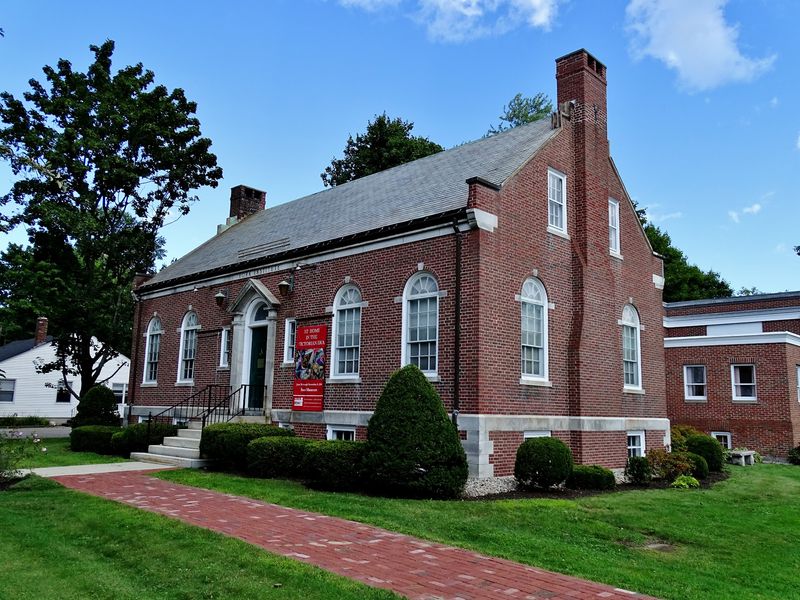
Founded in March 1866, the Saco Museum ranks among the oldest museums in Maine. It started life under a different name, the York Institute.
Its early mission was all about curiosity. Founders wanted to promote natural history, encourage science and art, and preserve the story of York County.
The name changed to the Saco Museum in 2000. The mission of saving local history stayed right in place.
Now for the building itself. The red brick Colonial Revival structure was designed by architect John Calvin Stevens in 1926.
It was built as a fire-proof gallery to protect the collections. Smart thinking for a place full of old paintings and fragile objects.
A donation from Josephine Pierce, Orestes Pierce, and Henrietta Pierce Watkinson made the building possible. Their gift still pays off for every visitor today.
You’ll find it at 371 Main St, Saco, ME 04072. The Dyer Library sits next door, and the two share a close partnership.
Holiday lights look especially good against all that brick. History and sparkle make a surprisingly great team.
Come Back After The Holidays For Free Thursday Evenings

Here’s good news for anyone who falls for this place in December. The museum stays open year-round, so the fun doesn’t vanish with the last tree.
Regular hours run Tuesday through Friday from noon to 4 pm, with Thursday stretching until 8 pm. Saturday hours typically start in the morning and end in the early afternoon.
Thursday evenings are the real bargain. Admission becomes free after 4 pm, which makes a weeknight visit pretty tempting.
Regular admission is already friendly to wallets. Students and seniors get reduced rates, and kids age 6 and under get in free.
The museum is closed Sunday and Monday most of the year. Check current hours before you go, since schedules can shift.
A winter visit without the festival offers a calmer pace. You’ll have more time with the clocks, furniture, and Victorian bird specimens.
Pairing it with a stroll along Main Street in this Maine city makes an easy outing. The library next door adds even more to explore.
Honestly, one visit rarely feels like enough. The trees bring you in, and the history gives you reasons to return.