
This Free Illinois Farm Still Lives In The 1890s, With Percheron Horses, Spring Lambs, And Ice-Harvest Ice Cream
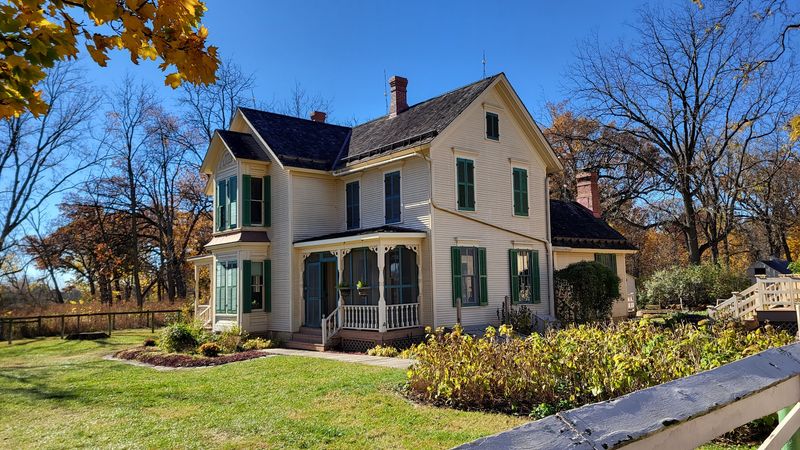
A bell rings across a pasture, and that’s your cue to tour a farmhouse frozen in the 1890s. Nobody hands you a ticket first.
The suggested donation is a few dollars, and admission itself is free.
Costumed interpreters milk cows, gather eggs, and work the fields with big Percheron horses. Lambs and calves arrive in spring.
In winter, the crew cuts ice from a pond, and that ice later becomes summer ice cream.
I like how nothing here feels staged for a photo. The chores are real, the mud is real, and the horses have names that regular visitors actually learn.
I can’t imagine a better way to show kids where their breakfast once came from.
So why does a quiet Illinois farm keep pulling families back season after season? The answer starts at the barn door.
A County Farm Road Detour Straight Into 1890
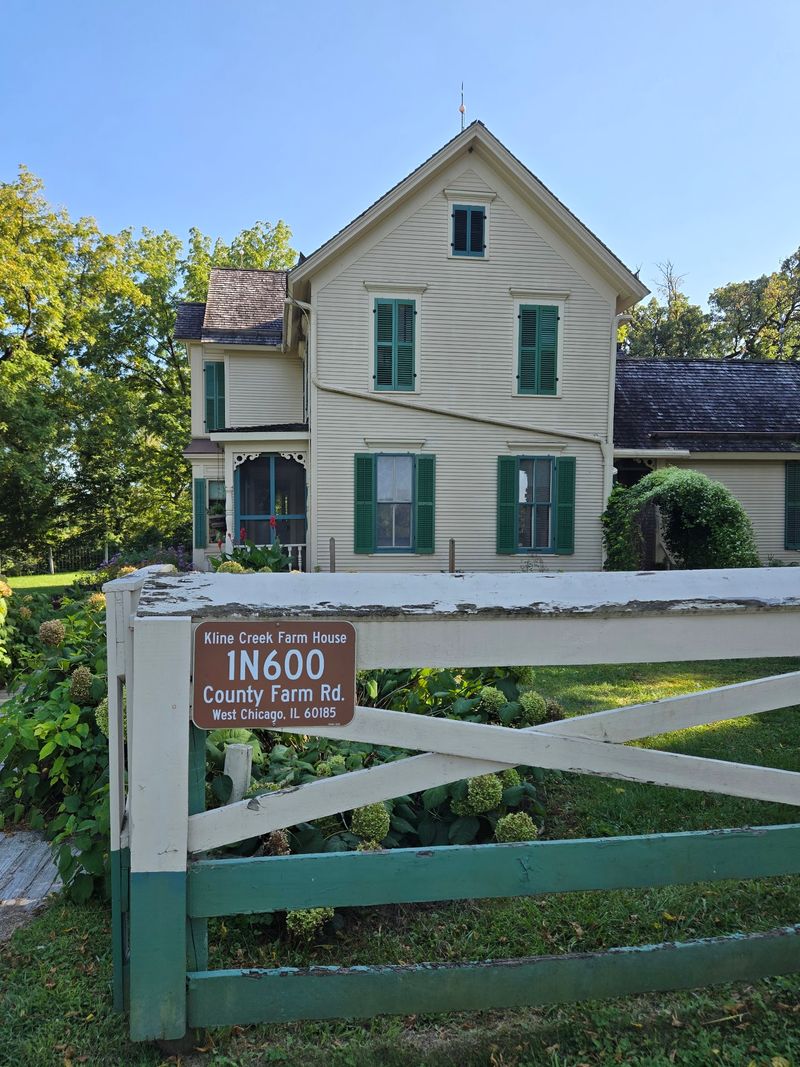
Kline Creek Farm is a living history farm run by the Forest Preserve District of DuPage County. It recreates daily life on a northern Illinois farm in the 1890s, chores and all.
The idea is simple and kind of brilliant. Instead of reading about the past behind glass, you watch it happen in real time.
Staff and volunteers wear period clothing while they feed animals, plant crops, and keep house. They’re also happy to stop and answer questions, which kids absolutely take advantage of.
The farm sits inside a larger forest preserve in West Chicago. That means trails, a creek, and open fields wrap around the historic buildings.
You’ll find a farmhouse, barns, stables, an ice house, and a wind-driven water pump. Free-range chickens wander about like they own the deed.
It’s not a giant property, which is honestly part of the charm. Many families treat it as an easy pop-in visit lasting an hour or so.
Others pack a picnic and let the afternoon stretch out. Either way, the pace is slow and peaceful.
For a DuPage County outing that costs almost nothing, it’s hard to find a better starting point.
How A Dug-Out Home Grew Into A Dairy Powerhouse
Back in 1836, the Kline family settled here in a dug-out home. That’s a humble start, even by pioneer standards.
By the 1890s, the land had grown into a 200-acre dairy farm. Milk from the farm went to local creameries and even rode the railroad into Chicago.
Think about that next time you grab a gallon at the store. Somebody had to haul it, cool it, and ship it without a single refrigerator truck.
The family kept farming the land for generations. In 1968, the Forest Preserve District of DuPage County acquired the property.
Rather than let it fade, the district turned it into a living history farm. The goal was to preserve the story of DuPage County farm families.
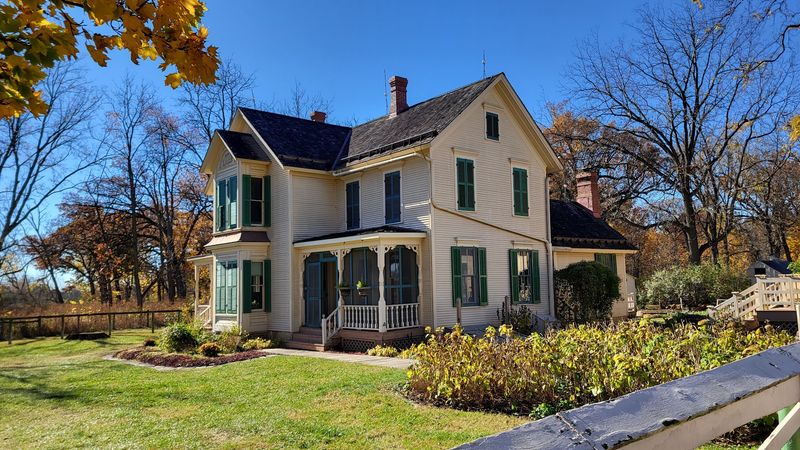
The farmhouse is one of three original buildings still standing on the property. It went through careful restoration between 1985 and 1989.
Workers aimed to match how the home would have looked in the 1890s. The result feels lived in rather than museum-stiff.
I believe that history is what gives the farm its heart. Every chore you see connects to a real family that once worked this Illinois soil.
Lambs, Calves, And A Barnyard Full Of Heritage Breeds
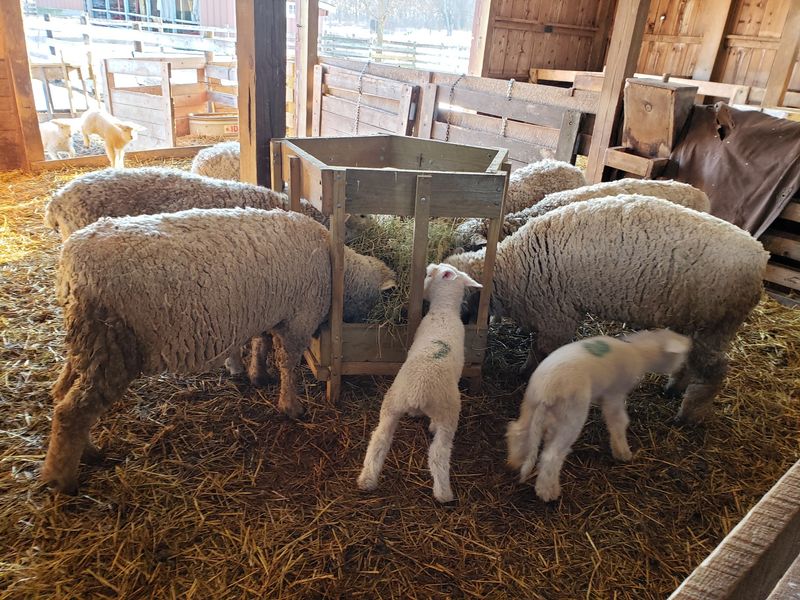
Spring at the farm means babies. Lambing and calving season brings wobbly newcomers into the barnyard, and kids lose their minds in the best way.
The animals here aren’t random farm-store picks. Cotswold sheep, known for their long curly wool, share the grounds with Heritage Milking Shorthorn cattle.
A flock of heritage-breed chickens adds plenty of clucking chaos. They roam freely, so expect a few to strut right past your stroller.
You may also spot horses, pigs, and the occasional barn cat. Piglets have made appearances too, which is basically cuteness overload.
Many of these animals are part of a conservation breeding effort. Raising older breeds helps protect genetic diversity that modern farming often leaves behind.
Want the full farm experience? Cow milking demonstrations typically run from March through September in the lower part of the original Bank Barn.
Sheep shearing is another seasonal favorite worth planning around. Watching a fleece come off in one big piece is oddly satisfying.
Fair warning, though. Once your kids meet a newborn lamb, leaving becomes a negotiation.
Big Percheron Horses Doing The Heavy Lifting
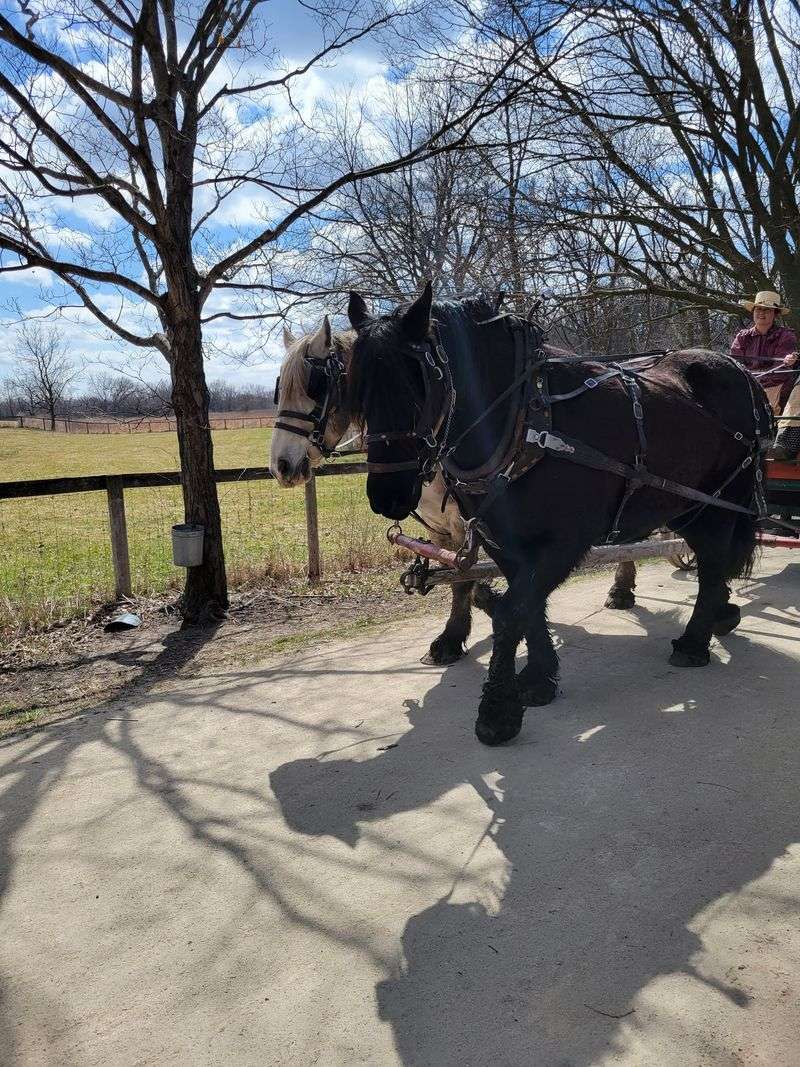
Clip, clop, clip, clop. Few sounds make kids sit up faster than a team of massive horses heading their way.
Percheron work horses are the muscle of Kline Creek Farm. They still help plant and harvest crops just like farm teams did in the 1890s.
During certain seasonal events, these gentle giants pull wagon rides across the grounds. Christmas on the Farm and the Ice Harvest are two times to watch for.
A wagon ride is a slow, easy way to take in the fields. It also shows how much farm families depended on horsepower of the four-legged kind.
Even without a ride, the horses steal the show. You might catch a plowing demonstration with a driver guiding the team through the dirt.
The barn near the farmhouse sometimes hosts hoof care, too. Watching a horse get new shoes is a surprisingly popular spectator sport.
Some families visit so often they learn each horse by name. That kind of bond says a lot about how welcoming the place feels.
Check the event calendar before you go. Wagon rides tie to special programs, not every regular day.
Listen For The Bell Before Every Farmhouse Tour
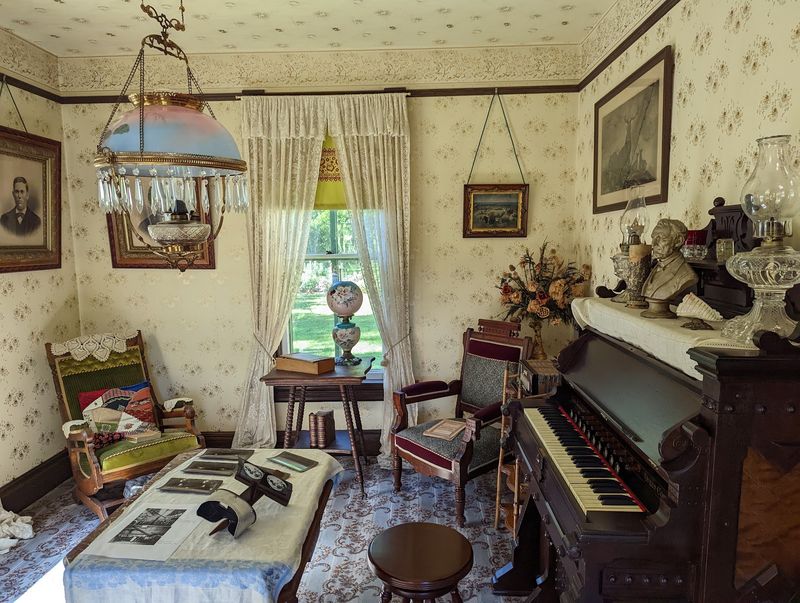
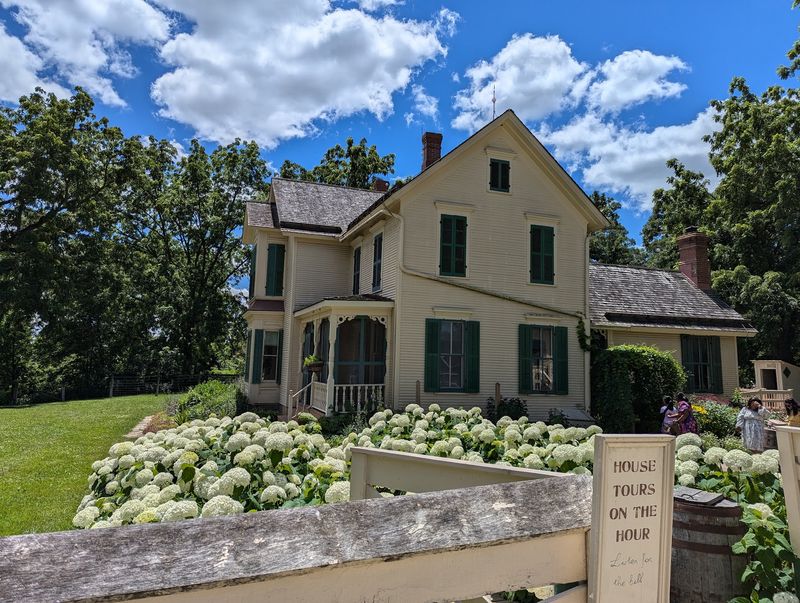
Ding, ding. When a costumed guide rings the bell, a farmhouse tour is about to begin.
Tours run at the top of each hour from 10 a.m. to 4 p.m. They’re free, and they’re one of the most talked-about parts of a visit.
Inside, period furnishings and artifacts fill every room. The house reflects how a farm family cooked, cleaned, quilted, canned, and celebrated.
It’s eye-opening for kids who’ve never lived without a microwave. Everything took effort, and the rooms quietly prove it.
Guides share stories about the people who built this farm and how they lived. The details make the past feel personal instead of dusty.
Sometimes the tours get a bonus chore. Guides have been known to stop by the chicken coop to gather eggs along the way.
Hands-on demos pop up outside the house as well. Volunteers have shown how laundry worked back then, and it looks like a full-body workout.
Plan your timing around the hourly schedule. Missing the bell means a short wait, though the animals make great filler entertainment.
Corn Rows, Potato Patches, And A Busy Beehive
Fields of corn, oats, and potatoes stretch beyond the barns. Horses still help bring those crops in, no tractor required.
A kitchen garden grows heirloom vegetables, and an orchard adds to the old-fashioned scenery. It all feels like a working farm because it is one.
Harvest time gets interactive. During the Corn Harvest and Potato Harvest, visitors can sometimes pitch in and help.
Picture small hands digging up potatoes with a patient volunteer nearby. That beats any grocery store field trip.
Then there’s the buzzing corner of the farm. Beekeeping is a longstanding tradition at Kline Creek Farm.
Volunteer beekeepers tend the hives, extract honey, and lead educational programs. Kids learn just how many crops depend on honeybees for pollination.
The best part? Local honey from the farm is sold at the visitor center.
So the lesson ends with something sweet to carry home. That’s a pretty convincing argument for loving bees.
Between the fields and the hives, this part of the farm shows where food really begins. It’s simple, practical, and quietly fascinating.
Ice Harvests, Maple Syrup, And A Calendar That Never Sits Still
Winter at most farms is quiet. Here, folks head out to a frozen pond and saw ice into blocks.
The Ice Harvest shows how families stored cold before electricity. That ice goes into the ice house and later helps make summer ice cream.
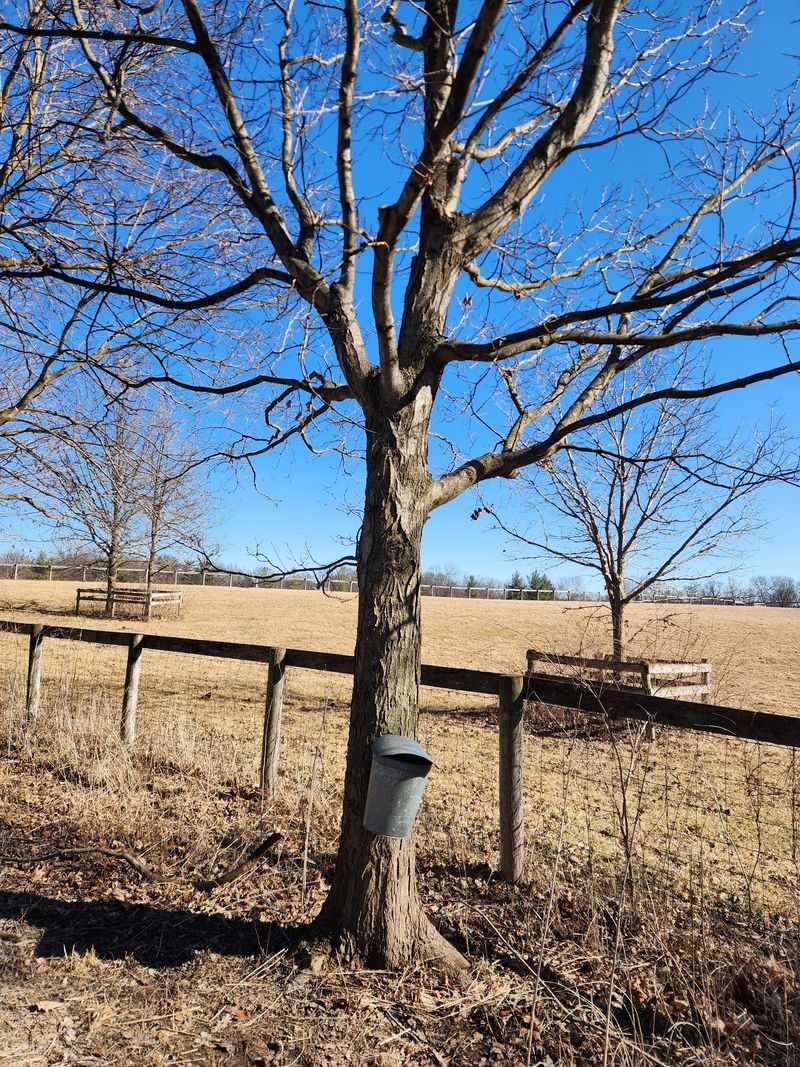
Late winter brings maple sugaring. Kids can try drilling a tap hole and hammering in a spile, which feels very official.
Spring means lambs and calves. Summer and fall roll into milking, shearing, and harvest programs.
When the holidays arrive, Winter Holidays in the 1890s tours explain old decorations and gift traditions. Holiday Candy Making shows treats cooked on a wood-burning stove.
Younger kids aren’t left out either. Story Time sessions feature costumed interpreters sharing historical tales outdoors.
A popcorn experience has also become a family favorite. Who knew old-school snacks could compete with screens?
Because the calendar keeps changing, every season brings a new reason to return. Illinois families can easily make this a four-season tradition.
Check the schedule before visiting. Some programs fill quickly or happen only on certain dates.
A Visitor Center Shop Packed With Honey And Bonnets
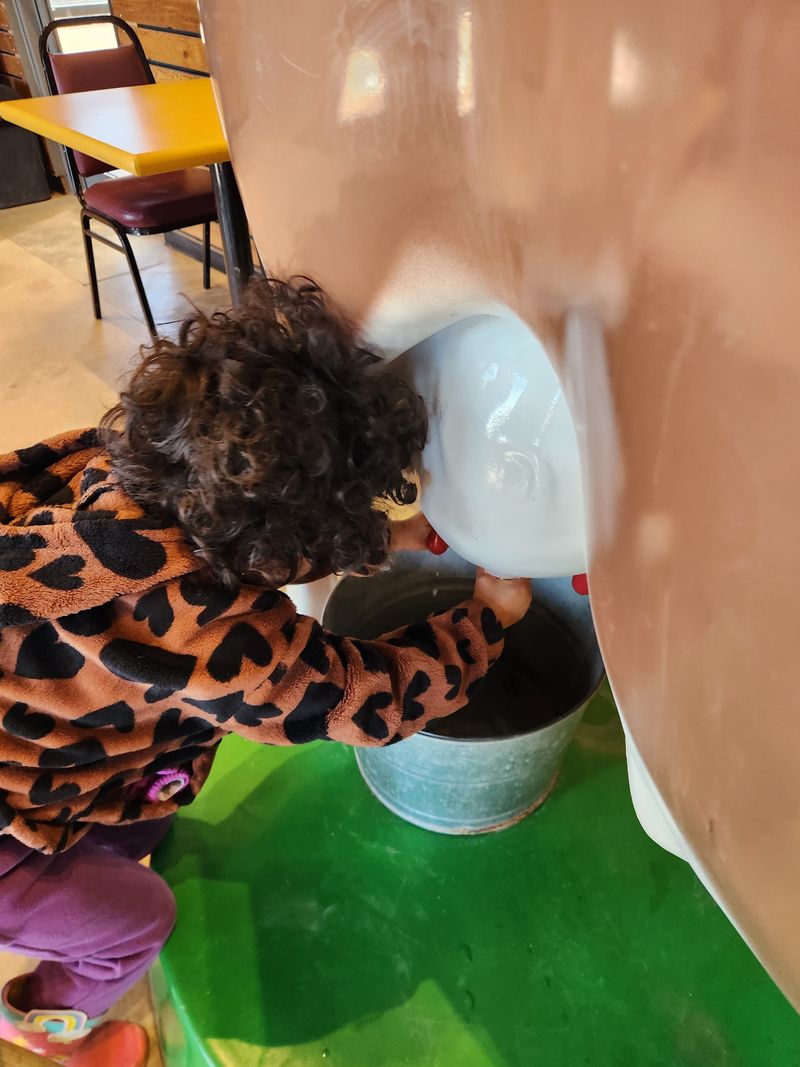
Start or finish at the Timber Ridge Visitor Center near the parking lot. It handles the practical stuff like restrooms and a drinking fountain.
Seasonal exhibits there explain 1890s life and DuPage County farming history. They’re a smart warm-up before heading to the farmstead.
Kids get their own hands-on corner, too. A pretend cow they can milk and a play chicken coop are big hits with little visitors.
Then comes the shop. Shelves hold local honey, soaps, candles, Victoriana items, recipe books, and old-fashioned toys and games.
You’ll even find dresses and bonnets for kids who want to look the part. Farm-fresh eggs from the heritage chickens show up as well.
Snacks and beverages are available, which matters after a long walk. Little legs run out of fuel fast.
The gift options stay affordable and charming rather than flashy. A jar of honey or a wooden game makes a sweet souvenir.
Friendly staff behind the counter can point you toward the day’s events. That tip alone can shape your whole visit.
Free Parking, Muddy Boots, And Your New Favorite Day Trip
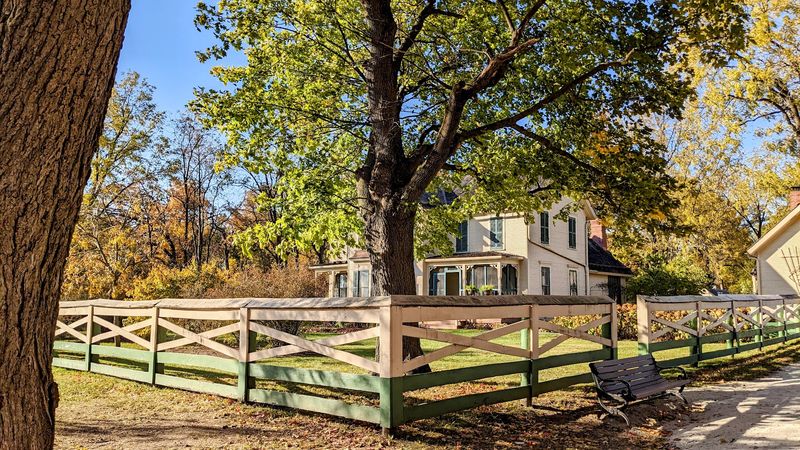
Good news for budget-minded parents. Admission is free, with a suggested donation of a few dollars per person ages three and up.
Kline Creek Farm sits at 1N600 County Farm Rd, West Chicago, IL 60185. Parking is free and plentiful.
The farm is open Thursday through Monday from 9 a.m. to 5 p.m. It’s closed Tuesdays and Wednesdays, so plan accordingly.
Trails around the preserve welcome walkers, bikers, and dogs. Once you reach the main farm entrance, though, pets and bikes stay behind.
Wear rubber boots or old shoes. Paths can get muddy, and the horses leave little surprises along the way.
Benches dot the grounds for resting, with a mix of sun and shade. A pretty creek adds to the scenery, and nearby trails lead toward Timber Lake.
So is it worth the drive? For Illinois families craving a cheap, wholesome outing, I’d say absolutely.
Kids meet animals, ride along with history, and leave grinning. Grown-ups get a peaceful break and maybe a jar of honey.
Not a bad trade for a pocketful of change.