
Kids Climb Inside Real Vintage Fire Engines For Free At This Little-Known Illinois Museum In Chicago
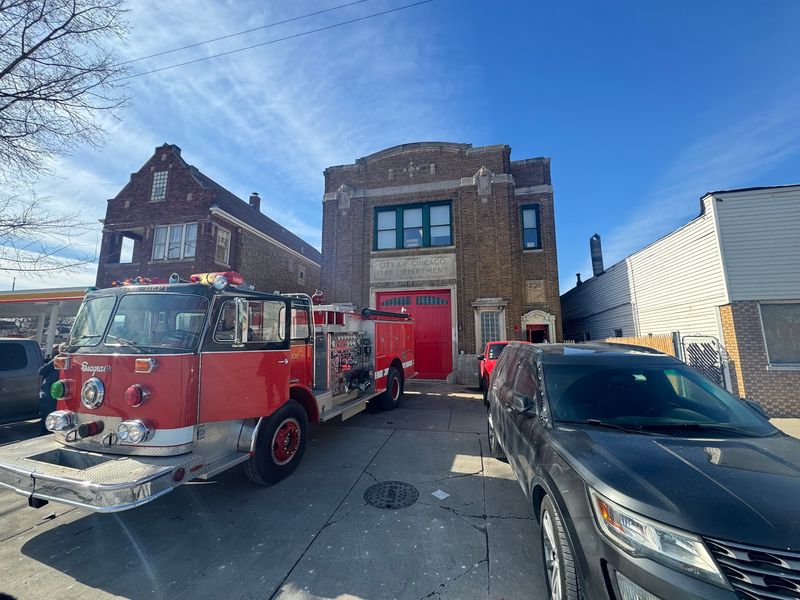
Three antique fire trucks share one old firehouse, and the doors swing open only one Saturday a month. Admission runs on donations, so a family can visit without a ticket price hanging over the day.
The tour guides are the best part. Many are retired firefighters who know the stories behind every helmet, bucket, and alarm box on display.
I love that this spot is run entirely by volunteers. Nobody here is chasing crowds or selling souvenirs by the armful.
They simply want Illinois kids and grownups to understand how firefighting grew up alongside the city.
I can’t imagine a better rainy-Saturday plan for a little one who is obsessed with sirens. So when does that one magic Saturday roll around, and how exactly do you make sure you catch it?
A 1916 Firehouse Still Guards Its Corner Of The South Side
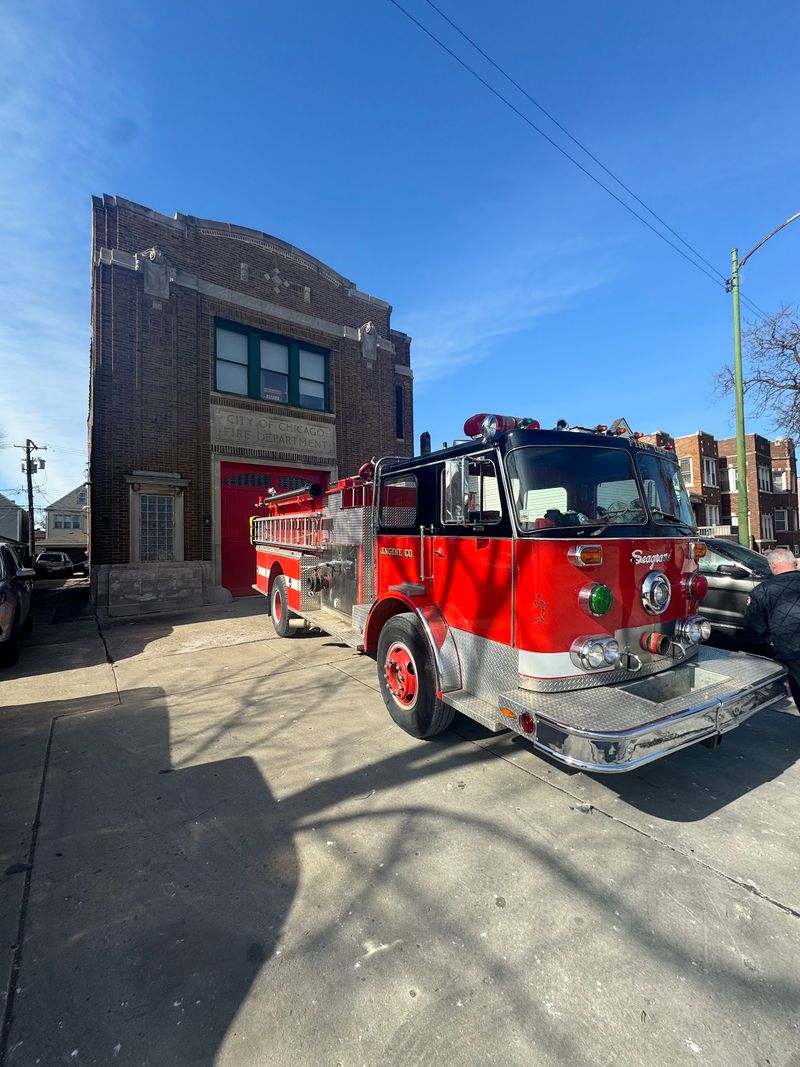
Some museums build fancy halls to hold their treasures. The Fire Museum of Greater Chicago skipped that step and moved into a real firehouse instead.
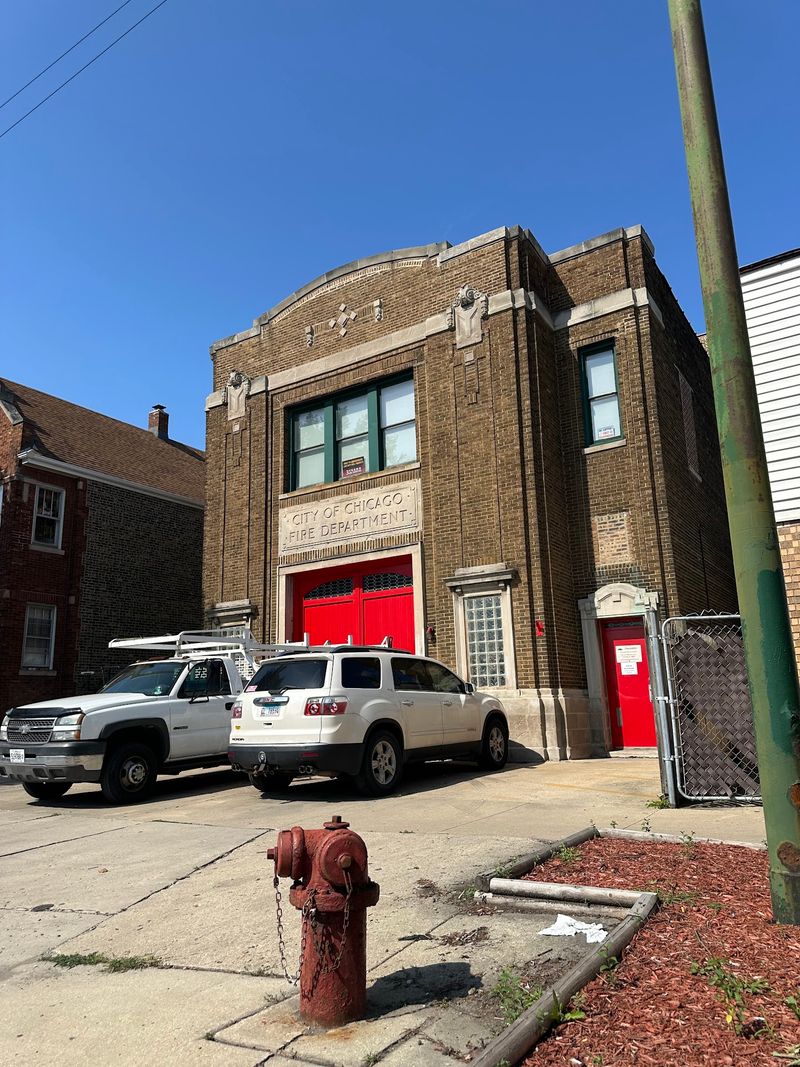
The building dates back to 1916. It once served as the quarters of Engine Company 123, so the fire trucks inside are basically back where they belong.
That detail matters more than it sounds. Kids aren’t looking at fire history in a generic gallery with beige walls and polite lighting.
They’re standing in a space that was built for crews, rigs, and alarms. The setting does half the storytelling before anyone says a word.
The museum sits on South Western Avenue on Chicago’s South Side. It’s a working city street, not a polished tourist strip, which suits the humble character of the place.
For Illinois families who love finding spots that most people drive right past, it’s a fun one to claim. You can tell friends you toured an actual century-old firehouse.
Not bad bragging rights for a Saturday morning. And the building is only the opening act.
Volunteers Have Kept This Labor Of Love Running Since 1997
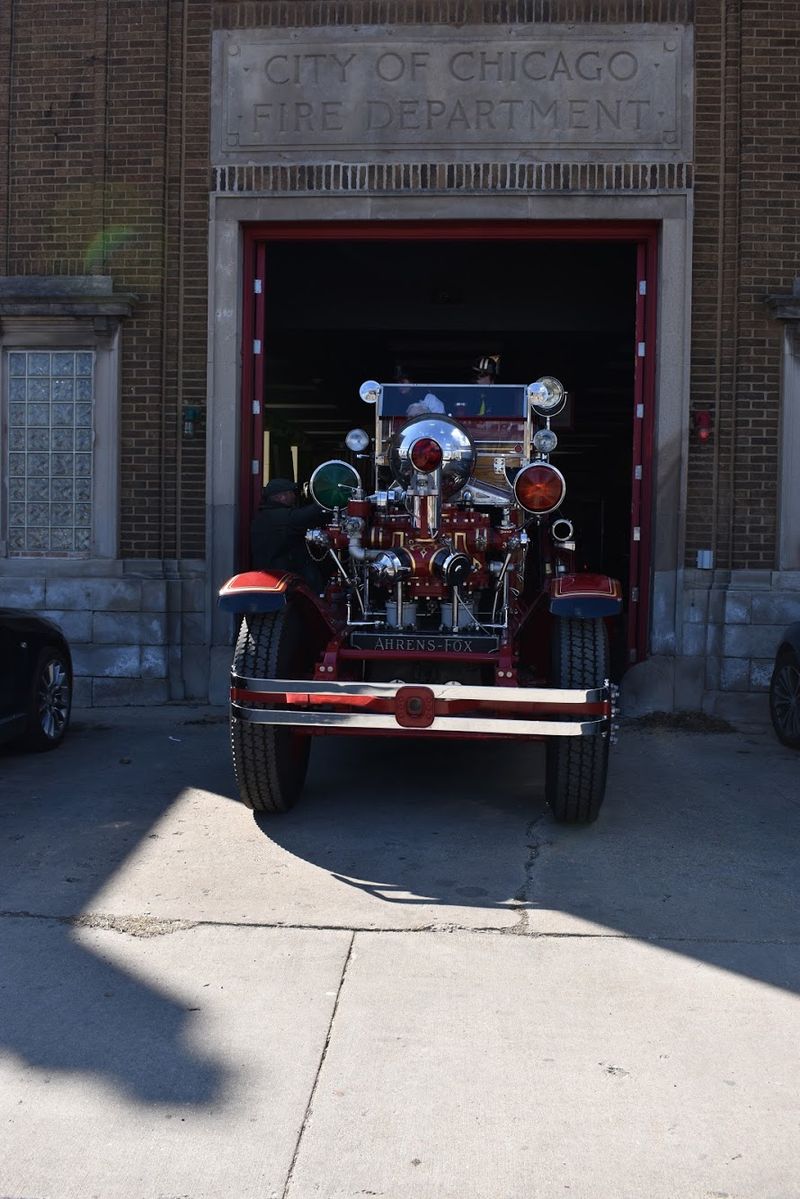
Back in 1997, a group of fire history lovers made things official. They incorporated the museum as a not-for-profit corporation and got to work preserving Chicago’s firefighting past.
Today it remains a 501(c)(3) educational and historical organization. Every single person helping out is a volunteer.
Here’s a twist many folks don’t expect. The museum receives no government support at all.
Donations from individuals keep the lights on and the historic fleet in good shape. Old fire trucks aren’t exactly low-maintenance houseguests, either.
The mission covers more than the Chicago Fire Department alone. It also preserves the history of neighboring fire services across the greater Chicago area.
I like that this place feels like a community project rather than a corporate attraction. Somebody cares enough to give up their free time so strangers can learn something.
That kind of dedication shows up in the details. It’s also why a small donation at the door feels less like a fee and more like a thank-you note.
Your few dollars help keep a piece of Illinois history rolling. Pretty good trade for a morning of stories.
Three Vintage Fire Trucks Are The Stars Of The Show
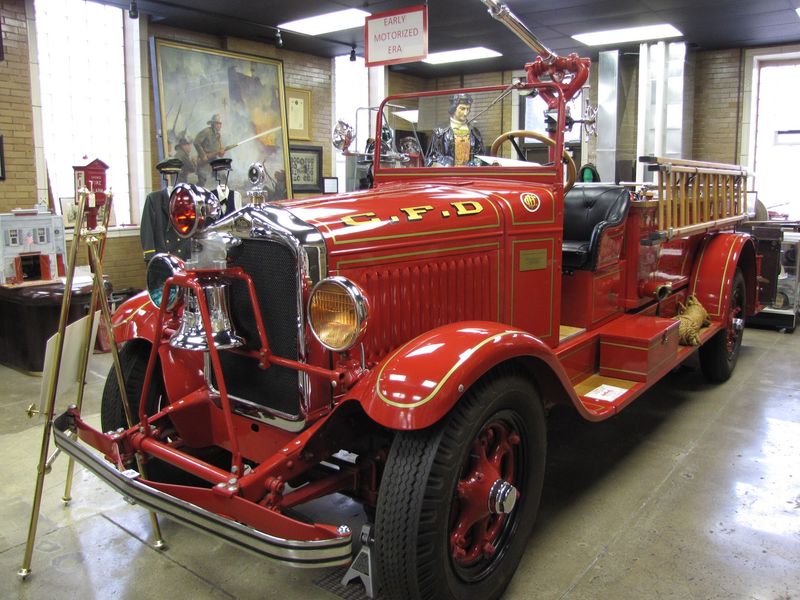
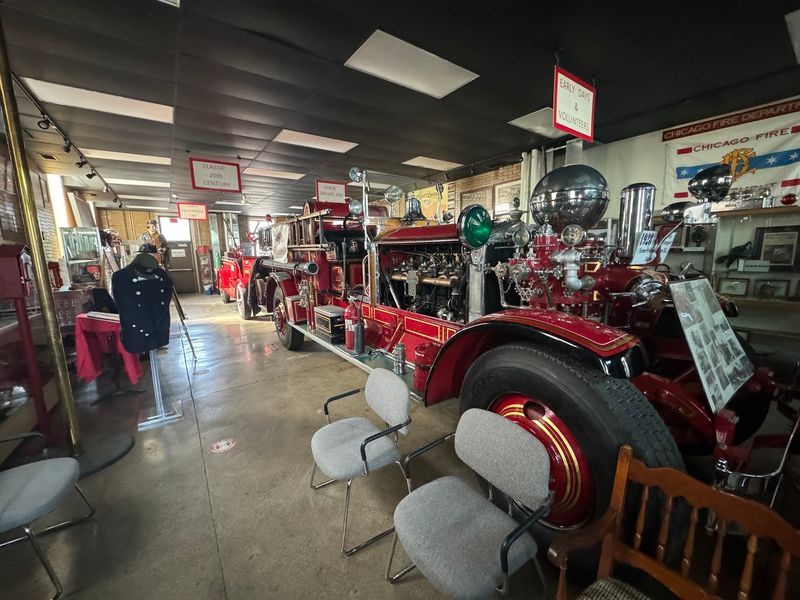
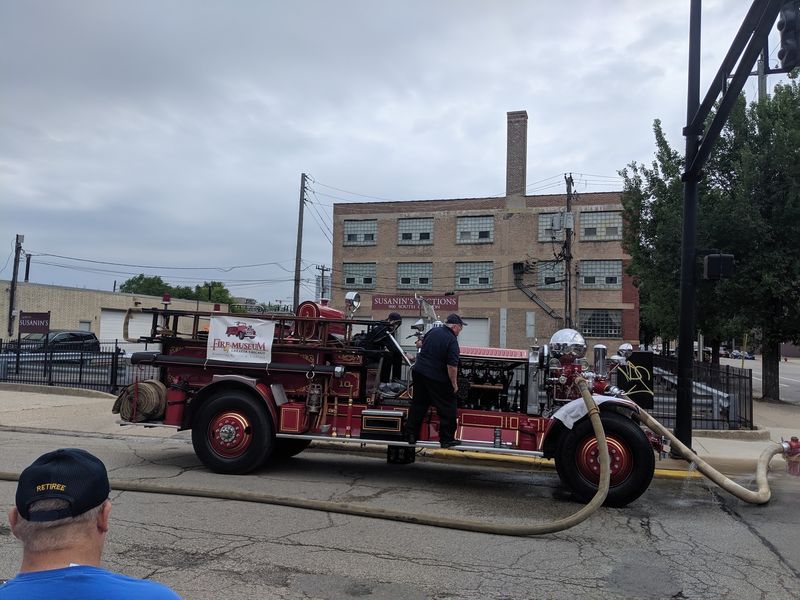
Red paint, chrome, and serious old-school attitude. Three vintage fire trucks hold court inside the firehouse, and they’re easily the first thing young eyes lock onto.
Each one shows a different chapter of how Chicago crews rolled out to emergencies. Seeing them side by side makes the changes over time easy to spot.
For a kid raised on modern fire trucks, these machines look wonderfully strange. The shapes, the gear, and the design all come from a different era.
Getting this close to real apparatus is a treat. These aren’t toys or replicas, but genuine pieces of firefighting history.
The collection doesn’t stop at the main floor, either. The museum has also kept another warehouse holding a lot of additional apparatus.
Helmets and other gear fill in the scene around the trucks. Together, they help kids picture the people who once rode these rigs to calls.
Ask the guides questions while you’re standing beside the trucks. They’re happy to explain what each piece did and why it mattered.
Fair warning: your little one may request a fire truck birthday party afterward. Plan accordingly.
Leather Buckets And Telegraph Alarms Tell The Early Story
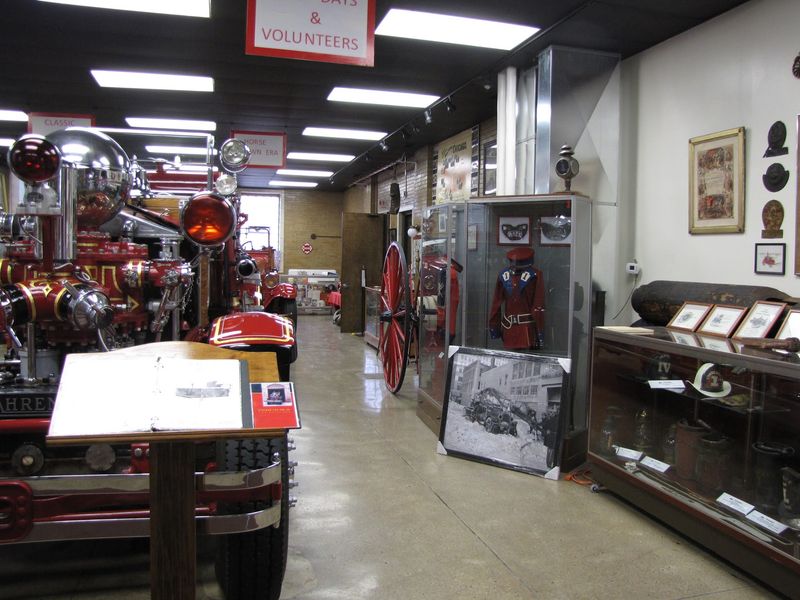
Long before hoses and ladder trucks, fighting a fire could mean grabbing a leather bucket. The museum keeps examples of these early tools on display.
It’s a humbling sight. Kids quickly realize how hard the job once was without modern equipment.
Then there’s the telegraph dispatching system. Before radios and smartphones, alarms traveled through a network that sent fire calls to the right firehouse.
Seeing that technology up close is a little like opening a time capsule. It’s clever, mechanical, and surprisingly fascinating for something so old.
The exhibits trace the whole evolution of firefighting. You can follow the path from simple hand tools to the machines parked out on the floor.
I believe this is where grownups get hooked. The trucks grab the kids, but the alarm systems and early gear quietly win over the parents.
Helmets add another layer of fun. There are lots of them, and each style hints at a different period in the department’s past.
It’s a small space packed with objects. Take your time, because every shelf seems to hold another story waiting for a curious question.
Your Tour Guide Might Have Fought Chicago Fires Himself
Plenty of museums hand you a map and wish you luck. This one hands you a retired firefighter.
Tours are led by volunteers, and many are former members of the fire service. They bring deep knowledge of Chicago Fire Department history and the city’s firehouses.
That changes the whole experience. A plaque can tell you what an object is, but a former firefighter can tell you how it felt to use it.
The guides are known for being friendly, patient, and remarkably well-informed. They seem to genuinely enjoy sharing what they know with visitors of every age.
The museum is set up with a guided tour in mind. That makes it easy for families, since nobody has to figure out where to start.
Kids can ask the big questions too. How fast did old trucks go, and what did firefighters wear?
Somebody in the room probably knows.
For many guests, these volunteers turn out to be the most memorable part of the visit. Their stories stick around long after the trucks fade from memory.
Be sure to say thanks before you leave. They’re giving up their Saturday for you.
Big Chicago Fires That Rewrote The Safety Rules
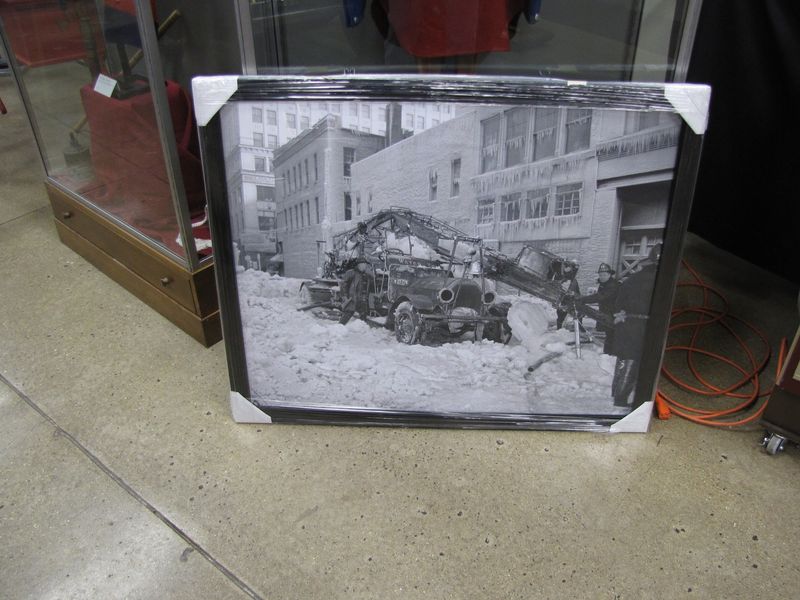
Chicago’s history and its fires are tightly linked. The museum leans into that connection with plenty of information about blazes that shaped the city.
Some of those fires led to real changes. New codes and new ways of doing things came out of hard lessons, all aimed at keeping people safer.
That angle makes the visit more than a truck show. It becomes a lesson in why buildings, exits, and safety rules look the way they do today.
Older kids tend to connect with this part. Suddenly that fire drill at school has a backstory.
The guides fill in the details with a big helping of department history. They can explain how the Chicago Fire Department grew and adapted over the decades.
Honestly, it’s a sneaky way to make history class stick. Nobody feels lectured when the storyteller actually lived the job.
For Illinois history buffs, this section is the real payoff. It ties the city’s growth to the people who protected it.
You’ll probably leave looking at smoke detectors with a little more respect. That’s a pretty useful souvenir for a free outing.
Little Fire Fans And Family Historians Both Feel Right At Home
Got a preschooler who shouts every time a fire truck passes? This little museum was practically made for that kid.
The space works for young children and adults alike. It’s small enough that tiny legs won’t tire out, yet full enough to keep everyone curious.
Grandparents fit right in here, too. Many remember an era closer to these trucks than to today’s rigs, which sparks great conversations across generations.
It’s the kind of outing kids may bring up for years. Few classmates can say they toured a real old firehouse with a real firefighter.
The museum also serves a quieter audience. Some people come to research relatives who served as Chicago firefighters.
The volunteers are known for helping with research requests when they can. That makes the place a meaningful stop for families tracing their own Illinois roots.
Hard-core fire department fans will feel like they hit the jackpot. Casual history lovers get plenty to enjoy without needing any expertise.
So it suits a wide crowd. Sirens, stories, and family trees all share the same cozy firehouse floor.
Circle The Fourth Saturday On Your Calendar
Timing is everything with this one. The museum generally holds its open house on the fourth Saturday of each month, from 10 AM to 2 PM.
Holidays can shift that schedule. Checking the museum’s official site before you go is the smart move.
Showing up on a random Saturday could leave you staring at a locked door. Doors are not open on a regular weekly basis, so a little planning saves a lot of disappointment.
You’ll find the firehouse at 5218 S Western Ave, Chicago, IL 60609. Western Avenue is a major north-south route, which makes it fairly easy to locate.
Admission is donation-based, with no stated mandatory fee. Give what feels right, since those gifts keep the trucks and exhibits cared for.
Can’t make the monthly open house? Private tours can be arranged by appointment, which works nicely for groups or scout troops.
A four-hour window is plenty for a small museum like this. Aim to arrive with time for the full guided tour.
Then grab lunch nearby and call it a day well spent. Cheap, easy, and memorable is a winning combo.
Why This Modest Firehouse Deserves A Spot On Your Illinois List
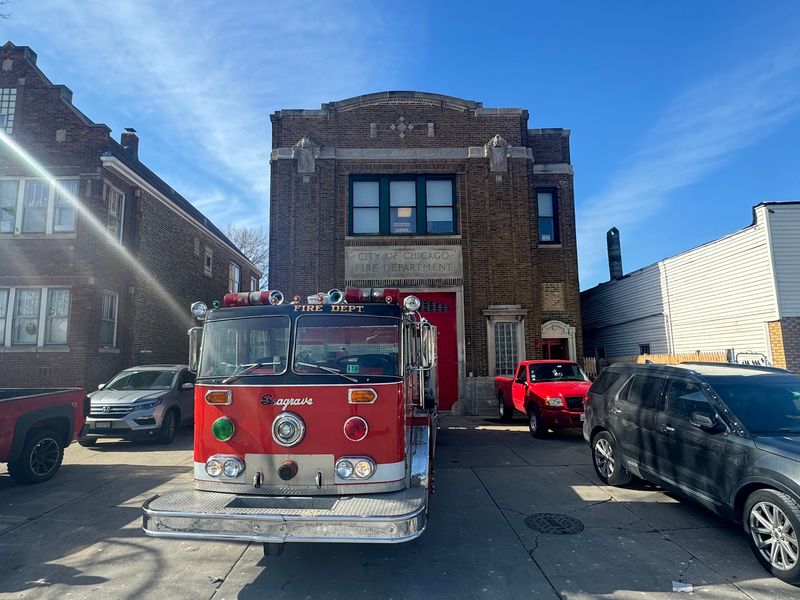
Flashy attractions come and go. A volunteer-run museum inside a 1916 firehouse, guarded by retired firefighters, is a rarer find.
The Fire Museum of Greater Chicago doesn’t try to dazzle with screens or gimmicks. It wins you over with real trucks, real tools, and real stories.
The free-will donation setup makes it easy on the family budget. That’s a big deal for Illinois parents juggling weekend plans and grocery bills.
The limited schedule is the only catch. One Saturday a month takes some planning, but it also makes the visit feel like a special event.
I think places like this matter. They keep local history alive through people who simply care about it.
Kids get vintage fire trucks and gear up close. Adults get a fresh look at how Chicago became a safer city.
And everyone gets to meet the folks who carried that history in their own careers. You can’t download that experience.
So mark the fourth Saturday, pack the little fire chief, and bring a few dollars for the donation box. This Illinois firehouse still answers the call.