
After Six Years, This Maine Museum Has Reopened And Admission Is Free Through December
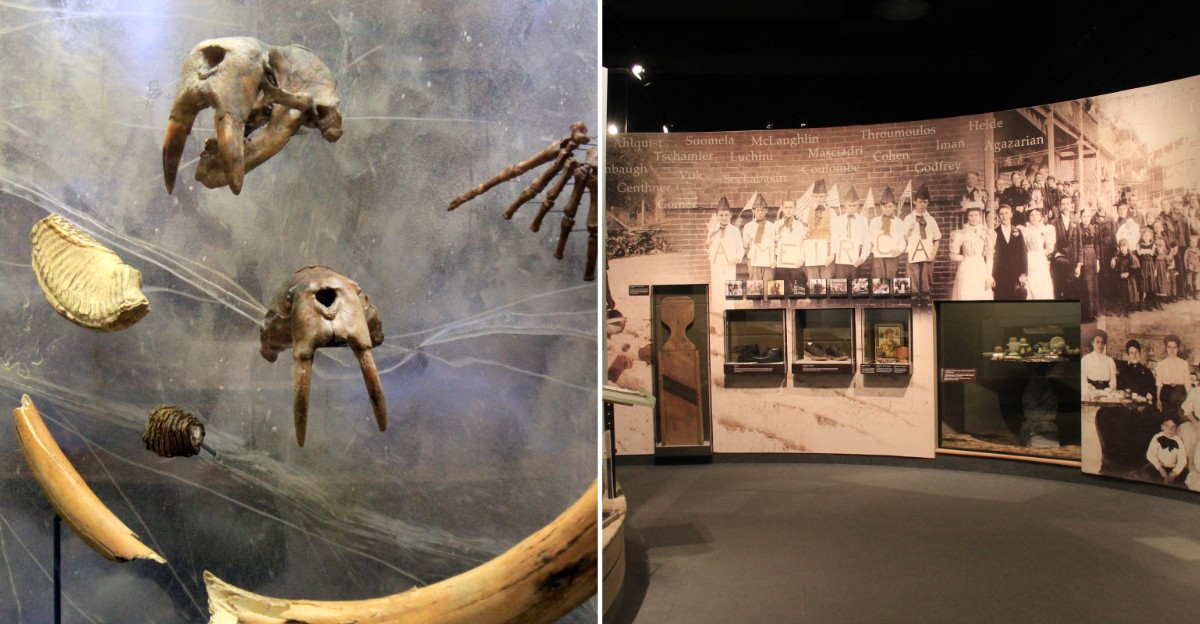
Two full humpback whale skeletons now hang inside one Maine museum. One display like this, at its size and age, exists nowhere else in the world. I had no idea that was even possible.
The doors stayed shut for more than six years. Crews pulled out asbestos, swapped heating systems, and rebuilt the place for a new generation.
Now the third (lobby) and fourth floors are open again. The timing gets even better. Admission costs nothing at all through the end of December.
That means whales, quilts from the early 1800s, and a real switchboard you can explore without opening your wallet.
I keep thinking about that switchboard. It was the last one operating in the state, and kids can now get close to it. But those old walls have a few more surprises waiting inside.
Six Years Of Waiting Finally Paid Off This Fall
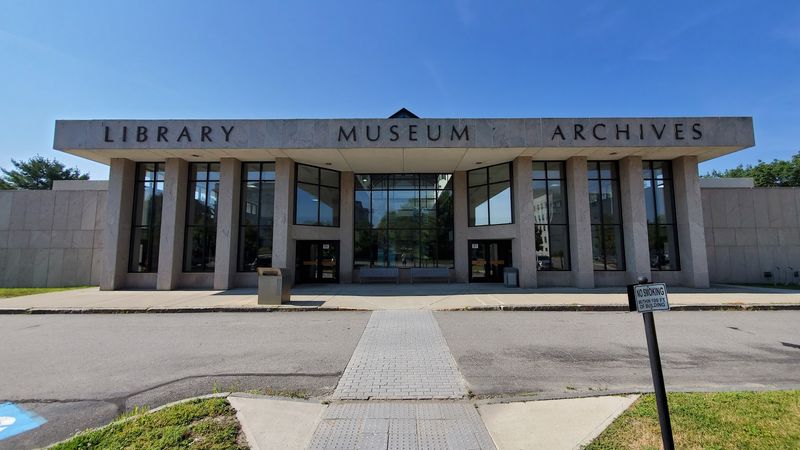
The Maine State Museum shut its doors in June 2020. Most people figured it would be a short pause during the pandemic.
That pause stretched into something much bigger. The building it shares with the Maine State Library and State Archives needed serious work.
Crews brought the Cultural Building up to code and removed asbestos. They also upgraded heating and cooling and boosted energy efficiency.
Collections got better protection, too. Accessibility improvements made the space easier for everyone to enjoy.
On October 24, 2026, the lobby and fourth floors reopened to the public. After more than six years, visitors could finally return.
The lower two floors are still coming, with a second phase expected in 2027. That means this first visit is really a sneak preview.
Honestly, that makes the timing feel kind of special. You get to see a museum in the middle of its comeback story.
Plan a trip now, then return later for round two. Few museums give you a reason to visit twice so easily.
Your Wallet Gets The Rest Of The Year Off
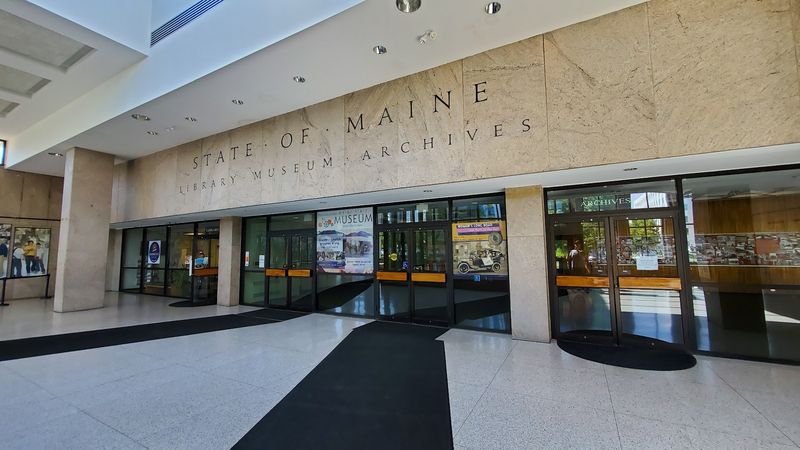
Free is a beautiful word. From October 24 through December 31, 2026, admission costs nothing for every single visitor.
That covers adults, seniors, kids, and the whole extended family you somehow talked into a road trip. Nobody pays at the door.
Starting in 2027, regular admission returns. Even then, it stays very affordable compared to many museums.
Some groups will keep getting in free after the deal ends. That includes children six and under, veterans, and members.
Teachers, students, and homeschoolers visiting in groups also stay free. Field trip planners can breathe easy.
Still, this free stretch is a smart window. It lets you explore without feeling rushed to get your money’s worth.
Pop in for an hour, leave, and come back next weekend. Nobody will charge you for being curious twice.
Hours run Tuesday through Sunday, from 10 a.m. to 4 p.m. The museum closes Mondays and on Maine state holidays.
Check hours before heading out, especially near holidays. A quick look can save you a disappointing drive to a locked door.
Two Humpback Skeletons Will Make You Look Up
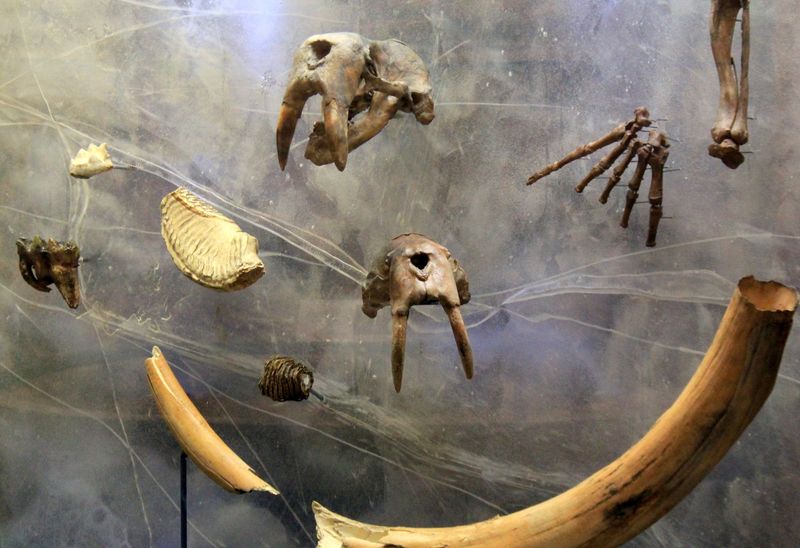
Whales usually stay in the ocean. At this museum, two of them float above your head instead.
The gallery is called Vector: A Whale’s Life in the Gulf of Maine. It covers about 4,130 square feet of space.
Inside, two humpback whale skeletons take center stage. The display is described as the only one of its size and age in the world.
That’s a pretty big claim for Augusta. It also explains why so many people mention the whale first.
The exhibit focuses on life in the Gulf of Maine. It connects these giant animals to the waters right off the state’s coast.
Kids will likely crane their necks for a while. Adults probably will too, though they may pretend otherwise.
Give yourself time here before moving on. A gallery this large deserves more than a quick glance and a selfie.
Try spotting how the bones fit together as you walk around. Different angles reveal just how massive these creatures really are.
It’s a strong starting point for any visit. Good luck topping it with your next stop.
The Story Starts Before The Postcard Ends
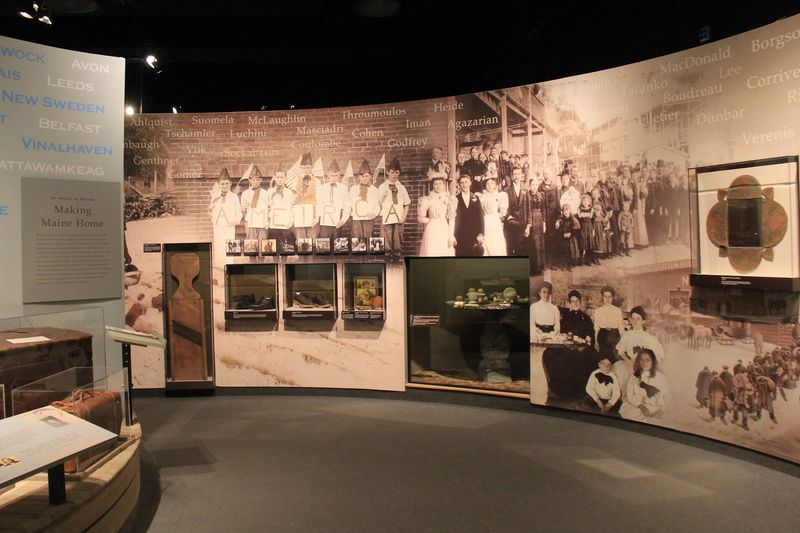
Lighthouses and lobster boats are lovely. But Maine has far more stories than a postcard can hold.
That idea drives Beyond the Postcard: Stories of the Maine Experience. It serves as the entrance exhibit for the reopened museum.
The exhibit looks at people of Maine from both the past and present. It shows how different lives shaped the state over time.
Think of it as a warm-up for everything else. It sets the tone before you head deeper into the building.
Nearby, the atrium holds the Maine Labor Mural by artist Judy Taylor. The mural was removed from the Department of Labor building in 2011.
Now it has a public home inside the Maine State Museum. That gives visitors a chance to see it up close.
Take a moment with the mural before rushing ahead. Its panels tell stories about working people across the state.
Pairing it with the entrance exhibit makes sense. Both remind you that real people built Maine’s everyday history.
So slow down at the start. The opening galleries reward visitors who read a little.
Old Phones And Everyday Life Feel Surprisingly Personal
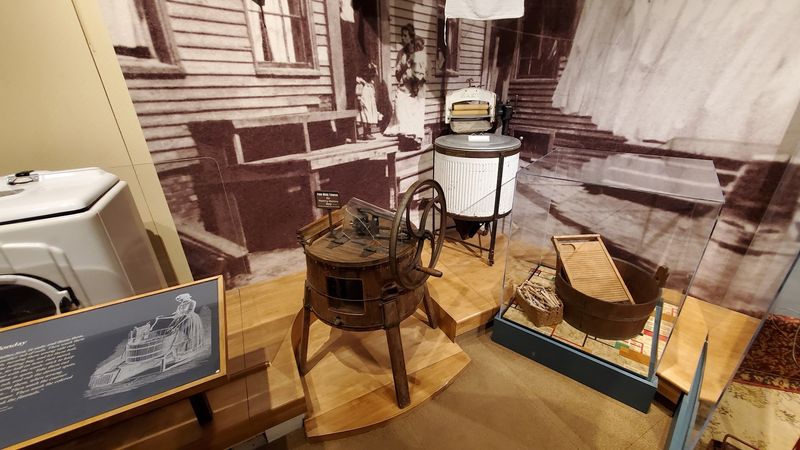
Home looks different in every century. At Home in Maine shows just how much daily life has changed in this state.
The exhibit is a refreshed version of a longtime favorite. It now includes new stories and objects alongside familiar themes.
You’ll see how people lived, worked, and kept house over the years. It’s history at the kitchen-table level, which makes it easy to relate to.
Kids often love comparing old items with what they use today. Adults may spot a few things that feel oddly familiar.
That’s part of the fun here. History doesn’t feel distant when it looks like your grandparents’ house.
The museum’s larger collection holds over 800,000 objects. It covers geology, plants, animals, archaeology, industries, and household life.
Only a slice of that appears in this exhibit, of course. Still, the chosen pieces help tell bigger stories about Maine families.
Bring a grandparent if you can. They’ll probably have a comment about almost everything.
Those conversations might become the best part of your visit. Museums work best when they spark stories of your own.
Quilts From The 1800s Wait Upstairs
Some blankets keep you warm. Others carry two centuries of history in every stitch.
Maine Quilts: 250 Years of Comfort and Community lives on the fourth floor. It showcases a wide variety of quilts.
A few date back to the early 1800s. That’s a long time for fabric to survive, so these pieces are pretty special.
Quilts tell stories about families and neighbors. They often show what materials people had and how they worked together.
The word community in the title fits well. Quilting was often a shared activity, not just a solo hobby.
Take time to study the patterns and colors. Each quilt shows choices someone made by hand, one square at a time.
If you sew or knit, you may want extra minutes here. Patterns might inspire your next project at home.
Even if you’ve never threaded a needle, the craftsmanship stands out. It’s hard not to respect that much patience.
Ride the elevator up and give this floor its due. It offers a calmer pace after the whales downstairs.
Kids Finally Get A Playroom Of Their Own
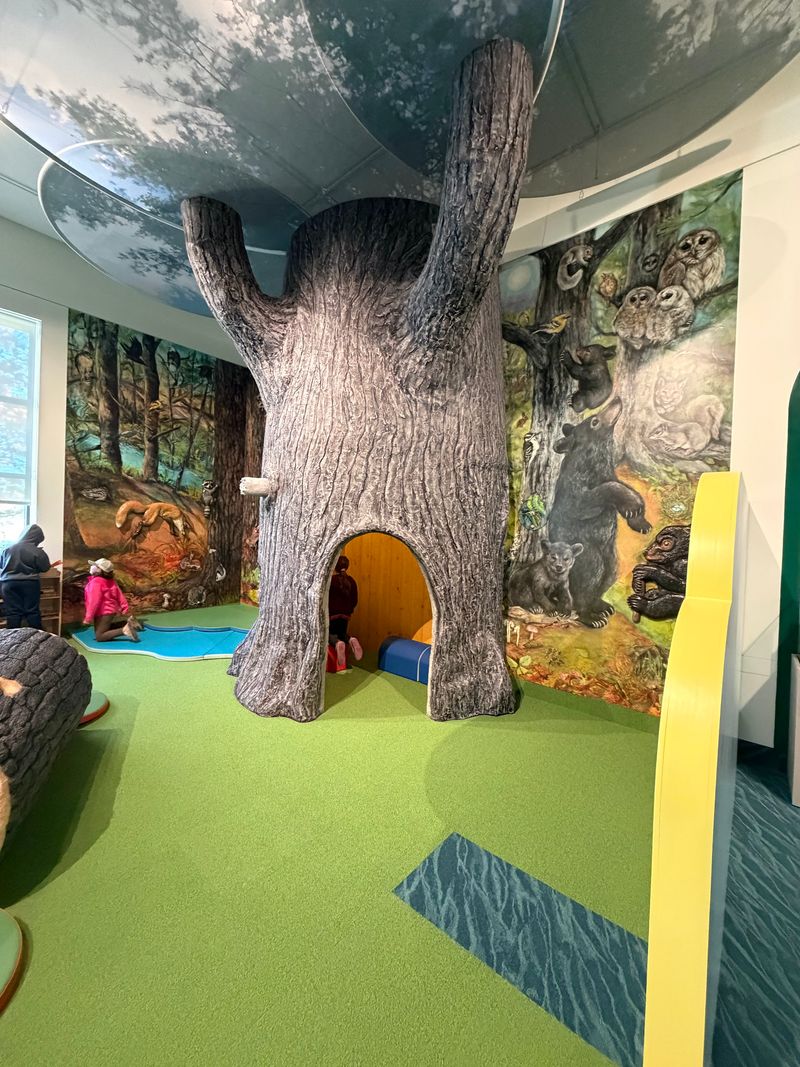
Little hands want to touch everything. Now they finally have a place built just for that.
The Lunder Education Center is the museum’s first dedicated learning and play space for children. It offers hands-on experiences and interactive installations.
Digital displays add another layer of fun. Kids can learn while moving, pressing, and exploring at their own pace.
One standout piece is a real telephone switchboard. It was the last operating switchboard in Maine.
It stayed in use in Bryant Pond until the early 1980s. That’s not ancient history, which makes it even more surprising.
Kids raised on smartphones may find it baffling. Parents can explain how calls once needed a human operator.
That little lesson might spark a big conversation. Questions about old technology often lead to fun family stories.
The space suits younger visitors who need a break from reading panels. It lets them burn energy while still learning something.
Plan a stop here between bigger galleries. A happy kid makes for a much longer museum visit.
Parking Is Free And The State House Is Steps Away

Location matters, and this one is hard to beat. The museum sits across the parking lot from the Maine State House.
You’ll find it at 230 State St, Augusta, ME 04330. It’s right in the center of state government in the capital city.
Free parking is available in the lots around the museum. That’s a nice bonus on top of free admission.
During legislative sessions, spaces can get tight. Those sessions usually run from January into spring.
Overflow parking is available behind the museum. There’s also a nearby garage if the main lots fill up.
Accessibility got real attention in the renovation. The museum is wheelchair accessible, with elevators and accessible restrooms.
Service dogs are welcome inside. That makes planning easier for many families and visitors.
Since the State House is so close, consider pairing the two. It turns one stop into a fuller day in Augusta.
Wear comfortable shoes for the short walk. You’ll want energy left for both buildings.
Save Room For The Big Return In 2027
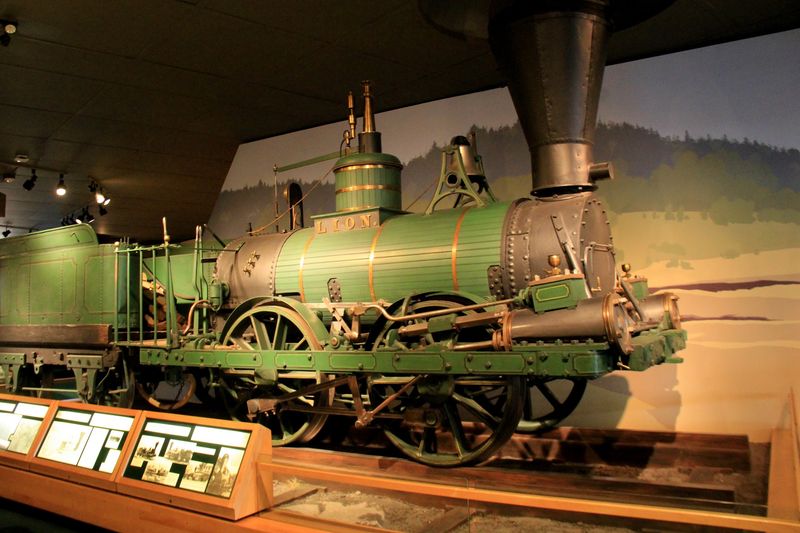
A steam engine from 1846 is waiting in the wings. The Lion locomotive belongs to the Made in Maine exhibit on the lower floors.
Those two floors haven’t reopened yet. They’re expected to return in a second phase in 2027 and 2028.
Made in Maine also includes a multi-level Spear Mill. Many longtime fans remember both pieces fondly.
The 12,000 Years in Maine exhibit is also part of that later phase. It explores the state’s deep past, including early Native American sites.
So yes, the current visit is only part of the picture. That’s not a bad thing, though.
The museum’s roots stretch back to the 1830s. It became a permanent institution in the 1960s, with the Cultural Building finished in 1969.
A history that long deserves a careful comeback. Phased reopening lets visitors enjoy pieces sooner instead of waiting longer.
Before leaving, browse the museum store for something to take home. It’s open for in-person shopping.
Then mark your calendar for next year. The Maine State Museum still has a few big surprises left downstairs.