
This Unassuming Maine Museum Lets You Make Phone Calls Like People Did Over 100 Years Ago
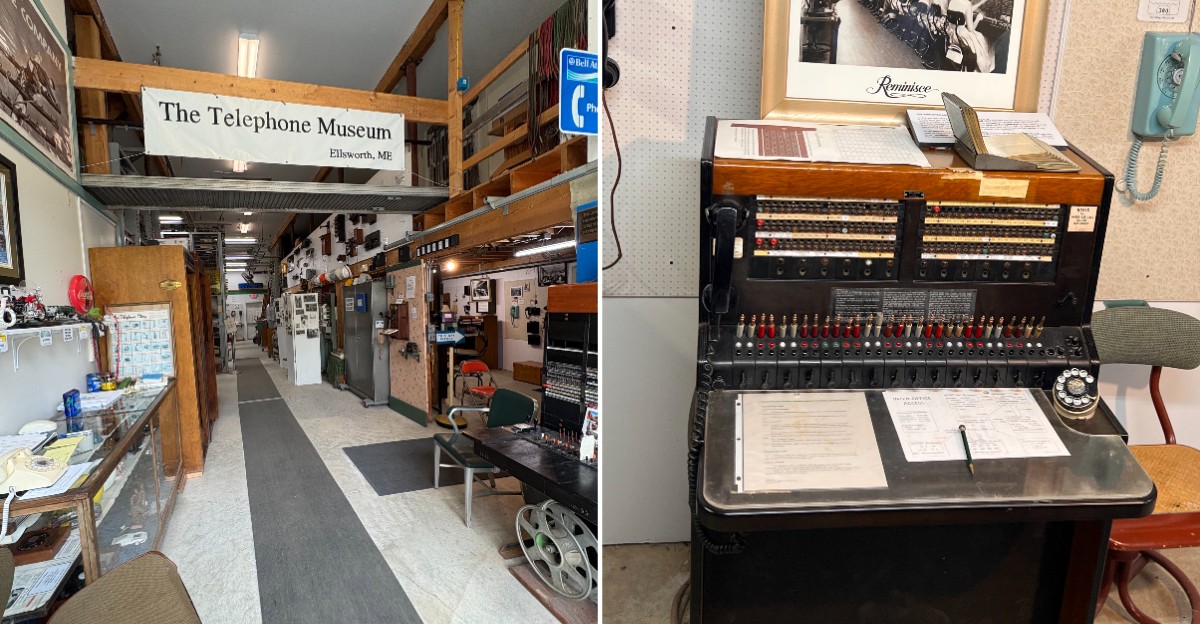
Somewhere on old farmland in Maine, you can crank a magneto phone and ring another phone across the room. It actually works. So does nearly everything else in the building.
I had no idea a museum like this existed. The collection includes working switchboards, rotary phones, and giant switching systems that once routed real calls. You don’t just look at them. You get to use them.
The guides are often retired telephone workers who know every wire by heart. They can teach you to plug in cords and connect calls like an old-time operator. Now that’s something I’d love to try, even with clumsy fingers.
The place doesn’t look flashy from the road. It doesn’t need to. I can’t help wondering how many drivers pass by without knowing what’s ringing inside. Want to find out what makes it so special?
Historic Phones You Can Still Pick Up And Use
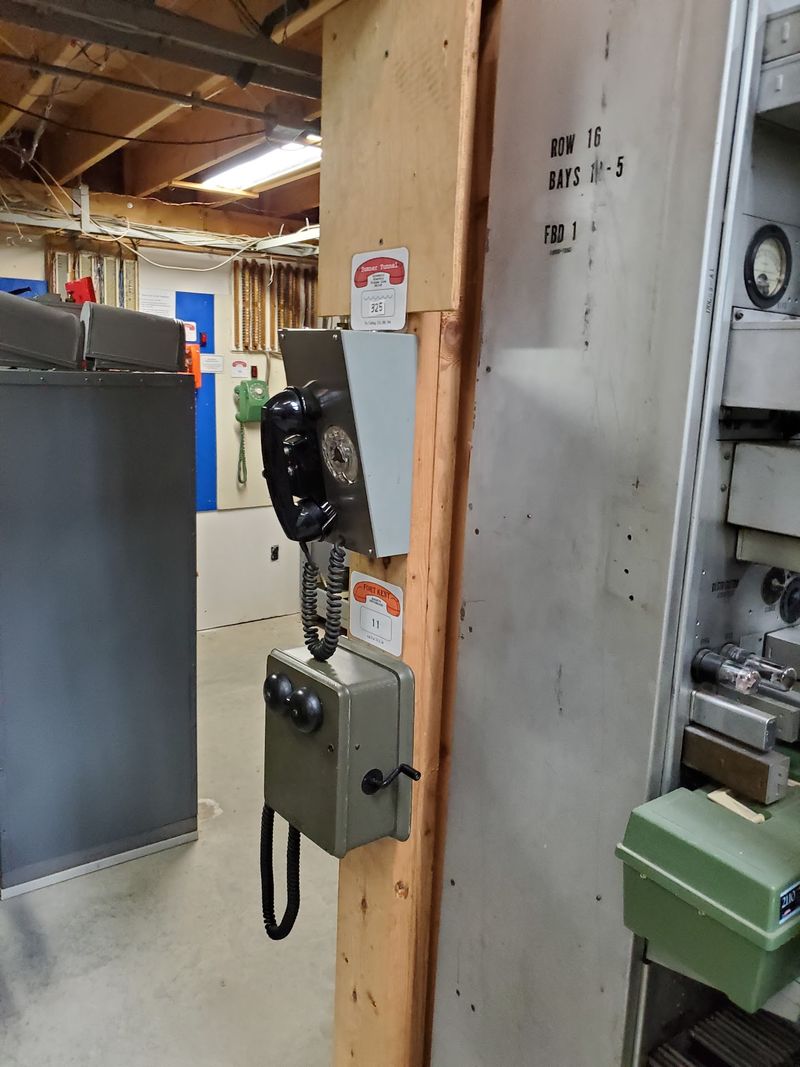
Glass cases are boring, and The Telephone Museum seems to agree. Nearly all the equipment here is working, wired together, and ready for curious hands.
That means you can lift a receiver and actually hear something. The phones are connected across the museum’s own internal network.
So a call from one corner can ring a phone on the other side of the room.
The museum aims to be among the largest hands-on telephone museums in the country. That’s a bold goal for a building on old farmland in Maine.
Still, the whole setup is built around touching, trying, and testing.
Kids usually get the hang of it fast. Adults who grew up with rotary phones may feel a little rush of memory.
Either way, nobody has to stand back and squint at a label.
Here’s a tip that pays off. Ask questions as you go, because the guides love explaining how each piece works.
A phone makes a lot more sense once you know what’s happening inside the box.
It’s rare for a museum to say yes to fiddling with the exhibits. This one practically insists.
Crank The Handle And Call Like It’s The Early 1900s
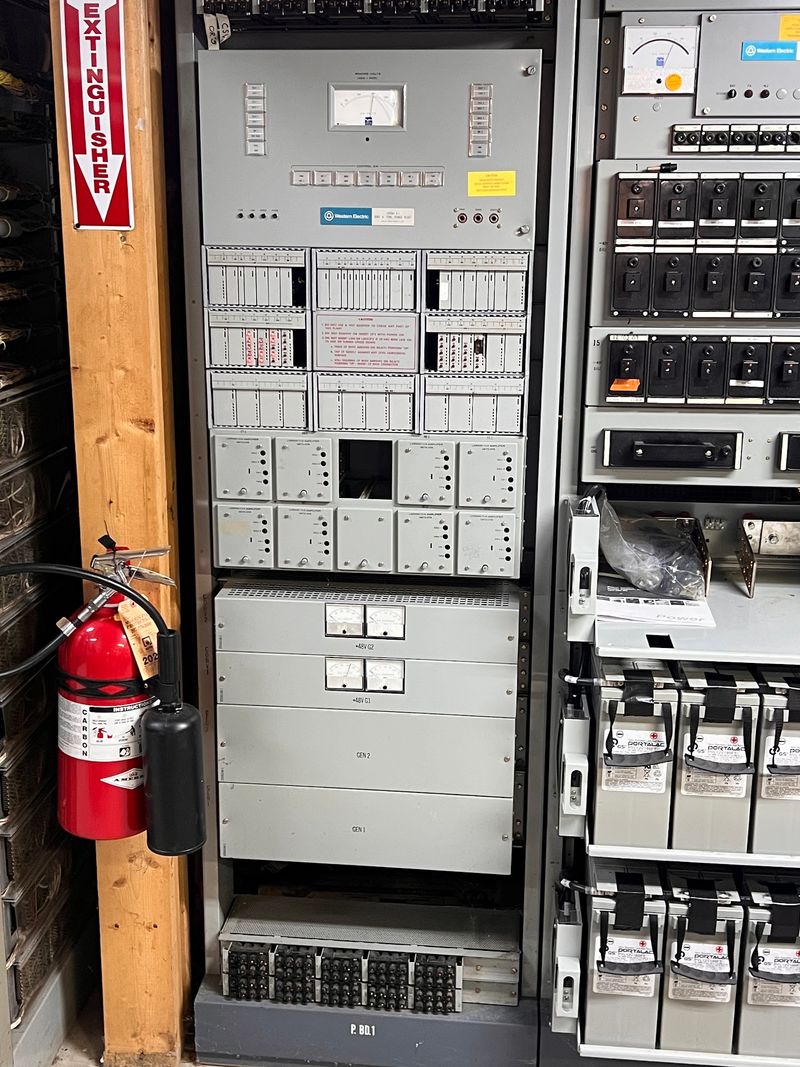
Turn a crank, hear a ring. That’s how many people placed calls over a century ago, and you get to do it too.
Magneto phones were the stars of early telephone life. A hand crank powered a small generator inside the phone.
Spinning it sent a ring down the line to an operator or another phone.
At this museum, those wall-mounted crank phones still do their job. You can try one and feel how much effort a single call once took.
No speed dial, no contacts list, just elbow grease.
The collection then moves forward through rotary dial phones and later models. Seeing them side by side shows how quickly the technology changed.
One minute you’re cranking, the next you’re spinning a dial with your finger.
Guides have put kids to work connecting calls on phones from the late 1800s through the 1990s. It’s history class that rings back.
So give that crank a good spin when it’s your turn. It’s a small motion, but it connects you to the way your great-great-grandparents said hello.
Pretty great for a few seconds of effort, right?
Your Big Shot At Becoming A Switchboard Operator
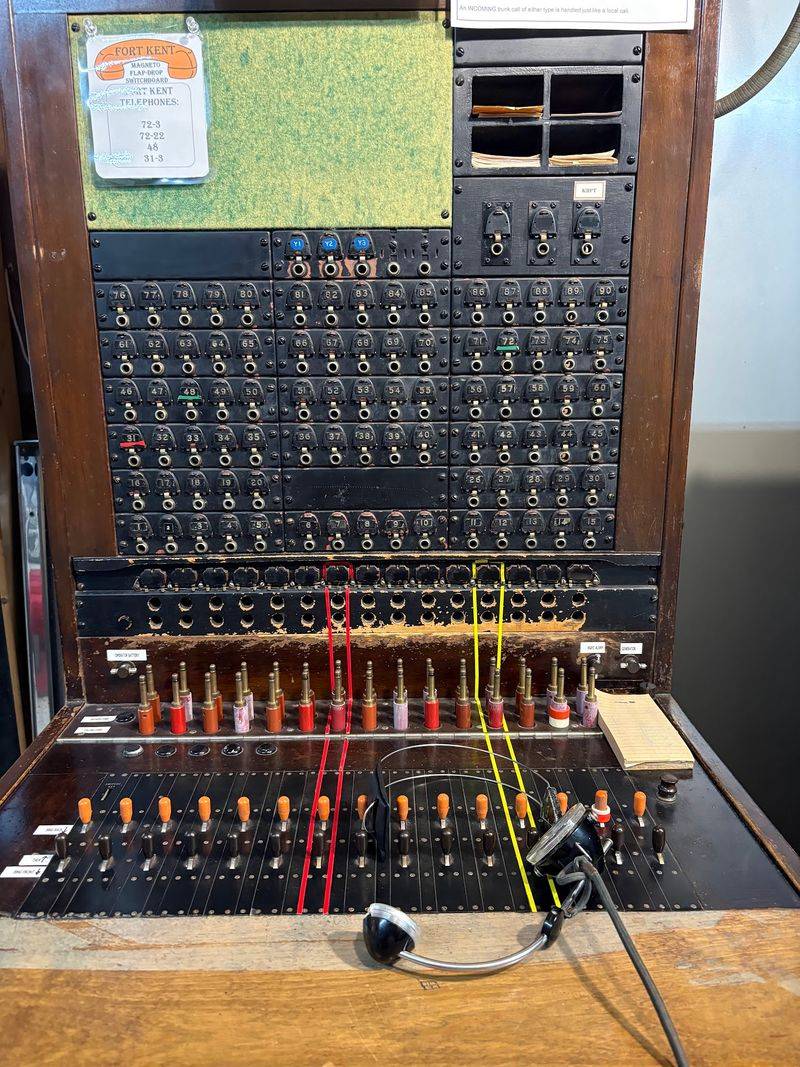
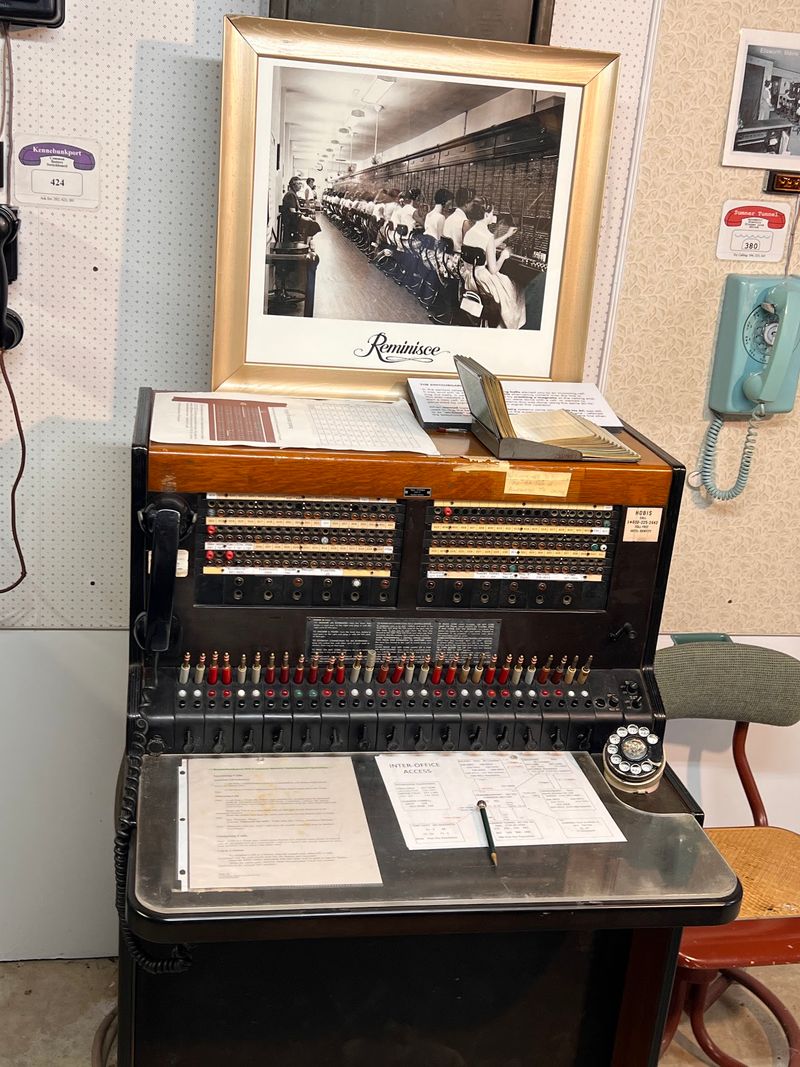
Plug in a cord, flip a switch, and say “Number, please.” Congratulations, you’re an operator now.
Before automatic systems, real people connected nearly every call by hand. They sat at manual cord boards and matched callers with the right lines.
It took speed, focus, and a good memory.
The Telephone Museum lets visitors learn that exact job. You’ll practice inserting cord plugs into switchboard jacks and ringing phones.
The museum has cord boards from different eras, so you can see how the work changed.
The museum itself has said teaching visitors to be switchboard operators is a favorite moment of any tour. That enthusiasm shows.
Guides often hand the cords to kids and let them run the show.
Don’t worry about messing up. Crossed wires are part of the fun, and the guides will steer you back on track.
You may gain a lot of respect for those operators by the end.
One Maine highlight is a 1920s Fort Kent Telephone Co. magneto switchboard. It’s a real piece of local history.
And yes, it’s the kind of thing you’ll want a photo of.
Giant Clicking Machines That Replaced The Operators
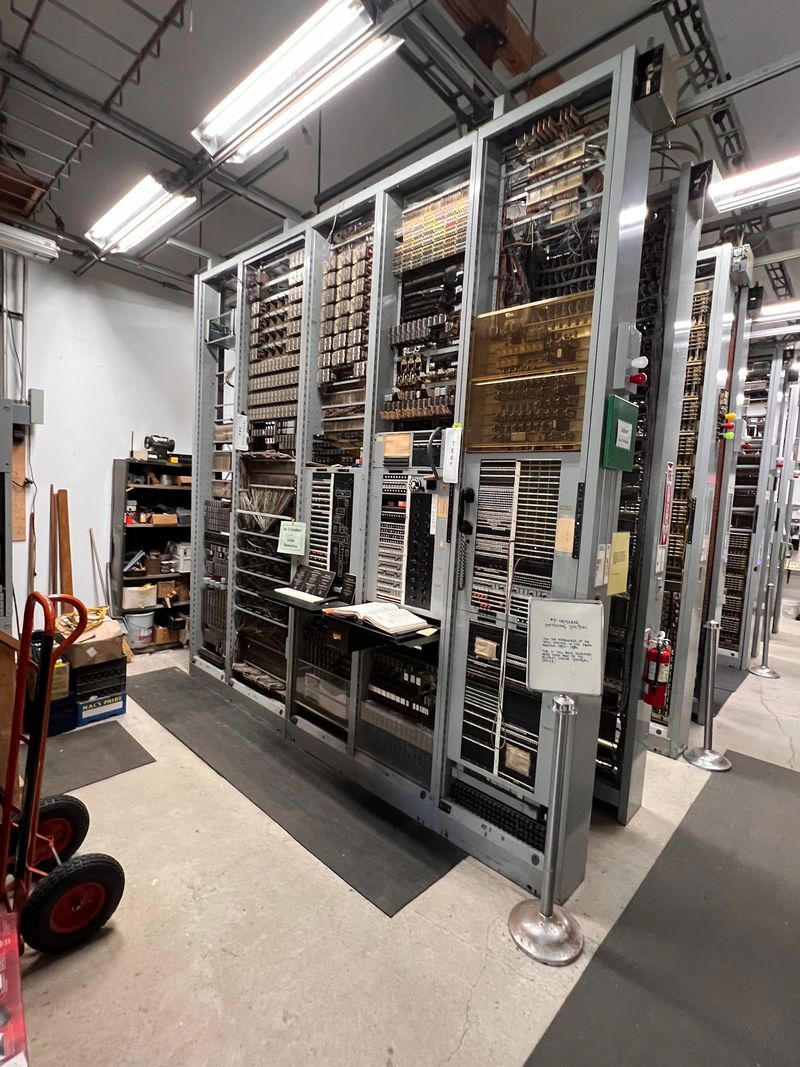
Operators were amazing, but phone companies eventually needed machines that never took lunch breaks. Enter the switching systems, and they are a sight to see.
The museum’s collection includes Western Electric and Bell System Number 3 and Number 5 Crossbar switches. These massive frames once sent calls to the right place automatically.
Rows of relays and wires did the work people used to do by hand.
You’ll also find Step-by-Step equipment and a North Electric CX-100 all-relay switch, both illustrating important advances in automatic telephone switching.
Many of these machines are still operational and connected. Watching them handle a call helps the whole idea click, sometimes literally.
The guides break down the basics before building up to the complex parts.
Tech lovers might lose track of time here. Even people who don’t know a relay from a radish can follow along.
Fun fact for the road. The museum was founded partly to save systems like these after the Bell System breakup.
Without that effort, these hulking machines might have vanished for good.
Tin Cans, String, And A Very Long Phone Story
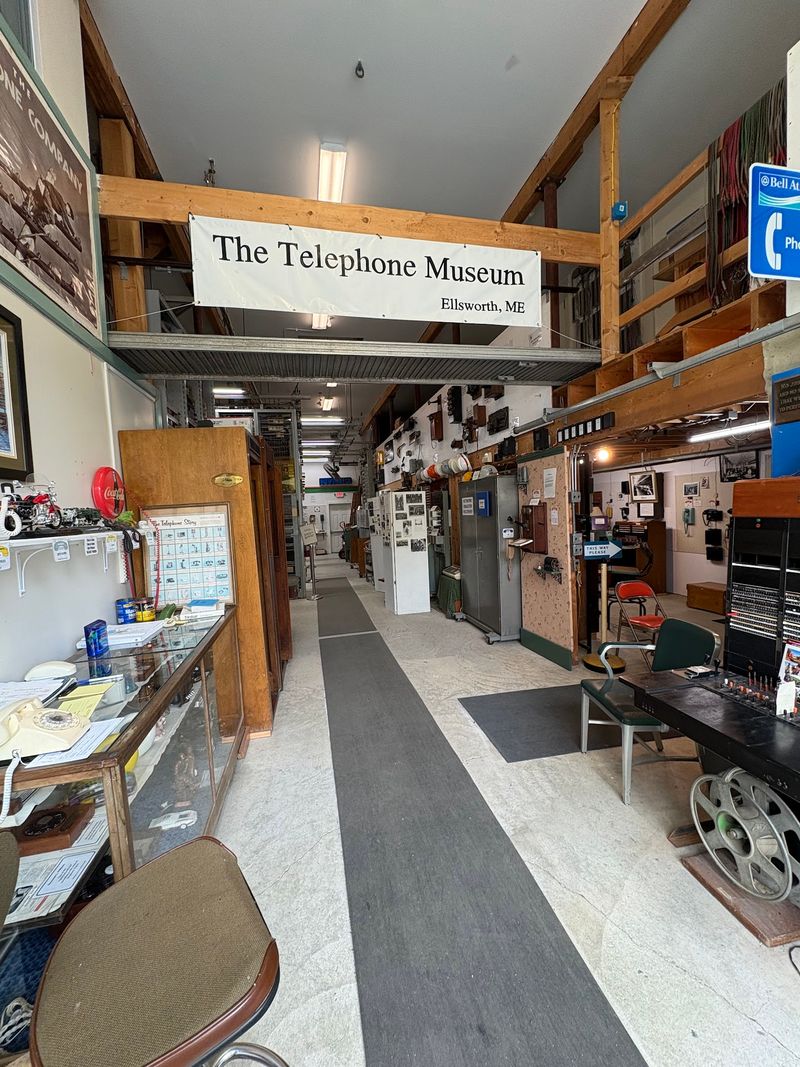
Two tin cans and a string. That humble kid’s toy is where the museum’s story of telephones kicks off.
From there, the exhibits trace more than 130 years of telephone history. You’ll move through manual cord boards, electro-mechanical switches, and many pre-digital phone technologies.
Each step builds on the one before it.
The museum’s mission is to show the social and technical importance of the wired telephone network. That story starts in 1876 and runs to the present day.
Working equipment does most of the explaining.
That’s what makes the timeline easy to follow. Instead of reading dates on a wall, you hear the difference between old and new.
You feel how much simpler a call became over the decades.
Parents might enjoy pointing out the phones they grew up with. Kids may be shocked that people once needed a stranger to connect every call.
Expect some lively conversations on the drive home.
By the end, your smartphone may look a little different to you. All that convenience sits on top of a whole lot of clever wiring, patient operators, and hard work.
The Guides Have Real Stories From Inside The Phone Company
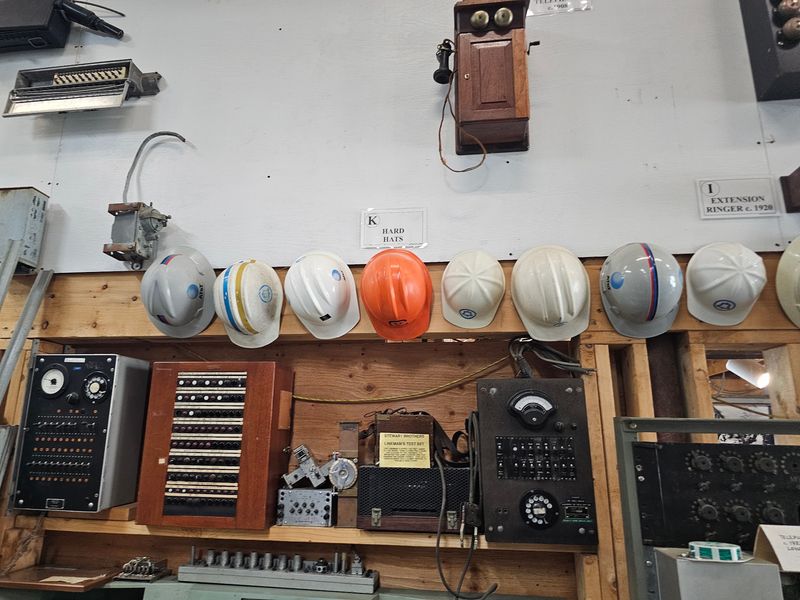
Some museum guides memorize a script. Many here lived the history they’re sharing.
Tours at The Telephone Museum are often led by experienced docents. A lot of them are retired telephone company workers.
They bring personal stories along with deep technical know-how.
That mix makes a big difference. A machine is more interesting when someone explains how they once fixed one.
Little details from real jobs bring the clunky equipment to life.
The museum runs as a nonprofit, operated by The New England Museum of Telephony, Inc. Volunteers keep the place going and the gear working. That kind of dedication takes serious patience.
So come with questions, even simple ones. How did an operator know who was calling?
Why did some switches click so loudly? The guides are ready for all of it.
Give yourself plenty of time, too. Rushing through would mean missing the best tidbits.
The stories are half the reason to go.
Here’s a bonus bit of trivia. Late-night host Jay Leno once donated about two thousand dollars to the museum.
Not a bad endorsement for a place run on passion.
Plan Ahead, Because Saturdays Are The Magic Days
Timing matters here, so mark your calendar before you hop in the car. This museum keeps a short seasonal schedule.
In 2026, it opened from July through September on Saturdays. Hours ran from 10 a.m. to 4 p.m., with a closure on July 4th.
The museum is now closed for the season and plans to reopen in spring 2027.
Good news for weekday travelers, though. Visits outside regular Saturday hours can be arranged by appointment.
Sometimes you might get lucky and catch someone there by chance.
To book a tour, reach out to the museum with your name, contact details, and party size. Groups can make the experience even livelier, since more people means more phones ringing.
Checking ahead is smart before any visit. Seasonal places can shift their schedule from year to year.
Here’s a practical tip. Bring curious kids, patient grandparents, or any friend who loves gadgets.
The tour works for all ages, and everyone gets a turn at the equipment. Just don’t expect anyone to want to leave early.
Finding It Is Half The Adventure
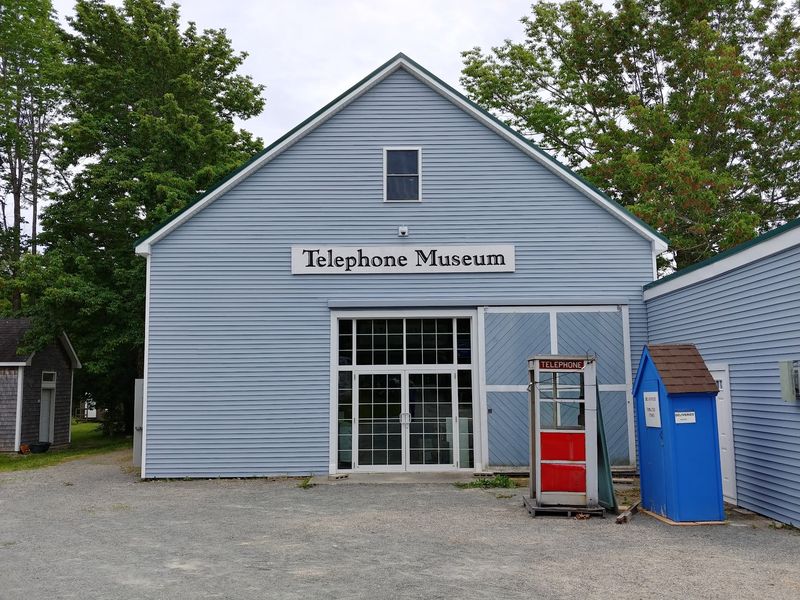
Country roads, open farmland, and a museum full of ringing phones. That’s quite a combo for a weekend drive.
The Telephone Museum sits at 166 Winkumpaugh Road, Ellsworth, ME 04605. It’s off US 1A, between Bangor and Ellsworth.
The building stands on old farmland rather than a busy downtown street.
That rural setting adds charm. You leave traffic behind and end up somewhere quiet and unexpected.
It feels like a small discovery, even with a map on your phone.
Speaking of phones, it’s a fun irony to use GPS to find a museum about older calls. Your device is basically the great-grandchild of everything inside.
Picnic tables are available on site. Packing a lunch makes the trip easy, especially with hungry kids in the back seat.
A meal outdoors pairs nicely with a morning of switchboard practice.
Ellsworth also sits on the route many people take toward the Maine coast. That makes the museum an easy add-on to a bigger summer road trip.
A short detour could turn into the story everyone tells later.
Grab A Souvenir That Rings True
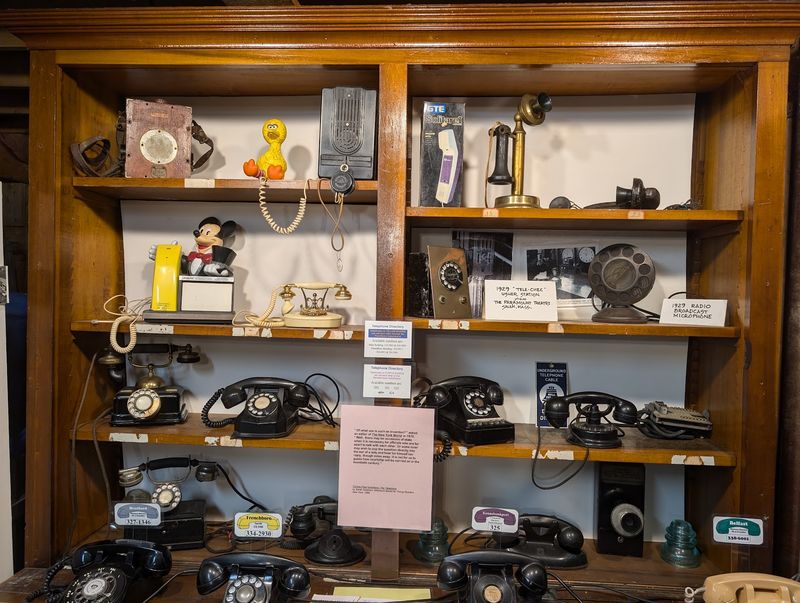
Leaving empty-handed would feel like hanging up too soon. Luckily, the small gift shop has a few clever keepsakes.
You’ll find books, T-shirts, and even telephones for sale. Those make great gifts for anyone who still misses the satisfying click of a hang-up.
A shirt is an easy pick for kids who just ran a switchboard.
The standout item might be the Zulu wire baskets. They’re made from material similar to telephone wire.
The bright woven patterns make them pretty and a little unexpected.
Every purchase also helps a nonprofit museum keep its machines humming. That matters for a place run by dedicated volunteers.
Old equipment doesn’t maintain itself, after all.
The museum also has a visitor center featuring an exhibit dedicated to the history of Maine’s independent telephone companies. It offers another opportunity to explore the state’s telecommunications heritage.
So browse the shelves before heading back to the car. A small souvenir keeps the memory alive long after the last ring fades.
Plus, it gives you an excuse to tell the whole story again.