
A Washington Railroad Ghost Town Still Has Its Original Schoolhouse Standing Quietly In The Sagebrush
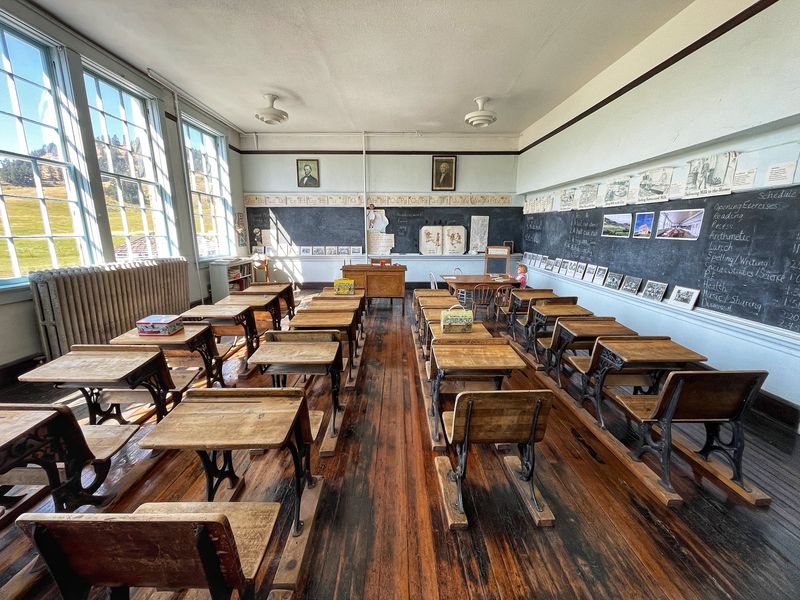
Two classrooms in a remote Washington schoolhouse were preserved from the very last classes held there in 1968-69. Somebody simply decided the school day should never fully end, and I love that.
Admission costs nothing at all. A donation jar sits on the main floor, and some of the volunteers greeting you once attended this school themselves.
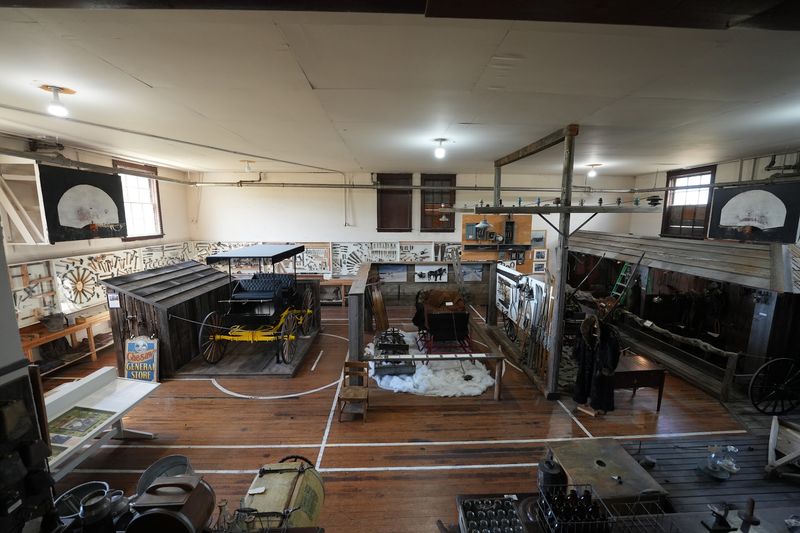
Downstairs, the old gym now holds tools and gear from the horse-and-buggy era. Just a short walk down the road, an outdoor old town waits among rolling hills.
I can’t imagine a better way to spend a slow afternoon in the Okanogan Highlands. So how does a schoolhouse this far from everything end up holding so many stories?
A Brick-And-Memory Schoolhouse Way Up Near The Border
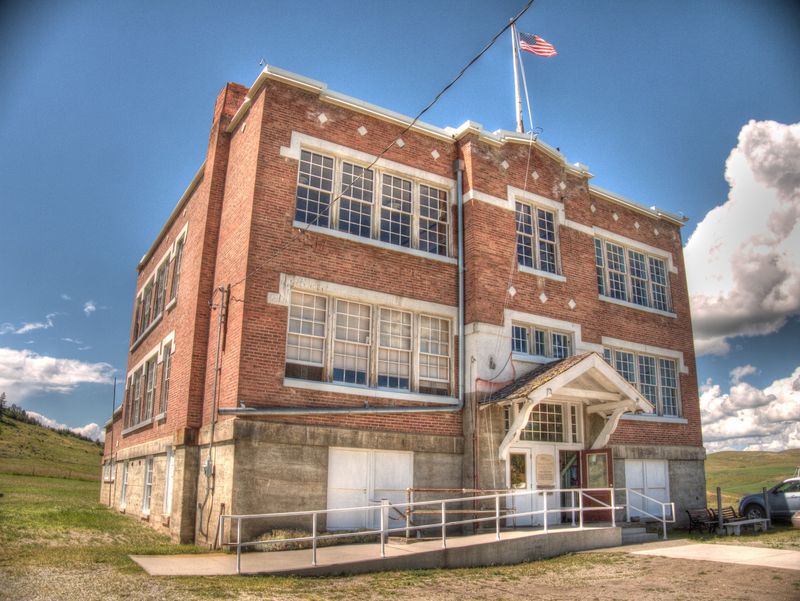
Few road trips end at a schoolhouse, but this one deserves to. The Molson School Museum sits in the Okanogan Highlands of Washington, close to the Canadian border and well beyond the usual tourist loops.
It carries an Oroville mailing address, yet it feels like its own little world. The surrounding country is open, rolling, and quiet in the best possible way.
The building itself served as a working school for decades. Today it operates as a heritage museum, packed with classrooms, artifacts, and pieces of everyday life from the region.
Think of it as a time capsule with a front door. You can wander the halls, peek into rooms, and head downstairs to see what filled local lives long before smartphones.
Nearby, the old town site of Molson adds a second layer to the visit. Together, the two places form one of the more unusual day trips in north-central Washington.
The best part is how low-key the whole thing stays. There’s no flashy entrance or gift-shop maze, just a beloved old building and the people who keep it going.
Fifty-Five Years Of Recess, Report Cards, And School Bells
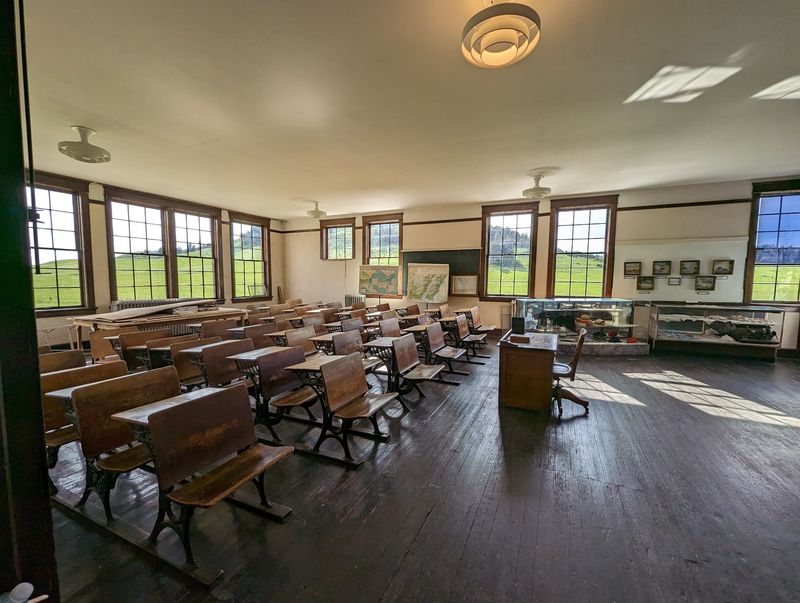
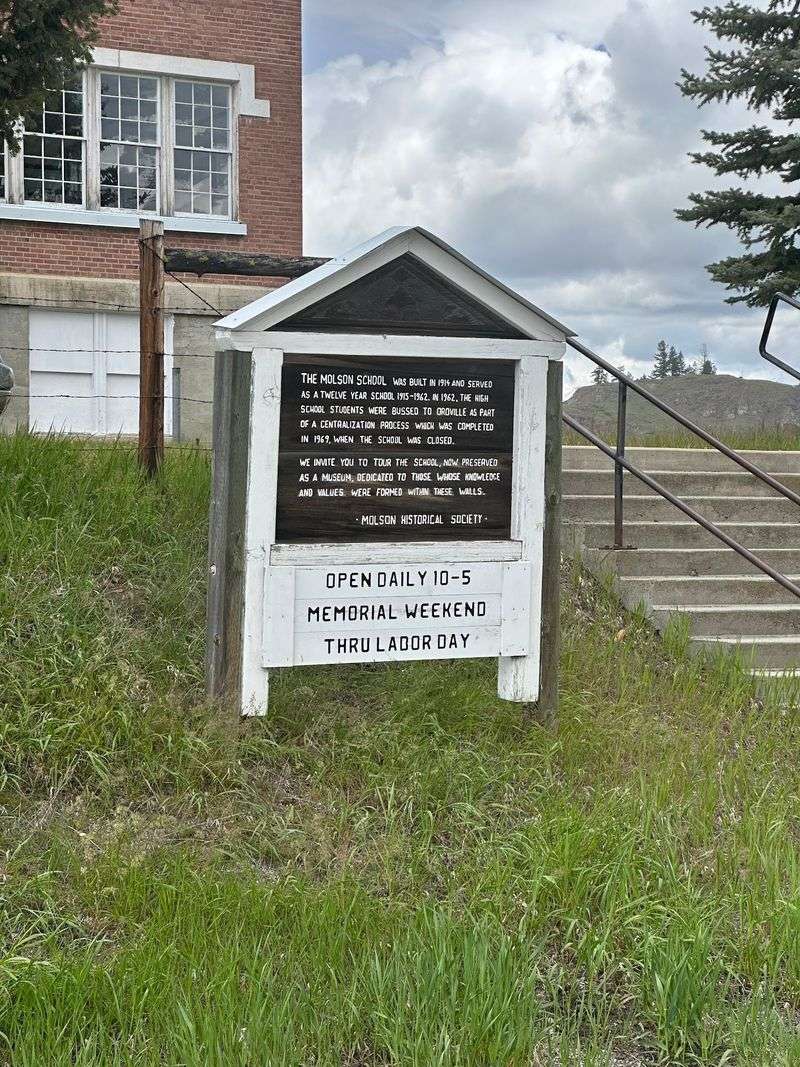
Kids filed through these doors starting in 1914. Classes kept going right up until 1969, which means generations of local families learned to read and write here.
That’s a long stretch for any rural school. It covers horse travel, two big shifts in farming, and the arrival of modern conveniences across the highlands.
After the final bell rang, the building did not fade away. Instead, it became a museum, holding onto the story of the school and the community around it.
I believe that choice says a lot about the people of this corner of Washington. They clearly saw value in keeping the place whole rather than letting it slip away.
Walking the halls now gives you a sense of how much daily life changed during those decades. One building watched an entire region move from homestead days into the mid-twentieth century.
For anyone who loves local history, those dates alone are a hook. It’s rare to find a school whose full working life can be traced inside a single, well-kept structure like this one.
Two Rooms Frozen On The Last Day Of Class
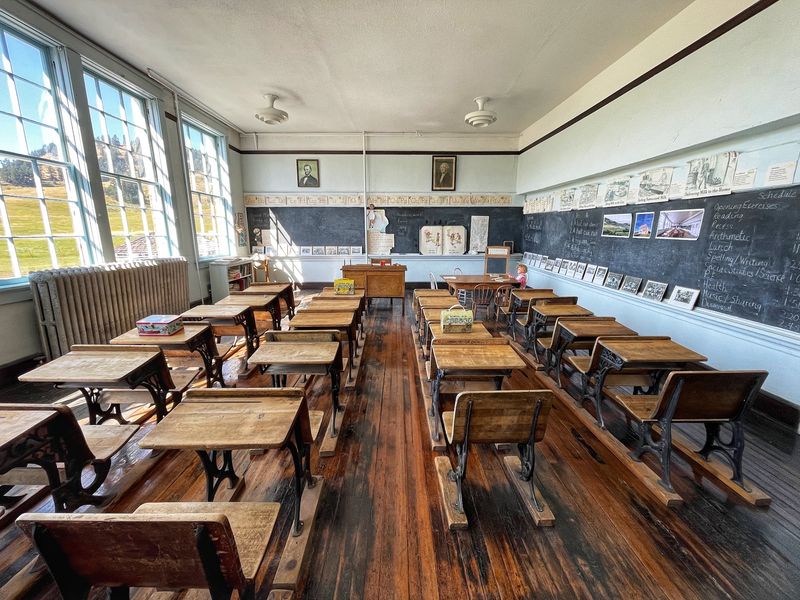
Here’s a detail that stops people in their tracks. Two of the classrooms were preserved from the last classes held in 1968-69.
That gives the rooms an eerie, wonderful stillness. They feel less like exhibits and more like spaces waiting for the students to come back from lunch.
The classroom set-ups are complete enough to spark instant nostalgia. Anyone who sat in school in the 1950s or 1960s will likely recognize a thing or two.
Grandparents tend to light up in rooms like these. Kids, meanwhile, get a firsthand look at school before tablets, laptops, and interactive whiteboards existed.
I like how the rooms tell their story without needing long signs. The arrangement itself does the explaining, and your imagination fills in the rest.
Take your time here rather than rushing ahead. Little details reward a slow look, and the contrast with modern classrooms becomes more striking the longer you stand there.
Honestly, this might be the heart of the whole museum. Few places let you step into a genuine end-of-an-era classroom quite so directly.
Shelves That Once Fed A Whole Town’s Curiosity
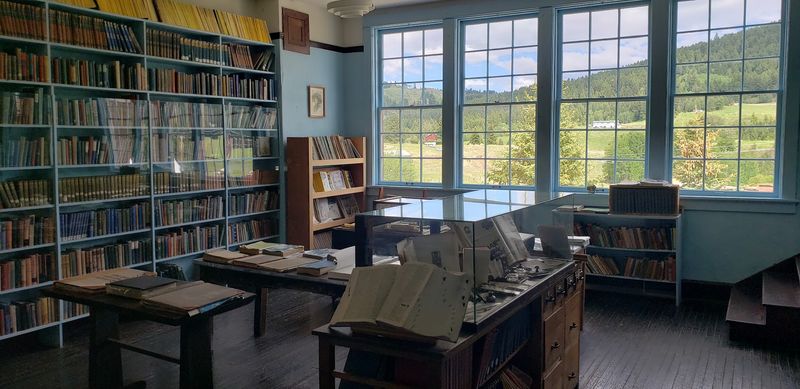
Every good school needs a place for quiet reading. The museum includes a library section, and it’s a sweet reminder of how kids once found their next favorite book.
No search bar, no streaming app, just shelves and a little patience. For many rural families, the school library was a main doorway to the wider world.
That idea feels especially powerful out here in the highlands. Distances were long, and a book could carry a student far beyond the hills outside the window.
The library pairs naturally with the preserved classrooms. Together they paint a clear picture of a school day from the 1950s and 1960s.
Book lovers will probably linger longer than planned. Something about old library spaces invites browsing, even when you’re only looking.
It’s also a lovely spot to talk with kids about reading habits. Ask them how they’d find a book without a computer, then watch the gears turn.
Small as it may be, this corner adds real warmth to the Molson School Museum. It reminds you that a school was never only about lessons and tests.
Beakers, Benches, And An Old-School Science Lab
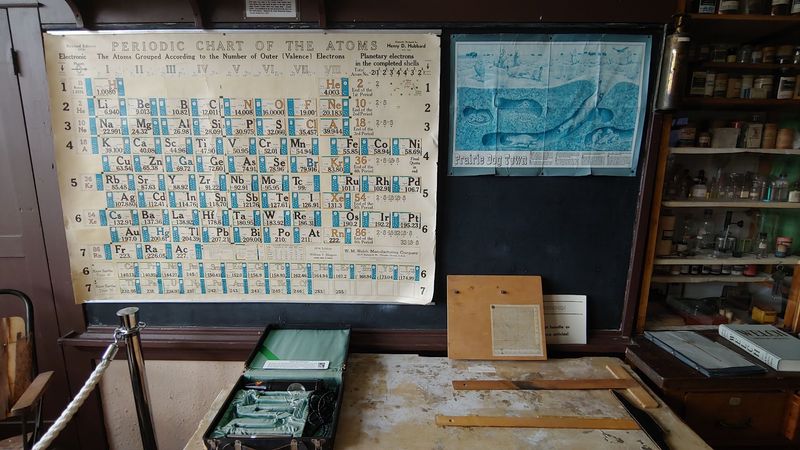
Science class looked a bit different back then. The museum keeps a science lab among its rooms, and it’s a fun change of pace from desks and chalkboards.
Labs like this were where curiosity got hands-on. Students learned by doing, which is still the best way to make a lesson stick.
Seeing an older lab set-up can spark great questions from younger visitors. What did they experiment with, and how did they manage with simpler equipment?
Adults may find themselves comparing it to their own school memories. Some details will feel familiar, while others will seem wonderfully old-fashioned.
I appreciate that the museum shows more than one side of school life. Reading, writing, and science all get their moment, which makes the picture feel complete.
The lab also hints at how seriously this small community took education. Even in a remote corner of Washington, students had a dedicated space to explore the natural world.
Pause here before heading on. It’s an easy room to overlook, yet it adds a satisfying piece to the story of this long-running school.
Homestead Treasures From The Highland Families
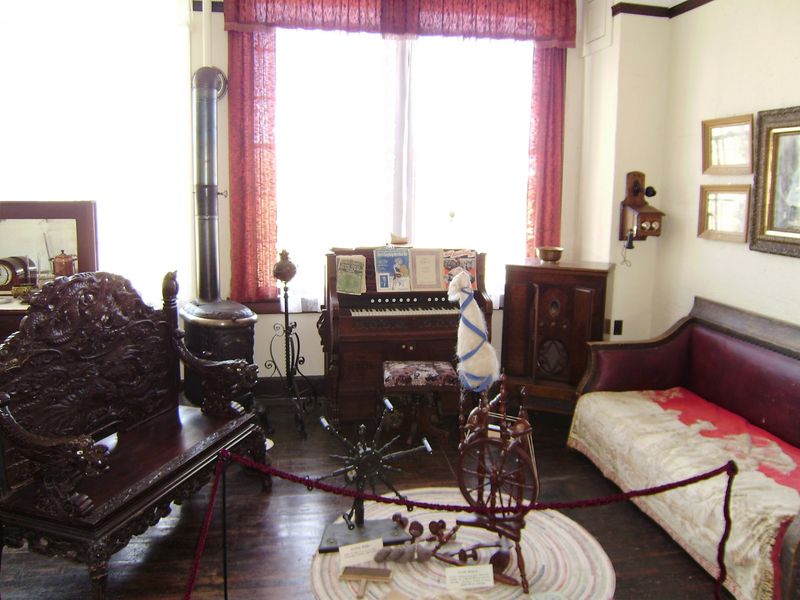
Beyond the classrooms, the old schoolhouse is full of interesting items from early homesteads. These pieces show how families actually lived in this rugged stretch of north-central Washington.
There are lots of antique pieces to explore. Each one hints at the hard work and creativity it took to build a life out here.
The variety is a big part of the appeal. You can move from school life to home life in just a few steps, and the connection feels natural.
Everything appears well cared for, which says plenty about the museum’s dedication. Artifacts like these can easily slip away when nobody tends to them.
Fans of farming and small-town history will feel right at home. The collection offers real slices of the lives lived in town and around the school.
One fair note is worth sharing. The exhibits lean more toward daily life than a detailed town timeline, so curious minds may want to ask questions while there.
That’s hardly a drawback, though. The volunteers are a living resource, which turns the homestead displays into a starting point for great conversation.
The Old Gym Turned Into A Toolbox Of Time
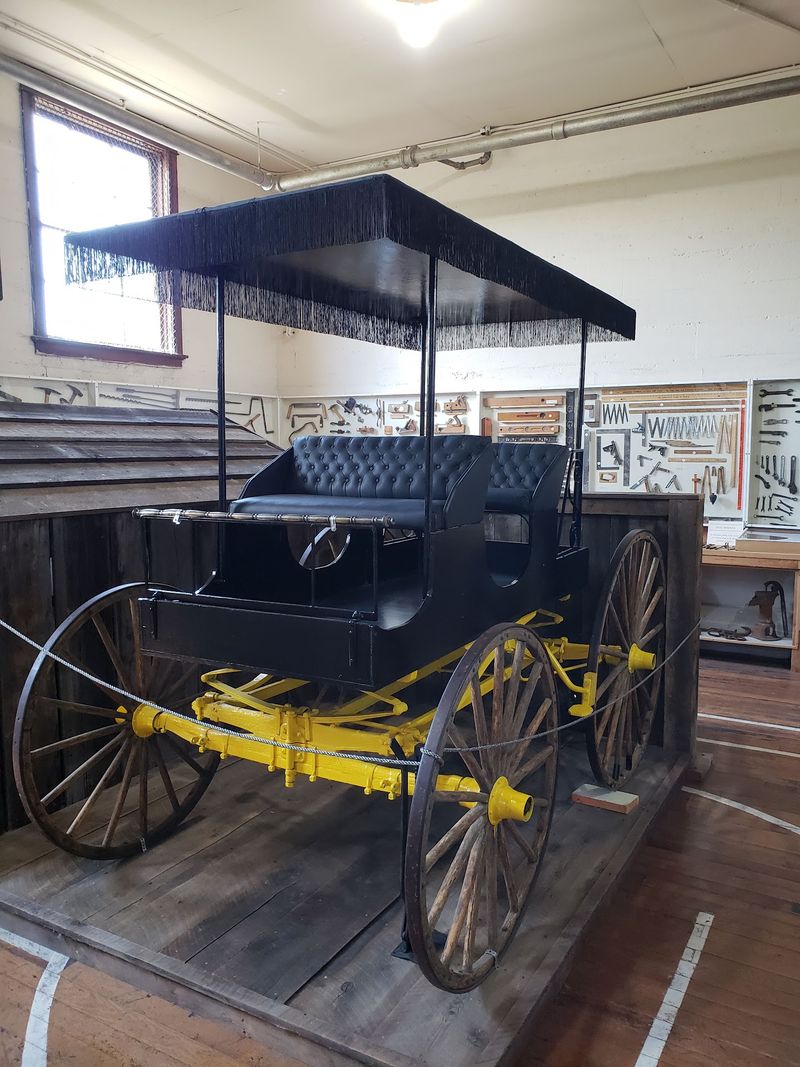
Basketball games once echoed downstairs. Now the old gym holds a history museum focused on the horse-and-buggy era.
The tool collection here is a real standout. You’ll see gear people used for maintaining equipment, along with items tied to recreational activities.
Tinkerers and practical-minded folks may lose track of time in this space. Each tool reflects a problem someone needed to solve without a hardware store down the street.
The gym exhibits also give a broad look at life in the region during earlier decades. It’s a hands-on kind of history, even when you’re only looking.
I like how the space keeps a bit of its gymnasium identity. It’s easy to picture the room in both of its lives, school hall and treasure trove.
The downstairs area has been developing over time as a history museum. That makes it worth checking even if you’ve visited before.
Save some energy for this level. Many visitors head upstairs first for the classrooms, but the old gym might end up being the part you talk about on the drive home.
Volunteers Who Once Sat At These Very Desks
Some museum guides study history. A few of the folks here lived it, since local people who grew up in the area volunteer during open hours.
Several of them actually attended the school. That turns a simple question into a personal story about recess, teachers, and life in Molson.
Knowledgeable volunteers come up again and again as a highlight of the Molson School Museum. They’re friendly, welcoming, and clearly proud of what they’ve saved.
My advice is simple. Ask about their history living there, then settle back and listen.
These conversations add something no display case can provide. Facts become memories, and the building starts to feel like a neighborhood rather than a collection.
Former students have described the museum as a wonderful way to remember their childhood home and school. That kind of connection gives every room an extra layer of meaning.
The volunteers have, in a very real sense, preserved history for everyone. A small thank-you and a few extra minutes of chatting seem like the least a visitor can offer in return.
Free Admission With A Friendly Donation Jar
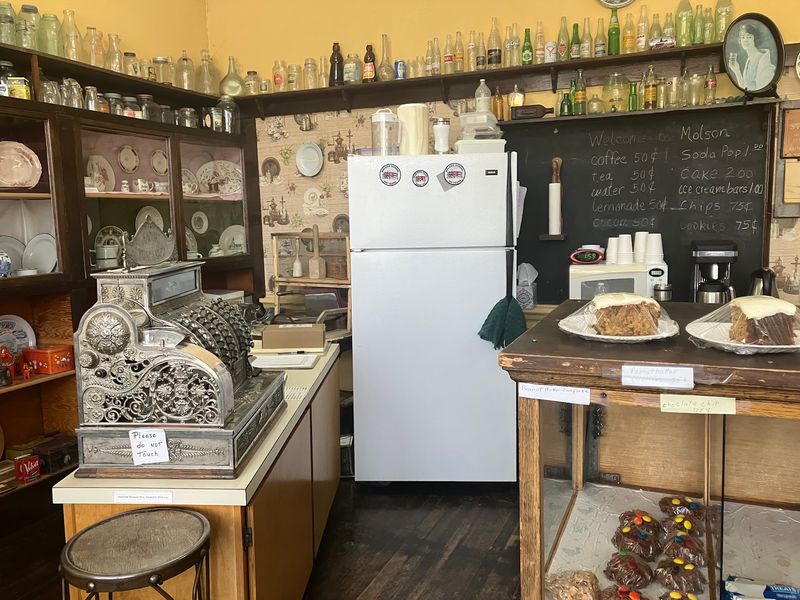
Wallet-friendly outings don’t get much easier than this. The museum doesn’t sell tickets, and admission works on a donation basis.
A donation jar sits on the main floor. Dropping in what you can helps keep this volunteer-run place open for the next curious traveler.
That approach makes it a natural pick for families and retirees watching budgets. You can spend hours exploring without worrying about an entry fee for every person in the car.
T-shirts have also been available to buy. They make a fun keepsake and another easy way to support the museum.
I believe places like this survive because visitors chip in. Small, community-run museums rely on goodwill far more than big institutions do.
So consider a tip or a shirt part of the experience. It’s a small way to say thanks for the preserved classrooms, the gym collection, and the stories.
Free entry also lowers the pressure to see everything at once. If the day runs short, you can always come back to the Molson School Museum without feeling you wasted a ticket.
Homemade Treats At Bake-Sale Prices
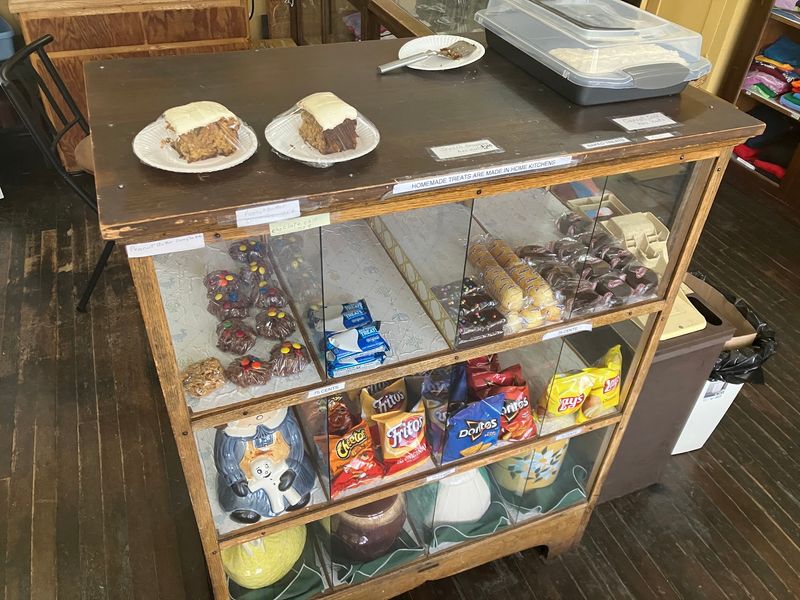
Nobody expects a snack break at a history museum. Yet homemade snacks have been available here at prices that feel straight out of an old school bake sale.
That little touch fits the setting perfectly. A schoolhouse and homemade treats belong together like chalk and a blackboard.
Volunteers have shared baked goods with visitors, adding a cozy, neighborly feel to the stop. It’s the kind of welcome that makes a remote museum feel like somebody’s front porch.
Offerings likely vary, so don’t plan your whole lunch around them. Think of the treats as a happy bonus rather than a guaranteed menu.
Since the museum sits far from big towns, packing a lunch is a smart move. A picnic among the rolling hills could round out the day nicely.
Any treat purchase also helps keep the place going. Your sweet tooth becomes a small act of preservation, which is about the most pleasant kind of good deed there is.
Bring a little cash just in case. Small rural stops tend to keep things simple, and you won’t want to miss out.
A Walk-Through Old Town Just Down The Road
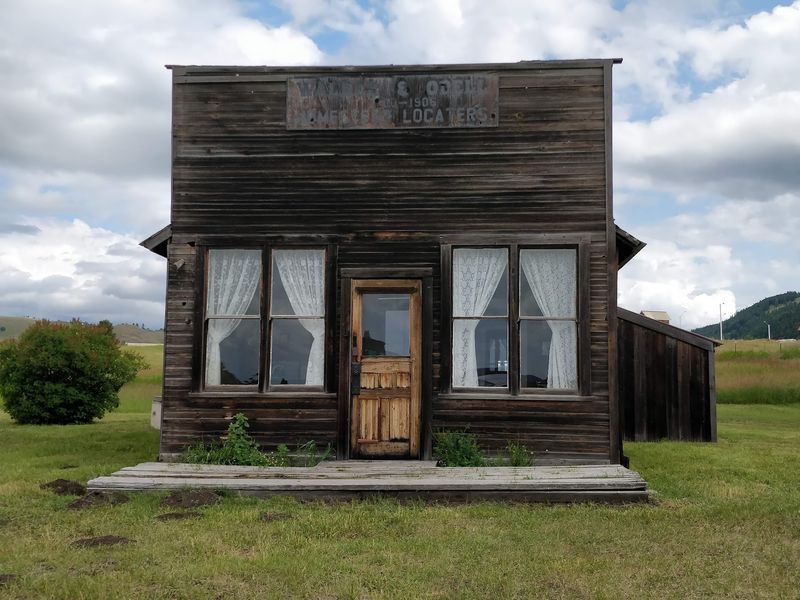
Don’t leave once you’ve finished the schoolhouse. Just a couple of blocks down the road, an outdoor walk-through historical site shows off the old town of Molson.
Molson is often described as a town that time forgot. Much of it is pretty well preserved, and walking around it pairs naturally with the museum.
Because it’s set up as a museum site, the layout feels less abandoned than many ghost towns. That makes it friendly for families who want history without scrambling around ruins.
The setting adds plenty of charm. Rolling hills surround the site, giving the weathered buildings a striking backdrop.
Kids respond in different ways here. Some get fully enthralled by the old structures, while younger ones may run out of steam sooner.
Plan for some time outdoors and bring layers for the weather. The highland location means conditions can shift, especially outside the summer months.
Together, the schoolhouse and old town make a satisfying pair. One shows school and daily life indoors, and the other lets you stroll through the community those students called home.
Grandparents, Grandkids, And Classic Car Clubs Alike
Three generations can share this stop without anyone feeling left out. Grandparents often recognize items from their own school days, while kids get swept up in all the old stuff.
That mix makes it a strong pick for family road trips. Children have been known to want to stay all day.
Anyone who went to school before 1975 may feel an instant wave of nostalgia. The classrooms and library carry plenty of familiar touches from that era.
History buffs, farming fans, and small-town enthusiasts will find plenty too. The tool collection alone could hold a curious mind for a good while.
The area also draws scenic drivers. A group of British car owners once included the schoolhouse and old town on a 190-mile driving tour of the Okanogan Highlands.
Folks have traveled all the way from Seattle to see Molson and the school museum. That’s quite a journey across Washington, and it shows how far the place’s pull reaches.
The atmosphere stays cute, quiet, and welcoming. If you enjoy unhurried outings with real substance, you’ll fit right in.
Hours, Seasons, And The Road To Molson
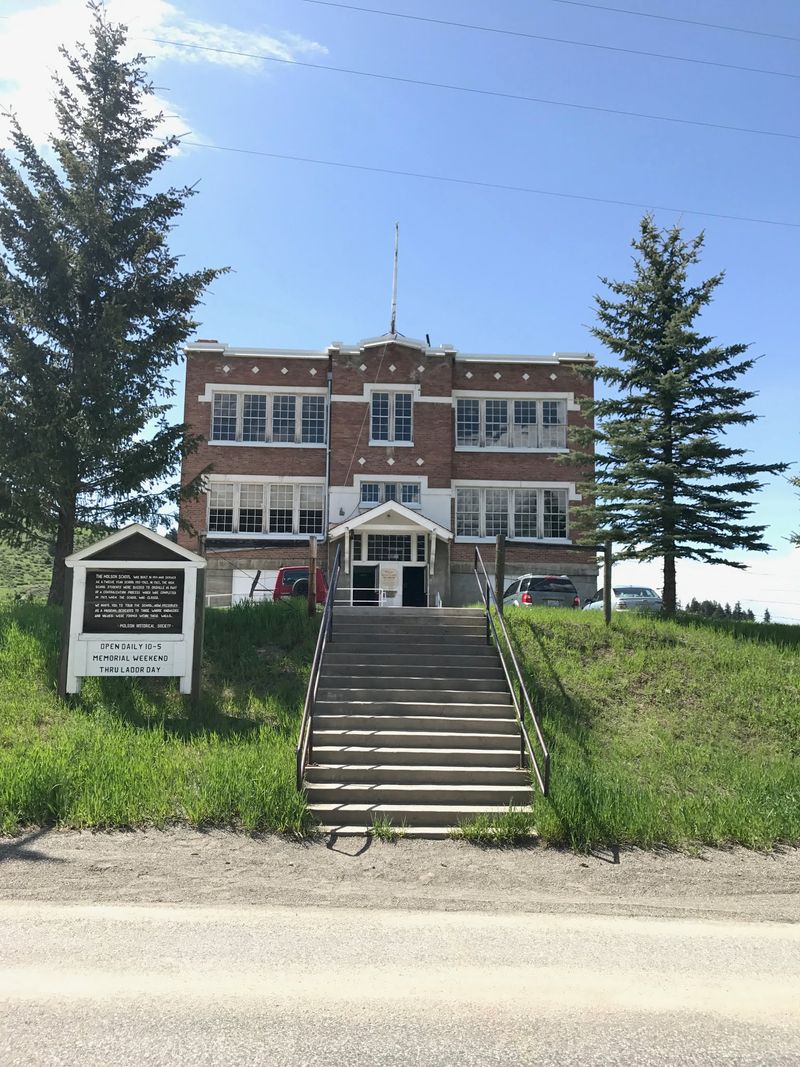
Timing matters for a place this remote. Current hours are listed as 10 am to 5 pm, every day of the week.
The museum is known for opening daily during the summer. Coming on or after Memorial Day weekend is a smart call, so check ahead for off-season visits.
The address is 599-515 Co Hwy 4777, Oroville, WA 98844. Plug it into your map app before you lose signal in the hills.
From Osoyoos, just across the border in British Columbia, the drive runs roughly 30 to 45 minutes. Travelers coming from western Washington should plan on a long, scenic day or an overnight.
Give yourself more time than you think you’ll need. Plenty of visitors find there’s too much to see in a couple of hours.
Several hours up to a full day works well, especially with the old town added in. Pack water, snacks, and a lunch for the open country.
A full tank of gas is wise too. Services are limited out here, and the views make slow driving tempting.
Why This Little Schoolhouse Earns The Long Drive
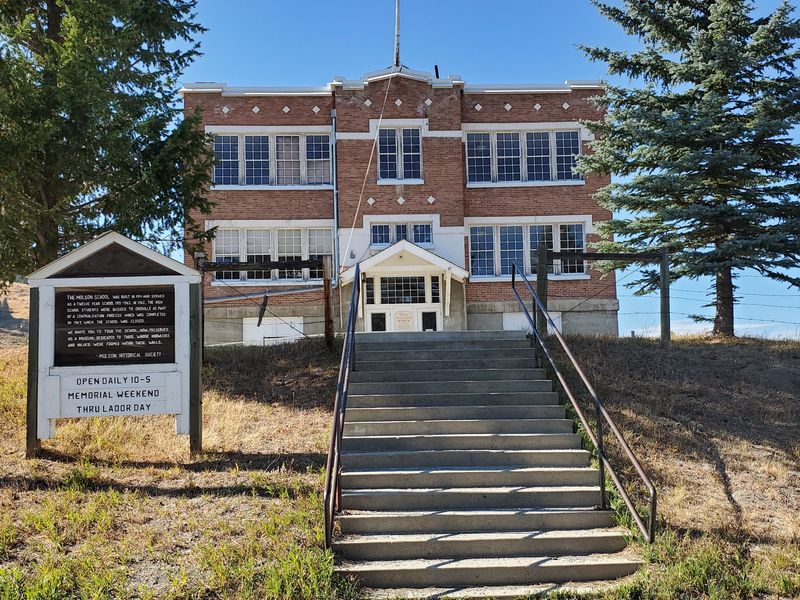
Some museums dazzle with size. The Molson School Museum wins you over with heart, patience, and a stubborn refusal to let local history fade.
Where else can you see classrooms preserved from 1968-69, a gym full of old tools, and homestead treasures in one stop? Add free admission and homemade treats, and the case gets hard to argue with.
The volunteers might be the real reason to go. Their stories turn a nice afternoon into something you’ll remember for years.
It’s out of the way, no question. Yet that remoteness is part of the magic, and the rolling Okanogan Highlands make the trip feel like an adventure.
Pair it with the old town down the road for a fuller day. Bring a lunch, some curiosity, and a few dollars for the donation jar.
I believe this is exactly the sort of Washington outing worth sharing with friends. Wallet-friendly, nostalgic, and full of real history, it checks a lot of boxes.
So when summer rolls around, consider pointing the car north. The school bell stopped ringing in 1969, but class is still very much in session.