
This Washington Observatory Lets Families Climb Into Its Dome For Free To See A Century-Old Telescope
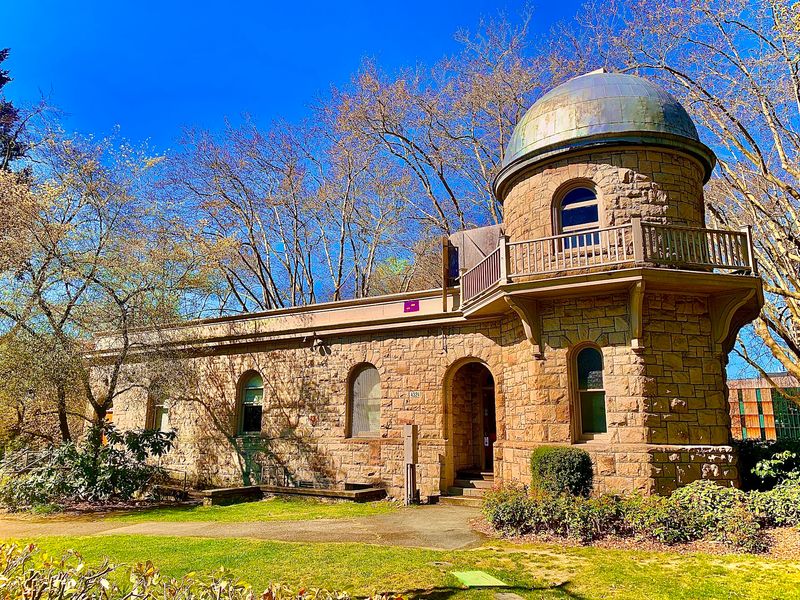
A telescope that is more than 100 years old still tracks the stars with a clock drive you can actually watch. Families can climb into the dome to see it, and signing up costs nothing.
I love that this sits in the middle of a busy Washington city. The little stone observatory is one of the two oldest buildings on its campus.
It looks like it wandered out of a storybook and simply stayed put.
The visit isn’t just a quick peek, either. There’s a classroom talk about space, a chance to ask real astronomers questions, and smaller telescopes to explore before the main event.
I can’t think of a sweeter way to spend an evening with a space-obsessed kid. So how do you get a spot under that dome?
A Tiny Stone Stargazing Spot Right In The Middle Of Seattle
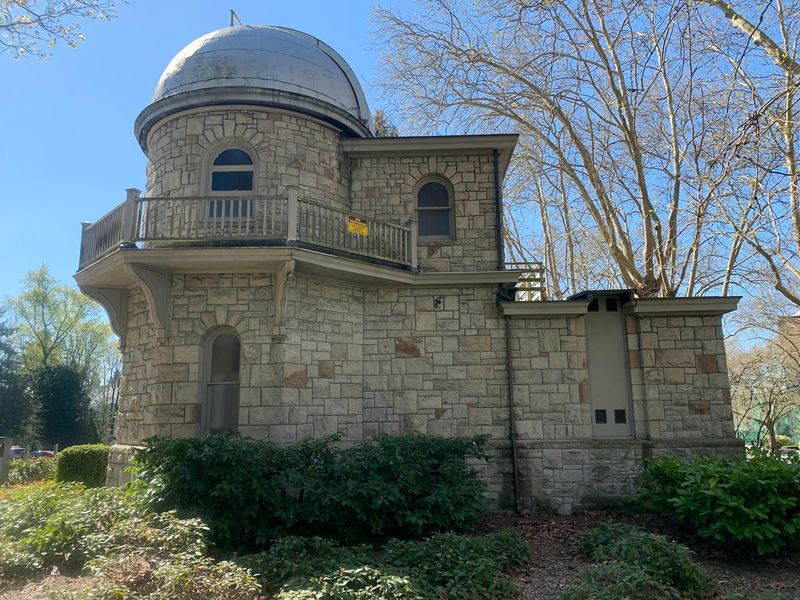
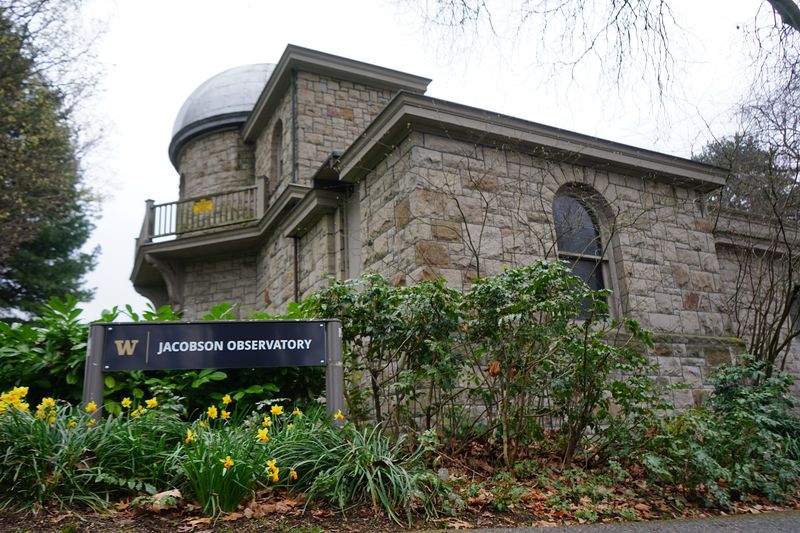
Big cities are famous for hiding the stars, so this one feels like a cheeky exception. The Theodor Jacobsen Observatory sits right on the University of Washington campus in Seattle.
It belongs to the university’s astronomy world, and it opens its doors for public outreach events. That means regular families, not just students, get a turn inside.
The building is small, and that’s part of the charm. You won’t find a giant science center with gift shops and food courts here.
Instead, you get a compact observatory with a dome, a historic telescope, and people who love explaining the sky. It’s simple, focused, and refreshingly unfussy.
I like how it rewards curiosity rather than spending. Washington has plenty of pricey family outings, but this one asks mostly for your time and a little planning.
Fans of the place often call it a great historic site for astronomy at the UW. Honestly, that sums it up nicely.
Think of it as a pocket-sized portal to space, parked between lecture halls and leafy walkways.
Older Than Nearly Everything Else On Campus
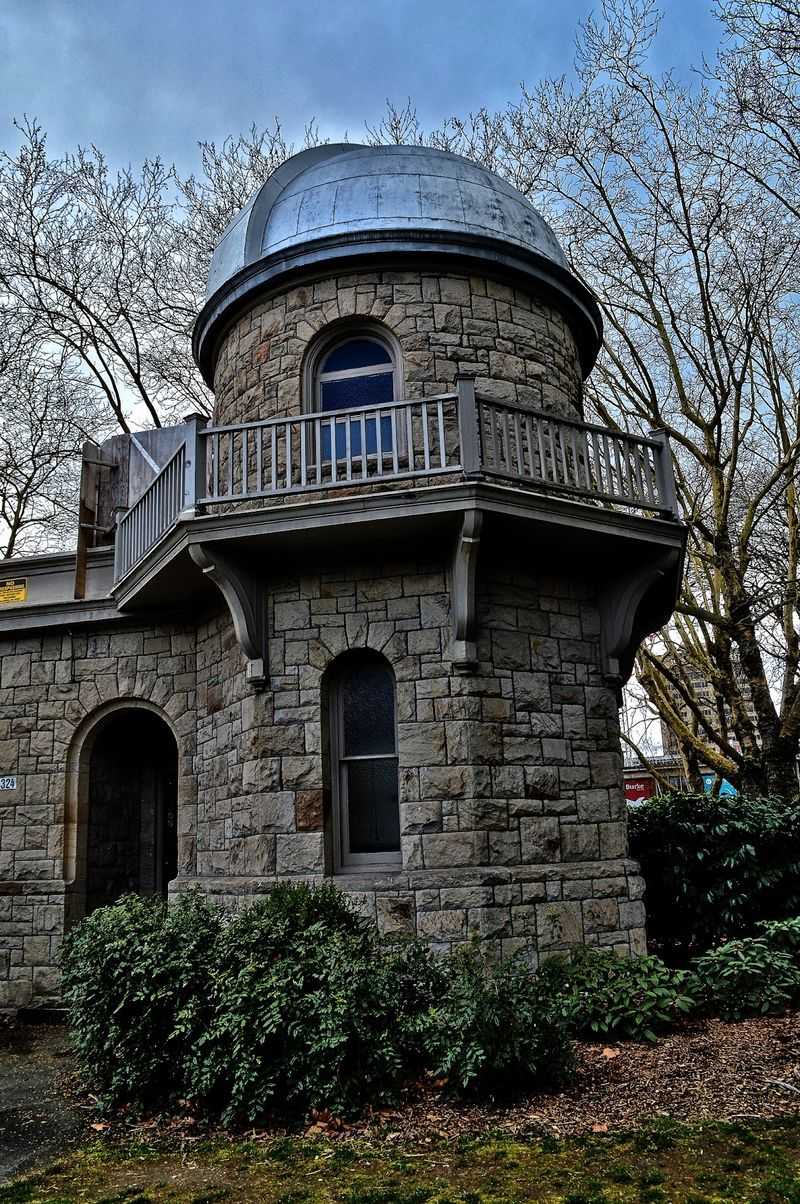
Here’s a fun bragging point for your next trivia night. The Theodor Jacobsen Observatory is one of the two oldest buildings on the University of Washington campus.
That’s no small feat on a campus packed with grand halls. This little structure dates to the 19th century, and it carries that age proudly.
Even from the outside, its charm is easy to notice. The stone walls and domed top look like something from an old science textbook illustration.
Some folks describe it as a great example of 19th century science. Standing near it, you can almost feel how early astronomers worked without fancy screens or apps.
The building is described as well maintained inside, which matters for a place this old. Care like that keeps history usable instead of locked behind glass.
For nostalgic day-trippers, this is catnip. You get a real piece of Seattle’s past that still does the job it was built for.
Not many buildings can say they’ve been pointing people at the sky for well over a century.
Yes, You Really Get To Climb Up Into The Dome
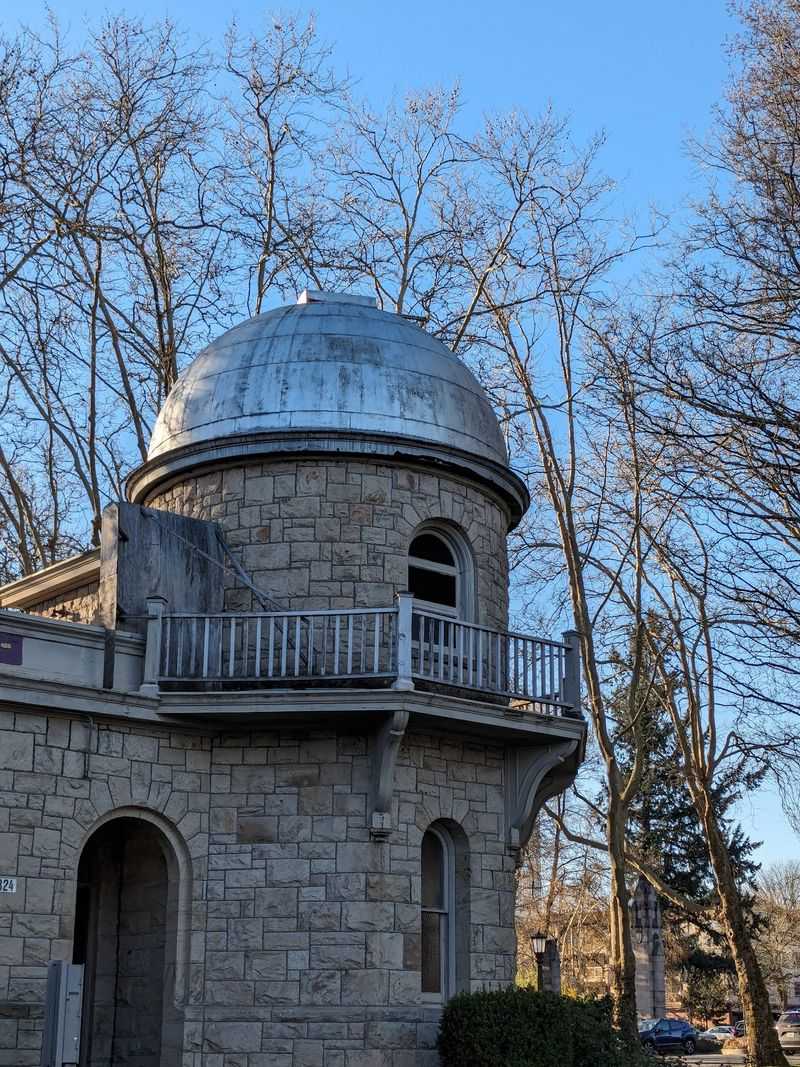
Most museums keep the good stuff roped off. During tours here, visitors can climb into the dome itself to see the telescope up close.
That’s the moment kids will talk about for weeks. Going up into a real observatory dome feels a bit like sneaking into a secret clubhouse for scientists.
The space is cozy, old, and full of character. Nothing about it feels like a modern planetarium, and that’s exactly the appeal.
You’re standing where generations of stargazers have stood before. The curved walls overhead make the whole room feel like it’s leaning toward the sky.
Fair warning for the easily spooked: the building is old-fashioned, and some find it a little creaky. A few visitors even joke it feels a bit creepy at night.
I’d call that bonus atmosphere rather than a drawback. Kids who love a good adventure story will probably feel right at home.
Just remind them to watch their step and keep those hands off the antique equipment unless invited.
The Century-Old Telescope That Still Follows The Stars
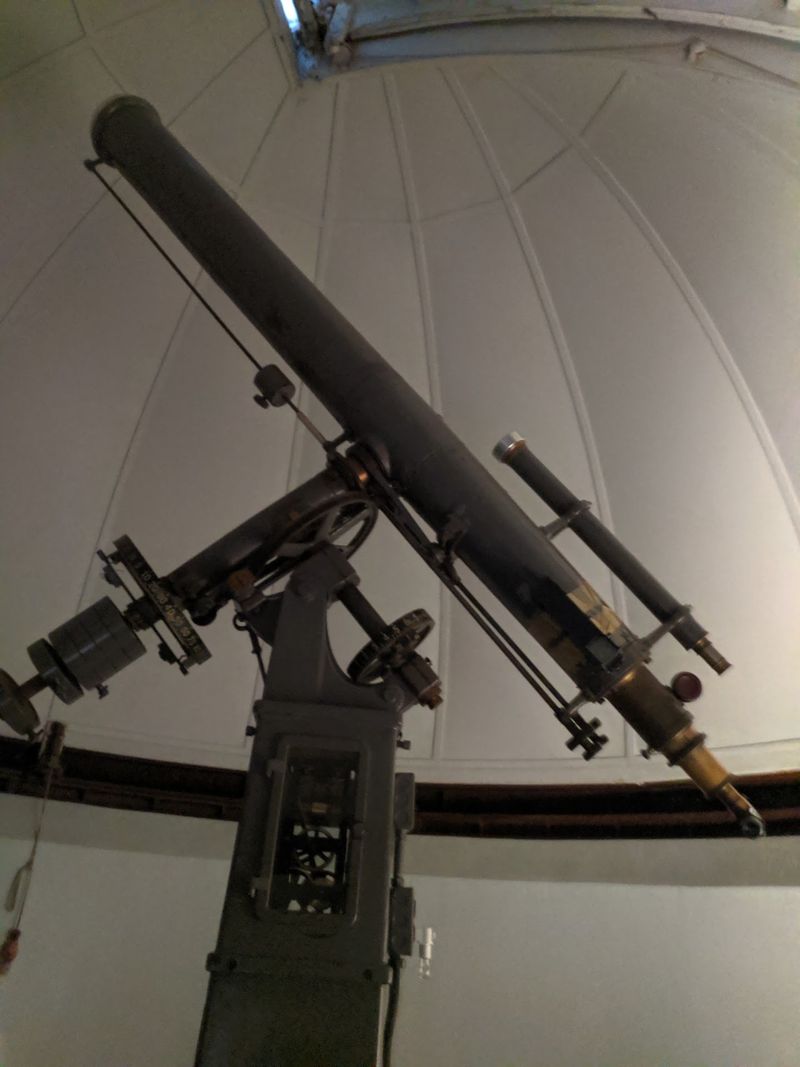
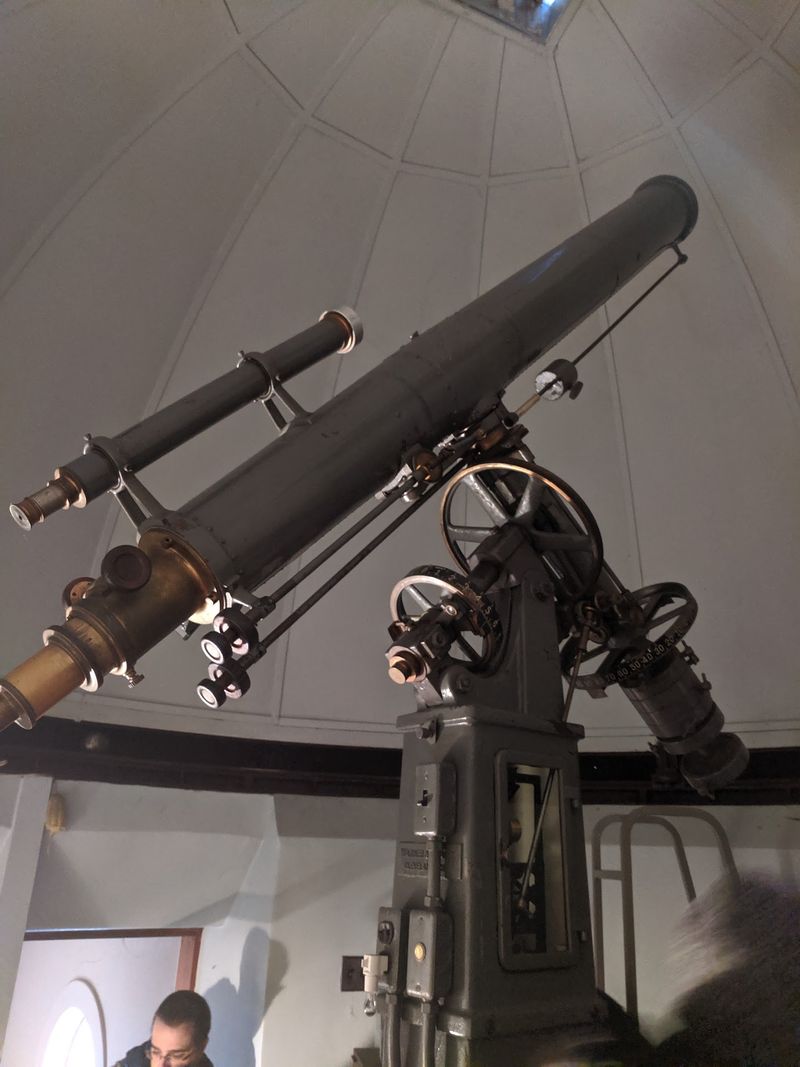
Over 100 years old and still on the clock. The star of the Theodor Jacobsen Observatory is its historic telescope, tracking the night sky with a visible clock drive.
A clock drive moves the telescope slowly as Earth turns. Without it, stars would drift out of view while you’re still squinting.
Getting to watch that old mechanism work is a real treat. It’s a hands-on lesson in how astronomers kept up with the sky long before computers.
Depending on which group you’re in during a visit, you may get to look through this big telescope. One account describes it zooming in dramatically on the night sky.
The same account mentions that two stars visible to the naked eye might turn into around six through the eyepiece. That kind of reveal can turn a casual kid into a lifelong sky-watcher.
I love that it isn’t a replica. The real thing, built for serious science generations ago, is still being used to share the universe with Washington families today.
An Hour Of Space Talk Before The Eyepiece
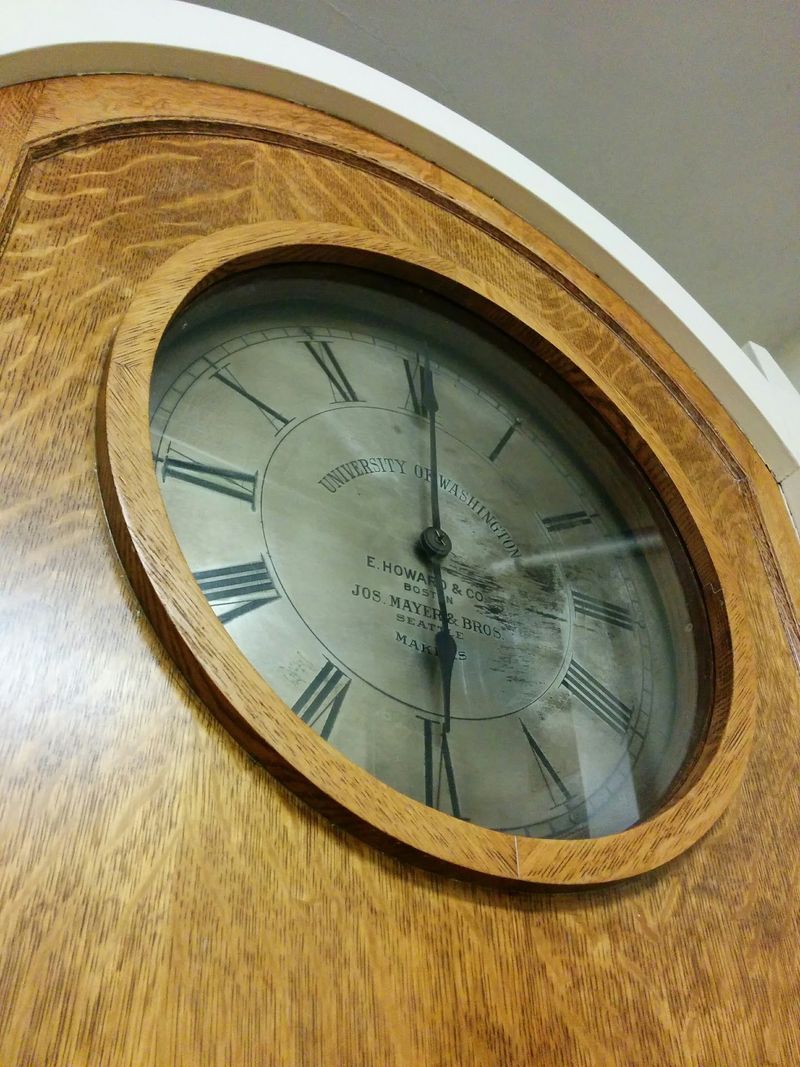
Before anyone gets near the big telescope, there’s homework. Don’t worry, it’s the fun kind.
The visit includes an hour-long classroom session packed with space topics. Speakers cover all sorts of interesting things related to the universe and what’s out there.
Presentations are often led by people from the UW astronomy world. One visitor called the talk both informational and entertaining, which is a rare and lovely combo.
This part sets the stage for what you’ll see later. Knowing what you’re looking at makes that first peek through the eyepiece far more meaningful.
Kids who already rattle off planet facts will be in heaven. Younger ones may need a snack beforehand and a little encouragement to sit tight.
I appreciate that the program doesn’t skip straight to the shiny part. Learning first, then looking, turns the evening into a real experience instead of a quick photo op.
Plus, grown-ups usually walk away knowing a few space facts they can casually show off later.
Little Telescopes And A Mini Solar System To Warm Up With
Early arrivals get a sneak preview. Before the lecture starts, smaller telescopes have been available for visitors to try.
One young guest reported spotting a shooting star with them. They also caught sight of what they called a light station, which sounds delightfully mysterious.
There’s more to poke around, too. A miniature version of our solar system has been on display, making the planets easy to picture at a glance.
In one of the offices, visitors have noticed an orbit device and a poster of the constellations. These small touches make the building feel lived-in and genuinely nerdy.
For kids, it’s a perfect warm-up. They get to fidget, explore, and look at things before settling into the classroom portion.
Arriving with a few minutes to spare seems wise. That way, nobody misses the chance to fiddle with a telescope before the main show.
It’s also a nice breather for parents who rushed across Seattle traffic to get there on time.
Friendly Experts Who Actually Love Your Questions
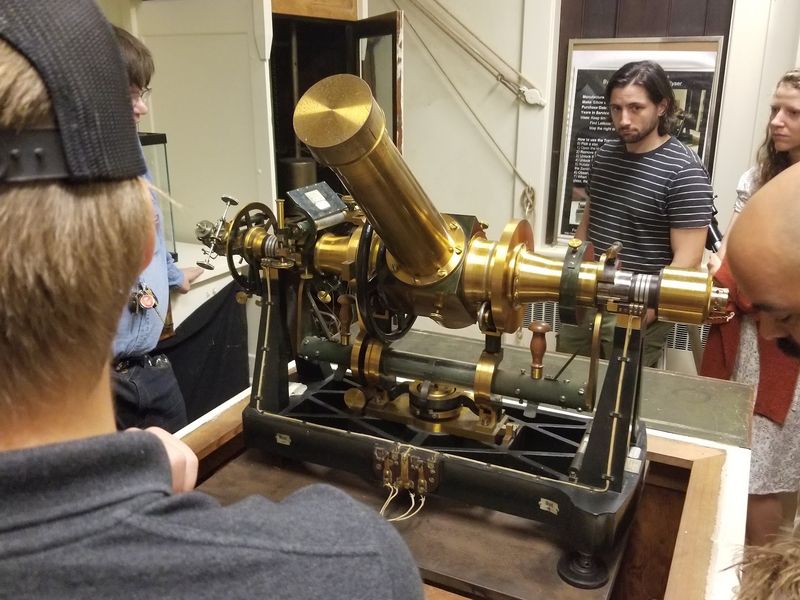
Ask anything, and someone here will probably light up. Volunteers from the local astronomical society and astronomy students help run the visits.
That mix is wonderful. You get seasoned hobbyists with years of sky-watching alongside students who live and breathe this stuff daily.
The people giving tours come across as knowledgeable and friendly. One family mentioned that their boys loved the whole experience thanks to them.
Another visitor said it was awesome to talk with volunteers who care deeply about the observatory. That passion is contagious in the best way.
Kids sometimes ask the questions grown-ups are too shy to ask. Why are stars different colors?
How far away is that one? Expect patient, happy answers.
I believe this is the secret ingredient of the Theodor Jacobsen Observatory. A historic telescope is cool, but enthusiastic humans are what make the night memorable.
They turn a dusty old dome into a place where Washington kids might just discover their future career.
Creaky Floors, A Fun Balcony, And Plenty Of Old-School Charm
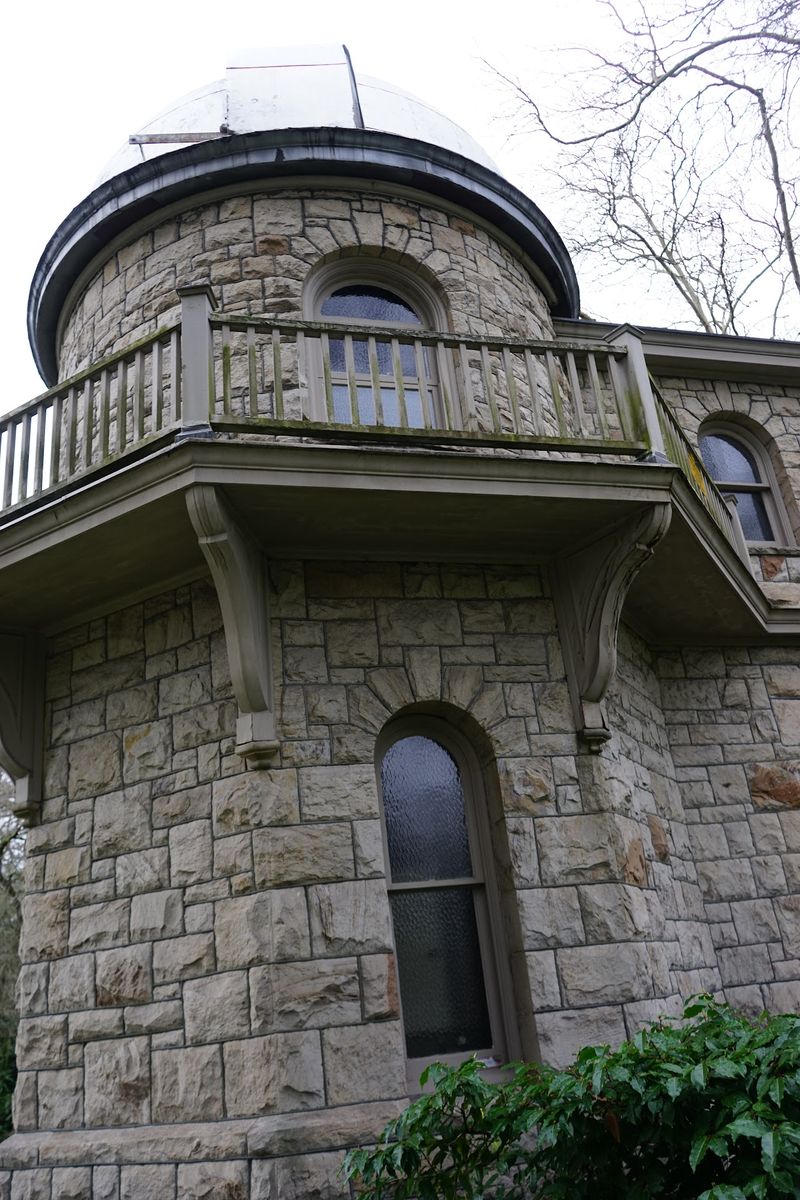
Old buildings have personality, and this one has loads. Visitors describe it as old-fashioned and a little bit cold, so it’s no sleek glass museum.
One person even joked that it feels haunted. Another said the floors give the impression you could fall through, which is very much an old-building vibe.
Take that with a grin rather than worry. The interior is described as well maintained, so it’s character, not neglect.
There’s also a balcony that one visitor simply called fun. Short and sweet, but enough to make me curious.
A layer or two is a smart move for evening visits. Seattle nights can turn chilly, and a historic stone building isn’t exactly toasty.
Honestly, the slightly spooky, slightly drafty feel adds to the adventure. Kids raised on storybooks will love the idea of exploring an old observatory after dark.
It’s the kind of place where a night out feels like the opening chapter of a mystery novel.
Space-Crazy Kids Will Think They Won The Lottery
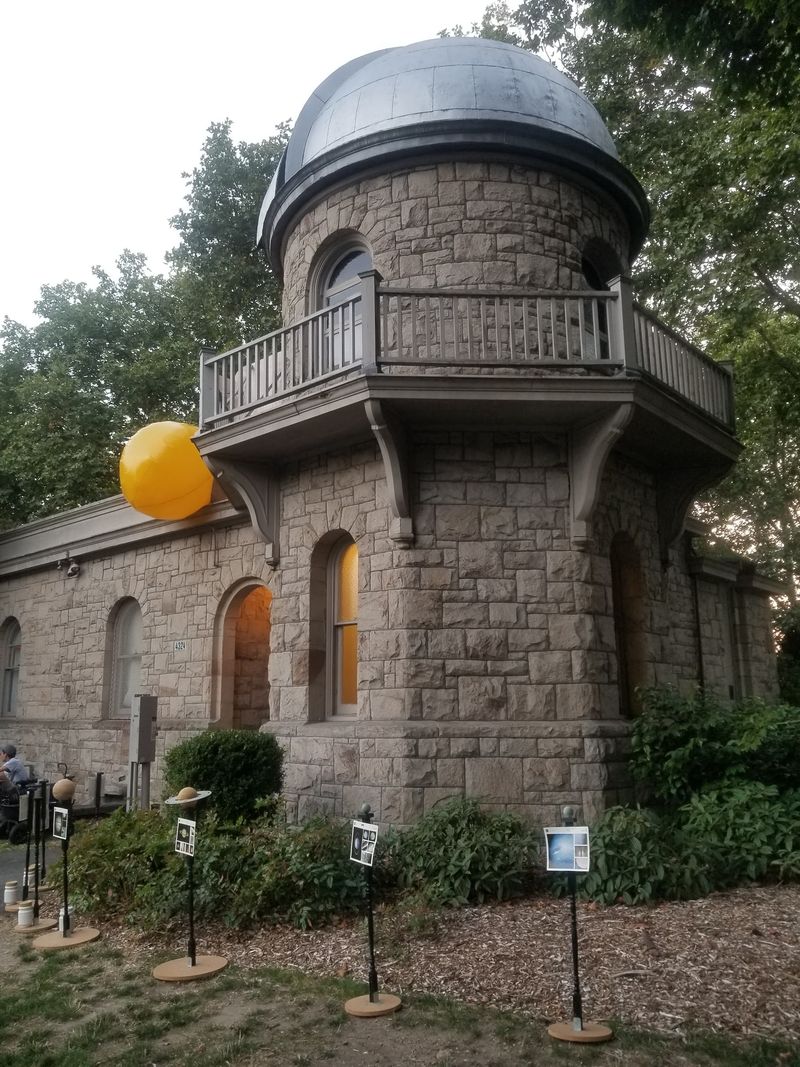
Got a kid who sleeps under glow-in-the-dark stars? This outing was practically made for them.
The experience is often described as kid-friendly, especially for children who already love space. The classroom talk covers so many space topics that curious minds stay busy.
Little ones get a mix of listening, looking, and exploring. That variety helps keep wiggles in check over the course of the visit.
It’s not only for children, though. Adults who enjoy science, history, or simply looking up will find plenty to soak in.
One visitor shared a lovely reflection about feeling small yet connected to the stars. That’s a big idea for a little building to spark.
Grandparents might enjoy it just as much as the grandkids. It’s calm, educational, and free, which makes it an easy pick for multigenerational outings around Washington.
Toss in a car ride full of planet questions on the way home, and you’ve got a genuinely memory-rich evening.
Why Summer Nights Shine Brightest Here
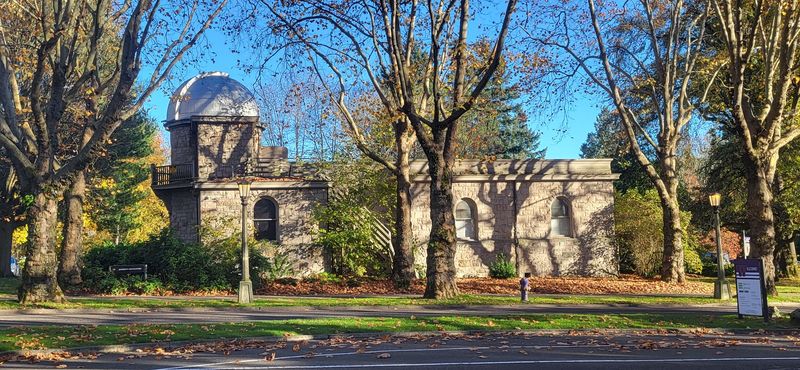
Timing matters when your main attraction is the sky. Summer is often called an especially delightful time to visit for the astronomy outreach talks and stargazing.
That makes sense in the Pacific Northwest. Seattle’s famous gray clouds tend to ease up during the warmer months, giving telescopes a better shot.
The observatory hosts public outreach events, and summer is when that schedule seems to feel most lively. Planning around it could boost your odds of a clear view.
Of course, weather never signs a contract. Even on cloudier nights, the classroom talk and the historic dome still make the trip worthwhile.
A summer evening here pairs nicely with a stroll around the University of Washington campus. The grounds are lovely when the long daylight lingers.
I can’t imagine a better excuse to stay up a little past bedtime. Long summer evenings, a century-old telescope, and a sky full of possibilities feel like a classic Washington family tradition waiting to happen.
How To Snag A Free Spot Without The Guesswork
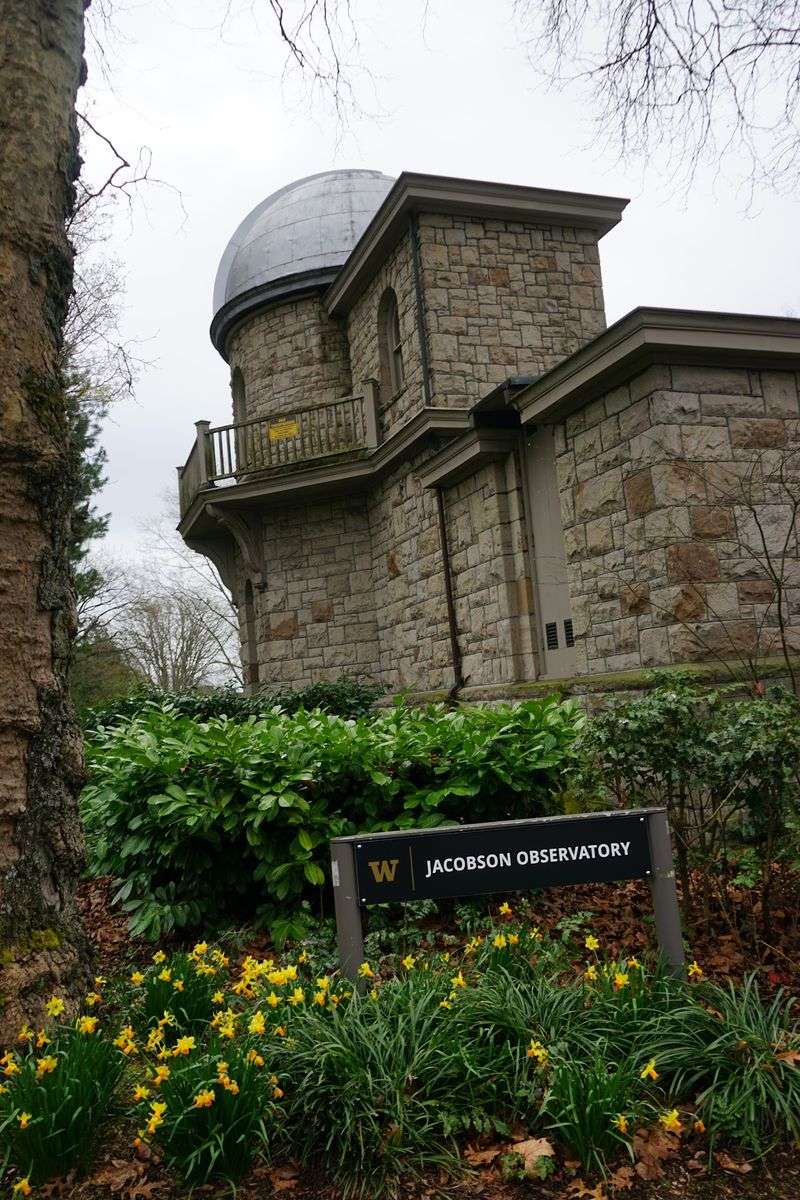
Free is a beautiful word. Signing up for a visit has been free, though planning ahead is key.
Visitors have suggested booking about a week in advance. Spots are tied to scheduled sessions, so spontaneous drop-ins may not work out.
The full experience has been described as roughly two hours long. That includes the hour-long classroom talk and time with the telescopes.
Schedules can shift with the seasons and the university calendar. Checking the observatory’s current outreach listings before you go is a smart habit.
You’ll find the Theodor Jacobsen Observatory at 4324 Memorial Way Northeast, Seattle, WA 98105. It sits on the University of Washington campus, so give yourself extra time to find your way.
Campus navigation can feel like a maze for first-timers. Arriving early leaves room for wrong turns and still lets the kids try those smaller telescopes.
Pack layers, bring patience for parking, and let the sky handle the rest.
A Small Dome With A Very Big Payoff
Not every great family memory needs a hefty price tag. Sometimes it just needs an old telescope and someone excited to explain it.
The Theodor Jacobsen Observatory delivers exactly that. History, science, and friendly faces come together in one charming little building.
Its 4.6-star reputation feels earned. Families describe a fantastic experience, and space lovers seem to leave grinning.
Sure, it’s old, a bit chilly, and maybe a touch spooky after dark. Those quirks only add to its storybook feel.
I like how it proves Washington still has wonders hiding in plain sight. Thousands of people pass the building every day without realizing what’s inside that dome.
So grab the kids, book that free spot, and bring a jacket. Then climb up, peek through a telescope older than your great-grandparents, and let the sky do its thing.
You might head home with a new favorite tradition and a car full of very sleepy, very happy astronomers.