
Visiting The Grand Canyon’s South Rim In Winter Without Packing Traction Cleats Is A Slippery Mistake
Park rangers in Arizona keep giving the same winter advice for one famous rim: strap on traction devices before you hit the trails. One trail stretch near the edge can feel like an iced-over playground slide.
That’s not a ride anyone signs up for.
Winter highs up here hover in the low 40s. Nights often slide into the teens, and shady spots can hold ice for days after the sun returns.
I like how the season trades summer crowds for quiet viewpoints and red rock dusted in white. I believe it’s one of the most striking looks this landscape ever wears.
The catch is simple and a little sneaky. A pair of slip-on cleats costs far less than a bruised ego, so why risk the slide?
A Year-Round Village Perched On The Edge Of Something Enormous
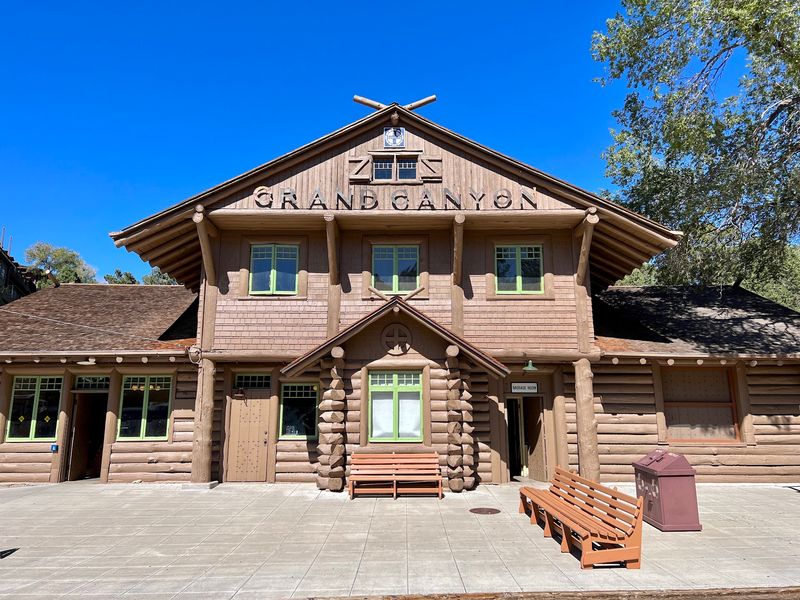
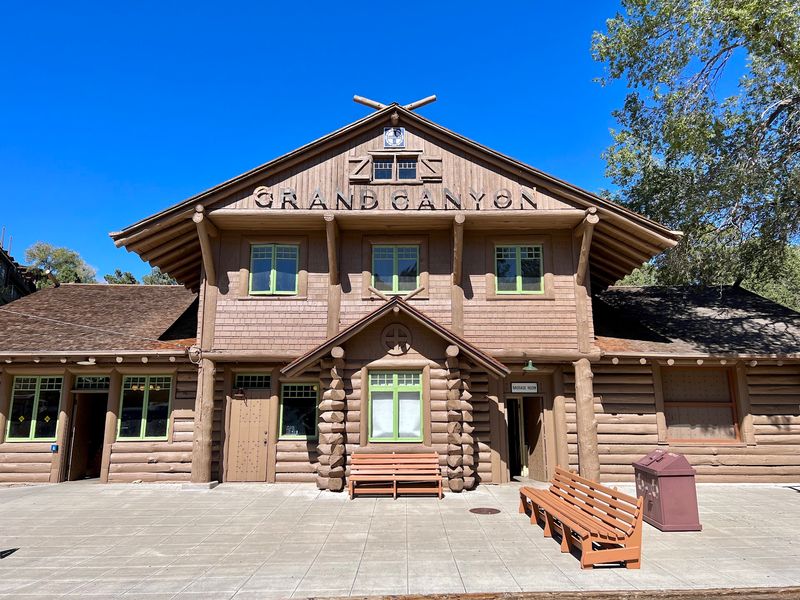
Grand Canyon Village sits right on the South Rim of Grand Canyon National Park in northern Arizona. It’s the main hub for lodging, food, shops, and tours on this side of the canyon.
The village traces its roots to the early 20th century. Its historic buildings still sit close enough to the rim that the view basically comes free with breakfast.
Here’s the winter twist that surprises plenty of travelers. The North Rim typically closes to vehicles from December 1 through May 14, while the South Rim stays open every single day.
The South Entrance sits about six miles north of Tusayan, Arizona. Both it and the East Entrance remain accessible around the clock, so a winter road trip is entirely possible.
That open-door policy makes the village a natural base for cold-season visits. You get warm rooms, hot meals, and shuttle stops just steps from the rim.
Still, being open doesn’t mean being dry underfoot. The elevation here sits around 7,000 feet, which changes everything about how winter behaves.
Snow, ice, and mud are all part of the deal from late fall into early spring. Packing smart before leaving home is what turns a chilly trip into a great one.
High Desert Weather That Plays By Its Own Rules
Arizona sunshine fools a lot of people into packing shorts. Up on the South Rim, average winter highs land somewhere between 41 and 45 degrees Fahrenheit.
Nights are a different story entirely. Temperatures often drop into the teens and can dip below zero after a fresh snowfall.
Snow commonly falls from November through March. January and February usually stack up the most accumulation, so those months deserve extra respect.
A sunny afternoon doesn’t erase the risk, either. Shaded corners can hang onto ice for days, even when the rest of the path looks perfectly harmless.
Layers are your best friend in this climate. A warm base, an insulating middle, and a waterproof shell let you adjust as clouds roll in or the wind picks up.
Waterproof footwear matters just as much as the jacket. Wet socks at 7,000 feet turn a pleasant stroll into a hurried retreat toward the nearest lodge fireplace.
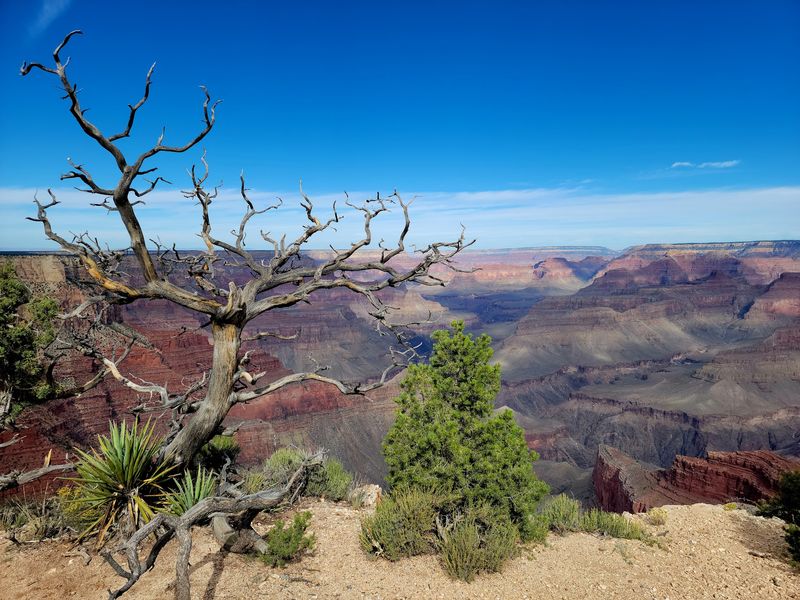
The reward for all that planning is spectacular. Snow along the rim contrasts with the warmer, drier inner canyon below, creating a two-season scene that few visitors ever see in person.
Your Boots Need A Little Grip Upgrade
Small spikes, big difference. The National Park Service recommends slip-on shoe traction devices for snow-packed, icy, and muddy trail sections at the Grand Canyon in winter.
Plenty of options fit the bill. Microspikes, instep crampons, and other over-the-shoe traction devices all slide onto regular hiking boots without much fuss.
Skipping them is the slippery mistake in this article’s title. Even a short walk below the rim can turn awkward fast when the ground is glazed.
Cleats bite into packed snow and ice where rubber soles simply skate. That grip keeps your attention on the views instead of on every wobbly step.
Good news for forgetful packers. You can buy these slip-on devices right in Grand Canyon Village if you arrive without a pair.
Bringing your own is still the smarter move, though. You’ll be ready the moment you park, and you won’t have to hunt for your size.
Toss them in the car before you leave Phoenix, Flagstaff, or wherever home happens to be. They’re light, they pack small, and they might be the most useful gear in your bag.
Famous Trailheads Turn Into Frozen Slides
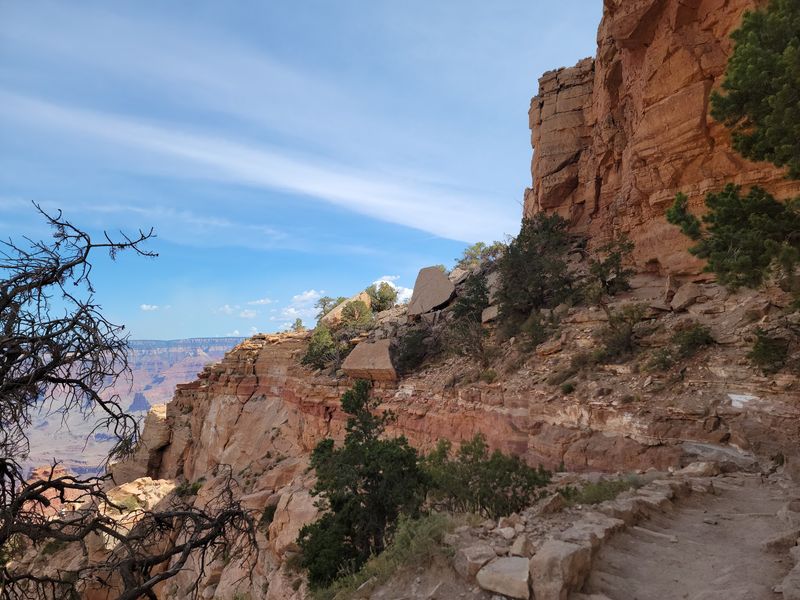
Bright Angel and South Kaibab are two of the best-known trails at the Grand Canyon. In winter, their upper sections are notorious for ice.
Some stretches near the rim get so slick they feel like an iced-over playground slide. That comparison sounds funny until you’re the one standing on it.
Steep switchbacks make the problem worse. Gravity is patient, and it loves an unprepared hiker on a downhill grade.
Trekking poles join cleats on the park’s recommended winter gear list. Poles add balance on uneven footing and give your knees a welcome break.
Shade plays a sneaky role here too. Sections tucked against canyon walls can stay frozen long after sunnier stretches have melted.
Muddy patches also show up as snow thaws during the day. A trail can shift from crunchy to slushy to slick within a single outing.
Always check current trail conditions before heading down. Closures can happen when snow or ice makes conditions unsafe.
Turning around early is never a failure. The canyon will still be there tomorrow, and the view from the rim is pretty spectacular on its own.
Even The Easy Rim Trail Deserves Respect
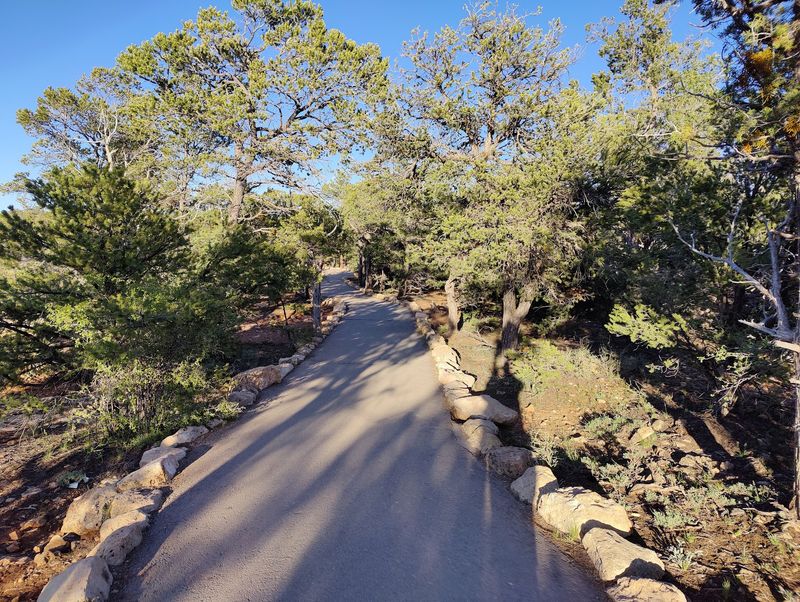
Flat and paved sounds foolproof, right? Even a short stroll along the Rim Trail can run into icy patches during a South Rim winter.
The Rim Trail is where many visitors spend most of their time. It connects viewpoints and village spots, so it sees plenty of foot traffic in every season.
That popularity is exactly why cleats make sense here too. Packed snow underfoot can polish into a slick surface surprisingly quickly.
Families with kids or older travelers may appreciate the extra grip most. A pair of traction devices can make a casual walk feel relaxed again.
Watch the shady spots near trees and buildings. They often hold ice even when nearby pavement looks clear and dry.
Winter light makes this trail especially rewarding. With fewer visitors around, the canyon views feel quieter and more personal.
Keep your camera handy and your footing steady. Snow on the rim against the canyon’s colored layers makes a scene worth slowing down for.
A good rule of thumb is simple. If you plan to walk anywhere outdoors in Grand Canyon Village during winter, plan to wear grip.
Winter Unlocks A Drive Most Visitors Never Get
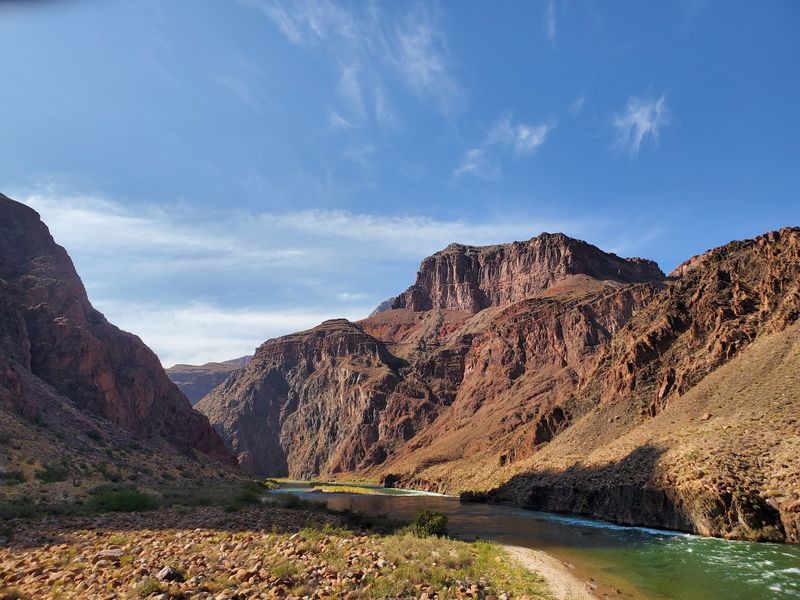
Most of the year, Hermit Road belongs to shuttle buses. In winter, you can usually drive your own vehicle along this scenic route of about seven and a half miles.
That’s a genuine perk of the cold season. You get to stop at nine designated viewpoints on your own schedule.
Hopi Point, Mohave Point, and Pima Point are among the stops. Each offers a different angle on the canyon’s sprawling layers.
Driving at your own pace means lingering wherever the light looks best. No waiting for the next bus while the sky shifts colors.
Road conditions still deserve attention. The park uses rock cinders for traction instead of salt, so surfaces can stay gritty and uneven.
Temporary closures can also happen during heavy snowfall. Checking road status before you set out saves time and frustration.
Cleats come in handy at every pullout, too. Overlooks can be icy even when the road itself looks well treated.
For Arizona road-trippers, this is a rare chance to see the western rim like a private tour. Just keep your speed gentle and your grip gear close.
Warm Beds And Campsites Waiting After A Cold Day
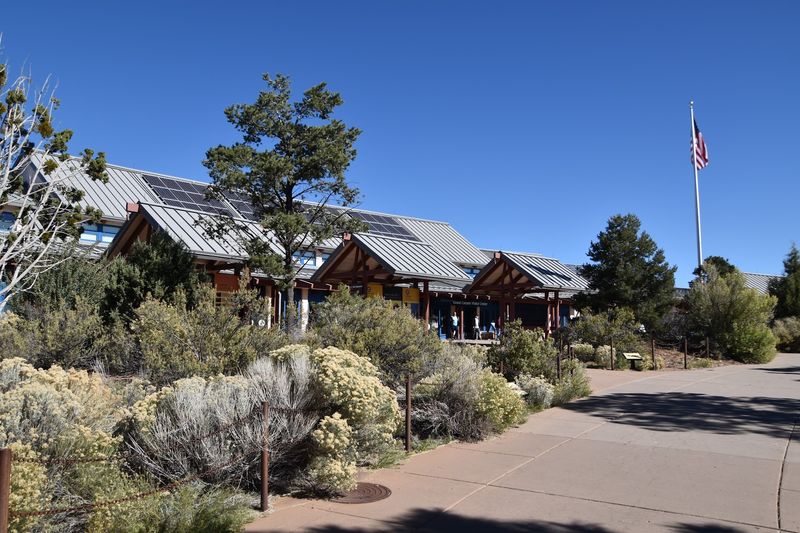
Nobody has to tough it out in a snowbank. Grand Canyon Village keeps several hotels open through winter, including El Tovar, Bright Angel Lodge, and Maswik Lodge.
Some dining options may run on reduced schedules during the slower season. Checking ahead helps you plan meals without surprises.
Campers have options too. Mather Campground stays open year-round, which is great news for travelers who love crisp mornings outdoors.
RV travelers can head to Trailer Village RV Park. It offers full hookups throughout winter, so cold nights feel a lot more manageable.
Water planning matters, though. Inner canyon water shutoffs and South Rim water restrictions have been in effect, so bringing your own supply is wise.
Staying right in the village has a clear advantage in this season. You’re close to the rim for sunrise without an icy morning drive.
It also means a short walk back to warmth after sunset viewing. That convenience feels priceless when the temperature drops into the teens.
Book early if your heart is set on a specific lodge. Arizona’s winter crowds are smaller, but the historic rooms still attract plenty of interest.
Skies That Get Seriously Dark And Wonderfully Starry
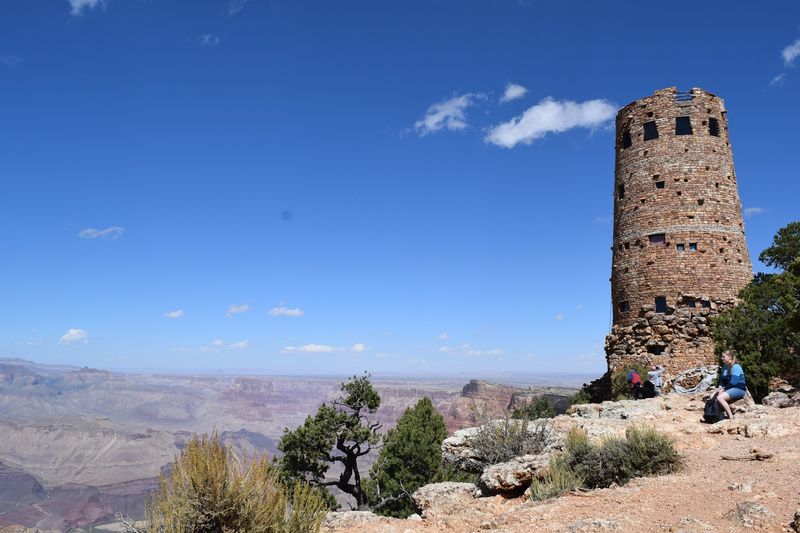
Long winter nights come with a glittering bonus. Grand Canyon National Park holds International Dark Sky Park status, and the crisp air makes stargazing phenomenal.
Cold, dry nights often bring clear skies. Stars seem to stack on top of each other above the dark outline of the canyon.
Bundle up before heading out, because temperatures fall fast after sunset. Warm hats and gloves let you stay outside long enough to really look.
And yes, cleats help here too. Walking to a viewpoint in the dark on frozen ground is no time to trust smooth soles.
A small red flashlight protects your night vision. It also keeps your path visible without washing out the sky.
Earlier sunsets mean stargazing starts at a family-friendly hour. Kids can catch the show and still be tucked into bed at a reasonable time.
For Arizona stargazers, this is a dream setup. Dark skies, quiet rims, and a cozy lodge close by make for an easy evening adventure.
Free entertainment rarely looks this impressive. All you need is warm layers, sturdy footing, and a little patience.
Sunrise At Mather Point Without The Elbow Battle
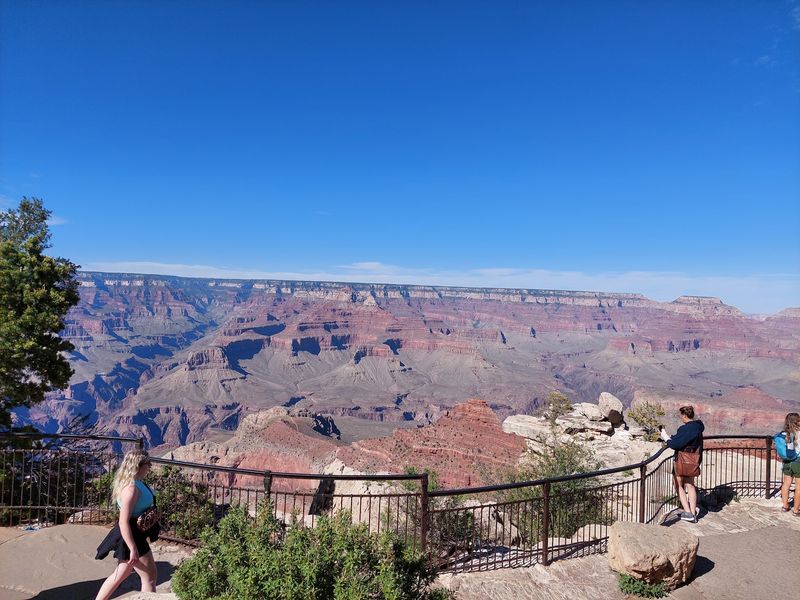
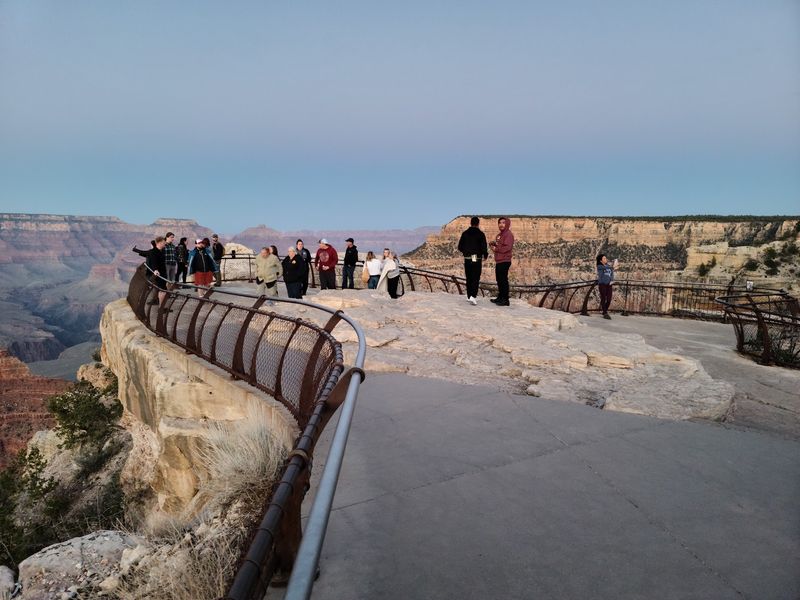
Fewer visitors change the whole mood at the rim. Winter’s quieter crowds make sunrise and sunset at spots like Mather Point feel almost private.
The canyon glows in shades of orange, pink, and purple as the light shifts. Snow on the rim adds bright contrast to those warm colors.
Getting there is easier than you might expect. Free shuttle buses keep running on the South Rim, connecting viewpoints and visitor centers.
Shuttles are especially helpful on snowy mornings. Let someone else handle the driving while you sip something hot and stay warm.
Arrive a little early and plan your footing. Overlook paths can be icy in the predawn cold, so wear your traction devices.
Dress for standing still rather than hiking. Sunrise watching means minutes of waiting in frosty air, and fingers notice fast.
Photographers will love the softer winter light. Long shadows stretch across the canyon layers and highlight every ridge.
Honestly, this might be the best reason to visit in the off-season. Quiet rims, glowing walls, and room to breathe make an early alarm worth it.
A Short Packing List That Saves The Whole Trip
Good news first. Getting winter right at Grand Canyon Village doesn’t require expensive gear or expert skills.
Start with warm, layered clothing and waterproof footwear. Add slip-on traction devices and trekking poles, and you’re already ahead of many visitors.
Bring your own water too, since restrictions and shutoffs have affected supplies. A few refillable bottles keep you covered.
Check trail and road conditions before every outing. Snow and ice can close routes, and Hermit Road may shut temporarily during storms.
Remember that the village address is simply Grand Canyon Village, Arizona 86023. Plug that into your map and enjoy the drive north.
The South Rim stays open every day, so spontaneous trips are possible. Still, a little planning makes cold-weather visits far more relaxing.
My verdict is easy. Winter here offers quiet viewpoints, starry skies, and snowy canyon scenes most people never witness.
Just don’t let one forgotten item steal the magic. Toss those cleats in your bag, and Arizona’s grandest view will greet you on steady feet.