This Maine Wildlife Refuge Has Miles Of Scenic Trails And Won’t Cost You A Penny To Visit
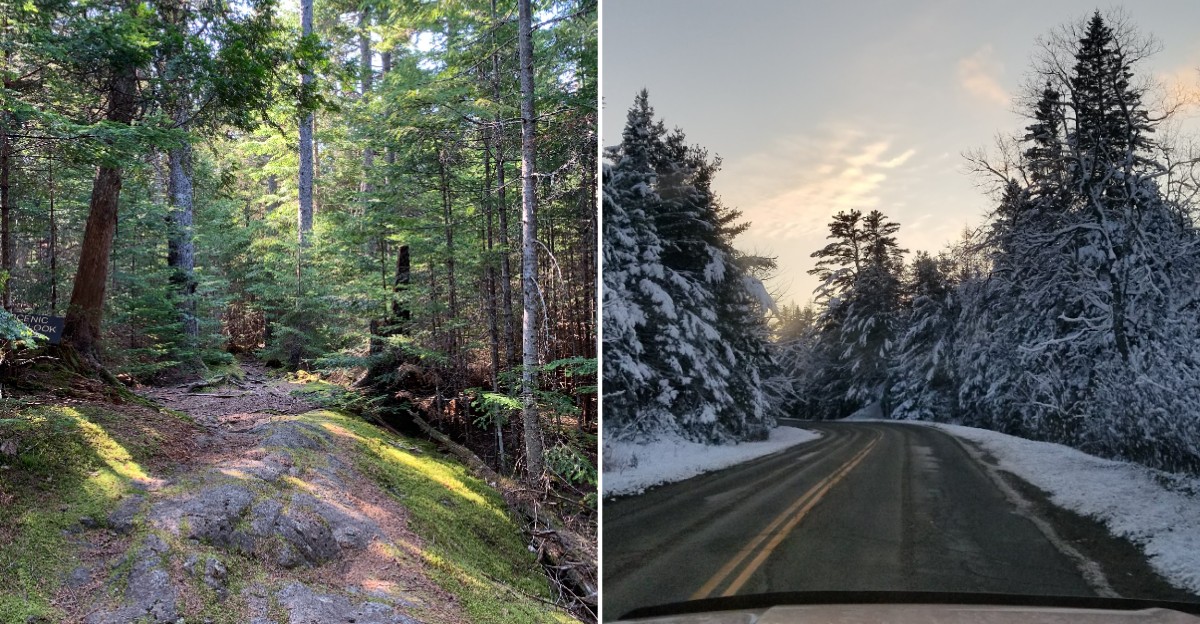
More than 50 miles of dirt roads and trails, and the entry fee is exactly zero. No permit, no ticket booth, no catch. That alone made me sit up.
The land was bought with money from the very first federal Duck Stamps in the 1930s. So this place has been protecting birds for close to a century. I love the thought of that kind of staying power.
The region around it has the highest density of nesting bald eagles in the northeastern U.S. Bobcats, black bears, and snowshoe hares share the woods too. You bring the snacks and bug spray, and nature handles the show.
This corner of Maine sits right up against the Canadian border. It feels about as far from a crowded mall as you can get.
Free Admission Means More Money For Trail Snacks
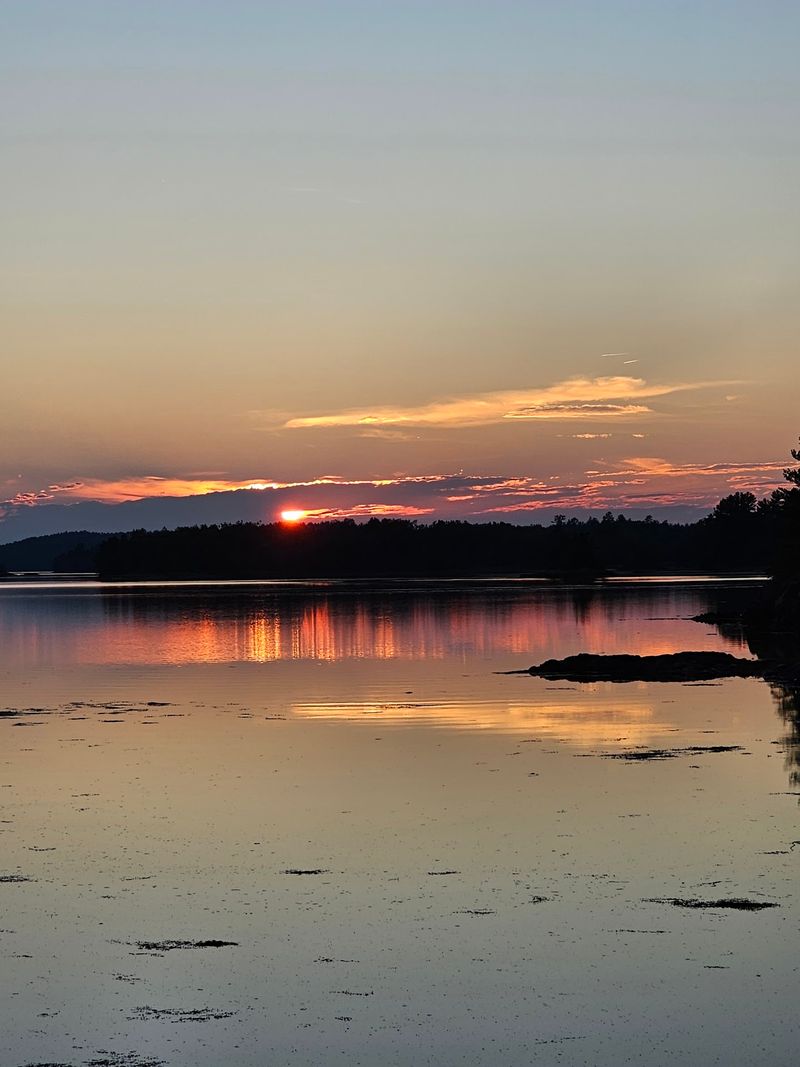
Moosehorn National Wildlife Refuge charges nothing for day visits. You don’t need a permit either, which feels almost too easy.
Gates open year-round, seven days a week. You can arrive half an hour before sunrise and stay until half an hour after sunset.
That schedule is a gift for early birds and late wanderers. Dawn and dusk are often when wildlife moves around most.
The refuge covers around 30,000 acres across two divisions. The Baring Division holds the headquarters and many of the easiest trails to reach.
Free doesn’t mean bare-bones, though. Small, tidy parking lots sit near major trailheads, so you won’t spend ages hunting for a spot.
Leashed pets are allowed on refuge roads. Some specific wildlife areas are off-limits to them, so check the signs before your pup charges ahead.
Some sections may also close seasonally to protect nesting waterfowl or young animals. It’s a small trade for a healthy refuge.
Honestly, I can understand why people care so much about places like this. Open land, open hours, and an open invitation to anyone curious enough to show up.
Fifty Miles Of Trails Give Your Boots Plenty To Do
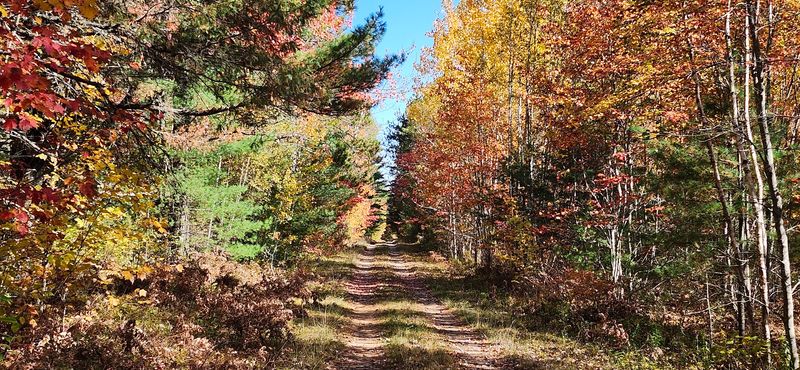
Fifty-plus miles of dirt roads and trails crisscross this refuge. That’s enough to keep your legs busy for many weekends.
Short and sweet comes first. The Charlotte Trail runs about 0.7 miles through fields and forest, a nice sampler for new hikers.
Want a little more? The Greg’s Pond Trail stretches about a mile, with grassy paths and elevated wooden walkways.
Then there’s the Raven Trail at roughly 1.4 miles. Expect hilly ground and forested scenery.
Other named routes include Barn Meadow, Bearce Lake, Cabin, Camp Two, and Conic Lake. Each name sounds like a chapter in a cozy adventure novel.
The trails here also connect to the larger Cobscook Trails network. So the walking options stretch well past the refuge boundaries.
Bikes are welcome on many roads and trails. Just know they aren’t allowed in the designated Wilderness areas.
Grab a map at headquarters before heading out. Some trails are easier to find than others, and a paper map never runs out of battery.
Comfortable shoes matter more than fancy gear here. Your feet will do the heavy lifting, and they’ll thank you for good socks.
Bald Eagles Are The Real Celebrities Around Here
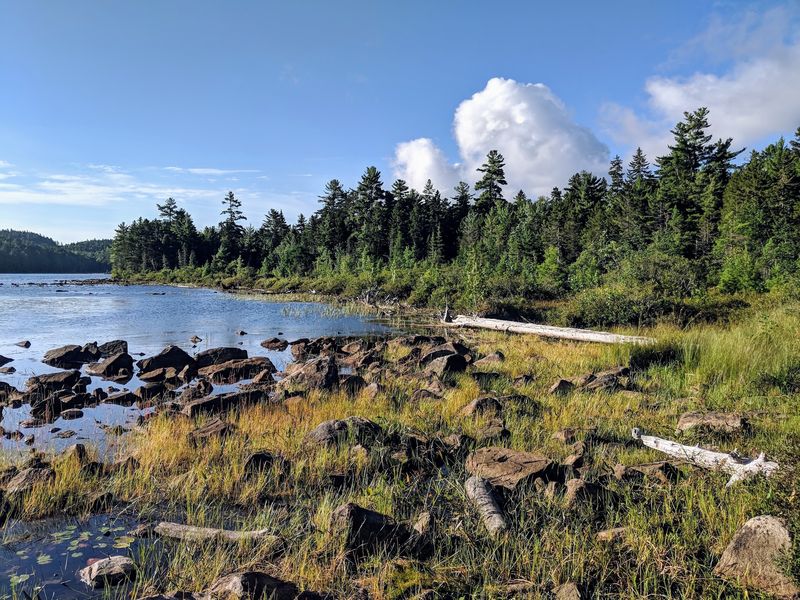
Forget red carpets. In this part of Maine, the biggest stars nest in giant piles of sticks.
The Cobscook Bay area has the highest density of nesting bald eagles in the northeastern United States. That’s a serious bragging right for any neighborhood.
Moosehorn National Wildlife Refuge makes eagle watching easy. An eagle viewing platform sits near Charlotte Road, and it’s considered one of the best in the state.
Bring binoculars if you own them. A long camera lens helps too, since the birds deserve respectful space.
Spring and early summer can be an exciting time to look for eaglets. Patience pays off here, so plan to linger instead of rushing.
Osprey also hunt in this area. They look similar from far away, but osprey have a white belly and a dark stripe across the eye.
Learning that difference makes the visit more fun. Suddenly every bird overhead becomes a little guessing game.
Kids especially enjoy spotting the nest first. It’s like a scavenger hunt where the prize is a bird with a wingspan wider than most people are tall.
The Woodcock Trail Offers A Short, Paved, And Accessible Loop
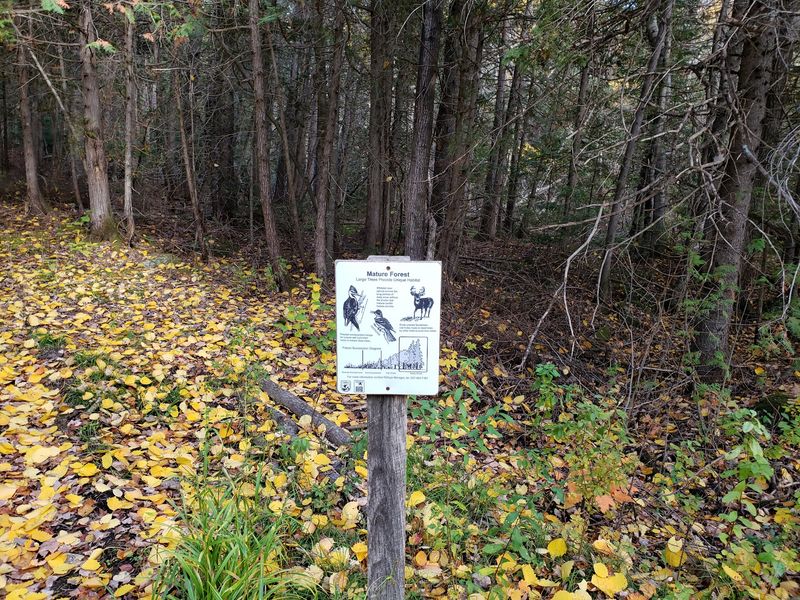
Some trails ask for stamina. The Woodcock Trail only asks for about 15 minutes of your time.
It’s a 0.3-mile paved, wheelchair-accessible loop. Families with strollers, wheelchair users, and young children can enjoy the trail.
Interpretive panels line the route. They explain the land and its creatures in a way that feels more like a story than a lecture.
The trail honors the American woodcock, a funny-looking bird with a long bill. It’s one of the key species the refuge works to protect.
Woodcocks are famous for their spring sky dances. Males spiral upward at dusk, then flutter back down while chirping, which is a pretty bold dating strategy.
The loop sits near headquarters, so it’s a natural first stop. You can warm up here before tackling longer routes.
Families with young readers will enjoy stopping at each sign. It turns a walk into a mini outdoor classroom without anyone noticing they’re learning.
For grandparents or anyone who prefers smooth ground, this path is a winner. Everyone gets a taste of the refuge, no hiking boots required.
Start At Headquarters And Grab A Map Before You Wander
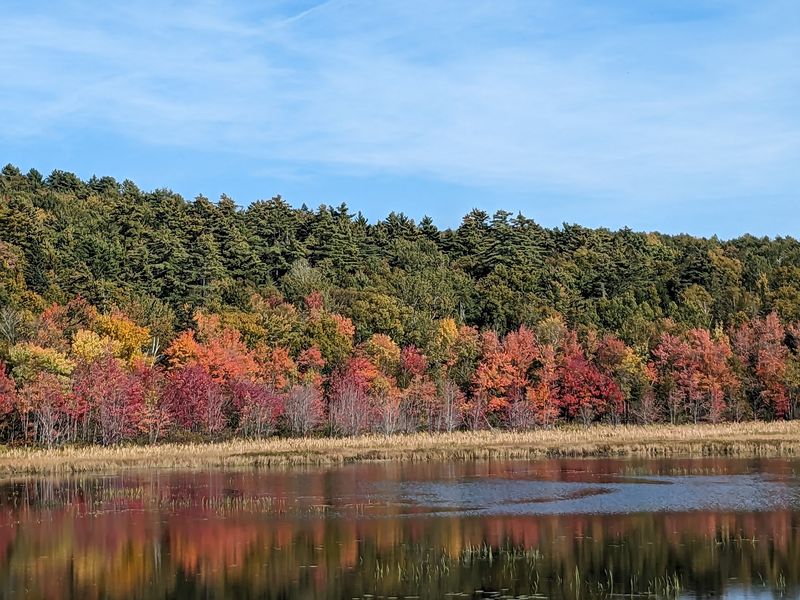
Every good adventure needs a starting line. For the Baring Division, that’s the refuge headquarters.
You’ll find it at 103 Headquarters Road, Baring, ME 04694. To get there, take Charlotte Road off Route 1 near Calais and follow the signs.
The headquarters is open Monday through Friday from 8 a.m. to 4 p.m. It’s closed on weekends and federal holidays, so plan accordingly.
Inside, the visitor center offers maps and information. There’s also a bookstore, which is handy if you want a field guide to identify that mystery bird.
Arriving on a weekend? The trails stay open even when the building doesn’t.
Printing a map ahead of time is a smart move.
Phone service can be unpredictable in rural Maine. A paper map won’t drop a signal halfway down a trail.
Hunters should stop here too. Hunting on the refuge requires a free refuge permit in addition to state permits.
Think of headquarters as your home base. Get your bearings, ask your questions, then head off into the woods with a plan.
Wilderness Areas Where Nature Gets To Run The Show
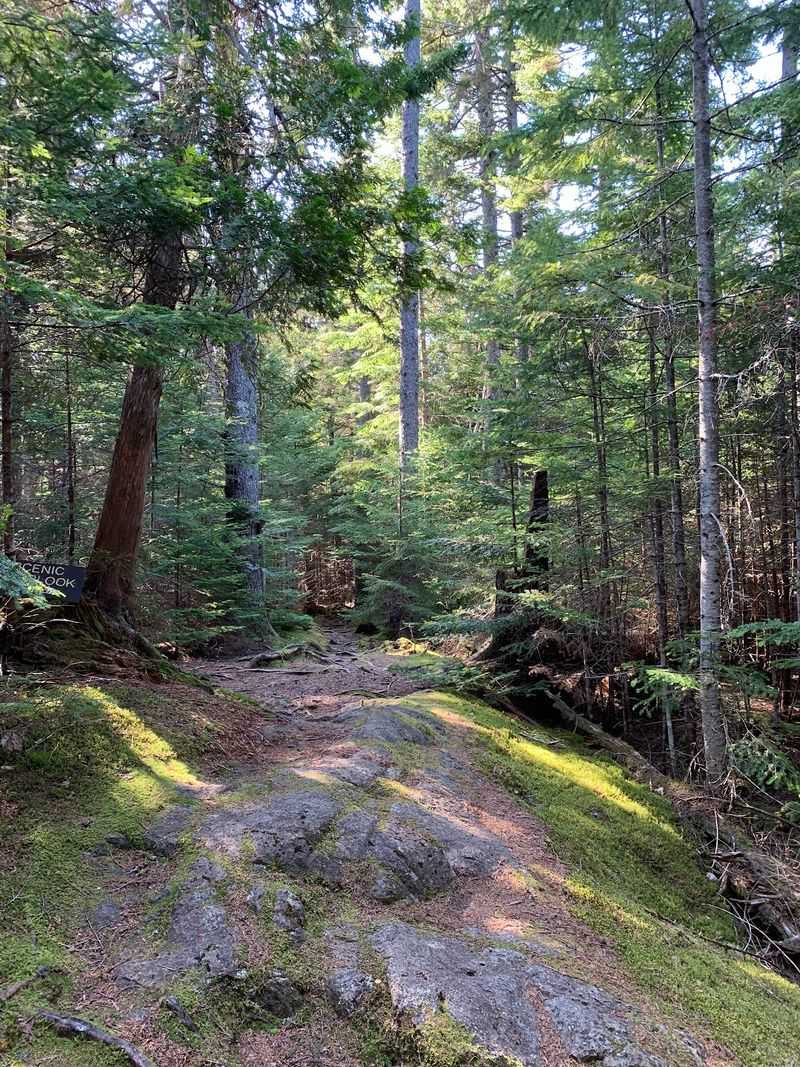
Hands off. That’s the official philosophy in the refuge’s two designated Wilderness areas.
The Moosehorn Wilderness was set aside in 1970. The Baring Unit Wilderness followed in 1975.
In these zones, people mostly step back. The goal is to let old-growth forest grow and change on its own schedule.
Travel here happens only on foot or horseback. No motors and no mechanical transport, which means bicycles stay outside the boundary.
That rule keeps things wonderfully quiet. You’ll hear wind in the branches instead of engines.
Some trails at Moosehorn National Wildlife Refuge lead right into this wild country. It’s a chance to see forest the way it looked long before highways.
Go prepared, since services are few. Carry water, snacks, a map, and layers for changing weather.
I love the thought of land being left alone on purpose. In a busy world, that kind of patience feels rare and pretty special.
Watch your step and enjoy the slow pace. Fallen logs and moss tell their own stories if you look closely.
Deer, Hares, And Maybe A Shy Bear In The Brush
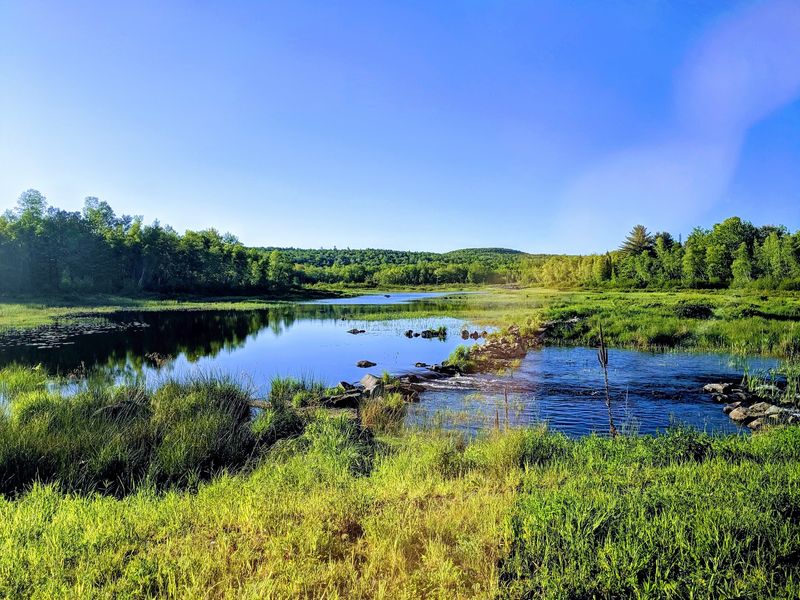
Birds get top billing, but the supporting cast is huge. White-tailed deer, snowshoe hares, foxes, and bobcats all call this land home.
Black bears live here too. Sightings tend to be quick, so consider yourself lucky if one crosses your path at a distance.
Amphibians add their own chorus near the water. Frogs and salamanders thrive in damp spots across the refuge.
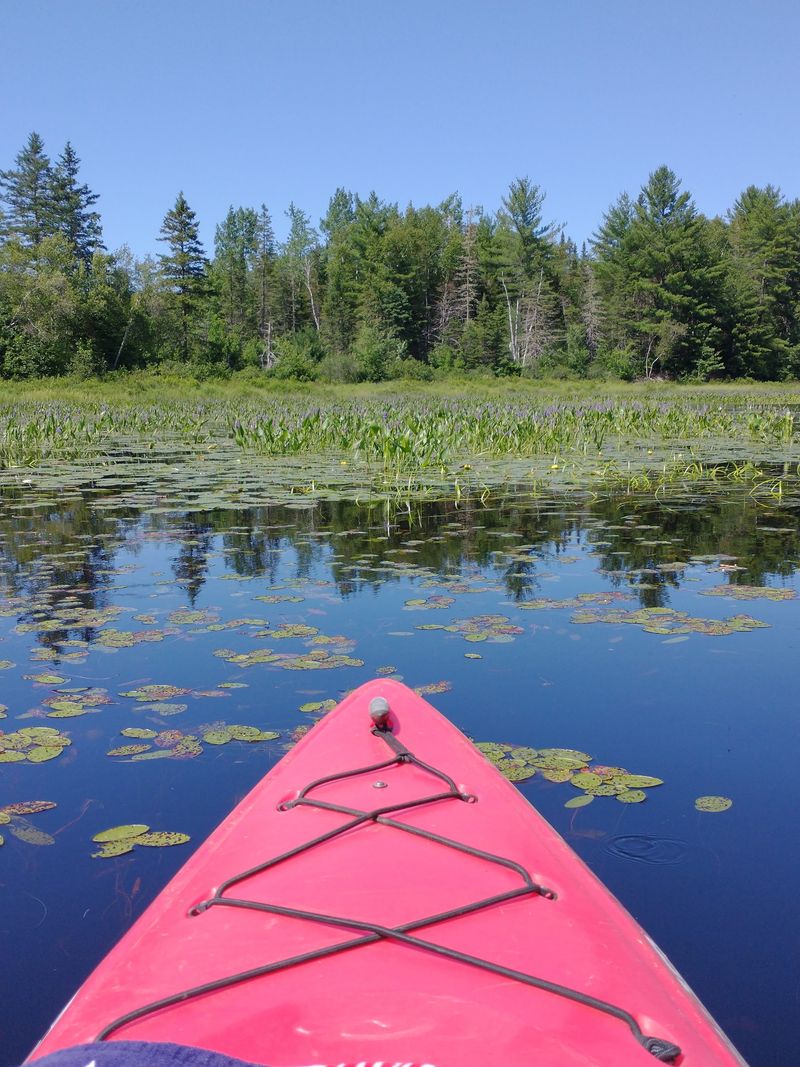
Why so much variety? The landscape mixes grasslands, wetlands, forests, lakes, bogs, and marshes.
There are also numerous water impoundments. These managed pools help waterfowl and plenty of other critters.
The refuge was built mainly to protect migratory birds. It’s an important stop along the Atlantic Flyway, a major route for birds traveling north and south.
For the best chances, move slowly and keep voices low. Animals notice noise long before you notice them.
Photographers should bring patience along with their gear. A quiet wait beside a pond can reward you more than miles of fast walking.
And remember, every animal here is wild. Admire from a respectful distance and let them go about their day.
Pack Bug Spray Like Your Comfort Depends On It
Black flies and mosquitoes take their jobs seriously here. Spring and summer bring plenty of both.
Insect repellent belongs at the top of your packing list. Long sleeves and light pants help a lot too.
Sunscreen is the next must. Open fields and wetlands offer less shade than you might expect.
Carry water and snacks for every outing. There’s nowhere to buy them once you’re out on the trails.
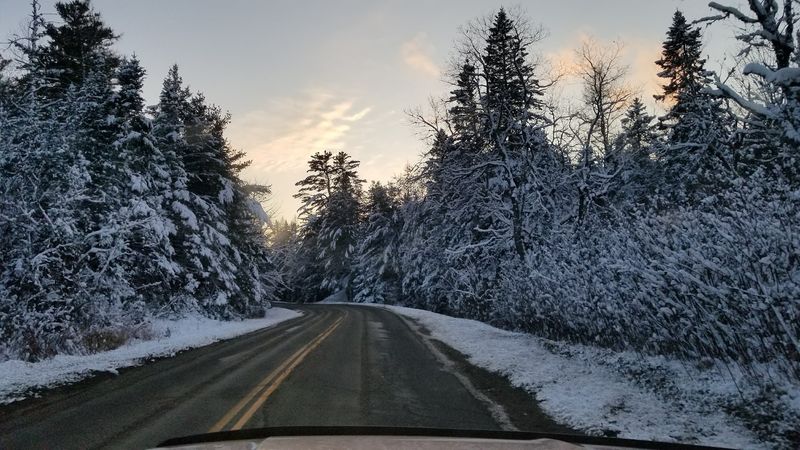
Winter is a different story entirely. Temperatures can drop below zero, so layers, a hat, and good gloves are essential.
The upside of winter? Cross-country skiing and snowshoeing turn the trails into a snowy playground.
A few rules keep the refuge healthy. Camping, campfires, littering, and fireworks aren’t allowed in most areas.
There’s one exception for camping in the Edmunds Division, through a partnership with Cobscook Bay State Park. So overnight plans are possible nearby.
Preparing well makes the difference between a grumpy hike and a great one. Pack smart, and the only thing bugging you will be leaving.
One Of America’s Oldest Refuges Still Earns Its Keep
Back in the 1930s, a little stamp started something big. Money from President Franklin D.
Roosevelt’s Duck Stamp program helped create this refuge.
That makes Moosehorn National Wildlife Refuge one of the oldest in the country. Generations of birds and people have benefited since.
Hunters buy Duck Stamps, and so do collectors and nature fans. The money still helps protect wetlands across the nation.
Today, the refuge offers far more than bird protection. Fishing, photography, hunting, trapping, hiking, and biking all have a place here.
Wildlife viewing platforms make it easier to scan ponds and marshes. They’re great spots for a quiet snack break too.
Fall might be the showiest season of all. Maples and birches turn the woods into a patchwork of gold and red.
The refuge sits in far eastern Maine near the Canadian border. It’s a long drive for many, but the free entry softens the trip.
That makes me smile every time. A place this old, this wild, and this welcoming, all for the price of a tank of gas.