
Canned Foods That Everyone Ate 50 Years Ago… But Don’t Today
Remember when canned food aisles looked completely different? Back in the 1960s and 70s, American pantries were stocked with canned delicacies that would raise eyebrows today.
These convenient, shelf-stable wonders defined family meals for generations, but have since disappeared from shopping lists and dinner tables across the country.
1. Franco-American Macaroni & Cheese
Opening that iconic red can revealed a spiral of soft noodles swimming in creamy, orange cheese sauce. Campbell’s discontinued this pantry staple in 2004, breaking the hearts of latchkey kids nationwide.
No microwave needed – just heat and eat! The texture was nothing like homemade, but that processed cheese flavor delivered nostalgic comfort that modern boxed versions can’t replicate.
2. B&M Brown Bread
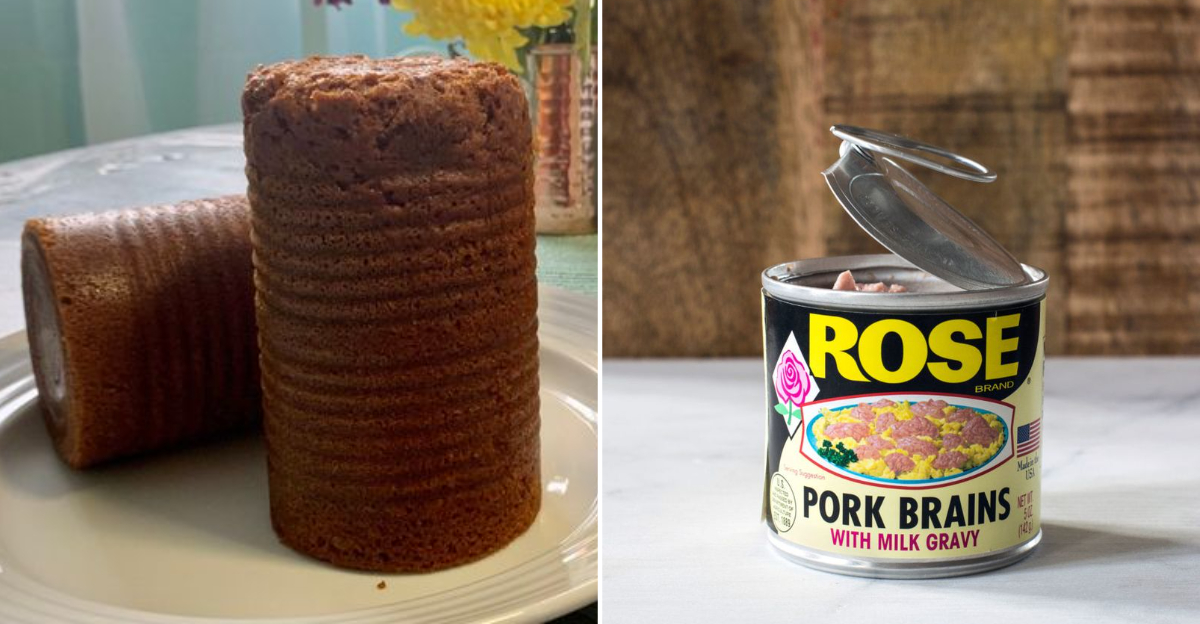
Bread from a can? Absolutely! This dense, molasses-sweetened rye bread came in a cylindrical can that required a can opener on both ends to push the loaf out intact. New Englanders particularly loved this sweet, moist bread served alongside Saturday night baked beans.
I remember my grandmother slicing it into perfect rounds, toasting it lightly, and slathering it with cream cheese – a weekend ritual now mostly forgotten except in certain parts of Maine.
3. Campbell’s Pepper Pot Soup
Dating back to Revolutionary War days, this Philadelphia-inspired soup contained tripe (cow stomach), vegetables, and a peppery broth that warmed generations of Americans.
Campbell’s produced this divisive soup for over 100 years before quietly discontinuing it around 2010. Its loyal fan base still petitions for its return, while younger generations remain blissfully unaware of its stomach-lining ingredients.
4. Canned Whole Chicken
Yes, an entire chicken – bones, skin and all – vacuum-sealed into a tall can with gelatinous broth. When opened, the pale, soggy bird would slide out with an unsettling ‘plop.’
Popular during the mid-century convenience food boom, these were marketed as time-savers for busy housewives.
The texture was questionable at best, the appearance nightmare-inducing, but the practicality undeniable for families without reliable refrigeration.
5. Dinty Moore Beef Stew (Original Formula)
The original recipe bore little resemblance to today’s version. Fatty meat chunks, mushy potatoes, and mysteriously firm carrots floated in a salty brown gravy that congealed when cold.
Despite its questionable appearance, this hearty meal sustained countless families during the post-war years.
My dad still talks about how his mother would stretch a single can to feed four hungry kids by adding extra potatoes and serving it with white bread for dipping.
6. Hunt’s Snack Pack Pudding (Metal Cans)
Before plastic cups took over, Hunt’s pudding came in metal cans requiring those finicky can openers with the triangular punch. Opening them was a skill – avoid the sharp edges while scooping out every bit of chocolate goodness!
The metal container gave the pudding a distinctive taste that fans swear the plastic versions lack. Children of the 60s and 70s recall the satisfying pop of breaking the vacuum seal, followed by that first spoonful of room-temperature chocolate, vanilla, or butterscotch delight.
7. Jellied Consommé
Beef broth so concentrated it solidified when chilled; this strange concoction was the foundation for countless aspic salads and molded dishes that dominated mid-century dinner parties.
Housewives would suspend vegetables, hard-boiled eggs, or seafood in these savory meat jellies. The quivering towers of gelatin represented the height of sophistication in 1950s entertaining, though today’s diners would likely recoil at the very concept of meat-flavored jello.
8. Swanson’s Chicken Spread
Before fancy charcuterie boards, there was canned meat spread on Ritz crackers. This finely ground chicken paste came in small cans, perfect for picnics and quick lunches.
The smooth, salty spread had a distinctive processed flavor that defined cocktail parties and bridge club gatherings.
Hostesses would pipe it through star-tipped bags onto crackers, garnishing with a single olive or pimento for that touch of mid-century elegance now relegated to vintage cookbooks.
9. Hormel’s Sandwich Spread
Pickle relish mixed with finely chopped ham and mayonnaise – all conveniently packed in a single can! This tangy, sweet concoction was the go-to sandwich filling for countless school lunches and picnics.
The distinctive flavor profile – simultaneously meaty, sweet, and vinegary – defined quick meals for an entire generation.
While technically still available in some regions, this once-ubiquitous spread has largely disappeared from modern pantries and lunch boxes.
10. Spam with Cheese
Regular Spam wasn’t processed enough? Enter Spam with Cheese – featuring visible yellow cheese chunks embedded throughout the mystery meat loaf.
Debuting in 1971 and popping up intermittently ever since, it still appears in some markets and online, though availability has varied by region over the years. The cheese didn’t melt when fried, creating odd, rubbery pockets in an already questionable protein source.
Despite this textural challenge, it developed a cult following that still searches for remaining cans online.
11. Mary Kitchen Roast Beef Hash
Nothing said “hearty breakfast” in the 1960s like a can of processed beef bits mixed with diced potatoes. The original formula contained a higher meat-to-potato ratio than today’s version, with a distinctive savory flavor that defined diner-style meals.
Dads nationwide would fry this mixture until crispy, top it with runny eggs, and call it Sunday breakfast. I still remember my grandfather making this for me, creating little wells in the crispy hash for the egg yolks – a technique that elevated this humble canned food.
12. Underwood Deviled Ham
That iconic paper-wrapped can contained finely ground ham mixed with spices into a spreadable paste – a staple in mid-century appetizer spreads.
The distinctive devil logo hinted at its spicy kick, though “spicy” in 1950s terms meant a pinch of mustard and paprika. Grandmothers nationwide mixed it with cream cheese, spread it on celery sticks, and called it fancy hors d’oeuvres.
While still produced, its popularity has waned as modern palates seek fresher, less processed options.
13. Canned Pork Brains in Milk Gravy
Yes, this was real – and surprisingly popular in certain regions! These soft, gray organ meats suspended in creamy gravy were typically scrambled with eggs for a protein-packed Southern breakfast.
One can contained over 1,000% of your daily cholesterol intake, making it perhaps the least heart-healthy breakfast option ever created.
While technically still produced by a few companies, this once-common canned good has largely disappeared from mainstream grocery shelves, much to cardiologists’ relief.
14. Canned Cranberry Sauce with Nuts
Standard jellied cranberry sauce wasn’t fancy enough for holiday entertaining, so home cooks often stirred chopped nuts into canned jellied or whole-berry sauce themselves rather than buying it that way from manufacturers. The resulting textural contrast was… memorable.
Walnut pieces suspended in jiggly cranberry gel created a strange mouthfeel that fell out of favor by the 1980s.
During my childhood Thanksgivings, this odd concoction always appeared on my great-aunt’s holiday table, sliced into perfect rounds and arranged in a fan pattern – a tradition younger relatives quietly abandoned.