
9 Overpriced Grocery Items You Should Stop Buying Today
Grocery shopping these days feels like a mini financial crisis every time I hit the checkout.
Last week, I nearly choked when I saw my total – $187 for barely two bags!
After recovering from the shock, I started investigating which items were silently draining my wallet.
Turns out, many products we regularly toss in our carts come with a massive markup that’s completely unnecessary.
1. Bottled Water
Talk about pouring money down the drain! I calculated that my two-bottle-a-day habit was costing me nearly $800 annually. The marketing geniuses have somehow convinced us that water—yes, the stuff that falls from the sky—should cost more per gallon than gasoline. Bottled water companies are selling us something that’s practically free.
Municipal tap water costs about $0.005 per gallon, while bottled water averages $1.22 per gallon. That’s a 24,000% markup! And contrary to clever advertising, studies repeatedly show that bottled water isn’t healthier than properly filtered tap water. A $30 reusable water bottle and a $40 filter pitcher will pay for themselves within weeks. Your wallet and our plastic-choked oceans will thank you.
2. Name-Brand Spices
My spice cabinet was a shrine to marketing success until I discovered the truth. Those tiny jars with fancy labels sitting in your spice rack? Highway robbery in plain sight! I nearly fainted when I realized I’d paid $6.99 for a microscopic jar of name-brand oregano.
Store brands and bulk spices offer identical flavors at a fraction of the price. Last month, I found the exact same cinnamon for 70% less simply by avoiding the recognizable red-capped jar. Many grocery chains even sell spices in bulk bins where you can fill your own containers for pennies on the dollar. Ethnic grocery stores are another goldmine for affordable spices. My Indian market sells spices at about one-third the price of mainstream supermarkets, and the quality is often superior.
3. Pre-Cut Fruits And Vegetables
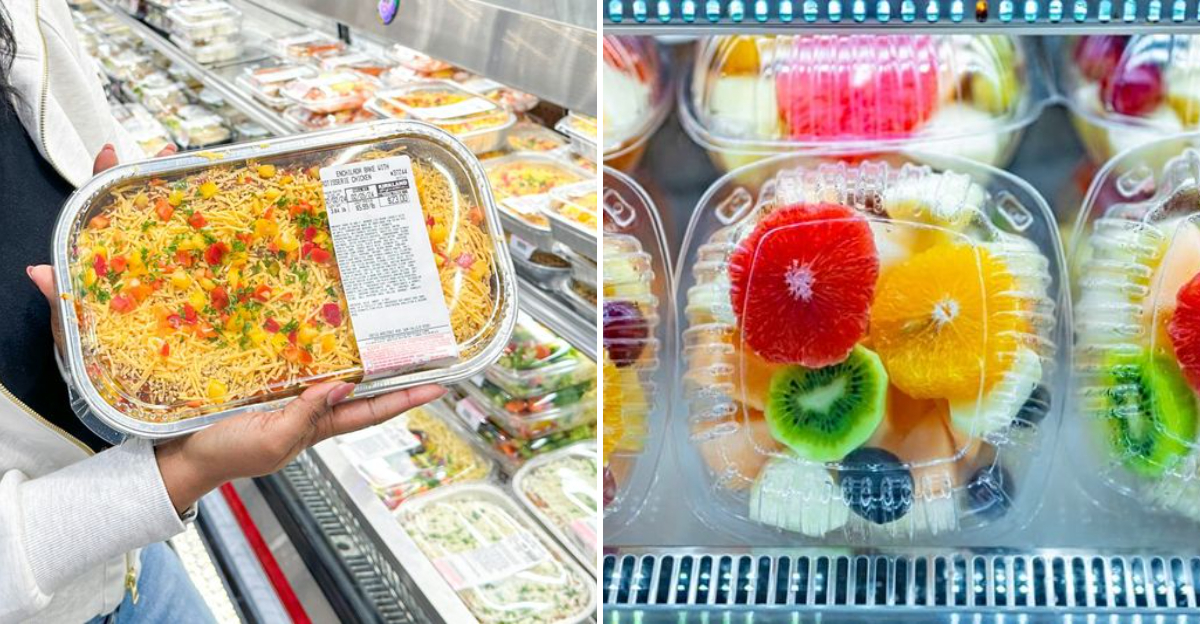
My laziness tax was costing me big time! Those convenient little containers of diced pineapple and sliced bell peppers might save you 10 minutes, but they’ll cost you nearly triple the price of whole produce. I used to grab them during my rushed lunch breaks, convincing myself the time saved justified the expense. The markup is ridiculous – sometimes up to 40% more for the same food, just chopped up.
Plus, pre-cut produce deteriorates faster, often turning slimy before you’ve eaten half the container. That’s literally throwing money in the trash. Invest in a good knife and cutting board instead. Spend 15 minutes on Sunday prepping your veggies for the week, and you’ll save hundreds of dollars annually while enjoying fresher food.
4. Single-Serve Coffee Pods
My morning brew was brewing a hole in my budget! Those convenient little pods that make your morning coffee ritual so effortless come with a shocking price tag when you do the math. I was horrified to discover my K-cup habit was costing me over $40 per pound of coffee—roughly five times what quality beans cost! The convenience factor is undeniable, but at what cost?
Beyond the financial impact, these pods create mountains of plastic waste. Most end up in landfills despite recyclability claims, as the mixed materials make proper recycling difficult. Switching to a simple pour-over, French press, or traditional drip machine with ground coffee will save you hundreds annually. For the truly convenience-obsessed, reusable pods are available that you can fill with your favorite grounds.
5. Organic Junk Food
“Organic” doesn’t automatically mean “healthy”—a lesson I learned after splurging on $7 organic cheese puffs! The health halo effect had me fooled. I’d toss organic cookies, chips, and frozen treats into my cart, feeling virtuous while my credit card silently wept. Organic certification on processed foods often justifies a price increase of 50-100% without providing proportional health benefits.
An organic chocolate chip cookie still contains sugar, fat, and refined flour—the organic sugar isn’t magically healthier than regular sugar. Save your organic dollars for items where it truly matters: foods you eat the skin of (berries, apples), leafy greens, and animal products. For occasional treats, either embrace the regular version at half the price or—better yet—make your own treats from scratch using quality ingredients.
6. Prepared Deli Meals
After a particularly exhausting Tuesday, I grabbed a pre-made chicken dinner from the deli counter—$18.99 for what amounted to one chicken breast, a scoop of mashed potatoes, and some sad-looking vegetables. The sticker shock nearly ruined my appetite! The markup on these prepared meals is astronomical, often 300-400% above the cost of ingredients.
That $19 chicken dinner contains about $4 worth of food. While the rotisserie chicken remains one of the few deli bargains, most other prepared foods are designed to capitalize on your exhaustion and hunger. Batch cooking is the solution that saved my budget. I now spend Sunday afternoons preparing components that can be mixed and matched throughout the week. My homemade meals taste better, contain less sodium, and cost a fraction of those overpriced deli containers.
7. Packaged Salad Kits
Convenience costs a pretty penny! Those ready-to-eat salad kits initially seemed like a healthy time-saver until I did some vegetable math. The $5.99 Caesar salad kit I regularly tossed in my cart contained approximately $1.50 worth of ingredients—that’s a 300% markup for someone to tear lettuce and put dressing in a tiny packet! Beyond the cost, these kits typically contain more dressing, croutons, and other high-calorie toppings than you’d likely use if assembling the salad yourself.
The nutrition profile often ends up closer to a burger than the healthy meal you intended. Creating a salad station in your fridge is surprisingly simple. Wash and chop lettuce and veggies once or twice weekly, store in containers with paper towels to absorb moisture, and mix as needed. Your wallet and waistline will both benefit.
8. Gluten-Free Packaged Snacks
Gluten-free became my budget’s worst enemy when I experimented with this diet trend. Unless you have celiac disease or diagnosed gluten sensitivity, you’re paying a premium for a solution to a problem you likely don’t have. My jaw dropped when I realized the gluten-free crackers in my pantry cost 82% more than their wheat-containing counterparts!
Manufacturers exploit health concerns by slapping “gluten-free” labels on naturally gluten-free products like rice cakes or potato chips, then jacking up prices. Even more outrageous is the markup on gluten-free versions of traditionally wheat-based products like pretzels and cookies—often 200% higher while tasting noticeably inferior. If you genuinely need gluten-free options, focus on naturally gluten-free whole foods like fruits, vegetables, rice, and potatoes instead of processed alternatives that empty your wallet.
9. Gourmet Frozen Meals
Fancy packaging fooled me into thinking I was getting restaurant-quality food! Those “premium” frozen meals with sophisticated black packaging and words like “artisanal” and “chef-inspired” represent the pinnacle of food markup madness. I once paid $8.99 for a frozen pasta dish containing approximately $1.20 worth of ingredients. Despite the gourmet claims, these meals typically contain the same preservatives, sodium levels, and quality issues as their more honestly marketed frozen counterparts.
The difference? Clever branding and about a 300% price increase. The portions are often smaller too, adding insult to financial injury. Batch cooking and freezing your own meals is remarkably simple. Spend an hour making a big pot of chili, curry, or pasta sauce, portion it into freezer containers, and you’ve got genuine homemade frozen meals at a quarter of the price.