
Iconic Dish The Major U.S. Cities Are Best Known For
Every major city in America has a signature dish that tells a story, one filled with culture, tradition, and flavor.
These iconic foods are more than just meals; they’re edible time capsules that reflect local history, immigrant influences, and the unique regional ingredients that have shaped each city’s culinary identity. From deep-dish pizza in Chicago to clam chowder in Boston, these dishes speak volumes about where they come from.
I’ve traveled from coast to coast tasting these mouthwatering specialties, and each one has offered something unforgettable. Join me on this flavorful journey through the cities that have earned their place on America’s food map!
1. New York City’s Perfect Bagel
I’ll never forget my first authentic New York bagel, that magical combination of chewy interior and slightly crisp exterior that simply can’t be replicated elsewhere. The secret lies in the city’s water and the traditional boil-then-bake method Polish Jewish immigrants brought in the late 19th century.
Locals line up at legendary spots like Ess-a-Bagel and Russ & Daughters for these doughy rings, typically adorned with cream cheese, lox, capers, and red onion. The everything bagel, coated with sesame, poppy, garlic, onion, and salt, remains my personal favorite.
Hand-rolled and kettle-boiled, these aren’t just breakfast items but cultural icons representing the city’s melting pot heritage.
2. Philadelphia’s Legendary Cheesesteak
Standing in line at Pat’s King of Steaks, I watched in awe as paper-thin ribeye sizzled on the flat-top grill. The birthplace of this iconic sandwich dates back to 1930 when hot dog vendor Pat Olivieri decided to throw some beef on his grill, creating culinary history.
Ordering requires its own vocabulary, ‘wit’ or ‘witout’ onions and cheese preference: American, provolone, or the controversial Cheez Whiz. The magic happens when all ingredients meld together on a fresh Amoroso roll, creating that perfect bite of tender meat, melty cheese, and soft bread.
Philadelphians debate endlessly about the best spot, but whether you’re Team Pat’s, Geno’s, or Jim’s, this sandwich defines the city’s unpretentious food culture.
3. Chicago’s Towering Deep-Dish Pizza
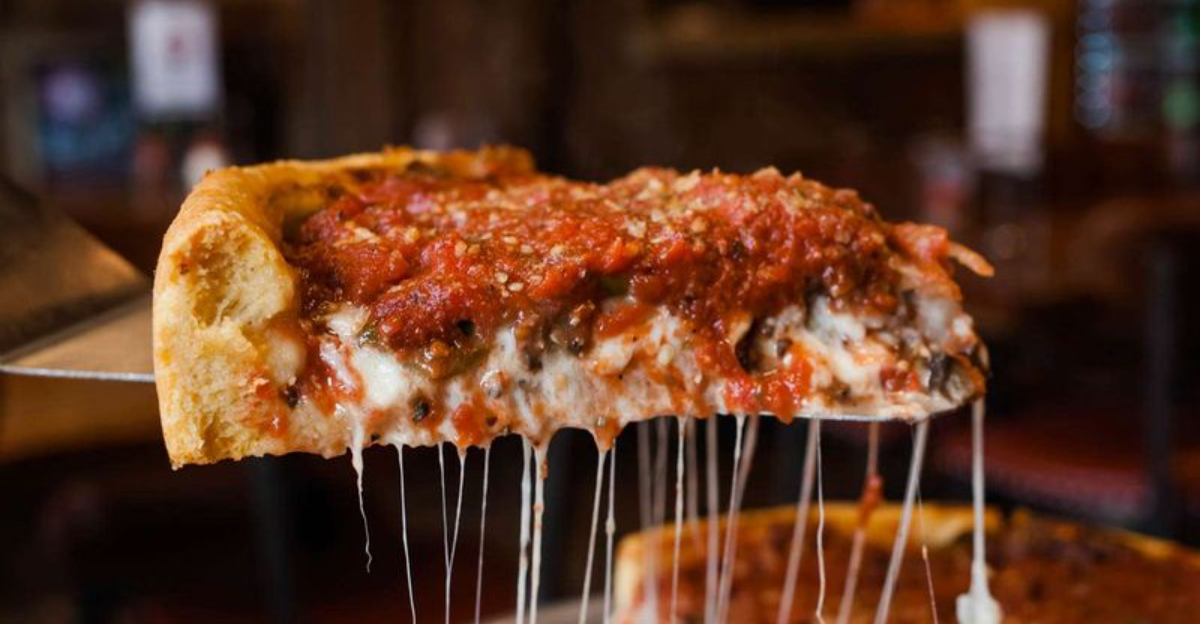
My first encounter with Chicago deep-dish left me speechless, this wasn’t pizza as I knew it but a magnificent savory pie that required a knife and fork! Created in 1943 at Pizzeria Uno, this architectural marvel features a buttery crust climbing up the sides of a deep pan, forming walls that contain layers of mozzarella, toppings, and chunky tomato sauce.
The unconventional upside-down construction (cheese first, sauce last) prevents burning during the long bake time. Each slice weighs nearly a pound and satisfies like a complete meal.
Chicagoans fiercely defend their pizza against New York’s thin-crust variety, and after experiencing that first bite, where buttery crust shatters beneath teeth giving way to molten cheese, I understand their passion.
4. New Orleans’ Satisfying Po’ Boy Sandwich
The first time I bit into a proper New Orleans po’ boy, I understood why locals consider them sacred. Born during the 1929 streetcar workers’ strike when restaurant owners Martin brothers served these substantial sandwiches to striking workers, the ‘poor boys’, these overstuffed creations have become edible symbols of the city.
French bread with a distinctive crisp crust and airy interior forms the essential foundation. Traditional fillings include fried oysters, shrimp, or roast beef ‘debris’ swimming in gravy, dressed with lettuce, tomato, pickles, and mayo.
At iconic spots like Domilise’s or Parkway Bakery, ordering one ‘dressed’ means getting the works. The bread soaks up the juices while maintaining structural integrity, a culinary engineering marvel reflecting New Orleans’ resilient spirit.
5. San Francisco’s Tangy Sourdough Bread
The foggy morning I spent watching bakers at Boudin Bakery shape their legendary sourdough loaves remains one of my favorite San Francisco memories. Their ‘mother dough’ contains cultures dating back to the Gold Rush era of 1849, making each loaf a taste of living history.
San Francisco’s unique microclimate, cool, foggy conditions, creates the perfect environment for lactobacillus bacteria and wild yeasts that give this bread its distinctive tangy flavor and chewy texture. The signature dark, crackling crust shatters beautifully when torn.
Locals serve it alongside cioppino fish stew or hollowed out as bread bowls for clam chowder at Fisherman’s Wharf. What began as miners’ sustenance has evolved into an edible emblem of the City by the Bay.
6. Boston’s Comforting Clam Chowder
Seeking shelter from a chilly Boston drizzle, I ducked into Union Oyster House, America’s oldest restaurant, and ordered their legendary clam chowder. That first spoonful of creamy, potato-studded warmth instantly explained why Bostonians have treasured this dish since the 1700s.
New England clam chowder stands apart with its thick, cream-based broth (never tomatoes, that’s Manhattan-style, a subject of regional rivalry). Tender clams, salt pork or bacon, potatoes, and onions create a harmony of flavors, traditionally served with oyster crackers for added texture.
Historically a fisherman’s stew made with readily available ingredients, this hearty concoction has evolved into Boston’s signature dish. The Legal Sea Foods version has even been served at presidential inaugurations!
7. Kansas City’s Smoky BBQ Ribs
The moment the plate of Kansas City ribs landed before me at Arthur Bryant’s, I knew I was experiencing barbecue royalty. The meat, practically falling off the bone, wore a beautiful smoke ring and that signature thick, sweet-spicy sauce that defines this city’s approach to smoked meats.
Kansas City barbecue emerged in the early 1900s when Henry Perry began smoking meats in an outdoor pit. His techniques spread, creating a style characterized by slow-smoking over hickory wood and finishing with molasses-based sauce that caramelizes beautifully.
Unlike other regional styles, KC embraces all meats, pork, beef, chicken, but their pork ribs reign supreme. The sauce, thicker and sweeter than other regions, contains tomato, molasses, brown sugar, and a secret blend of spices unique to each legendary establishment.
8. Seattle’s Fresh Salmon Dishes
Watching fishmongers toss massive salmon through the air at Pike Place Market before sampling the city’s signature fish was the perfect Seattle introduction. The Pacific Northwest’s pristine waters provide some of the world’s finest wild salmon, Chinook (King), Sockeye, and Coho varieties dominate local menus.
Seattle chefs honor this regional treasure through various preparations: cedar-plank grilled with a simple lemon-herb finish, smoked and served with local berries, or transformed into elegant salmon teriyaki reflecting the city’s Japanese influences. At iconic restaurants like Elliott’s Oyster House, the salmon practically melts on your tongue.
Native American tribes revered salmon as spiritual beings long before Seattle existed. Today, sustainable fishing practices ensure this culinary tradition continues while respecting indigenous heritage.
9. Cincinnati’s Unique Chili
My Cincinnati friend insisted we visit Skyline Chili for my initiation into what locals simply call ‘the chili.’ One bite of this peculiar concoction, spiced meat sauce over spaghetti topped with a mountain of finely shredded cheddar, and I understood why it inspires such devotion.
Created in 1922 by Greek immigrants Tom and John Kiradjieff, Cincinnati chili bears little resemblance to Texan varieties. The secret recipe includes unexpected spices like cinnamon, allspice, cloves, and even chocolate, reflecting Mediterranean influences.
Ordering follows a numerical system: two-way (spaghetti and chili), three-way (adds cheese), four-way (adds onions or beans), and five-way (the works). Locals consume it with oyster crackers and hot sauce, creating a dining experience that’s quintessentially Cincinnati.
10. Memphis’ Dry-Rubbed BBQ Ribs
Standing in line at Charlie Vergos’ Rendezvous, the intoxicating aroma of their legendary dry-rubbed ribs convinced me the wait was worthwhile. Unlike sauce-slathered varieties, Memphis-style ribs showcase the perfect marriage of smoke, meat, and spice, a barbecue approach that lets quality pork speak for itself.
The magic lies in the rub, a complex blend typically containing paprika, garlic, onion powder, black pepper, and secret ingredients unique to each pitmaster. These ribs undergo slow smoking over hickory coals before being served with sauce on the side, never poured over, honoring Memphis’ ‘dry rib’ tradition dating back to the 1940s.
Tender yet maintaining that perfect chew, these ribs offer a flavor explosion that’s simultaneously spicy, smoky, and slightly sweet. The pink smoke ring beneath the crust reveals barbecue mastery.