
16 Foods That Got So Expensive, People Aren’t Buying Them Anymore
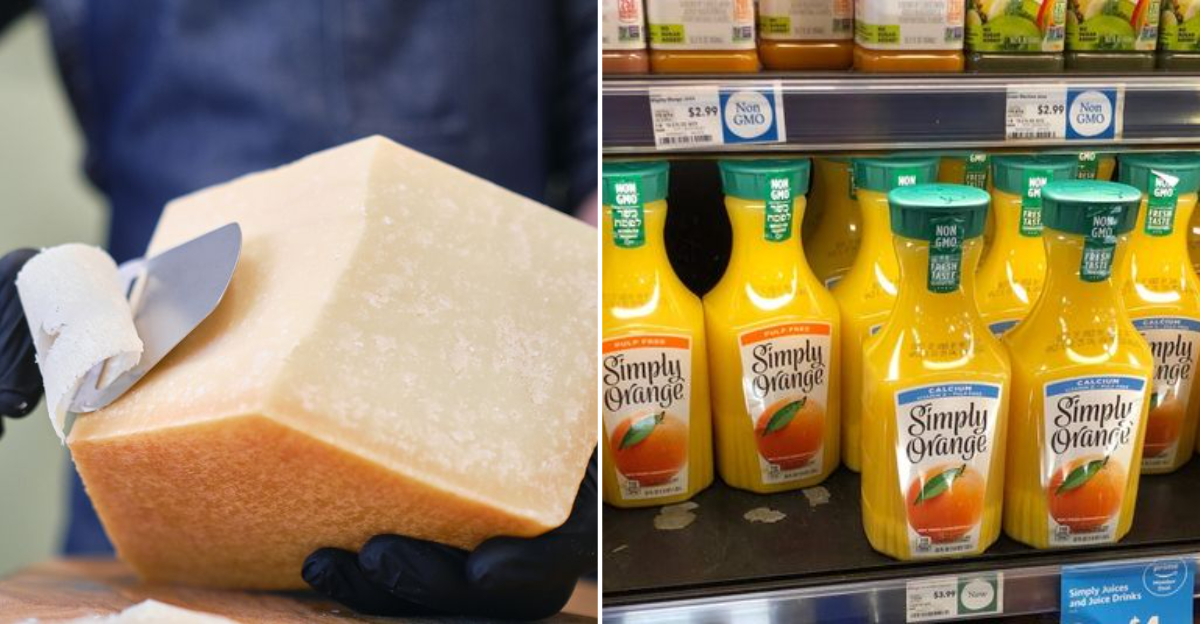
Remember when grocery shopping didn’t require a second mortgage?
Those days seem long gone now. I used to toss whatever caught my fancy into my cart without a second thought.
Now I find myself wincing at price tags and putting items back on the shelf.
Inflation has turned our supermarkets into museums where we can look but not touch, especially when it comes to certain foods that have seen dramatic price hikes.
1. Beef Sticker Shock
My jaw nearly hit the floor last week when I spotted ground beef at $8.99 per pound. What used to be the backbone of affordable family meals has morphed into a luxury item. The cattle industry has been hammered by drought conditions, increased feed costs, and labor shortages at processing plants.
Ranchers simply can’t produce beef as cheaply as before, and they’re passing those costs to consumers. Many shoppers are switching to ground turkey or plant-based alternatives.
Some budget-conscious families have started treating beef as a special occasion food rather than a weeknight staple. The days of casual hamburger Tuesdays might be behind us unless prices stabilize soon.
2. Eggs-Orbitant Prices
Scrambled, fried, or boiled – eggs used to be my go-to protein when money was tight. Not anymore! The humble egg has seen price increases that would make a chicken faint. Avian flu outbreaks decimated flocks across the country, creating a perfect storm when combined with increased feed and transportation costs.
What once cost a couple of bucks now demands premium dollars. I’ve watched shoppers photograph egg prices in disbelief before walking away empty-handed.
Many home bakers have started experimenting with egg substitutes like applesauce or ground flaxseed mixed with water. Others simply eat eggs less frequently, saving them for weekend breakfasts rather than everyday meals.
3. Butter Becomes A Luxury
Baking cookies with my grandmother used to be an affordable joy. Now the butter alone costs more than the entire batch did back then! Global dairy supply issues combined with increased production costs have sent butter prices soaring to record highs.
The yellow gold sits behind glass doors in the refrigerated section, commanding prices that make shoppers do double-takes. Many of my friends have switched to margarine or vegetable oil spreads despite preferring butter’s taste.
Some clever home cooks stretch their butter by making compound versions with olive oil. Others save the real stuff for toast and special recipes while using alternatives for everyday cooking. Who knew that slathering butter on a baked potato would someday feel like a splurge?
4. Cheese Costs Grate On Shoppers
“I’ll just get a small block,” I mutter to myself in the dairy aisle, eyeing cheese prices that seem to climb weekly. My love affair with cheese has become a costly relationship. The same forces affecting butter prices – dairy production challenges, labor shortages, and transportation costs – have sent cheese prices skyrocketing.
Shoppers now treat specialty cheeses like precious metals, reserving them for special occasions. Even everyday varieties like cheddar and mozzarella strain budgets.
Pizza night at home isn’t the bargain it once was. Many families have started using less cheese in recipes or mixing pricier varieties with more affordable options. Some have even learned to make simple cheeses at home – a skill that suddenly seems worth the effort!
5. Salmon Swimming Out Of Reach
Fish was supposed to be the healthy protein alternative, but have you seen salmon prices lately? I nearly needed smelling salts after checking the price per pound last month! Wild-caught varieties now cost as much as a nice restaurant meal.
Environmental challenges, including warming oceans and habitat destruction, have reduced wild salmon populations. Meanwhile, farmed salmon faces increased feed costs and disease management expenses.
Many consumers have switched to canned salmon or less expensive fish varieties like tilapia and catfish. Others have reduced their fish consumption altogether, treating salmon as a special occasion meal rather than a regular part of a healthy diet. Some budget-conscious shoppers have even turned to frozen salmon portions, which offer better value despite quality differences.
6. Avocado Toast Becomes Actual Luxury
Remember when boomers blamed millennials’ avocado toast habits for their financial woes? Well, now nobody can afford this creamy green fruit! Drought conditions in California and Mexico, combined with increased demand and transportation costs, have turned avocados into green gold.
I’ve watched people pick up avocados, check the price, and put them back with genuine sadness. The once-popular breakfast has genuinely become the luxury item critics always claimed it was.
Clever foodies have started experimenting with more affordable alternatives like edamame or pea spreads. Others buy avocados strategically, using timer apps to ensure perfect ripeness and prevent waste. Some restaurants have even started charging extra for guacamole that once came standard – a sign of the avocado apocalypse!
7. Olive Oil Prices Pour It On
My Italian grandmother would be appalled to see me rationing olive oil like it’s liquid platinum! Mediterranean climate changes have devastated olive harvests in recent years. Spain and Italy, the world’s largest producers, have faced drought, unusual frosts, and pest problems that decimated crops.
The result? Olive oil prices have nearly doubled in some markets. I’ve started keeping the good stuff for finishing dishes and salad dressings while using cheaper vegetable oils for cooking.
Many home cooks have followed suit, treating extra virgin olive oil as a precious finishing ingredient rather than an everyday cooking staple. Some have switched to alternative oils like avocado or grapeseed for high-heat cooking. Others have started buying lower grades of olive oil for cooking, reserving the expensive extra virgin bottles for applications where its flavor truly shines.
8. Coffee Prices Brew Trouble
My morning ritual has become significantly more expensive lately. Climate change has wreaked havoc on coffee-growing regions, with unpredictable weather patterns damaging crops worldwide. Brazil, the world’s largest producer, has faced severe drought followed by devastating frosts.
Supply chain disruptions and increased shipping costs have only worsened the situation. Many coffee lovers have started brewing at home rather than visiting cafés, only to discover that even grocery store beans have soared in price.
Budget-conscious consumers have switched to cheaper brands or started cutting their premium coffee with less expensive varieties. Some have even returned to instant coffee or tea alternatives. Others carefully measure their grounds rather than eyeballing them – a small sacrifice to make their precious beans last longer.
9. Nuts Command Crazy Prices
Holy cashews! I nearly choked when I saw what a simple bag of mixed nuts costs these days. Climate challenges have hit nut growers particularly hard. California’s drought devastated almond and walnut production, while unusual weather patterns affected pistachio and pecan crops.
Water-intensive nut trees struggle in drought conditions, reducing yields and driving up prices. Transportation and processing costs have added to the sticker shock. Many shoppers have abandoned premium nuts altogether.
Budget-conscious consumers now treat nuts as occasional garnishes rather than everyday snacks. Some have switched to sunflower or pumpkin seeds for their healthy fat fix. Others buy nuts in bulk when on sale and freeze portions to extend their shelf life – a strategy I’ve adopted after recovering from the shock of paying nearly $15 for a modest bag of cashews!
10. Bread Prices Rising Like Dough
I never thought I’d consider baking my own bread to save money, but here we are! The war in Ukraine severely disrupted global wheat supplies, as the region produces nearly a third of the world’s wheat exports. Add in rising energy costs for bakeries and increased packaging expenses, and you’ve got a recipe for sky-high bread prices.
Many shoppers have started treating artisanal loaves as special occasion purchases. Even basic sandwich bread costs significantly more than it did two years ago.
Budget-conscious families have turned to alternatives like tortillas or flatbreads that use less flour. Some have invested in bread machines to make their own loaves at home. Others stretch their bread by storing it in the freezer and using it slice by slice – a smart strategy to prevent waste when each slice costs more than ever before.
11. Milk Money Madness
Got milk? Not at these prices! The dairy industry has faced a perfect storm of challenges. Increased feed costs, labor shortages, and stricter environmental regulations have driven many small dairy farms out of business.
Meanwhile, transportation and processing costs continue to climb. The gallon of milk that used to be a staple on my weekly shopping list has become an item I think twice about. Many families have switched to alternative plant-based milks or started diluting dairy milk for recipes.
Some budget-conscious households now use milk primarily for cereal or cooking rather than drinking it by the glass. Others have turned to powdered milk for baking and cooking applications. The days of casually pouring milk seem to be behind us as consumers treat it more carefully – measuring precisely to avoid waste.
12. Chicken Prices Take Flight
The affordable protein champion has fallen from grace! Chicken was my go-to budget meat until recently. Now I find myself scrutinizing prices and waiting for sales. Poultry producers have struggled with increased feed costs, labor shortages, and higher transportation expenses.
Avian flu outbreaks have further complicated matters, reducing supply while demand remains high. Many shoppers have switched from boneless breasts to whole chickens or less desirable cuts to stretch their dollars.
Some budget-conscious cooks have started using chicken as a flavoring component rather than the main protein in meals. Others have embraced “meatless Monday” concepts to reduce overall consumption. The days of casually tossing chicken into the cart without checking the price first seem like a distant memory as consumers adapt to the new poultry economy.
13. Fruit Juice Squeezes Budgets
Orange juice was the sunshine in my childhood breakfast routine. Today, it feels more like liquid gold! Florida’s citrus industry has been devastated by citrus greening disease and hurricane damage, dramatically reducing orange harvests.
Other fruit juices haven’t fared much better, with climate challenges affecting everything from apple to grape production. Transportation costs and packaging expenses have further inflated prices. Many families now treat juice as an occasional treat rather than a daily beverage.
Budget-conscious households have started diluting juice with water or switching to powdered drink mixes. Others have invested in juicers to make fresh juice at home when fruit is on sale. Some have simply switched to water with a splash of lemon or lime – a far cry from the generous glasses of juice that once accompanied breakfast tables across America.
14. Canned Vegetables No Longer Budget Staples
Even the humble can of corn has fallen victim to inflation! Canned vegetables were once the ultimate budget food, but metal shortages and processing costs have changed that equation. The pandemic disrupted supply chains while increasing demand for shelf-stable foods.
Labor shortages at canneries and increased transportation costs further drove up prices. What used to be my pantry staples now require careful consideration before purchase.
Many shoppers have switched to frozen vegetables, which often provide better value and nutrition. Others have embraced seasonal eating, buying fresh produce when it’s abundant and affordable. Some budget-conscious cooks have started growing simple vegetables like green beans or tomatoes at home – a trend born of necessity rather than hobby gardening. The convenience of canned vegetables now comes with a premium price tag.
15. Breakfast Cereal Not So Grrrreat For Budgets
My childhood cereal aisle wonderland has become a showcase of sticker shock! Grain prices have surged due to global supply disruptions, particularly following the conflict in Ukraine. Manufacturing costs, including energy, packaging, and transportation, have also increased substantially.
Many cereal boxes have undergone “shrinkflation” – getting smaller while prices stay the same or increase. Families increasingly view name-brand cereals as luxury items rather than everyday breakfast options.
Budget-conscious households have switched to store brands or basic oatmeal. Some have started making granola at home or embracing egg-based breakfasts when those are more affordable. Others buy cereal only when on sale and store it carefully to prevent waste. The casual cereal munching of yesteryear has given way to more measured consumption as each bowl represents a more significant investment.
16. Pasta No Longer A Penny-Pincher’s Dream
Mama mia! My budget-friendly pasta nights have gotten considerably less friendly to my wallet. Durum wheat shortages, caused by drought in major producing regions like Canada and Europe, have sent pasta prices climbing higher than a pot of boiling water.
Manufacturing and transportation costs have added to the price surge. Even basic spaghetti costs nearly twice what it did a few years ago. Many shoppers have switched from premium brands to store basics or started buying in bulk when sales occur.
Budget-conscious cooks have begun treating pasta as a side dish rather than the main event, using smaller portions mixed with vegetables to create satisfying meals. Others have explored alternative grains like rice or potatoes when they’re more affordable. The days of carelessly dumping half a box of pasta into boiling water are behind us as consumers measure portions carefully to avoid waste.