
20 Foods That Are Better To Buy Frozen
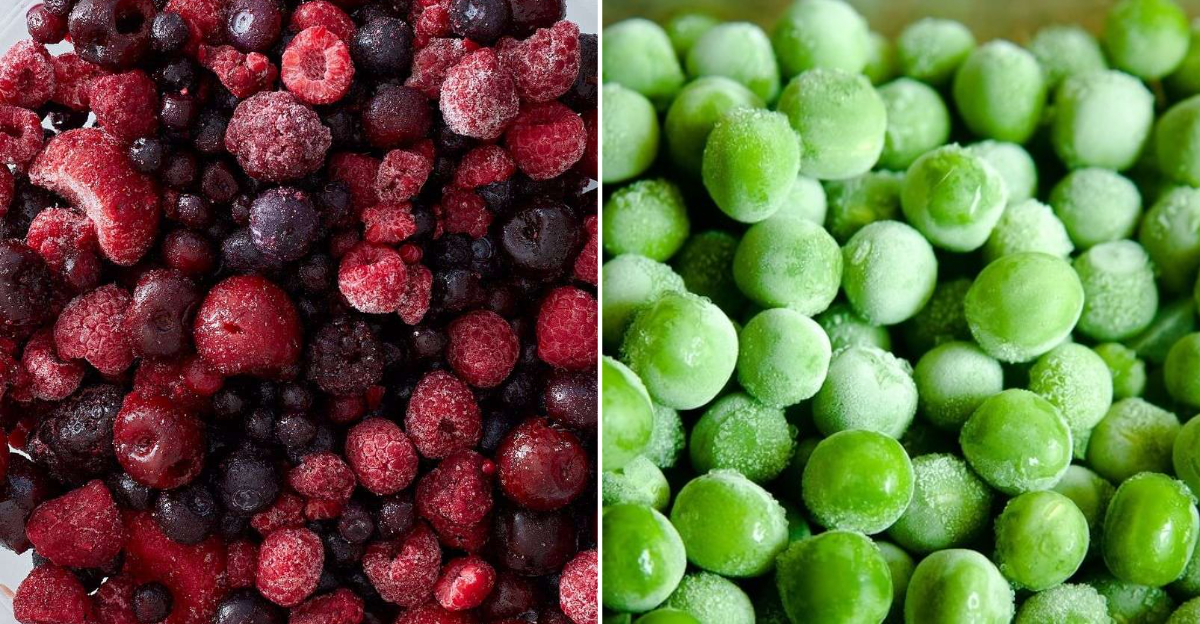
Frozen foods often get a bad rap, but they can be just as nutritious as fresh options while saving you money and reducing waste.
Many fruits and vegetables are flash-frozen at peak ripeness, locking in nutrients that might otherwise diminish during transport and storage of fresh produce.
Plus, having a well-stocked freezer means fewer trips to the grocery store and always having ingredients on hand for quick, healthy meals.
1. Berries
Summer berry season is fleeting, but the frozen food aisle offers these antioxidant powerhouses year-round at a fraction of the off-season price.
Frozen berries are harvested and preserved at peak ripeness, often containing more nutrients than their “fresh” counterparts that traveled thousands of miles.
I keep bags of mixed berries in my freezer for morning smoothies and impromptu desserts. No washing, hulling, or sorting required; just scoop what you need and return the rest to the freezer.
2. Spinach
Frozen spinach delivers incredible value compared to fresh. One small box equals about a pound of fresh spinach, making it perfect for recipes where spinach cooks down anyway. The frozen version comes pre-washed and chopped, eliminating prep work.
Simply thaw, squeeze out excess water, and add to pasta dishes, casseroles, or dips. Nutritionally, frozen spinach delivers similar fiber per weight; it just packs more per cup because it’s denser after freezing.
3. Peas
Fresh peas start converting their natural sugars to starch immediately after harvesting, making truly fresh peas a rare luxury. Frozen peas are flash-frozen within hours of picking, preserving their sweet flavor and nutritional content better than the “fresh” ones sitting in store bins.
Growing up, my grandmother always kept a bag of frozen peas in the freezer, not just for dinner, but as her go-to cold pack for bumps and bruises. They conform perfectly to injuries while staying cold without dripping.
4. Fish Fillets
Much of the “fresh” fish at supermarket counters was previously frozen anyway. Buying it still frozen lets you control the thawing process, ensuring optimal freshness when you’re ready to cook. Individual quick-frozen fillets allow you to use only what you need.
Look for sustainable options like wild Alaskan salmon or Pacific cod. The flash-freezing methods used at sea preserve the fish at its peak quality, often within hours of catching, locking in both flavor and nutritional benefits.
5. Corn
Sweet corn begins losing its signature flavor within hours of harvesting as natural sugars convert to starch. Frozen corn kernels are processed so quickly after picking that they often retain more of corn’s natural sweetness than what you find in the produce section.
Last summer, I conducted a blind taste test with my family using fresh corn I’d shucked versus premium frozen corn. To everyone’s surprise, most couldn’t tell the difference when both were properly prepared.
6. Shrimp
Unless you live near coastal waters, the “fresh” shrimp at your seafood counter was almost certainly frozen at some point. Buying frozen shrimp lets you keep them until needed, reducing food waste and saving money through bulk purchases.
Most frozen shrimp comes peeled, deveined, and ready to cook – major time savers. For best quality, look for individually quick-frozen shrimp without added preservatives. They thaw quickly under cold running water when you’re ready to use them.
7. Mango Chunks
Perfectly ripe mangoes are a delicious but fleeting pleasure. They’re also notoriously difficult to peel and cut without creating a sticky mess. Frozen mango chunks solve both problems, offering consistently ripe fruit without the prep work.
The frozen version costs significantly less than fresh, especially outside mango season. Keep a bag in your freezer for instant smoothie additions, tropical desserts, or quick snacking.
They’re particularly delicious partially thawed, with an almost sorbet-like texture.
8. Edamame
Frozen edamame delivers exceptional convenience compared to the fresh version, which is rarely available and requires boiling in the pod. The frozen, shelled variety offers instant access to these protein-packed soybeans without the tedious pod-removal process.
When I discovered frozen edamame, it transformed from occasional restaurant appetizer to a weekly staple in my kitchen. I add them to stir-fries, salads, and grain bowls for a quick protein boost. They thaw almost instantly when added to hot dishes.
9. Pizza Dough
Frozen pizza dough offers the perfect middle ground between scratch-made and pre-made crusts. It delivers that fresh-baked texture without the time investment of making dough from scratch. Most frozen doughs contain minimal ingredients compared to refrigerated tube varieties.
Simply transfer from freezer to refrigerator in the morning, and it’s ready to roll out by dinnertime. Portion-sized balls let you make individual pizzas, calzones, or breadsticks on demand.
The slow thaw in the refrigerator actually improves flavor development, similar to long-fermented artisan doughs.
10. Butternut Squash
Butternut squash delivers wonderful nutrition and flavor, but requires significant prep work. The frozen, pre-cubed version eliminates the peeling, seeding, and chopping of this notoriously hard vegetable while maintaining its nutritional value and sweet, nutty flavor.
Frozen butternut squash cubes roast beautifully from frozen; just toss with oil and seasonings. They also blend seamlessly into soups and sauces without the need for thawing.
The consistent cube size ensures even cooking, something difficult to achieve when cutting fresh squash.
11. Stir-Fry Vegetables
Pre-cut frozen stir-fry vegetable mixes eliminate the washing, peeling, and chopping that often makes weeknight cooking feel overwhelming. These vegetables are flash-frozen at peak ripeness, preserving nutrients that might otherwise degrade in your crisper drawer.
The best part? No waste from unused portions. Simply shake out what you need and return the rest to the freezer. For optimal texture, cook frozen vegetables directly from frozen in a very hot wok or skillet.
12. Artichoke Hearts
Fresh artichokes require significant prep work – trimming, cooking, and removing the inedible choke – before you reach the tender hearts. Frozen artichoke hearts deliver just the good parts with zero waste and preparation time.
Unlike many jarred or canned counterparts, most frozen artichoke hearts contain no added oil and minimal sodium. They maintain a texture closer to fresh when cooked.
Add them directly to pasta dishes, pizzas, or dips without thawing for the best results.
13. Açaí Puree
Açaí berries are virtually impossible to find fresh outside their native Amazon region. The frozen puree packets preserve this superfood’s exceptional antioxidant content while making it accessible worldwide. Unlike açaí powders, the frozen version retains the fruit’s complete nutritional profile.
My morning routine changed forever after discovering these purple packets at a local grocery store. I blend one with frozen banana and a splash of almond milk for a smoothie bowl that costs a third of what cafes charge. The packets thaw quickly in warm water.
14. Cauliflower Rice
Frozen cauliflower rice saves both prep time and kitchen cleanup compared to processing your own. No more cauliflower crumbs scattered across countertops or food processor parts to wash. It’s also significantly less expensive than the pre-riced fresh versions.
The frozen product maintains its texture remarkably well when cooked properly. For best results, cook it directly from frozen in a hot pan with a bit of oil. It absorbs flavors beautifully while providing a low-carb, nutrient-dense alternative to traditional rice.
15. Cherries
Fresh cherries command premium prices during their brief summer season and require tedious pitting before cooking. Frozen cherries come pre-pitted and are available year-round at a fraction of the fresh price, especially out of season.
The freezing process actually helps break down cherry cell walls, making their antioxidants more bioavailable.
I started keeping bags of frozen cherries after calculating that my favorite cherry pie cost $25 with fresh but only $8 with frozen, and nobody could tell the difference.
16. Bell Peppers
Sliced frozen bell peppers eliminate the seeding and chopping that makes fresh peppers somewhat tedious to prepare. They’re particularly economical compared to off-season fresh peppers, which can cost three times as much in the winter months.
The frozen slices work perfectly in cooked applications like omelets, fajitas, and pasta dishes. Their texture holds up remarkably well in cooking.
While they won’t work for raw applications, they save significant time and money for any recipe where peppers will be cooked.
17. Chopped Onions
Frozen chopped onions eliminate the tears, odor, and sticky fingers that come with fresh onion prep. They’re particularly handy for recipes requiring small amounts of onion when you don’t want to store a cut onion afterward.
While their texture becomes softer when thawed, this makes no difference in soups, stews, and sauces where onions cook down anyway.
I discovered this time-saver during a busy period at work, and now keep a bag on hand for spontaneous cooking without the prep work.
18. Hash Browns
Frozen hash browns deliver perfectly shredded potatoes without the grating, soaking, and squeezing required for homemade versions. They also eliminate the food waste from potato peels and the cleanup of starchy grater residue.
Par-cooking and drying before freezing removes excess moisture, resulting in crispier results than most homemade attempts. For best results, cook them directly from frozen in a well-oiled pan or waffle iron.
Some brands offer varieties without added preservatives or sodium for a cleaner ingredient list.
19. Dumplings and Potstickers
Frozen Asian dumplings provide restaurant-quality appetizers or quick meals with minimal effort. The freezing process preserves the delicate wrappers and fillings at their peak, often delivering better results than refrigerated versions that can become soggy.
Many authentic Asian brands offer traditional recipes without preservatives or MSG. Steam them directly from frozen for perfect texture every time.
During college, my tiny apartment kitchen couldn’t handle complex cooking, but I could always manage perfect potstickers from the freezer for impromptu gatherings.
20. Pizza
Premium frozen pizzas have undergone a quality revolution in recent years. Many artisanal brands now offer restaurant-quality options with clean ingredients, creative toppings, and specially designed packaging that creates properly crisp crusts.
They eliminate delivery fees and waiting times while costing significantly less than takeout. For best results, follow package directions precisely. Many require preheating the oven higher than you might expect.
Some even suggest placing directly on the oven rack rather than using a baking sheet.