
13 Once-Charming Family Food Brands That Changed After Going Public
Some family food brands start with a simple recipe, a cozy kitchen, and a whole lot of heart. But once shareholders enter the picture, things can shift.
The ingredients change, the packaging gets a makeover, and the flavor that made it special might fade into something more… corporate.
These once-charming brands built loyal followings before heading to the stock market, and their stories serve up a bittersweet reminder that bigger doesn’t always mean better.
1. Jam Empire: The J.M. Smucker Company
From humble beginnings in 1897 selling apple butter from a horse-drawn wagon, Smucker’s journey to publicly traded giant reshaped American breakfast tables forever.
The company went public in 1959, gradually expanding beyond jams.
Now a sprawling conglomerate owning Jif, Folgers, and even pet food brands, Smucker’s corporate acquisitions have left some longtime fans wondering if profit margins matter more than fruit content.
The original small-batch quality has been standardized for mass production efficiency.
2. Bread Behemoth: Flowers Foods
Started by the Flowers brothers in 1919 as a humble neighborhood bakery, this Georgia-based bread maker retained its southern charm for decades.
After going public in 1968, the dough really started rising – and not just in their ovens.
Gobbling up regional favorites like Wonder Bread and Nature’s Own, Flowers Foods transformed from local gem to industrial giant.
Longtime customers noticed subtle recipe tweaks as the company streamlined production processes, sacrificing some of that homemade texture for longer shelf life and wider distribution.
3. Souped-Up Profits: Campbell Soup Company
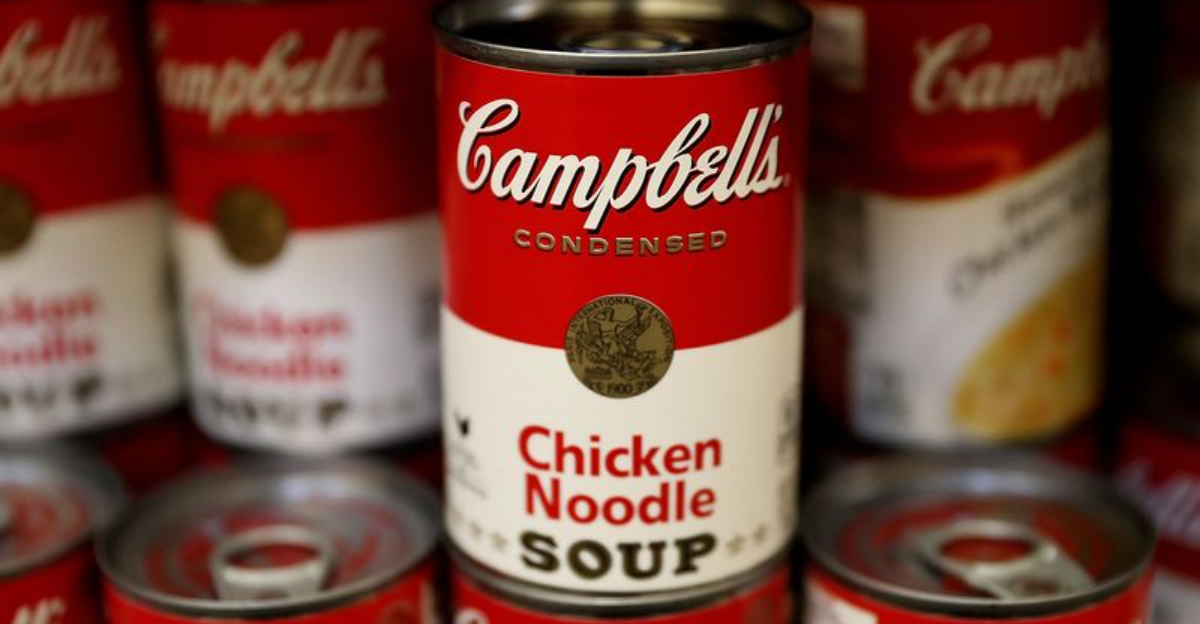
Those iconic red and white cans have warmed American hearts since 1869 when Joseph Campbell partnered with an icebox maker.
Family-run for generations, Campbell’s went public in 1954, forever changing the company’s recipe for success.
Pressure to deliver quarterly results led to controversial ingredient substitutions and sodium increases. The company that once prided itself on homestyle quality began focusing on cost-cutting measures.
Recent years have seen attempts to recapture that original charm through organic options, but many soup lovers insist something special evaporated when shareholders took the ladle.
4. Sweet Transformation: The Hershey Company
Milton Hershey built more than a chocolate factory – he created an entire town dedicated to his sweet vision.
The company went public in 1927, though the controlling interest remained with the Hershey Trust, which funds a school for underprivileged children.
This unique arrangement kept corporate wolves at bay longer than most. Yet even Hershey couldn’t resist market pressures entirely.
Product sizes shrank while prices climbed, and traditional recipes saw tweaks to improve margins. The chocolate still tastes good, but old-timers swear it’s missing that special something from the family-run days.
5. Cereal Sellout: Kellogg Company
Before becoming breakfast royalty, the Kellogg brothers accidentally created corn flakes while experimenting with health foods at their sanitarium.
The company went public in 1952, and the transformation began almost immediately. Sugar content crept up as marketing to children became the priority.
The health-focused foundation gave way to cartoon mascots and candy-like breakfast options.
While innovation brought us beloved cereals, the company’s original wellness mission faded with each shareholder meeting.
The brothers who once prioritized digestive health might barely recognize today’s sugar-coated empire.
6. Flour Power Shift: General Mills
Founded in 1866 as a single flour mill on the Mississippi River, General Mills maintained its family-business feel well into the 20th century.
The company went public in 1928, just before the Great Depression tested its resilience. Gradually, the focus shifted from quality ingredients to brand acquisition and market dominance.
Betty Crocker, once representing homemaker values and recipe testing, became just another asset in the portfolio.
The innovation that gave us Cheerios still exists, but now serves shareholder expectations first, with some longtime fans noticing subtle changes in taste and texture across their product lines.
7. Farm to Wall Street: Bob Evans Farms
Bob Evans started by making sausage on his Ohio farm in 1948, selling to nearby restaurants before opening his own country-style diners.
The company went public in 1963, using investor cash to expand across the Midwest. The homespun farm aesthetic remained as clever marketing, but corporate standardization gradually replaced the authentic country cooking experience.
Menu items became increasingly processed, with portion sizes scientifically calculated for maximum profit.
In 2017, the restaurant chain was sold separately from the food production business, completing the dismantling of Bob’s original farm-to-table vision.
8. Organic Overhaul: Annie’s Homegrown
Annie Withey started selling mac and cheese from her car trunk in 1989, determined to create natural alternatives to processed foods.
The little company with the bunny logo went public in 2012, attracting fans who believed in its mission. Just two years later, General Mills swooped in with a $820 million buyout.
While the packaging still features Annie’s story, eagle-eyed consumers noticed subtle ingredient changes.
The corporate parent maintained the brand’s organic claims while finding efficiencies in sourcing and production.
Loyal customers debate whether Annie’s is still truly Annie’s or just wearing bunny ears over a corporate suit.
9. Bread Bowl Blues: Panera Bread
Founded as the St. Louis Bread Company in 1987, Panera built its reputation on fresh-baked goods and community atmosphere.
After going public in 1991, expansion kicked into high gear, bringing artisan breads to suburban strip malls nationwide.
Success brought scrutiny from investors demanding growth beyond what quality handmade bread could support.
Preparation methods shifted toward efficiency, with more centralized baking and reheating. Menu prices climbed steadily upward while portion sizes subtly shrank.
10. Hole-y Transformation: Krispy Kreme Doughnuts
Vernon Rudolph started making doughnuts using a secret recipe in 1937, creating such delicious aromas that passersby would stop to buy them hot from his Winston-Salem shop.
The company went public in 2000, triggering rapid expansion that nearly destroyed the brand.
Krispy Kreme locations popped up everywhere, diluting the special experience of watching doughnuts on the conveyor belt. Quality control suffered as the company pushed for growth at all costs.
After a spectacular crash and taking the company private again, they’ve since returned to public markets in 2021 with a more measured approach, though old-timers still say the magic of those original shops is gone.
11. Coffee Chain Reaction: Dunkin’ Brands
Bill Rosenberg opened his first coffee and donut shop in 1948, naming it Open Kettle before landing on the catchier Dunkin’ Donuts.
The company went public in 2011 after years of private equity ownership, accelerating changes already underway.
The menu expanded far beyond donuts to compete with Starbucks, while preparation methods became increasingly automated.
Regional variations disappeared in favor of standardized offerings. Even the name changed, dropping “Donuts” entirely in 2019 to reposition as a beverage-first brand.
12. Meat Market Makeover: Hormel Foods Corporation
George Hormel started his meat market in 1891, personally inspecting products and developing recipes like Spam that would eventually feed Allied troops during WWII.
The company went public in 1928, though family leadership continued for decades. Gradually, the butcher shop mentality gave way to food science and mass production techniques.
Acquisitions brought natural and organic brands like Applegate under the corporate umbrella, creating an identity crisis of sorts.
While still headquartered in Austin, Minnesota, today’s Hormel bears little resemblance to George’s original quality-focused meat market, with shareholders now determining which products make the cut.
13. Spice of Wall Street: McCormick & Company
Willoughby McCormick started selling flavors door-to-door in 1889, eventually building a spice empire known for quality and innovation.
The company went public in 1927 but maintained strong family influence for generations. As global expansion accelerated, some traditional practices were sacrificed for efficiency.
The company that once hand-selected spices now relies on industrial processes to meet demand.
While still respected for quality compared to competitors, longtime employees note the shift from culinary passion to market analysis.
The balance between maintaining standards and satisfying shareholders remains a constant challenge for this flavor giant.