
7 Ways Avocado Toast Became A Breakfast Staple In California
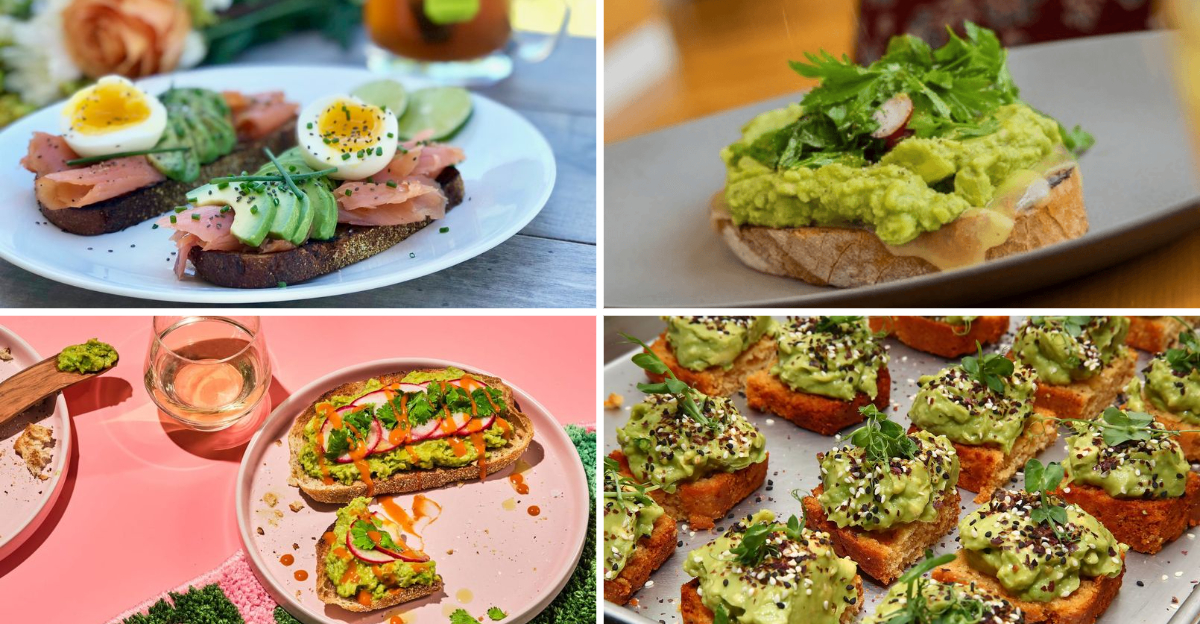
Have you ever wondered how that creamy green spread on crusty bread rose to become the undisputed symbol of California breakfast culture? I certainly did when I first moved to San Francisco and noticed avocado toast gracing practically every café menu in town.
What seemed like a simple combination—ripe avocado smashed onto good bread—turned out to be a culinary revolution, reshaping morning routines across the Golden State.
In just a few decades, it’s gone from humble fruit to breakfast royalty, sitting alongside surfboards and palm trees as a true California icon. Its journey is one of innovation, cultural influence, and unapologetic foodie obsession.
1. Early California Roots
I stumbled upon an old San Gabriel Valley newspaper from 1920 while researching for my food history podcast. Right there in faded print was a recipe telling readers to “mash avocado… and spread it on a small square of hot toast”! Can you believe avocado toast has been around for over a century?
The San Francisco Chronicle jumped on board in 1927, featuring it as a breakfast option for sophisticated urbanites. My grandmother still has her mother’s recipe cards with variations scribbled in the margins.
Long before Instagram or trendy cafés, Californians were pioneering this simple delight, creating the foundation for what would become a cultural phenomenon.
2. The Hass Avocado Revolution
Rudolph Hass changed everything. Walking through an avocado farm in Fallbrook last summer, a grower told me how this postal worker from Los Angeles planted a seemingly ordinary seed in the 1920s. What grew wasn’t ordinary at all—it became the now-legendary Hass avocado, officially patented in 1935.
Before my morning avocado ritual, I never considered its origin story. This variety’s creamy texture and rich flavor profile revolutionized what we expect from avocados.
The Hass variety now accounts for 95% of California avocados, creating the perfect foundation for that buttery toast topping we can’t live without.
3. Marketing Magic by the California Avocado Commission
Remember those “California Avocados” commercials from the 90s? I certainly do! The California Avocado Commission has been quietly orchestrating avocado’s rise to fame since the 1960s, turning a once-exotic fruit into a household staple.
Their genius marketing campaigns transformed avocados from occasional guacamole ingredients to everyday superfoods. Magazine spreads featured celebrities enjoying avocado toast, while nutritionists touted its heart-healthy benefits.
My nutritionist friend confessed that the Commission’s educational materials were what convinced her to recommend avocados to clients. Their persistent promotion created both demand and supply chains that made avocado toast accessibility possible.
4. Local Bounty Meets Health-Conscious Culture
Driving through Fallbrook—the self-proclaimed “Avocado Capital of the World”—I watched workers harvesting from trees that supply nearly 80% of America’s avocados. California’s perfect growing climate creates an abundance that makes avocado toast economically feasible for everyday consumption.
This agricultural prosperity collided perfectly with California’s health-conscious lifestyle movement. When my yoga instructor first suggested avocado toast as a post-workout meal, I laughed—until I tried it.
The combination of accessible local produce and a culture that celebrates nutritious, simple eating created the perfect environment for avocado toast to flourish as more than just a passing trend.
5. Café Culture Revolution
The first time I ordered avocado toast at Sqirl in Los Angeles, I paid $9 for something I could make at home. Yet somehow, it tasted magical! California’s innovative café scene transformed this simple dish into an artform worth waiting in line for.
Chefs began experimenting with toppings—from microgreens to poached eggs to chili flakes. Each café developed signature versions that customers would travel across town to experience.
These culinary playgrounds embraced fusion cuisine and farm-to-table philosophies that elevated avocado toast from basic breakfast to gourmet experience. The café movement didn’t just serve avocado toast—it reimagined it as a canvas for culinary creativity.
6. Social Media Stardom
The first avocado toast photo I posted got more likes than my graduation picture! Something about that vibrant green against rustic bread creates instant Instagram magic—a fact not lost on California influencers who helped catapult this dish to viral status.
Celebrities like Gwyneth Paltrow shared their avocado toast recipes, while food bloggers crafted increasingly photogenic versions. #AvocadoToast has millions of posts, with California locations dominating the top content.
The photogenic nature of this simple dish made it perfect for the social media age. What began in California cafés spread worldwide through screens, creating demand and recognition that transcended geographical boundaries.
7. Cultural Icon Status
“You’re not a real Californian until you’ve been lectured about spending too much on avocado toast!” my San Diego friend joked. This humble dish somehow transformed into both beloved breakfast and controversial cultural symbol, representing everything from millennial spending habits to California’s lifestyle values.
Despite becoming the punchline of economic debates, avocado toast maintained its stronghold on California breakfast culture. I’ve witnessed heated discussions about the perfect avocado ripeness at farmers markets.
The enduring appeal speaks to something deeper than food trends—it represents California’s embrace of simple pleasures, health consciousness, and agricultural bounty in one perfect, Instagram-worthy package.