
7 Ways Texas Chili Culture Varies Dramatically Between Cities And Towns
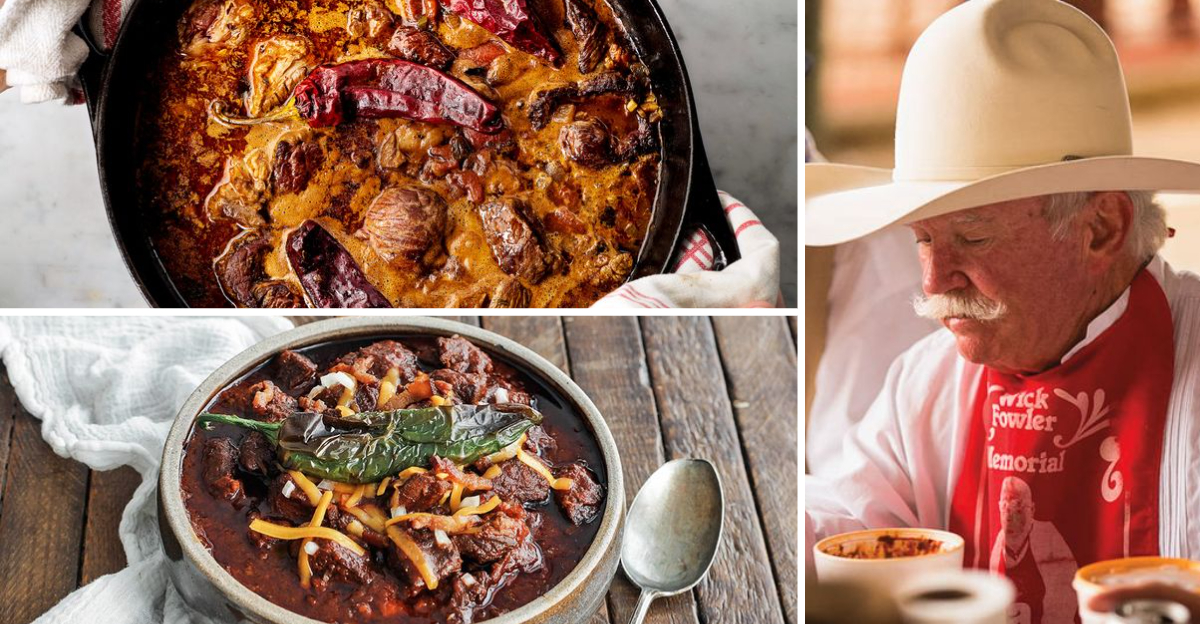
Growing up in Texas, I quickly learned that chili isn’t just a hearty meal—it’s a statement, a declaration of who you are and where you call home. In every corner of our vast state, from the dusty plains to the bustling cities, communities guard their chili traditions with fierce, almost stubborn pride.
To an outsider, each bubbling pot of red might look the same, but any Texan will tell you the differences run deep—whether it’s the choice of meat, the spice blend, or the steadfast absence (or controversial inclusion) of beans.
These regional nuances reveal the soul of Texas and fuel spirited debates from El Paso to Texarkana.
1. The “No Beans, No Tomatoes” Rule — But It’s Not Universal
I’ll never forget my grandfather’s horror when I suggested adding beans to our family chili recipe. In central and West Texas, true chili purists consider beans and tomatoes absolute heresy – the focus belongs solely on meat and carefully selected spices.
This hardline stance comes straight from competition cook-off traditions, where organizations like the International Chili Society have strict rules about what constitutes authentic Texas chili.
Yet drive north toward Oklahoma or into the Panhandle, and suddenly beans become acceptable additions. These border regions embrace a more flexible approach, proving that even our most sacred culinary rules bend with geography.
2. San Antonio’s Chili Queens & the Roots of Variety
Walking through San Antonio’s historic Market Square, I felt the ghostly presence of the legendary 19th-century Chili Queens who once ruled these streets. These pioneering women transformed chili into beloved street food, serving meat-heavy versions from colorful carts to hungry crowds.
Today’s San Antonio honors this heritage while embracing evolution. The city maintains a beautiful tension between tradition and innovation.
Modern San Antonio chefs experiment freely with white bean chicken variations and game-based creations featuring venison or wild boar. This blend of reverence for history and creative freedom makes San Antonio’s chili scene uniquely vibrant.
3. Terlingua & West Texas — The Heartland of Chilidom
My first Terlingua chili cook-off felt like a religious pilgrimage. Under vast desert skies, competitors hunched protectively over their pots, each convinced their recipe honored the true spirit of Texas chili. West Texas towns like Terlingua represent the spiritual homeland of what locals reverently call the “bowl of red.”
Authenticity reigns supreme here. Slow-cooked beef chunks swim in complex spice blends that have been perfected over generations.
Judges at these competitions evaluate each entry with scientific precision – noting color, aroma, consistency, taste, and aftertaste. The winning recipes become legendary, passed down like precious family heirlooms.
4. Borderlands & Oklahoma-Adjacent Regions — Flexible & Adaptable
“That’s not real Texas chili!” my Austin friends exclaimed when I served them my grandmother’s recipe from our family home near the Oklahoma border. Northern Texas communities embrace rebellion against chili orthodoxy, freely incorporating beans, masa, and tomato bases into their recipes.
These borderland variations blend Texas heat and spice profiles with Midwestern structural elements. The result? A delicious cultural fusion that reflects geographic reality.
Communities in these regions tend to be more pragmatic and less dogmatic about their chili. They understand that good food, like good people, doesn’t need to fit rigid definitions to be authentic and satisfying.
5. Urban Culinary Mélange — Austin, Dallas & Houston
Last month, I sampled a kimchi-infused brisket chili at a Houston food festival that would have given my chili-purist uncle a heart attack! Major Texas cities showcase our state’s full culinary spectrum – from traditional bowls to wild interpretations that defy categorization.
Austin food trucks serve chili-topped donuts. Dallas restaurants offer chili-smothered pasta. Houston’s international influences spawn fusion creations like Thai-spiced chili or Indian-inspired versions with garam masala.
These urban experiments reflect city dwellers’ appetite for novelty and cross-cultural creativity. The classic Frito pie gets reimagined countless ways, proving that Texas cities honor tradition by constantly reinventing it.
6. Regional Ingredient Signatures
“The secret’s in the poblanos,” my friend’s grandmother whispered as she taught me her East Texas chili recipe. Those charred, smoky peppers defined her family’s version for generations.
Texas regions develop subtle ingredient signatures that identify their chili’s hometown as clearly as an accent. Some areas double down on cumin for an earthy depth. Others incorporate local game meats or specific chile varieties that grow abundantly in their soil.
East Texas cooks often finish their chili with cheese or sour cream for added richness, while South Texas versions might incorporate influences from Mexican cuisine. These ingredient choices tell the story of each region’s unique history, agriculture, and cultural connections.
7. Symbolic Identity — From State Dish to Local Expression
When Texas officially crowned chili as our state dish in 1977, my hometown celebrated with a community cook-off that still runs annually. That legislative declaration formalized what Texans already knew – chili represents our collective soul.
Each region interprets this honor differently. Small-town festivals fiercely preserve purist traditions with competitions judged by exacting standards. Urban restaurants evolve the concept for broader tastes, creating Instagram-worthy variations.
Some communities use chili as a fundraising centerpiece, while others market it to tourists as an authentic Texas experience. Whether served from a humble crockpot or an upscale restaurant bowl, chili remains our most democratic and beloved culinary symbol.