
8 Ways Food Trucks Shape Daily Eats In Los Angeles, California
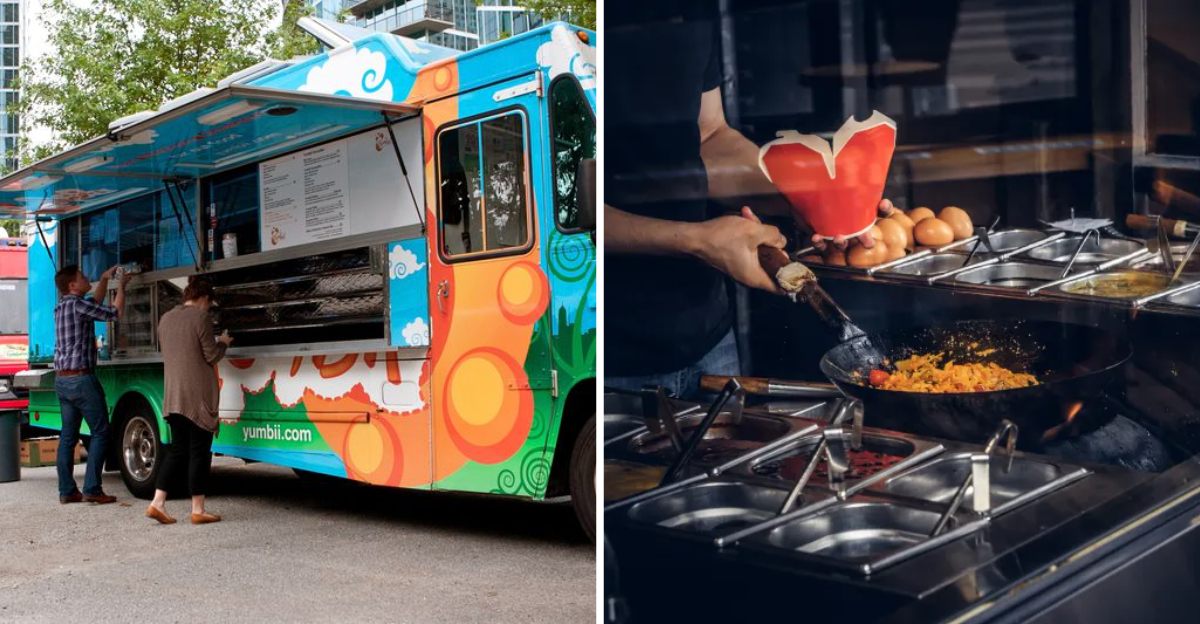
Los Angeles boasts a thriving food scene that quite literally rolls on wheels. In this city, food trucks are more than just quick, convenient meals for busy Angelenos—they’ve revolutionized the way people eat, gather, and experience culinary artistry.
Scattered across bustling downtown streets, parked outside concert venues, or lining the beach in Santa Monica, these mobile kitchens deliver flavors as diverse as the city itself.
You can find everything from perfectly executed traditional tacos to daring fusion creations that merge global cuisines in unexpected ways. In LA, a food truck visit isn’t just lunch—it’s a cultural experience served fresh from the grill.
1. On-the-Go Convenience Meets Culinary Quality
The first time I grabbed lunch from a food truck, I was blown away. Standing there on Wilshire Boulevard, I bit into a perfectly seasoned Korean short rib taco that rivaled anything I’d eaten in sit-down restaurants.
Food trucks bring chef-driven meals straight to hungry Angelenos without the fuss of reservations or long waits. They’ve mastered the art of delivering gourmet flavors in portable packages.
What’s truly remarkable is how they’ve elevated street food from basic to extraordinary. Whether you’re craving plant-based bowls in Venice or authentic birria in Boyle Heights, these mobile kitchens deliver restaurant-quality meals wherever you happen to be.
2. Innovation Platforms for Chefs and Concepts
“You gotta try this!” My buddy insisted as we stood in line at Kogi BBQ truck back in 2010. That first bite of Roy Choi’s Korean-Mexican taco literally changed my understanding of what food could be.
Food trucks have become rolling laboratories where culinary boundaries dissolve. Chefs experiment with bold flavor combinations that might be too risky for traditional restaurants.
The low overhead costs allow for creative freedom that brick-and-mortar establishments often can’t afford. I’ve watched countless concepts begin as humble trucks before evolving into restaurant empires, proving these mobile kitchens aren’t just meal providers – they’re the birthplace of LA’s most exciting food movements.
3. Fostering Cultural Exchange and Community
My grandmother still talks about the “loncheras” that fed factory workers in East LA during the 1970s. These original food trucks weren’t trendy – they were lifelines connecting immigrants to home through familiar flavors.
Today’s food truck scene honors these roots while expanding into a beautiful tapestry of global cuisines. Families share recipes passed through generations, creating authentic dishes that tell stories of migration and cultural pride.
Beyond just feeding people, these mobile kitchens create impromptu community spaces. I’ve struck up conversations with strangers while waiting in line at Mariscos Jalisco, bonding over our shared love for their crispy shrimp tacos and finding unexpected connections across cultural divides.
4. Shaping Social & Digital Engagement
“The Lobster Truck just tweeted they’re at Grand Park!” My phone lit up with this text from a friend, and within minutes, our lunch plans changed completely.
Food trucks pioneered social media marketing before it was mainstream. They transformed dining into interactive experiences where customers actively track, share, and celebrate their favorite mobile eateries.
Following trucks on Twitter or Instagram isn’t just about finding lunch – it’s about joining a community of food enthusiasts. I’ve watched people sprint across office plazas when word spreads about a popular truck’s arrival, creating spontaneous food festivals that bring strangers together through shared cravings and digital connections.
5. Affordable and Accessible Dining for All
The magic of LA’s food trucks hit me when I watched a renowned chef serve $4 gourmet tacos to both suited executives and construction workers on the same corner.
Food trucks democratize exceptional dining experiences. Their streamlined operations and lower overhead costs translate to affordable prices that don’t sacrifice quality or creativity.
They also bring culinary diversity to neighborhoods overlooked by traditional restaurants. I’ve seen trucks transform food deserts into vibrant dining destinations, parking outside office buildings during lunch rushes and apartment complexes at dinner time. This accessibility ensures everyone – regardless of budget or location – can experience LA’s incredible culinary diversity.
6. Redefining Fast Food
“Fast food doesn’t have to mean junk food!” Chef Daniel Patterson told me as he handed over a perfectly crafted burger from his LocoL truck – made with sustainable ingredients at fast-food prices.
Food trucks have completely reimagined what quick service can be. They’ve shown that speed doesn’t require processed ingredients or nutritional compromises.
Many LA trucks source locally, prioritize sustainable practices, and create health-conscious options that honor diverse dietary needs. The revolution is subtle but profound – watching children devour vegetable-forward dishes from colorful trucks at family events gives me hope that the next generation will grow up with entirely different expectations of what convenient food should taste like and how it should make them feel.
7. Creative Testing Grounds Without Permanent Risk
The gleam in the chef’s eye said it all as she handed me an experimental dish that wasn’t on her regular menu. “What do you think? I’m considering this for my restaurant concept.”
Food trucks function as culinary incubators where chefs test ideas without risking everything on a permanent location. Limited-run specials gauge customer interest before major investments, creating a feedback loop that benefits both creators and diners.
I’ve watched seasonal pop-ups evolve into permanent fixtures and niche concepts find their audience through strategic mobility. This low-risk testing ground has democratized entrepreneurship in LA’s food scene, allowing immigrant chefs, young innovators, and career-changers to enter the industry with lower financial barriers than traditional restaurants require.
8. Transforming Urban Food Culture and Identity
Standing at the edge of a food truck festival in Grand Park, I felt the pulse of Los Angeles in its truest form – a beautiful chaos of flavors, languages, and culinary traditions all thriving side by side.
With approximately 4,000 trucks roaming the city, these mobile kitchens have transformed our urban landscape into an open-air food marketplace. They’ve made LA’s streets themselves destinations for culinary tourism.
More profoundly, they’ve shaped our collective identity as Angelenos. We proudly claim our city as a place where Filipino fusion, Oaxacan specialties, and inventive plant-based concepts can all succeed within blocks of each other. This celebrated diversity isn’t just about food – it’s about recognizing that our differences create the vibrant tapestry that makes Los Angeles extraordinary.