
9 Hidden Islands In Washington State That Feel Like Another World
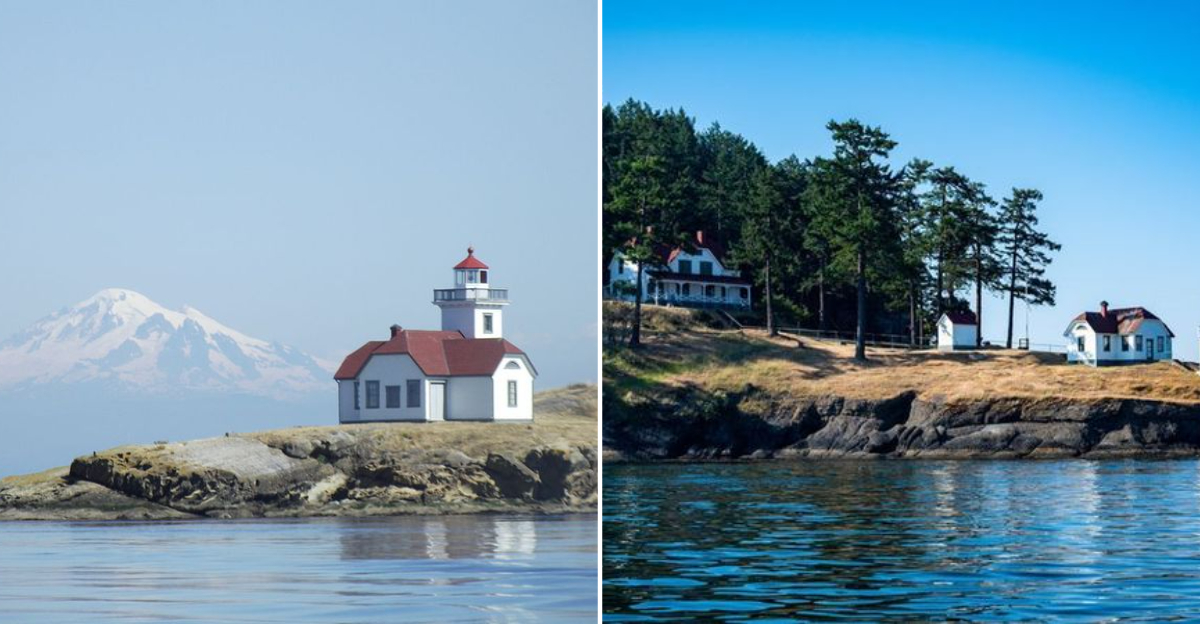
Tucked away in the waters of Washington State lie secret island paradises waiting to be discovered. These hidden beauties offer a perfect escape from the mainland hustle, with pristine beaches, ancient forests, and breathtaking wildlife viewing opportunities.
Ready for an adventure that feels worlds away from ordinary life? These nine secluded islands will transport you to places that seem to exist in their own magical realm.
1. Sucia Island: Nature’s Horseshoe Haven
Often called the ‘crown jewel’ of Washington’s marine state parks, Sucia Island curves like a horseshoe, creating protected coves perfect for anchoring. The island’s dramatic sandstone formations have been sculpted by centuries of wind and waves into fascinating shapes and caves.
Fossil hunters treasure this spot for marine fossils embedded in the rocky shoreline. With no stores or services available, visitors experience true disconnection from modern life while exploring the island’s 10 miles of hiking trails through old-growth forests.
2. Matia Island: The Forbidden Forest
Walking Matia’s 1.2-mile loop trail feels like entering a fairy tale. Massive cedar and fir trees form a cathedral-like canopy overhead, while most of the 145-acre island remains off-limits as a National Wildlife Refuge.
The name ‘Matia’ traces to the Spanish ‘Isla de Mata,’ often interpreted as ‘island of no protection’ – a warning to early travelers about its rugged shoreline.
Marine life thrives in the waters surrounding this miniature wilderness, making it a kayaker’s dream destination.
3. Patos Island: Lighthouse at the Edge
Standing on Patos Island’s northwestern point feels like reaching the edge of America. The historic lighthouse here has guided mariners through treacherous waters since 1893, and I’ll never forget watching orcas swim past while volunteering as a lighthouse keeper one summer.
Patos derives its name from the Spanish word for ‘ducks,’ though you’re more likely to spot seals, porpoises, and eagles.
The island’s 3.5-mile shoreline offers countless hidden coves to explore by kayak or paddleboard.
4. Jones Island: Deer Paradise
Friendly deer will likely greet you upon arrival at Jones Island, unafraid of human visitors after generations without predators. The island’s 188 acres feature old-growth forests and rocky bluffs with panoramic views of surrounding waterways.
A 4-mile trail loops around the island, connecting various campsites and viewpoints. The western shore offers spectacular sunset views across the Strait of Juan de Fuca, painting the Olympic Mountains in golden light each evening.
5. Stuart Island: Two Harbors, One Adventure
Stuart Island holds a special place in my heart since my first solo kayaking trip here years ago. The island’s two natural harbors – Prevost and Reid – provide safe haven for boaters exploring the northernmost San Juan Islands.
The island’s one-room schoolhouse, built in 1904, still stands as a testament to pioneer life. A 5-mile hike leads to Turn Point Lighthouse, where the Haro Strait and Boundary Pass meet, creating swirling currents that attract marine mammals year-round.
6. Cypress Island: Wilderness Stronghold
Rising dramatically from the water, Cypress Island’s 5,500 acres make it the largest relatively undeveloped island in the San Juans. Unlike its neighbors, Cypress remains mostly wild, with minimal human infrastructure disturbing its dense forests and rocky shorelines.
Eagle Cliff viewpoint rewards hikers with breathtaking panoramas after a steep ~1.2–1.3-mile climb (about 2.4 miles round-trip).
The island harbors rare plant communities and provides critical habitat for native wildlife, making it a living museum of Pacific Northwest ecosystems.
7. Vendovi Island: The Philanthropist’s Gift
Vendovi Island spent decades as a private family retreat before being purchased for conservation by the San Juan Preservation Trust in 2010.
Now managed by the San Juan Preservation Trust, this 217-acre gem opens seasonally for day visitors seeking solitude among its six pristine beaches and network of nature trails.
I once spotted a family of river otters playing along the shoreline here, completely undisturbed by human presence.
The island’s meadows burst with wildflowers each spring, creating a colorful carpet beneath madrona trees with their distinctive peeling red bark.
8. Hope Island: South Sound Secret
Unlike its northern Washington namesake, this Hope Island sits in South Puget Sound near Olympia. A mere 106 acres, what this island lacks in size it makes up for in tranquility and old-growth majesty.
Native Americans once harvested camas bulbs from the island’s meadows. Today, visitors can circumnavigate the entire island on foot in about an hour, passing through forests where some trees are over 500 years old.
9. Blake Island: Native Heritage Retreat
Blake Island offers the unique combination of wilderness and cultural immersion just a short boat ride from Seattle.
The island once served as a camping ground for Chief Seattle and formerly hosted Tillicum Village, where visitors experienced Northwest Native American traditions; the program closed in 2021.
Five miles of hiking trails wind through the interior, while beaches circle the perimeter. Deer roam freely among campsites, and raccoons have developed legendary skills at outsmarting campers’ food storage attempts – keep your supplies secure!