
California BBQ Vs. Texas BBQ: Are We Up To The Challenge?
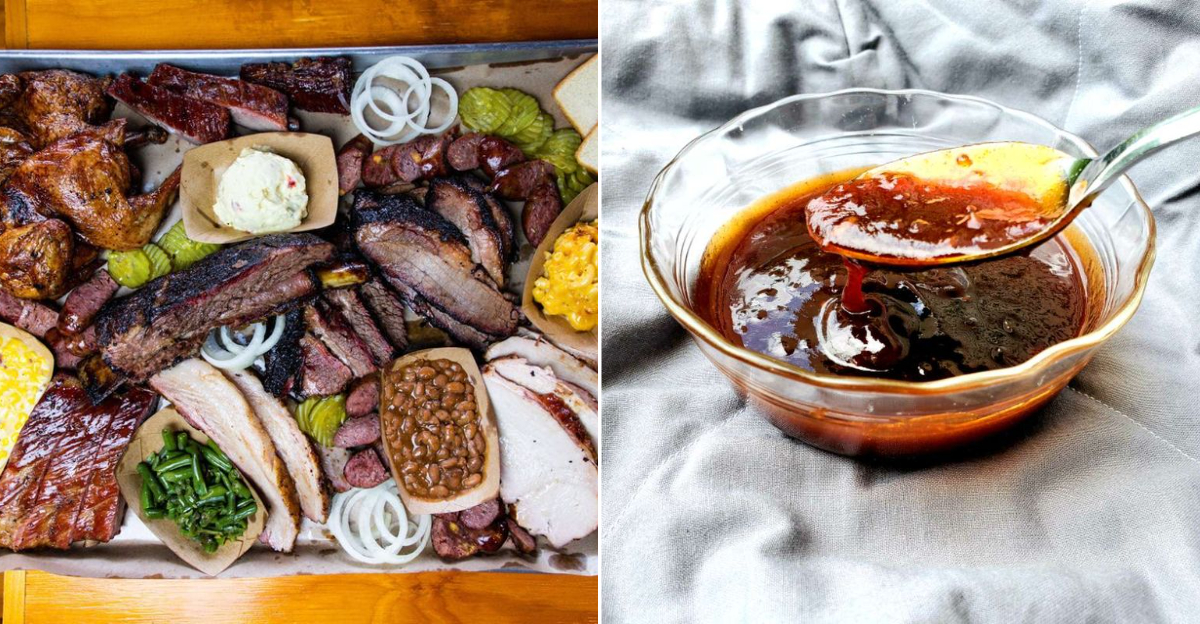
BBQ fans know California and Texas each bring something special to the smoker, but can the Golden State truly compete with Lone Star flavor?
From smoky ribs to perfectly seasoned brisket, the two regions approach barbecue with different traditions, techniques, and heat levels.
Exploring these differences reveals which flavors dominate, which surprises await, and how passionate pit masters on both coasts elevate barbecue into an art form that keeps food lovers debating and tasting.
The Roots of BBQ: Where It All Began
Long before the California-Texas rivalry heated up, barbecue had humble beginnings. Native Americans pioneered cooking meat over fire pits, a technique later adopted by Spanish colonizers.
Texas BBQ evolved from German and Czech immigrant traditions in the 1800s, focusing on meat preservation.
California’s style emerged later, in the mid-20th century, blending Mexican, Asian, and Mediterranean influences with traditional American techniques.
California BBQ: A Regional Underdog?
Often overshadowed by its Texan cousin, California BBQ brings its own unique flair to the table.
Santa Maria-style stands as California’s flagship contribution, dating back to the mid-1800s rancho cooking traditions.
Characterized by tri-tip beef grilled over red oak, California BBQ embraces simplicity with minimal seasoning – usually just salt, pepper, and garlic.
The coastal influence adds a lighter touch, with quick-cooking methods rather than the low-and-slow approach favored elsewhere.
Texas BBQ: The Gold Standard
Ask any BBQ enthusiast where to find America’s best smoked meat, and Texas often tops the list.
The Lone Star State doesn’t mess around – their approach centers on beef, particularly brisket, smoked low and slow until perfectly tender.
Four distinct regional styles exist within Texas: East Texas (saucy, chopped), Central Texas (meat-focused, minimal sauce), West Texas (mesquite-grilled), and South Texas (barbacoa).
Central Texas-style, with its emphasis on meat quality and smoke flavor, has become particularly influential nationwide.
Meat Matters: Brisket vs. Tri-Tip
The battle lines are clearly drawn when it comes to signature cuts.
Texas proudly champions the brisket – a tough, fatty chest muscle transformed through 12+ hours of smoking into melt-in-your-mouth perfection.
California’s hero is tri-tip, a triangular bottom sirloin cut unknown in most states until the 1950s.
Quick-cooking (about 45 minutes) and relatively lean, tri-tip delivers robust beef flavor without the marathon cooking session. The contrast couldn’t be more striking – one requires patience, the other speed.
Smoke & Fire: Oak vs. Mesquite
Wood choice creates the soul of barbecue flavor. Californians swear by red oak, especially in Santa Maria-style cooking, for its moderate smoke profile that doesn’t overpower the meat’s natural taste.
Texas pitmasters traditionally reach for post oak in Central Texas, while mesquite dominates West Texas landscapes and BBQ pits.
Mesquite burns hot and imparts a stronger, more distinctive flavor that’s become synonymous with Texas-style cooking.
Sauce Wars: Dry Rubs vs. Flavor Punch
Sauce philosophy creates perhaps the starkest contrast between these BBQ styles.
Traditional Texas BBQ, particularly in Central Texas, often skips sauce entirely or serves it on the side, letting the meat’s flavor stand alone with simple salt and pepper rubs.
California embraces bolder seasonings and isn’t afraid of sauce. Santa Maria style features a salsa-like accompaniment, while other California variations incorporate everything from garlic to Asian-inspired glazes.
This willingness to experiment reflects California’s fusion-friendly food culture.
Sidekick Showdown: Beans vs. Garlic Bread
Every great BBQ needs supporting players, and regional differences extend to the sides.
Texas BBQ traditionally comes with pinto beans, potato salad, and coleslaw – hearty, simple fare designed to complement the meat without stealing the spotlight.
California’s signature side is pinquito beans, small pink beans grown almost exclusively in Santa Maria Valley.
The real California surprise? Grilled garlic bread slathered with butter. This carb-loaded side rarely appears on Texas BBQ plates but is non-negotiable at a California cookout.
The Cultural Factor: Tradition vs. Innovation
Texas BBQ thrives on tradition – techniques passed through generations with almost religious reverence.
Change comes slowly here, where century-old methods remain the gold standard and innovation often faces resistance.
California’s approach reflects its more fluid cultural identity. Fusion is celebrated, with Korean, Mexican, and Mediterranean influences freely incorporated.
The result? Unexpected combinations like Korean gochujang-glazed ribs or citrus-marinated tri-tip tacos that would raise eyebrows in traditional Texas joints.
The Pitmasters’ Perspective
Behind every great BBQ tradition stand dedicated pitmasters with strong opinions. Texas pitmasters often apprentice for years, learning to manage fire and smoke through feel rather than timers or thermometers.
California’s BBQ leaders typically bring broader culinary backgrounds, approaching barbecue as one technique among many.
This difference reflects in cooking philosophy: Texas values consistency and tradition, while California prizes creativity and adaptation.
Both approaches produce passionate advocates who believe their method represents barbecue’s true spirit.
BBQ Tourism: Road Trips vs. Backyard Cookouts
Texas has built an entire tourism industry around BBQ pilgrimages. Devotees wait hours at famous spots like Franklin Barbecue in Austin or Snow’s BBQ in Lexington, treating the experience like a religious journey.
California BBQ culture leans more casual and accessible. Rather than destination restaurants, look for weekend backyard gatherings, farmers markets, or community cookouts. The focus stays on socializing rather than standing in line.
Both approaches have merit – one elevates BBQ to art form status, the other keeps it connected to its communal roots.
Who Really Wins? (Spoiler: The Diners)
After all the smoke clears, declaring a definitive winner misses the point of what makes American BBQ special.
Texas offers unmatched tradition, technical precision, and beef mastery that’s influenced barbecue worldwide.
California brings innovation, accessibility, and regional ingredients that keep pushing BBQ boundaries forward.
The real magic happens when we appreciate both – the slow-smoked perfection of Texas brisket and the bright, fresh approach of California tri-tip each deserve celebration. In this delicious rivalry, hungry diners always come out on top.