
10 Unique Museums In New Mexico You Won’t Find Anywhere Else
New Mexico offers treasures far beyond its breathtaking deserts, mountains, and chile-infused dishes. For those willing to look a little closer, the Land of Enchantment is also home to some of the most fascinating museums in the country.
These institutions celebrate everything from otherworldly UFO encounters to groundbreaking moments in nuclear history, weaving together stories that highlight the state’s cultural richness and scientific importance.
As someone who has spent years exploring quirky attractions, I can confidently say New Mexico’s museums are destinations worth the trip. So pack your curiosity—here are ten extraordinary museums that make this state unforgettable.
1. International UFO Museum & Research Center – Roswell
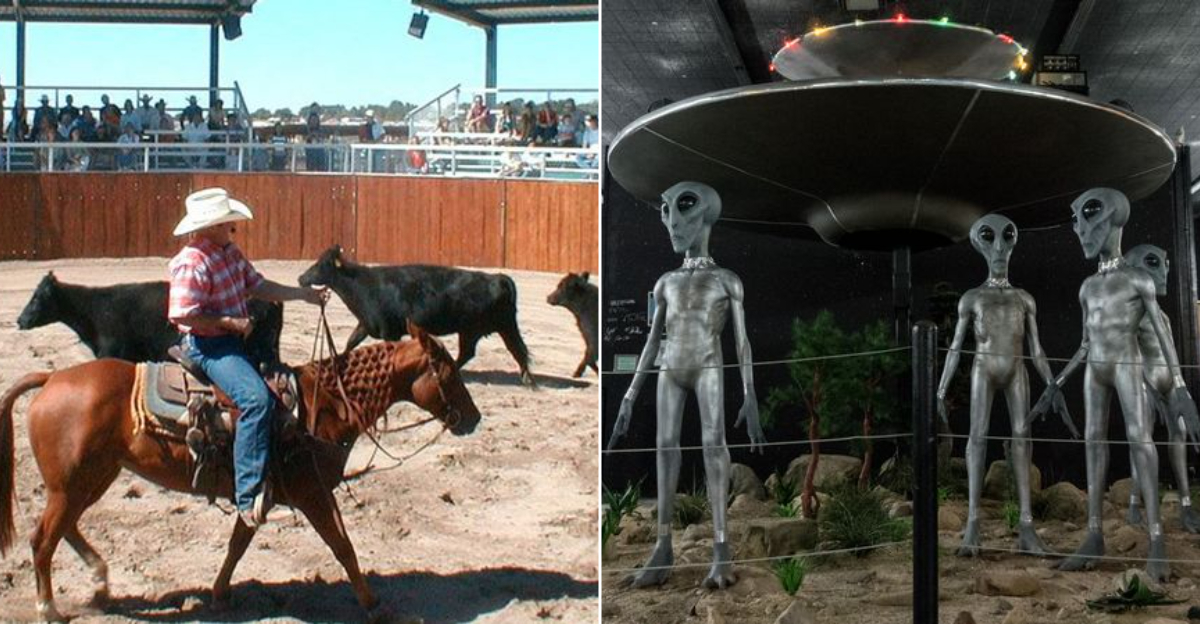
Stepping into this former movie theater in downtown Roswell transported me instantly to 1947 – the year that put this small town on the extraterrestrial map. The alleged UFO crash near Roswell sparked worldwide fascination that continues today.
The museum presents both sides of the story through newspaper clippings, witness testimonies, and recreated scenes that make you question what you believe. My favorite exhibit features actual recordings from military personnel who claim they handled debris from an alien spacecraft!
Whether you’re a devoted UFO enthusiast or a curious skeptic, the research library containing thousands of documents about unexplained phenomena will keep you captivated for hours.
2. New Mexico Museum of Space History – Alamogordo
Perched dramatically on the Sacramento Mountains, this museum caught my eye from miles away with its gleaming golden dome. I never expected to find rocket sleds and space chimps in the same place!
The museum honors New Mexico’s crucial role in space exploration through interactive exhibits that bring cosmic science down to earth. My heart raced watching footage of the first primates launched into space – brave pioneers with no idea what awaited them beyond our atmosphere.
Outside, actual rockets and spacecraft punctuate the landscape like exclamation points. The attached planetarium offers spectacular shows that made me feel like I was floating through the cosmos without ever leaving my seat.
3. Turquoise Museum – Albuquerque
Hidden inside a castle-like building in Albuquerque lies a dazzling collection that changed my understanding of this iconic Southwest gem. The Turquoise Museum houses thousands of specimens that range from raw nuggets to exquisite jewelry crafted by master artisans.
The Price family, who founded this museum, shared fascinating stories about turquoise mining that have been passed down through five generations. I learned to spot the difference between natural stones and the synthetic imitations that flood the market today.
My favorite display explains how different mines produce distinctive colors and patterns – from the sky-blue stones of Sleeping Beauty to the spider-webbed treasures from Number 8 Mine in Nevada.
4. Anderson-Abruzzo International Balloon Museum – Albuquerque
Balloons have always seemed magical to me, but after visiting this soaring museum near Balloon Fiesta Park, I gained newfound respect for these aerial pioneers. The building itself mimics a balloon in flight, with dramatic curved architecture that sets the perfect tone.
Massive historic balloons hang from the ceiling, including replicas of the Double Eagle II – the first balloon to cross the Atlantic Ocean. The interactive exhibits let me experience virtual balloon flight and understand the science behind these gentle giants of the sky.
Most visitors don’t realize Albuquerque’s unique “box” wind pattern makes it the ballooning capital of the world – just one of many surprising facts I gathered while floating through this delightful museum.
5. Tinkertown Museum – Sandia Park
Ross Ward spent over 40 years carving and collecting the miniature wonders that fill this eccentric roadside attraction. Walking through the bottle walls (yes, walls made from thousands of glass bottles!) into Tinkertown felt like entering another dimension where whimsy rules supreme.
Tiny carved figures populate intricate dioramas depicting Old West towns, circuses, and boot hills, all animated with the push of a button. The handcrafted mechanical marvels whir to life with surprising complexity – I couldn’t stop smiling at the miniature band playing ragtime tunes.
Beyond the tiny towns, the museum displays oddities collected from around the world: antique tools, wedding cake figurines, and even a 35-foot antique wooden sailboat that circumnavigated the globe.
6. National Museum of Nuclear Science & History – Albuquerque
Atomic history comes alive at this Smithsonian-affiliated museum where I confronted both the terrifying power and peaceful potential of nuclear science. Full-size replicas of the Fat Man and Little Boy bombs stopped me in my tracks – sobering reminders of how New Mexico’s scientific legacy changed warfare forever.
The outdoor Heritage Park houses an impressive collection of aircraft, rockets, and missiles that tell the story of the Cold War arms race. I was particularly moved by exhibits detailing how the Manhattan Project scientists grappled with the moral implications of their work.
Not all is doom and gloom, though! Engaging displays also highlight nuclear medicine, power generation, and how radiation helps preserve food – balancing the destructive and constructive sides of this powerful science.
7. New Mexico Farm & Ranch Heritage Museum – Las Cruces
The aroma of leather and hay greeted me at this 47-acre living museum celebrating 3,000 years of farming and ranching in the region. Real livestock roam the grounds – I watched in awe as skilled cowboys demonstrated traditional cattle working techniques that haven’t changed for centuries.
Inside, the collections span from ancient agricultural tools used by indigenous peoples to modern equipment that revolutionized desert farming. My hands grew calloused just looking at the primitive implements pioneers used to tame this harsh landscape!
The blacksmith shop fascinated me most, with demonstrations showing how essential metal tools were crafted before mass production. Don’t miss the stunning Spanish Colonial furniture collection that showcases the artistic side of New Mexico’s agricultural heritage.
8. Museum of International Folk Art – Santa Fe
Color exploded around me as I entered this Santa Fe gem housing the world’s largest collection of folk art. Over 130,000 objects from more than 100 countries fill the galleries with human creativity in its purest form.
The Girard Wing stole my heart with its meticulously arranged dioramas depicting everyday life, celebrations, and ceremonies from cultures worldwide. Alexander Girard arranged thousands of tiny figurines into scenes so detailed and charming that I discovered new delights with each viewing angle.
Unlike formal art museums that can feel stuffy, this place pulses with joy and cultural connection. The traditional textiles, masks, and religious icons demonstrate how similar human expression can be across continents and centuries – a powerful reminder of our shared creativity.
9. Georgia O’Keeffe Museum – Santa Fe
Sunlight streams through skylights onto walls displaying the unmistakable large-scale flowers and desert landscapes that made O’Keeffe an American icon. This intimate museum dedicated to a single artist captivated me with its thoughtful curation and personal touches.
Beyond her famous paintings, I discovered O’Keeffe’s lesser-known watercolors and drawings that reveal her artistic evolution. Photographs by her husband Alfred Stieglitz provide glimpses into her private world and their creative partnership that shaped modern American art.
The museum rotates exhibitions regularly from its collection of over 3,000 works, ensuring return visits always offer fresh perspectives. I left with a deeper appreciation for how the New Mexico landscape transformed O’Keeffe’s vision and why she chose to make this enchanted state her home.
10. Gutiérrez-Hubbell House History & Cultural Center – Albuquerque
Tucked away in Albuquerque’s South Valley, this historic adobe hacienda tells a fascinating story of cultural blending that defines New Mexico. Built in the 1860s by Julianita Gutiérrez and James Hubbell, the house represents the merging of Hispanic and Anglo traditions during territorial times.
Walking through rooms furnished with period pieces, I felt transported to an era when this was a bustling trading post and family home. The center’s heritage garden particularly impressed me with its traditional acequia irrigation system still nurturing heirloom crops native to the region.
Unlike flashier museums, this hidden gem offers an authentic glimpse into everyday life along El Camino Real. The knowledgeable docents share stories about the Hubbell family’s influence on local commerce and politics that shaped modern New Mexico.