
8 Retro California Breakfasts That Deserve A Comeback And 8 That Don’t
California’s breakfast scene has always been a melting pot of culinary innovation, from health-conscious Hollywood staples to hearty diner classics that fueled the state’s growth.
I remember my grandma taking me to Mel’s Drive-In as a kid, where the vinyl booths and chrome fixtures made every pancake feel like a special occasion.
Some of these vintage morning meals deserve to reclaim their spot on modern menus, while others should remain fond memories of a bygone era.
Let’s revisit these nostalgic California breakfast dishes and decide which ones are worth bringing back.
1. Deserve A Comeback: Avocado Toast With Sourdough
Before it became the millennial cliché, avocado toast was a simple California staple dating back to the 1970s health food movement. My first encounter with this dish was at a tiny Venice Beach café where they served it on thick-cut sourdough with just a sprinkle of sea salt.
The magic was in the simplicity – creamy avocado smashed onto tangy San Francisco sourdough, sometimes with a squeeze of lemon or dash of red pepper flakes. Nothing pretentious, no fancy toppings.
Today’s versions with microgreens, poached eggs, and artisanal everything have their place, but there’s something perfect about the original that deserves recognition. Pure California sunshine on toast – affordable, nutritious, and genuinely delicious rather than Instagram-worthy.
2. Don’t Deserve A Comeback: Hollywood Grapefruit Diet Breakfast
Yikes! The infamous Hollywood Grapefruit Diet breakfast dominated 1930s California celebrity culture and somehow kept resurfacing through the decades. I tried this ridiculous regimen during my college years – half a grapefruit, black coffee, and a single piece of dry toast – and nearly passed out during morning lectures.
This so-called breakfast was based on the myth that grapefruit contains fat-burning enzymes. Spoiler alert: it doesn’t. What it does contain is disappointment and hunger pangs by 10 AM.
The diet gained popularity among studio starlets preparing for roles, creating dangerous expectations for regular folks. Let’s leave this restrictive, nutritionally bankrupt breakfast in the past where it belongs. Modern Californians know better than to confuse starvation with health.
3. Deserve A Comeback: Date Shake Breakfast Bowl
Road trips through Palm Springs weren’t complete without stopping for a date shake! These delicious treats eventually inspired breakfast bowls in 1960s health food stores across Southern California. My aunt swore by these nutritious morning meals during her college days at UC Berkeley.
The concept was brilliant – a base of vanilla yogurt blended with dates and milk, topped with granola, fresh fruit, and a drizzle of local honey. The natural sweetness of Medjool dates (grown in California’s Coachella Valley) eliminated the need for processed sugar.
Unlike today’s overdesigned açaí creations, date shake bowls were unpretentious and affordable. They provided sustained energy without a sugar crash, celebrating California’s agricultural bounty. This regional specialty deserves another moment in the spotlight!
4. Don’t Deserve A Comeback: Raw Egg Protein Coffee
Good grief! This bizarre concoction gained popularity in 1950s California bodybuilding circles, particularly around Muscle Beach in Santa Monica. My uncle, a former gym rat, admitted to downing this questionable brew every morning – raw eggs whipped into black coffee.
The idea was simple: protein + caffeine = instant muscle fuel. What they didn’t consider was salmonella poisoning, terrible texture, and the gag-inducing flavor combination. Some variations added raw milk or protein powder, making it even more questionable.
While Rocky Balboa made raw eggs famous nationally, California fitness enthusiasts were early adopters of this risky ritual. Thankfully, food safety knowledge and protein science have evolved. Let’s leave this dangerous, unappetizing breakfast in the past and stick to properly cooked eggs and separate coffee!
5. Deserve A Comeback: Orange Julius Breakfast Combo
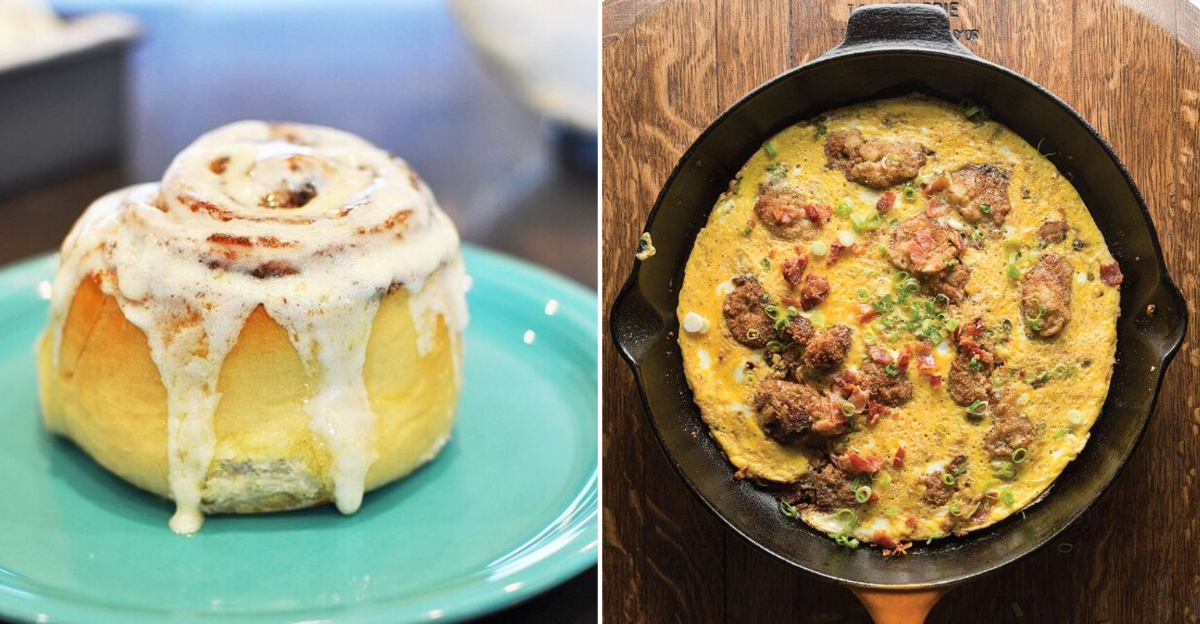
Nothing says vintage California breakfast like an Orange Julius paired with a warm cinnamon roll! This iconic duo was a staple at shopping malls across the state during the 1970s and 80s. My first job was at the Sherman Oaks Galleria food court, where I’d start my shift with this perfect combination.
The frothy, creamy orange drink was originally created in Los Angeles in the 1920s, blending fresh California oranges with milk, vanilla, and ice. When paired with a gooey cinnamon roll, it created a balanced breakfast with protein, vitamin C, and yes, a bit of indulgence.
Modern smoothie shops could learn from the simplicity and affordability of this classic. The Orange Julius wasn’t pretending to be a health food revolution – it was just delicious, accessible, and quintessentially Californian.
6. Don’t Deserve A Comeback: Carob And Wheat Germ Pancakes
Oof! These dense, earthy hockey pucks masquerading as pancakes plagued California health food cafes throughout the 1970s. My mother, caught up in the natural foods movement, subjected our family to these joyless creations every Sunday morning.
Carob, the sad chocolate substitute, combined with wheat germ created a flavor profile best described as “sweetened cardboard.” Typically served with unsweetened applesauce instead of syrup, these pancakes represented California health food culture at its most punishing.
While the intentions were good – reducing refined sugar and increasing fiber – the execution was dismal. Today’s health-conscious Californians have discovered you can eat nutritiously without sacrificing flavor. Let’s appreciate that progress and leave these well-meaning but terrible pancakes in the past where they belong!
7. Deserve A Comeback: Hangtown Fry
Gold Rush history comes alive in this decadent oyster and bacon scramble! Born in Placerville (formerly known as Hangtown) during the 1850s California Gold Rush, this luxurious breakfast has nearly vanished from modern menus. I first tasted it at a historic diner in Northern California, and the combination blew my mind.
Legend has it that a prospector who struck it rich wanted the most expensive breakfast possible – fresh oysters (which had to be transported inland), eggs, and bacon all scrambled together. The result was surprisingly delicious, with the briny oysters complementing the smoky bacon.
This dish represents California’s coastal-meets-frontier culinary heritage better than almost any other breakfast. While not an everyday meal, Hangtown Fry deserves recognition as a special occasion breakfast that celebrates our state’s unique history.
8. Don’t Deserve A Comeback: Prune Juice And Cottage Cheese Diet Plate
Mercy! This sad combination haunted California coffee shop menus from the 1940s through the 1960s. Marketed specifically to weight-conscious women, this dismal “reducing plate” featured a scoop of cottage cheese, canned peach half, and a glass of prune juice. My grandmother ordered this religiously at our local diner, grimacing through every bite.
The cottage cheese-fruit combo wasn’t terrible, but pairing it with prune juice created a breakfast focused more on digestive function than enjoyment. Coffee shops like Hof’s Hut and Bun Boy featured these plates prominently in their “Ladies’ Menu” section.
This breakfast represents an era when women’s food was expected to be punitive and functional rather than satisfying. California’s food culture has evolved beyond such gendered, joyless eating – let’s not go backwards!
9. Deserve A Comeback: Sourdough Waffles With Seasonal Fruit
San Francisco’s legendary sourdough culture wasn’t just for bread! Throughout the Gold Rush era and well into the mid-20th century, sourdough waffles were a Northern California breakfast tradition. My first taste came from my grandfather’s cast iron waffle maker using his 30-year-old starter.
The overnight fermentation process created waffles with a distinctive tangy flavor and airy texture that modern quick-mix versions can’t match. Topped with whatever fruit was in season – strawberries in spring, peaches in summer, apples in fall – these waffles celebrated California’s agricultural abundance.
Unlike today’s sugar-bomb waffle concoctions, these had complex flavor from fermentation rather than sweeteners. They represent sustainable cooking (using a maintained starter) and farm-to-table eating long before those concepts became trendy. This authentic California tradition deserves revival!
10. Don’t Deserve A Comeback: Tang And Space Food Sticks Breakfast
The space age hit California breakfast tables hard in the 1960s! As home to major aerospace companies, California families embraced futuristic foods with questionable nutritional value. My dad still reminisces about his childhood “astronaut breakfast” – a glass of Tang and Pillsbury Space Food Sticks.
Tang, that neon orange powdered drink, contained mostly sugar with a whisper of vitamin C. Space Food Sticks were essentially cylindrical protein bars marketed as astronaut food, despite never actually flying in space. Together, they formed a breakfast that was all novelty and no substance.
While these products represented California’s aerospace pride and technological optimism, they also kicked off decades of processed food marketing to children. Let’s appreciate our space history through museum visits rather than reviving these nutritionally void breakfast items!
11. Deserve A Comeback: Artichoke And Sourdough Eggs Benedict
This coastal California twist on eggs Benedict emerged in the 1970s around Monterey and Half Moon Bay. I stumbled upon it at a seaside café in Castroville (the self-proclaimed “Artichoke Center of the World”) during a college road trip and was instantly hooked.
The classic Benedict gets a distinctly Californian makeover: sourdough toast replaces English muffins, and artichoke hearts – locally grown along the central coast – are layered with the traditional Canadian bacon. The hollandaise sauce sometimes includes a hint of lemon or herbs from nearby farms.
This regional specialty celebrates California’s agricultural bounty and sourdough tradition while elevating a breakfast classic. Unlike fussy modern Benedicts with unnecessary ingredients, this version makes a thoughtful substitution that actually improves the dish. It deserves recognition as a true California breakfast classic!
12. Don’t Deserve A Comeback: Granola With Brewer’s Yeast
The hippie movement gave California many wonderful things, but this breakfast wasn’t one of them! Emerging from communes and natural food co-ops in the late 1960s, granola doctored with nutritional additives like brewer’s yeast became a Northern California staple. My first Berkeley apartment was next to a food co-op that made this stuff fresh daily.
While homemade granola itself was revolutionary and delicious, the addition of brewer’s yeast – a bitter, powdery nutritional supplement – ruined the experience. Health-conscious Californians sprinkled it liberally into their morning granola despite its funky flavor.
The intention was good (adding B vitamins), but the execution was terrible. Today’s Californians have learned that nutritious food can also taste good. Let’s keep the granola but leave the brewer’s yeast for supplements, not breakfast bowls!
13. Deserve A Comeback: Cinnamon Breakfast Tortilla With Orange Honey
Mexican and Spanish influences created this simple yet magical breakfast in Southern California during the 1940s. My grandmother learned it from her neighbors in East Los Angeles – a flour tortilla lightly fried in butter, sprinkled with cinnamon sugar, and drizzled with local orange blossom honey.
Sometimes called “poor man’s sopapillas,” these quick breakfast treats used ingredients found in most California kitchens. The citrus honey came from backyard orange trees that once dominated the landscape before suburban sprawl.
What makes this breakfast special is its cross-cultural heritage and accessibility. It reflects California’s Mexican roots while incorporating local citrus traditions. Unlike complex modern fusion foods, this simple creation arose naturally from cultural exchange. Its unpretentious deliciousness and cultural significance make it worthy of rediscovery!
14. Don’t Deserve A Comeback: Liver And Onions Breakfast Plate
Goodness gracious! This protein-heavy breakfast was a staple at California truck stops and diners from the 1930s through the 1960s. My grandfather, a San Joaquin Valley truck driver, swore this high-protein meal kept him alert on long hauls between LA and Sacramento.
The dish featured sliced beef liver fried with onions, typically served with eggs and toast. The liver was often overcooked to a chewy leather consistency, with the onions providing the only merciful flavor break. Roadside diners like Spud Nut and Sambo’s featured this as their “working man’s special.”
While organ meats have nutritional merit, modern Californians have found more palatable ways to incorporate them. This breakfast represents an era when flavor took a backseat to perceived heartiness and function. Let’s appreciate our more delicious protein options today!
15. Deserve A Comeback: Persimmon Pudding Breakfast Bread
Fall mornings in California once meant slices of spiced persimmon pudding bread! This seasonal treat utilized the Hachiya persimmons that grew abundantly throughout the state. My first taste came from my neighbor’s kitchen in Sacramento, where her family had been making it since the 1920s.
The recipe transformed astringent Hachiya persimmons (inedible when firm) into a sweet, spiced quick bread similar to pumpkin bread but with a unique honeyed flavor. Often served with cream cheese or butter, it celebrated California’s persimmon harvest that arrived before most other fall fruits.
Unlike modern pumpkin-spice everything, persimmon pudding bread used genuinely local ingredients rather than imported spices and artificial flavors. This authentic California creation deserves recognition alongside sourdough as part of our state’s unique food heritage!
16. Don’t Deserve A Comeback: Processed Cheese And Jelly Omelet
Whoa Nelly! This culinary abomination appeared on California coffee shop menus during the 1950s processed food boom. My mom’s family restaurant in Fresno reluctantly added it after customers kept requesting this bizarre sweet-savory combination.
The concept is exactly as disturbing as it sounds – a standard omelet filled with processed American cheese slices and grape jelly. Sometimes called a “kiddie omelet,” it represented America’s post-war infatuation with convenience foods regardless of flavor compatibility.
Popular chains like Norm’s and Denny’s featured versions of this strange creation, often garnished with additional jelly or even whipped cream. While sweet-savory combinations can work beautifully (think maple bacon), this particular pairing represents a dark chapter in California breakfast history that should remain firmly in the past!