
Texas Vs. North Carolina: 10 BBQ Traditions That Locals Fiercely Defend
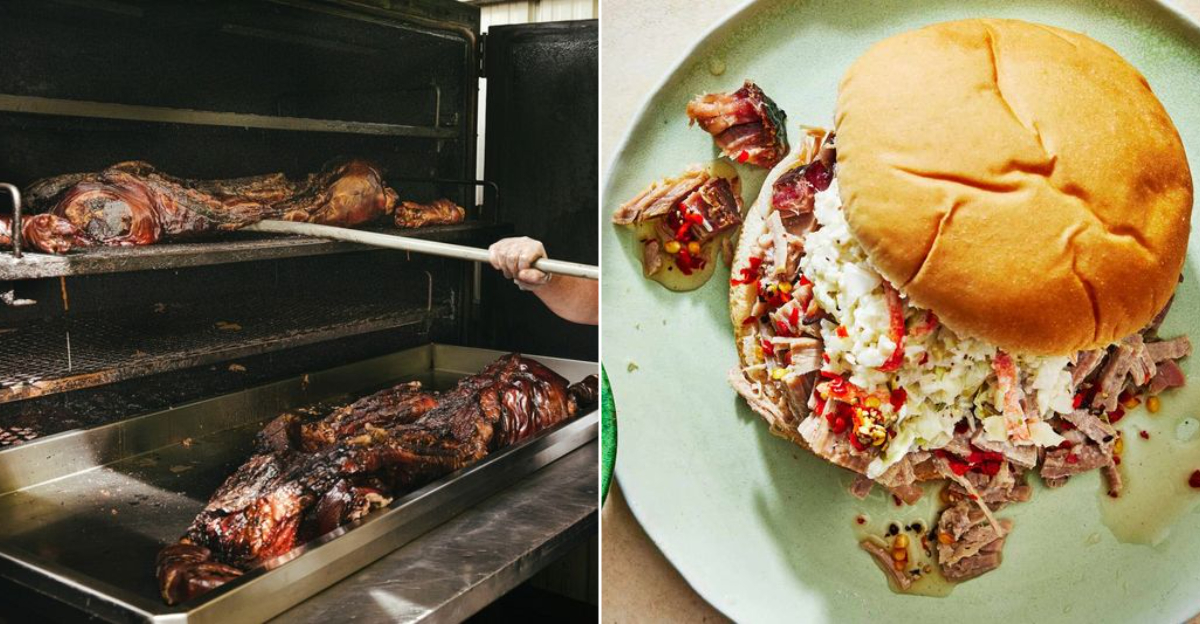
Nothing sparks a heated debate among food lovers quite like barbecue traditions, and it’s easy to see why. I’ve watched grown men nearly come to blows simply arguing about sauce preferences, with one side swearing by a tangy vinegar base while the other defends a rich, smoky tomato blend.
Between Texas and North Carolina, two true BBQ powerhouses, distinct styles have developed over generations, and locals defend them with unmatched passion.
For many, barbecue isn’t just about smoked meat—it’s a symbol of history, identity, and cultural heritage that feels sacred, worth protecting at all costs, plate after plate.
1. Central Texas Brisket: The Holy Grail of Beef
My first taste of proper Central Texas brisket changed my life forever. That glistening black bark giving way to buttery, melt-in-your-mouth meat was nothing short of a religious experience.
Texans treat brisket with reverence, cooking this tough cut for 12+ hours until it surrenders into tender perfection. The approach is beautifully simple: salt, pepper, smoke, and patience.
Many Texans will tell you sauce is sacrilege—it masks the pitmaster’s skill. The hallmark of properly done Texas brisket is the telltale pink smoke ring and meat so tender you could cut it with a stern look.
2. North Carolina Pulled Pork: Whole Hog Heritage
Growing up in the Carolinas, our family reunions always featured someone’s uncle tending a smoker since dawn. The anticipation of that first pulled pork sandwich was sweet torture.
North Carolinians honor the pig above all, smoking pork shoulders until the meat practically shreds itself. Unlike Texas beef, Carolina pulled pork embraces sauce—specifically the tangy vinegar-based variety that cuts through fatty richness.
Locals judge a proper plate by how the meat balances smoke with pork’s natural sweetness. The texture should be delicate strands that hold together just enough before melting away, leaving that signature vinegar tingle behind.
3. Mesquite Wood Smoking: Texas’ Signature Scent
The first time I visited a genuine Texas smokehouse, that powerful mesquite aroma nearly knocked me sideways! It wasn’t just smoke—it was the perfume of the Lone Star State itself.
Texans swear by mesquite’s intense heat and distinctive flavor profile. This scrubby tree grows abundantly across Texas, making it the natural choice for traditional smoking. The wood imparts a bold, almost sweet yet earthy character that Texans claim perfectly complements beef’s robust flavor.
Try suggesting alternative woods to a Texas pitmaster and watch their expression. Mesquite isn’t just convenient—it’s fundamental to the state’s BBQ identity, creating that unmistakable flavor tourists travel thousands of miles to experience.
4. Hickory Wood Smoking: Carolina’s Sweet Smoke
My Carolina grandfather could identify hickory smoke from a mile away, often declaring, “That’s the smell of Sunday coming!” This sweet, bacon-like aroma defines authentic North Carolina barbecue.
Carolina pitmasters insist hickory’s moderate burn rate and distinctive sweet smoke perfectly complement pork’s natural flavors. The relationship between hickory and pork in North Carolina is practically sacred—a marriage of flavors developed over generations.
Locals claim you can taste the difference immediately. Hickory creates a deeper, more complex smoke penetration than other woods, giving Carolina pork that characteristic mahogany color and flavor that seems to intensify with each bite rather than overwhelm.
5. Texas Dry Rubs: Salt, Pepper, and Pride
“Keep it simple, stupid!” That’s what a fourth-generation Texas pitmaster barked at me when I asked about his secret spice blend. His response wasn’t rudeness—it was Texas BBQ philosophy distilled to its essence.
The famous Texas “Dalmatian rub” consists primarily of coarse black pepper and kosher salt, sometimes with minimal additions like garlic powder. This minimalist approach showcases the pitmaster’s skill and the meat’s quality rather than hiding behind complex spice blends.
Texans believe their straightforward seasoning creates the perfect bark—that magical, crusty exterior that seals in juices during the long smoking process. The result speaks for itself: unadulterated beef flavor amplified rather than masked.
6. North Carolina Vinegar-Based Sauce: Tangy Tradition
My first encounter with authentic Carolina sauce left my taste buds dancing! That sharp vinegar punch backed by red pepper flakes creates an addictive tang unlike any other BBQ experience.
Eastern North Carolina’s signature sauce contains no tomato whatsoever—just vinegar, crushed red pepper, and minimal seasonings. This centuries-old approach cuts through pork’s richness while enhancing its natural flavors, rather than smothering them like thicker, sweeter sauces might.
Carolina natives fiercely defend this thin, watery concoction against outsiders who might call it “too simple.” The sauce isn’t meant to coat meat like paint—it’s designed to penetrate deeply, becoming one with the pork in perfect harmony.
7. Beef Sausage Links: Texas’ Tubular Treasures
Watching a Texas pitmaster slice into a perfectly smoked sausage link and hearing that distinctive snap of the casing is pure poetry in motion! The juices that flow out are liquid gold.
Texas beef sausage links—often called “hot guts”—emerged from German and Czech immigrant traditions. These communities brought their sausage-making expertise to Central Texas, creating a unique beef-forward style that complements the region’s brisket-heavy BBQ plates.
True Texas sausage features coarsely ground beef with minimal fillers, heavily seasoned with black pepper, garlic, and sometimes jalapeño for kick. Locals judge quality by the balance of snap, juice, and smoke—a perfect link should satisfy all three criteria without compromise.
8. Whole Hog Barbecue: North Carolina’s Ultimate Commitment
Standing beside a cinderblock pit at 3 AM while my friend’s father basted a whole hog, I realized this wasn’t just cooking—it was a vigil, a tradition, almost a sacred rite.
North Carolina’s whole hog tradition represents BBQ in its most primal, complete form. Everything from snout to tail cooks together, creating a perfect blend of lean and fatty cuts that self-baste throughout the 12+ hour smoking process.
Carolina pitmasters take immense pride in utilizing the entire animal, arguing this approach honors the pig by wasting nothing. The mixture of different muscles and fat contents creates complex flavor variations impossible to achieve with single cuts—from the hammy shoulders to the delicate loins.
9. Texas Sides: Pinto Beans & White Bread
“Just give me a slice of white bread, some beans, and maybe an onion slice if you’re feeling fancy,” declared my Texas host when I asked about proper BBQ sides. His simplicity wasn’t stinginess—it was tradition in its purest form.
Texas BBQ side dishes deliberately take a backseat to the meat. Pinto beans simmered with minimal seasonings provide subtle complementary flavors without competing for attention. The iconic slice of plain white bread serves the practical purpose of soaking up precious meat juices and making impromptu sandwiches.
Locals insist this minimalist approach keeps focus where it belongs—on expertly smoked meats. The humble white bread slice has become so emblematic that fancy Texas BBQ joints still serve it alongside $30/pound brisket.
10. North Carolina Sides: Slaw & Hushpuppies
The first time I bit into a perfectly fried hushpuppy alongside tangy Carolina slaw, I understood these weren’t just sides—they were essential counterpoints in a perfectly orchestrated BBQ symphony.
North Carolina BBQ joints elevate their sides to crucial components of the complete experience. The vinegar-based coleslaw (never mayo in eastern regions) provides cooling crunch against warm pork while echoing the vinegar notes in the sauce. Golden-fried hushpuppies offer textural contrast and a hint of sweetness.
Carolina BBQ aficionados consider these sides non-negotiable traditions. The slaw often goes directly on pulled pork sandwiches, while hushpuppies—with their origin stories tied to fishermen quieting hungry dogs—complete the plate with satisfying, cornmeal-battered goodness.